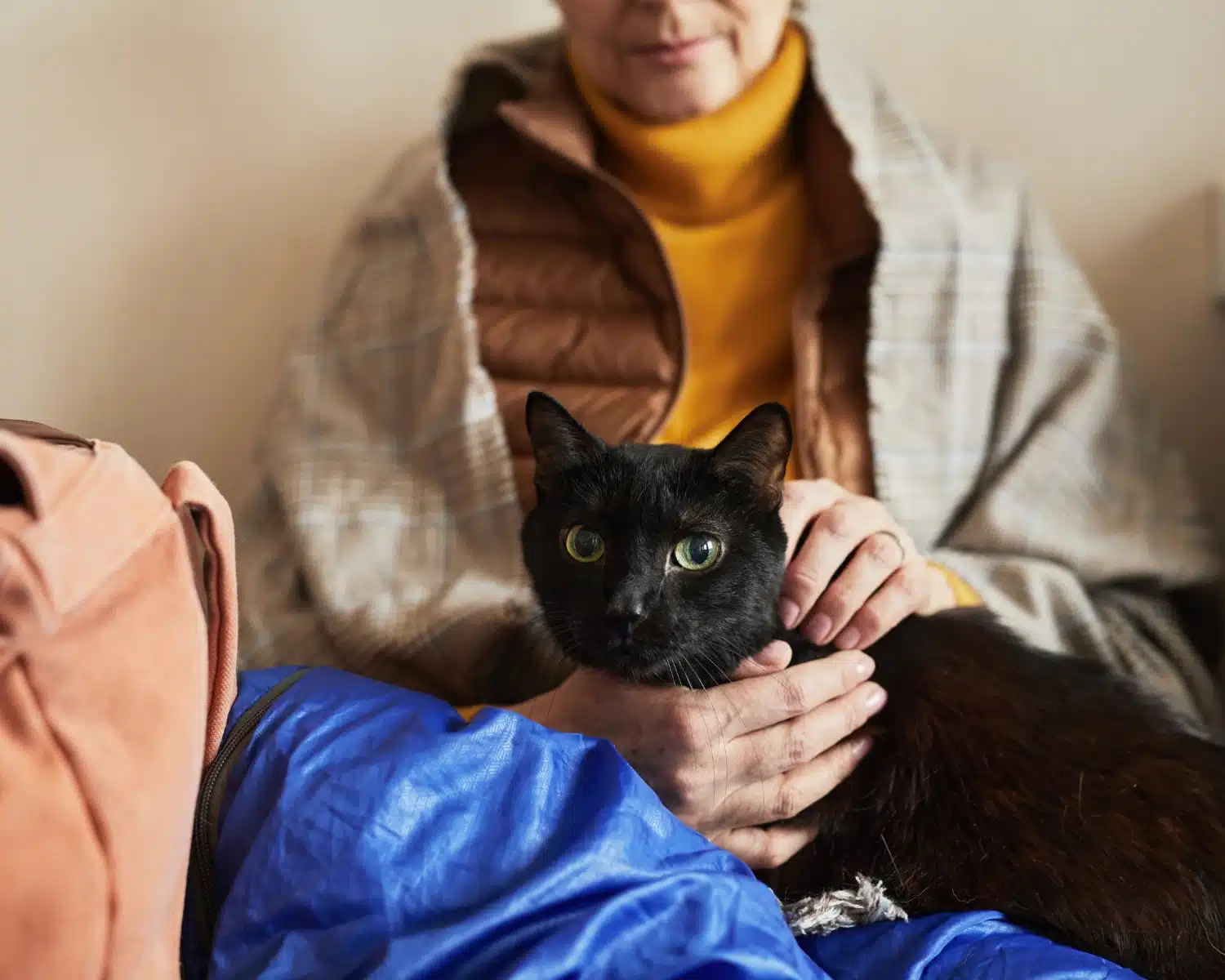
When a natural disaster strikes, the last thing you want to worry about is scrambling for your pet’s food, medicine, or crate. Whether it’s a hurricane, wildfire, blizzard, or earthquake, emergency preparedness for pets is just as important as planning for the human members of your household.
Dogs and cats are among our most vulnerable populations and preparing for any type of emergency or natural disaster is wise. Safeguard your furry, feathered, or scaled companions with this essential disaster preparedness guide for pets.
Why Pet Emergency Preparedness Matters
In times of crisis, thousands of pets are injured, displaced, or left behind. With proper planning, you can prevent that from happening to your beloved dogs, cats, and other animals. Creating a pet emergency plan not only reduces stress during disasters, it can also save lives.
Pet Disaster Preparedness Checklist
Use this comprehensive checklist to make sure you’re ready for any emergency:
1. Create a Pet Emergency Kit
Every family should have a smaller emergency kit suitable for traveling as well as emergency supplies that can keep you nourished and safe in a disaster. In some cases, emergency services may not be able to reach you or provide shelter for your pet for several days.
Keep an additional emergency kit for your dog or cat to ensure their safety. Be mindful that food and medications can expire, so refresh supplies often.
A week supply of canned food and bottled water as well as a two-week stash of medication is ideal. A first aid kit, photo of you and your pet to generate LOST posters, important phone numbers of family members, your vet clinic, and an emergency clinic are critical.
Stock up on the following items and store them in a portable, waterproof container:
- Food & Water: At least 3–7 days’ supply per pet
- Medications & Veterinary Records: Keep in a sealed, labeled plastic bag
- Pet First Aid Kit: Bandages, antiseptic, tweezers, gloves, etc.
- Leash, Harness & Carriers: Clearly labeled with ID tags
- Waste Supplies: Litter box, litter, poop bags, and cleaning supplies
- Comfort Items: Blankets, toys, or an item with your scent
- Recent Photos: In case your pet gets lost
2. Ensure Proper Identification
Permanent microchip identification is recommended for all pets in addition to a collar with ID and can be quickly implanted by your veterinarian. Microchipping your pets greatly increases the chance of being reunited if separated.
Also ensure they wear a collar with:
- Pet’s name
- Your phone number
- Proof of rabies vaccination
Keep microchip registration information up to date.
3. Create an Action Plan and Know Where to Go
An important step in preparing for an emergency is to generate a family action/evacuation plan, which includes identifying escape routes from your home, interior spaces with no windows, and areas with access to fresh water. Knowing pets’ hideouts or safety zones such as a bathtub or under a bed can be important to quickly locate your pet.
Boarding facilities, pet-friendly hotels, or family residences are places where you can stay should you need to evacuate your home. Not all evacuation shelters accept animals. Plan ahead by:
- Researching pet-friendly shelters or hotels
- Asking friends or family in safer areas if they can house you and your pets
- Creating a list of emergency boarding facilities or veterinary hospitals in nearby cities
For personal emergencies where your pet may be left alone in your home, designate a neighbor or friend familiar with your pet to assume responsibilities for care. Leave the “foster parent” a set of keys, supply of food and medications as well as feeding instructions and the phone number to your veterinary clinic.
4. Helpful Tools and Resources
Mobile apps like the NOAA and ASPCA apps allow you access up-to-date information on weather, pet support and recovery networks, and contain record-keeping features.
Download these apps before you need them. Should you have to leave your pet or if you become separated, make sure to have a sticker visible from outside your house that includes the number and type of animals in the home as well as an emergency number where you can be reached.
5. Practice Evacuation Drills With Your Pets
Train your dog or cat to enter carriers quickly and calmly. Practice loading your vehicle and going through your evacuation plan with all family members.

Special Considerations for Different Types of Pets
Dogs
- Keep a sturdy leash and harness in your emergency kit.
- Practice crate training ahead of time for easier transport.
- Include training pads in case your dog can’t go outside.
Cats
- Cats can be more stressed during emergencies. Use calming pheromones in their carrier.
- Line carriers with absorbent bedding and keep an extra litter tray handy.
Birds
- Use a small, secure travel cage.
- Cover the cage with a breathable cloth to reduce stress.
- Keep extra seed, water containers, and a spray bottle for cooling.
Small Mammals
- Use escape-proof carriers with ventilation.
- Include nesting materials and food specific to each species.
- Avoid overcrowding; each animal needs space to stay calm.
Reptiles
- Secure heat sources like heating pads (battery-powered or chemical).
- Bring extra bedding and feeding supplies.
- Label containers clearly with species and any handling precautions.
After the Emergency: Returning Home Safely
Once it’s safe to return home:
- Inspect your home before letting pets roam freely.
- Watch for debris, spills, or structural damage.
- Be patient—many pets exhibit anxiety or behavioral changes after a disaster.
Re-establish your routine as soon as possible and provide plenty of comfort and reassurance.
Don’t Leave Pet Preparedness to Chance
Having a well-thought-out pet disaster preparedness plan can mean the difference between chaos and calm when disaster hits. By preparing now, you’re protecting the health and safety of your dogs, cats, and other beloved pets—no matter what nature throws your way.
At Pet Butler, we’re here to support you and your pets through every stage of life—including the unexpected. Bookmark this guide, share it with fellow pet parents, and start building your emergency pet kit today!
View our Pet Wellness Videos for more expert pet advice.
At Pet Butler, we want you and your pet to live your best and healthiest lives, which is why we offer Pet Waste Removal and Pet Care services year-round. We offer weekly, bi-weekly, monthly, and one-time clean-up services to meet your schedule and needs.