
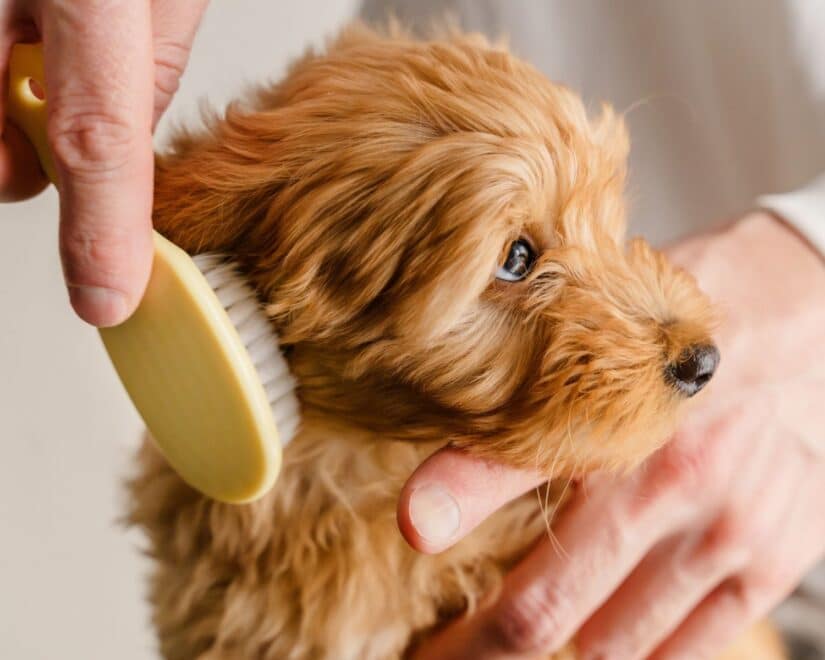
Grooming your dog is not just about keeping them looking their best; it’s a critical component of their overall health and well-being. Responsible pet owners understand that brushing, bathing, drying, trimming, ear cleaning, and tooth brushing are essential practices. Grooming ensures a healthy coat, skin, ears, eyes, and mouth while providing a bonding experience between you and your pet.
Many dog owners opt to be their pet’s hairstylist. While getting the perfect poof for your pooch might be ambitious, there are some necessary aspects of grooming you need to know to ensure you’re doing it properly and to keep your pets healthy.
Acclimating Your Dog to Grooming
Before you start, it’s important to make sure your dog will have be comfortable during the grooming process. To make grooming a positive experience:
- Use treats, praise, and a tender touch.
- Introduce tools like brushes, nail clippers, and trimmers gradually.
- Be patient and conduct short, repetitive sessions that end on a positive note.
- Regularly handling all parts of your dog’s body also allows you to detect any sore spots, lumps, or bumps early, ensuring timely medical intervention by your veterinarian.
Grooming Tools
Combs & Brushes: Have the right tools for the job including brushes and combs appropriate for your dog’s breed: some require a slicker brush with pin-type bristles; Labs may benefit from a de-shedding blade to eliminate loose hairs; and a Furminator rake grabs dead undercoat hairs in dogs like the German Shepard.
Nail Clippers: I love my Miller’s Forge trusty orange handled nail clippers and have cornstarch or Kwik-stop styptic powder on hand should I accidentally trim nails too close to the blood vessel.
For Eyes and Ears: Sterile eye lubricant, like Genteal, and cotton balls are great for protecting eyes and ears during bathing and grooming procedures.
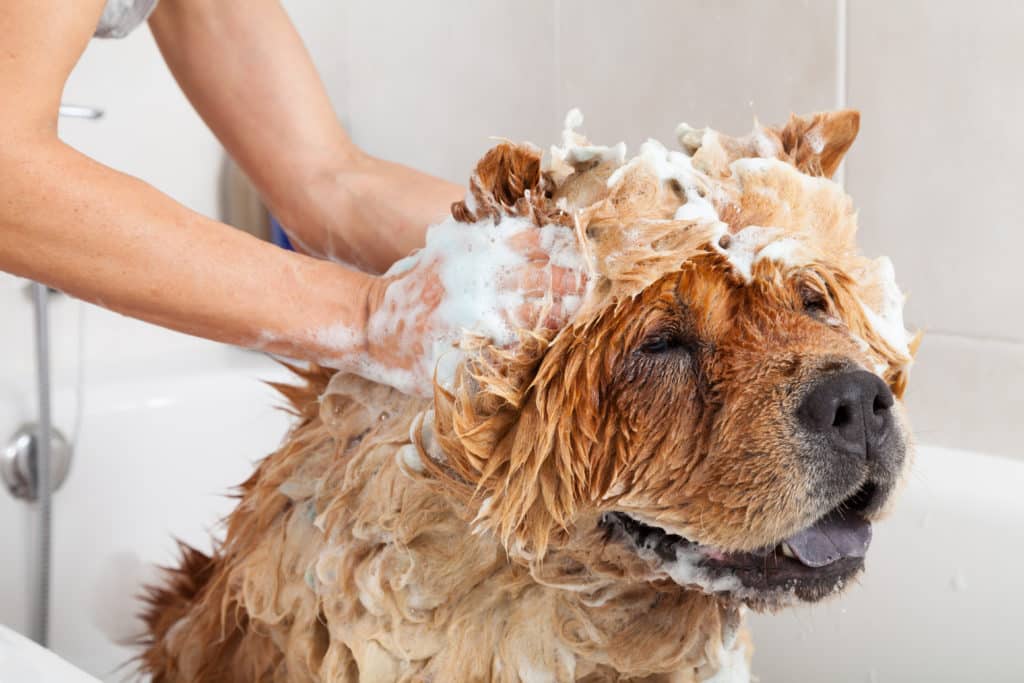
Shampoos: A mild pet shampoo is a must; ask your veterinarian for their recommendation as the pH of pet skin makes it unsuitable to use a human shampoo. Some pets have skin conditions that require a medicated shampoo and a bathing routine that is more frequent than once a month.
Hair Clippers: Professional pet hair clippers like the Wahl Bravura or Andis Excel Pro-Animal along with a blade lubricant and disinfectant are an investment worth making if you will be trimming your pet’s coat regularly. A number 10 blade can be used close to the skin on areas such as the tail or chest. Cordless dog clippers varieties are great for smaller areas between the toes or closer to the face. They have a narrow blade and are easy to maneuver in tight spaces. Use extreme caution on think skinned areas near the underarms, hock, and groin. I’ve accidentally clipped skin in that area and I do not use scissors for the same reason! If you can secure your pet on a non-skid table or yoga mat with good visualization and lighting, you will have a better grooming experience.
Provide plenty of high value treats like rotisserie chicken bits and your pet will have a better experience too! Above all, have plenty of patience and a sense of humor!
Brushing Your Dog’s Hair
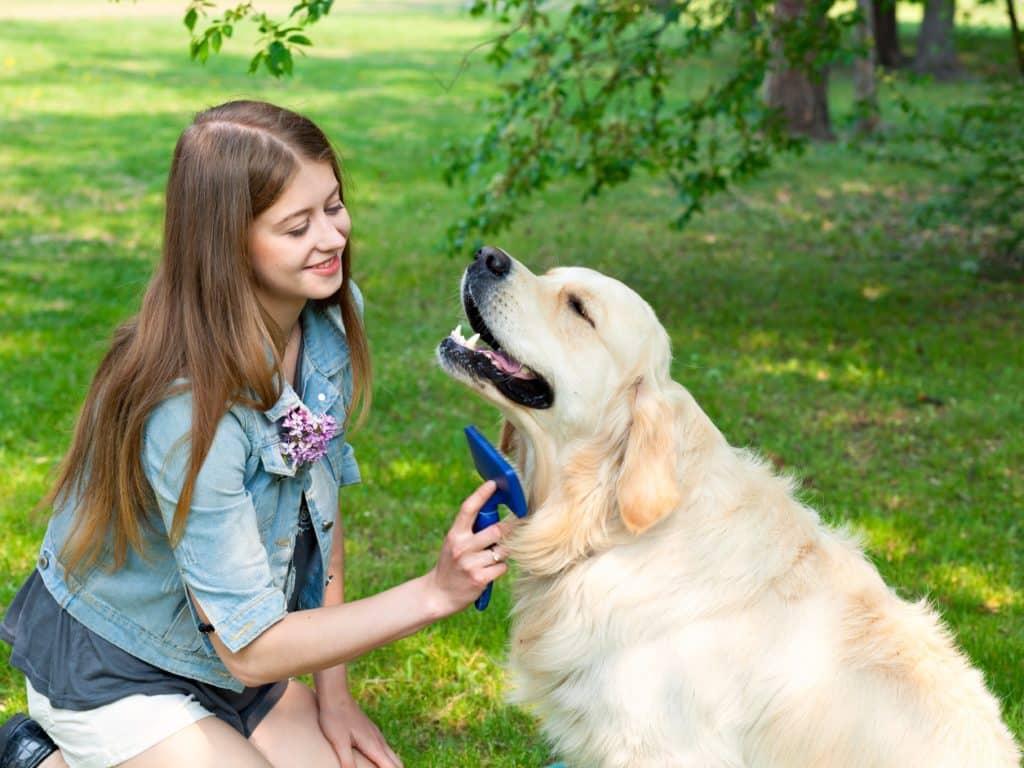
Depending on your dog’s breed, daily brushing of the coat and teeth are necessary for maintaining optimum skin and oral health. Some dogs with double coats, such as the German Shepard Dog, shed dead hair on a continual basis and need daily brushing. Other breeds such as terriers need less aggressive coat maintenance. Regardless, a daily brushing, coat inspection, or massage allows you to check your pet head to tail for mats, ticks, and any new lumps or bumps. It also helps distribute the oils in your pet’s skin and remove dead hair which can lead to infection if left to mat and obstruct airflow to the skin’s surface.
Understanding Dog Grooming Needs by Coat Type
Dog breeds vary widely in size, shape, and coat type, each requiring unique grooming techniques. The frequency and method of grooming depend largely on whether your dog’s coat is wiry, smooth, double, long, or curly.
General Grooming Guidelines by Coat Type
- Short-haired breeds: Require less frequent grooming but benefit from weekly brushing to remove dirt, distribute natural oils, and check for parasites.
- Smooth-coated breeds: Use a soft bristle brush or rubber curry comb.
- Double-coated breeds: Employ a rake to remove the undercoat, especially during shedding season.
- Wiry and curly-coated breeds: Use slicker or wire pin brushes for detangling and maintenance.
Dealing with Mats and Tangles
For knots or mats:
- Use safety scissors or clippers.
- Apply spray detanglers and comb gently with patience.
Trimming and Styling
Trimming serves both practical and aesthetic purposes:
- Practical trims: Keep hair out of the eyes, prevent matting between toes, and improve hygiene (e.g., booty trims).
- Aesthetic styles: Some breeds, like poodles, are groomed in specific styles for show or preference.
Seasonal Grooming Considerations
Avoid shaving double-coated breeds during summer, as their fur provides insulation and sun protection. If necessary, opt for minor trims to reduce shedding and make tick checks easier.
Brushing Your Dog’s Teeth
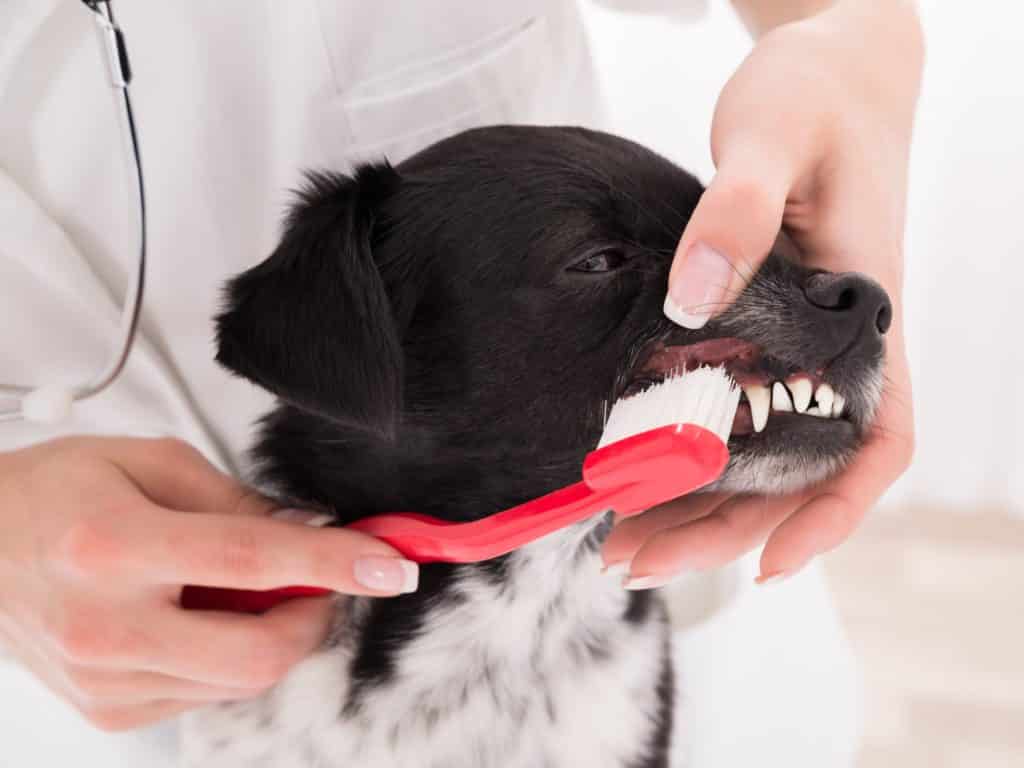
Use a pet toothpaste and a finger brush, a kid’s soft-bristle brush, or even a gauze square, to gently massage your pet’s gums. Daily oral care is just as important to maintain your pet’s health as it is for humans. Not only does the accumulation of bacteria and minerals in saliva lead to unsightly tartar, but gingivitis, halitosis, and even heart or kidney disease can develop if bacteria is left to colonize the surface of the tooth and gum line and enter the bloodstream.
Cleaning Your Dog’s Ears
Ears are an extension of the body’s skin and should also be examined daily.
- Cotton balls can be placed in the ear canals to avoid introducing water inside the ear during bathing and grooming.
- Use a drying solution recommended by your veterinarian to saturate the inside of the ear canal once a week.
- Massage the ears to loosen debris and let your pet shake, shake, shake! Cotton balls can be used absorb the remaining moisture.
- Lots of treats should be involved in ear cleaning.
There is nothing worse (except for nail trimming) than attempting to clean a dog’s ears that is unaccustomed to ear handling and maintenance. A foul ear odor, excessive debris, redness, or pain should be brought to your veterinarian’s attention immediately.
Trimming Your Dog’s Nails
When you’re feeling confident and your pup is relaxed and comfortable, it’s time to tackle the nails! It’s extremely important to acclimate your dog to the sight and feel of the clippers as well as handling of the feet before attempting the trim. Rub the clippers over your pet’s feet while they’re eating, snuggling, or are otherwise happy and content. Give lots, and lots, and lots of food rewards and praise when they settle while having their feet touched! Then to trim your dog’s toenails…
- Have a hungry pup and a partner who can continuously distract and offer snacks.
- Use the scissor-type nail trimmer and don’t use the guard as it impairs visualization of the nail.
- Have your pup give his paw while sitting on a non-slip surface.
- Place the nail in between the blades and decisively snap the clippers together to shave just a few millimetres off the tip of the nail. Usually the tip of the nail, which is safe to trim, is brittle; as you get closer to the quick, which is the vessel in the center of the nail that looks like a small dot, the nail becomes softer.
- Shave bits off around the quick if your dog is still happy and eating treats.
- Should you injure the quick, use cornstarch, Qwik-stop, or even cold snow packed in the nail to staunch the bleeding.
- The goal is progress, not perfection. Aim for one or two nails a session.
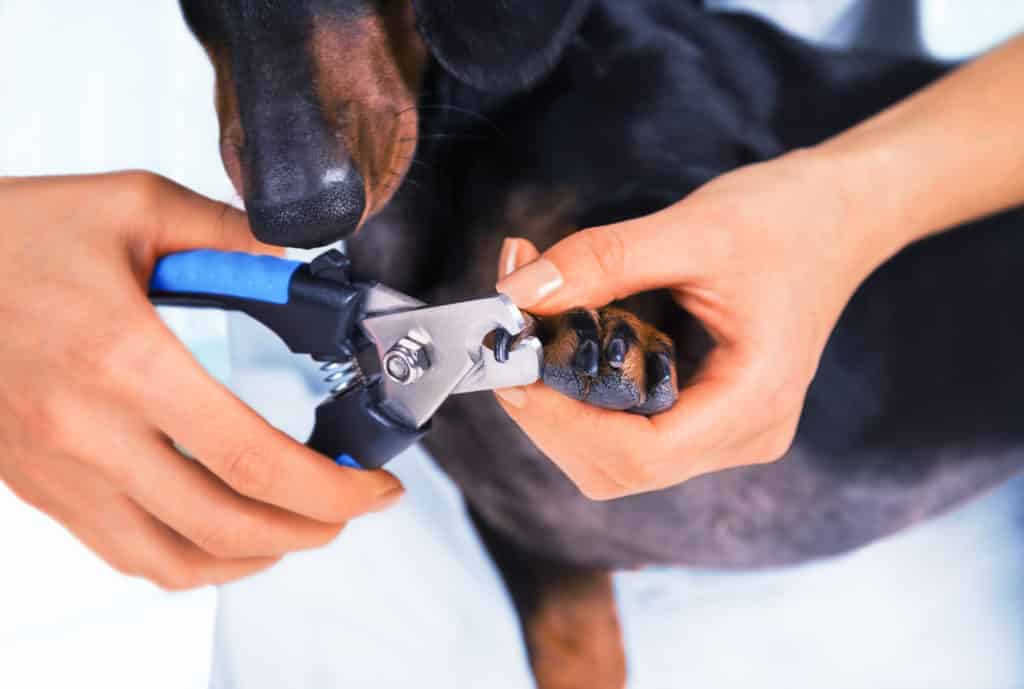
Cutting the quick isn’t fatal, but it is painful, and your dog will be less likely to willingly participate in nail trims in the future. Weekly trimming causes the quick to recede. You should be able to trim your pup’s nails shorter and shorter as recession occurs, which means there is less likelihood of torn or ingrown nails!
Professional Grooming Services
If grooming at home feels overwhelming, professional groomers can help. Look for reputable facilities with:
- Clean environments.
- Proper licensing and tool sanitation.
- Accommodations for anxious or senior pets.
Frequency of Professional Grooming
- Long-haired or curly breeds: Every 4-6 weeks with daily brushing at home.
- Short-haired breeds: Monthly baths and nail trims.
- Special cases: Breeds with specific needs or medical conditions may require prescription products or bi-weekly baths.
Preventing Common Grooming Challenges
Even experienced groomers face challenges, such as anxious pets or accidental injuries. Follow these tips to avoid common problems:
- Use gentle restraint and positive reinforcement.
- Ensure proper training and desensitization to grooming tools.
- Dry ear canals thoroughly after baths to prevent ear infections.
- Handle clippers and dryers carefully to avoid burns or cuts.
Grooming is an opportunity to care for your pet’s health while strengthening your bond. With the right tools, techniques, and patience, every grooming session can feel like a spa day for your dog. And there’s nothing better than snuggling up to a clean, fluffy pup!
