Protect Your Dog From Fleas & Ticks This Season

Pet Safety Articles

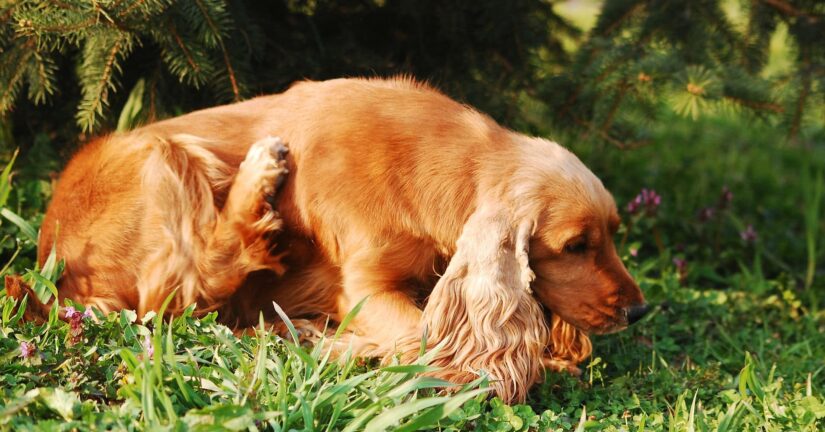
itchy scratching dog

Fleas and ticks can, unfortunately, find their forever homes on dogs. Preventing fleas and ticks has come a long way with topical products that can be applied as often as monthly, or oral pills that are both tasty and effective at eliminating many life stages of the flea and tick.

Here are some important facts on fleas and ticks and how to keep your pets safe from them.

What are Fleas?

Fleas are tiny parasites that require the blood meal of a mammal or bird to survive and reproduce. While they need warm, humid temperatures to thrive (our friends in the south have particularly bad flea problems), the larvae and pupa can overwinter in the house or on animals like coyotes and rabbits and their dens, extending their life cycle from several weeks to many months.

Fleas tend to hang out in the same areas that are popular with your dog and other wildlife: shady areas out of direct sunlight and direct foot traffic. The flea life cycle is complex, consisting of four stages: egg, larvae, pupa, and adult. Because some of these life stages occur off the host (your dog or cat), prevention and treatment for fleas and ticks targeted at several of these stages works best.

Flea Prevention & Treatment

First off, we want to treat the environment and make it an inhospitable place for fleas to live. Clearing brush, keeping grass cut short, and raking leaf piles are great at eliminating flea hide-outs. Inside, frequent vacuuming to stimulate egg hatching and laundering bedding daily is important if you suspect a flea infestation. Next, you’ll want to utilize one of the many products available from your veterinarian to kill adults, larvae, and eggs.

Some popular preventatives include:

Over the counter products can not only be ineffective (think flea collars), but dangerous to pets. Flea preventatives work by sterilizing the adult flea (flea birth control, if you will), others work via overstimulating the flea central nervous system. Treated hairs can also work to kill larva and eggs in the environment. Because new eggs shed into the house or yard are constantly hatching, it is important to treat consecutively every month to kill emergent fleas. An adult flea can produce 500 eggs in just a few weeks!

A flea comb can be utilized to find live fleas on your dog, though most pet owners aren’t fast enough to catch a hopping flea. Tell-tale signs of a flea problem are itching or biting near the tail base and evidence of a black pepper-like granule (flea poop) in the fur that turns reddish on a damp paper towel. That red coloration is digested blood. Fleas can cause an allergic response to their saliva in some dogs; one bite can cause severe hair loss and scratching. A heavy infestation can lead to low red blood cell count, transmission of tapeworms, or diseases such as the plague or typhus.

tick on dog

How Are Ticks & Fleas Different?

Similarly, ticks love to live in outdoor areas such as wood piles, yard clippings, or attached to hosts such as mice and deer. True opportunists, they wait to attach to an unsuspecting mammal as they brush past. Ticks become most active as the temperatures rise above freezing. This fools many dog owners into thinking they can forgo preventatives from December to March. Ticks don’t typically leave tiny poop calling cards like fleas. Many times, they are not discovered on your dog until they have been attached for days to weeks and are engorged with blood.

Ticks also have a four-part life cycle, and other than the egg, each stage including the larva, nymph and adult needs a blood meal to survive. The complete life cycle can take two years to complete and an adult tick can produce up to 3,000 eggs. Frighteningly, the larva stage of the tick which will attach to a host animal is no bigger that the size of the period at the end of this sentence. Imagine finding that in your dog’s fur!

Ticks are tremendously dangerous to dogs and humans because they transmit devastating and sometimes hard to treat diseases. The deer tick is most commonly known for its ability to spread Lyme Disease.

Tick Prevention & Treatment

Because it takes 24 hours of tick attachment to infect a host with disease, prompt identification and removal is critical. If you spend time outdoors with your pet, do a tick check of the skin and hair coat after returning home. Ticks especially love to set up shop on a dog’s ear flaps. If you see an embedded tick…

  1. Grasp its head as close to the skin as possible with a pair of tweezers.
  2. Pull the entire tick out in one swift movement.
  3. It’s okay if you get a bit of dog with your tick – just clean the area with soap and water and apply a triple antibiotic ointment to the bite.

Many of the same preventatives we use for flea control are also effective at repelling and/or killing ticks during that 24-hour window of attachment. Consistent use is important and recognize if your dog is boarded or groomed, it can pick up parasites from other dogs. Yard treatments are also available to kill ticks and fleas. It’s best to consult a company that specializes in such treatment as some chemicals can be harmful to humans on pets.

Pet Safety: Safe Foods Dogs Can Eat On Thanksgiving

Pet Safety Articles

PBC Blogs 1500 × 1200 px) (4)

Next time you are the pet store picking up a bag of kibble, check out the ingredients in some popular brands of dog food.  The lists read like a veritable Thanksgiving Day menu: sweet potatoes, turkey, peas, white potatoes, carrots, pumpkin and cranberries.  As the lines blur between pet food diets and what we feed our human holiday guests, it is a good idea to clear up some common misconceptions about safe and dangerous Thanksgiving meals for dogs, so they can join the party!

Thanksgiving Table Decorations To Watch Out For

During the holiday preparations, we may overlook the dog in the corner munching on a mum or an amaryllis.  Both plants, as well as macadamia nuts, holly, English ivy, cyclamen, and Christmas rose are all found on the ASPCA Animal Poison Control Center’s list of toxic plants.  Ingesting modest quantities will generally cause vomiting, diarrhea, depression, and excessive salivation so it’s best to keep any plants high out of reach of a rogue canine.

The kitchen! Home to all varieties of delicious smells, tastes, and frenzied activity.  Dough rising in the corner for dinner rolls? Should your dog eat raw dough, be prepared for a host of potential problems including bowel obstruction and bloat as the dough continues to rise and release gases INSIDE your dog’s belly.  As the yeast ferments, ethanol is produced.

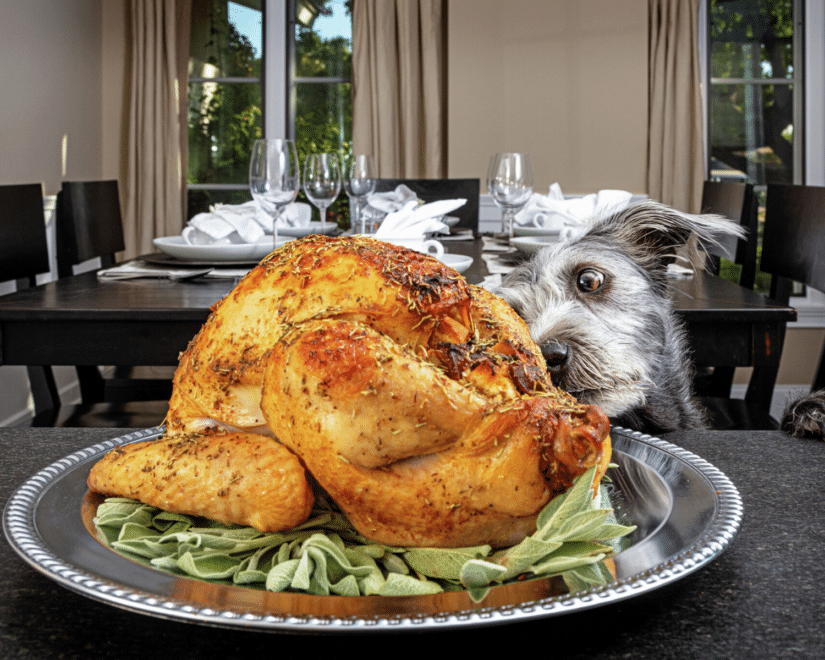
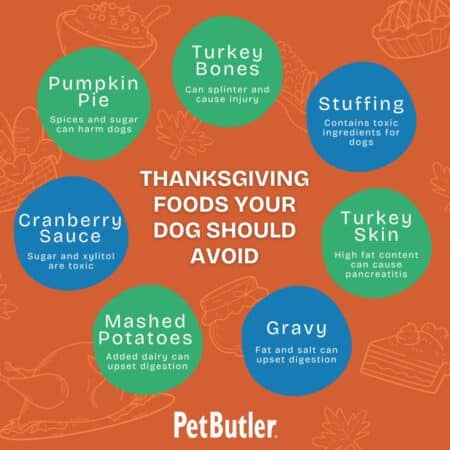
Think an over-served relative is bad news? A drunk dog is no laughing matter; watch for signs of drooling, difficulty walking, weakness, low blood pressure, body temperature, vomiting, and seizures in an intoxicated pet. Raw or under-cooked meat waiting for the deep fryer can also be dangerous to your dog.  In addition to bones which can puncture the esophagus, stomach, intestines, or become lodged in the mouth, Salmonella and E.coli love to live on raw turkey.  Ingesting these bacteria may cause vomiting and diarrhea in your dog which may lead to secondary exposure by unsuspecting guests.

Safe Thanksgiving Foods For Dogs

Can your dog eat cooked turkey? For most otherwise healthy dogs with no food allergies or intolerances, the answer is yes! A good rule of thumb is to feed your dog no more than 10% of his daily calories in treat form or suffer the consequences (read: diarrhea).

Skinless, boneless white meat is low in fat and calories and is easy to digest for most dogs.  Likewise, canned or cooked pumpkin (NOT pumpkin pie filling with sugar and spices) is a great source of fiber and Vitamin A; 1-2 Tablespoons can be added to your dog’s dish without leading to excessive gas or loose stools.

Mashed or cooked white potatoes or sweet potatoes are also a delicious treat; set aside some safe starches before you add butter, salt, milk, cheese, gravy, and especially garlic or onions (both on the naughty list and can cause red blood cell damage!).  And please, no gravy!

Traditional Thanksgiving foods like cranberries can be eaten in very small amounts before being doctored with sugar and other goodness.  And while they may look similar, grapes and raisins are known to cause kidney disease in dogs and are to be avoided.  Plain green beans and peas are tasty and healthy! Add a few to your dog’s Thanksgiving plate.

Blog Cta Graphic (1)

Sweet Treats Dogs Can and Cannot Eat 

No meal is complete without dessert. Chocolate is a definite no-no; the caffeine and theobromine cause nervous system stimulation, gastrointestinal upset, and even death in high enough doses.  All chocolate is not created equal; dark chocolate and baking chocolate, i.e. the “good stuff”, contains more of the “bad stuff” and will cause toxicity in smaller quantities.  Size does matter.  A smaller dog will become ill eating the same amount of chocolate as a larger pet.

Those of you trying to minimize the calorie load in your Thanksgiving meal need to be sure sweeteners containing xylitol aren’t accessible to dogs. The no-calorie sweetener can be found in some peanut butters, gum, mints, pudding snacks, and some baked goods.  Unlike humans, dogs consuming xylitol experience a massive release of insulin which can cause low blood sugar, weakness, seizures, and liver failure.  If you like to spoil your pet, apples, carob chips, and frozen banana bites are safe Thanksgiving indulgences for your dog.

Most of all, make sure your guests are on the same page when it comes to sharing their Thanksgiving food.  If everyone gives your dog a “tiny” bit of turkey, tummy troubles or even a serious case of pancreatitis could send you to the vet. It’s also important to remember to feed your dog his Thanksgiving dish IN his dish and not from your hand or the table.  Bad behavior can begin or be reinforced during the frenetic holidays.

Be mindful of these tips and you can be thankful you avoided a Thanksgiving trip to the Animal ER!

Pet Butler November 2024 Smm

10 Christmas Gift Ideas For The Special Pets In Your Life

Dog Activities Articles

A brown and white dog licking a gold Christmas ornament hanging from a lit evergreen tree

It’s that time of year. What do you get the pet that has everything?  Are you racking your brain trying to figure out what to get Fido or Bella this year?  We have come up with 10 gift ideas that are sure to please your pet!

  1. Bake-A-Bone Dog Treat Maker

The original dog treat maker makes healthy, delicious preservative-free treats in minutes. Perfect for small, medium and large dogs. Bake-A-Bone features allergy-sensitive recipes including wheat-free, corn-free, low-glucose, lactose-free, gluten-free and soy-free. Recipes for every taste: chicken, beef, liver, peanut butter, cheese, vegetarian, vegan organic and much more. Make fun specialty treats also snicker poodles, banana biscotti bones, birthday bones, puppy pot-roast bones. You can also decorate your treats with fun, pet-friendly homemade icings.

amazon.com

  1. Indoor/Outdoor Heated Bed

This one’s water resistant, so your furry friend can use it inside or out.
Small indoor/outdoor heated bed, drfostersmith.com.

  1. Cat Nap Fleece Hammock

And when it gets to be summer, just flip the hammock over for a lighter cotton side.
Cat hammock with wood stand, catabove.com.

  1. Pez Dog Treat Dispenser

Giant PEZ Dog Treat Dispenser with 6 Treats and 1 Pack of PEZ Refill Dog Treats (1 Set)

amazon.com

  1. DIY Dog Treats

These might be the best dog biscuits your dog will ever snack on.

source: Rachel Ray

  1. Log Bowls

Log Bowls combine the beauty of a tree in its natural state with a high-gloss, vibrant finish. Each bowl is handmade using locally reclaimed trees of all varieties (fallen or cut down due to infrastructure or inclement weather). The trees are hand selected, gathered, turned and finished by Loyal Loot Collective and local artisans. Log Bowls come in a wide variety of colors and are refined by hand with a water-based, furniture grade finish.

Loyalloot

  1. iFetch

It’s playtime. Whether you’re at work, at home or on vacation, the iFetch makes everyone happy by bringing a fun, new twist to the familiar game of fetch. Perfect for indoor and outdoor play, the award-winning iFetch launches miniature tennis balls 10, 20, or 30 feet, saving the day (and your arm) when you’re too tired (or too busy) to keep playing. Invented by the Hamill family in Austin, Texas, the idea for the iFetch was born when their toy poodle, Prancer, turned out to be a fetching fanatic. After a few prototypes and an incredibly successful Kickstarter campaign, the iFetch is now a global phenomenon, giving dogs around the world the opportunity to play fetch to their hearts’ content. With the iFetch by your side, your fetch-loving dog will never be bored again.

amazon.com

  1. Cat Dreams DVD

It’s an hour and a half of cat awesomeness, basically. (Think mice running through a house, birds chirping, etc.) amazon.com

  1. Litey Leash

Litey Leash in Radical Red is the perfect for pups in the mood for a cool sophisticated nighttime stroll.

LITEY LEASH

  1. Hyper Tennis Ball Launcher

slingshot designed to shoot a tennis ball over 200 feet, hands-free pick up, no more touching slimy balls or throwing your shoulder out

We at Pet Butler wish you a Merry Christmas and Happy Holidays!

sources: 27 Wonderful Christmas Gifts To Give Your Cat, 25 howliday gift ideas for your dog

Keeping Your Pets Safe in the Summer Heat

Pet Safety Articles

keep dog cool in the summer

Summer time can be dangerous and uncomfortable for your pets. With humidity,  high temperatures and summer storms, your pets can be stressed and become sick. Or even die!

Here are some helpful tools and tips to help your fur babies safe and cool during the hot summer months.

Practice basic summer safety:

NEVER leave your pet in a parked car, EVER.

Even with the windows cracked, temperatures can reach as high as 120°, in 30 minutes, on an 85° day. Your pet may suffer irreversible organ damage, or die. Not even for a minute should you leave your pets in the car. The pet will suffer terribly if left in a hot car unattended, no one wants that.

Humidity

Humidity is as dangerous for your pet as it is for you. Your pet “pants” to help evaporate moisture from their lungs, which takes heat away from their body. With high humidity levels, they will be unable to cool themselves and their body temperature will soar to dangerous levels, very quickly.

Signs of heatstroke

Signs of heatstroke include are heavy panting, glazed eyes, rapid heart beat, difficulty breathing, lethargy, vomiting, deep red or purple tongue, and becoming unconscious. Young or older animals are more susceptible to heatstroke, and some breeds with short muzzles will have a harder time breathing in hot weather.

If heat stroke happens, move your pet into the shade or an air conditioned area. Run cool, not cold, water over her/him, and apply ice packs to the neck, head and chest area. Let the pet drink small amounts of water, or lick ice cubes. Take the pet to a veterinarian as soon as possible.

Prevention is the best medicine

Always provide ample cold, fresh water and shade for your pets, and the ability for them to get out of the sun if you can’t be home with them. Try and keep them in an air conditioned room if at all possible. Dogs do not respond to fans the same way as humans, because dogs mainly sweat through the paws, so it is not as effective.

Limit exercise on hot days, to early morning or late evening when it is cooler. Try to have a leisurely walk instead of a strenuous work out. Always carry water with you to keep your dog from getting dehydrated.

Just a few commons sense items will keep your fur babies happy, healthy, and cool!

Enjoy the summer!

**The Humane Society of the United States newsletter,

https://www.humanesociety.org/animals/

Find a Pet Butler 800-Pet-Butler