
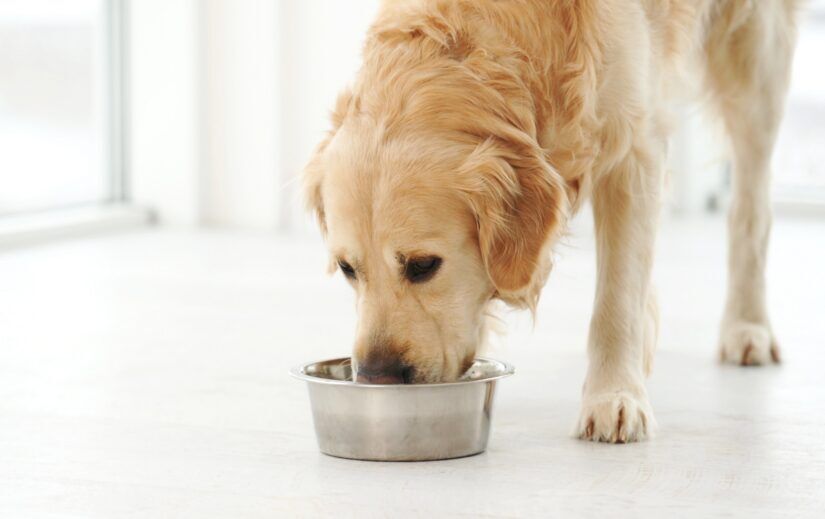
You fill your dog’s water bowl in the morning, and by lunchtime, it’s empty again. Maybe they’re asking to go outside more often, waking you up overnight, or lingering at the water bowl longer than usual. A little extra thirst isn’t always a cause for concern, but a noticeable change in your dog’s drinking habits can sometimes be one of the earliest signs that something isn’t quite right.
The good news is that increased water consumption can have many explanations, ranging from a hot day or extra exercise to treatable medical conditions. Understanding what’s normal for your dog is one of the best ways to catch potential health issues early.
Veterinarians use the term polydipsia to describe excessive thirst and polyuria to describe excessive urination. These two symptoms often occur together, and recognizing them early can help lead to quicker diagnosis and treatment. Early intervention often means simpler, less invasive care and better outcomes for your pet.
One important reminder: never restrict your dog’s access to water unless specifically instructed to do so by your veterinarian. Water is essential for every major bodily function, and withholding it can be dangerous.
How Much Water Does a Dog Need in a Day?
Before determining whether your dog is drinking too much, it helps to understand what’s considered normal.
The General Rule of Thumb
A widely accepted guideline is that healthy dogs typically drink about 1 ounce of water per pound of body weight per day.
In metric terms, that’s approximately 50 to 60 milliliters of water per kilogram of body weight per day.
Here are a few examples:
- 10-pound dog: about 10 ounces (1.25 cups or 300 ml) daily
- 20-pound dog: about 20 ounces (2.5 cups or 600 ml) daily
- 50-pound dog: about 50 ounces (6.25 cups or roughly 1.5 liters) daily
Veterinarians generally consider a dog to have true polydipsia when water consumption consistently exceeds approximately 100 ml per kilogram of body weight per day.
Factors That Naturally Affect Water Intake
Not every increase in thirst indicates a health problem.
Age: Puppies and senior dogs may drink more relative to their body weight than healthy adult dogs.
Activity Level: Active dogs lose more fluid through panting and exertion. Working or highly active dogs can require significantly more water than average.
Weather: Warm temperatures and humidity increase fluid loss through panting, leading to increased thirst.
Diet: Dogs eating dry kibble typically need more supplemental water than dogs eating wet or fresh diets because kibble contains much less moisture.
Pregnancy and Nursing: Female dogs that are pregnant or nursing puppies have substantially higher water requirements.

Determining Your Dog’s Daily Water Intake Needs
If you’ve noticed your dog drinking more than usual, measuring their intake can provide valuable information.
Calculate a Baseline
Start by determining your dog’s approximate daily water needs:
- Weigh your dog or use the most recent weight from your veterinarian.
- Multiply their weight in pounds by 1 ounce.
- Adjust upward if your dog is highly active, spends time in hot weather, eats primarily dry food, or is pregnant or nursing.
Online tools can also help estimate a personalized water requirement based on activity level, diet, age, and environmental conditions.
Measure Actual Intake at Home
Tracking water consumption is easier than many owners realize.
- Fill the water bowl with a measured amount each morning.
- Record any additional water added throughout the day.
- Measure what remains after 24 hours.
- Subtract the remaining amount from the total provided.
If you have multiple pets sharing a bowl, consider providing separate water dishes to determine how much each pet is drinking.
Keeping a log for two to three days can provide veterinarians with some of the most helpful information during an evaluation.
Normal vs. Abnormal Drinking
An unusually thirsty dog after a day at the park or during a heat wave is typically not cause for alarm.
The concern arises when increased thirst continues for more than a day or two without an obvious explanation. Persistent polydipsia combined with increased urination is often one of the earliest signs of an underlying health problem.
What Causes Dogs to Drink More Water Than Usual?
Normal or Benign Causes
Several everyday situations can temporarily increase thirst:
- Hot weather
- Increased exercise
- Dry-food diets
- Salty treats or table scraps
- Stress and anxiety
- Boredom
- Pregnancy or nursing
Dogs cool themselves primarily through panting, which results in water loss. As a result, warmer temperatures and physical activity naturally increase fluid requirements.
Endocrine and Metabolic Conditions
Diabetes Mellitus
Diabetes causes excess glucose to spill into the urine, pulling water along with it. Dogs often experience:
- Increased thirst
- Increased urination
- Weight loss despite a healthy appetite
- Lethargy
Cushing’s Disease
Cushing’s disease occurs when the body produces excessive cortisol. Common symptoms include:
- Increased thirst
- Increased urination
- Increased appetite
- Pot-bellied appearance
- Hair loss
- Muscle weakness
Hyperthyroidism
Although more common in cats, hyperthyroidism can occasionally occur in dogs and may increase metabolism and fluid turnover.
Diabetes Insipidus
This rare condition affects the body’s ability to regulate water balance. Dogs with diabetes insipidus often consume exceptionally large volumes of water despite having normal blood sugar levels.

Kidney and Urinary Conditions
Chronic Kidney Disease
Chronic kidney disease is one of the most common causes of polydipsia in middle-aged and senior dogs. Damaged kidneys lose their ability to properly concentrate urine, resulting in excessive water loss.
Additional symptoms may include weight loss, vomiting, reduced appetite and bad breath.
Urinary Tract Infections
A urinary tract infection can cause discomfort and a persistent sensation of needing to urinate, leading many dogs to drink more water.
Signs may include:
- Straining to urinate
- Blood in the urine
- Frequent small urinations
- Accidents inside the house
Kidney Infections (Pyelonephritis)
A more serious bacterial infection that can damage kidney tissue can cause excessive thirst along with fever, lethargy, and overall illness.
Liver Disease
The liver plays a major role in metabolism and fluid regulation. Dogs with liver disease may develop increased thirst and urination as the body attempts to compensate for impaired function.
Other signs can include:
- Vomiting
- Lethargy
- Abdominal swelling
- Yellowing of the gums, skin, or eyes
Infections and Other Systemic Illnesses
Certain illnesses can significantly increase water intake.
Pyometra, a serious uterine infection affecting unspayed female dogs, is a particularly urgent cause of excessive thirst and requires immediate veterinary care.
Other conditions include:
- Fever and systemic infections
- Addison’s disease (hypoadrenocorticism)
- Severe inflammatory diseases
Medication-Related Causes
Sometimes, a dog’s increased thirst is simply a side effect of medication. Corticosteroids such as prednisone and dexamethasone are common causes of excessive thirst because they can affect the body’s normal water regulation processes.
Other medications, including diuretics used for heart conditions and phenobarbital used to control seizures, can also lead to increased drinking and urination. If your dog started a new medication shortly before their thirst increased, be sure to tell your veterinarian, as the cause may be pharmaceutical rather than pathological. In some cases, the medication itself may be the cause rather than an underlying health condition.

Warning Signs and When to See a Vet
Schedule a Veterinary Visit
An increase in water consumption that lasts more than a day or two should be monitored closely, especially if it’s accompanied by increased urination or there is no obvious explanation such as hot weather, strenuous exercise, or a recent diet change. If your dog recently started a new medication and began drinking more water shortly afterward, it’s also worth discussing with your veterinarian.
Seek Urgent Care If
- Excessive thirst develops suddenly alongside vomiting, lethargy, weight loss, or loss of appetite.
- An unspayed female dog develops increased thirst and appears ill.
- Your dog collapses, has difficulty breathing, or shows signs of shock.
What to Bring to the Vet
Helpful information includes:
- A 2–3 day water intake log
- A list of medications and supplements
- Notes about appetite, energy level, weight changes, and urination habits
- A fresh urine sample if requested
How Vets Diagnose the Cause
When evaluating excessive thirst, veterinarians often use a combination of tests to narrow down the cause.
These may include:
- A full physical examination
- Urinalysis to assess urine concentration and identify glucose, protein, or bacteria
- Blood work, including a complete blood count (CBC) and chemistry panel
- Hormone testing when diseases such as Cushing’s are suspected
- Ultrasound imaging to evaluate internal organs
- Specialized testing, such as a carefully supervised water deprivation test for suspected diabetes insipidus
Final Thoughts
As a general guideline, dogs should drink approximately 1 ounce of water per pound of body weight each day. Knowing your dog’s normal habits makes it much easier to recognize when something changes.
While many causes of increased thirst are harmless and temporary, persistent increases in water consumption can also be an early sign of treatable medical conditions. Measuring your dog’s intake, watching for accompanying symptoms, and seeking veterinary advice when concerns arise can help ensure problems are identified before they become more serious.
Most importantly, never withhold water from your dog without explicit veterinary guidance. Proper hydration supports kidney function, digestion, body temperature regulation, and overall health every day.
Disclaimer: This article is for informational purposes only and should not be used as a substitute for professional veterinary advice, diagnosis, or treatment. Always consult your veterinarian regarding concerns about your pet’s health.


