Does Dog Pee Kill Grass?

Blog

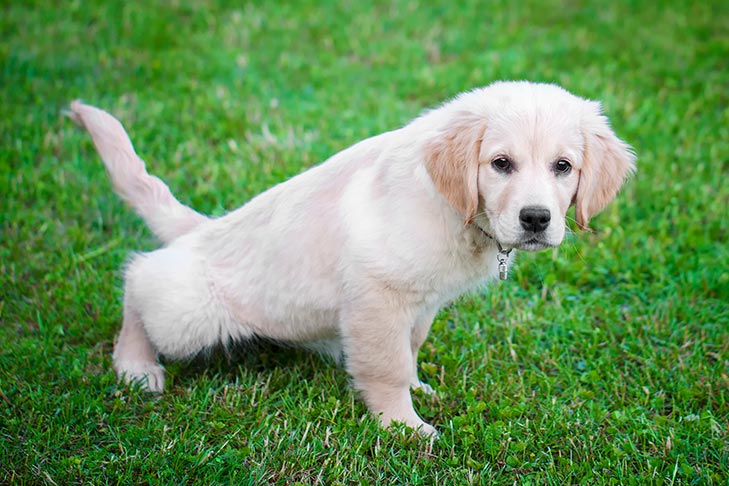
Golden Retriever female puppy peeing outdoors in the grass.

If you’ve noticed yellow, brown, or dead patches appearing across your lawn, your dog’s bathroom habits may be the culprit. While training your dog to go outside is a major milestone, dog pee can kill grass and frequent urination in the same areas can leave your yard looking damaged and uneven.

Many dog owners are surprised to learn that dog urine can cause what’s commonly known as “grass burn.” These discolored spots are especially common in areas where dogs pee repeatedly. Fortunately, understanding why dog urine affects grass can help you protect your lawn without compromising your dog’s health.

Let’s take a closer look at why dog pee damages grass, whether some dogs are more likely to cause lawn problems, and what you can do to prevent it.

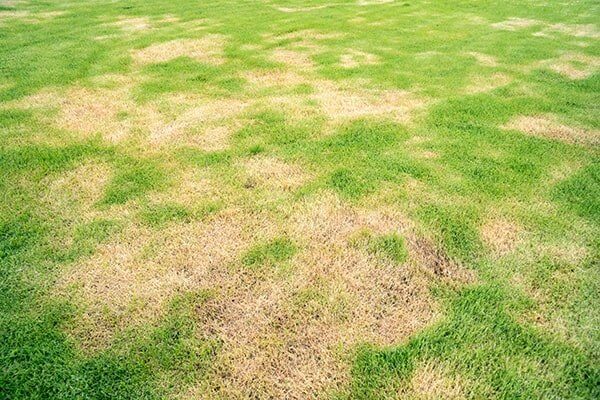
Brown and yellow patches of grass damaged by dog urine

Why Does Dog Pee Damage Grass?

The primary reason dog urine damages grass is its nitrogen content.

Nitrogen is a natural byproduct of your dog’s diet. When dogs digest protein, their bodies break it down and produce excess nitrogen. Since the body only uses what it needs, the remaining nitrogen is expelled through urine.

When your dog urinates on the lawn, the water portion of the urine eventually evaporates. What remains behind is a concentrated amount of nitrogen in a small area. While grass needs nitrogen to grow, too much of it can overwhelm the root system and cause the grass to become damaged or die.

A Common Misconception About Dog Urine and Grass Damage

Many people believe that the pH level of a dog’s urine is responsible for lawn damage. In reality, that’s not the case.

A dog’s urine can range from acidic to alkaline depending on factors such as diet and health. However, urine pH and nitrogen concentration are unrelated to grass damage. Whether a dog’s urine is acidic or alkaline has little effect on whether the grass burns.

The true cause of grass damage is the high concentration of nitrogen.

Because of this misconception, some pet owners attempt to alter their dog’s urine pH through supplements, medications, or dietary adjustments. Unfortunately, changing urine pH unnecessarily can create health risks for your dog, including the development of urinary crystals or bladder stones.

Before making any changes to your dog’s diet or health routine, always consult your veterinarian.

Isn’t Nitrogen Good for Grass?

Yes, nitrogen is actually one of the most important nutrients for healthy grass growth.

It’s responsible for the rich green color of your lawn and plays a critical role in overall plant health. In fact, nitrogen is one of the primary ingredients found in lawn fertilizers.

The problem is concentration.

Fertilizers are formulated to provide grass with controlled amounts of nitrogen spread evenly across the lawn. Dog urine, on the other hand, delivers a highly concentrated dose in a very small area.

Think of it like watering a plant. A regular amount of water helps it thrive, but flooding it can cause damage. The same principle applies to nitrogen.

Interestingly, you may notice dark green, healthy grass growing around a yellow lawn patch. That’s because the grass surrounding the burn area often receives a beneficial amount of nitrogen, while the center receives far too much.

Are Some Dogs More Likely to Cause Grass Damage?

Male vs. Female Dogs

Many pet owners assume female dogs have stronger urine than male dogs. However, there is no meaningful difference in the nitrogen content of male and female dog urine.

The real difference comes down to bathroom habits.

Male dogs are more likely to lift their legs and distribute urine over multiple areas. Female dogs generally squat in one place, concentrating the urine in a smaller section of the lawn.

Because female dogs often deposit more urine in a single spot, they may appear more likely to cause grass damage. However, any dog that squats and urinates in one concentrated area can cause grass burn.

Dog Breed Differences

No specific breed produces urine that is more damaging to grass than another.

However, larger dogs typically produce larger volumes of urine. More urine means more nitrogen being deposited on the lawn, which can increase the size or severity of damaged patches.

For this reason, lawns with larger dogs may experience more noticeable grass burn compared to lawns with smaller dogs.

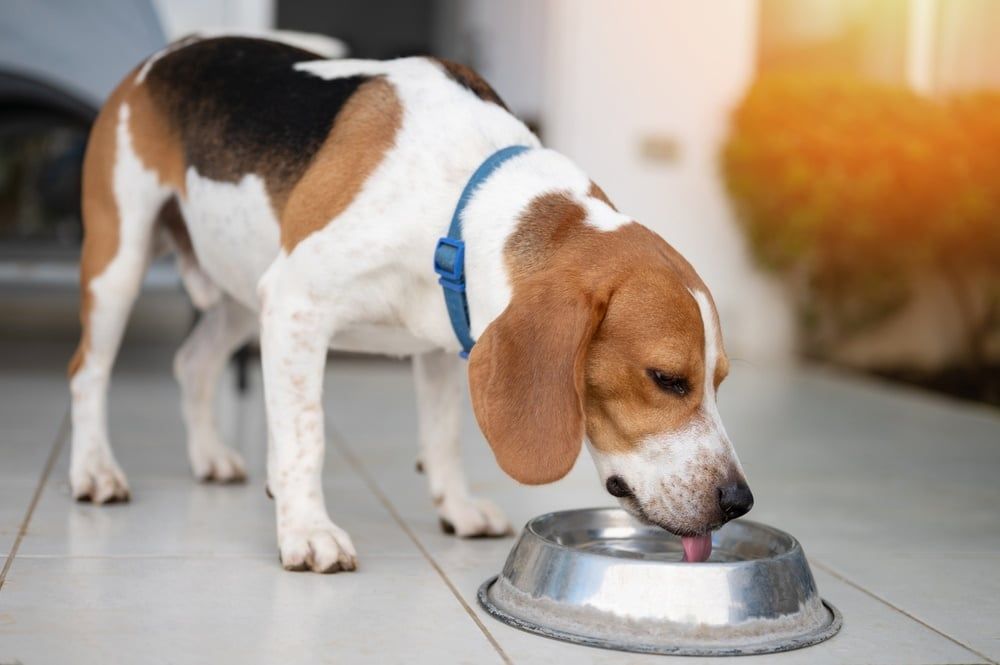
Dog drinking water to help reduce lawn damage from urine

Can I Reduce the Amount of Nitrogen in My Dog’s Urine?

Nitrogen in dog urine is completely normal and plays an important role in your dog’s health. Since protein consumption naturally leads to nitrogen production, it’s generally not recommended to significantly reduce your dog’s protein intake simply to protect your lawn.

Your veterinarian should always determine the appropriate protein level for your dog’s diet.

That said, there are ways to help reduce the concentration of nitrogen reaching your grass.

Encourage More Water Intake

The easiest and safest approach is increasing your dog’s water consumption. More water helps dilute the urine, which lowers the concentration of nitrogen deposited on your lawn.

Some ways to encourage better hydration include:

  • Providing multiple water bowls throughout your home
  • Keeping water available outside
  • Using a pet water fountain
  • Switching to wet food
  • Adding water to dry kibble

Because every dog has different hydration needs, discuss any significant dietary changes with your veterinarian.

Discuss Supplements with Your Veterinarian

Certain supplements are designed to bind with nitrogen compounds and may help reduce their impact on grass. However, not every supplement is appropriate for every dog.

Always consult your veterinarian before introducing supplements or making major dietary adjustments.

Will My Grass Recover from Dog Urine Damage?

This answer depends on how severe the damage is.

If the grass is simply discolored or mildly burned, recovery is often possible. Healthy grass surrounding the damaged area can gradually spread and fill in the affected spot over time.

However, if the grass has completely died, it will not grow back on its own. In those cases, reseeding or repairing the affected area will likely be necessary.

The sooner you address grass burn, the better your chances of restoring a healthy lawn.

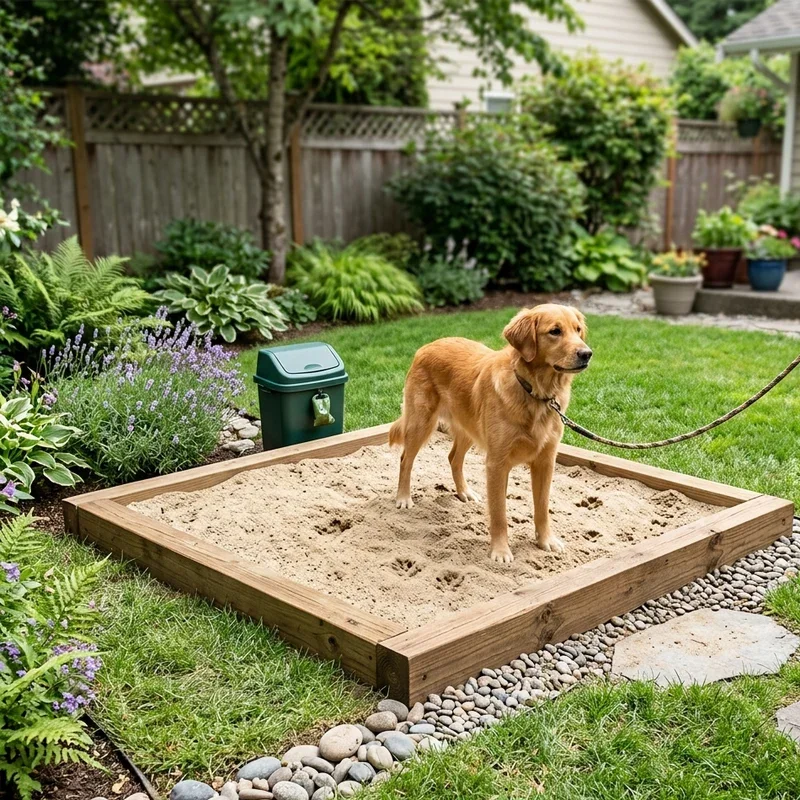
Designated dog potty area in a backyard to help prevent grass damage

How Can I Prevent Lawn Damage from Dog Urine?

While it’s nearly impossible to eliminate the risk entirely, there are several effective ways to reduce dog urine damage.

Water the Area After Your Dog Pees

One of the simplest solutions is to water the grass immediately after your dog urinates.

Even a quick spray from a garden hose can help dilute the nitrogen before it becomes concentrated enough to burn the grass.

Create a Designated Potty Area

Many homeowners train their dogs to use a specific bathroom area.

Surfaces such as mulch, gravel, decorative stone, and artificial turf are less vulnerable to urine damage than natural grass.

Make sure the area is comfortable for your dog’s paws and reward them for using it consistently. Additionally, be sure to use positive encouragement. Negative reinforcement can lead to your dog not wanting to pee outside at all.

For male dogs, products commonly known as “pet posts” can encourage urination in a designated location.

Train Your Dog to Use Different Areas

An alternative approach is teaching your dog to use multiple spots throughout the yard.

Grass damage often occurs when a dog repeatedly urinates in the exact same location. Rotating bathroom spots gives the grass time to recover from excess amounts of nitrogen.

Adjust Lawn Fertilizer Use

If your dog frequently urinates in certain parts of the yard, consider reducing fertilizer applications in those areas.

Since fertilizer already contains nitrogen, heavily fertilized grass may be more vulnerable to nitrogen overload when combined with dog urine.

Keep Your Lawn Well-Watered

Healthy, hydrated grass is typically more resilient than dry, stressed grass.

Regular watering helps strengthen root systems and can make your lawn better able to withstand occasional dog urine exposure.

Walk Your Dog Earlier in the Day

Taking your dog for a walk before allowing bathroom breaks in the backyard can help reduce the amount of urine deposited on your lawn.

Many dogs will naturally relieve themselves during the walk, reducing the impact on your yard.

What Types of Grass Resist Dog Urine Damage?

Some grass varieties handle urine exposure better than others.

In general, grasses with deeper root systems tend to be more resistant to dog urine damage because they can better tolerate stress and recover more quickly.

Grass types that are often considered more resistant include:

  • Bermuda Grass
  • Fescue
  • Perennial Ryegrass
  • Zoysia Grass
  • Centipede Grass

While no grass is completely immune to dog urine damage, choosing a more resilient variety can help reduce noticeable lawn burns.

Conclusion

Dog pee can damage grass, but the culprit isn’t the pH level of the urine. The real cause is the high concentration of nitrogen that remains behind after the water evaporates.

Understanding how nitrogen affects your lawn can help you make informed decisions that protect both your grass and your dog’s health. Rather than making risky dietary changes, focus on practical solutions such as increasing water intake, diluting urine with water, creating designated potty areas, and choosing a more resilient variety of grass for your lawn.

With the right approach, you can enjoy a greener yard while still giving your dog a safe and comfortable place to do their business without the damage.

Should You Get A Dog? Things to Consider Before Owning Your First Pet

Pet Adoption Articles

PBC Blogs 1600x900 (1500 × 1200 px)

Bringing a new dog into your home is an exciting milestone, but pet ownership is a big commitment and should be carefully considered. If you are thinking about getting a dog, it’s important to research, plan for the responsibilities that come with pet ownership and reflect before making a decision.

The Cost of Pet Ownership

Having a dog is an ongoing fiscal responsibility, which can span 15 years or more. Pet ownership is a significant expense and should be considered in your decision-making. According to the ASPCA, the first year of owning a dog can cost over $1,000, with annual expenses continuing as your pet grows.

Make a list of possible expenses and see if it fits with your budget to become a pet parent. Food, veterinary care, pet insurance, pet sitting, boarding, grooming, training, toys, and supplies can add up.

Routine expenses can include:

  • Food and treats: Providing a healthy diet is crucial for your pet’s well-being.
  • Veterinary care and vaccinations: Preventive visits help avoid serious health issues.
  • Grooming and hygiene supplies: Regular grooming is especially important for breeds with long or high-maintenance coats.
  • Training and enrichment: Classes, toys, and activities help your pet stay happy and well-behaved.
  • Toys and accessories: Items like beds, collars, leashes, and chew toys enhance comfort and stimulation.

Pet Sitting Costs

Pet Butler pet care professional smiling while posing with a dog.

Pet sitting can be a valuable part of your pet care routine whenever life takes you away from home. Professional pet sitting can support your pet’s routine and well-being in a variety of situations:

  • Travel or vacations: Business trips, family vacations, or weekend getaways.
  • Work obligations: Long workdays, conferences, business travel or all-company meetings that require onsite presence.
  • Evening events: Social outings, sporting events, dinners with friends, kids’ extra-curricular events
  • Life changes or emergencies: Medical emergencies, moving, birth of a child, home projects, taking care of loved ones, or unexpected obligations.

Many pet parents wonder about the costs associated with dog sitting services. While exact pricing varies, it’s helpful to understand what factors typically influence services:

  • Length of care: From short check-ins to full-day or overnight visits.
  • Number of pets: More pets require additional attention.
  • Special needs: Puppies, senior dogs, or pets requiring medications may need extra care.
  • Frequency of visits: Daily support during trips or occasional visits on busy days.

Every household is unique. At Pet Butler, we don’t charge additional fees for the services above. The best approach is to request a customized plan from Pet Butler, which tailors dog sitting services to your dog’s personality, routine, and needs. This ensures your pup receives the right level of care without unnecessary extras.

Additional Considerations Before Getting a Dog

Lifestyle

Most dogs are happiest when their daily routine is predictable and includes companionship. Are you a busy, on-the-go individual who likes having the flexibility to jet off at a moment’s notice? Who will watch your dog when you’re gone? What about your home life, work, and school schedules? Long days at the office, busy evenings, and kids’ activities may leave you little time to care for your dog.

As a pet parent, you will spend considerable time training, grooming, feeding, exercising, and bonding with your dog. Puppies need extra attention and require frequent potty breaks. Certain high-energy breeds need consistent daily exercise, even late into adulthood.

Environment

Just like humans, dogs want to be comfortable in their surroundings. Certain dog breeds are impacted more by their environment than others. For example, short nose breeds, such as pugs and bulldogs, may not acclimate well in warm climates. You’ll need to add a dog coat and shovel to your shopping list if you want a chihuahua that will tolerate cold and snowy winters. Arctic breeds like huskies might fare better in colder temperatures.

Smaller pets often need less physical space than larger breeds of dogs and may adapt well to apartment living. Older dogs are generally more sedentary and may require less outdoor space for exercise. A fenced yard can provide a safe and easy-to-access space for puppy playtime or for your older dog to explore on their own.

Caregivers

Adding a pet to your family will impact the entire household. Every family member should be on board to help acclimate and keep a new dog safe in the home. It will be important to discuss how pet care responsibilities will affect the family.

Ideally, everyone in the home will share in the caregiving for your pet, but at a minimum, one person should be committed to providing the ongoing attention and care your dog will need to thrive. Children grow up, can lose interest, or get busy with extracurricular activities. Spouses decide they don’t like dog kisses or develop allergies.

Support from Pet Professionals

Finding a veterinarian, trainer, and pet sitter before welcoming a dog into your home can get you off on the right foot by learning about nutrition, preventative care, and training. Additionally, these professionals may be able to recommend a breeder or rescue organization with a pet that suits your lifestyle.

Pet professionals will provide varying levels of support through the stages of your pet’s life. Certain dog breeds are prone to health risks such as cancer, diabetes, or glaucoma that require more intensive veterinarian care. Pets with health challenges and senior pets may also need more frequent visits from a pet sitter when you are away from home.

Blog Cta Graphic (1)

What Breed of Dog Should You Get?

Choosing the right dog breed for you starts with understanding your lifestyle and living situation. Consider factors such as your available time and space, exercise you can provide, grooming needs and how well a breed interacts with children or other pets. Appearance can be a factor, but taking the time to learn about a breed’s characteristics and needs is the most important factor in finding the right dog for you.

For more information, read our article on how to choose the right dog breed for your family.

Is Your Home Prepared for a Dog?

If after careful consideration you decide to add a pup to your family, you’ll want to make sure your home is ready to welcome your new fur-ever friend. Pup-proofing your home can include:

• Setting up a crate – a relaxing and safe space for your pup and essential for potty training.
• Placing gates across doorways.
• Ensuring all small objects and toys are out of each.
• Storing food out of reach.
• Securing electrical cords.
• Removing toxic plants.

Considering all these variables will help you decide if a new pet is right for you. Education and preparation help build a bond with your new dog.

What Are Ways to Ease Pet Anxiety? 

Dog Behavior Articles

Untitled design (100)

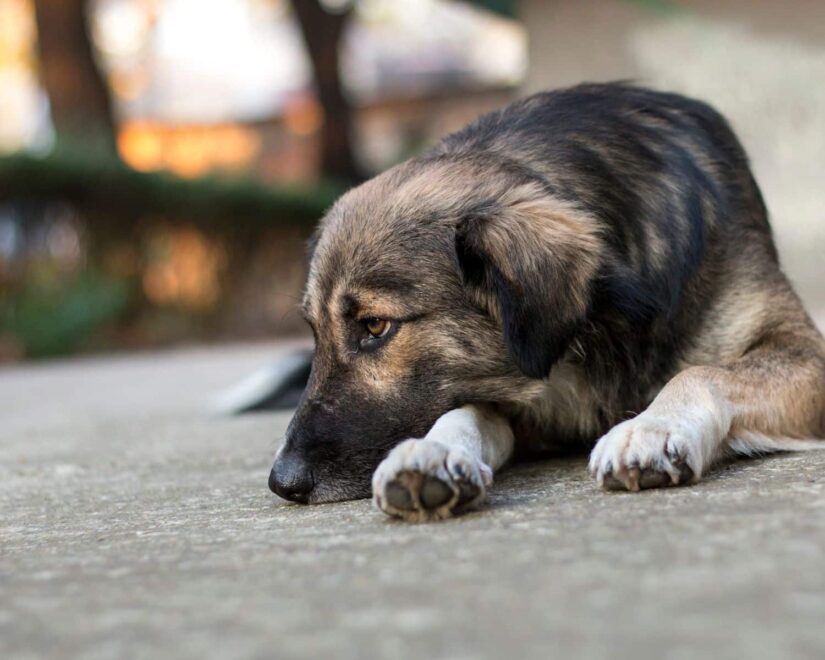
Anxiety is not just a condition reserved for humans. Pets can suffer from anxiety too. Physiologically, our pets’ bodies operate in much the same way we do.  We know they anticipate, perceive, and react to stress very similarly; anxiety leads to rapid heart rate and breathing, raised cortisol levels, and outward signs of stress like panting, whining, shifting of weight off the front limbs, yawning, or pacing.

For pets that come from shelters or rescues, this dependency and anxiety can be much more intense. This could be due to past neglect and abuse resulting in pet anxiety. The good news is that there are many tools to help pet owners reduce their pets’ anxiety.

What are signs my pet has anxiety? 

How can we assist our pets during times of stress or change and enable them to cope with situations that may prove taxing?  First, recognize that some events are inherently hard on animals, taking into consideration your own pets’ personalities and environment. Animals are very perceptive. For example, if your human family is experiencing stress, your pets may become agitated as well.  Change, whether it be a move, an animal or human addition to the family, or the loss of a loved one can be upsetting. 

Every pet deals with anxiety in different ways, but some common signs that can indicate that your pet is stressed out can be:  

  • Pacing 
  • Hiding
  • Trembling or Shaking
  • Excessive Panting or Salivating
  • Hypervigilance 
  • Lip licking 
  • Frequent yawning 
  • Decreased appetite or refusing food
  • Destructive behavior 
  • Potty accidents 
  • Increased frequency of needing closeness

Once you learn how to detect when your dog is anxious, you can begin to identify the triggers that are causing the anxiety and then try to minimize them. By keeping records of the issues your pet is facing and working closely with your veterinarian, you can help diffuse problems before they occur. 

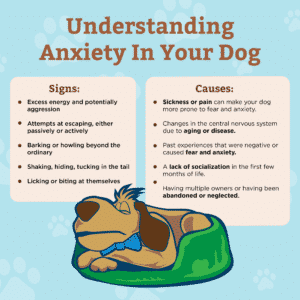
Understanding Pet Anxiety in your Dog with signs and causes lists infographic


What can cause my pet to have anxiety?  

Anxiety can be caused by a lot of external and internal factors. First, recognize that some events are inherently hard on animals, taking into consideration your own pets’ personalities and environment.

Animals are very perceptive. For example, if your human family is experiencing stress, your pets may become agitated as well.  Change, whether it be a move, an animal or human addition to the family, or the loss of a loved one can be upsetting.

Travel, storms, babies crying, separation from family (even for just a few minutes), pain, and illness are also common stressors.

Some other common causes of anxiety in pets include:

Dog Breed

Certain dog breeds are prone to separation anxiety. A first step is to make sure you research any breed of dog that you consider – making sure it fits into your lifestyle. If you are bringing one of those breeds into your home, be sure that you have the time to commit to reassuring, training and setting your anxious dog up for success.

Pet History

If your pet has a history of abuse, abandonment, or life as a stray can all lead to anxiety that does not automatically go away when he or she enters your loving, stable home.  

Age and Health

In older dogs, pain is a common cause of physiologic stress and can be treated via a multi-modal approach involving anti-inflammatory medications, massage, acupuncture and supplements. It is best to consult your veterinarian to see which therapy and dosage is best for your animal depending on their specific condition. Board certified veterinarians who specialize in rehabilitation and recovery, chiropractic, and physical therapy are available at most veterinary teaching hospitals and major metropolitan areas.

How Can You Manage Anxiety in Your Pets?

Stressed Dog

Exercise Your Dog

Exercise is a keyway to help your pet burn off excess energy that can build up to cause anxiety. Routine exercise creates a time for bonding with your pet as well as an opportunity to tire out your pet. Exercise your pet by taking long walks, tossing a toy or attending an obedience or agility class. Giving your pet a “job” or place to succeed can work wonders for calming nerves and instilling confidence.

Physical Contact

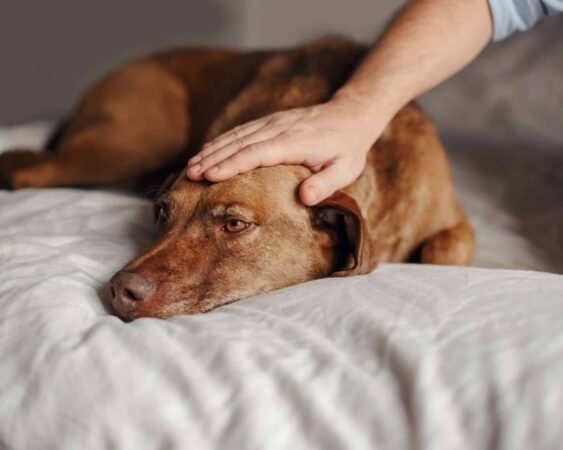
Petting your pet or cuddling with your pet regularly can help reduce his or her anxiety. Especially when your pet is experiencing an anxiety episode, physical contact can help reduce it. Simply picking the pet up, cuddling it on the couch, or giving them a good long petting session can be a great solution.

Create a Safe Space

Make sure your pet has a calm place in which to retreat such as a kennel for a dog. A quiet interior room or bathtub may relieve anxiety during a thunderstorm or fireworks.

You can help your dog associate their kennel or safe space as the best place to be by offering a treat every time they rest quietly in their “den”.

Give Your Dog a Massage

Anxiety causes muscle tension, making massage therapy a perfect way to reduce tension. Keep one hand on the pet for comfort while using the other to massage long strokes along the pet’s body. 

Calming Clothing

Clothing items such as coats and t-shirts can offer comfort for your anxious pet. These heavy clothing items offer mild, constant pressure to a pet’s body like the swaddling of a newborn baby.  Thundershirts can provide relief by essentially wrapping your dog in a protective “hug”. By utilizing gentle, constant pressure, symptoms of anxiety decrease.

Time Outs

When anxiety leads to bad behavior, it may be time for a little time-out session for your pet. Pet crates can allow pets to feel safe and secure and provide a place for them to calm their nerves. Reduced light, lowered motion, and less background activity reduces stress.

Do not inadvertently reward unwanted behavior such as crying or shaking by reassuring your dog things will be ok. Such positive reinforcement can cause the behavior to persist or escalate.

Separation Anxiety

If separation anxiety is a problem, try to ignore your pet for the first few minutes after you arrive home. Allowing them time to settle, and don’t forget to reward calm, quiet behavior with your attention. Also, try to vary your departure and arrival routine and schedule.  Your dog will come to associate the sound of the hair dryer or garage door opening with your departure may cause anticipatory stress.

Learn more about separation anxiety in dogs and how to manage it.

Alternative Methods for Treat Stress and Anxiety in Dogs

Natural Supplements

Many pet owners have explored natural supplements and alternative products to help pets suffering from anxiety. Be sure to consult with your veterinarian prior to use.

Natural chemicals such as dog appeasing pheromone (DAP or ADAPTIL) can calm dogs under stress. Collars, plug-ins, and sprays are impregnated with the odorless product and are worn or placed strategically on bedding during travel or throughout the home.

You may also explore things like CBD, melatonin, thiamin, chamomile, L-Theanine or L-tryptophan to help your pet deal with his or her stress and anxiety.

Calming Music or Videos

Both dogs and cats have been shown to respond positively to music therapy as a calming and relaxing effect. Classical music has been extremely impactful for dogs in stressful states.

Videos that show familiar, comforting images and sounds can help pets relax while you are away, or from causes of stress such as thunderstorms.

Essential Oils and Other Fragrances

Beware of using essential oils and other fragrances to try and calm your dog’s anxiety, as they can irritate your dog’s skin or other senses. Concentrated doses can even be toxic.

Learn more about safety with essential oils and candles for pets.

Tips for the Holidays

Pets can have an especially difficult time managing stress and anxiety around the holidays. Loud noises, large gatherings and an abundance of food and alcohol all present challenges for keeping your dogs and cats safe and anxiety-free.

Read our 4th of July safety tips and New Year’s Eve safety tips for more information.

At Pet Butler, we understand that pet anxiety can have a crippling effect on you and your pet’s relationship.  We know you want to give them the best care you can. That is why we specialize in caring for your pet’s special area by scooping up their waste. Call 1-800-PET-BUTLER or find a Pet Butler near you to learn how we can make your pet’s life happier, healthier, and cleaner.

Is Your Dog Depressed? Signs of Depression, Causes, and How to Help

Dog Behavior Articles

Pet Depression - Image

Dogs are complex animals with social, mental, and physical needs much like our own. They thrive in safe, nurturing, and consistent environments that provide companionship and routine. So, what happens when those environments are disrupted by a change in work schedule, a new location, or a life alter event?

We know that canines are sensitive and intuitive animals, and they pick up on their owners’ emotional states, changes in routines, and their environment. It’s no wonder that they can experience a wide range of emotions and moods, including depression. Of course, we can’t ask them how they are feeling, but we can be aware of how these changes in routine can lead to sadness and depression. The real question is, what can we do about it? 

What are signs that my pet might have pet depression?

Many dogs exhibit symptoms consistent with their human counterparts including those of pet depression. If your pet is normally excitable and friendly but has been spending more time hiding behind the couch, they could have pet depression. Some signs include:  

  • Not wanting to go on their normal walk
  • Not interested in their favorite activities
  • Sleep excessively, or other changes in normal sleeping behavior
  • Changes in appetite or no appetite
  • Shaking & whining
  • Not wanting to play with their favorite things
  • General restlessness, including excessive sniffing, circling, and/or licking  
  • Aggression or increased irritability
  • Changes in bathroom behavior, such as going more frequently or going indoors
  • Changes in demeanor, such as pulled-back ears or sad eyes
  • Hiding from owner

What is Causing My Dog’s Depression?

Pet Depression - Image

To treat pet depression, we need to look at what changes may have triggered the condition.

Underlying Medical Issues

First, have your dog examined by a veterinarian. Dogs can’t tell us when they are physically ill or in pain, but some dogs that aren’t feeling well physically may show signs of pet depression. The vet may recommend blood tests or other diagnostics to determine if a physical ailment such as arthritis pain or endocrine disease is present. Certain medical problems can lead to behavior changes that mimic or lead to depression.  Endocrine disorders like hypothyroidism cause dogs to become sluggish and mopey. Neurological diseases such as seizure disorders or tumors affecting the central nervous system may cause mood changes.

Anytime your pet exhibits a shift in their behavior that isn’t easily explicable, always rule out a medical problem by visiting the veterinarian.

Environmental Changes

Changes to a dog’s environment are one of the most common causes of pet depression. If your dog is otherwise healthy, be aware of shifts in the environment that may have led to changes in your dog’s behavior.

Dogs are dependent on us and their familiar home base for comfort and stability. Something as simple as an environment change can cause a chain reaction. Changes like moving, going through a divorce, or returning to work can be unsettling to your pet.

Routine Changes

Pet depression can be exhibited because of a simple shift of schedule causing their owner to not be home as often. Changes in routine brought upon by increased work demands can cause anxiety, stress, and boredom which lead to signs of pet depression.

Dogs are creatures of habit and a change in their daily activities can be unnerving. They gain confidence and reap the physical and mental benefits of having a “job” and regular exercise. When those neurons and muscle fibers aren’t firing, hormones such as oxytocin, dopamine, and endorphins aren’t released, and signs of pet depression may be observed.

Loss of Another Animal or Family Member

One of the more common situations is the loss of another animal or family member. The absence of another companion can lead to signs of depression. Animals experience feelings of grief and loss, though we don’t know exactly how they process the concept of death.

Your pet can often sense a companion’s illness/death and respond by exhibiting behavioral changes consistent with pet depression. For pack animals such as dogs, it’s no surprise the loss of a bonded companion leads to sadness. Because dogs are so attuned to our moods, they may also respond to the physical manifestations of human grief such as crying, detachment, and lethargy.

How can I treat my pet’s depression?

Pet Depression Image

Quality Time

Spend additional time with your pet if you think they are lonely. Make sure you have a consistent routine that includes plenty of exercise. Dogs are creatures of habit that come to anticipate positive interactions, grooming, and feeding times. Mentally stimulating games and classes such as obedience or nose work can provide a depressed pet with a social outlet and a confidence booster. Some dogs love car rides, vigorous brushing, or fetch. It sounds simple but do more of what your pet loves!  

Train Them

While you may want to comfort a depressed pet with treats and positive affirmations, save the food rewards for when they exhibit desired behaviors. Pets with depression should be taught to relax in stressful situations. Use recorded sounds played for a short duration, at low volume while petting or feeding to get them. This will help get them acclimated to the stressful triggers.

Provide a secure, quiet space and reward them when they can respond to commands such as “settle”, or they resume eating in the presence of the trigger. You can use sounds like the jangling of your keys, the hairdryer in the morning, or starting your car. Any sound that signals a change in the environment is coming.

Manage Their Medical Condition

If a health issue is identified by a vet as the likely cause for your dog’s depression symptoms, treating the condition should improve their behavior and mood. Some conditions result in chronic pain – such as joint conditions – and managing that pain is necessary for the dog’s overall quality of life.

The good news is most dogs that have depression are sad for a short duration of time. Once the inciting cause has been addressed, their mood improves. For dogs without any other physical ailment that continue to behave unusually, a visit to the vet for a prescription of canine anti-anxiety drugs or medication for depression may be in order. Pets usually show a positive response to the pharmaceuticals within 6-8 weeks. They can often be weaned off after less than a year.

Stay plugged into your pets’ changing moods and habits. The sooner we identify and treat pet depression, the more quickly we can get those tails wagging!

What Are Some Pet Tips to Beat the Summer Heat?

Pet Safety Articles

Husky swimming

Summer heat is in full swing, and those mild spring days feel long gone. If the temperature feels unbearable to us, it’s even harder on our pets. Dogs can’t cool down the way humans do — they only sweat through their paw pads, and up to 80% of their body heat is released through panting.

When high heat combines with humidity, poor ventilation, limited shade, or lack of water, the risk of overheating climbs fast. Carrying around that big fluffy coat and playing for hours on end can be exhausting, even dangerous. Luckily, Pet Butler has the tips you need to help your pet stay safe and beat the summer heat.

Tip # 1: Avoid the Hottest Parts of the Day

If your daily routine includes taking walks around lunchtime, you should consider shifting your schedule to more temperate hours. The best time for your dog to be outside is around sunrise and sunset.

Your dog’s paws are especially at risk during peak hours of heat. Walk in the early morning or evening and avoid hot asphalt. If possible, limit walks to grassy areas and remember to bring water.

Humidity makes the heat even more dangerous for your dog. Dog’s pant to help evaporate moisture from their lungs, which takes heat away from their body. With high humidity levels, they will be unable to cool themselves and their body temperature will soar to dangerous levels very quickly.

Tip #2: Playing in the water can help cool off your pet.

A dog’s hydration is especially important. Although dogs don’t sweat as humans do, they still use up extra water in the summertime. Responsible owners need to keep track of the water bowl constantly. Offering water to your dog periodically is highly recommended, especially after they’ve been outside. There are many collapsible bowls on the market that are portable and can be used when playing outside or on walks.

The number one rule with hydrating in the summer is to not give your pet freezing water. If a pet is experiencing exhaustion or heat stroke, it’s possible for them to go into shock with freezing water. That said, frozen objects are a different story. Icepacks, frozen water bottles, or frozen Ziploc baggies are relaxing items that dogs can enjoy outside. Certain treats like popsicles and frozen bananas (as long as they’re vet-approved) can be a tasty snack, too.

Tip #3: Plan for Shade

Dsc06226

Make sure that there’s enough shade for your pet to relax under when enjoying the day. Find a grassy area under a tree or spot of cool concrete for your dog to cool down. Not only is the air temperature more comfortable, but light-coated dogs or those with exposed skin are less likely to get sunburn.

If there are no trees or other shadowy objects in your backyard, think about buying tools like umbrellas to provide sufficient coverage. Cooling pads, such as The Green Pet Shop Self-Cooling Pet Pad contain a gel that absorbs body heat and stays cool when pressure is applied.

Buying a fan can help, but it may only provide limited relief. Dogs do not respond to fans the same way as humans, because dogs mainly sweat through the paws, so it is not as effective. Try and keep them in an air-conditioned room if possible.

Tip #4: Let Your Dog Play in Water

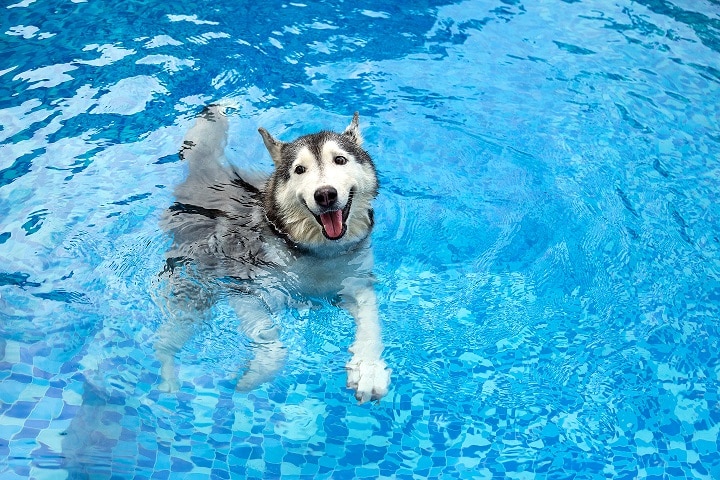
Playing in the water can help cool off your pet, and there are many ways to creatively douse your pups. More energetic dogs love the chance to hop in a kiddie pool or sprinkler, and inexpensive plastic pools can be filled in the yard so your dog can immerse themself and keep body temperature regulated.

Many pooches have been known to enjoy snacking on hose water or getting misted by spray bottles. Ensure that your hose water is safe for drinking or use filters to make the water potable beforehand.

Another water-related activity is going to the local dog beach. Growing in popularity, these areas offer a very entertaining way to let your pet swim around and make new friends. Dog floaties and swimming toys are especially helpful in these spaces.

Tip #5: Take Care of Your Dog’s Coat and Skin

In the summer, it might be helpful to groom your dog’s coat a little more frequently. Brushing out extra fluff can be very relieving and making sure there are no irritable mats. Also, talk to your veterinarian and groomer about a summer trim. Some dogs benefit from having smaller and shorter coats in hot weather.

Be careful not to trim a dog’s undercoat and never shave your pet: it can be very damaging to their skin and health long-term. Because dogs don’t have sweat glands in their skin like humans, shaving their coats doesn’t provide relief. In fact, the first downy layer of a dog’s coat acts like insulation, keeping them cooler in the summer and warmer in the winter. Shaving a dog also exposes their skin to the sun which can lead to burns and melanoma.

Additional relief can come in the form of dog clothing products. Cooling collars help chill the neck and chest of hot doggies, and other specialized clothes are available too.

Hot Cars Are Dangerous to Dogs

Dog in hot car blog cover photo

When your pets love to take car rides, it can be hard to resist their excitement when they know their owner is going for a ride. However, when it’s summertime and the sun is scorching, it’s best to leave your furry friends at home if possible. It is generally unsafe to leave your pet in the car when temperatures exceed 70 degrees Fahrenheit.

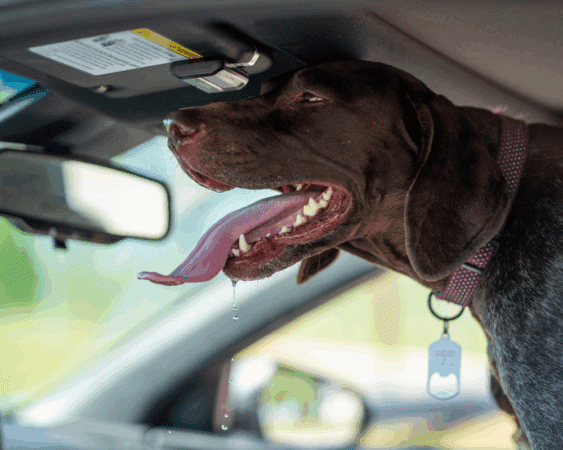
Even with the windows cracked, a car is essentially a heat conductor and will rise to temperatures above 115 degrees Fahrenheit within 30 minutes on an 85° day. Dogs can experience signs of heat exhaustion when their internal temperature rises to 103 degrees; panting, drooling, muscle tremors, abnormally colored gums, weakness or vomiting can all be signs of heat exhaustion or heatstroke.

What Do I Do if I See a Dog in a Locked Car?

If you witness an unsupervised pet in a vehicle, write down the make, model and license plate information. You can attempt to locate the owner by stopping inside the nearest business and asking for help. If the owner isn’t promptly located, the next step is to call the authorities. Many states issue fines or have other legal consequences for leaving pets in locked, unattended cars.

Beware of Signs of Heatstroke

Signs of heatstroke can be observed when a dog’s body temperature rises to 104 degrees and above. These include heavy panting, glazed eyes, a fast heartbeat, difficulty breathing, excessive thirst, lethargy, fever, dizziness, lack of coordination, excessive salivation, vomiting, a deep red or purple tongue, seizure, and finally, unconsciousness.

Especially susceptible are the old and very young puppies, obese pets, dogs breeds with short muzzles (Bulldogs, Pugs, Boston Terrier and other brachycephalic breeds) and Arctic breeds like the Siberian Husky.

If heat stroke happens, move your pet into the shade or an air-conditioned area and take the pet to a veterinarian as soon as possible.

Learn more about how to deal with heatstroke in dogs.

When the summer heat is upon us, we must make sure that we are prepared to help our pets beat the heat. 

At Pet Butler, we want you and your pet to live your best and healthiest lives, which is why we offer pet waste removal and other services year-round. Find a local Pet Butler near you or call 1-800-PET-BUTLER to learn how we can make your pet’s life happier, healthier and cleaner.


Understanding Intestinal Parasites in Dogs

Pet Health Articles

PBC Blogs 1500 × 1200 px) (8)

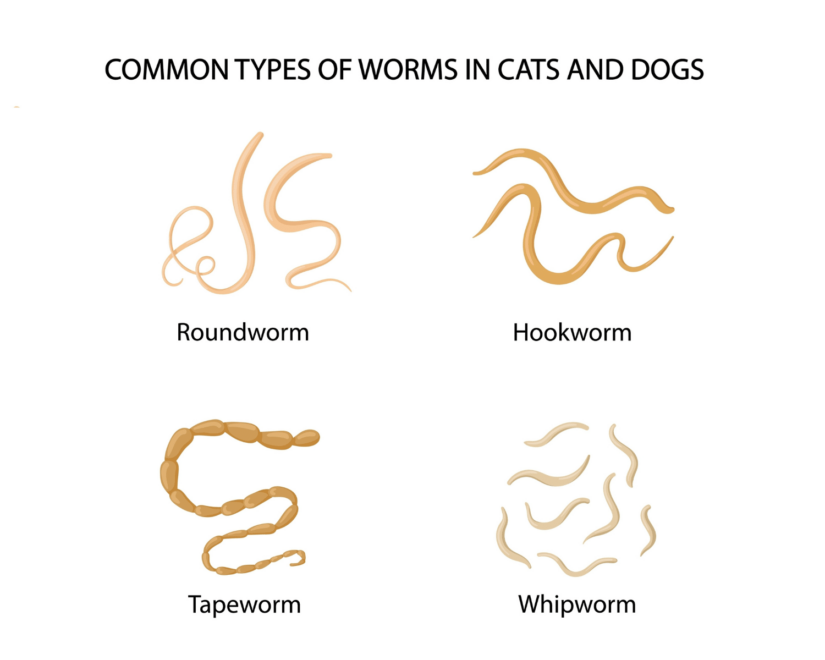
By definition, a parasite is an organism that lives in or on another host and gets its nutrients at the expense of the host. Internal parasites such as roundworms, whipworms, tapeworms and hookworms can be difficult to detect and pose a serious health risk to both you and your dog. Often times they will be invisible even when they are in your dog’s poop, and these parasites can even be passed back and forth between a dog and its owner.

What does this mean to you, a compassionate and responsible pet owner? It’s important to be able to recognize the signs of intestinal worms in your dog, and know what steps to take to get treatment.

Roundworms

What are roundworms?

Roundworms describe many different worm parasites. The most common dog roundworm is Toxocara canis. Humans have different roundworms, as do cats, horses, pigs, and other animals.

How does my dog get roundworms?

Dogs get roundworms either from eating worm eggs off the ground or because the mother dog was infected and passed the worms to her puppies during her pregnancy. Adult roundworms have funny faces, with three big lips surrounding their mouth. They feed on partially digested food in the dog’s intestine.

What are the risks?

Roundworms are a major health concern for your dog. Roundworms live in the small intestine of dogs. It is a microscopic and parasitic organism. Eggs are passed into the environment in the dog’s waste. The eggs then take two weeks to a month to become infective. There is no risk from fresh dog waste. However, after becoming infective, eggs can remain in the soil for several years.

The risk to humans is slight. Humans do not develop adult roundworms, although migration of larvae through tissues and organs can cause disease. Humans usually become infected through contact with eggs in the soil or by accidental ingestion.

Direct contact between infected dogs and humans is not considered to play a role in the transmission of roundworm. Young children are at the greatest risk. They often eat dirt and grass and fill their mouths with contaminated hands. Hand-powered wheelchair users and field sports players also face greater risks.

How can roundworms be prevented?

Roundworm is not present in dogs that receive regular worm treatments. Picking up dog waste before roundworm eggs can become infective is equally important.

Hookworms

What are hookworms?

Hookworms are an intestinal parasite that feed on blood. They have a direct life cycle meaning that they do not necessarily need a host to be transmitted. In pets, hookworm ova(egg) are passed in the host’s feces and develop to the first larval stage if the temperature and humidity are adequate. Ova can hatch in 10-12 hours at 30 degrees centigrade and in 9 hours at 37 degrees centigrade.

How does my dog get hookworms?

Infection can occur via ingestion or skin penetration (commonly infested through the feet) followed by a pulmonary migration, a developmental stage in the gastric glands, or an arrested state in the muscular tissue in older animals. Migration and maturation occur in 17 days. Transport hosts, especially rodents, may play a role in the transmission of this parasite.

What kind of problems do hookworms cause for dogs?

Young dogs and cats are affected more severely since they are less able to cope with depleted iron reserves.

Clinical signs may be one or more of the following: Intestinal blood loss causing anemia Bloody diarrhea Weight loss Poor hair coat

How are hookworm infections diagnosed?

A veterinarian diagnoses hookworms with fecal flotation. The ova are un-embryonated and must be taken from a fresh specimen since they hatch rapidly in warm weather. Unless you are going to the veterinarian quickly, it is best to refrigerate stool samples, or better yet have the vet extract the stool sample at their office. Your pet may not like that idea, but it will yield a more accurate result.

How are hookworms treated?

There are many de-wormers available over-the-counter but they contain medications that are designed to “flush out” the parasite. But as the name implies, Hookworms hook onto the intestinal wall and “do not come off without a fight”. Many pets experience mild to severe distress because of these dewormers. These de-wormers were used by veterinarians decades ago, but veterinary medicine has come a long way since then.

Today, many anthelmintics are effective against hookworms in both dogs and cats. An aggressive treatment and prevention program as defined by your veterinarian normally entails two initial treatments 2 weeks apart (killing the hatched eggs and before they can hatch again and reproduce by administering a second dose), plus an aggressive preventive program. Since the medication can only kill what’s in the system monthly checkups for 3-4 months are needed until a pattern of negative test results is established. Because of the life cycle of the hookworm, monthly combo preventative can help control but not usually eliminate the problem.

Also, it is extremely important to thoroughly clean and disinfect the affected areas. If this is not feasible, walk your pet in a different area and, if possible, away from where other pets go. Always pick up after your pet goes to the bathroom to minimize the chance of reinfection.

Are humans at risk?

Hookworms can pose a health hazard to humans, especially children.

It is imperative to keep on top of the situation and have your pet regularly tested. In humans, hookworms cause cutaneous larva migrans. The parasite can penetrate human skin and cause linear, tortuous, erythematous, and pruritic dermatitis (kids are more susceptible). Therefore, if you own a pet good hygiene, prevention, and management of stool area should be #1 on your list.

Blog Cta Graphic (1)

Tapeworms

What are tapeworms?

The most common tapeworm of dogs (and cats) is called Dipylidium caninum. This parasite attaches to the small intestinal wall by hook-like mouthparts. Adult tapeworms may reach 8 inches (20 cm) in length. The adult worm is made up of many small segments about 1/8 inch (3 mm) long. As the tail end of the worm matures, the terminal segments break off and pass into the stool. Occasionally, the mobile segments can be seen crawling near the anus or on the surface of a fresh bowel movement.

These segments look like grains of rice and contain tapeworm eggs; the eggs are released into the environment when the segment dries. The dried segments are small (about 1/16″, or 2 mm), hard, and golden in color. These dried segments can sometimes be seen stuck to the hair around the dog’s anus.

A less commonly found tapeworm, called Echinococcus, also occurs in dogs.

How does my dog get tapeworms?

In order for a dog to become infected with the common tapeworm, Dipylidium, the dog must swallow a flea that contains tapeworm eggs. This process begins when tapeworm eggs are swallowed by flea larvae (an immature stage of the flea). Contact between flea larvae and tapeworm eggs is thought to occur most frequently in contaminated bedding or carpet. Next, the dog chews or licks its skin as a flea bite; the flea is then swallowed. As the flea is digested within the dog’s intestine, the tapeworm hatches and anchors itself to the intestinal lining.

A dog becomes infected with Echinococcus when it eats a small mammal, usually a rodent, that contains the worm. Foxes and coyotes (and the wild rodents upon which they prey) are important in the life cycle of this parasite. Dogs and cats may also become infected if they eat rodents carrying the parasite.

What kind of problems do tapeworms cause for dogs?

Tapeworms are not highly pathogenic (harmful) to your dog. They may cause debilitation and weight loss when they occur in large numbers. Sometimes, the dog will scoot or drag its anus across the ground or carpet because the segments are irritating to the skin in this area. The adult worm is generally not seen, but the white segments that break away from the tapeworm and pass outside the body rarely fail to get an owner’s attention!

Occasionally, a tapeworm will release its attachment in the intestines and move into the stomach. This irritates the stomach, causing the dog to vomit the worm. When this happens, a worm several inches in length will be seen.

How is tapeworm infection diagnosed?

An infection with Dipylidium is usually diagnosed when the white, mobile segments are seen crawling on your dog or in the stool. Tapeworms are not usually detected by the routine fecal examination performed by the veterinarian. Because of this, veterinarians depend on the owner to notify them of possible tapeworm infection in the dog.

Echinococcus infections are harder to diagnose than the tapeworm caused by fleas because the segments are small and not readily seen.

How are the tapeworms treated?

Treatment is simple and, fortunately, very effective. A drug that kills tapeworms is given, either orally or by injection. It causes the tapeworm to dissolve within the intestines. Since the worm is usually digested before it passes, it is not visible in your dog’s stool. These drugs should not cause vomiting, diarrhea, or any other adverse side effects.

Control of fleas is very important in the management and prevention of tapeworm infection. Flea control involves the treatment of your dog, the indoor environment, and the outdoor environment where the dog resides. If the dog lives in a flea-infested environment, reinfection with tapeworms may occur in as little as two weeks. Because the medication that treats tapeworm infection is so effective, the return of the tapeworms is almost always due to reinfection from the environment.

How do I tell tapeworms from pinworms?

Tapeworms and pinworms look very similar. However, contrary to popular belief, pinworms do not infect dogs or cats. Any worm segments seen associated with dogs are due to tapeworms. Children who get pinworms do not get them from dogs or cats.

Echinococcus tapeworms are of more concern. These tapeworms cause very serious diseases when humans become infected. Hunters and trappers in the north-central United States and south-central Canada may be at risk for infection by this worm if strict hygiene is not observed. Rodent control and good hygiene are important in preventing the spread of this disease to humans. As with the more common tapeworm, infection with Echinococcus is infrequent but possible.

What can be done to control tapeworm infection in dogs and to prevent human infection?

Effective flea control is important. Prompt deworming should be given when parasites are detected; periodic deworming may be appropriate for pets at high risk for reinfection. All pet feces should be disposed of promptly, especially in yards, playgrounds, and public parks. Do not allow children to play in potentially contaminated environments. Strict hygiene is important, especially for children.

Whipworms

What are whipworms?

Whipworms are intestinal parasites which are about 1/4 inch (6 mm) long. They live in the cecum and colon of dogs where they cause severe irritation to the lining of those organs. This results in watery, bloody diarrhea, weight loss, and general debilitation. They are one of the most pathogenic worms found in dogs.

How does my dog get whipworms?

Whipworms pass microscopic eggs in the stool. The eggs are very resistant to drying and heat, so they can remain viable in the dog’s environment for years. They mature and are able to re-infect the dog in 10-60 days. The eggs are swallowed and return to the lower intestinal tract to complete the life cycle.

How is whipworm infection diagnosed?

Whipworms are diagnosed by finding eggs with a microscopic examination of the stool. However, multiple samples are often required because these parasites pass small numbers of eggs on an irregular basis. Any dog with chronic diarrhea can be reasonably suspected to have whipworms, regardless of several negative stool examinations. It is an accepted practice to treat whipworms based on the assumption of infection. Response to treatment is an indication that whipworms were present but could not be detected on fecal examination.

How are whipworms treated?

There are several drugs that are very effective against whipworms. Two treatments are needed at a 3-4 week interval, but because reinfection is such a problem, it is advisable to treat again every 3-4 months or to put the dog on a heartworm prevention product that contains an ingredient that prevents infection with whipworms. Whipworms are not nearly as common now because of the widespread use of these types of heartworm prevention products.

Can I get whipworms from my dog?

No. Whipworms are not infectious to people; they are parasites of the dog.

Heartworms

Heartworms are one of the most serious parasites that can affect a dog’s health, yet they are also one of the most preventable. Learn more about heartworms in dogs.

How do dogs act when they have parasites?

What are the symptoms your pet may have a parasite problem, and how alarmed should you be? Puppies and kittens are often infected with intestinal worms through nursing and during pregnancy. It’s not uncommon to see a new pup present with diarrhea and a distended-looking belly.

Vomiting is another common symptom of intestinal parasite infection. Transmission and re-infection occur in pets when fecal material containing parasites, eggs or cysts are ingested. Sometimes direct contact with a parasite, such as hookworms, occurs through broken skin.

Heartworm larvae are transmitted by the bite of a mosquito, and tapeworms can be acquired through ingesting an infected flea. Symptoms of both infections can cause weight loss and lethargy. In the case of heartworm disease, difficulty breathing, exercise intolerance, and in severe cases, ultimately death.

Fleas can lead to intense itching and hair loss while ticks often go unnoticed until the diseases they carry, such as Lyme disease or rocky mountain spotted fever, cause signs of illness. Tick-borne diseases can be great pretenders, often mimicking the symptoms of other illnesses. They can cause low platelet count and bleeding, lameness, lethargy, coughing, vomiting, diarrhea and general malaise.

How to protect your pet from parasites:

  • Topical and oral preventatives should be given to your dog year-round to minimize the opportunities for parasites to reproduce.
  • Attend your pet’s yearly vet visits to update vaccines and receive regular check-ups.
  • Keep up with the housekeeping. Wash bedding regularly and vacuum couch cushions and along baseboards.
  • Maintain your yard. Eliminate brush and yard debris, and pick up pet poop daily. If eggs can’t hatch and pets can’t consume fecal matter, the likelihood of infection decreases.
  • Do not feed wildlife or encourage stray animals to visit your yard by setting out shelters or food.
  • Eliminate free-standing water so heartworm-carrying mosquitoes can’t breed. Empty your outdoor water bowl and only refill when needed. Also, check for various puddles of water in your yard and ensure your pet cannot reach them.
  • Check your dog’s fur for hitchhiking ticks when you return from an outdoor adventure.
  • Be a good human; pick up your own pet’s waste if you are out on a walk or at a dog park!

Pet waste removal services are an incredibly effective way to prevent the spreading of these intestinal worms. Find a local Pet Butler near you, or call 1-800-PET-BUTLER to learn how we can help your dog lead a happier, healthier life.


Fireworks and Our Furry Friends: Helping Your Dog Stay Safe and Calm This Fourth of July

Blog

ChatGPT Image Jun 25, 2026, 09 07 56 AM

For many Americans, the Fourth of July means backyard barbecues, family gatherings, and spectacular fireworks displays. For our dogs, however, it can be one of the most stressful times of the year.

While we may enjoy the sights and sounds of fireworks, dogs experience them very differently. The loud, unpredictable noises, flashes of light, and unusual activity can trigger fear, anxiety, and even panic. In fact, animal shelters often report an increase in lost pets during the days surrounding Independence Day as frightened animals attempt to escape the sounds of fireworks.

Understanding how the holiday affects dogs and taking steps to prepare can help make the season safer and more comfortable for your four-legged family members.

Why Fireworks Are So Stressful for Dogs

By the time their hearing develops at 21 days old, puppies can hear 4 times the distance as humans and perceive a broader range of high-pitched frequencies from 67-45,000 Hz, compared to a human range of 64-23,000 Hz. Imagine the high-pitched squeal of a firework launching into the air followed by a blast 4 times as powerful as the sound we hear.

Now imagine you have no idea what caused that noise. Fireworks occur unexpectedly, making it difficult for dogs to understand or predict what is happening.

Common signs of fireworks-related anxiety include:

  • Pacing or restlessness
  • Trembling or shaking
  • Excessive panting
  • Hiding under furniture or in closets
  • Barking or whining
  • Refusing food or treats
  • Attempts to escape through doors, windows, or fences

Even dogs who typically appear confident and relaxed may become anxious during fireworks displays.

How Can You Block Firework Noise for Dogs?

Soundproof Your Home

Closing doors, windows and curtains can help to reduce the sound of fireworks coming into your home.

An enclosed interior place can provide a quiet escape for your pet. If they take comfort in their crate, you can use a heavy quilt to throw over the top for an added sound barrier.

Use Background Noise

Turning on a television, fan, white noise machine, or calming music can help mask the sounds of fireworks and create a more comforting environment.

Many pet owners find that soothing background noise helps reduce their dog’s awareness of outdoor disturbances.

Protect Your Dog’s Ears

Cotton balls can be used in dogs’ ears to muffle fireworks and other external noises they experience. Use caution when inserting the cotton balls, as pushing them too far into the ear can compact earwax or damage the dog’s eardrum. Using large cotton balls can help prevent this.

Be sure to remove the cotton balls from their ears after the fireworks have ended.

Other products are available to help control the volume of noise that dogs experience on the 4th of July. Consider getting your dog earmuffs or a snood for the holiday that will dampen the loud explosions. You may need to build in some lead time to get your dog used to these protectors before the holiday.

Additional Pet Safety Tips for Independence Day

fourth of july dog

Create a Safe Space

Set up a quiet area inside your home where your dog can retreat when they feel uncomfortable. This may be a bedroom, crate, closet, or another familiar space filled with their favorite blankets, toys, and bedding.

Allow your dog to choose where they feel safest and avoid forcing them to interact if they prefer to hide.

Keep Pets Indoors

Even if your dog usually enjoys spending time outside, fireworks season is not the time to take chances. Keep pets indoors before dusk and ensure all doors, gates, and windows are secure.

Remember that even well-trained dogs can panic and run when startled by unexpected explosions.

Resist the urge to bring your pet with you to the party. Take a cue from your dog if they like to hide when they hear loud noises or experience unfamiliar things.

Exercise Earlier in the Day

A long walk, play session, or enrichment activity before fireworks begin can help your dog burn energy and settle more easily later in the evening. Exercising earlier in the day also helps dogs avoid excessive heat during the summer.

Mental stimulation through puzzle toys, training games, or treat-dispensing toys can also help redirect nervous energy.

Verify Identification

Because we are often distracted, our pets can take a backseat to party preparations, guests and the celebration. It’s common for dogs to try to sneak past an open door during a party. This can lead to them wandering past your property line and potentially getting hurt.

Before holiday festivities begin, make sure your dog’s collar tags are up to date and that their microchip information is current. Should the unexpected happen, proper identification dramatically increases the chances of a safe reunion.

Check Your Yard for Fireworks Debris

After the Fourth of July celebrations, explore the remains of your backyard party and search the space before you let your dog out. You may be surprised to find a still warm grill, a cell phone, corn cob, fizzled sparklers and other debris littering the ground. All these things can be hazardous to your pet.

Special Considerations for Rescue and Previously Abused Dogs

While fireworks can be stressful for any dog, rescue dogs and dogs with a history of abuse, neglect, abandonment, or trauma often face additional challenges.

Many rescued dogs come with unknown backgrounds. Certain sounds, environments, or situations may trigger memories of previous traumatic experiences. Because of this, fireworks may provoke stronger fear responses than pet owners anticipate.

A rescue dog that appears well-adjusted during everyday life may still struggle significantly when faced with loud noises and chaotic environments. This trauma can be regressing for the pet and bring about additional ongoing challenges that you will both need to overcome.

Give Them Extra Patience

During fireworks season, your dog’s primary need is safety and reassurance. Avoid punishment or correction for fearful behaviors. Anxiety is not disobedience, it is an emotional response to a perceived threat.

Instead, offer calm support and allow your dog to seek comfort in ways that help them feel secure.

Maintain Predictable Routines

Dogs thrive on consistency, especially those recovering from difficult past experiences. Try to keep feeding schedules, walks, and bedtime routines as normal as possible during holiday celebrations.

Predictability helps reduce overall stress and provides a sense of security.

Watch for Subtle Signs of Distress

Some dogs do not display obvious panic. Instead, they may become unusually quiet, withdrawn, clingy, or reluctant to leave their safe space.

Pay attention to changes in behavior and respond with patience and understanding.

Consider Professional Guidance

If your dog experiences severe anxiety during fireworks, consult your veterinarian well before the holiday. They can recommend behavior modification techniques, calming aids, or medications when appropriate.

For rescue dogs with significant trauma histories, working with a professional trainer or behaviorist can provide valuable long-term support.

A Little Compassion Goes a Long Way

While fireworks are often over in a matter of minutes, the stress they create for dogs can linger long after the last spark fades from the sky.

As pet parents, we can make a meaningful difference by recognizing our dogs’ fears, preparing in advance, and creating an environment where they feel safe and supported.

For rescue dogs and those who have overcome difficult beginnings, extra patience and understanding can be especially important. The Fourth of July may never be their favorite holiday, but with thoughtful preparation and compassionate care, it can become a much less frightening experience.

This Independence Day, while we celebrate our freedoms, let’s also remember the comfort and well-being of the pets we love and who depend on us most.

Flexible Scheduling for Pet Waste Removal: Finding the Right Scoop for Your Needs

Pet Health Articles

Pet Butler professional scooping dog waste in a customer’s yard.

When it comes to keeping your yard clean and safe, pet waste removal isn’t just about convenience — it’s about consistency. At Pet Butler, we know every pet owner’s routine is different. That’s why our scheduling options are designed with flexibility in mind, making it easier than ever to stay on top of yard cleanup without the stress. 

Whether you need weekly visits, seasonal cleanups, or a one-time scoop before a big event, our goal is to provide a service that works around your lifestyle, not the other way around. 

Why Scheduling Matters in Pet Waste Removal

Pet waste is more than a nuisance. Left on the ground, it can harm your lawn, attract pests, and spread bacteria and parasites. According to the CDC, dog waste is a significant source of harmful pathogens that can make both pets and people sick. Regular removal helps protect your family, your pets, and your yard. 

That’s where scheduling comes in. A consistent service plan ensures that your lawn stays clean, odor-free, and safe for playtime. By tailoring your pickup schedule to your household’s needs, Pet Butler helps you maintain a healthier and more enjoyable outdoor space.

How Scheduling Works at Pet Butler

To make sure every yard gets reliable service, each zip code is assigned a regular service day. When you sign up, our system automatically shows you what day we service your area, so you’ll know exactly when to expect us. 

Most new customers are scheduled for their first visit on their next available service day — for example, if your zip code is serviced on Fridays and you sign up on Monday, your first visit would be that same Friday. 

If you need service sooner, our Call Center team (1-800-PET-BUTLER) will do their best to check with local Field Operators to see if an earlier visit is possible. While this isn’t always guaranteed, we’ll always try to find a solution that works for you.

Flexible Scheduling to Fit Every Lifestyle

No two pet owners are the same, so why should your service be? At Pet Butler, you can choose the schedule that works best for you

  • Twice-a-week service – Ideal for households with multiple dogs or busy yards. 
  • Weekly service – Our most popular choice, ensuring consistent maintenance. 
  • Bi-weekly or monthly service – For smaller households or budget-conscious schedules. 

Our services offer true flexibility—you can start, stop, or adjust your service whenever you like, with no long-term contracts required. And of course, if your needs change—like welcoming a new puppy or adjusting travel plans—you can modify your schedule with ease.

Woman from the Pet Butler call center smiling while wearing a headset and looking at her computer.

One-Time Cleanups: Season, Special Occasions and More!

While many pet owners prefer the consistency of scheduled service, sometimes all you need is a one-time pet waste cleanup. At Pet Butler, our one-time offering is designed to give you flexibility when life doesn’t follow a routine. 

One-time cleanups are perfect for: 

  • Seasonal refreshes – After a long winter or before the heat of summer, a one-time visit helps reset your yard for the season ahead. 
  • Special occasions – Hosting a barbecue, graduation, birthday, or even a wedding in your backyard? We’ll handle the waste removal so you can focus on entertaining. 
  • Real estate showings – First impressions matter. A spotless lawn makes your property more appealing to buyers. 
  • Post-vacation returns – Coming home to days or weeks of waste can be overwhelming. A one-time scoop takes the stress away. 
  • Quick-turnaround needs – While we don’t offer traditional “on-demand” service, many Pet Butler locations can provide cleanups within “X” hours, depending on technician availability. Think of it as “on-demand” peace of mind, with transparent scheduling. 

With a one-time poop scoop, you get the same thorough, professional service as our recurring plans—just without the ongoing commitment. It’s a flexible solution that works around your lifestyle, whenever you need it.

Why Choose Pet Butler?

Pet Butler has been providing reliable, professional pet waste removal for over 30 years. With a nationwide franchise network, we combine local service with a trusted brand reputation. Every location shares the same mission: to take the dirty work off your hands so you can enjoy more time with your pets. 

When you choose Pet Butler, you get: 

  • Trained and insured technicians. 
  • A scheduling system that keeps your services reliable. 
  • Flexible service options, including ongoing programs and one-time cleanups. 
  • The confidence of working with an experienced team dedicated to customer satisfaction. 

If this sounds like a good fit for you and your pup, we’d love to welcome you to the Pet Butler family.

Pet Butler learn more about our services banner. We offer the following pet services: pet waste removal, pet care, and commercial services. Image is of a Pet Butler employee smiling and laughing hugging a white Labrador retriever dog.

FAQs About Scheduling Pet Waste Removal

How flexible is scheduling?

Very! Pet Butler offers weekly, bi-weekly, monthly, or custom schedules, depending on what works best for you. Our system automatically assigns you to a service day based on your zip code, and you can pause or adjust service as your needs change.

Do I need to be home during service?

Nope! As long as your yard is accessible, our technicians can complete your service whether you’re home or away. Many customers love this convenience — it’s one less thing to worry about.

Can I change my schedule later?

Absolutely. If you ever need to move or skip a service, just give us a call at 800-PET-BUTLER at least 48 hours in advance. Whether you’re heading out on vacation or your pup won’t be around, we’ll gladly pause your service. We’ll return on your next scheduled visit—or whenever you let us know you’re ready to resume.

What if I need a last-minute cleanup?

Because service is routed by zip code, same-day or 24-hour turnaround is not standard. If you sign up mid-week, your first cleanup will typically occur on your assigned service day (e.g., sign up Monday, service Friday). In some cases, the call center may be able to check with field operators to see if an earlier cleanup is possible, but this depends on technician availability. 

The Final Scoop

A cleaner yard isn’t just nicer — it’s healthier for your pets, your family, and the environment. With Pet Butler’s flexible scheduling options, you can choose between consistent weekly visits or one-time cleanups that fit your lifestyle. 

From seasonal refreshes to routine maintenance, Pet Butler makes it easy to enjoy your outdoor space — without the mess. 

Because a clean yard means more time for what matters most: enjoying life with your pets. 

Understanding Rabies: Vaccine, Transmission, and Prevention

Pet Health Articles

rabid-dog

The rabies vaccine is legally required for dogs, cats, and ferrets in most states. Rabies is fatal to humans and a serious worldwide public health concern. The vaccine, unlike others, is 100% protective if administered according to label directions. Most puppies and kittens receive their first dose between 12-16 weeks old, depending on local ordinances, and it must be administered by a licensed veterinarian.

If the vaccine is 100% effective, why do we still have over 59,000 human deaths worldwide and 1-2 human deaths annually in the US? The answer is multifactorial, and it will help to understand a little about the virus, its transmission, and host populations that perpetuate this deadly disease.

Transmission

Rabies virus is transmitted via the saliva of an infected mammal through a bite wound that breaks the skin. Important reservoirs for infection include stray or unvaccinated dogs and cats, bats, skunks, and raccoons. The virus quickly reproduces and uses the peripheral nervous system and spinal cord as a conduit to reach the brain, finally spreading to the salivary glands and other organs in the infected individual.

The incubation period, or time it takes to see clinical signs of the virus, takes anywhere between 10 days to approximately 4 months in dogs. This information guides veterinary recommendations for assessment, observation, and isolation if a bite wound has occurred. Signs in other species can take up to a year or more to develop, depending on the amount of virus that was transmitted via the bite, the site of infection, and severity of the bite.

Blog Cta Graphic (1)

Symptoms

Ultimately, infection with rabies virus leads to brain injury and death. The signs of infection depend on the species. For dogs, personality change is common (from fear or depression to aggression), followed by insatiable appetite, paralysis including face or limbs, difficulty swallowing, excessive salivation, and seizures.

In humans infected with rabies, early symptoms are nonspecific, consisting of fever, headache, and general malaise. As the disease progresses, neurological symptoms appear and may include insomnia, anxiety, confusion, slight or partial paralysis, excitation, hallucinations, agitation, hypersalivation, difficulty swallowing, and hydrophobia (fear of water). Death usually occurs within days of the onset of symptoms.

Transmission Over Time

Over the last 100 years and with the onset of vaccinations and education, the CDC has seen a dramatic reduction in the transmission of rabies. Prior to 1960, most reported rabies cases in the U.S. were in domestic animals such as dogs, cats, ferrets, horses, and cattle. Now, over 90% of confirmed cases are from wildlife hosts such as bats (6% of the bat population carries rabies), skunks, raccoons, coyotes, and foxes. 70% of human acquired infections result from bat bites which can be difficult to detect as bite wounds can be miniscule and often occur without the victim’s knowledge.

Unfortunately, the only way to confirm a diagnosis of rabies in a suspected animal is to microscopically test brain tissue after death. Therefore, it’s important to contain the suspected animal, if alive, for observation, isolation, or humane euthanasia, or keep it until animal control can retrieve it for testing.

What to Do If You or Your Pet Is Bitten

If you or your pet is bitten or scratched by an animal that might carry rabies, even if the animal is not showing signs of illness, call your physician or veterinarian and animal control immediately. These professionals will work with the public health department to determine what follow-up care and testing is needed. If the bite occurred from an owned dog or cat, ask the pet parent for vaccine records to see if the pet was vaccinated and obtain contact information.

Wash any affected wounds with soap and water. Other treatments may consist of a post-bite serum containing anti-rabies antibodies and post-exposure rabies vaccines which work to stimulate the body’s immune system. There is no effective cure once clinical signs occur.

Prevention

Identification and vaccination of stray dog populations, minimizing contact with wildlife hosts, and spaying and neutering pets to decrease roaming behaviors all contribute to a reduction in rabies cases. Vaccination of pets, as well as supporting wildlife management initiatives like vaccinating raccoons via food baits, may help to eradicate this disease.

People in high-risk occupations such as animal control officers and veterinarians can obtain a prophylactic rabies vaccine intended to protect themselves should they be bitten by a rabid animal. With continued best practices and prevention, rabies can one day be a thing of the past.

View our Pet Wellness Videos for more expert pet advice.

At Pet Butler, we want you and your pet to live your best and healthiest lives, which is why we offer Pet Waste Removal and Pet Care services year-round. We offer weekly, bi-weekly, monthly, and one-time clean-up services to meet your schedule and needs.

Puppy Mills: Profits Over Dogs’ Well-Being

Pet Health Articles

Puppy in cage


Do you ever wonder where all those cute puppies sold in pet stores come from? More than likely, they were bred in a facility with hundreds of other dogs in inhumane conditions — commonly known as puppy mills.

What Are Puppy Mills?

Approximately 2.6 million puppies are sold in over 10,000 puppy mills every year, making their way to consumers through pet stores, internet ads, flea markets, and “breeders.” Puppy mills prioritize profit over sanitation, socialization, medical care, and the health of overbred female dogs and their puppies. These puppies and their moms are commodities to be sold for the highest price and raised with the least amount of investment.

Puppy Mill Conditions

Dogs in these mills are often housed on top of each other in crates that offer limited space and are filled with urine and fecal matter. These dogs lack exercise, grooming, medical care, and human contact. Even necessities like clean water and food are strictly rationed, causing many dogs to perish as a result. Genetic diseases among puppy mill puppies are common and infectious diseases such as parvovirus and distemper spread rampantly. Psychological trauma and behavioral issues stem from abrupt separations during transport and a lack of socialization.

Blog Cta Graphic (1)

Are Puppy Mills Legal?

Puppy mills can be found across the United States, but the level of enforcement of the Animal Welfare Act, along with state and local laws, varies. Only seven states have banned puppy mills sales from pet stores. States like Missouri and Arkansas are known for having lax regulations when it comes to puppy mill operations.

Legal definitions of cruelty, neglect, welfare, and breeding kennels are ambiguous. A lack of public awareness and resources to enforce laws ensures the profitability and propagation of puppy mills. Most puppy mills are considered legal when registered as breeding kennels that can house hundreds of dogs and multiple breeds in inhumane conditions for their entire lives, as long as the dogs are given the basics of food, water, and shelter.

Prosecution requires documentation of cruelty and neglect which can be difficult if a facility is federally licensed and protected as a kennel and private business, as inspections by the USDA are infrequent. In 2023, the USDA recorded Animal Welfare Act violations involving over 400 commercial dog dealers but acted against only four. Breeders who operate puppy mills that sell animals face-to-face with buyers aren’t regulated in the same way commercial facilities that resell puppies are. It can be a lawless landscape.

Consumer litigation against pet stores and awareness campaigns are making strides, but the battle is far from over.

What Can We Do?

  • Adoption: A big way to curb puppy mill activity is to adopt pets through local shelters and breed-specific rescues instead of purchasing a pet online or in a store. Encourage others to adopt and spread the word about puppy mills.
    If you choose to get a puppy from a breeder, ensure they’re following ethical practices. Good breeders are dedicated to one breed and are forthcoming in providing pedigree information, medical records, and genetic testing for their dogs. They allow buyers to visit their hygienic, humane kennels and the parents of puppies whose lifetime reproduction is limited for their health and safety. Reputable breeders provide social enrichment, exercise, grooming, and good nutrition for moms and pups, as well as have a strong relationship with a veterinarian for ongoing medical care.
  • Education: Educate yourself by reading up on local ordinances regarding animal welfare and standards of breeding kennels. The HSUS, Best Friends Society, and the ASPCA offer educational resources and opportunities to get involved as animal advocates and participate in fundraisers.
  • Advocacy: Lobby your local government officials for stricter breeding standards and prohibition of online and pet store puppy sales. Report any concerns regarding animal welfare to local authorities such as animal control or a police department, news outlets, and the USDA Animal Control Division.

Puppy mills will continue to prioritize profit over the well-being of millions of dogs. Adoption, education, and advocacy are crucial to limiting the power of puppy mills going forward.

View our Pet Wellness Videos for more expert pet advice.

At Pet Butler, we want you and your pet to live your best and healthiest lives, which is why we offer Pet Waste Removal and Pet Care services year-round. We offer weekly, bi-weekly, monthly, and one-time clean-up services to meet your schedule and needs.

Find a Pet Butler 800-Pet-Butler