
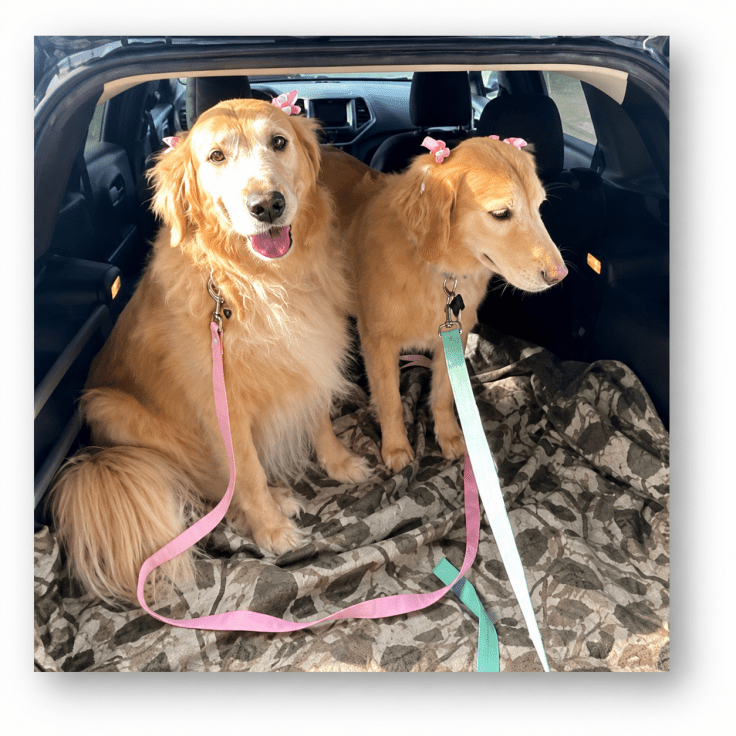
For many Americans, the Fourth of July means backyard barbecues, family gatherings, and spectacular fireworks displays. For our dogs, however, it can be one of the most stressful times of the year.
While we may enjoy the sights and sounds of fireworks, dogs experience them very differently. The loud, unpredictable noises, flashes of light, and unusual activity can trigger fear, anxiety, and even panic. In fact, animal shelters often report an increase in lost pets during the days surrounding Independence Day as frightened animals attempt to escape the sounds of fireworks.
Understanding how the holiday affects dogs and taking steps to prepare can help make the season safer and more comfortable for your four-legged family members.
Why Fireworks Are So Stressful for Dogs
By the time their hearing develops at 21 days old, puppies can hear 4 times the distance as humans and perceive a broader range of high-pitched frequencies from 67-45,000 Hz, compared to a human range of 64-23,000 Hz. Imagine the high-pitched squeal of a firework launching into the air followed by a blast 4 times as powerful as the sound we hear.
Now imagine you have no idea what caused that noise. Fireworks occur unexpectedly, making it difficult for dogs to understand or predict what is happening.
Common signs of fireworks-related anxiety include:
- Pacing or restlessness
- Trembling or shaking
- Excessive panting
- Hiding under furniture or in closets
- Barking or whining
- Refusing food or treats
- Attempts to escape through doors, windows, or fences
Even dogs who typically appear confident and relaxed may become anxious during fireworks displays.
How Can You Block Firework Noise for Dogs?
Soundproof Your Home
Closing doors, windows and curtains can help to reduce the sound of fireworks coming into your home.
An enclosed interior place can provide a quiet escape for your pet. If they take comfort in their crate, you can use a heavy quilt to throw over the top for an added sound barrier.
Use Background Noise
Turning on a television, fan, white noise machine, or calming music can help mask the sounds of fireworks and create a more comforting environment.
Many pet owners find that soothing background noise helps reduce their dog’s awareness of outdoor disturbances.
Protect Your Dog’s Ears
Cotton balls can be used in dogs’ ears to muffle fireworks and other external noises they experience. Use caution when inserting the cotton balls, as pushing them too far into the ear can compact earwax or damage the dog’s eardrum. Using large cotton balls can help prevent this.
Be sure to remove the cotton balls from their ears after the fireworks have ended.
Other products are available to help control the volume of noise that dogs experience on the 4th of July. Consider getting your dog earmuffs or a snood for the holiday that will dampen the loud explosions. You may need to build in some lead time to get your dog used to these protectors before the holiday.
Additional Pet Safety Tips for Independence Day

Create a Safe Space
Set up a quiet area inside your home where your dog can retreat when they feel uncomfortable. This may be a bedroom, crate, closet, or another familiar space filled with their favorite blankets, toys, and bedding.
Allow your dog to choose where they feel safest and avoid forcing them to interact if they prefer to hide.
Keep Pets Indoors
Even if your dog usually enjoys spending time outside, fireworks season is not the time to take chances. Keep pets indoors before dusk and ensure all doors, gates, and windows are secure.
Remember that even well-trained dogs can panic and run when startled by unexpected explosions.
Resist the urge to bring your pet with you to the party. Take a cue from your dog if they like to hide when they hear loud noises or experience unfamiliar things.
Exercise Earlier in the Day
A long walk, play session, or enrichment activity before fireworks begin can help your dog burn energy and settle more easily later in the evening. Exercising earlier in the day also helps dogs avoid excessive heat during the summer.
Mental stimulation through puzzle toys, training games, or treat-dispensing toys can also help redirect nervous energy.
Verify Identification
Because we are often distracted, our pets can take a backseat to party preparations, guests and the celebration. It’s common for dogs to try to sneak past an open door during a party. This can lead to them wandering past your property line and potentially getting hurt.
Before holiday festivities begin, make sure your dog’s collar tags are up to date and that their microchip information is current. Should the unexpected happen, proper identification dramatically increases the chances of a safe reunion.
Check Your Yard for Fireworks Debris
After the Fourth of July celebrations, explore the remains of your backyard party and search the space before you let your dog out. You may be surprised to find a still warm grill, a cell phone, corn cob, fizzled sparklers and other debris littering the ground. All these things can be hazardous to your pet.
Special Considerations for Rescue and Previously Abused Dogs
While fireworks can be stressful for any dog, rescue dogs and dogs with a history of abuse, neglect, abandonment, or trauma often face additional challenges.
Many rescued dogs come with unknown backgrounds. Certain sounds, environments, or situations may trigger memories of previous traumatic experiences. Because of this, fireworks may provoke stronger fear responses than pet owners anticipate.
A rescue dog that appears well-adjusted during everyday life may still struggle significantly when faced with loud noises and chaotic environments. This trauma can be regressing for the pet and bring about additional ongoing challenges that you will both need to overcome.
Give Them Extra Patience
During fireworks season, your dog’s primary need is safety and reassurance. Avoid punishment or correction for fearful behaviors. Anxiety is not disobedience, it is an emotional response to a perceived threat.
Instead, offer calm support and allow your dog to seek comfort in ways that help them feel secure.
Maintain Predictable Routines
Dogs thrive on consistency, especially those recovering from difficult past experiences. Try to keep feeding schedules, walks, and bedtime routines as normal as possible during holiday celebrations.
Predictability helps reduce overall stress and provides a sense of security.
Watch for Subtle Signs of Distress
Some dogs do not display obvious panic. Instead, they may become unusually quiet, withdrawn, clingy, or reluctant to leave their safe space.
Pay attention to changes in behavior and respond with patience and understanding.
Consider Professional Guidance
If your dog experiences severe anxiety during fireworks, consult your veterinarian well before the holiday. They can recommend behavior modification techniques, calming aids, or medications when appropriate.
For rescue dogs with significant trauma histories, working with a professional trainer or behaviorist can provide valuable long-term support.
A Little Compassion Goes a Long Way
While fireworks are often over in a matter of minutes, the stress they create for dogs can linger long after the last spark fades from the sky.
As pet parents, we can make a meaningful difference by recognizing our dogs’ fears, preparing in advance, and creating an environment where they feel safe and supported.
For rescue dogs and those who have overcome difficult beginnings, extra patience and understanding can be especially important. The Fourth of July may never be their favorite holiday, but with thoughtful preparation and compassionate care, it can become a much less frightening experience.
This Independence Day, while we celebrate our freedoms, let’s also remember the comfort and well-being of the pets we love and who depend on us most.
