
Training Tips for Your Dog

Dog Behavior Articles

PBC Training Tips Blog 1500x1200

As a “pet parent”, it can be easy to overlook some behaviors that others find undesirable and that may cause you occasional grief. To be a good citizen of the world, safeguard your pet around other dogs and humans, give them a “job” and mental stimulation, and receive the maximum enjoyment pet ownership can provide, it is vital to train your dog with skills needed to operate in a domesticated setting.

While it is easier to teach a puppy new tricks, dog training is necessary and ongoing at every age. Whether you participate in dog training classes, seek out a professional dog trainer, or watch training videos, here are skills every dog owner should teach their dog.

Dog Training Methods

Dogs are intelligent, social creatures and training provides them with the tools to lead safe, happy, and enriched lives and deepen bonds with their humans and other animals. No two dogs are identical, so their training instruction should be tailored based on health, age, personality, breed, lifestyle, and specific tasks.

We are constantly learning more about how dogs perceive rewards and punishment, their psychology, and their relationship with their owner and other animals. Consequently, through the years training methods and tools have evolved. Here are some of the most common training methods:

Positive Reinforcement

This type of training relies on positive reinforcement to increase the probability that the desired behavior will occur. Did your dog sit on command? Give them a tasty treat! Come when called? Load on the praise!

Some trainers will use a clicker in addition to a reward when a dog performs the behavior. The dog will learn to associate the “click” with the behavior and reward with consistency and practice. Over time, they get the same dopamine release from the click as a food reward, conveniently shaping behaviors for zero calories.

Operant Conditioning

Operant conditioning utilizes the principles of differential reinforcement of alternative behaviors, negative reinforcement, negative punishment, and positive punishment.

· An example of reinforcing an alternate behavior may be rewarding your dog who stays put on its bed when the doorbell rings. By encouraging that behavior with a treat, you are making the alternate, less desirable behavior of rushing the door less likely to occur.

· A counter-surfing dog who steals food from the table could be negatively reinforced by removing all food, so there is no more motivation to surf.

· One common form of positive punishment is the electronic collar. For example, the dog receives a shock or stimulation when barking. With the hands of a professional trainer and the right dog, e-collars can eliminate unwanted behaviors and train desired ones. They also can tremendously cause psychological and physical harm to a pet if misused and should only be considered if guided by a professional.

Dominance Training

Dominance-based training has declined in popularity in recent years. This method is based on studies of captive wolf packs, which may not resemble the social structures of domesticated dogs at home. Owners must be the “alpha” of the household – going first through doorways, denying pets access to furniture, and never meeting them at eye level. The philosophy behind this method works to curb bad behavior in some dogs but does little to identify the root cause of the behavior, which can lead to stress and fear in the pet.

The Most Popular Training Method

PBC Dog Training Options Blog 1500x1200 min

The most popular and effective training method combines positive reinforcement with operant conditioning. The Certification Council for Professional Dog Trainers relies predominantly on this training method. The council determined that dogs respond best to the “most positive, least intrusive” strategy to achieve training goals or alter behaviors. Professional trainers often start with the question, “What do you want the dog to do?” and employ humane tactics in a hierarchy to achieve that goal.

Important Skills to Train Your Dog

Socializing Your Dog

One of the most important skills to teach your puppy is how to be social. While it may seem that dogs, as pack animals, would inherently seek and enjoy the company of others, this is not always the case. A critical developmental window exists from 4 to 14 weeks and puppies who are not exposed to other dogs, little humans, loud humans, and hat-wearing humans during this period may become unaccustomed and fearful of interactions later in life.

Most training techniques, especially at this age, include positive reinforcement. Whether your puppy is motivated by food or affection or a special toy, it’s best to reward them with their favorite thing while in the presence of other dogs and people of all shapes, sizes, and volumes.

House Training

House training, when done correctly, is simple as it speaks to the dog’s instinctual need to keep their den clean. For puppies and adult dogs, the best training tool for housebreaking will be a sturdy wire crate that is just large enough for the pup to stand up and turn around. Crates can be soft sided or plastic and hard sided if you and your dog prefer, but I like the collapsible metal crates with a removable pan that I can move around the house, easily clean, and modify in size as the dog grows.

Dogs can be fed in their cozy kennel or presented with a delicious treat every time they enter their crate. As soon as you open the crate door, expect to take your pup to eliminate in a consistent spot outside and use a command such as “potty”. When immediately rewarded for urinating or defecating outside, and by catching them immediately inside and correcting the mistake, house training can take just a few weeks.

Basic Commands: Sit, Stay, Come, & Leave it

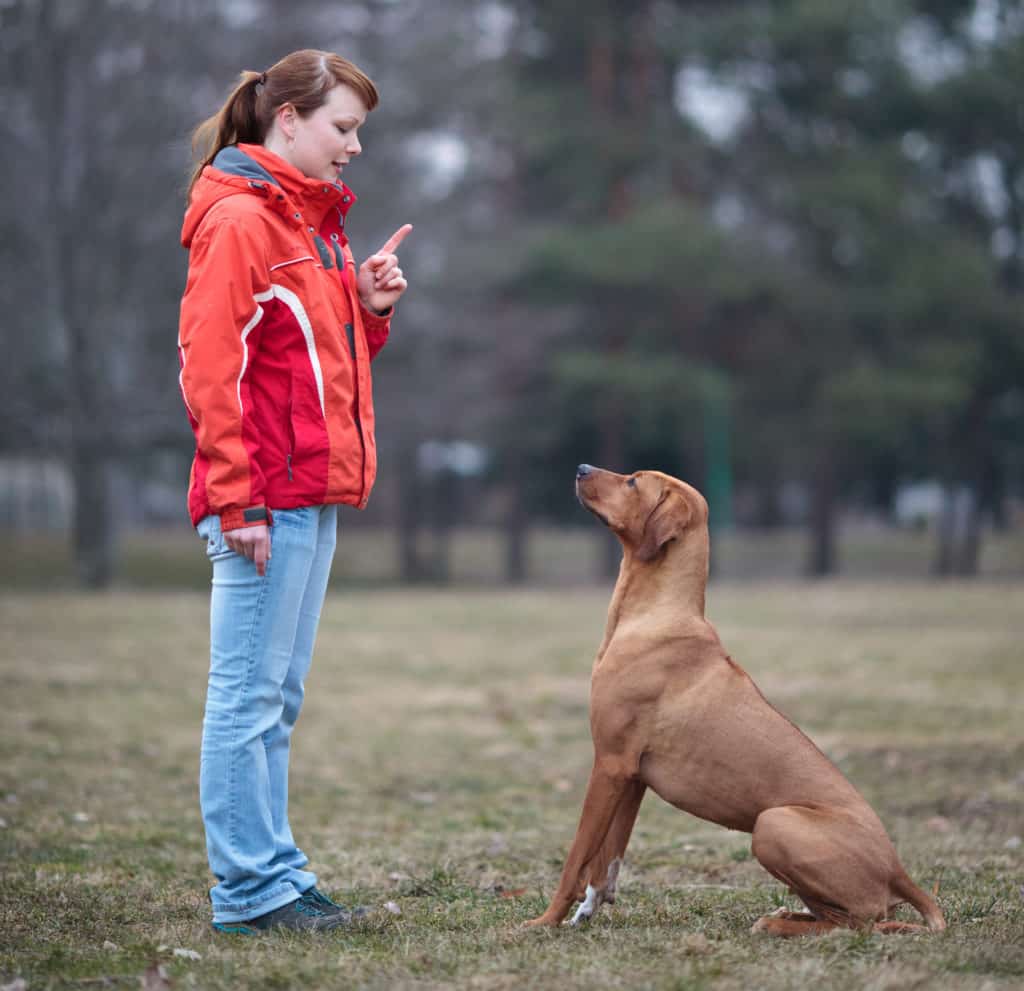
Sit, stay, and come are the three most common commands taught in beginner classes and are the foundation for further skills training and behavior modification programs. By teaching your dog to sit and stay, their minds become engaged and they learn deference to the human at the end of the leash. When a dog’s role is clearly defined in the “pack” and social order is established, it’s reassuring and permits them to relax, gain confidence, and focus.

From a safety perspective, sit, stay, and come are often used when guests are welcomed into the home, or during an emergency such as car or aggressive animal heading toward a loose pet. If a dog can consistently be recalled on or off leash, it can be the difference between life and death.

Leave-it is an oft used command in our house and in the animal assisted therapy work I do at the local hospital. When an object is dropped on the ground (think grapes or a chicken bone) or you come across something you want your dog to ignore and not ingest or approach (bandage material or a skunk), leave-it gives your dog the message to back away for their own good!

Training your dog to go to its place, bed or kennel is done by having your pet in a sit and stay in a specific location while giving the command and a food reward. This command will help you to position your dog for sleep, when the doorbell rings, it’s dinnertime and you don’t want distraction, or to keep your pet away from open doors or guests who may not want slobbery kisses.

pet training

Correct Behavioral Issues

Barking, chewing, digging and counter surfing, all of which can be the bane of dog owners everywhere. Learn more about how to correct common dog behavior problems.

Keys to Successful Training

Age-Appropriate Activities

Puppies have shorter attention spans than older dogs, so the key to their training is to keep it fun and engaging. They typically stay engaged for up to 5-minute periods, interspersed with naps and physical exercise.

Tips for training puppies:

· Use kibble or tiny treats to reward actions.

· Work with your pet 3-4 times daily.

· Use walks to practice skills and commands.

Older pets are just as teachable as young puppies. However, motivation, agility, and endurance may differ due to joint, vision, and hearing changes. Also, remember that an older pet who is new to your home may have had past experiences that impact their behavior and openness to some training methods. For example, a dog that a previous owner loudly scolded might be frightened of loud noises, even if in the form of praise. When working to change the behaviors of an older pet, such as destructive chewing, biting, resource guarding, or jumping, it may be best to work with a professional one-on-one.

Choose the Right Environment

The environment for training should be conducive to successfully teaching a skill by adding or eliminating distractions or cues. In some cases, this may mean bringing your pet to a group class if the skill you’d like to teach is recalled in the presence of other pets.

In other cases, it may mean individualized training to teach tracking and beginning training with a high-value, pungently scented object. Are you trying to stop your dog from barking at the mailman? By closing the blinds, you’ve altered the setting, eliminated the stimulus, and changed behavior in a minimally intrusive way!

Be Consistent

Whether you hire a certified dog trainer, do it yourself, or attend a group class, consistency and follow-through are essential. Have every member of your family involved in training, so your pet receives reliable cues, responses, and outcomes each time they perform a behavior.

Fireworks and Our Furry Friends: Helping Your Dog Stay Safe and Calm This Fourth of July

Blog

ChatGPT Image Jun 25, 2026, 09 07 56 AM

For many Americans, the Fourth of July means backyard barbecues, family gatherings, and spectacular fireworks displays. For our dogs, however, it can be one of the most stressful times of the year.

While we may enjoy the sights and sounds of fireworks, dogs experience them very differently. The loud, unpredictable noises, flashes of light, and unusual activity can trigger fear, anxiety, and even panic. In fact, animal shelters often report an increase in lost pets during the days surrounding Independence Day as frightened animals attempt to escape the sounds of fireworks.

Understanding how the holiday affects dogs and taking steps to prepare can help make the season safer and more comfortable for your four-legged family members.

Why Fireworks Are So Stressful for Dogs

By the time their hearing develops at 21 days old, puppies can hear 4 times the distance as humans and perceive a broader range of high-pitched frequencies from 67-45,000 Hz, compared to a human range of 64-23,000 Hz. Imagine the high-pitched squeal of a firework launching into the air followed by a blast 4 times as powerful as the sound we hear.

Now imagine you have no idea what caused that noise. Fireworks occur unexpectedly, making it difficult for dogs to understand or predict what is happening.

Common signs of fireworks-related anxiety include:

  • Pacing or restlessness
  • Trembling or shaking
  • Excessive panting
  • Hiding under furniture or in closets
  • Barking or whining
  • Refusing food or treats
  • Attempts to escape through doors, windows, or fences

Even dogs who typically appear confident and relaxed may become anxious during fireworks displays.

How Can You Block Firework Noise for Dogs?

Soundproof Your Home

Closing doors, windows and curtains can help to reduce the sound of fireworks coming into your home.

An enclosed interior place can provide a quiet escape for your pet. If they take comfort in their crate, you can use a heavy quilt to throw over the top for an added sound barrier.

Use Background Noise

Turning on a television, fan, white noise machine, or calming music can help mask the sounds of fireworks and create a more comforting environment.

Many pet owners find that soothing background noise helps reduce their dog’s awareness of outdoor disturbances.

Protect Your Dog’s Ears

Cotton balls can be used in dogs’ ears to muffle fireworks and other external noises they experience. Use caution when inserting the cotton balls, as pushing them too far into the ear can compact earwax or damage the dog’s eardrum. Using large cotton balls can help prevent this.

Be sure to remove the cotton balls from their ears after the fireworks have ended.

Other products are available to help control the volume of noise that dogs experience on the 4th of July. Consider getting your dog earmuffs or a snood for the holiday that will dampen the loud explosions. You may need to build in some lead time to get your dog used to these protectors before the holiday.

Additional Pet Safety Tips for Independence Day

fourth of july dog

Create a Safe Space

Set up a quiet area inside your home where your dog can retreat when they feel uncomfortable. This may be a bedroom, crate, closet, or another familiar space filled with their favorite blankets, toys, and bedding.

Allow your dog to choose where they feel safest and avoid forcing them to interact if they prefer to hide.

Keep Pets Indoors

Even if your dog usually enjoys spending time outside, fireworks season is not the time to take chances. Keep pets indoors before dusk and ensure all doors, gates, and windows are secure.

Remember that even well-trained dogs can panic and run when startled by unexpected explosions.

Resist the urge to bring your pet with you to the party. Take a cue from your dog if they like to hide when they hear loud noises or experience unfamiliar things.

Exercise Earlier in the Day

A long walk, play session, or enrichment activity before fireworks begin can help your dog burn energy and settle more easily later in the evening. Exercising earlier in the day also helps dogs avoid excessive heat during the summer.

Mental stimulation through puzzle toys, training games, or treat-dispensing toys can also help redirect nervous energy.

Verify Identification

Because we are often distracted, our pets can take a backseat to party preparations, guests and the celebration. It’s common for dogs to try to sneak past an open door during a party. This can lead to them wandering past your property line and potentially getting hurt.

Before holiday festivities begin, make sure your dog’s collar tags are up to date and that their microchip information is current. Should the unexpected happen, proper identification dramatically increases the chances of a safe reunion.

Check Your Yard for Fireworks Debris

After the Fourth of July celebrations, explore the remains of your backyard party and search the space before you let your dog out. You may be surprised to find a still warm grill, a cell phone, corn cob, fizzled sparklers and other debris littering the ground. All these things can be hazardous to your pet.

Special Considerations for Rescue and Previously Abused Dogs

While fireworks can be stressful for any dog, rescue dogs and dogs with a history of abuse, neglect, abandonment, or trauma often face additional challenges.

Many rescued dogs come with unknown backgrounds. Certain sounds, environments, or situations may trigger memories of previous traumatic experiences. Because of this, fireworks may provoke stronger fear responses than pet owners anticipate.

A rescue dog that appears well-adjusted during everyday life may still struggle significantly when faced with loud noises and chaotic environments. This trauma can be regressing for the pet and bring about additional ongoing challenges that you will both need to overcome.

Give Them Extra Patience

During fireworks season, your dog’s primary need is safety and reassurance. Avoid punishment or correction for fearful behaviors. Anxiety is not disobedience, it is an emotional response to a perceived threat.

Instead, offer calm support and allow your dog to seek comfort in ways that help them feel secure.

Maintain Predictable Routines

Dogs thrive on consistency, especially those recovering from difficult past experiences. Try to keep feeding schedules, walks, and bedtime routines as normal as possible during holiday celebrations.

Predictability helps reduce overall stress and provides a sense of security.

Watch for Subtle Signs of Distress

Some dogs do not display obvious panic. Instead, they may become unusually quiet, withdrawn, clingy, or reluctant to leave their safe space.

Pay attention to changes in behavior and respond with patience and understanding.

Consider Professional Guidance

If your dog experiences severe anxiety during fireworks, consult your veterinarian well before the holiday. They can recommend behavior modification techniques, calming aids, or medications when appropriate.

For rescue dogs with significant trauma histories, working with a professional trainer or behaviorist can provide valuable long-term support.

A Little Compassion Goes a Long Way

While fireworks are often over in a matter of minutes, the stress they create for dogs can linger long after the last spark fades from the sky.

As pet parents, we can make a meaningful difference by recognizing our dogs’ fears, preparing in advance, and creating an environment where they feel safe and supported.

For rescue dogs and those who have overcome difficult beginnings, extra patience and understanding can be especially important. The Fourth of July may never be their favorite holiday, but with thoughtful preparation and compassionate care, it can become a much less frightening experience.

This Independence Day, while we celebrate our freedoms, let’s also remember the comfort and well-being of the pets we love and who depend on us most.

How Often Should You Walk Your Dog? Understanding Their Needs Through Body Language 

Dog Behavior Articles

Team member in blue Pet Butler hoodie walking a cute dog with a blue leash

Walking your dog isn’t just a daily chore — it’s one of the best ways to keep them healthy, happy, and connected to you. Walks provide physical exercise, mental stimulation, and emotional bonding time. But how do you know how often to walk your dog, how long those walks should be and how to recognize when your dog is trying to tell you something? 

By paying attention to both recommended walking guidelines and your dog’s body language, you can meet their needs before stress or anxiety sets in. And if life gets busy, Pet Butler’s professional dog walking services ensure your pup still gets exercise and attention. 

How Often Should You Walk Your Dog?

Most healthy dogs benefit from at least two walks a day, though some may need three or more depending on breed, age, and energy level. Walks don’t just provide potty breaks — they improve behavior, reduce boredom and support overall health

If your schedule makes it hard to provide consistent walks, Pet Butler can help keep your dog on a healthy routine, their exercise needs are met even when you’re busy. 

How Many Times a Day Should You Walk Your Dog?

Within the broader “how often,” most adult dogs do well with two to three structured walks daily, while puppies and seniors may need more frequent, shorter outings.  

Think of walks in two categories: 

  • Potty breaks: Quick trips outside, especially after meals and naps. 
  • Exercise walks: Longer sessions where your dog moves, sniffs, and explores.

Signs Your Dog Needs More Walks

Dogs often give subtle cues before becoming restless or anxious: 

  • Pacing or circling inside 
  • Waiting by the door or bringing you their leash 
  • Barking, whining, or nudging you for attention 
  • Body language like ears pinned back or short, quick tail wags 

By noticing these signals early, you can anticipate their needs instead of reacting after stress sets in. And with Pet Butler’s professional dog walkers available from 6 a.m. to 10 p.m., your pup can enjoy frequent, well-timed walks that keep them comfortable and cared for.

Pet Butler professional smiling while walking a dog during pet care service.

How Long Should a Dog Walk Be?

Dogs typically need 1–3 miles of walking daily, with some high-energy breeds requiring up to 5 miles. For most dogs, a walk of 20–30 minutes works well.

Reading Body Language on Walks

A walk should be enjoyable, not exhausting. Watch for these cues: 

  • Fatigue: slowing down, heavy panting, lying down mid-walk 
  • Overstimulation: pulling, barking, hackles raised 
  • Joy: relaxed body, wagging tail, occasional play bow (front legs down, rear up) 

Experienced dog walkers, like those at Pet Butler, are trained to recognize these signs and adjust the pace or route to keep every walk safe and positive.

Balancing Distance and Mental Stimulation

Quality matters as much as quantity. A 20-minute walk where your dog can sniff and explore may be more fulfilling than a long brisk walk. Sniffing reduces stress and provides mental enrichment. 

That’s why Pet Butler Pet Care Professionals focus on balancing exercise with enrichment, giving dogs the chance to sniff, explore, and interact — not just log miles.

Pet Butler learn more about our services banner. We offer the following pet services: pet waste removal, pet care, pet shuttle, commercial services and more. Image is of a Pet Butler employees smiling and walking a golden retriever across the grass on a sunny summer day.

Why Dog Walking Is About More Than Exercise

Walking supports: 

  • Physical health: joints, weight management, digestion 
  • Mental stimulation: sniffing and social interactions prevent boredom-related behaviors 
  • Emotional connection: strengthens the bond between you and your dog 

Reading your dog’s body language during walks — from play bows to anxious yawns — ensures every walk is rewarding. If you’re away at work or traveling, Pet Butler’s professional walkers step in as trusted companions, keeping your dog happy and engaged.

Professional Support for Busy Pet Owners

Life gets busy, but your dog still needs consistent walks. That’s where Pet Butler comes in. Our professional dog walking services ensure your pup gets the exercise, attention, and care they deserve. 

Plus, our scooping services keep your yard clean, so you can focus on enjoying quality time with your dog. Whether you need reliable walks, cleanups, or both, Pet Butler is here to keep tails wagging.

FAQs About Dog Walking and Body Language

How do I know if my dog is anxious on walks?

Look for tucked tails, yawning, lip licking, or avoiding eye contact.

Can too many walks be harmful?

Yes — especially for puppies with developing joints or senior dogs with arthritis. Choose multiple short walks rather than long, strenuous sessions.

Which is better? One long walk or several short ones?

Two to three shorter walks per day usually provide consistent exercise and bathroom breaks.

How do I know when to increase my dog’s walking routine?

If your dog remains restless, is still full of energy after walks, or gains weight, it may be time to increase frequency or distance. 

Walking your dog is about balance: frequency, duration, distance — and paying attention to their signals. By noticing subtle cues before your dog becomes anxious, you can anticipate their needs and keep every walk enjoyable. 

Whether your pup is high-energy or a gentle senior, the goal is the same: a happy, healthy dog who feels understood. And if you ever need help, Pet Butler’s dog walking services are just a call away.

Costs to Consider as You Budget for a New Dog

Pet Adoption Articles

Pet Butler pet care professional smiling while posing with a dog.

Bringing a new dog into your home is an exciting milestone, but it’s important to plan for the responsibilities that come with pet ownership. Beyond the joy and companionship, owning a pet comes with ongoing costs. From daily care to planning for times you’ll be away, budgeting ahead helps ensure your furry friend has a happy, healthy life without unexpected financial stress. 

Alongside essentials like food, veterinary care, and training, many new pet parents overlook pet sitting. Whether you’re traveling, working late, or heading out for an evening event, in-home pet sitting keeps your dog safe, comfortable, and happy. With Pet Butler’s reliable pet sitting services, you can enjoy peace of mind knowing your companion is in trusted hands.

The Cost of Pet Ownership

Owning a dog is a rewarding experience, but it comes with financial responsibility. According to the ASPCA, the first year of owning a dog can cost over $1,000, with annual expenses continuing as your pet grows.  

Routine expenses can include: 

  • Food and treats: Providing a healthy diet is crucial for your pet’s well-being. 
  • Veterinary care and vaccinations: Preventive visits help avoid serious health issues. 
  • Grooming and hygiene supplies: Regular grooming is especially important for breeds with long or high-maintenance coats. 
  • Training and enrichment: Classes, toys, and activities help your pet stay happy and well-behaved. 
  • Toys and accessories: Items like beds, collars, leashes, and chew toys enhance comfort and stimulation. 

Don’t forget to factor in pet sitting services, especially for times when your schedule keeps you away from home. Pet Butler provides dependable dog (and cat!) sitting to ensure your pets are well cared for, helping balance the commitments of pet ownership with other work, family or social activities which may require travel or longer days away.

Reasons You Might Need a Pet Sitter

Even the most attentive pet parent may need extra help occasionally. Professional pet sitting can support your pet’s routine and well-being in a variety of situations: 

  • Travel or vacations: Business trips, family vacations, or weekend getaways. 
  • Work obligations: Long workdays, conferences, business travel or all-company meetings that require onsite presence. 
  • Evening events: Social outings, sporting events, dinners with friends, kids’ extra-curricular events 
  • Life changes or emergencies: Medical emergencies, moving, birth of a child, home projects, taking care of loved ones, or unexpected obligations. 

The frequency of these instances mentioned above will help you establish the budget you may need to set in preparation for pet sitting. Knowing a trusted professional like Pet Butler is caring for your pet helps underscore the value and necessity of professional dog sitting. Pet Butler’s in-home pet sitting services can easily complement your budget for a new dog and fit into your pet care routine (and social life!). 

Dog Sitting

Many pet parents wonder about the costs associated with dog sitting services. While exact pricing varies, it’s helpful to understand what factors typically influence services: 

  • Length of care: From short check-ins to full-day or overnight visits. 
  • Number of pets: More pets require additional attention. 
  • Special needs: Puppies, senior dogs, or pets requiring medications may need extra care. 
  • Frequency of visits: Daily support during trips or occasional visits on busy days. 

Every household is unique. At Pet Butler, we don’t charge additional fees for the services above. The best approach is to request a customized plan from Pet Butler, which tailors dog sitting services to your dog’s personality, routine, and needs. This ensures your pup receives the right level of care without unnecessary extras.

Pet Butler Pet Care Professional feeding a dog as part of in-home pet sitting service.

Things to Note as a Pet Owner

Being a pet parent comes with both joy and responsibility. While every pet is unique, here are some key considerations for all pet owners: 

  • Time Commitment: Pets need daily attention, exercise, and social interaction. Even short periods at home add up, so plan your schedule accordingly. 
  • Health Care: Regular vet visits, vaccinations, and preventive treatments are essential for a long, healthy life. 
  • Supplies & Environment: Beds, leashes, litter boxes, toys, and grooming tools all contribute to comfort and safety. 
  • Emergency Preparedness: Having a plan for illness, injury, or unexpected situations reduces stress. 
  • Lifestyle Fit: Make sure your home, work schedule, and activity level align with your pet’s personality and needs. 
Pet Butler learn more about our pet care services banner. We offer the following pet care services: dog walking, pet sitting, and pet shuttle. Image is of a Pet Butler employee smiling and laughing hugging a white Labrador retriever dog

FAQs About Pet Sitting

How often should a sitter visit my pet each day? 

It depends on your pet’s needs. Dogs may need two or more visits per day, while cats may only require one. With Pet Butler, you can create a schedule that fits your pet’s routine.

Can sitters handle pets with medications or special needs?

Yes. Pet Butler sitters are trained to provide extra care, including administering medications and supporting senior pets. 

Is it better to hire a sitter or board my pet?

For many pets, staying in their familiar environment reduces stress. According to the NAPPS, keeping a consistent routine can help pets adjust better while owners are away. Pet Butler sitters come to your home, allowing pets to maintain their daily habits.

What should I look for in a professional sitter?

Reliability, experience, and compassion. With Pet Butler’s dependable service, your pet is cared for as if they were part of our own family.

How do I prepare my home for a sitter?

Provide labeled food, medications, leashes, etc. Include emergency contacts and vet information so your sitter is prepared for any situation.

Final Thoughts on Budgeting for Pet Care

Owning a pet is one of life’s most rewarding experiences, but it comes with financial responsibility. From food and vet visits to pet sitting, planning ensures you can provide the best life for your furry friend. 

When you’re away, Pet Butler makes it easy to schedule trusted dog sitting services. Our team tailors care plans for your pet’s needs and your schedule, giving you peace of mind and your pets the attention they deserve. Contact Pet Butler today to explore customized pet sitting solutions for your household.

Dog DNA Testing

Pet Health Articles

A smiling woman in a Pet Butler shirt holds a dog DNA test kit while sitting next to a white and brown dog wearing an orange collar on a cozy porch.

From Ancestry to Health Insights

Utilizing only a tiny fraction of your dog’s DNA, emerging technology can potentially aid pet owners, veterinarians, and breeders in multiple ways. These advancements enable the determination of ancestry, uncover genetic predispositions for various diseases and reveal traits like muzzle length and ball-retrieving ability. Additionally, this innovative approach can shed light on the balance of bacteria in your pet’s mouth and digestive system and their ability to metabolize specific drugs.

Understanding Genes and Their Impact

Think of your genes as DNA stretches that unfold the story of your pet’s health, heritage, behavior, and appearance. In the 1990s, lab testing of blood samples facilitated a breakthrough in detecting genetic markers related to several hereditary diseases, like copper toxicosis in Bedlington Terriers. In 2007, Wisdom, alongside Paw Print Genetics and Embark, tapped into the newly mapped complete canine genome, encompassing around 20,000 genes on 39 chromosomes! Leveraging this advancement, they began offering direct-to-consumer pet DNA testing using oral swabs, delivering results in just three weeks.

Initially, the value of over-the-counter DNA test kits was limited. They focused on identifying shared DNA sequences among purebred dog breeds, analyzing cheek swab samples to gauge how closely a pet’s DNA resembled known breeds. For those with mixed-breed dogs, these kits allowed them to trace their pets’ ancestral line back to their great-grandparents and determine their area of origin. Owners were informed about their dog’s likely breed makeup through a pie chart. This information proved helpful for understanding various traits, like a tendency to dig in terriers or a long, curly tail in Akitas.

Pet owners could tailor their training and care approaches according to their pet’s predominant breed. By understanding their dog’s genetic predispositions, they could proactively manage breed-specific conditions, such as obesity in retrievers. Additionally, behavioral assessments and modification plans could incorporate insights derived from experience in training specific breeds and historically successful treatment protocols.

Like the features offered by 23andMe for humans, those who submitted their pet’s DNA samples through biobanks could utilize the “find my pet’s relatives” feature. This allowed them to connect with other pet owners whose pets shared common DNA variants, fostering a sense of community among owners of genetically related animals.

In the past decade, significant advancements have occurred in DNA testing, enabling data collection from multiple generations of more than 350 genetically unique breeds. Extensive biobanks now exist, containing information from thousands of pets. This research establishes connections between specific gene variants and hundreds of diseases and traits, showcasing the practicality of DNA testing that extends well beyond mere breed identification, ancestry exploration, and entertainment purposes.

The Function of Genes

Let’s understand how genes function! Specific gene variants exhibit dominance or complete penetrance, meaning the presence of a specific version of a gene invariably results in the expression of a particular disease or characteristic. For instance, dogs with brown eyes; they possess a dominant brown eye allele that determines their eye color. However, they may also carry a version of the gene linked to blue eyes.

On the other hand, some gene variants necessitate additional DNA sequences to be fully expressed. Various factors like breed, age, sex, nutrition, and lifestyle can influence the likelihood of certain diseases appearing in a pet. For example, in German Shepherds, degenerative myelopathy is associated with a genetic mutation. However, only some dogs with copies of this mutation eventually develop the disease, and the reasons for this remain to be fully understood.

Interestingly, Yorkies with the same genetic variant rarely show signs of degenerative myelopathy. Genes and their expression are complex, and we are still learning how they affect health and behavior.

Blog Cta Graphic (1)

Genetic Markers and Disease Risk

As more genetic markers are identified, the veterinary community has increasingly embraced screening pets as part of their wellness approach. Embark offers a specialized panel that decodes your dog’s DNA, revealing essential information about its breed and ancestral origins. The test can also screen for over 250 heritable diseases, including conditions like progressive retinal atrophy. When present in one or two copies, specific genetic variants raise the likelihood of passing the mutation to future litters or symptoms in your pet.

For example, a specific mutation found on the MDR1 gene, common in herding breeds like the collie, pets carrying this mutation become more susceptible to drugs such as ivermectin, certain anesthetics, and Imodium. If your pet inherits two copies of this mutation, one from each parent, their sensitivity to these drugs becomes even more pronounced. Your veterinarian then will make necessary adjustments to treatments, avoiding any potential drug toxicity if your pet is identified as a carrier of the MDR1 variant or has mixed ancestry with breeds commonly affected by this mutation.

Vet Care Plans

Pet reports available to the owner and veterinarian include the presence or absence of genetic mutations, health risks associated with mutations, pet ancestry, 35+ traits related to your pet, including increased shedding or intolerance to altitude changes, level of inbreeding or genetic diversity, and even predicted adult weight. Trait analysis and weight predictions are 85-99% accurate, while the presence of genetic health markers found on DNA is 99.9% accurate. Embark also offers veterinary and owner consults to interpret data, identify symptoms, and suggest treatment for genetic diseases. With all this information at our fingertips, vets can create more personalized care programs and proactively manage pets’ health.

By providing a small sample of your dog’s fresh feces, scientists can assess the well-being of your pet’s gut microbiome. Any imbalances in the intestinal bacteria may lead to symptoms like vomiting, diarrhea, weight loss, and weakened immunity. Veterinarian recommendations are based on their specific requirements for supplements. They adjust their diet to address digestive issues, improve your pet’s health, and extend their lifespan. Basepaws, a new DNA testing company, offers oral biome DNA testing. Identifying the presence of certain oral bacteria increases the probability of tooth resorption, halitosis, and periodontal disease. After test completion, owners receive a personalized report and treatment suggestions, including products endorsed by the Veterinary Oral Health Council.

Dog Breeding

Breeders use DNA testing as part of their tool kit to breed dogs clear of specific genomic variants or mutations and increase genetic diversity, ensuring healthier puppies. Selection of compatible breeding pairs lowers health risks for future litters and is crucial to a good breeding program.

Canine DNA and Human Health

Sequencing, or decoding the canine genome, has applications beyond the species; genetic mutations for certain diseases like Duchenne’s muscular dystrophy are found on the same gene in dogs and humans. Studying the canine genome and finding commonalities with humans make dog DNA a perfect model for researching new treatments and testing in people. The more dogs tested, the more data scientists collect, and the more we learn about how diseases are inherited, identified, and progressed among all species.

View our Pet Wellness Videos for more expert pet advice.

At Pet Butler, we want you and your pet to live your best and healthiest lives, which is why we offer Pet Waste Removal and Pet Care services year-round. We offer weekly, bi-weekly, monthly, and one-time clean-up services to meet your schedule and needs.

The Importance of Spaying and Neutering Your Pet 

Pet Health Articles

PBC Blogs 1500 × 1200 px) (2)

Over the past few decades, veterinary medicine has witnessed remarkable advancements: injectable long-acting antibiotics, DNA testing for genetic diseases, digital X-rays, and telehealth platforms. However, amidst these changes, one message has remained constant: the importance of spaying or neutering your pet. The evidence supporting this practice is compelling, as it helps prevent pet overpopulation, shelter overcrowding, and unnecessary euthanasia while providing health and behavioral benefits to our beloved animal companions.

Early vs. Delayed Sterilization: Weighing the Benefits and Risks

The timing of pet sterilization plays a crucial role in assessing its benefits and risks. Early spaying and neutering involves sterilization after six weeks and before six months of age and is a widely practiced and generally preferred approach. This procedure is deemed very safe for young animals due to faster surgical and anesthetic recovery and the less developed blood supply to the reproductive tract, making it less technically challenging and time-consuming.

To prevent reproductive maturation, some owners may spay or neuter their pets before they reach six months of age. Several studies suggest that waiting until 12-18 months to spay or neuter your pet could offer health advantages. Delayed sterilization may help prevent certain orthopedic diseases and cancers, especially benefiting large male dogs. Additionally, intact females of large breeds, such as the Labrador Retriever, might experience reduced conditions like urinary incontinence.

Despite these findings, it’s essential to acknowledge that the existing studies are limited in scope and retrospective. Therefore, there is a pressing need for new, more robust research on the effects of delayed spaying and neutering.

A Longer, Healthier Pet Life

There are several important benefits to spaying and neutering your pets. One of the main advantages is the reduced risk of developing severe health issues such as malignant mammary tumors, pyometra, and testicular and prostatic diseases. These conditions can be life-threatening and may significantly impact your pet’s well-being. Spaying and neutering can also lead to a longer and healthier life for your beloved companion.

Studies have shown that spayed female dogs tend to live 23-26.3% longer than unspayed females, while neutered males experience an increase in life expectancy of 13.8-18% compared to intact males. This means you’ll have more quality time with your furry friend, which can also lead to lower medical expenses throughout their lifetime. Opting for spaying or neutering can greatly improve your pet’s overall health and lifespan, ensuring they remain happy and by your side for many years.

Behavior Benefits

In sterilized populations, certain behaviors tend to decrease, such as escaping confinement and roaming in search of a mate. However, these increased roaming behaviors can expose dogs to various dangers, including vehicular injuries, aggressive or ill wildlife encounters, and exposure to harsh elements.

Neutering can also play a role in reducing specific types of aggression in dogs and curtailing urine marking, as it helps to lower testosterone levels. Additionally, sterilized pets minimize behaviors like mounting, excessive vocalizing, and incessant barking.

Nevertheless, it’s crucial to remember that some behaviors might be learned and reinforced over time, making them more challenging to change. Therefore, if you plan to neuter your pet, it is advisable to do so earlier to have a better chance of positively influencing their behavioral patterns. Neutering pets later in life are less likely to change already established behaviors.

Blog Cta Graphic (1)

Addressing Misconceptions

While spaying and neutering receive overwhelming support from pet owners, veterinarians, and animal care professionals, certain misconceptions and challenges about animal sterilization persist. One point of contention is that these procedures increase the occurrence of joint problems, various cancers, and immune disorders, as suggested by several recent studies.

However, it’s essential to look at the bigger picture and assess the risks and benefits of these surgeries based on overall pet health and longevity rather than focusing on a handful of diseases. In fact, current scientific research indicates that sterilized pets tend to live longer, experience lower rates of more common diseases like mammary cancer or pyometra, and have a reduced likelihood of dying from infections and trauma.

One common concern among pet owners is the potential for their spayed or neutered pet to gain weight. Hormones do play a role in metabolism and muscle mass regulation. Additionally, their nutritional and caloric needs may change as pets reach physical maturity. To address this, it is essential to closely monitor your pet’s weight, caloric intake, diet, and exercise before and after the surgery. Your veterinarian can offer valuable nutritional guidance and exercise tips as your pet ages.

Another worry among pet owners is the fear that spaying or neutering might alter their pet’s personality. While neutering reduces circulating testosterone levels, it doesn’t eliminate it entirely. However, it’s crucial to note that female dogs with litters are not inherently more docile or gentle than those who have gone through a heat cycle or produced puppies. The temperament of your mature pet will not be affected by spaying or neutering.

Affordable Options

One potential barrier to sterilization is the upfront cost, which can be a challenge for pet owners facing economic hardships. However, there are various resources available to address this issue. Community rescue programs, veterinary colleges, and low-cost clinics offer affordable yet high-quality sterilization procedures and other preventive care options. Private donations and municipal funds often support these organizations.

It’s important to note that while low-cost providers can offer surgical services, they may not include follow-up care or post-operative medications. To ensure comprehensive care, establish a relationship with a primary care veterinarian.

If you’re looking for these services, consider contacting your local veterinary college, animal control, or rescue organizations. Additionally, websites like Adopt a Pet and Pet Help Finder can be valuable resources.

While shelters and rescues already sterilize many adopted pets, verifying and taking responsible ownership measures is still essential. Pet insurance can be a helpful option for those concerned about surgical expenses, and financing programs like Care Credit are available to most pet owners for their pet’s healthcare needs.

Investing in spaying, neutering, and preventive care for your pet is a wise decision that will contribute to their overall health and longevity.

View our Pet Wellness Videos for more expert pet advice.

At Pet Butler, we want you and your pet to live your best and healthiest lives, which is why we offer Pet Waste Removal and Pet Care services year-round. We offer weekly, bi-weekly, monthly, and one-time clean-up services to meet your schedule and needs.

Puppy Playtime: How to Keep Your Pet Active and Engaged

Dog Activities Articles

June Blog

The First 48 Hours

Welcoming a new puppy can be both exhilarating and chaotic. In the first 48 hours, you can expect to clean up many accidents, but there will also be plenty of opportunities for napping and snuggling with your new furry friend. You will want to contact your veterinarian to schedule a first check-up, where you can discuss your puppy’s nutrition, grooming, parasite prevention, and vaccination requirements. It’s crucial to choose activities that are best suited to your puppy’s needs. Training, exercise, and social stimulation are essential for your puppy’s development, especially since puppies are most receptive to new experiences such as sounds, smells, and other animals, and learning good behaviors before they reach three months old.

Unique Considerations for Puppy Training & Exercise

When creating a training and exercise plan for puppies, consider their unique needs and circumstances such as body condition, health status, breed, environment, and schedule. It’s not surprising that smaller dog breeds generally require less physical activity than larger ones. Indoor exercise can be enough for smaller breeds like poodles, pugs, and Maltese puppies. Still, owners should be careful not to neglect their exercise needs. Overweight issues are common in smaller breeds, so keeping them active is essential. On the other hand, larger dogs and working breeds like Australian Shepherds need more vigorous exercise to stimulate their bodies and brains. When puppies are bored or have excess energy, they may resort to destructive behavior, such as digging or barking incessantly for attention. Providing chew toys like a Nylabone or Kong stuffed with kibble can be a helpful outlet for teething puppies in addition to regular playtime and walks.

Keeping Puppies Engaged and Mentally Stimulated

Because puppies have shorter attention spans than their older counterparts, breaking up their playtime and training sessions into shorter blocks is essential. You can consider 10-15 minute sessions or stop when your puppy becomes distracted. Add variety to your activities to keep your puppy engaged and mentally stimulated. Rotating through their toys and finding new places to play is a good idea. For example, a wooded trail offers new smells and exploration. Likewise, beach play can expose your pup to the texture of sand, some seagulls to chase, and water for splashing.

Blog Cta Graphic (1)

Indoor Puppy Playtime

If the temperature outside is too hot or cold, consider indoor dog parks and daycares specifically for puppies. Before joining a group, ensure your puppy has a clean bill of health from a veterinarian since puppies are more likely to get transmissible intestinal parasites due to their immature immune systems. Vaccines are essential; dogs are typically fully vaccinated by 4-5 months. While some retail stores are pet-friendly, call ahead before taking your puppy with you. If you have a neighbor with a well-behaved and healthy pet, you can plan fun games like tug-of-war or zoomies with them in your living room.

Protecting Your Puppy’s Growing Bones

As young puppies, especially those of larger breeds, have bones like the femur and radius in a state of rapid growth and development, high-impact exercises performed over a long period can cause orthopedic issues. It would help if you conditioned your puppy to longer hikes and light jogging gradually. While playing ball or running after a friend is acceptable, it is important to let your puppy decide when to rest and respect that. While you may look forward to going for a run with your dog, saving endurance sports for when your pup has completed most of its growth is best. Puppies and young dogs who limp may have overexerted themselves at the dog park or have developmental issues such as hypertrophic osteodystrophy or cartilage defects. If this lasts more than a day after exercise and despite rest, it is time to contact your veterinarian.

Starting Off Right: Puppy Obedience Training

Starting obedience training as soon as you bring your puppy home is crucial. Use training treats sparingly and maintain consistency with commands and cues. Consistent practice is the key. A well-trained pet is safer and more enjoyable. The importance of early training cannot be overstated, as it will help build your puppy’s confidence and strengthen your bond. It also forms the foundation for future training. Once your puppy is old enough for obedience classes, word of mouth, breed clubs, and your veterinarian’s office are great resources for finding a trainer or a class. Group training classes offer an excellent opportunity for your puppy to socialize and learn crucial non-verbal communication skills, such as bite inhibition, in a safe, supervised environment. With these efforts, your furry friend will soon be delightful.

At Pet Butler, we want you and your pet to live your best and healthiest lives, which is why we offer pet waste removal and other services year-round. We offer weekly, bi-weekly, monthly and one-time clean-up services to work with your schedule and needs.

4 Dog Behavioral Issues and How to Correct Them

Dog Behavior Articles

PBC March Blog 1500 ×

We are so attached to our beloved canine companions, sharing everything from ice cream cones to our pillows it can be hard to remember that they aren’t just tiny humans. However, watch them welcome each other nose to rear at the dog park or keep busy digging a 4-foot hole in your flower bed. You’ll soon be reminded that some behaviors are specific to the canine species.

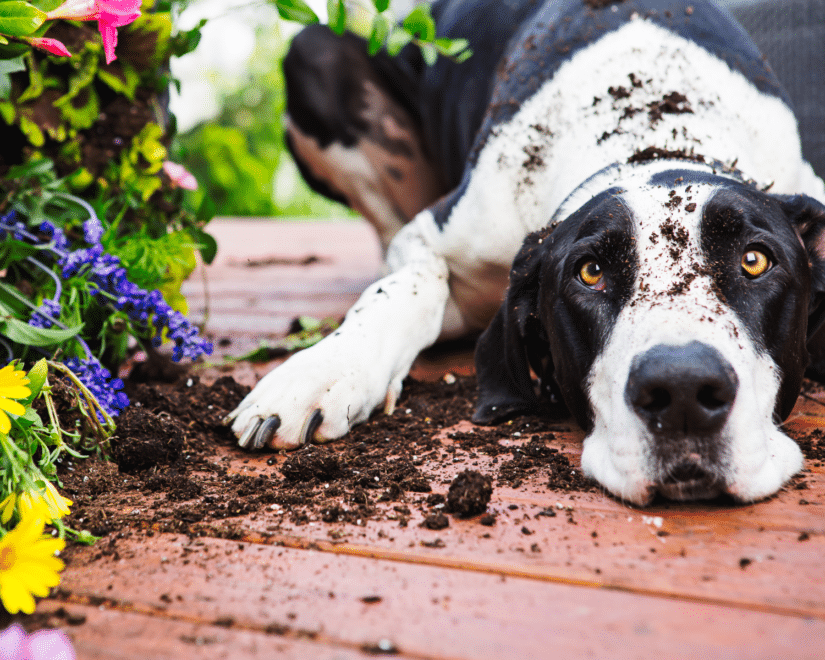
Many actions, such as greeting owners at the door carrying a soft toy, are endearing. Others, like digging, barking, counter-surfing or destructive chewing can be a nuisance. We need to understand the origin of these behaviors and how to channel all that furry cuteness into good!

Barking

Understanding Why Your Dog Barks

Dogs vocalize in many ways, from incessant barking to a soft whine. How they “speak” communicate everything from “I’m hurt and scared” to “don’t come in my house.” Hounds are particularly vocal; they were bred to hunt, chase, and keep prey in one place or “at bay” until the hunter arrived. When normal vocalizing behavior becomes an incessant habit, it can wake a sleeping baby, trigger a migraine, or even evict apartment dwellers. It’s important to unearth the cause and motivation for continued barking.

Remedies for Nuisance Barking

Boredom can trigger nuisance barking; exercise and enrichment are critical to keeping dogs from developing this unwanted behavior.
• Don’t unintentionally reward barking by drawing attention to the undesirable vocalization. Even negative attention (yelling by you) is SOME attention, and dogs seeking human interaction hit the jackpot!
• Dogs triggered by the Amazon delivery person may also have their loud yapping reinforced. As the driver approaches the home, the dog barks, telling the human to “back off my property.” Guess what? The driver gets back in their truck and drives away! The barking worked! A better option is to close the blinds or crate your dog, so barking is never provoked.

Chewing

Understanding Normal vs. Destructive Chewing

Remember the pup who greeted us at the door with a squeaky plush toy? Cute, right? Some breeds, such as the Flat-Coated Retriever, were bred to carry downed game in their mouths. It also makes them desirable service dogs since they can carry a bag of groceries or retrieve a set of fallen keys.

Dogs have a normal and healthy desire to chew and explore things with their mouths, especially during teething. Crossing into the destructive chewing zone is a definite no-no.

Remedies for Destructive Chewing

• The line between encouraged behavior and undesirable behavior is pretty blurry for your pet! As in other unwanted behaviors, don’t set your dog up to fail by leaving precious items within reach.
• Offer many safe chew toys like Nylabones or Kongs stuffed with treats.
• Durable puzzle-type toys can be mentally stimulating if dogs can uncover hidden snacks or other plush toys inside; your dog must use all his senses to extract the treats or concealed squeakers.

Blog Cta Graphic (1)

Digging

Understanding Why Your Dog Digs

Some dog behaviors, such as digging, may have been bred into a species. For example, Rat Terriers have been genetically selected over the years to eradicate vermin with tenacity. Left to their own devices, they dig holes under fences, deep into fresh, perennial plantings, and just about anywhere else they can put their paws.

Remedies for Digging

• If your dog has a propensity for digging, provide opportunities to dig in appropriate zones and offer positive reinforcement when your pet complies.
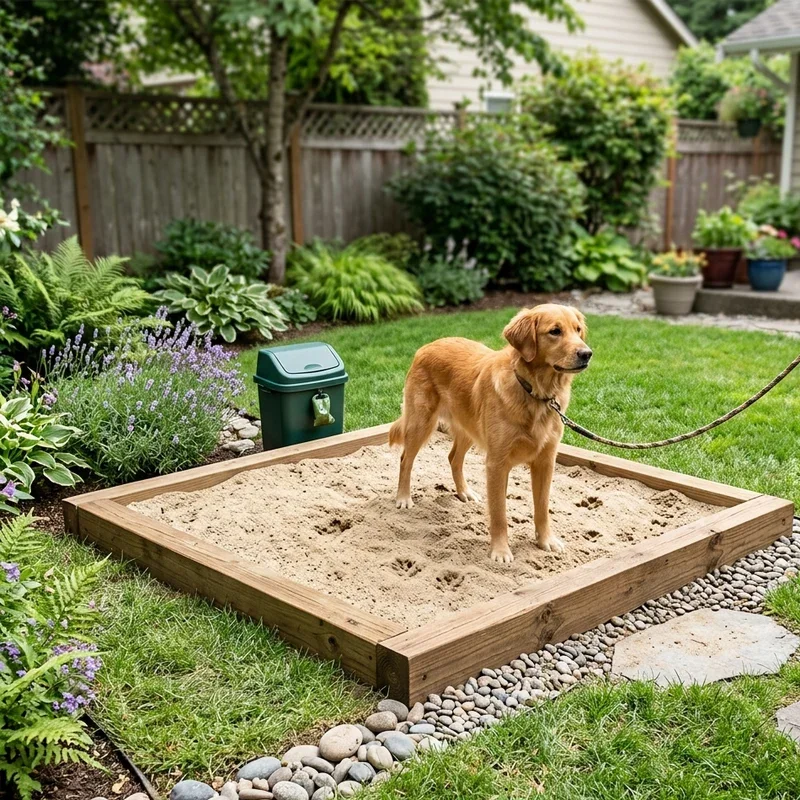
• Some owners have plastic sandboxes full of dirt or sand with hidden bones, treats, or soft toy treasures that can be “found” when their pets dig in the right spot.
• Make sure they have plenty of mental and physical stimulation through hide and seek games, walks, and “sniffaris,” and digging options that won’t ruin your yard.

Counter Surfing

Understanding Why Your Dog Counter Surfs

Counter-surfing is one troublesome and unsafe behavior that can be difficult to reverse. Dogs of a certain height, or those with a high vertical jump, learn that yummy things live on kitchen counters and dining tables. How many of us have come home to a torn-up pizza box or cupcake wrappers strewn about the house? A dog’s keen sense of smell can lead them to trouble. In some cases, an upset stomach or even toxic ingestion of items not meant for canine consumption can result.

Remedies for Counter Surfing

• Keep all unattended food off the counter or inaccessible to your pet, and always feed them from their bowl.
Train your dog to go to their place (a bed or crate) during mealtimes. This alternate behavior is incompatible with counter-surfing.
• Given enough positive reinforcement and eliminating temptation, your dog will eventually stop scouring the kitchen for food.

To remedy unwanted behavior, supervise your pet, offer training on alternate, acceptable behaviors, and reward them for doing the right thing. If the behaviors persist, ask your veterinarian for advice and consider the help of a professional trainer.

At Pet Butler, we want you and your pet to live your best and healthiest lives, which is why we offer pet waste removal and other services year-round. We offer weekly, bi-weekly, monthly and one-time clean-up services to work with your schedule and needs.

Kids and Pet Safety: Teaching Kids How To Interact With Pets

Pet Safety Articles

kids and pet safety

Did you know that 68% of U.S. households have a pet and 89.7 million dogs live in these pet-loving homes? You don’t have to be a mathematician to understand that is a LOT of dogs!

Children up to age 18 live alongside these pets in many homes and what’s better than watching a child beam holding a newly adopted puppy or kitten? Kids and pet safety is important including a child safely holding their new best friend and learning the basics of how to interact and train the pet so that all family members can reap the benefits of pet ownership.

It’s been shown that kids develop much needed social skills with pet ownership including empathy, responsibility and patience. Because pets are a source of unconditional love, the affection, physical contact, and non-verbal communication between a child and pet can contribute to increased self-esteem.

Kids and Pet Safety Tips

Anyone who has owned a puppy knows that they explore their world, just as children do, and a critical window of development exists between the ages of 4 and 14 weeks. Most puppies are weaned from their moms and introduced to their forever home around 8 weeks of age. You have just a few short months to show your puppy that humans including children are safe, loving, and lots of fun to be around!

Even older dogs can bond with children in the home if they are approached and interacted with carefully and positively. The best people to teach small people how to interact with pets are big people. It’s possible and even likely that your two and four legged beasts can live harmoniously with kids and pet safety practices.

Children Under Four Years Old

Young children under 4 years of age don’t have social maturity, impulse control, and can be erratic in movement and behavior. The best advice for living with pets and preschoolers is to supervise every interaction. Give your pet a safe zone in which to retreat if a child’s hurried movements become overwhelming.

Introductions can be in a controlled, quiet environment while the pet is leashed. Model kindness and gentle, slow movements around pets who appreciate being “asked”  if they can be stroked or picked up.

Like children, dogs appreciate predictability and structure. Even young puppies can be reliably taught to sit for a treat or other reward before being offered an outstretched hand to sniff; never reach over the head of the animal or hug a pet, both gestures can be perceived as threatening and lead to a bite.

Elementary School Age

Children can bear some of the responsibility of pet ownership once they have reached elementary school age. Teaching a child how to feed, groom and walk a dog helps establish the social hierarchy within the household.

We live by the adage “nothing in life is free” and children should give the pet a reward such as food, a toy, or attention if the dog sits and stays at their command. Pets can also be taught fun tricks like rolling over or playing dead.

Children should know that some items can be sacred to a pet. A dog may not take kindly to having their food dish taken or a favorite bone grabbed away. An adult should check to see if a dog has problems with food or territorial aggression before allowing the child to feed the pet. If a high-value item prompts an aggressive response in your dog when it is touched, get rid of it.

Startling a sleeping dog can also provoke a negative behavior; teach children to respect the pet’s space, don’t let your pet sleep on the bed, and let them be if they are asleep.

Best Dog Breeds For Kids

Is it possible to predict if a pet will be kid-friendly? In general, confident, not shy, dogs and puppies are best suited to homes with children. Loud noises startle some dogs more easily than others; those that are non-reactive to quick movements and the sound of a baby crying or a child’s high-pitched squeals adapt more easily to the hustle and bustle that accompanies large families.

Certain breeds are touted as being more family-friendly due to their physical sturdiness, patience, trainability, and love of attention. Retrievers, Boxers, lively Boston Terriers and Cavalier King Charles Spaniels are dog breeds that make excellent family pets.

Does the dog chase a fast-moving child? Growl when he’s approached while eating or lying on the bed? Pets can be desensitized to such actions but if given the choice, don’t set yourself up to fail. Older, arthritic pets may not be the best choice for families with young kids, nor dogs that did not grow up around children.

Puppies with few negative human experiences may be more amenable to positive training and reinforcement around behaviors typical of children. Give your puppy plenty of love, attention, or a food reward if they are calm and well-behaved around kids. Keep these kids and pet safety tips in mind. Pups soon learn to associate children with all the best things in life!

Answers to Top Frequently Asked Questions About Dogs

Dog Behavior Articles

questions about dogs

Anatomically and physiologically dogs share a lot of common characteristics with other mammals, including humans! But some of their behaviors and physical differences leave us scratching our heads asking, “Why do they do that?”

Let’s answer some of those frequently asked questions about dogs and as always, I welcome feedback and am happy to answer any of your common dog questions.

Commonly Asked Questions About Dogs

Why do dogs have wet noses?

A dogs’ ability to detect scents is up to 10,000 time more sensitive than the human nose. As an example, they can sniff out one rotten apple among 2 MILLION barrels of apples. A wet nose enhances the ability to trap olfactory chemicals in the secretions produced in the glands of the nose.

Some dogs lick their nose, contributing to the “wet nose”  look and enhancing the process of scent detection as those chemicals are processed in olfactory centers in the roof of their mouths. Dogs also produce more secretions from their nose as a way of regulating body temperature.

Sweat glands are found in the feet and nose and as such, a wet nose helps keep them cool. Should I worry if my dog has a dry nose? Nope! If the dog is otherwise happy and healthy, without dried discharge around the nostrils, a dry nose is not an indicator of illness.

Why is my dog panting?

We are back to the unique distribution of sweat glands in your pup and his ability to cool down. Because they don’t sweat like humans, excessive heat is lost as air moves through your dog’s airways. While normal respiration in dogs can be up to 30-40 breaths per minute, a panting dog can exchange air up to 300-400 times per minute.

Some causes of abnormal panting can include stress, pain, endocrine diseases, heatstroke, and heart or respiratory disorders such as tracheal collapse. If your dog doesn’t need to chill out in a warm environment, bring abnormal panting to your veterinarian’s attention.

Why does my dog eat poop?

This is a gross one, especially if you witness the event and then your dog wants to plant a big, sloppy kiss on you. From an evolutionary perspective, dog moms eat the poop of their young pups to keep the den clean and free from odors that may attract predators.

Some puppies bring this behavior to their new home, though most grow out of it as the dog matures; if they aren’t on a well-balanced diet or experience digestive disorders such as intestinal parasites or pancreatic disease, the behavior may persist.

Some dogs eat stool (coprophagy) because they are stressed, bored, like the attention they receive, even negative attention, or to avoid punishment.

Some dogs eat poop just because they like the taste! Discourage the opportunity to eat stool by picking up poop immediately or contact Pet Butler to scoop the poop. A sprinkle of meat tenderizer or a product called Forbid on their kibble make stools less enticing.

Why Do Dogs Sniff Each Other’s Butts?

Anal glands, which secrete a foul-smelling liquid, are used for scent marking and identification. Because of their complex olfactory system which includes a component called Jacobsen’s organ in addition to their nose, they can also process scents that have no detectable odor like pheromones.

A butt sniff is the equivalent of a human handshake enabling dogs to recognize each other as individuals and identify sex, age, variabilities in health and social order.

Dogs also communicate using body language and physical cues; raised, waving tails indicate happiness and tucked tails appear when fearful. A wagging tail can help to spread those chemical scents when greeting other pups. Tails are useful for balance and movement, such as the rudder-like tail of the swimming retriever or the whip-like tail of the sight-hound which helps them change direction in the blink of an eye.

Why Do Dogs Walk in Circles Before Lying Down?

Back in the days before fluffy pillows, dogs had to make their own bed. By flattening the grasses and brush for themselves and their young, they made a comfortable nest and drove out critters such as snakes. Scratching imparts a scent to their bed expressed by the small glands in the feet, further defining the space as their own.

While we’ve domesticated pets, some of these instinctual behaviors and functional anatomic features are part of what makes dogs such fascinating creatures! We hope these answered some of your questions about dogs, and check out the rest of our Wellness Guide to learn more!

Find a Pet Butler 800-Pet-Butler