
How to Know If Your Dog Has an Ear Infection: Signs, Symptoms & What to Do Next

Blog

Why does my dog scratch its ears

Ear infections, medically known as otitis, are one of the most common reasons dogs visit the veterinarian. Unfortunately, many early symptoms, such as occasional head shaking or ear scratching, can seem harmless and are often mistaken for normal dog behavior. When left untreated, an ear infection can progress from mild irritation to chronic pain, hearing loss, balance problems, and other serious complications.

The earlier an infection is identified, the easier it is to treat and the less likely it is to cause long-term complications.

Anatomy of a Dog’s Ear Canal

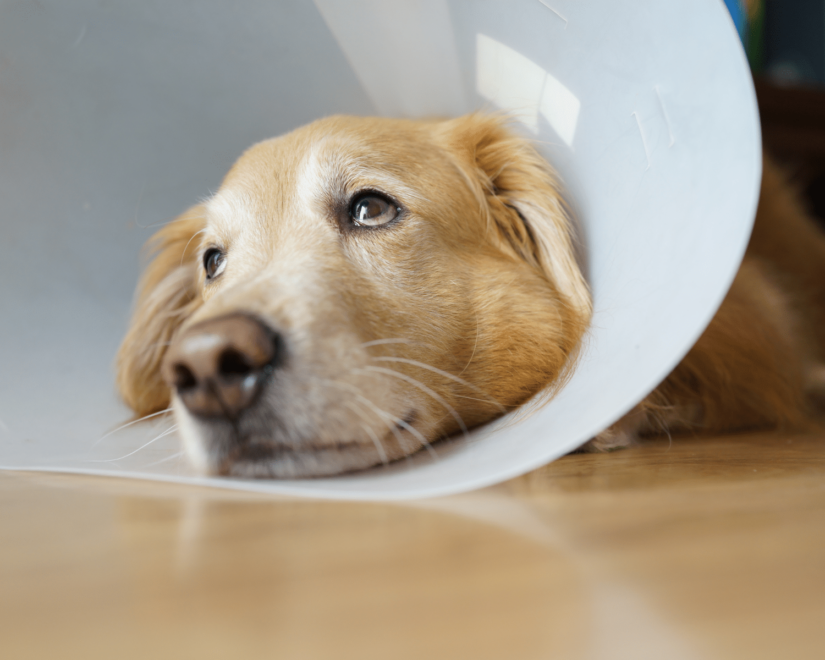
Dog showing signs of an ear infection

Part of the reason dogs are so prone to ear infections is their unique ear anatomy. Dogs have an L-shaped ear canal that is longer and more complex than a human’s, which can easily trap moisture, wax, debris, and allergens. Their ears are divided into three sections:

  • Outer ear: Includes the ear flap (pinna) and ear canal, where most infections begin.
  • Middle ear: Located just beyond the eardrum.
  • Inner ear: Contains structures responsible for hearing and balance.

Most infections begin in the outer ear, but if left untreated, they can spread into the middle and inner ear where hearing and balance can be affected. Understanding what causes ear infections and knowing what symptoms to look for can help you seek treatment sooner and prevent more serious health issues down the road.

The Most Common Signs & Symptoms of Dog Ear Infections

Signs of an ear infection generally fall into two categories: behavioral changes and physical symptoms. Often, behavioral changes appear first, while visible symptoms become more obvious as the infection progresses.

Behavioral Signs:

Head Shaking

Frequent head shaking is one of the most recognizable signs of an ear infection. Dogs often shake their heads to relieve itching, discomfort, or pressure within the ear canal. While occasional head shaking can be normal, repeated shaking throughout the day, especially when paired with scratching or ear sensitivity, should not be ignored.

In severe cases, the force of constant head shaking can rupture small blood vessels inside the ear flap, leading to an aural hematoma, a painful swelling that often requires veterinary treatment.

Scratching or Pawing at the Ear

Dogs may repeatedly scratch at the affected ear or paw at the side of their face. Some dogs will scratch so aggressively that they create cuts, scabs, or areas of hair loss around the ear and neck. If you notice that your dog is consistently focused on one ear, there may be an underlying problem developing.

Tilting the Head

Many dogs with ear infections will carry their head at an unusual angle. While a mild tilt can indicate irritation in the outer ear, a persistent head tilt may suggest that the infection has spread deeper and is affecting their balance.

Rubbing Against Surfaces

Dogs experiencing ear irritation often rub their ears against carpeting, furniture, walls, or the ground to relieve discomfort. Frequent rubbing is often a sign that the ear canal is bothering them.

Reluctance to Be Touched

Dogs with painful ears may pull away, whine, or become defensive when someone touches their head or ears. Even the friendliest dogs can become sensitive when an ear infection is causing significant discomfort.

Changes in Mood and Behavior

Pain affects more than just the ear itself. Some dogs become irritable and restless, while others appear unusually tired, withdrawn, or less interested in food and play. Behavioral changes are often overlooked but can be an important clue that something is wrong.

Physical Signs:

A visual examination of your dog’s ears can often reveal several signs that an infection may be present.

Redness and Inflammation

Healthy ears should appear pale pink and free of irritation. Infected ears are often red, swollen, warm, and inflamed around the ear opening. This inflammation can become more severe as the infection progresses.

Discharge

Abnormal discharge is one of the clearest indicators that something is wrong.

Depending on the cause, discharge may appear as:

  • Yellow or green drainage, often associated with bacterial infections.
  • Dark brown or black waxy material, commonly seen with yeast infections or ear mites.
  • Bloody discharge, which can result from severe infection or trauma caused by scratching.

Any unexplained discharge warrants veterinary evaluation.

Unpleasant Odor

One symptom many pet owners notice before anything else is smell. An infected ear often produces a strong odor that may be described as foul, musty, yeasty, or sour. Even without visible discharge, an unusual odor can indicate that bacteria or yeast are growing inside the ear canal.

Crusting or Scabbing

As discharge dries, crusts or scabs may form around the ear opening and become increasingly irritated if left untreated. Dogs that continue scratching the area can make the problem worse.

Hair Loss Around the Ear

Repeated scratching and rubbing can cause hair loss around the ears, cheeks, and face. While the infection isn’t directly causing hair loss, the irritation often leads dogs to damage the surrounding fur and skin.

Swelling

In advanced cases, inflammation may become so severe that the ear canal begins to swell shut. This can make medication difficult to administer and significantly increase discomfort.

Types of Dog Ear Infections and Their Distinguishing Symptoms

Not all ear infections are the same, and understanding the differences can help owners better describe symptoms to their veterinarian.

Bacterial Infections

Bacterial infections often cause redness, inflammation, discharge, and a strong odor. They often develop when moisture or allergies compromise the ear’s natural defenses and typically require prescription medication. These infections should not be treated with home remedies alone.

Yeast (Fungal) Infections

Yeast infections are extremely common in dogs. They often produce:

  • Thick, dark brown wax buildup
  • Intense itching
  • A strong musty odor that is comparable to bread dough or corn chips

Yeast thrives in warm, moist environments, making floppy-eared dogs and frequent swimmers particularly susceptible. Recurring yeast infections may indicate an underlying allergy that requires long-term management.

Ear Mites

Ear mites are tiny parasites that irritate the ear canal and cause intense itching. They are more commonly seen in puppies and multi-pet households.

A classic sign for ear mites is dark debris that resembles coffee grounds inside the ear. Since ear mites are highly contagious, veterinarians often recommend treating all pets in the household if mites are confirmed.

Mixed Infections

Many chronic cases involve both bacteria and yeast, requiring treatment that addresses the infection as well as any underlying causes. These mixed infections are especially common in dogs with recurring ear problems and allergies.

Risk Factors: Which Dogs Are Most Vulnerable to Ear Infections?

Beagle dog running through a grassy meadow

Breed and Ear Shape

Certain physical characteristics make some dogs more susceptible than others.

High-risk breeds include:

  • Cocker Spaniels
  • Basset Hounds
  • Beagles
  • Golden Retrievers
  • Labrador Retrievers

Their floppy ears restrict airflow and can trap moisture inside the ear canal. Dogs such as Poodles and Schnauzers may also face increased risk because hair growth inside the ear canal can trap moisture and debris.

Lifestyle and Environmental Factors

Several environmental factors can increase the likelihood of infection including:

  • Frequent swimming
  • Regular bathing
  • Living in humid climates
  • Outdoor activities in tall grass or wooded areas
  • Exposure to dirt, debris, or foreign objects

Dogs that spend a lot of time in water or damp environments often require additional ear care to help prevent infections from developing.

Underlying Health Conditions

Allergies are considered the single most common cause of recurring ear infections in dogs. Environmental allergens, seasonal triggers, and food sensitivities can all contribute to chronic inflammation within the ear canal.

Other conditions that may increase risk include:

  • Hypothyroidism
  • Cushing’s disease
  • Immune deficiencies

When infections continue returning despite treatment, it’s often necessary to investigate whether an underlying medical issue is contributing to the problem.

Warning Signs of a Serious or Emergency Situation

Signs That Require Prompt Veterinary Attention

Certain symptoms may indicate that an infection has spread deeper into the ear and requires prompt veterinary attention.

Contact your veterinarian if your dog has experienced:

  • Loss of balance or coordination
  • Walking in circles
  • Falling to one side
  • Sudden hearing loss
  • Unusual eye movements
  • Facial drooping or paralysis
  • Extreme pain around the head or ear
  • A swollen ear flap from violent head shaking
  • No improvement after 48 to 72 hours of prescribed treatment

These symptoms should never be ignored, as they may indicate involvement of the middle or inner ear. Consult your veterinarian for diagnosis or treatment if you indicate your dog is experiencing one or more of these symptoms.

Risks of Delaying Treatment

Waiting too long to seek treatment can significantly increase the risk of long-term complications.

Potential consequences include:

  • Chronic recurring infections
  • Thickening and narrowing of the ear canal
  • Ruptured eardrum
  • Partial or complete hearing loss
  • Permanent ear damage
  • In rare cases, spread of infection to surrounding tissues

Early treatment is often the best way to avoid these complications.

What to Expect at the Vet
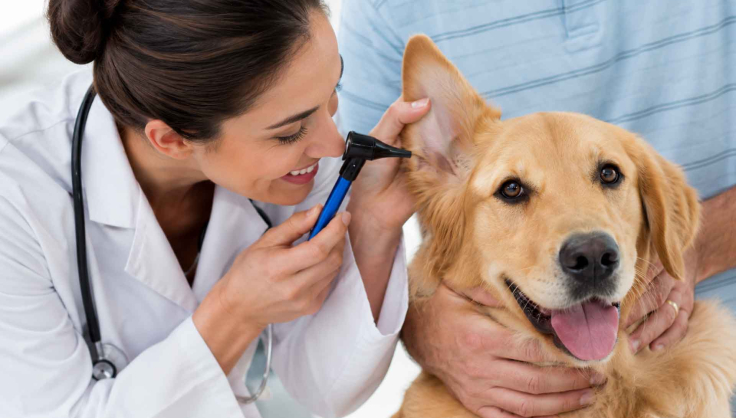
Veterinarian examining a dog's ear during a routine veterinary checkup

Ear Infection Diagnosis

Veterinarians use several tools to determine the exact cause of an ear infection.

Common diagnostic methods include:

  • Otoscopic examination: Visual inspection of the ear canal and eardrum.
  • Ear cytology: Microscopic examination of an ear swab to identify bacteria, yeast, or mites.
  • Culture and sensitivity testing: Often used for chronic infections to determine the most effective medication.
  • Allergy testing: May be recommended for dogs prone to recurring infections.

Treatment

Treatment depends on the underlying cause and severity of the infection.

Typical treatment plans may include:

  • Professional ear cleaning
  • Antibiotic, antifungal, or anti-parasitic ear drops
  • Oral medications for severe infections
  • Anti-inflammatory medications
  • Long-term allergy management when appropriate

Completing the full course of treatment is essential, even if symptoms improve quickly. Stopping medication too soon can allow the infection to return.

How to Prevent Ear Infections in Dogs

Routine Ear Maintenance

Routine ear care is one of the best defenses against infection.

Pet owners should aim to:

  • Check ears weekly for redness, odor, debris, or discharge.
  • Use a veterinarian-approved ear-cleaning solution when recommended.
  • Avoid inserting cotton swabs into the ear canal.
  • Dry ears thoroughly after swimming or bathing.

Regular checks can help identify problems early before they become more serious.

Hair and Grooming Management

Regular grooming can help identify early signs of irritation, wax buildup, or inflammation. For dogs with excessive ear hair, a groomer or veterinarian may recommend periodic maintenance to improve airflow and reduce moisture and debris buildup.

Veterinary Preventive Care

To reduce the risk of recurring infections:

  • Schedule routine wellness exams.
  • Work with your veterinarian to manage allergies.
  • Check ears after hikes and outdoor adventures.
  • Monitor recurring symptoms closely.

For many dogs, successful allergy management is the most effective long-term strategy for preventing chronic ear infections.

Ear infections are common in dogs, but they’re rarely something that should be ignored. The good news is that most ear infections respond well to treatment when caught early. If you suspect your dog may have an ear infection, don’t wait for symptoms to worsen. Seeking veterinary care promptly can help your dog get back to feeling their best and prevent a minor issue from becoming a much bigger problem.

Disclaimer: This article is for informational purposes only and should not be used as a substitute for professional veterinary advice, diagnosis, or treatment. Always consult your veterinarian regarding concerns about your pet’s health.


The Dog Owner’s Guide to Flea & Tick Prevention

Pet Safety Articles

itchy scratching dog

Taking care of a dog involves many of the same components as caring for any loved one: nutritious food, exercise, sleep, mental enrichment, and maintaining proper hygiene. But flea and tick prevention? That requires extra attention. These tiny parasites are an ever-present threat, and unlike many other health hazards they don’t go away on their own.

Here are some important facts on fleas and ticks and how to keep your pets safe from this ever-present threat.

Understanding Fleas & Ticks

What Are Fleas?

Fleas are tiny parasites that require the blood meal of a mammal or bird to survive and reproduce. While they need warm, humid temperatures to thrive (our friends in the south have particularly bad flea problems), the larvae and pupa can overwinter in the house or on animals like coyotes and rabbits and their dens, extending their life cycle from several weeks to many months.

Fleas tend to favor the same spots your dog loves: shady areas out of direct sunlight and away from heavy foot traffic. If brought indoors, fleas can become a year-round problem regardless of the season.

The Flea Life Cycle

The flea life cycle consists of four stages:

Stage Key Facts
Egg A single adult flea can lay up to 500 eggs in its lifetime. Eggs fall off your pet into your home’s environment.
Larvae Larvae burrow into carpet fibers, bedding, and cracks. They are highly sensitive to drying out, which is why vacuuming is so effective.
Pupa The pupa is the most resistant stage and can remain dormant for months, waiting for the right conditions to emerge as an adult.
Adult The adult flea immediately seeks a host for a blood meal. A flea that falls off your pet can survive in the environment for weeks to months.

What Are Ticks?

PBC Blog Flea and Tick Prevention for Dogs 1000x800

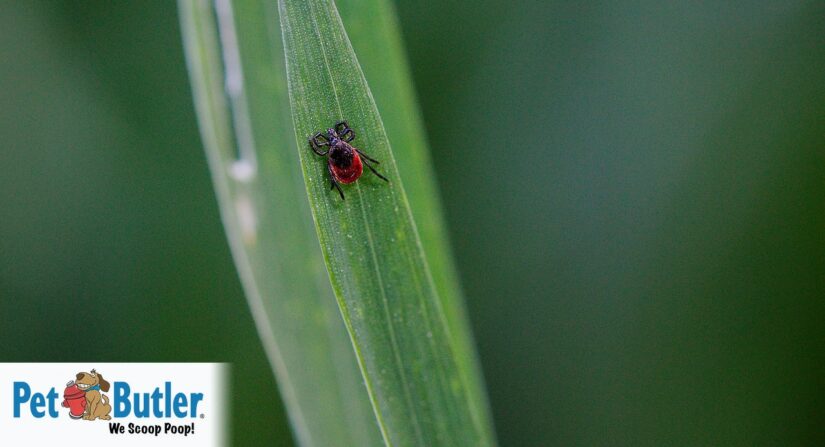
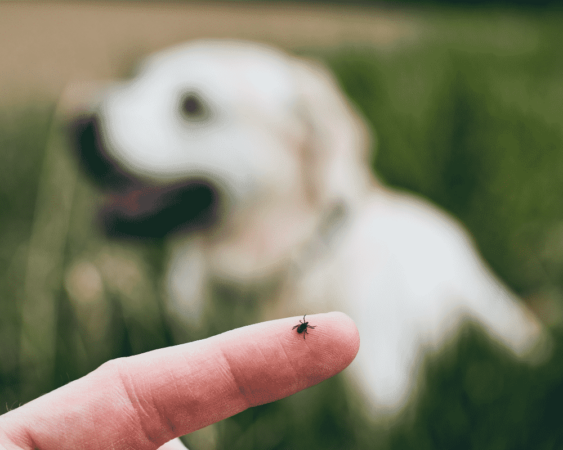
Similarly, ticks love to live in outdoor areas such as wood piles, yard clippings, or attached to hosts such as mice and deer. True opportunists, they wait to attach to an unsuspecting mammal as they brush past. Ticks become most active as the temperatures rise above freezing. This fools many dog owners into thinking they can forgo preventatives from December to March. Ticks don’t typically leave tiny poop calling cards like fleas. Many times, they are not discovered on your dog until they have been attached for days to weeks and are engorged with blood.

Ticks also have a four-part life cycle, and other than the egg, each stage including the larva, nymph and adult needs a blood meal to survive. The complete life cycle can take two years to complete and an adult tick can produce up to 3,000 eggs. Frighteningly, the larva stage of the tick which will attach to a host animal is no bigger that the size of the period at the end of this sentence. Imagine finding that in your dog’s fur!

Health Risks: Diseases that Fleas and Ticks can Spread

Blood meals are required for both fleas and ticks to mature, and it is during these feedings that they can transmit dangerous pathogens to your dog, and sometimes to you. The bites themselves can be uncomfortable, and the parasites’ saliva can cause a severe allergic reaction in some pets.

Diseases that fleas and ticks can spread include:

  • Lyme disease (ticks)
  • Ehrlichiosis (ticks)
  • Rocky Mountain spotted fever (ticks)
  • Anaplasmosis (ticks)
  • Anemia from heavy flea infestation
  • Cat scratch disease (fleas)
  • Tapeworm (flea larvae carry tapeworm eggs)

Some of these diseases can be fatal if left untreated, and several, including Lyme disease, can also affect humans. Prevention is far easier and less expensive than treating an established infestation or a tick-borne illness.

Types of Flea and Tick Prevention

It is always best to prevent a flea or tick infestation rather than try to mitigate an existing problem. Tiny parasites are incredibly difficult to detect until they have had a large blood meal or the flea load is significant. The good news is that there are more effective, easy-to-use prevention options available today than ever before.

Topical (Spot-On) Treatments

Topical products are applied directly to your dog’s skin, typically at the base of the neck or between the shoulder blades, as often as monthly. They spread through the skin’s oils and create a protective barrier across your dog’s entire body. These products can be highly effective at eliminating multiple life stages of fleas and ticks.

Key considerations for topical treatments:

  • Applied to the skin, not the fur – part the hair to reach the skin directly
  • Can wash off after bathing or swimming; reapplication timing matters
  • Keep children and other pets away from the application site until dry
  • Available over-the-counter and by prescription; prescription options are often more potent

Oral Medications

Oral flea and tick preventives have become extremely popular because they are waterproof, easy to administer, and highly effective. Many are flavored to be palatable to dogs, and they typically come in a pill or chewable form. These medications work systemically; when a flea or tick bites your dog, it ingests the active ingredient and is killed.

Key considerations for oral treatments:

  • Not affected by water or bathing, which is a major advantage for active or water-loving dogs
  • Most prescription oral preventives belong to the isoxazoline class (Simparica, NexGard, Bravecto)
  • Dogs with a history of seizures or certain herding breeds may need a vet’s guidance before using isoxazoline products
  • Some products combine flea/tick prevention with heartworm and other parasite protection (e.g., Simparica Trio)
  • Most require a prescription from your veterinarian

Flea and Tick Collars

Flea and tick collars offer an extended period of protection, sometimes up to eight months from a single collar. This makes them a convenient option for owners who prefer not to administer monthly treatments. They release active ingredients that either repel parasites or kill them on contact.

Key considerations for collars:

  • Coverage can be uneven, typically strongest near the collar and weaker toward the tail end of the body
  • The collar must fit properly, being snug enough to maintain contact with the skin, but not too tight
  • Some collars have been linked to safety concerns. Look for EPA or FDA-approved products
  • Keep away from children who might handle the collar frequently

Treating Your Home and Yard for Flea and Tick Prevention

Treating your dog alone is not enough. Because fleas spend much of their life cycle off your pet, such as in carpets, bedding, and soil, you must also address the environment. A comprehensive approach makes prevention far more effective.

Outdoor Flea and Tick Prevention

  • Vacuum frequently: This stimulates flea eggs to hatch and removes larvae before they can develop
  • Wash your dog’s bedding regularly (weekly during active flea season)
  • Empty vacuum bags or canisters immediately after use to prevent re-infestation
  • Consider a home fogger or indoor spray if an active infestation is suspected

Indoor Flea and Tick Prevention

  • Vacuum frequently: This stimulates flea eggs to hatch and removes larvae before they can develop
  • Wash your dog’s bedding regularly (weekly during active flea season)
  • Empty vacuum bags or canisters immediately after use to prevent re-infestation
  • Consider a home fogger or indoor spray if an active infestation is suspected

Choosing the Right Prevention for Your Dog

There is no single best flea and tick prevention product for every dog. The right choice depends on several factors unique to your pet and lifestyle. Always consult your veterinarian before starting or switching prevention products, especially for puppies, senior dogs, or dogs with existing health conditions.

Questions to discuss with your vet:

Does my dog swim or get bathed frequently?

Water-loving dogs are better suited to oral medications that cannot wash off.

Do I have cats or young children in the home?

Certain dog products are toxic to cats. Some topicals should not be handled by children until dry.

Does my dog have a history of seizures?

Isoxazoline-based oral products carry an FDA warning for dogs with a history of seizures. Discuss alternatives with your vet.

Is heartworm prevention also needed?

Combination products (like Simparica Trio or NexGard Plus) can cover fleas, ticks, and heartworm in one monthly dose.

What tick species are active in my region?

Not all products protect against all tick species. Your vet can advise based on local prevalence.

Year-Round Prevention is Key

One of the most important things to understand about flea and tick prevention is that it should be maintained year-round, not just during warmer months. Fleas can live indoors through the winter on your pet or in your home environment. Ticks become active at temperatures as low as 40°F. Skipping even one or two months of prevention can create a window for an infestation or disease exposure.

The best prevention plan is one that is consistently followed. Work with your veterinarian to identify the product or combination of products that fits your dog’s lifestyle, health history, and your region’s specific parasite threats. With the right approach, protecting your dog from fleas and ticks can be simple, reliable, and effective.

Is Pet Waste Harmful to Humans? Diseases From Dog Poop

Pet Health Articles

diseases from dog poop

Picking up poop can be a stinky job, but not doing it can have its consequences. “It’s too much work,” “it’s only in my yard”, “the poop will break down on its own”, “my dog is small” are common reasons why people don’t pick up the pet waste. Both humans and canines can acquire certain diseases from dog poop. In humans, diseases transmitted between species are known as zoonoses.

Roundworms, hookworms, and whipworms are commonly known gastrointestinal parasites that shed eggs in dog feces. Human activities such as gardening, walking barefoot in the yard, or playing sports increase the risk of encountering those parasite eggs and subsequent larvae.

Young children with less than stellar hygiene often go right from the sandbox to the lunchbox, where microscopic eggs can be consumed along with soil on the hands resulting in those diseases from dog poop. Likewise, your dog, who by nature greets new playmates with a nose to rear acknowledgement, can acquire a new infection from a contaminated yard or surface. To spell it out plainly, dogs eat poop. Other protozoal parasites often found in dog waste are cryptosporidia and giardia.

How Diseases Transmit Between Animals and Humans

These tiny organisms are easily transmitted between animals and people causing signs of illness common to most parasitic infections: vomiting, diarrhea, weight loss, anorexia, poor fur coat, anemia and lethargy.

In some cases, healthy adult animals and people exhibit no symptoms at all but can be actively shedding pathogens. Because humans are not the typical “host” for parasites such as roundworms, sometimes larval and adult worms take up residence outside of the gut.

Migration in tissues has caused disease in the lung, eye (which can lead to blindness), and skin. Besides direct hand to mouth transmission and direct skin contact with larvae, bacteria and parasites can be disseminated from a pile of fecal matter on lawn mower blades, the bottoms of shoes, after rainfall to areas of water run-off and nearby streams, and even on the bottoms of tiny fly feet.

What are other diseases form dog poop? Salmonella, E. Coli, and Campylobacter are bacteria that are excreted in the feces of even healthy dogs.

The Georgia-based Clean Water Campaign estimated that a single gram of dog waste can contain 23 million fecal coliform bacteria, which are known to cause cramps, diarrhea, intestinal illness, dehydration, and kidney disorders in humans. You can do the math or trust mine; more than 70 million dogs in the United States alone produce over 10 million tons of poop each year.

Pet Waste Toxic for the Environment

Humans contracting diseases is not the only reason dog poop is harmful. In fact, the Environmental Protection Agency lists dog poop as number three on its list of non-point sources of environmental contamination, meaning it comes from more than one source: Millions of dogs.

The organic matter and nutrients contained in dog waste can degrade water quality. When dog waste is washed into a surface water body, the waste decays. This process of breaking down the organic matter in the waste uses up dissolved oxygen and releases ammonia. Low oxygen levels, increased ammonia and warm summer water temperatures can kill fish.

How can we address the problems caused by the more than 40% of pet owners who do not take pet waste removal seriously? Education is the first step to promoting a healthy environment.

Many people erroneously believe that dog waste disappears into the dirt. In fact, the 200,000 eggs laid by a single roundworm each day can persist for years without treatment from a concentrated bleach solution or flame thrower.

You can start your pet on an oral or topical parasite preventative dispensed by your vet and insist upon bi-annual fecal screening.

Let Pet Butler Handle the Poop Scooping

If you’re not doing the poop scooping on a regular basis and want to avoid diseases from dog poop, you may be interested in hiring a professional pet waste removal company like Pet Butler.

With weekly poop scooping service, Pet Butler will help minimize yard contamination and disease transmission. The Pet Butler team disposes of dog waste in a timely and environmentally safe manner; no more excuses. Call 1-800-PET-BUTLER (1-800-738-2885) or find a Pet Butler near you.

Sources:

Clean Water Campaign
Dog Poop Environment Pollution
Coastal Zone Act Reauthorization Amendments
Eliminating Pet Poop Pollution

Dog DNA Testing

Pet Health Articles

A smiling woman in a Pet Butler shirt holds a dog DNA test kit while sitting next to a white and brown dog wearing an orange collar on a cozy porch.

From Ancestry to Health Insights

Utilizing only a tiny fraction of your dog’s DNA, emerging technology can potentially aid pet owners, veterinarians, and breeders in multiple ways. These advancements enable the determination of ancestry, uncover genetic predispositions for various diseases and reveal traits like muzzle length and ball-retrieving ability. Additionally, this innovative approach can shed light on the balance of bacteria in your pet’s mouth and digestive system and their ability to metabolize specific drugs.

Understanding Genes and Their Impact

Think of your genes as DNA stretches that unfold the story of your pet’s health, heritage, behavior, and appearance. In the 1990s, lab testing of blood samples facilitated a breakthrough in detecting genetic markers related to several hereditary diseases, like copper toxicosis in Bedlington Terriers. In 2007, Wisdom, alongside Paw Print Genetics and Embark, tapped into the newly mapped complete canine genome, encompassing around 20,000 genes on 39 chromosomes! Leveraging this advancement, they began offering direct-to-consumer pet DNA testing using oral swabs, delivering results in just three weeks.

Initially, the value of over-the-counter DNA test kits was limited. They focused on identifying shared DNA sequences among purebred dog breeds, analyzing cheek swab samples to gauge how closely a pet’s DNA resembled known breeds. For those with mixed-breed dogs, these kits allowed them to trace their pets’ ancestral line back to their great-grandparents and determine their area of origin. Owners were informed about their dog’s likely breed makeup through a pie chart. This information proved helpful for understanding various traits, like a tendency to dig in terriers or a long, curly tail in Akitas.

Pet owners could tailor their training and care approaches according to their pet’s predominant breed. By understanding their dog’s genetic predispositions, they could proactively manage breed-specific conditions, such as obesity in retrievers. Additionally, behavioral assessments and modification plans could incorporate insights derived from experience in training specific breeds and historically successful treatment protocols.

Like the features offered by 23andMe for humans, those who submitted their pet’s DNA samples through biobanks could utilize the “find my pet’s relatives” feature. This allowed them to connect with other pet owners whose pets shared common DNA variants, fostering a sense of community among owners of genetically related animals.

In the past decade, significant advancements have occurred in DNA testing, enabling data collection from multiple generations of more than 350 genetically unique breeds. Extensive biobanks now exist, containing information from thousands of pets. This research establishes connections between specific gene variants and hundreds of diseases and traits, showcasing the practicality of DNA testing that extends well beyond mere breed identification, ancestry exploration, and entertainment purposes.

The Function of Genes

Let’s understand how genes function! Specific gene variants exhibit dominance or complete penetrance, meaning the presence of a specific version of a gene invariably results in the expression of a particular disease or characteristic. For instance, dogs with brown eyes; they possess a dominant brown eye allele that determines their eye color. However, they may also carry a version of the gene linked to blue eyes.

On the other hand, some gene variants necessitate additional DNA sequences to be fully expressed. Various factors like breed, age, sex, nutrition, and lifestyle can influence the likelihood of certain diseases appearing in a pet. For example, in German Shepherds, degenerative myelopathy is associated with a genetic mutation. However, only some dogs with copies of this mutation eventually develop the disease, and the reasons for this remain to be fully understood.

Interestingly, Yorkies with the same genetic variant rarely show signs of degenerative myelopathy. Genes and their expression are complex, and we are still learning how they affect health and behavior.

Blog Cta Graphic (1)

Genetic Markers and Disease Risk

As more genetic markers are identified, the veterinary community has increasingly embraced screening pets as part of their wellness approach. Embark offers a specialized panel that decodes your dog’s DNA, revealing essential information about its breed and ancestral origins. The test can also screen for over 250 heritable diseases, including conditions like progressive retinal atrophy. When present in one or two copies, specific genetic variants raise the likelihood of passing the mutation to future litters or symptoms in your pet.

For example, a specific mutation found on the MDR1 gene, common in herding breeds like the collie, pets carrying this mutation become more susceptible to drugs such as ivermectin, certain anesthetics, and Imodium. If your pet inherits two copies of this mutation, one from each parent, their sensitivity to these drugs becomes even more pronounced. Your veterinarian then will make necessary adjustments to treatments, avoiding any potential drug toxicity if your pet is identified as a carrier of the MDR1 variant or has mixed ancestry with breeds commonly affected by this mutation.

Vet Care Plans

Pet reports available to the owner and veterinarian include the presence or absence of genetic mutations, health risks associated with mutations, pet ancestry, 35+ traits related to your pet, including increased shedding or intolerance to altitude changes, level of inbreeding or genetic diversity, and even predicted adult weight. Trait analysis and weight predictions are 85-99% accurate, while the presence of genetic health markers found on DNA is 99.9% accurate. Embark also offers veterinary and owner consults to interpret data, identify symptoms, and suggest treatment for genetic diseases. With all this information at our fingertips, vets can create more personalized care programs and proactively manage pets’ health.

By providing a small sample of your dog’s fresh feces, scientists can assess the well-being of your pet’s gut microbiome. Any imbalances in the intestinal bacteria may lead to symptoms like vomiting, diarrhea, weight loss, and weakened immunity. Veterinarian recommendations are based on their specific requirements for supplements. They adjust their diet to address digestive issues, improve your pet’s health, and extend their lifespan. Basepaws, a new DNA testing company, offers oral biome DNA testing. Identifying the presence of certain oral bacteria increases the probability of tooth resorption, halitosis, and periodontal disease. After test completion, owners receive a personalized report and treatment suggestions, including products endorsed by the Veterinary Oral Health Council.

Dog Breeding

Breeders use DNA testing as part of their tool kit to breed dogs clear of specific genomic variants or mutations and increase genetic diversity, ensuring healthier puppies. Selection of compatible breeding pairs lowers health risks for future litters and is crucial to a good breeding program.

Canine DNA and Human Health

Sequencing, or decoding the canine genome, has applications beyond the species; genetic mutations for certain diseases like Duchenne’s muscular dystrophy are found on the same gene in dogs and humans. Studying the canine genome and finding commonalities with humans make dog DNA a perfect model for researching new treatments and testing in people. The more dogs tested, the more data scientists collect, and the more we learn about how diseases are inherited, identified, and progressed among all species.

View our Pet Wellness Videos for more expert pet advice.

At Pet Butler, we want you and your pet to live your best and healthiest lives, which is why we offer Pet Waste Removal and Pet Care services year-round. We offer weekly, bi-weekly, monthly, and one-time clean-up services to meet your schedule and needs.

The Importance of Spaying and Neutering Your Pet 

Pet Health Articles

PBC Blogs 1500 × 1200 px) (2)

Over the past few decades, veterinary medicine has witnessed remarkable advancements: injectable long-acting antibiotics, DNA testing for genetic diseases, digital X-rays, and telehealth platforms. However, amidst these changes, one message has remained constant: the importance of spaying or neutering your pet. The evidence supporting this practice is compelling, as it helps prevent pet overpopulation, shelter overcrowding, and unnecessary euthanasia while providing health and behavioral benefits to our beloved animal companions.

Early vs. Delayed Sterilization: Weighing the Benefits and Risks

The timing of pet sterilization plays a crucial role in assessing its benefits and risks. Early spaying and neutering involves sterilization after six weeks and before six months of age and is a widely practiced and generally preferred approach. This procedure is deemed very safe for young animals due to faster surgical and anesthetic recovery and the less developed blood supply to the reproductive tract, making it less technically challenging and time-consuming.

To prevent reproductive maturation, some owners may spay or neuter their pets before they reach six months of age. Several studies suggest that waiting until 12-18 months to spay or neuter your pet could offer health advantages. Delayed sterilization may help prevent certain orthopedic diseases and cancers, especially benefiting large male dogs. Additionally, intact females of large breeds, such as the Labrador Retriever, might experience reduced conditions like urinary incontinence.

Despite these findings, it’s essential to acknowledge that the existing studies are limited in scope and retrospective. Therefore, there is a pressing need for new, more robust research on the effects of delayed spaying and neutering.

A Longer, Healthier Pet Life

There are several important benefits to spaying and neutering your pets. One of the main advantages is the reduced risk of developing severe health issues such as malignant mammary tumors, pyometra, and testicular and prostatic diseases. These conditions can be life-threatening and may significantly impact your pet’s well-being. Spaying and neutering can also lead to a longer and healthier life for your beloved companion.

Studies have shown that spayed female dogs tend to live 23-26.3% longer than unspayed females, while neutered males experience an increase in life expectancy of 13.8-18% compared to intact males. This means you’ll have more quality time with your furry friend, which can also lead to lower medical expenses throughout their lifetime. Opting for spaying or neutering can greatly improve your pet’s overall health and lifespan, ensuring they remain happy and by your side for many years.

Behavior Benefits

In sterilized populations, certain behaviors tend to decrease, such as escaping confinement and roaming in search of a mate. However, these increased roaming behaviors can expose dogs to various dangers, including vehicular injuries, aggressive or ill wildlife encounters, and exposure to harsh elements.

Neutering can also play a role in reducing specific types of aggression in dogs and curtailing urine marking, as it helps to lower testosterone levels. Additionally, sterilized pets minimize behaviors like mounting, excessive vocalizing, and incessant barking.

Nevertheless, it’s crucial to remember that some behaviors might be learned and reinforced over time, making them more challenging to change. Therefore, if you plan to neuter your pet, it is advisable to do so earlier to have a better chance of positively influencing their behavioral patterns. Neutering pets later in life are less likely to change already established behaviors.

Blog Cta Graphic (1)

Addressing Misconceptions

While spaying and neutering receive overwhelming support from pet owners, veterinarians, and animal care professionals, certain misconceptions and challenges about animal sterilization persist. One point of contention is that these procedures increase the occurrence of joint problems, various cancers, and immune disorders, as suggested by several recent studies.

However, it’s essential to look at the bigger picture and assess the risks and benefits of these surgeries based on overall pet health and longevity rather than focusing on a handful of diseases. In fact, current scientific research indicates that sterilized pets tend to live longer, experience lower rates of more common diseases like mammary cancer or pyometra, and have a reduced likelihood of dying from infections and trauma.

One common concern among pet owners is the potential for their spayed or neutered pet to gain weight. Hormones do play a role in metabolism and muscle mass regulation. Additionally, their nutritional and caloric needs may change as pets reach physical maturity. To address this, it is essential to closely monitor your pet’s weight, caloric intake, diet, and exercise before and after the surgery. Your veterinarian can offer valuable nutritional guidance and exercise tips as your pet ages.

Another worry among pet owners is the fear that spaying or neutering might alter their pet’s personality. While neutering reduces circulating testosterone levels, it doesn’t eliminate it entirely. However, it’s crucial to note that female dogs with litters are not inherently more docile or gentle than those who have gone through a heat cycle or produced puppies. The temperament of your mature pet will not be affected by spaying or neutering.

Affordable Options

One potential barrier to sterilization is the upfront cost, which can be a challenge for pet owners facing economic hardships. However, there are various resources available to address this issue. Community rescue programs, veterinary colleges, and low-cost clinics offer affordable yet high-quality sterilization procedures and other preventive care options. Private donations and municipal funds often support these organizations.

It’s important to note that while low-cost providers can offer surgical services, they may not include follow-up care or post-operative medications. To ensure comprehensive care, establish a relationship with a primary care veterinarian.

If you’re looking for these services, consider contacting your local veterinary college, animal control, or rescue organizations. Additionally, websites like Adopt a Pet and Pet Help Finder can be valuable resources.

While shelters and rescues already sterilize many adopted pets, verifying and taking responsible ownership measures is still essential. Pet insurance can be a helpful option for those concerned about surgical expenses, and financing programs like Care Credit are available to most pet owners for their pet’s healthcare needs.

Investing in spaying, neutering, and preventive care for your pet is a wise decision that will contribute to their overall health and longevity.

View our Pet Wellness Videos for more expert pet advice.

At Pet Butler, we want you and your pet to live your best and healthiest lives, which is why we offer Pet Waste Removal and Pet Care services year-round. We offer weekly, bi-weekly, monthly, and one-time clean-up services to meet your schedule and needs.

What to Know About Coronavirus & How it Affects Pets

Pet Health Articles

virus pets

Author – Dr. Lisa McIntyre

Veterinarians are often overlooked by the general public as a resource when it comes to health crises, however, we are a critical component in the One Health movement and work in close collaboration with other authorities, such as the World Health Organization and the Centers for Disease Control and Prevention. Case in point is the recent coronavirus outbreak.

What is Coronavirus?

Coronavirus is a type of RNA virus with a “crown” of protein spikes around its envelope, which acts as a shield, ensuring the stability of the virus and its ability to cause infection.

A lot of what we know about the recent outbreak of the strain, dubbed 2019-nCoV/COVID-19 (or SARS-CoV-2), is based on information we know about other coronaviruses, including the strains that cause Feline Infectious Peritonitis, as well as MERS-CoV and SARS-CoV in humans. (3)

How Does Coronavirus Spread?

Coughing, sneezing, and contact with aerosolized particles is the most likely way to acquire disease. (2)

Who is at Risk?

Humans and animals who have compromised immune systems due to age or existing disease are more susceptible to developing severe clinical signs resulting from infection with the COVID-19. Coronaviruses are most contagious when an individual is experiencing signs of the illness, such as coughing, fever, and difficulty breathing. (2)

Can Animals Get This Recent Strain of Coronavirus?

No – Currently, there is no evidence to suggest, nor do veterinarians have reason to believe, dogs and cats can become infected by 2019-nCOV or act as a reservoir for humans. (3)

Pet owners should maintain good hygiene, washing their hands well after contacting pets.

A Recent Case to Know About

A dog belonging to a coronavirus-infected individual in Hong Kong recently tested weakly positive for COVID-19. Oral, rectal, and nasal swabs were taken from this dog; the coronavirus was detected but actual infection was not confirmed. Environmental contamination could have been the cause of the weakly positive test. There is no evidence to suggest that cats and dogs can host 2019-nCoV or act as a reservoir for humans. (4)

Can Animals Spread Coronavirus to Humans?

No – It doesn’t appear that 2019-nCoV “jumps species” readily or is zoonotic, though handling of animals while ill is discouraged. (3)

pet dog

Individuals who have confirmed cases of 2019-nCOV should restrict contact with other mammals, including pets, until cleared of infection.

All pet owners should maintain good hygiene, washing their hands for 20 seconds or more after contacting pets or surfaces routinely handled by the public.

If You Have Pet Health Concerns

If there are any changes in the health condition of your pets, advice from veterinarians should be sought as soon as possible.

If you do suspect your pet has been in contact with an individual exposed to 2019-nCoV and has become ill, contact your veterinarian prior to bringing your pet to a public place such as a clinic. As with most novel diseases, new information is gathered daily and is subject to change. (3)

The History of Animals & Coronavirus

The Viruses

  • Coronaviruses belong to the family Coronaviridae. Alpha- and beta-coronaviruses usually infect mammals, while gamma and delta coronaviruses usually infect birds and fish. (3)
  • The genetic code of this recent strain resembles a coronavirus which infects the Horseshoe Bat, though currently the main route of new infections appears to close contact with other humans and their secretions. (3)

Veterinarians and Coronaviruses

  • Veterinarians have a long history of diagnosing and treating strains of coronavirus in domestic animals such as dogs, cats, and birds.
  • Our patients are often the literal “canaries in the coal mine”; our experience, in everything from sequencing to managing coronavirus outbreaks, is critical to minimizing the global impact of COVID-19.

Types of Canine Coronaviruses

CCoV (Gastrointestinal)

  • Canine enteric (gastrointestinal) coronavirus (CCoV) was first identified in 1971.
  • CCoV is found worldwide and generally causes a mild to severe, self-limiting diarrhea and anorexia in affected dogs.
  • It is rarely fatal and is spread via a fecal-oral route; some dogs shed the virus without exhibiting signs of illness.
  • Shedding of CCoV in the stool occurs most significantly 16 days post- infection and then intermittently thereafter.
  • Puppies 5-12 weeks are the most susceptible population, as maternal antibodies wane and prior to vaccination.
  • Dogs should be vaccinated for CCoV during their series of “puppy shots” and annually thereafter.
  • There is no treatment other than supporting the dog with fluids and good nursing care as well as treating any concurrent bacterial diseases such as Campylobacter or Clostridial infections.
  • CCoV vaccines are NOT protective against human respiratory variants of coronavirus, which will likely take 18 months or more to develop.

CRCoV (Respiratory)

  • CRCoV is an unrelated canine respiratory coronavirus discovered in 2003.
  • It is genetically most similar to a bovine (cow) coronavirus and the coronavirus that causes the common cold in humans.
  • It spreads via close contact among dogs exhibiting signs such as coughing, sneezing, and watery eyes.
  • Along with several other pathogens including Bordetella Bronchiseptica and parainfluenza, it has been implicated in causing “kennel cough”.
  • There is no vaccine for this strain of coronavirus and respiratory signs are usually mild and resolve in 14 days.

When & Where did the Recent Outbreak Begin?

The first cases of COVID-19 were reported in December 2019 in Wuhan City, Hubei province, China; reports suggest a seafood and animal market may have been ground-zero for the epidemic. (1)

How Do I Avoid Infection?

If possible, stay away from infected individuals or those with respiratory symptoms by a distance of at least 6 feet. (2)

Coronaviruses are not particularly hardy in the environment, meaning its particles do not survive on surfaces or in the air for long periods of time. This makes proper hygiene essential in controlling the spread of disease. (2)

How Can I Help Contain the Spread of Coronavirus?

  • Hand-washing with soap and water
  • Staying inside if you are ill
  • Disinfecting surfaces
  • Staying clear of symptomatic humans and animals
  • Avoiding touching your eyes, nose and mouth
  • Cooking all animal products

hand washing

Unfortunately, anti-viral treatment and an effective human vaccine are not yet available.

Are Face Masks Helpful?

Face masks are helpful in containing the secretions expelled by infected individuals. However, the best face masks are a special respirator mask called a N95. It is not readily available and is not the same as a standard surgical mask which protects a sterile surgical field from fluids expelled by the surgeon. (3)

What is the Current Status of the Recent Coronavirus Outbreak?

Given the sensitivity of the changing data, the most up-to-date information and advice on human infection can be found on the WHO (https://www.who.int/emergencies/diseases/novel-coronavirus-2019) and the CDC websites.

The most up-to-date information related to animal health is available at https://www.oie.int/scientific-expertise/specific-information-andrecommendations/questions-and-answers-on-2019novel-coronavirus/.

  1. https://www.avma.org/blog/what-do-you-need-know-about-coronavirus
  2. https://www.oie.int/scientific-expertise/specific-information-and-recommendations/questions-and-answers-on-2019novel-coronavirus/
  3. https://www.usatoday.com/story/news/nation/2020/02/28/coronavirus-dogs-covid-test-positive-hong-kong-patient-pet/4903014002/
  4. https://www.sciencedirect.com/topics/veterinary-science-and-veterinary-medicine/canine-coronavirus

About the Author – Dr. Lisa McIntyre is a practicing veterinarian and business owner since 1999.

Understanding Dog Lymphoma and How To Look For Canine Lymphoma Signs

Pet Health Articles

Dog Lymphoma

At 5 years old we had to say goodbye to our beautiful Golden Retriever, Maddie.  Just short of one month of displaying signs of canine lymphoma, she passed at home with some degree of struggle and surrounded by much sadness.  At the time, I was 17 years old and didn’t possess the medical knowledge I do now.  I also wasn’t aware that a gentle passing assisted by a veterinarian would have made the process slightly easier to bear.

Though the veterinary community and pet owners are more educated about the disease process, symptoms, and treatment options available, lymphoma in dogs is still prevalent. According to Purdue University College Of Veterinary Medicine, lymphoma  accounts for 7-14% of all cancers found in dogs and resembles non-Hodgkin’s lymphoma in humans.

What Is Lymphoma?

Canine lymphoma is marked by enlarged lymph nodes or lymphatic tissue, often appearing as “golf balls” under a middle aged to senior dog’s neck. While multicentric lymphoma (which is confined to the lymph nodes) accounts for 84% of all lymphomas in canines, it can also have its primary source in the gastrointestinal tract or organs such as the eyes, skin, and chest.

Ultimately, many of the body’s systems are invaded as the cancer spreads to places like the spleen, liver, and bone marrow.   Cancer is caused by a mutation and aggressive replication of B or T lymphocytes which normally act as part of the body’s immune system brigade, destroying abnormal cells or recognizing foreign invaders such as bacteria. (3)

While environmental triggers such as exposure to secondhand cigarette smoke, viruses, or the sun’s rays account for some types of cell mutations, a genetic component has been found which predisposes some breeds to lymphoma. According to the National Canine Cancer Foundation and Broad Institute breeds over-represented with this disease include: Boxers, Bull Mastiffs, Basset Hounds, Saint Bernards, Scottish Terriers, Airedales, Bulldogs, Cocker Spaniels, Golden Retrievers and Irish Wolfhounds. Using genetic information to manipulate the progression and development of disease is at the forefront of much cancer research.

What Should You be Looking For Canine Lymphoma?

The symptoms of canine lymphoma, otherwise known as lymphosarcoma are:

  • Visibly enlarged lymph nodes in the neck, chest, or back legs
  • Trouble swallowing, coughing, or sputtering when eating and drinking
  • Difficulty breathing and increased panting
  • Diarrhea with gastrointestinal lymphoma
  • Losing appetite and energy
  • Skin lesions that look like open sores or lumps

Many times, pets are still energetic and have a good appetite despite the enlarged lymph nodes or lesions.

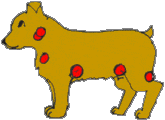
Lymphoma signs in dogs

The spots indicate the location of peripheral lymph nodes in dogs. Illustration by Dr. Wendy Brooks.

How Is Lymphoma Diagnosed?

A trained veterinarian will take a biopsy of the affected area and examine it closely under a microscope. A special staining of the sample may be performed to determine which type of malignancy your pet has developed. Other tests of the blood, urine, bone marrow, as well as imaging and sampling the internal organs with an ultrasound will help to determine how widespread the disease is.  This is known as staging the cancer and gives veterinary oncologists an opportunity to better treat the disease and refine the prognosis.

How Can We Treat Lymphoma?

Dogs with multicentric lymphoma who do not undergo treatment typically survive only a few months.  Treatment options and response to treatment depend on the type of lymphoma (B cell, T cell, small cell, low grade), stage of cancer, whether your pet is currently acting ill, whether they have received previous treatment for the disease, other concurrent illnesses, calcium levels at the time of diagnosis, and financial limitations.  Most protocols involve giving a combination of chemotherapy drugs over several months. In general, dogs receiving treatment do not suffer the same effects as people such as nausea and hair loss.

The goal of treatment is to achieve remission, or at least regression. Remission is represented by a return of the lymph nodes to normal size and resolution of any signs related to the disease. 65-70% of dogs who receive some type of treatment protocol can expect to see a first remission.  How long the remission period lasts varies on the type of treatment the dog receives.

The median survival time for B cell lymphomas is one year when receiving the most standard combination of chemotherapeutics. 25% of patients can expect a good quality of life for two years! More recently, a vaccine used to target and kill malignant cells has received conditional FDA approval adding to the toolkit to treat lymphoma.

As new treatment options become readily available and clinical trials at veterinary teaching hospitals are completed, we can hope to see a day when dogs with lymphoma stand a better chance at a cure.

Heartworm Disease in Dogs and What You Should Know

Pet Health Articles

heartworm disease in dogs

Did you know April is National Heartworm Awareness Month? This is a serious and potentially life-threatening disease among pets that is caused by a parasite known as Dirofilaria immitis. Heartworms are foot-long worms that impact our furry friends heart, lungs, and blood. You might not recognize heartworms in pets initially until the adult worms have matured. As this disease advances, your dog may lose appetite, have difficulty breathing, and/or cough.

Sadly, a 2016 American Heartworm Society survey among 5000 veterinary clinics showed the number of heartworm positive pets rose 21% since 2013. What are some reasons we are seeing an increase in heartworm disease across the U.S. and what can we do to combat this life-threatening disease?

How to Prevent Heartworm in Dogs

The number one way we can minimize the incidence of heartworm disease is to increase compliance in administering preventatives. Monthly chewables like Heartgard, Interceptor, and Trifexis as well as monthly topical products like Revolution are extremely effective in preventing heartworm disease. With smart phone apps and email reminders from product manufacturers, there is no longer an excuse to forget to protect your pet. These products also control intestinal parasites that can be transmitted to humans like roundworm and hookworm, some whipworm species, and in the case of Revolution, fleas and ticks.

In addition, an injectable preventative called Proheart can be administered every 6 months by your veterinarian, making compliance a non-issue. These medications work in the dog’s system to kill circulating Stage 3 heartworm larvae, which are transmitted by a mosquito bite, before the parasite can mature into its adult form in the heart and pulmonary vessels.

Thus, a pill administered on May 1st works to kill larvae that may have entered your pet’s bloodstream via a bite up to 30 days prior. This is important to know, as many people stop giving heartworm preventative once the weather turns cool, not understanding they are treating for any infection acquired in the preceding month when mosquitoes may have been more active. Even “indoor” pets can be bitten by a mosquito entering the home from an open door or window and should receive a monthly, life-saving preventative.

Why do Dogs get Heartworm Disease?

A significant reason we are seeing an increase in heartworm infection is because of the changing temperatures that have extended mosquito breeding and feeding seasons. Standing water in pools, birdbaths, and ponds provide ample opportunity for mosquitoes to breed. Eliminating standing water or disrupting the water’s surface with fountains or aerators can limit mosquito populations. Keeping pets indoors during peak mosquito activity times can also reduce mosquito bites and disease transmission.

A surge in heartworm disease is also seen after natural disasters such as Hurricane Katrina; dogs are displaced, preventative care for pets is at a low due to expense and household disruption, and dogs carrying heartworm from the highly endemic South bring disease to areas where it was previously unheard of. Mosquitoes being the vector for transmission of the heartworm larvae, they bite the infected transplanted dogs and spread the blood-borne parasite via bites to previously uninfected dogs, cats, ferrets, coyotes, foxes, raccoons, and opossums.

Treatment Options For Heartworm

Cost to protect your pet from heartworm infection is about the same as your monthly Frappuccino and pastry. While dogs who test positive at their veterinarian’s office can often be successfully treated, the treatment can easily run in the thousands of dollars. Dogs are treated by administration of painful injectable medications, antibiotics, and preventative pills as well as subjected to diagnostic testing such as radiographs (X-rays), bloodwork, and urinalyses.

Treatment also involves strict exercise limitation for a period of several months which can be unbearable to an otherwise active young dog and owner. The “slow-kill” method to eliminate heartworm larvae and adults is not recommended.

The protracted method in which higher doses of preventative is given to eradicate heartworm adults and circulating microfilaria is variable in efficacy and can lead to heartworm parasite resistance. In cats, there is no way treatment to eliminate the parasite and they suffer from cough, lethargy, and sudden death.

In all species, with or without treatment and management, long term, irreversible damage is done to the heart, lungs, and sometimes organs such as the kidneys. Clearly, prevention is key to controlling heartworm disease in dogs.

How Lyme Disease Affects Dogs: Symptoms and Causes

Pet Health Articles

lyme disease tick

We’ve previously talked about the presence of fleas and ticks in the environment, and both local and national news have drawn attention to the fact that this year we are seeing an even greater abundance of these pesky parasites. Fleas and ticks cause topical irritation at the site of the bite, there is the huge “ick” factor of knowing these parasites are out and about, but the primary concern is the diseases they transmit to unknowing hosts. Lyme disease, in particular, has drawn broad attention from organizations such as the Centers for Disease Control and American Veterinary Medical Association. The CDC reports that there are over 30,000 new cases of Lyme disease reported every year. In dogs, we are seeing upwards of high number of cases of reported Lyme disease. The term “reported” is important here, as many cases of Lyme disease are not identified in both humans and canines. A great pretender, signs and symptoms can be subtle, shift, and diagnosis and treatment can be confounding.

Symptoms and Causes of Lyme Disease

Lyme is caused by the transmission of the bacterium Borrelia burgdorferi from the deer tick or black-legged tick species. The tick requires two years and a blood meal at each stage to complete their life cycle from egg to larvae to nymph to adult. The source of the first blood meal can be a mouse, bird, or other small mammal and if infected with the bacteria, will pass the disease on through the blood to the host tick. If the affected tick then bites a human or dog and attaches for over 48 hours, the unsuspecting animal may become infected with the Borrelia organism.

In dogs, only 10% of dogs infected with the bacteria show signs and symptoms of Lyme disease illness; owners may be surprised by the results of their pet’s annual screening test. Often incorporated as part of a yearly preventative protocol that may include fecal and other blood testing as well as an examination and any recommended vaccinations, testing for the presence of antibodies to the lyme bacteria is recommended. In New England, 50-75% of dogs may test positive for lyme antibodies (independent of lyme vaccination) according to MSPCA.

Signs of Lyme disease typically occur 2-5 months after infection. They may include enlarged lymph nodes, lameness in one or multiple limbs, lethargy, anorexia, and fever. Lyme can also affect the kidneys, heart, and nervous system. These complications seem to be over represented in dog breeds such as Retrievers, Shelties, and Bernese Mountain dogs. Treatment is usually successful requires the administration of amoxicillin or doxycycline antibiotics.

Lyme Disease Rise in the US

The surge in Lyme disease in the US can be attributed to several factors. Habitat range expansion is the movement of the ticks’ hosts to areas not previously inhabited. Because mice and deer are the primary hosts, their shift into previously unoccupied territories leads to transport of the tick population, as well. Climate change and movement of the human population are the two major factors contributing to the relocation of deer and small mammal population. An abundance of resources such as food (acorns) for mice leads to an increase in their population numbers and expansion to new areas; ticks numbers increase and expand as a result.

Adult deer ticks are on the move when temperatures exceed freezing. With an extension of seasonal activity due above normal temperatures, female adult ticks have an extended season to gorge on a deer, dog, or human and drop off to lay up to 2000 eggs in late spring. Eggs hatch in the summer, and larvae will feed on a small animal or bird and re-emerge the next spring (or late winter as ambient temperatures are on the rise) as a nymph.

With movement of people and dogs to areas that ticks favor such as campsites and wooded trails, as well as human population growth and expansion into previously unpopulated areas, there is an increase in opportunity for ticks to feast. The nymphal stage of the tick, no bigger than a poppyseed, is especially active in May through August and unknowingly attaches to out of the way locations such as the scalp, groin, or armpit. This increase in human and canine exposure is also responsible for the surge in Lyme transmission.

Sometimes the bacteria cannot be completely eliminated and symptoms will return at a later time; this makes the lyme organism especially terrifying and tick prevention and an integrated pest management program essential to ensuring the health of your dog. As previously mentioned, clearing brush in your yard, applying a topical preventative such as Advantix, Vectra, or Frontline Gold, or administering a oral pill like Simparica, Nexgard, or Bravecto all aid in eliminating potential tick vectors. Thoroughly examining yourself and your dog after spending time outdoors can identify ticks hitching a ride before they have a chance to attach to your pet!

Sources: PetMD, Vector Disease Control International

Allergy Season: Symptoms and Treatment for Allergies in Dogs!

Pet Health Articles

Dog in grass

Just as airborne allergies are common in people, manifesting as itchy eyes, sneezing, and congestion, allergies are also common in dogs (and cats!). As the weather warms up and our furry friends spend more time in the spring sunshine, their exposure to outdoor allergens increases. Some inhalant allergies are prevalent year-round, such as those activated by house dust mites or food storage mites, but many airborne allergies are seen during particular times of the year. Atopy, another name for airborne allergies, is typically triggered by grasses, pollen, weeds, trees, dander, mold spores, insect proteins, and even fabric. Dogs living in different parts of the country may experience allergy symptoms during different months, all depending on the weather and what is blooming!

Signs & Symptoms of Allergies in Dogs

Pets with atopy usually experience a seasonal spring or fall itchiness that begins in the first or second year of life; often the duration of the itchy period becomes longer and longer. Other dogs start the itch-scratch cycle like clockwork on the same day every year and symptoms predictably last just a few weeks. Itch and skin redness, bacterial infection, scabbing, hair loss, licking or swelling is associated with certain parts of the body in atopic dogs. Hair loss around the eyes and mouth, in the dog’s “armpits” or axillary and inguinal regions, the lower abdomen, around the rear end, and feet are the first clues your dog may have airborne allergies. Ear infections are common secondary problems; the heat from inflamed skin make the dark canal a perfect environment for bacteria or yeast to overgrow.

I get countless calls where an owner has self-diagnosed ear mites because of a black, smelly ear discharge that causes intense itching. Yeast overgrowth, caused by underlying allergies, is a more common culprit. Without treating both the infection and the allergy, ear disease is likely to become chronic. While some dogs also experience red, itchy eyes and have more mucous production, we rarely see the nasal and sinus congestion that people suffer, though a few pets do develop an allergy-triggered bronchitis or a throat-clearing rumble.

What causes allergies in dogs and why do some react while others don’t?

An allergy is a state of over-reactivity or hypersensitivity of the immune system to a substance called an allergen. Chronic exposure to the offending protein allergen, sensitizes or prepares the immune system to react, in this case over-react, on subsequent exposures. Normally the immune response protects the dog against infection and disease by making protective antibodies, but with allergies, the immune response can be harmful to the body accumulating in a cascade of events leading to histamine release and itch. It is thought that there is a genetic component in dogs with atopy. Terriers, such as the West Highland White Terrier, Retrievers, Pugs, and Bulldogs are over-represented.

Treatment For Dogs With Allergies

As any veterinarian will tell you, atopy is a disease that we manage, not cure. As the immune system is the “problem”, most treatments are aimed at decreasing the body’s over-reaction and modifying the dog’s environment to reduce exposure to the offending allergen(s). As such, it is important to identify which proteins triggers your pet’s itch. The gold standard in allergy testing remains intradermal skin testing. This test is performed by a veterinary dermatologist and involves injecting small amounts of different allergens under your pet’s skin to evaluate the immune system response. Some veterinarians offer blood testing, which identifies allergens via antibody levels.

Once the allergens are identified, we attempt to limit environmental exposure as much as possible. HEPA filters, vacuuming, washing bedding, cutting back weeds and limiting time outdoors during allergy season can help. Frequent bathing and wiping your dog’s fur and feet with a medicated shampoo or wipe can minimize absorption of allergens, promote a healthy skin barrier, and soothe the itch. Fatty acids in liquid or capsule form act as anti-inflammatories and can reduce signs of dog allergies. Too much can be a bad thing and can cause problems with blood clotting and wound healing; a dose between 20-55mg combined EPA and DHA per pound of body weight is safe for dogs and cats.

Dog Allergy Medicine

Anti-histamines such as Benadryl and Atarax are effective for dog allergy medicine – only about 25% of our patients. Newer dog allergy medications such as Apoquel tablets and injectable Cytopoint have been life-savers for many dogs and their frustrated owners. Apoquel works by affecting messengers of the itch, called cytokines, and can stop symptoms in 4 hours. It is a daily pill and good for short-term itch flares-ups. Apoquel causes minimal interference with healthy immune system function and is preferred over corticosteroids or cyclosporine, the administration which can lead to endocrine disorders, immune-suppression, and increased urination. Cytopoint is a convenient injection that acts as an antibody to block the itch signal; it also begins working within hours and lasts 4-5 weeks.

Ultimately, to affect long term change, the goal is to desensitize the dog to the same allergens they currently react to. Dog Allergy “shots” or oral drops are formulated with increasing amounts of allergen and administered regularly to permit the immune system to recognize the allergen without going into a tailspin. About 2/3 of dogs get relief from desensitization therapy, but it is a financial and time commitment to follow-through with treatment on the part of the owner.

With so many options available to manage your dog’s environmental allergies, there is no excuse not to get outside and enjoy the beautiful weather. Just remember to wipe down dirty paws and claws before coming back inside!

Sources:

PetMD The Dangers of Too Much

The Asac Battle of the Dermatology Titans

Find a Pet Butler 800-Pet-Butler