How to Know If Your Dog Has an Ear Infection: Signs, Symptoms & What to Do Next

Blog

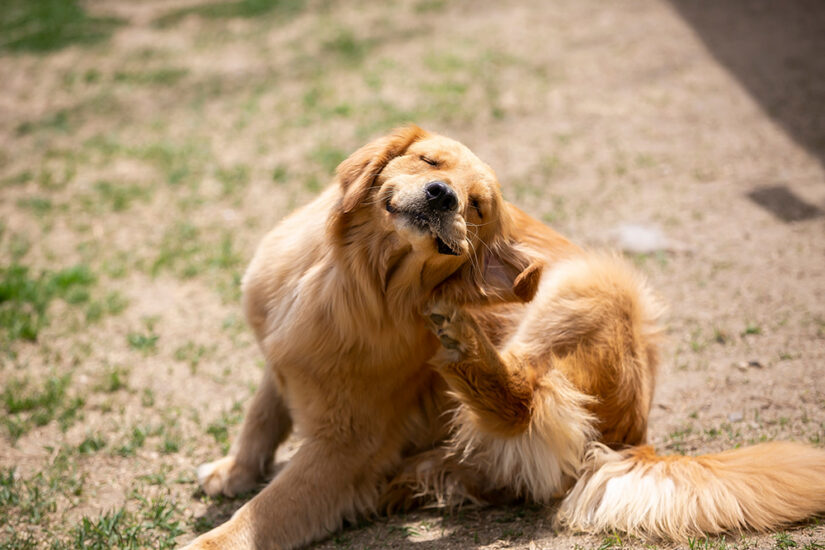
Why does my dog scratch its ears

Ear infections, medically known as otitis, are one of the most common reasons dogs visit the veterinarian. Unfortunately, many early symptoms, such as occasional head shaking or ear scratching, can seem harmless and are often mistaken for normal dog behavior. When left untreated, an ear infection can progress from mild irritation to chronic pain, hearing loss, balance problems, and other serious complications.

The earlier an infection is identified, the easier it is to treat and the less likely it is to cause long-term complications.

Anatomy of a Dog’s Ear Canal

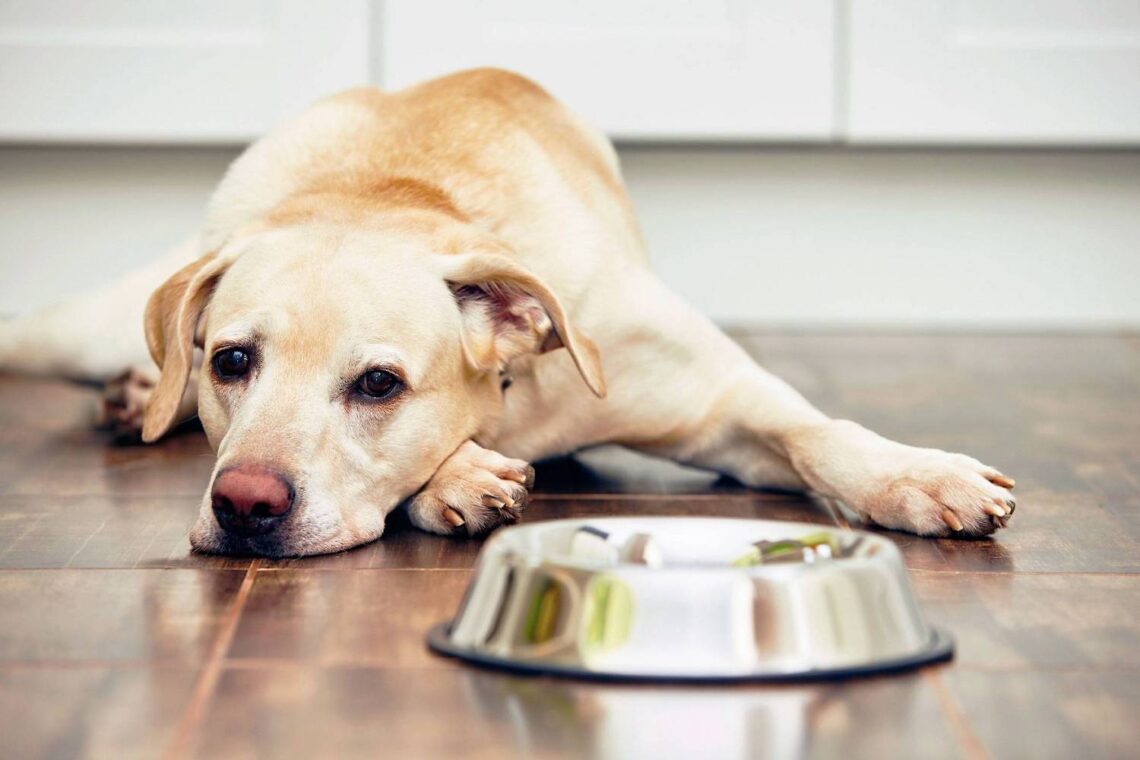
Dog showing signs of an ear infection

Part of the reason dogs are so prone to ear infections is their unique ear anatomy. Dogs have an L-shaped ear canal that is longer and more complex than a human’s, which can easily trap moisture, wax, debris, and allergens. Their ears are divided into three sections:

  • Outer ear: Includes the ear flap (pinna) and ear canal, where most infections begin.
  • Middle ear: Located just beyond the eardrum.
  • Inner ear: Contains structures responsible for hearing and balance.

Most infections begin in the outer ear, but if left untreated, they can spread into the middle and inner ear where hearing and balance can be affected. Understanding what causes ear infections and knowing what symptoms to look for can help you seek treatment sooner and prevent more serious health issues down the road.

The Most Common Signs & Symptoms of Dog Ear Infections

Signs of an ear infection generally fall into two categories: behavioral changes and physical symptoms. Often, behavioral changes appear first, while visible symptoms become more obvious as the infection progresses.

Behavioral Signs:

Head Shaking

Frequent head shaking is one of the most recognizable signs of an ear infection. Dogs often shake their heads to relieve itching, discomfort, or pressure within the ear canal. While occasional head shaking can be normal, repeated shaking throughout the day, especially when paired with scratching or ear sensitivity, should not be ignored.

In severe cases, the force of constant head shaking can rupture small blood vessels inside the ear flap, leading to an aural hematoma, a painful swelling that often requires veterinary treatment.

Scratching or Pawing at the Ear

Dogs may repeatedly scratch at the affected ear or paw at the side of their face. Some dogs will scratch so aggressively that they create cuts, scabs, or areas of hair loss around the ear and neck. If you notice that your dog is consistently focused on one ear, there may be an underlying problem developing.

Tilting the Head

Many dogs with ear infections will carry their head at an unusual angle. While a mild tilt can indicate irritation in the outer ear, a persistent head tilt may suggest that the infection has spread deeper and is affecting their balance.

Rubbing Against Surfaces

Dogs experiencing ear irritation often rub their ears against carpeting, furniture, walls, or the ground to relieve discomfort. Frequent rubbing is often a sign that the ear canal is bothering them.

Reluctance to Be Touched

Dogs with painful ears may pull away, whine, or become defensive when someone touches their head or ears. Even the friendliest dogs can become sensitive when an ear infection is causing significant discomfort.

Changes in Mood and Behavior

Pain affects more than just the ear itself. Some dogs become irritable and restless, while others appear unusually tired, withdrawn, or less interested in food and play. Behavioral changes are often overlooked but can be an important clue that something is wrong.

Physical Signs:

A visual examination of your dog’s ears can often reveal several signs that an infection may be present.

Redness and Inflammation

Healthy ears should appear pale pink and free of irritation. Infected ears are often red, swollen, warm, and inflamed around the ear opening. This inflammation can become more severe as the infection progresses.

Discharge

Abnormal discharge is one of the clearest indicators that something is wrong.

Depending on the cause, discharge may appear as:

  • Yellow or green drainage, often associated with bacterial infections.
  • Dark brown or black waxy material, commonly seen with yeast infections or ear mites.
  • Bloody discharge, which can result from severe infection or trauma caused by scratching.

Any unexplained discharge warrants veterinary evaluation.

Unpleasant Odor

One symptom many pet owners notice before anything else is smell. An infected ear often produces a strong odor that may be described as foul, musty, yeasty, or sour. Even without visible discharge, an unusual odor can indicate that bacteria or yeast are growing inside the ear canal.

Crusting or Scabbing

As discharge dries, crusts or scabs may form around the ear opening and become increasingly irritated if left untreated. Dogs that continue scratching the area can make the problem worse.

Hair Loss Around the Ear

Repeated scratching and rubbing can cause hair loss around the ears, cheeks, and face. While the infection isn’t directly causing hair loss, the irritation often leads dogs to damage the surrounding fur and skin.

Swelling

In advanced cases, inflammation may become so severe that the ear canal begins to swell shut. This can make medication difficult to administer and significantly increase discomfort.

Types of Dog Ear Infections and Their Distinguishing Symptoms

Not all ear infections are the same, and understanding the differences can help owners better describe symptoms to their veterinarian.

Bacterial Infections

Bacterial infections often cause redness, inflammation, discharge, and a strong odor. They often develop when moisture or allergies compromise the ear’s natural defenses and typically require prescription medication. These infections should not be treated with home remedies alone.

Yeast (Fungal) Infections

Yeast infections are extremely common in dogs. They often produce:

  • Thick, dark brown wax buildup
  • Intense itching
  • A strong musty odor that is comparable to bread dough or corn chips

Yeast thrives in warm, moist environments, making floppy-eared dogs and frequent swimmers particularly susceptible. Recurring yeast infections may indicate an underlying allergy that requires long-term management.

Ear Mites

Ear mites are tiny parasites that irritate the ear canal and cause intense itching. They are more commonly seen in puppies and multi-pet households.

A classic sign for ear mites is dark debris that resembles coffee grounds inside the ear. Since ear mites are highly contagious, veterinarians often recommend treating all pets in the household if mites are confirmed.

Mixed Infections

Many chronic cases involve both bacteria and yeast, requiring treatment that addresses the infection as well as any underlying causes. These mixed infections are especially common in dogs with recurring ear problems and allergies.

Risk Factors: Which Dogs Are Most Vulnerable to Ear Infections?

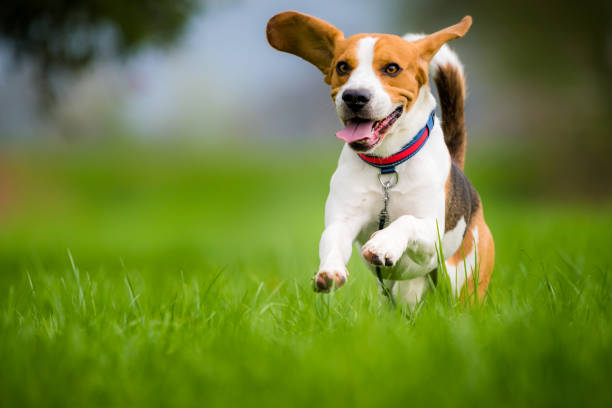
Beagle dog running through a grassy meadow

Breed and Ear Shape

Certain physical characteristics make some dogs more susceptible than others.

High-risk breeds include:

  • Cocker Spaniels
  • Basset Hounds
  • Beagles
  • Golden Retrievers
  • Labrador Retrievers

Their floppy ears restrict airflow and can trap moisture inside the ear canal. Dogs such as Poodles and Schnauzers may also face increased risk because hair growth inside the ear canal can trap moisture and debris.

Lifestyle and Environmental Factors

Several environmental factors can increase the likelihood of infection including:

  • Frequent swimming
  • Regular bathing
  • Living in humid climates
  • Outdoor activities in tall grass or wooded areas
  • Exposure to dirt, debris, or foreign objects

Dogs that spend a lot of time in water or damp environments often require additional ear care to help prevent infections from developing.

Underlying Health Conditions

Allergies are considered the single most common cause of recurring ear infections in dogs. Environmental allergens, seasonal triggers, and food sensitivities can all contribute to chronic inflammation within the ear canal.

Other conditions that may increase risk include:

  • Hypothyroidism
  • Cushing’s disease
  • Immune deficiencies

When infections continue returning despite treatment, it’s often necessary to investigate whether an underlying medical issue is contributing to the problem.

Warning Signs of a Serious or Emergency Situation

Signs That Require Prompt Veterinary Attention

Certain symptoms may indicate that an infection has spread deeper into the ear and requires prompt veterinary attention.

Contact your veterinarian if your dog has experienced:

  • Loss of balance or coordination
  • Walking in circles
  • Falling to one side
  • Sudden hearing loss
  • Unusual eye movements
  • Facial drooping or paralysis
  • Extreme pain around the head or ear
  • A swollen ear flap from violent head shaking
  • No improvement after 48 to 72 hours of prescribed treatment

These symptoms should never be ignored, as they may indicate involvement of the middle or inner ear. Consult your veterinarian for diagnosis or treatment if you indicate your dog is experiencing one or more of these symptoms.

Risks of Delaying Treatment

Waiting too long to seek treatment can significantly increase the risk of long-term complications.

Potential consequences include:

  • Chronic recurring infections
  • Thickening and narrowing of the ear canal
  • Ruptured eardrum
  • Partial or complete hearing loss
  • Permanent ear damage
  • In rare cases, spread of infection to surrounding tissues

Early treatment is often the best way to avoid these complications.

What to Expect at the Vet

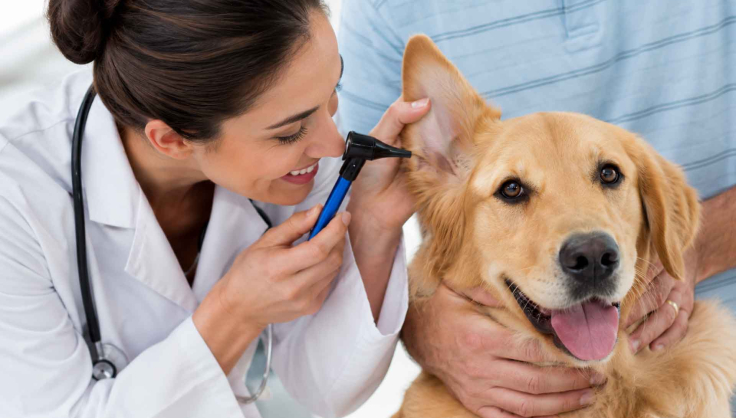
Veterinarian examining a dog's ear during a routine veterinary checkup

Ear Infection Diagnosis

Veterinarians use several tools to determine the exact cause of an ear infection.

Common diagnostic methods include:

  • Otoscopic examination: Visual inspection of the ear canal and eardrum.
  • Ear cytology: Microscopic examination of an ear swab to identify bacteria, yeast, or mites.
  • Culture and sensitivity testing: Often used for chronic infections to determine the most effective medication.
  • Allergy testing: May be recommended for dogs prone to recurring infections.

Treatment

Treatment depends on the underlying cause and severity of the infection.

Typical treatment plans may include:

  • Professional ear cleaning
  • Antibiotic, antifungal, or anti-parasitic ear drops
  • Oral medications for severe infections
  • Anti-inflammatory medications
  • Long-term allergy management when appropriate

Completing the full course of treatment is essential, even if symptoms improve quickly. Stopping medication too soon can allow the infection to return.

How to Prevent Ear Infections in Dogs

Routine Ear Maintenance

Routine ear care is one of the best defenses against infection.

Pet owners should aim to:

  • Check ears weekly for redness, odor, debris, or discharge.
  • Use a veterinarian-approved ear-cleaning solution when recommended.
  • Avoid inserting cotton swabs into the ear canal.
  • Dry ears thoroughly after swimming or bathing.

Regular checks can help identify problems early before they become more serious.

Hair and Grooming Management

Regular grooming can help identify early signs of irritation, wax buildup, or inflammation. For dogs with excessive ear hair, a groomer or veterinarian may recommend periodic maintenance to improve airflow and reduce moisture and debris buildup.

Veterinary Preventive Care

To reduce the risk of recurring infections:

  • Schedule routine wellness exams.
  • Work with your veterinarian to manage allergies.
  • Check ears after hikes and outdoor adventures.
  • Monitor recurring symptoms closely.

For many dogs, successful allergy management is the most effective long-term strategy for preventing chronic ear infections.

Ear infections are common in dogs, but they’re rarely something that should be ignored. The good news is that most ear infections respond well to treatment when caught early. If you suspect your dog may have an ear infection, don’t wait for symptoms to worsen. Seeking veterinary care promptly can help your dog get back to feeling their best and prevent a minor issue from becoming a much bigger problem.

Disclaimer: This article is for informational purposes only and should not be used as a substitute for professional veterinary advice, diagnosis, or treatment. Always consult your veterinarian regarding concerns about your pet’s health.
Should You Get A Dog? Things to Consider Before Owning Your First Pet

Pet Adoption Articles

PBC Blogs 1600x900 (1500 × 1200 px)

Bringing a new dog into your home is an exciting milestone, but pet ownership is a big commitment and should be carefully considered. If you are thinking about getting a dog, it’s important to research, plan for the responsibilities that come with pet ownership and reflect before making a decision.

The Cost of Pet Ownership

Having a dog is an ongoing fiscal responsibility, which can span 15 years or more. Pet ownership is a significant expense and should be considered in your decision-making. According to the ASPCA, the first year of owning a dog can cost over $1,000, with annual expenses continuing as your pet grows.

Make a list of possible expenses and see if it fits with your budget to become a pet parent. Food, veterinary care, pet insurance, pet sitting, boarding, grooming, training, toys, and supplies can add up.

Routine expenses can include:

  • Food and treats: Providing a healthy diet is crucial for your pet’s well-being.
  • Veterinary care and vaccinations: Preventive visits help avoid serious health issues.
  • Grooming and hygiene supplies: Regular grooming is especially important for breeds with long or high-maintenance coats.
  • Training and enrichment: Classes, toys, and activities help your pet stay happy and well-behaved.
  • Toys and accessories: Items like beds, collars, leashes, and chew toys enhance comfort and stimulation.

Pet Sitting Costs

Pet Butler pet care professional smiling while posing with a dog.

Pet sitting can be a valuable part of your pet care routine whenever life takes you away from home. Professional pet sitting can support your pet’s routine and well-being in a variety of situations:

  • Travel or vacations: Business trips, family vacations, or weekend getaways.
  • Work obligations: Long workdays, conferences, business travel or all-company meetings that require onsite presence.
  • Evening events: Social outings, sporting events, dinners with friends, kids’ extra-curricular events
  • Life changes or emergencies: Medical emergencies, moving, birth of a child, home projects, taking care of loved ones, or unexpected obligations.

Many pet parents wonder about the costs associated with dog sitting services. While exact pricing varies, it’s helpful to understand what factors typically influence services:

  • Length of care: From short check-ins to full-day or overnight visits.
  • Number of pets: More pets require additional attention.
  • Special needs: Puppies, senior dogs, or pets requiring medications may need extra care.
  • Frequency of visits: Daily support during trips or occasional visits on busy days.

Every household is unique. At Pet Butler, we don’t charge additional fees for the services above. The best approach is to request a customized plan from Pet Butler, which tailors dog sitting services to your dog’s personality, routine, and needs. This ensures your pup receives the right level of care without unnecessary extras.

Additional Considerations Before Getting a Dog

Lifestyle

Most dogs are happiest when their daily routine is predictable and includes companionship. Are you a busy, on-the-go individual who likes having the flexibility to jet off at a moment’s notice? Who will watch your dog when you’re gone? What about your home life, work, and school schedules? Long days at the office, busy evenings, and kids’ activities may leave you little time to care for your dog.

As a pet parent, you will spend considerable time training, grooming, feeding, exercising, and bonding with your dog. Puppies need extra attention and require frequent potty breaks. Certain high-energy breeds need consistent daily exercise, even late into adulthood.

Environment

Just like humans, dogs want to be comfortable in their surroundings. Certain dog breeds are impacted more by their environment than others. For example, short nose breeds, such as pugs and bulldogs, may not acclimate well in warm climates. You’ll need to add a dog coat and shovel to your shopping list if you want a chihuahua that will tolerate cold and snowy winters. Arctic breeds like huskies might fare better in colder temperatures.

Smaller pets often need less physical space than larger breeds of dogs and may adapt well to apartment living. Older dogs are generally more sedentary and may require less outdoor space for exercise. A fenced yard can provide a safe and easy-to-access space for puppy playtime or for your older dog to explore on their own.

Caregivers

Adding a pet to your family will impact the entire household. Every family member should be on board to help acclimate and keep a new dog safe in the home. It will be important to discuss how pet care responsibilities will affect the family.

Ideally, everyone in the home will share in the caregiving for your pet, but at a minimum, one person should be committed to providing the ongoing attention and care your dog will need to thrive. Children grow up, can lose interest, or get busy with extracurricular activities. Spouses decide they don’t like dog kisses or develop allergies.

Support from Pet Professionals

Finding a veterinarian, trainer, and pet sitter before welcoming a dog into your home can get you off on the right foot by learning about nutrition, preventative care, and training. Additionally, these professionals may be able to recommend a breeder or rescue organization with a pet that suits your lifestyle.

Pet professionals will provide varying levels of support through the stages of your pet’s life. Certain dog breeds are prone to health risks such as cancer, diabetes, or glaucoma that require more intensive veterinarian care. Pets with health challenges and senior pets may also need more frequent visits from a pet sitter when you are away from home.

Blog Cta Graphic (1)

What Breed of Dog Should You Get?

Choosing the right dog breed for you starts with understanding your lifestyle and living situation. Consider factors such as your available time and space, exercise you can provide, grooming needs and how well a breed interacts with children or other pets. Appearance can be a factor, but taking the time to learn about a breed’s characteristics and needs is the most important factor in finding the right dog for you.

For more information, read our article on how to choose the right dog breed for your family.

Is Your Home Prepared for a Dog?

If after careful consideration you decide to add a pup to your family, you’ll want to make sure your home is ready to welcome your new fur-ever friend. Pup-proofing your home can include:

• Setting up a crate – a relaxing and safe space for your pup and essential for potty training.
• Placing gates across doorways.
• Ensuring all small objects and toys are out of each.
• Storing food out of reach.
• Securing electrical cords.
• Removing toxic plants.

Considering all these variables will help you decide if a new pet is right for you. Education and preparation help build a bond with your new dog.

Is Your Dog Depressed? Signs of Depression, Causes, and How to Help

Dog Behavior Articles

Pet Depression - Image

Dogs are complex animals with social, mental, and physical needs much like our own. They thrive in safe, nurturing, and consistent environments that provide companionship and routine. So, what happens when those environments are disrupted by a change in work schedule, a new location, or a life alter event?

We know that canines are sensitive and intuitive animals, and they pick up on their owners’ emotional states, changes in routines, and their environment. It’s no wonder that they can experience a wide range of emotions and moods, including depression. Of course, we can’t ask them how they are feeling, but we can be aware of how these changes in routine can lead to sadness and depression. The real question is, what can we do about it? 

What are signs that my pet might have pet depression?

Many dogs exhibit symptoms consistent with their human counterparts including those of pet depression. If your pet is normally excitable and friendly but has been spending more time hiding behind the couch, they could have pet depression. Some signs include:  

  • Not wanting to go on their normal walk
  • Not interested in their favorite activities
  • Sleep excessively, or other changes in normal sleeping behavior
  • Changes in appetite or no appetite
  • Shaking & whining
  • Not wanting to play with their favorite things
  • General restlessness, including excessive sniffing, circling, and/or licking  
  • Aggression or increased irritability
  • Changes in bathroom behavior, such as going more frequently or going indoors
  • Changes in demeanor, such as pulled-back ears or sad eyes
  • Hiding from owner

What is Causing My Dog’s Depression?

Pet Depression - Image

To treat pet depression, we need to look at what changes may have triggered the condition.

Underlying Medical Issues

First, have your dog examined by a veterinarian. Dogs can’t tell us when they are physically ill or in pain, but some dogs that aren’t feeling well physically may show signs of pet depression. The vet may recommend blood tests or other diagnostics to determine if a physical ailment such as arthritis pain or endocrine disease is present. Certain medical problems can lead to behavior changes that mimic or lead to depression.  Endocrine disorders like hypothyroidism cause dogs to become sluggish and mopey. Neurological diseases such as seizure disorders or tumors affecting the central nervous system may cause mood changes.

Anytime your pet exhibits a shift in their behavior that isn’t easily explicable, always rule out a medical problem by visiting the veterinarian.

Environmental Changes

Changes to a dog’s environment are one of the most common causes of pet depression. If your dog is otherwise healthy, be aware of shifts in the environment that may have led to changes in your dog’s behavior.

Dogs are dependent on us and their familiar home base for comfort and stability. Something as simple as an environment change can cause a chain reaction. Changes like moving, going through a divorce, or returning to work can be unsettling to your pet.

Routine Changes

Pet depression can be exhibited because of a simple shift of schedule causing their owner to not be home as often. Changes in routine brought upon by increased work demands can cause anxiety, stress, and boredom which lead to signs of pet depression.

Dogs are creatures of habit and a change in their daily activities can be unnerving. They gain confidence and reap the physical and mental benefits of having a “job” and regular exercise. When those neurons and muscle fibers aren’t firing, hormones such as oxytocin, dopamine, and endorphins aren’t released, and signs of pet depression may be observed.

Loss of Another Animal or Family Member

One of the more common situations is the loss of another animal or family member. The absence of another companion can lead to signs of depression. Animals experience feelings of grief and loss, though we don’t know exactly how they process the concept of death.

Your pet can often sense a companion’s illness/death and respond by exhibiting behavioral changes consistent with pet depression. For pack animals such as dogs, it’s no surprise the loss of a bonded companion leads to sadness. Because dogs are so attuned to our moods, they may also respond to the physical manifestations of human grief such as crying, detachment, and lethargy.

How can I treat my pet’s depression?

Pet Depression Image

Quality Time

Spend additional time with your pet if you think they are lonely. Make sure you have a consistent routine that includes plenty of exercise. Dogs are creatures of habit that come to anticipate positive interactions, grooming, and feeding times. Mentally stimulating games and classes such as obedience or nose work can provide a depressed pet with a social outlet and a confidence booster. Some dogs love car rides, vigorous brushing, or fetch. It sounds simple but do more of what your pet loves!  

Train Them

While you may want to comfort a depressed pet with treats and positive affirmations, save the food rewards for when they exhibit desired behaviors. Pets with depression should be taught to relax in stressful situations. Use recorded sounds played for a short duration, at low volume while petting or feeding to get them. This will help get them acclimated to the stressful triggers.

Provide a secure, quiet space and reward them when they can respond to commands such as “settle”, or they resume eating in the presence of the trigger. You can use sounds like the jangling of your keys, the hairdryer in the morning, or starting your car. Any sound that signals a change in the environment is coming.

Manage Their Medical Condition

If a health issue is identified by a vet as the likely cause for your dog’s depression symptoms, treating the condition should improve their behavior and mood. Some conditions result in chronic pain – such as joint conditions – and managing that pain is necessary for the dog’s overall quality of life.

The good news is most dogs that have depression are sad for a short duration of time. Once the inciting cause has been addressed, their mood improves. For dogs without any other physical ailment that continue to behave unusually, a visit to the vet for a prescription of canine anti-anxiety drugs or medication for depression may be in order. Pets usually show a positive response to the pharmaceuticals within 6-8 weeks. They can often be weaned off after less than a year.

Stay plugged into your pets’ changing moods and habits. The sooner we identify and treat pet depression, the more quickly we can get those tails wagging!

How Much Exercise Does a Dog Need?

Pet Health Articles

PBC How Much Exercise Does a Dog Need 1000x800

Humans need regular exercise to maintain optimal health. By moving our bodies, we strengthen bones and joints, manage weight and chronic conditions such as diabetes and heart disease, and improve immune system and cognitive function. Regular exercise also releases hormones that decrease stress.

Surprise! Our dogs are no different. And just like humans, they come in a variety of shapes and sizes. Because of age, breed and environmental variations, exercise requirements differ from dog to dog.

How Much Exercise Does My Dog Need Each Day?

A good baseline for most canines is one hour of activity per day.

For middle-aged, brachycephalic breeds such as Pugs and Bulldogs, several walks a day for 45-60 minutes cumulatively can be plenty. These dogs have restricted airflow due to their shortened snouts, and more vigorous activity can be harmful to their health, leading to respiratory distress. It’s also best to exercise in cool temperatures as their body heat can rise quickly.

Breeds such as Border Collies are built to sustain high-intensity and a longer duration of activity. These breeds can be active for two or more hours per day, which may include chasing a frisbee, going for a run with their human, practicing flyball and similar activities.

Sighthounds like Whippets and Greyhounds need relatively little exercise to meet their physical and mental needs. Built for speed, they are content with three walks a day, and they thrive when provided with a few safe off-leash opportunities to reach their maximum velocity. They tire easily and aren’t endurance athletes. Many retired sighthounds become excellent apartment-dwelling companions.

How Much Exercise Does a Puppy Need?

Not surprisingly, puppies need more physical activity than most adult or senior pets.

If you have a puppy, you’ve likely experienced the “Zoomies” – that quick sprint around a room or throughout your home. This is evidence of pent-up energy that needs to be expended.

Because of their developing limbs, puppies over four months should be exercised multiple times a day for one to two hours cumulatively. At a very young age, a leashed walk is not needed and is unlikely to be very productive since puppies are so distractable. Although, practicing leash-walking skills and recall exercises, such as “come when called”, constitute physical activity.

Playing with a ball, hide and seek with a toy or treat or playtime with other healthy dogs can be productive. Hiking is also a safe activity you and your pup can enjoy together. New sights, smells and terrain provide lots of opportunities for stimulation. Various muscle groups are utilized which is optimal for injury prevention and building strength. In inclement weather, running the stairs, playing tug-of-war and leveraging puzzle games are activities to enjoy.

How Much Exercise Does My Senior Dog Need?

Older dogs need exercise to maintain muscle mass, control weight and provide enrichment. A good rule of thumb to follow for senior dogs is that they need roughly 30 minutes of exercise per day.

Shorter, slower walks that incorporate hills are very beneficial. Swimming is an ideal exercise for older pets, too. They aren’t as likely to overheat, and the non-weight-bearing exercise is easy on arthritic limbs. It’s important to monitor your pet in the water as exhaustion can occur rapidly; life vests can help maintain buoyancy while allowing your pet to reap the benefits of swimming.

If your senior dog slows down, starts limping or seems otherwise physically stressed, stop exercising and consult your veterinarian.

How Do I Know If My Dog Isn’t Getting Enough Exercise?

Dogs that aren’t receiving enough exercise are relatively easy to identify.

Weight gain, in a general sense, reflects too many calories being consumed and not enough expended. A pet’s ideal weight can be determined by assessing their muscle and body condition. A pet with an abdominal tuck, palpable ribs and an hourglass shape, when seen from above, is at their ideal weight.

AKC breed standards can also be a rough guide as to where your purebred pup should fall on the scale. If your pet is 10% above their ideal weight, they are considered overweight. It’s time to get moving!

Under-exercised dogs can also exhibit a multitude of behavioral problems. Dogs that excessively bark, chew household items or pace around the house may not be receiving enough exercise. Lesions attributed to chronic licking such as lick granulomas on the limbs may be caused by boredom and stress. These lesions can look like red, raised, hairless spots on any or all the legs, especially near the wrists.

Muscle atrophy, or muscle wasting, can be a sign that your pet is too sedentary. Since other metabolic, autoimmune and inflammatory diseases can lead to muscle loss, it’s best to consult your veterinarian if you notice any changes in body condition. It’s also best to check in with the doctor before starting any new exercise routine.

Best Exercises for Your Dog’s Breed

PBC April Blog (1500 × 1200 px)

Activities for Small Breeds

As smaller breeds have a greater tendency towards obesity, regular physical activity is vital to managing weight and overall health. Smaller breeds can find the room they need to stretch just about anywhere. Indoor activities such as playing fetch with a toy, chasing, hide and seek, going up and down a flight of stairs for treats, or a DIY agility course made up of broomsticks and nylon tunnels can be fun to challenge your dog. Short bursts or intervals of higher-intensity exercise can be what your dog needs to stay engaged and fit.

Considerations for Small Breeds:

• Toy breeds also have a propensity for tracheal collapse, so stop any activity that causes an increase in coughing or respiratory distress.

• Pugs, bulldogs, Pekingese, and Frenchies have cute button noses, but their narrow nostrils can make for restricted airflow and be dangerous if they overheat. It’s best to stay in cool, temperature-controlled areas.

• Not racetrack material, our brachycephalic dogs and couch potatoes like the basset hound can be sufficiently exercised with a few laps around the block and time to sniff several times a day. Low-impact exercises and obedience work where they practice sitting, staying, and recalling. Scent work can provide lots of physical and mental enrichment without overexertion.

Activities for Large Breeds:

It’s best to choose activities that you will enjoy doing together. After all, an exercise program isn’t successful if it isn’t sustainable. Larger dogs generally enjoy more expansive spaces to roam. Choose activities that sound like fun to you.

Considerations for Large Breeds:

• Dog parks provide an excellent place to socialize your friendly pet and get in a few rounds of fetch.

• Short, high-speed runs are effective for sighthounds. A spacious park setting or fenced-in field can be a great opportunity to let them do what they were born to do!

• Energetic, enthusiastic dogs also thrive in canine sports such as flyball, lure coursing, or agility, and classes abound.

• In colder climates, winter activities like dog sledding, chasing snowballs, skijoring, or building a snow maze can be fun if your dog’s feet are protected and their body temperature is maintained.

• Hunting, herding, and working dogs such as the Australian shepherd, husky, or Belgian Malinois need mental stimulation and a “job” to avoid boredom; they can be active for as much or more than 2 hours a day and not be fatigued.

• Do you enjoy hiking? Your active dog may love to explore new trails and preserves.

• If you enjoy swimming and the weather is right, dock diving and backyard fetch in the pool are great ways to stay in shape.

• Jogging with your dog is another activity you can experience together. Ensure the pavement is cool and water stations are available for you and your dog. Building up the duration and intensity of your runs will keep exercising with your companion fun and safe.

• If you must stay indoors with your active pet, try puzzle games, have a doggie playdate, or look for an indoor doggie daycare to meet their daily exercise quota.

Ask an Expert

Before establishing a new exercise routine or shaking up some old activities, make an appointment with your dog’s veterinarian to assess their health and some parameters to help guide which activities might be best suited for your pet. Age, breed, and pre-existing conditions can affect their stamina, acceptable joint impact, ideal temperature and weather conditions for exercising, and the sport they might enjoy.

At Pet Butler, we want your pet to feel and be their healthiest and happiest. Free up your time spent doing chores so you can have more quality time with your furry companion. We’ll take care of your dog’s waste removal on a weekly, every other week or monthly basis.

Understanding Intestinal Parasites in Dogs

Pet Health Articles

PBC Blogs 1500 × 1200 px) (8)

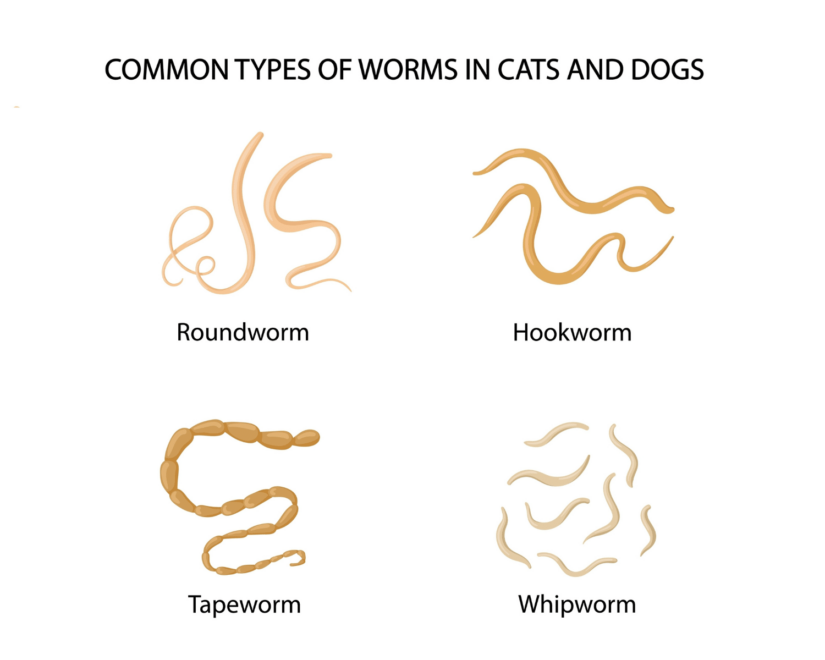
By definition, a parasite is an organism that lives in or on another host and gets its nutrients at the expense of the host. Internal parasites such as roundworms, whipworms, tapeworms and hookworms can be difficult to detect and pose a serious health risk to both you and your dog. Often times they will be invisible even when they are in your dog’s poop, and these parasites can even be passed back and forth between a dog and its owner.

What does this mean to you, a compassionate and responsible pet owner? It’s important to be able to recognize the signs of intestinal worms in your dog, and know what steps to take to get treatment.

Roundworms

What are roundworms?

Roundworms describe many different worm parasites. The most common dog roundworm is Toxocara canis. Humans have different roundworms, as do cats, horses, pigs, and other animals.

How does my dog get roundworms?

Dogs get roundworms either from eating worm eggs off the ground or because the mother dog was infected and passed the worms to her puppies during her pregnancy. Adult roundworms have funny faces, with three big lips surrounding their mouth. They feed on partially digested food in the dog’s intestine.

What are the risks?

Roundworms are a major health concern for your dog. Roundworms live in the small intestine of dogs. It is a microscopic and parasitic organism. Eggs are passed into the environment in the dog’s waste. The eggs then take two weeks to a month to become infective. There is no risk from fresh dog waste. However, after becoming infective, eggs can remain in the soil for several years.

The risk to humans is slight. Humans do not develop adult roundworms, although migration of larvae through tissues and organs can cause disease. Humans usually become infected through contact with eggs in the soil or by accidental ingestion.

Direct contact between infected dogs and humans is not considered to play a role in the transmission of roundworm. Young children are at the greatest risk. They often eat dirt and grass and fill their mouths with contaminated hands. Hand-powered wheelchair users and field sports players also face greater risks.

How can roundworms be prevented?

Roundworm is not present in dogs that receive regular worm treatments. Picking up dog waste before roundworm eggs can become infective is equally important.

Hookworms

What are hookworms?

Hookworms are an intestinal parasite that feed on blood. They have a direct life cycle meaning that they do not necessarily need a host to be transmitted. In pets, hookworm ova(egg) are passed in the host’s feces and develop to the first larval stage if the temperature and humidity are adequate. Ova can hatch in 10-12 hours at 30 degrees centigrade and in 9 hours at 37 degrees centigrade.

How does my dog get hookworms?

Infection can occur via ingestion or skin penetration (commonly infested through the feet) followed by a pulmonary migration, a developmental stage in the gastric glands, or an arrested state in the muscular tissue in older animals. Migration and maturation occur in 17 days. Transport hosts, especially rodents, may play a role in the transmission of this parasite.

What kind of problems do hookworms cause for dogs?

Young dogs and cats are affected more severely since they are less able to cope with depleted iron reserves.

Clinical signs may be one or more of the following: Intestinal blood loss causing anemia Bloody diarrhea Weight loss Poor hair coat

How are hookworm infections diagnosed?

A veterinarian diagnoses hookworms with fecal flotation. The ova are un-embryonated and must be taken from a fresh specimen since they hatch rapidly in warm weather. Unless you are going to the veterinarian quickly, it is best to refrigerate stool samples, or better yet have the vet extract the stool sample at their office. Your pet may not like that idea, but it will yield a more accurate result.

How are hookworms treated?

There are many de-wormers available over-the-counter but they contain medications that are designed to “flush out” the parasite. But as the name implies, Hookworms hook onto the intestinal wall and “do not come off without a fight”. Many pets experience mild to severe distress because of these dewormers. These de-wormers were used by veterinarians decades ago, but veterinary medicine has come a long way since then.

Today, many anthelmintics are effective against hookworms in both dogs and cats. An aggressive treatment and prevention program as defined by your veterinarian normally entails two initial treatments 2 weeks apart (killing the hatched eggs and before they can hatch again and reproduce by administering a second dose), plus an aggressive preventive program. Since the medication can only kill what’s in the system monthly checkups for 3-4 months are needed until a pattern of negative test results is established. Because of the life cycle of the hookworm, monthly combo preventative can help control but not usually eliminate the problem.

Also, it is extremely important to thoroughly clean and disinfect the affected areas. If this is not feasible, walk your pet in a different area and, if possible, away from where other pets go. Always pick up after your pet goes to the bathroom to minimize the chance of reinfection.

Are humans at risk?

Hookworms can pose a health hazard to humans, especially children.

It is imperative to keep on top of the situation and have your pet regularly tested. In humans, hookworms cause cutaneous larva migrans. The parasite can penetrate human skin and cause linear, tortuous, erythematous, and pruritic dermatitis (kids are more susceptible). Therefore, if you own a pet good hygiene, prevention, and management of stool area should be #1 on your list.

Blog Cta Graphic (1)

Tapeworms

What are tapeworms?

The most common tapeworm of dogs (and cats) is called Dipylidium caninum. This parasite attaches to the small intestinal wall by hook-like mouthparts. Adult tapeworms may reach 8 inches (20 cm) in length. The adult worm is made up of many small segments about 1/8 inch (3 mm) long. As the tail end of the worm matures, the terminal segments break off and pass into the stool. Occasionally, the mobile segments can be seen crawling near the anus or on the surface of a fresh bowel movement.

These segments look like grains of rice and contain tapeworm eggs; the eggs are released into the environment when the segment dries. The dried segments are small (about 1/16″, or 2 mm), hard, and golden in color. These dried segments can sometimes be seen stuck to the hair around the dog’s anus.

A less commonly found tapeworm, called Echinococcus, also occurs in dogs.

How does my dog get tapeworms?

In order for a dog to become infected with the common tapeworm, Dipylidium, the dog must swallow a flea that contains tapeworm eggs. This process begins when tapeworm eggs are swallowed by flea larvae (an immature stage of the flea). Contact between flea larvae and tapeworm eggs is thought to occur most frequently in contaminated bedding or carpet. Next, the dog chews or licks its skin as a flea bite; the flea is then swallowed. As the flea is digested within the dog’s intestine, the tapeworm hatches and anchors itself to the intestinal lining.

A dog becomes infected with Echinococcus when it eats a small mammal, usually a rodent, that contains the worm. Foxes and coyotes (and the wild rodents upon which they prey) are important in the life cycle of this parasite. Dogs and cats may also become infected if they eat rodents carrying the parasite.

What kind of problems do tapeworms cause for dogs?

Tapeworms are not highly pathogenic (harmful) to your dog. They may cause debilitation and weight loss when they occur in large numbers. Sometimes, the dog will scoot or drag its anus across the ground or carpet because the segments are irritating to the skin in this area. The adult worm is generally not seen, but the white segments that break away from the tapeworm and pass outside the body rarely fail to get an owner’s attention!

Occasionally, a tapeworm will release its attachment in the intestines and move into the stomach. This irritates the stomach, causing the dog to vomit the worm. When this happens, a worm several inches in length will be seen.

How is tapeworm infection diagnosed?

An infection with Dipylidium is usually diagnosed when the white, mobile segments are seen crawling on your dog or in the stool. Tapeworms are not usually detected by the routine fecal examination performed by the veterinarian. Because of this, veterinarians depend on the owner to notify them of possible tapeworm infection in the dog.

Echinococcus infections are harder to diagnose than the tapeworm caused by fleas because the segments are small and not readily seen.

How are the tapeworms treated?

Treatment is simple and, fortunately, very effective. A drug that kills tapeworms is given, either orally or by injection. It causes the tapeworm to dissolve within the intestines. Since the worm is usually digested before it passes, it is not visible in your dog’s stool. These drugs should not cause vomiting, diarrhea, or any other adverse side effects.

Control of fleas is very important in the management and prevention of tapeworm infection. Flea control involves the treatment of your dog, the indoor environment, and the outdoor environment where the dog resides. If the dog lives in a flea-infested environment, reinfection with tapeworms may occur in as little as two weeks. Because the medication that treats tapeworm infection is so effective, the return of the tapeworms is almost always due to reinfection from the environment.

How do I tell tapeworms from pinworms?

Tapeworms and pinworms look very similar. However, contrary to popular belief, pinworms do not infect dogs or cats. Any worm segments seen associated with dogs are due to tapeworms. Children who get pinworms do not get them from dogs or cats.

Echinococcus tapeworms are of more concern. These tapeworms cause very serious diseases when humans become infected. Hunters and trappers in the north-central United States and south-central Canada may be at risk for infection by this worm if strict hygiene is not observed. Rodent control and good hygiene are important in preventing the spread of this disease to humans. As with the more common tapeworm, infection with Echinococcus is infrequent but possible.

What can be done to control tapeworm infection in dogs and to prevent human infection?

Effective flea control is important. Prompt deworming should be given when parasites are detected; periodic deworming may be appropriate for pets at high risk for reinfection. All pet feces should be disposed of promptly, especially in yards, playgrounds, and public parks. Do not allow children to play in potentially contaminated environments. Strict hygiene is important, especially for children.

Whipworms

What are whipworms?

Whipworms are intestinal parasites which are about 1/4 inch (6 mm) long. They live in the cecum and colon of dogs where they cause severe irritation to the lining of those organs. This results in watery, bloody diarrhea, weight loss, and general debilitation. They are one of the most pathogenic worms found in dogs.

How does my dog get whipworms?

Whipworms pass microscopic eggs in the stool. The eggs are very resistant to drying and heat, so they can remain viable in the dog’s environment for years. They mature and are able to re-infect the dog in 10-60 days. The eggs are swallowed and return to the lower intestinal tract to complete the life cycle.

How is whipworm infection diagnosed?

Whipworms are diagnosed by finding eggs with a microscopic examination of the stool. However, multiple samples are often required because these parasites pass small numbers of eggs on an irregular basis. Any dog with chronic diarrhea can be reasonably suspected to have whipworms, regardless of several negative stool examinations. It is an accepted practice to treat whipworms based on the assumption of infection. Response to treatment is an indication that whipworms were present but could not be detected on fecal examination.

How are whipworms treated?

There are several drugs that are very effective against whipworms. Two treatments are needed at a 3-4 week interval, but because reinfection is such a problem, it is advisable to treat again every 3-4 months or to put the dog on a heartworm prevention product that contains an ingredient that prevents infection with whipworms. Whipworms are not nearly as common now because of the widespread use of these types of heartworm prevention products.

Can I get whipworms from my dog?

No. Whipworms are not infectious to people; they are parasites of the dog.

Heartworms

Heartworms are one of the most serious parasites that can affect a dog’s health, yet they are also one of the most preventable. Learn more about heartworms in dogs.

How do dogs act when they have parasites?

What are the symptoms your pet may have a parasite problem, and how alarmed should you be? Puppies and kittens are often infected with intestinal worms through nursing and during pregnancy. It’s not uncommon to see a new pup present with diarrhea and a distended-looking belly.

Vomiting is another common symptom of intestinal parasite infection. Transmission and re-infection occur in pets when fecal material containing parasites, eggs or cysts are ingested. Sometimes direct contact with a parasite, such as hookworms, occurs through broken skin.

Heartworm larvae are transmitted by the bite of a mosquito, and tapeworms can be acquired through ingesting an infected flea. Symptoms of both infections can cause weight loss and lethargy. In the case of heartworm disease, difficulty breathing, exercise intolerance, and in severe cases, ultimately death.

Fleas can lead to intense itching and hair loss while ticks often go unnoticed until the diseases they carry, such as Lyme disease or rocky mountain spotted fever, cause signs of illness. Tick-borne diseases can be great pretenders, often mimicking the symptoms of other illnesses. They can cause low platelet count and bleeding, lameness, lethargy, coughing, vomiting, diarrhea and general malaise.

How to protect your pet from parasites:

  • Topical and oral preventatives should be given to your dog year-round to minimize the opportunities for parasites to reproduce.
  • Attend your pet’s yearly vet visits to update vaccines and receive regular check-ups.
  • Keep up with the housekeeping. Wash bedding regularly and vacuum couch cushions and along baseboards.
  • Maintain your yard. Eliminate brush and yard debris, and pick up pet poop daily. If eggs can’t hatch and pets can’t consume fecal matter, the likelihood of infection decreases.
  • Do not feed wildlife or encourage stray animals to visit your yard by setting out shelters or food.
  • Eliminate free-standing water so heartworm-carrying mosquitoes can’t breed. Empty your outdoor water bowl and only refill when needed. Also, check for various puddles of water in your yard and ensure your pet cannot reach them.
  • Check your dog’s fur for hitchhiking ticks when you return from an outdoor adventure.
  • Be a good human; pick up your own pet’s waste if you are out on a walk or at a dog park!

Pet waste removal services are an incredibly effective way to prevent the spreading of these intestinal worms. Find a local Pet Butler near you, or call 1-800-PET-BUTLER to learn how we can help your dog lead a happier, healthier life.


How to Determine if Your Pet is Obese

Pet Health Articles

PBC How to Determine if Your Pet is Obese 1000x800

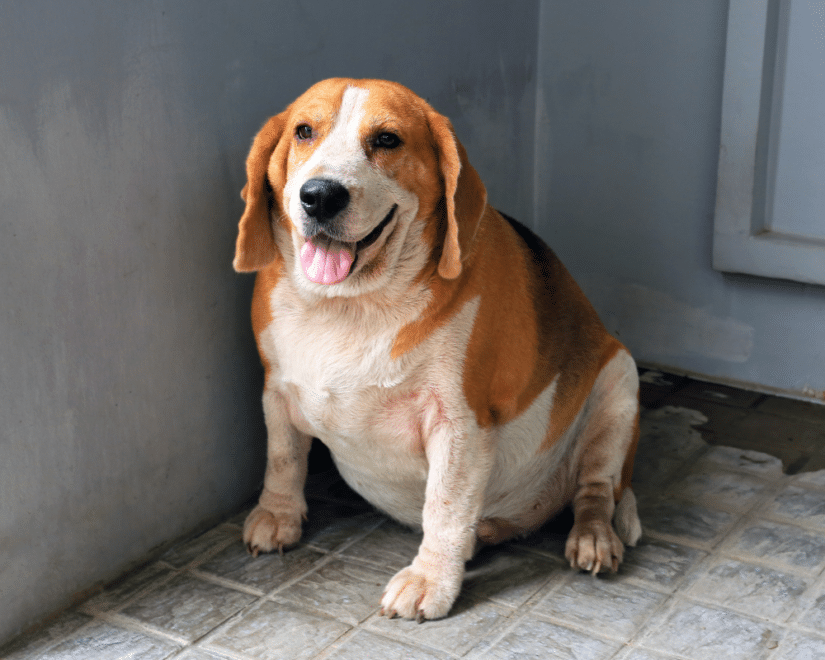
Obesity isn’t unique to humans. Did you know that 59% of dogs were classified as clinically overweight or obese? While we are very well versed in our own signs and symptoms of obesity, it can be much more of a challenge to understand our pets’ health regarding their weight.

So, how can you tell if your pet is overweight, and when is it time to call your vet?

Body Condition Score and Weight

Let’s start with one of the fundamental tools veterinarians use to evaluate the health of canines: a Body Condition Score (BCS). The BCS is a rating of your dog’s current weight compared to its ideal weight. This is determined through visual and manual assessment. You can think of a BCS as the dog equivalent of a Body Mass Index (BMI) or a similar health indicator.

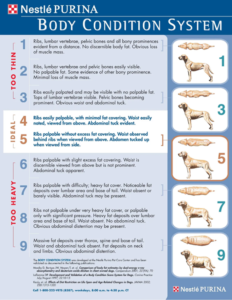
BCS scales can range from 1-5 or 1-9 and typically follow the same structuring. An example is shown below, with the “ideal” range at approximately 4 to 5.

Dog body condition system infographic detailing ideal dog weight and fitness level

Image Source: Purina’s Body Condition System

However, just like any analytical index, a BCS isn’t without its flaws. For one, the system is subjective, outlining generalized terms of what to look for in your pet. Second, body condition scoring isn’t going to be applied the same for all dogs and can be dependent on breed, gender and age.

As a species that ranges vastly in shapes and sizes, there is no one “ideal” weight for a dog. While there are standardized ranges for each breed, a healthy size is going to be unique to your pet alone. For example, healthy greyhounds typically have visible ribs due to their conformation and haircoat, but this same statement is not true for a golden retriever.

Ask your veterinarian to help identify a healthy weight range for your pet, which is likely to correspond to a range of 4-5 on the body condition score chart. Your pet will be overweight if they are 10-20% above that number on the scale and clinically obese if that number reaches more than 20%.

Not to fear, though. Just because you can’t rely on a BCS alone doesn’t mean you can’t determine if your pet is overweight. Here are some other signs you can look out for.

Physical Appearance

As with the visual examination involved in body condition scoring, the easiest way of understanding where your dog’s weight is at is simply by looking at them. Does your dog’s waist sag? Are there fat pads at the base of its tail and top of its hips? Do its legs stick out awkwardly to the sides instead of being directly under them? These could be signs of a weight problem.

In general, your dog should have its abdomen tucked up in relation to its chest. From an overhead view, a healthy dog is one that is wider at the chest and slimmer toward the waist. If your pet has an ovular body shape from the side or over the top, you’ll know something’s up.

One of the biggest visual indicators is the ribcage. In a healthy dog, the ribs shouldn’t be very prominent, depending on the breed, but they should be very easy to feel upon touch. A telltale sign of an overweight dog is one whose ribs take excessive palpation to find.

Respiratory Issues

Another common presentation of obesity in dogs comes in the form of breathing. If you’ve noticed that your pet struggles with breathing, namely wheezing or heavy breathing, this could be a result of being overweight.

Respiratory problems can even manifest when your dog isn’t exerting effort. Checking if and how intensely your dog snores can also provide insight into its weight situation. When it comes to snoring, more is not merrier.

Difficulty with Movement

As with humans, extra weight is going to place additional pressure on joints, making movement more challenging. If your pet isn’t moving around as well as it used to, weight can be the culprit. Better indicators come in the form of more difficult movements, like running, jumping and climbing stairs.

General Behavior

As a less specific rule-of-thumb, your pet’s overall behaviors can be indicative of needing to shed some pounds. If you find that your dog has become particularly sedentary, opting for laying around as opposed to going on walks, something likely isn’t right. An absence of energy and general lethargy is never going to be reflective of positive health.

If you find your dog following any of these patterns or displaying symptoms of obesity, it’s time to schedule a visit with your vet. At the end of the day, your veterinarian will be able to give you the most thorough and definitive answer regarding your pet’s health.
To continue learning about obesity in pets, be on the lookout for our upcoming articles on diseases mimicking obesity, how to help your pet lose weight and obesity in senior pets.

Tips to Avoid Obesity in Dogs

How to Avoid Obesity in Dogs

1. Talk to your veterinarian

The best way to prevent your pet from becoming overweight is to start with gaining an awareness of their body condition. To do this, speak to your veterinary professional about your dog’s current health, find out about exercise and activity requirements and ask how many kilocalories (kcal) they should intake daily based on breed, age and lifestyle.

At the appointment, it helps to bring your pet’s food, treats, and measuring cup; taking it one step further, an accurate log of your pet’s food intake over a week or two is ideal. By having all family members write down what is fed, your vet gets an accurate picture of nutritional intake.

Record any activity your dog has engaged in during that same time period. We aren’t necessarily counting calories expended, but gauging a rough level of activity. A pug on a couch doesn’t use the same amount of energy (calories) as a border collie who chases a frisbee 2 hours a day.

2. Find the right food for your pet

When determining the best diet for your dog, keep in mind that not all breeds require the same type and amount of food. Be sure to consult your vet for various food suggestions for your dog.

The “right” foods to maintain a healthy weight also depend on your pet’s particular circumstances. Age, breed, pre-existing conditions, activity level and even environmental temperature can all affect your pet’s nutritional and caloric needs. Controlling portions is key for all pets, regardless of how “low-calorie” a food may be. In general, younger pets tend to be more active and require food higher in caloric density vs. older, more sedentary pets. A good quality protein source is important for all life stages.

Most veterinarian-approved foods meet the Association of American Feed Control Officials (AAFCO) standards for testing, nutritional content, labeling, guaranteed analysis and ingredients. It’s no small or inexpensive undertaking to create a safe, effective, palatable and nutritionally complete pet food. Some mom-and-pop shops that use colorful logos, promise “real” or “fresh” food and sell terms that are merely descriptive that can mean any number of things should be avoided unless approved by your veterinary health care professional.

For pets with specific dietary needs such as a low-fat diet for pancreatitis-prone patients, your vet may advise a calorie-controlled, prescription food to prevent obesity and manage pre-existing disease.

3. Treat them wisely

Who doesn’t love giving their pet a tasty treat in between meals? They’re always excited for treats, and you’re always delighted to offer them. However, remember that treats are not nutritionally complete and balanced. As such, they should contribute no more than 10% of overall kcal intake.

If you’re unsure what store-bought treats your pet should have, consult your vet for recommendations. You can also serve your pet fun, human-friendly options too! Healthy snacks for your dog can be apple slices, frozen yogurt “pup cups”, bananas, carrot sticks or frozen blueberries. Some owners even reserve a small portion of their daily kibble ration to be dispensed as treats. Your pet won’t know the difference, and you can effectively control intake while offering more treats throughout the day.

4. Develop healthy habits

Just as humans can develop unhealthy habits, our pets can, too. It’s imperative for your pet’s health that you help them create beneficial daily habits, including regular exercise. Develop good routines such as a long morning walk, or for senior pets, several short daily walks.

Other dogs may enjoy playing fetch, a run at the dog part or a game of hide and seek, which involves hiding a toy in the yard or house to be sought after. To mix things up, you can even try hiding so your pet can find you! For elderly pets, swimming is a particularly healthy activity that aids sore joints.

So, why should we be evaluating our pet’s weight throughout their life and ensuring they maintain an ideal weight? We witness the same physiological changes in our heavy pets that we do in overweight humans. Obesity leads to an increase in joint pain, generalized inflammation, diabetes and other metabolic issues and respiratory disease, as well as heart and kidney functional changes. It reduces life expectancy and is a financial drain on pet owners to treat obesity-related conditions. And most obviously, it compromises our pets’ ability to participate in exercise or activities with their owners, which decreases their quality of life.

At Pet Butler, we want your pet to feel their best and be their healthiest. That’s why we specialize in caring for your pet by scooping up their waste. Find a local Pet Butler near you or call 1-800-PET-BUTLER to learn how we can make your pet’s life happier, healthier and cleaner

Hot Spots on Dogs: Causes, Treatment, and Prevention

Blog

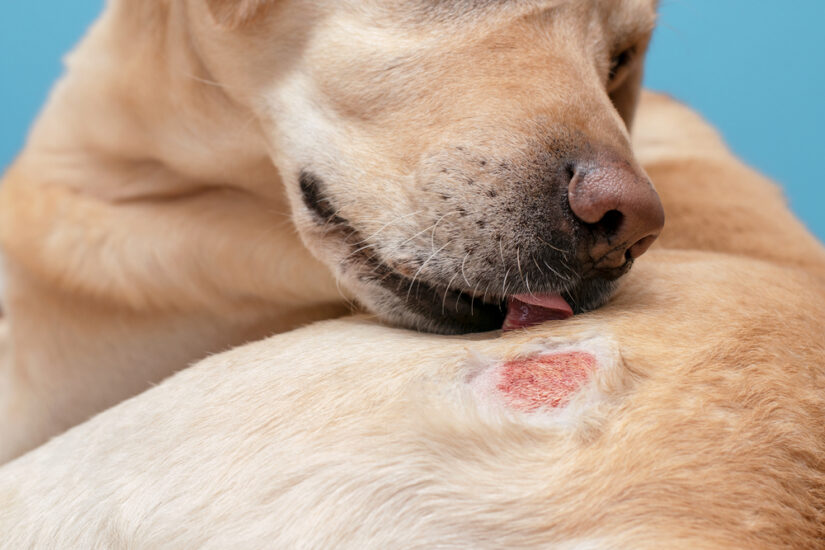
Dog licking a red irritated hot spot on its skin, showing a common canine skin condition

Dogs can experience a variety of skin conditions throughout their lives, and hot spots are one of the most common issues pet owners encounter. These painful, inflamed areas of skin can develop quickly and worsen just as fast if left untreated.

Normal dog behaviors like scratching, licking, or chewing can lead to a hot spot or intensify an existing one. That’s why identifying the cause early and treating it effectively is crucial. Not only does this help your dog feel more comfortable, but it also prevents more serious health problems from developing over time.

For pet parents, staying proactive about your dog’s hygiene and environment, something emphasized by Pet Butler’s commitment to cleaner, healthier yards and pets, can play a key role in reducing risks associated with skin irritations.

What Is a Hot Spot?

Hot spots, also known as Acute Moist Dermatitis or Pyotraumatic dermatitis, are localized areas of irritated skin that become red, inflamed, and sometimes raised. These spots often appear moist and may produce discharge, making them uncomfortable and painful for your dog.

Hot spots can occur anywhere on a dog’s body but are most commonly found on the head, neck, legs, and hips. They often begin as small irritations, sometimes mistaken for insect bites, but can worsen quickly and spread if not treated properly.

A dog’s natural instinct to scratch, lick, or bite at the irritated area can cause the spot to grow larger. While some mild cases may heal on their own, leaving them untreated can lead to infections or more serious skin conditions.

What Causes a Hot Spot?

Hot spots typically develop as a result of an underlying issue. When a dog repeatedly scratches, licks, or bites at their skin, it damages the surface and creates an ideal environment for irritation and infection.

Some dogs are more prone to hot spots, especially those with thick, dense, or long coats. These coats can trap moisture and hide developing irritations, making hot spots harder to detect until they become more severe. Matted fur can worsen the issue by holding moisture against the skin and increasing inflammation.

Hot spots are especially common during warmer months or in humid conditions, but they can occur at any time of year.

Common Causes of Hot Spots

  • Poor grooming habits, including dirty coats, excess fur, and matting
  • Moisture trapped on the skin from rain, snow, swimming, or bathing
  • Insect bites from fleas, ticks, mites, mosquitoes, bees, and wasps
  • Allergies, including food, seasonal, and flea allergies
  • Ear infections, often linked to water exposure
  • Stress or boredom leading to excessive licking
  • Heat rash from prolonged sun or heat exposure
  • Anal gland issues causing irritation near the tail
  • Age-related factors such as dry skin or arthritis

Older dogs may be especially vulnerable due to decreased mobility. Spending more time lying down can create pressure points on the skin, increasing the likelihood of hot spot development.

Pet Butler learn more about our services banner. We offer the following pet services: pet waste removal, pet care, pet shuttle, commercial services and more. Image is of a Pet Butler employees smiling and walking a golden retriever across the grass on a sunny summer day.

How Can I Treat Hot Spots?

How Can Veterinary Care Help?

While mild cases may seem manageable at home, consulting a veterinarian is always the best first step. A vet can identify the underlying cause of the hot spot and recommend targeted treatment to address both the irritation and any contributing conditions.

Waiting for a hot spot to resolve on its own can lead to worsening symptoms, infection, and recurring issues. If you notice bleeding, discharge, or rapid growth of the affected area, seek veterinary care immediately.

Your veterinarian may prescribe medications to treat both the hot spot and any underlying conditions contributing to it.

How Can I Treat Hot Spots at Home?

If your veterinarian approves home care, there are several steps you can take to help manage the condition and support healing:

  • Trim the hair around the affected area to allow airflow and reduce moisture
  • Clean the skin using pet-safe sprays, wipes, shampoos, or topical treatments
  • Avoid using human products unless specifically recommended by your vet
  • Use a cone or protective collar to prevent licking or biting
  • Monitor progress closely and contact your vet if the condition does not improve

How Can I Prevent Hot Spots?

Preventing hot spots starts with consistent care and attention to your dog’s overall health and hygiene.

Key Prevention Tips

  1. Maintain Regular Grooming: Brushing and bathing your dog helps prevent matting and removes dirt, debris, and allergens from their coat
  2. Keep Your Dog Dry: After swimming or getting wet, rinse your dog with clean water and thoroughly dry their coat to prevent moisture buildup
  3. Monitor Behavior: Watch for excessive scratching, licking, or chewing. Early intervention can stop a hot spot before it forms
  4. Stay Ahead of Allergies and Parasites: Use flea and tick prevention and address allergies early to reduce skin irritation
  5. Check Ears and Tail Area: Regularly inspect your dog’s ears and the base of the tail for signs of irritation or infection
  6. Provide Mental and Physical Stimulation: Exercise, playtime, and enrichment activities help prevent boredom-related licking
  7. Support Skin Health: Supplements like fish oil can promote healthy skin and reduce inflammation

Final Thoughts

Hot spots can be uncomfortable and even painful for your dog, but with early detection, proper treatment, and consistent prevention, they are highly manageable.

Keeping your dog clean, dry, and well-groomed plays a major role in preventing these skin issues. Maintaining a clean outdoor environment can also help reduce exposure to irritants, supporting your dog’s overall health and comfort.

By staying attentive to your dog’s behavior and well-being, you can catch problems early and prevent hot spots from becoming a recurring issue.

How Do Professional Pet Waste Removal Services Help Pet-Friendly Businesses?

Pet Safety Articles

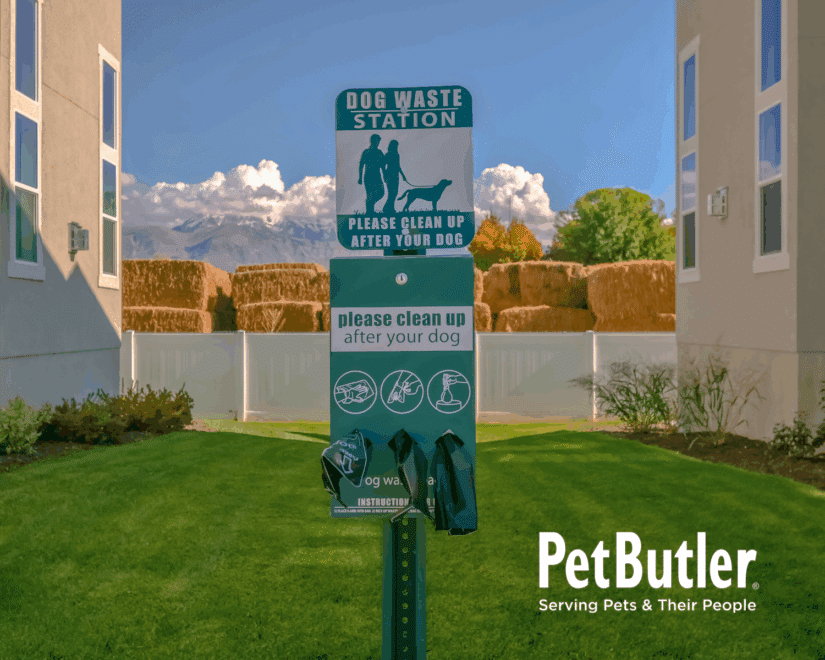
Pet Waste Station sign with please clean up after your dog note with bags

Creating a welcoming environment for pets can set a business apart — whether it’s a commercial office, retail space, or hospitality venue. But while pets bring joy, they also bring responsibilities, and managing pet waste is often one of the less glamorous but most important tasks. Professional pet waste removal services, like Pet Butler’s commercial services, help businesses stay clean, safe, and attractive without placing extra burdens on staff or tenants. 

From installing and maintaining dog waste stations to providing routine cleanup, these services make pet-friendly policies sustainable while enhancing customer and employee satisfaction. Let’s explore how professional services help businesses achieve these goals.

Why Outdoor Dog Waste Containers Are Essential

For any business that welcomes pets, outdoor dog waste containers and stations are more than just convenient amenities — they are crucial to maintaining a clean and professional environment. Without designated disposal points, pet waste is often left behind on sidewalks, grassy areas, or near entrances. This not only creates unpleasant odors but can also pose health risks and damage the appearance of the property. 

An outdoor dog waste container or pet waste station gives pet owners a clear, accessible way to dispose of waste properly. When combined with a bag dispenser, they reduce the likelihood of waste being left behind. Well-placed receptacles also send a clear message: this business values cleanliness, safety, and the comfort of all visitors. 

Beyond aesthetics, there’s a compliance factor. Some municipalities require commercial properties to provide dog waste trash cans or receptacles in designated areas. Businesses that ignore this responsibility may face fines or complaints. On the other hand, those that invest in pet waste stations demonstrate responsibility and create a positive impression among tenants, customers, and community members. 

Professional providers like Pet Butler make this even easier by handling both the installation and maintenance of dog waste stations. That means your property stays equipped with bags, emptied receptacles, and clean stations — without adding extra tasks for your team.

How Professional Pet Waste Removal Services Help Businesses

  1. A Cleaner, Healthier Environment 

Pet waste can carry harmful bacteria and parasites, including E. coli and roundworms, which can contaminate soil and water if left unmanaged. According to the CDC, exposure to dog waste can pose health risks to both humans and animals. By partnering with a professional removal service, businesses ensure waste is collected and disposed of safely, protecting their community from these risks. 

  1. Positive Customer and Tenant Experiences 

First impressions matter. No customer wants to step in dog waste on the way into a retail store, and no tenant wants to work in a commercial space where common areas smell unpleasant. A clean environment signals that the business cares about its visitors’ comfort. Companies that rely on services like Pet Butler can create welcoming spaces that attract and retain both customers and tenants. 

  1. Reduced Staff Burden 

Expecting staff to take on pet waste cleanup is often unrealistic and can lower morale. Professional providers step in to handle everything from routine pickups to station upkeep, freeing employees to focus on customer service and business operations. This not only improves efficiency but also ensures that pet waste is managed consistently. 

  1. Professional Installation and Maintenance of Waste Stations 

Setting up waste stations might sound straightforward, but placement, durability, and long-term maintenance require expertise. Professional providers not only install dog waste stations but also maintain them—refilling bags, emptying bins, and ensuring everything stays functional. Businesses don’t have to worry about complaints due to overflowing or broken receptacles because a reliable partner handles the details.

Man walking a dog in a park.

Cost-Effectiveness and Long-Term Value

Some businesses hesitate to invest in pet waste removal, assuming it’s an unnecessary expense. In reality, the costs of neglect are often higher. Complaints from tenants, negative customer experiences, potential fines, and the need for emergency cleanups all add up. 

By investing in a professional service, businesses lock in predictable, affordable rates while protecting their property’s reputation. Services like Pet Butler’s commercial services are designed to be scalable, serving properties of all sizes — from small office parks to large retail spaces.

Choosing the Right Service Partner

When evaluating a pet waste removal partner, businesses should look for: 

  • Comprehensive services (pickup, disposal, and station maintenance) 
  • Experience with commercial properties of all sizes 
  • Eco-friendly practices where possible 
  • Transparent pricing that fits the budget 

Luckily, Pet Butler can ensure you receive all of these benefits when you sign up for our commercial services to keep your property appealing, safe, and most importantly, pet-friendly!

Pet Butler learn more about our services banner. We offer the following pet services: pet waste removal, pet care, and commercial services. Image is of a Pet Butler employee smiling and laughing hugging a white Labrador retriever dog.

FAQs About Pet-Friendly Spaces

How often should pet waste removal services be scheduled for businesses?

The ideal frequency depends on your property’s size, foot traffic, and the number of pets onsite. Many commercial properties benefit from weekly service, while high-traffic areas like commercial spaces or dog-friendly retail centers may require multiple visits per week. Professional providers like Pet Butler can recommend a customized schedule to keep your property consistently clean.

Do pet waste removal services also provide dog waste stations and supplies?

Yes. Professional providers don’t just remove waste — they also install and maintain dog waste stations. This includes supplying bags, emptying dog poop receptacles, and ensuring stations remain functional and sanitary. With full-service support, businesses never have to worry about running out of supplies or overflowing bins.

What are the health risks of leaving dog waste unmanaged?

Pet waste can contain harmful bacteria, parasites, and pathogens such as E. coli, giardia, and roundworms. If left on the ground, it can contaminate soil and water, creating risks for both people and pets. Professional waste removal ensures safe collection and disposal, protecting the health of tenants, employees, and visitors.

Is hiring a professional service more cost-effective than handling cleanup in-house?

Absolutely. While it may seem cheaper to assign cleanup to staff, it often leads to inconsistent results, lower employee morale, and hidden costs from emergency cleanups, fines, or tenant complaints. Professional services provide predictable pricing, reliable scheduling, and long-term value — saving businesses money and stress.

What types of businesses benefit most from pet waste removal services?

Any pet-friendly property can benefit, but common examples include commercial office buildings, retail spaces, veterinary clinics, restaurants and hospitality venues. These businesses see improved curb appeal, higher tenant and customer satisfaction, and easier day-to-day management when professional services are in place.

The Final Scoop

As more businesses embrace pet-friendly policies, the importance of managing pet waste responsibly cannot be overlooked. Outdoor containers properly maintained stations, and routine cleanup make all the difference in protecting health, improving experiences, and projecting professionalism. 

With the help of professional partners like Pet Butler, businesses can ensure their properties remain clean, safe, and welcoming — while reducing staff workload and avoiding costly issues. 

Creating a pet-friendly space should be about joy and community, not constant cleanup. With the right support, businesses can truly have the best of both worlds.

Flexible Scheduling for Pet Waste Removal: Finding the Right Scoop for Your Needs

Pet Health Articles

Pet Butler professional scooping dog waste in a customer’s yard.

When it comes to keeping your yard clean and safe, pet waste removal isn’t just about convenience — it’s about consistency. At Pet Butler, we know every pet owner’s routine is different. That’s why our scheduling options are designed with flexibility in mind, making it easier than ever to stay on top of yard cleanup without the stress. 

Whether you need weekly visits, seasonal cleanups, or a one-time scoop before a big event, our goal is to provide a service that works around your lifestyle, not the other way around. 

Why Scheduling Matters in Pet Waste Removal

Pet waste is more than a nuisance. Left on the ground, it can harm your lawn, attract pests, and spread bacteria and parasites. According to the CDC, dog waste is a significant source of harmful pathogens that can make both pets and people sick. Regular removal helps protect your family, your pets, and your yard. 

That’s where scheduling comes in. A consistent service plan ensures that your lawn stays clean, odor-free, and safe for playtime. By tailoring your pickup schedule to your household’s needs, Pet Butler helps you maintain a healthier and more enjoyable outdoor space.

How Scheduling Works at Pet Butler

To make sure every yard gets reliable service, each zip code is assigned a regular service day. When you sign up, our system automatically shows you what day we service your area, so you’ll know exactly when to expect us. 

Most new customers are scheduled for their first visit on their next available service day — for example, if your zip code is serviced on Fridays and you sign up on Monday, your first visit would be that same Friday. 

If you need service sooner, our Call Center team (1-800-PET-BUTLER) will do their best to check with local Field Operators to see if an earlier visit is possible. While this isn’t always guaranteed, we’ll always try to find a solution that works for you.

Flexible Scheduling to Fit Every Lifestyle

No two pet owners are the same, so why should your service be? At Pet Butler, you can choose the schedule that works best for you: 

  • Twice-a-week service – Ideal for households with multiple dogs or busy yards. 
  • Weekly service – Our most popular choice, ensuring consistent maintenance. 
  • Bi-weekly or monthly service – For smaller households or budget-conscious schedules. 

Our services offer true flexibility—you can start, stop, or adjust your service whenever you like, with no long-term contracts required. And of course, if your needs change—like welcoming a new puppy or adjusting travel plans—you can modify your schedule with ease.

Woman from the Pet Butler call center smiling while wearing a headset and looking at her computer.

One-Time Cleanups: Season, Special Occasions and More!

While many pet owners prefer the consistency of scheduled service, sometimes all you need is a one-time pet waste cleanup. At Pet Butler, our one-time offering is designed to give you flexibility when life doesn’t follow a routine. 

One-time cleanups are perfect for: 

  • Seasonal refreshes – After a long winter or before the heat of summer, a one-time visit helps reset your yard for the season ahead. 
  • Special occasions – Hosting a barbecue, graduation, birthday, or even a wedding in your backyard? We’ll handle the waste removal so you can focus on entertaining. 
  • Real estate showings – First impressions matter. A spotless lawn makes your property more appealing to buyers. 
  • Post-vacation returns – Coming home to days or weeks of waste can be overwhelming. A one-time scoop takes the stress away. 
  • Quick-turnaround needs – While we don’t offer traditional “on-demand” service, many Pet Butler locations can provide cleanups within “X” hours, depending on technician availability. Think of it as “on-demand” peace of mind, with transparent scheduling. 

With a one-time poop scoop, you get the same thorough, professional service as our recurring plans—just without the ongoing commitment. It’s a flexible solution that works around your lifestyle, whenever you need it.

Why Choose Pet Butler?

Pet Butler has been providing reliable, professional pet waste removal for over 30 years. With a nationwide franchise network, we combine local service with a trusted brand reputation. Every location shares the same mission: to take the dirty work off your hands so you can enjoy more time with your pets. 

When you choose Pet Butler, you get: 

  • Trained and insured technicians. 
  • A scheduling system that keeps your services reliable. 
  • Flexible service options, including ongoing programs and one-time cleanups. 
  • The confidence of working with an experienced team dedicated to customer satisfaction. 

If this sounds like a good fit for you and your pup, we’d love to welcome you to the Pet Butler family.

Pet Butler learn more about our services banner. We offer the following pet services: pet waste removal, pet care, and commercial services. Image is of a Pet Butler employee smiling and laughing hugging a white Labrador retriever dog.

FAQs About Scheduling Pet Waste Removal

How flexible is scheduling?

Very! Pet Butler offers weekly, bi-weekly, monthly, or custom schedules, depending on what works best for you. Our system automatically assigns you to a service day based on your zip code, and you can pause or adjust service as your needs change.

Do I need to be home during service?

Nope! As long as your yard is accessible, our technicians can complete your service whether you’re home or away. Many customers love this convenience — it’s one less thing to worry about.

Can I change my schedule later?

Absolutely. If you ever need to move or skip a service, just give us a call at 800-PET-BUTLER at least 48 hours in advance. Whether you’re heading out on vacation or your pup won’t be around, we’ll gladly pause your service. We’ll return on your next scheduled visit—or whenever you let us know you’re ready to resume.

What if I need a last-minute cleanup?

Because service is routed by zip code, same-day or 24-hour turnaround is not standard. If you sign up mid-week, your first cleanup will typically occur on your assigned service day (e.g., sign up Monday, service Friday). In some cases, the call center may be able to check with field operators to see if an earlier cleanup is possible, but this depends on technician availability. 

The Final Scoop

A cleaner yard isn’t just nicer — it’s healthier for your pets, your family, and the environment. With Pet Butler’s flexible scheduling options, you can choose between consistent weekly visits or one-time cleanups that fit your lifestyle. 

From seasonal refreshes to routine maintenance, Pet Butler makes it easy to enjoy your outdoor space — without the mess. 

Because a clean yard means more time for what matters most: enjoying life with your pets. 

Why Picking Up Dog Poop Is Important for Your Lawn, Health, and the Environment

Pet Health Articles

Pet owner picking up dog poop from grass with a bag while her Yorkie stands nearby on a leash.

Dogs bring love, laughter, and loyalty into our lives — but unfortunately, they can’t clean up their own poop. One of the most overlooked chores is picking up dog poop. Leaving it behind can damage your lawn, harm the environment, spread disease, and even put your pet at risk. So, although it’s not our favorite thing to do, here’s why cleaning up after your dog matters and how to do it correctly.

Is dog poop bad for the environment?

Yes, dog poop is bad for the environment. While it may seem harmless compared to other types of waste, it carries several risks. When left on the ground, rainwater can wash it into storm drains, which often flow directly into rivers, lakes, and oceans without being treated. This introduces harmful bacteria, parasites, and excess nutrients into waterways, which can throw natural ecosystems off balance. This pollution can lead to:

  • Water pollution and algae blooms
  • Harm to fish, plants, and other wildlife
  • Soil contamination that lingers for months

The Environmental Protection Agency (EPA) classifies pet waste as a pathogen source, putting it in the same category of concern as oil spills, toxic chemicals, and other major pollutants. This means that something as common as uncollected dog poop can have consequences far beyond an unsightly lawn or unpleasant smell.

Does dog poop fertilize or kill grass?

No, dog poop does not fertilize grass — it actually kills it. Not that we like the smell of it either, but cow manure contains essential plant nutrients, making it vital for healthy plant growth, while dog feces are acidic and high in nitrogen due to a protein-rich diet. When left on your lawn, it can:

  • Burn and discolor grass within days
  • Cause brown patches and dead spots
  • Spread harmful bacteria into the soil
Green bag containing dog waste placed on the grass.

Can dog poop make you sick?

Yes, dog poop can make both humans and animals sick. We might never understand a dog’s fascination with other dogs’ poop, but when dogs sniff, lick, or ingest contaminated feces, they can contract dangerous illnesses. Also, children and people with weakened immune systems are at higher risk of infection if they come in contact with contaminated poop.

Common diseases from dog feces and urine:

  • Parasites: Roundworms, hookworms, Giardia, coccidia
  • Bacteria: Salmonella, E. coli, Campylobacter
  • Viruses: Parvovirus in dogs, which spreads through feces

There aren’t many ways to tell if a pile of poop is contaminated — even healthy-looking dogs can carry and spread pathogens in their waste. This is why it’s important to clean up after your dog to keep other animals and humans risk-free.

How to dispose of dog poop the right way:

Can you put dog poop in the trash?

Yes, putting dog poop in the trash is completely fine. The key is to make sure it’s bagged properly. Using a secure, sealed bag prevents odors, keeps pests away, and stops bacteria or parasites from spreading once it’s in the garbage. After bagging, you can place it directly into your outdoor trash bin or, if you’re at a park or public space, into an approved pet waste station.

Best way to clean up dog poop in your yard:

  • Use biodegradable bags or a pooper scooper – The right tools make clean-up quick and sanitary. Biodegradable bags are a great eco-friendly option since they break down more easily in landfills, while a sturdy pooper scooper helps you keep your hands (and nose) at a safe distance.
  • Dispose of waste promptly – Don’t let it sit. The longer pet waste remains in your yard, the more time bacteria and parasites have to spread, and the stronger the odor becomes. Regular clean-up also prevents waste from being tracked into the house by shoes or paws.
  • Avoid leaving poop to “break down” naturally – While it may seem like a convenient solution, dog waste doesn’t decompose the same way as leaves or grass clippings. Harmful bacteria, viruses, and parasites can remain in the soil long after the poop has vanished, putting kids, pets, and even your lawn at risk.
  • Wash your hands afterward – Even with tools and bags, it’s smart to wash your hands thoroughly after handling pet waste. This simple step helps protect you and your family from potential germs.
Pet Butler learn more about our services banner. We offer the following pet services: pet waste removal, pet care, and commercial services. Image is of a Pet Butler employee smiling and laughing hugging a white Labrador retriever dog.

How often should you pick up dog poop?

Pick up dog poop as soon as possible. Yes, this also applies to small dogs — contamination doesn’t have a size guide! For a single dog, aim for at least once a week; for multiple dogs, clean up more frequently to avoid buildup. Don’t worry, if you’re struggling with finding time to pick up the dog waste, you can hire a professional like Pet Butler.

Why choose Pet Butler for pet waste removal?

Pet Butler has been keeping yards clean, healthy, and safe for decades, giving pet owners peace of mind while saving them time and effort. Picking up after pets is one of those chores that nobody enjoys, yet it’s a responsibility that can’t be ignored. Left undone, it doesn’t just affect the look and smell of your yard; it can also pose real health and environmental risks.

So why suffer through a chose you hate when we offer:

  • Flexible scheduling to fit your needs
  • Affordable, transparent rates
  • Eco-friendly disposal methods
  • A satisfaction guarantee with every visit

Call 1-800-PET-BUTLER today to schedule your first cleanup and enjoy a cleaner, healthier yard without the hassle!

How much does dog waste removal service cost?

The cost depends on your location, yard size, and visit frequency. Pet Butler offers competitive scooper service prices, flexible scheduling (from twice a week to once a month), and a satisfaction guarantee — so you only pay for work you’re happy with.

FAQ: Quick Answers About Dog Waste

Does dog poop decompose naturally?

Yes, but harmful bacteria can linger in the soil for months.

Can dog poop harm gardens?

Yes, it can damage plants and contaminate soil.

How do you dispose of large amounts of dog poop?

Bag it in smaller amounts and place it in the trash or use a professional removal service.

Is dog poop toxic to humans?

Yes, it can transmit bacteria, parasites, and viruses that cause illness.

Find a Pet Butler 800-Pet-Butler