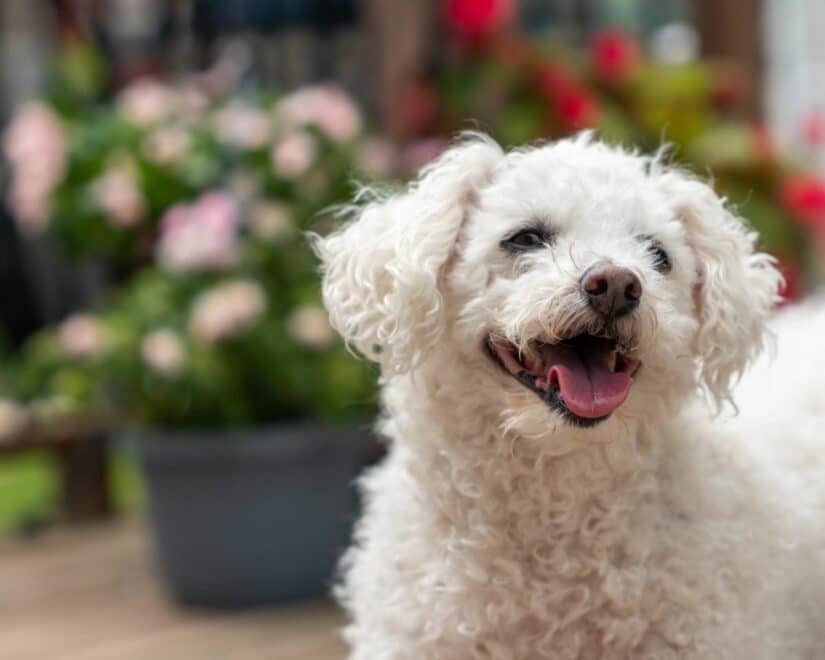
Training Tips for Your Dog

Dog Behavior Articles

PBC Training Tips Blog 1500x1200

As a “pet parent”, it can be easy to overlook some behaviors that others find undesirable and that may cause you occasional grief. To be a good citizen of the world, safeguard your pet around other dogs and humans, give them a “job” and mental stimulation, and receive the maximum enjoyment pet ownership can provide, it is vital to train your dog with skills needed to operate in a domesticated setting.

While it is easier to teach a puppy new tricks, dog training is necessary and ongoing at every age. Whether you participate in dog training classes, seek out a professional dog trainer, or watch training videos, here are skills every dog owner should teach their dog.

Dog Training Methods

Dogs are intelligent, social creatures and training provides them with the tools to lead safe, happy, and enriched lives and deepen bonds with their humans and other animals. No two dogs are identical, so their training instruction should be tailored based on health, age, personality, breed, lifestyle, and specific tasks.

We are constantly learning more about how dogs perceive rewards and punishment, their psychology, and their relationship with their owner and other animals. Consequently, through the years training methods and tools have evolved. Here are some of the most common training methods:

Positive Reinforcement

This type of training relies on positive reinforcement to increase the probability that the desired behavior will occur. Did your dog sit on command? Give them a tasty treat! Come when called? Load on the praise!

Some trainers will use a clicker in addition to a reward when a dog performs the behavior. The dog will learn to associate the “click” with the behavior and reward with consistency and practice. Over time, they get the same dopamine release from the click as a food reward, conveniently shaping behaviors for zero calories.

Operant Conditioning

Operant conditioning utilizes the principles of differential reinforcement of alternative behaviors, negative reinforcement, negative punishment, and positive punishment.

· An example of reinforcing an alternate behavior may be rewarding your dog who stays put on its bed when the doorbell rings. By encouraging that behavior with a treat, you are making the alternate, less desirable behavior of rushing the door less likely to occur.

· A counter-surfing dog who steals food from the table could be negatively reinforced by removing all food, so there is no more motivation to surf.

· One common form of positive punishment is the electronic collar. For example, the dog receives a shock or stimulation when barking. With the hands of a professional trainer and the right dog, e-collars can eliminate unwanted behaviors and train desired ones. They also can tremendously cause psychological and physical harm to a pet if misused and should only be considered if guided by a professional.

Dominance Training

Dominance-based training has declined in popularity in recent years. This method is based on studies of captive wolf packs, which may not resemble the social structures of domesticated dogs at home. Owners must be the “alpha” of the household – going first through doorways, denying pets access to furniture, and never meeting them at eye level. The philosophy behind this method works to curb bad behavior in some dogs but does little to identify the root cause of the behavior, which can lead to stress and fear in the pet.

The Most Popular Training Method
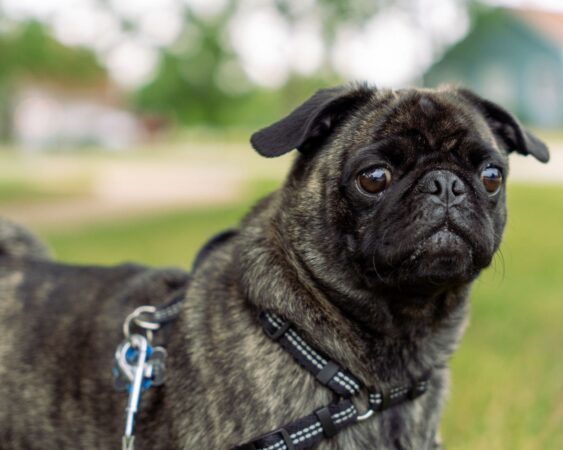
PBC Dog Training Options Blog 1500x1200 min

The most popular and effective training method combines positive reinforcement with operant conditioning. The Certification Council for Professional Dog Trainers relies predominantly on this training method. The council determined that dogs respond best to the “most positive, least intrusive” strategy to achieve training goals or alter behaviors. Professional trainers often start with the question, “What do you want the dog to do?” and employ humane tactics in a hierarchy to achieve that goal.

Important Skills to Train Your Dog

Socializing Your Dog

One of the most important skills to teach your puppy is how to be social. While it may seem that dogs, as pack animals, would inherently seek and enjoy the company of others, this is not always the case. A critical developmental window exists from 4 to 14 weeks and puppies who are not exposed to other dogs, little humans, loud humans, and hat-wearing humans during this period may become unaccustomed and fearful of interactions later in life.

Most training techniques, especially at this age, include positive reinforcement. Whether your puppy is motivated by food or affection or a special toy, it’s best to reward them with their favorite thing while in the presence of other dogs and people of all shapes, sizes, and volumes.

House Training

House training, when done correctly, is simple as it speaks to the dog’s instinctual need to keep their den clean. For puppies and adult dogs, the best training tool for housebreaking will be a sturdy wire crate that is just large enough for the pup to stand up and turn around. Crates can be soft sided or plastic and hard sided if you and your dog prefer, but I like the collapsible metal crates with a removable pan that I can move around the house, easily clean, and modify in size as the dog grows.

Dogs can be fed in their cozy kennel or presented with a delicious treat every time they enter their crate. As soon as you open the crate door, expect to take your pup to eliminate in a consistent spot outside and use a command such as “potty”. When immediately rewarded for urinating or defecating outside, and by catching them immediately inside and correcting the mistake, house training can take just a few weeks.

Basic Commands: Sit, Stay, Come, & Leave it

Sit, stay, and come are the three most common commands taught in beginner classes and are the foundation for further skills training and behavior modification programs. By teaching your dog to sit and stay, their minds become engaged and they learn deference to the human at the end of the leash. When a dog’s role is clearly defined in the “pack” and social order is established, it’s reassuring and permits them to relax, gain confidence, and focus.

From a safety perspective, sit, stay, and come are often used when guests are welcomed into the home, or during an emergency such as car or aggressive animal heading toward a loose pet. If a dog can consistently be recalled on or off leash, it can be the difference between life and death.

Leave-it is an oft used command in our house and in the animal assisted therapy work I do at the local hospital. When an object is dropped on the ground (think grapes or a chicken bone) or you come across something you want your dog to ignore and not ingest or approach (bandage material or a skunk), leave-it gives your dog the message to back away for their own good!

Training your dog to go to its place, bed or kennel is done by having your pet in a sit and stay in a specific location while giving the command and a food reward. This command will help you to position your dog for sleep, when the doorbell rings, it’s dinnertime and you don’t want distraction, or to keep your pet away from open doors or guests who may not want slobbery kisses.
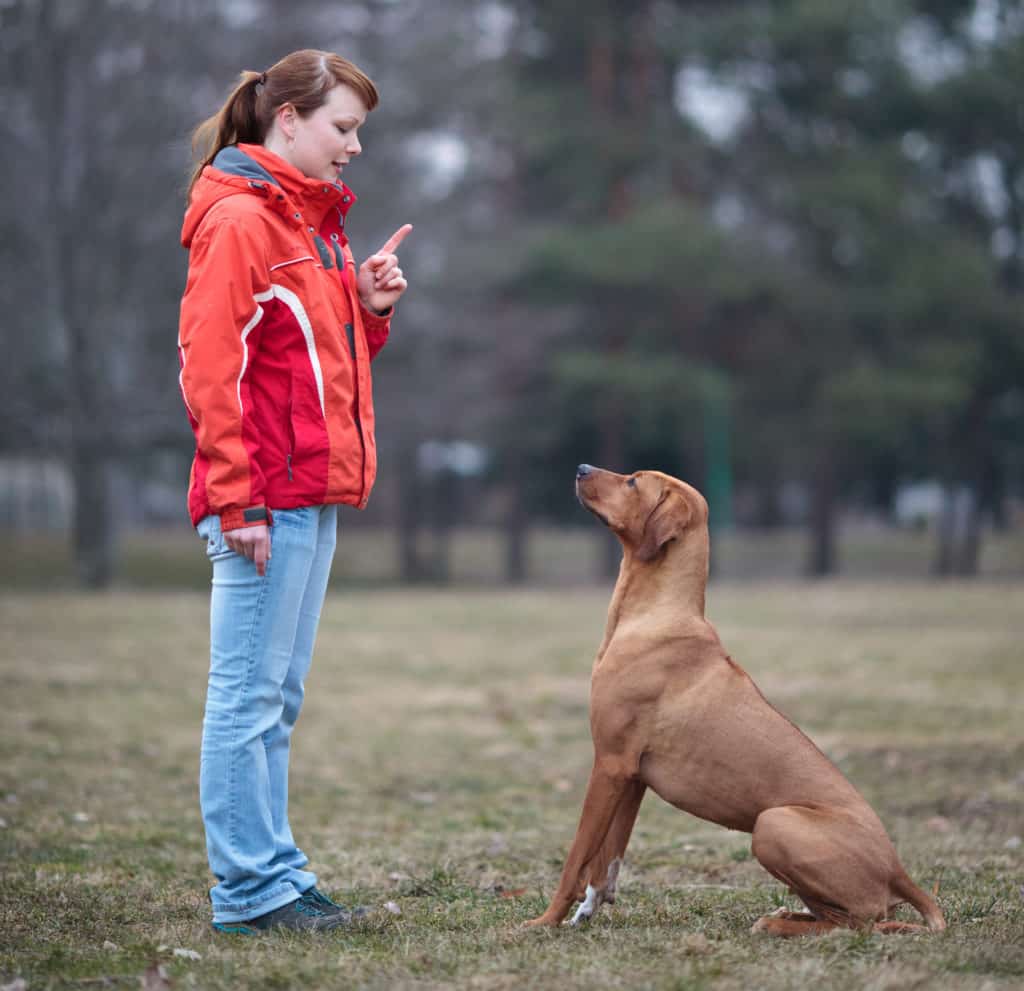
pet training

Correct Behavioral Issues

Barking, chewing, digging and counter surfing, all of which can be the bane of dog owners everywhere. Learn more about how to correct common dog behavior problems.

Keys to Successful Training

Age-Appropriate Activities

Puppies have shorter attention spans than older dogs, so the key to their training is to keep it fun and engaging. They typically stay engaged for up to 5-minute periods, interspersed with naps and physical exercise.

Tips for training puppies:

· Use kibble or tiny treats to reward actions.

· Work with your pet 3-4 times daily.

· Use walks to practice skills and commands.

Older pets are just as teachable as young puppies. However, motivation, agility, and endurance may differ due to joint, vision, and hearing changes. Also, remember that an older pet who is new to your home may have had past experiences that impact their behavior and openness to some training methods. For example, a dog that a previous owner loudly scolded might be frightened of loud noises, even if in the form of praise. When working to change the behaviors of an older pet, such as destructive chewing, biting, resource guarding, or jumping, it may be best to work with a professional one-on-one.

Choose the Right Environment

The environment for training should be conducive to successfully teaching a skill by adding or eliminating distractions or cues. In some cases, this may mean bringing your pet to a group class if the skill you’d like to teach is recalled in the presence of other pets.

In other cases, it may mean individualized training to teach tracking and beginning training with a high-value, pungently scented object. Are you trying to stop your dog from barking at the mailman? By closing the blinds, you’ve altered the setting, eliminated the stimulus, and changed behavior in a minimally intrusive way!

Be Consistent

Whether you hire a certified dog trainer, do it yourself, or attend a group class, consistency and follow-through are essential. Have every member of your family involved in training, so your pet receives reliable cues, responses, and outcomes each time they perform a behavior.
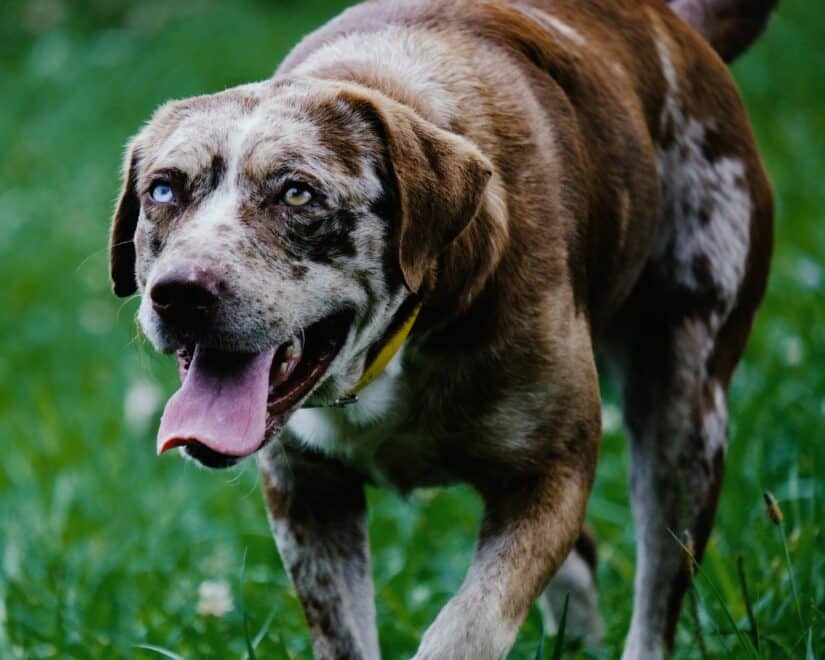
The Ultimate Guide to Keeping Your Senior Dog Active and Healthy

Dog Activities Articles

PBC May 23 Blog 1500 × 1200 px)

The Key to Aging Well

We often wonder what we can do to help our aging furry friends stay healthy and happy. The keys to aging well for senior pets are no secret: a good diet, exercise, and mental stimulation, including social interaction, all play a crucial role in their well-being. The age at which dogs enter their golden years is influenced by factors like breed, size, and environment.

Although most pets are considered seniors at around seven years old, the age range can vary from 5-10 years. Smaller breeds and mixes tend to live longer than larger dogs. So, how can we improve the quality of life for our senior pets through exercise and enrichment?

Health Conditions Affecting Exercise

Before starting any new exercise program with your senior dog, it’s essential to have a veterinary assessment including bloodwork, thyroid screening, urinalysis, and fecal testing, to ensure they receive the best diet and exercise recommendations. Your vet can also suggest charts to monitor your dog’s body condition, muscle mass, and pain scale at home. Changes in these scores may indicate a need to adjust your dog’s exercise routine. Keep an eye out for weight gain, loss of muscle mass, limping, soreness, joint sensitivity, fatigue, licking of joints, or slow movement, as these can indicate pain and soreness.

It’s valuable to understand the variety of health complications that can arise as your pets grow older and their role in this challenging subject. Many times, weight gain in senior pets is caused by a purely medical reason. Among a few medical ailments, two of the most common illnesses we see in older pets surrounding weight gain are hypothyroidism and hyperadrenocorticism (Cushing’s disease).

Hypothyroidism

Hypothyroidism is a condition wherein your pet’s thyroid gland, a gland that produces metabolism-controlling hormones, is underactive. When the thyroid produces too little of these metabolic hormones, weight gain and other symptoms can develop. It’s especially prevalent in larger dogs.

Cushing’s disease

Cushing’s disease impacts the body in a similar manner. With this endocrine disorder, often caused by overmedication, too much cortisol is being produced or administered to your pet. This steroid also controls metabolic rates and other bodily functions and can result in systemic weight gain.

Arthritis

Arthritis is also prevalent in older pets. Carrying extra weight compounds the stress on joints making movement more painful, decreasing the ability to exercise and causing more weight gain. Ouch!

Heart or respiratory disease

Heart or respiratory disease can cause your senior pet to gain weight. It can decrease your dog’s exercise tolerance making weight loss an even greater uphill battle.

Weight Loss Tips for Senior Dogs

PBC Obesity in Senior Dogs 1000x800

The bottom line is that these weight-related issues often arise secondary to other factors, and it’s best to seek assistance from your trusted pet professionals to understand exactly what changes are happening to your pet. Fortunately, there is a myriad of ways you can support your pet in their later years, like changing feeding and exercise behaviors and treating any underlying health concerns.

Assess your pet’s food

In addition to determining appropriate caloric intake, look at the nutritional breakdown of the food you’re providing your companion. You’ll want to purchase premium adult formulas, watching out for artificial additives, preservatives and other chemicals that might be thrown into the mix.

For older dogs, look for products that are high in protein, medium in fat and low in carbohydrate composition. Protein strengthens the immune system and supports the central nervous system, benefits of which are highly valuable to our aging pets.

Dog food that contains omega-3 fatty acids can help reduce inflammation, and dog food with glucosamine and chondroitin can help prevent arthritis in large-breed dogs.

Monitor water intake

On a similar note, it’s important to monitor the amount of water your pet is drinking. If you’ve noticed an excessive intake of water by your aging pet, this could be indicative of liver, kidney or endocrine disease. As with anything, moderation is key. Too much or too little intake of fluids should raise concern and should be discussed with your veterinarian.

Maintain an exercise routine

In an ideal world, your pet’s exercise behaviors and general activity shouldn’t decline as they age. For dogs, two 30-minute walks a day should be a part of your daily routine. If that’s not the case, incorporate walks or find other ways to exercise your dog’s body and mind. Not only will this combat aging-induced weight gain, but it will also enhance their metabolism and provide mental stimulation.

If your pet is struggling to keep up while exercising, start with shorter, slower walks with plenty of breaks so they can catch their breath. Make sure the ambient temperature is comfortable for your dog, too. Incorporate some hills and bursts of speed as they build strength and duration.

A great alternative to walking for older dogs is swimming. Not only is swimming a full-body workout but it’s also easier on their body, specifically their joints. As a low impact, non-weight bearing form of exercise, swimming is a fantastic way of elevating metabolism, decreasing inflammation and enhancing circulation in your pup. There’s no shame in putting your dog in a life vest for safety, as doggy paddling isn’t an inborn ability!

Tips for Safe and Effective Exercise

Once your veterinarian has given the green light to a new exercise routine, it’s important to gradually increase the intensity and duration and make sure to take plenty of water and rest breaks. To ensure your senior dog can safely participate in physical activities, consider using ramps instead of stairs, providing soft bedding, and walking or running on grassy surfaces.

Since older pets are at a higher risk of injury and may be less adaptable, it’s best to avoid abrupt movements, tug-of-war games if they have oral pain, or exercising in extreme temperatures. Additionally, warming up with a light walk or jog and cooling down for 5-10 minutes can be helpful. Muscle massage and passive range of motion exercises can keep your senior dog limber and reduce lactic acid buildup, which can speed up recovery time.

Blog Cta Graphic (1)

Adapting Canine Sports

With proper conditioning, your senior dog can still participate in exercises and sports they’ve always enjoyed, including walking, running, hiking, and swimming. Swimming, in particular, is a great low-impact exercise option. However, seasonal activities may require extra pre-season training to re-establish muscle strength and stamina, so allow 6-8 weeks for conditioning. A sports and rehab vet can recommend specific exercises tailored to your pet’s needs, like balance board work or underwater treadmill therapy.

Many canine sports have senior dog offerings modified for their abilities, such as shorter distances in lure coursing or lower jump heights and broader spacing in agility competitions. Your older dog’s other senses, such as smell and sight, maybe just as acute as a younger dog, making field and hunting trials, scent work, obedience, or trick classes great activities for you to enjoy together.

Mental Enrichment

In addition to physical exercise, mental stimulation is equally crucial in enhancing the quality of life of your senior dog. You can explore various activities to provide new and exciting experiences to your furry friend. For instance, you can visit pet-friendly establishments or join a therapy dog group after certification. Occasionally visiting assisted living communities can also be a great idea. You can also try food puzzles or introduce toys with different textures to keep your senior dog engaged. Taking your dog on a new walking path and allowing them to sniff and explore at their pace is also a great way to stimulate their mind. Additionally, getting a new pet can rejuvenate your older dog’s mental state and reignite their enthusiasm for life. As your dog grows older, keep finding creative ways to strengthen your bond and enrich their life.

At Pet Butler, we want you to be able to focus on your pet’s health and livelihood. Let us take care of the dirty work. We offer poop scooping services that can occur weekly, every other week or monthly. Find a local Pet Butler near you or call 1-800-PET-BUTLER to learn how we can help your dog lead a happier, healthier life.


Dog Breeds Original Jobs & What They Were Meant To Do!

Dog Behavior Articles

dog breeds job

In my lifetime, I have owned 5 dogs. Who am I kidding? They have really owned me! But one of our current pets, Luna, is the first dog who has officially had a dog job. While I wish it was one that generated income, her “position” as an Edward Hospital Therapy Dog is one that I am proud of and I know we both adore. She gets a blissful look on her face as she gently places her muzzle on a patient’s bed, eager for a stroke on the head or behind the ear. I can hear the visitors in the room exclaim that her social call was the best part of their loved one’s day, a break in the monotony of the hospital stay and a respite from pain and anxiety. As her “person”, it is equally rewarding to know that Luna is doing what she was born to do: act as an ambassador for pets everywhere, spread joy, and bask in the loving attention she craves and receives.

While not every dog has the temperament, patience, gentleness, and intelligence to be a therapy dog, every dog needs a job. More dogs are surrendered to shelters due to behavioral difficulties than for any other reason; many times, these behavioral issues are preventable with the correct training, owner expectations, and giving the dog a purpose beyond eating and sleeping. Hundreds of years ago, dogs were bred to fulfill certain duties. They are genetically coded to perform these tasks. If not “working”, dogs can become depressed, destructive, and anxious. Let’s talk about what some types of dogs were originally bred for and what jobs they are suited for in 2018.

Dog Breeds Original Jobs

German Shepherds: This dog breed is known for their intelligence, courage, confidence, the ability to learn commands for many tasks, and the willingness to put their life on the line in defense of loved ones. They are agile, muscular, and speedy! Originally bred to herd sheep, they are known as “one-man” dogs due to their fidelity and loyalty. Because they can assimilate and retain training for multiple purposes, they are often used as service dogs, police dogs, sentinels, and in obedience work.

Terriers: The terrier group dog breeds ranges from the tall, Airedale Terrier, fitted with a wiry coat and a long head to the more compact West Highland White terrier and Parsons terrier. The group is known to be friendly, hardy, possess a keen intelligence, alertness, and a stubborn streak; they don’t back down when protecting their home and can be clever, relentless, problem solvers. Depending on their size, they were used to hunt fox, rodents, and other creatures both above and below ground.

Larger Terrier dog breeds have been used in duck hunting and big-game hunting, herding, guarding, and fighting (the American Staffordshire terrier, or the pitbull terrier). They have a strong prey drive, and it is best to work with those natural tendencies to roam and hunt when giving them work to do. Underemployed terriers are exceptional at digging out of their yards, barking, becoming anxious and aggressive and generally causing mayhem until the attention and activity they seek is received.

Coonhounds: These speedy and compact hunters have a baying bark and were developed in America to find the trail of warm-blooded prey. Unlike sighthounds such as whippets and greyhounds, they use their noses to track a scent that may be days old. They hunt racoons at night, and have a high level of endurance and courage, chasing their prey until out of reach in a high tree. Today, scent hounds are used as drug detection dogs, in search and rescue operations, and in tracking and hunting for pleasure. Without anything to do, a hound will use its voice to serenade the neighborhood for hours and can tear apart a sofa looking for a singular potato chip.

Border Collies: Another of the herding dog breeds developed in Wales and the rocky Scottish Highlands, these extremely intelligent, obedient, nimble, workaholics are high energy and need a purpose. Beware the bored border collie! Best suited to active families or someone invested in training and enjoying sport, they are athletic dogs who thrive when playing frisbee, doing agility work, herding, and running. Without work, they become anxious, restless, and destructive, chewing holes in walls, scraping, digging, and herding people, not animals.

Golden Retrievers: First bred in Scotland to retrieve fowl, Golden dog breeds have an instinctive love of water and are easy to train because of their intelligent, gentle nature. They are active and fun-loving with the patience befitting a dog bred to sit quietly for hours in a hunting blind. They come in a variety of golden shades, from nearly white to a rust gold, and make poor guard dogs because they are affectionate with kids and adults alike! They can be found trailing their human companions looking for affectionate wherever they go.

Because of their exceptional temperament, adaptability, and trainability, they are often used as service dogs, acting as the eyes or ears for their charges, and are equally suited for animal assisted therapy work. They can be seen in the halls of VA hospitals and in schools, where they participate in reading and other educational programs. They are great dock divers and excel competing in the obedience trials. Without work, expect a Golden to dig, bark and create a job by retrieving socks, stuffed animals, and unsuspecting backyard critters.

I’m hoping you can sort out your dog’s genetically coded tendencies and work with, not against them, to have a happy, employed pup who is an asset to your family and maybe even community!

Originally published by Dr. Lisa McIntyre on May 10, 2018.

Source: https://www.akc.org

Puppy Playtime: How to Keep Your Pet Active and Engaged

Dog Activities Articles

June Blog

The First 48 Hours

Welcoming a new puppy can be both exhilarating and chaotic. In the first 48 hours, you can expect to clean up many accidents, but there will also be plenty of opportunities for napping and snuggling with your new furry friend. You will want to contact your veterinarian to schedule a first check-up, where you can discuss your puppy’s nutrition, grooming, parasite prevention, and vaccination requirements. It’s crucial to choose activities that are best suited to your puppy’s needs. Training, exercise, and social stimulation are essential for your puppy’s development, especially since puppies are most receptive to new experiences such as sounds, smells, and other animals, and learning good behaviors before they reach three months old.

Unique Considerations for Puppy Training & Exercise

When creating a training and exercise plan for puppies, consider their unique needs and circumstances such as body condition, health status, breed, environment, and schedule. It’s not surprising that smaller dog breeds generally require less physical activity than larger ones. Indoor exercise can be enough for smaller breeds like poodles, pugs, and Maltese puppies. Still, owners should be careful not to neglect their exercise needs. Overweight issues are common in smaller breeds, so keeping them active is essential. On the other hand, larger dogs and working breeds like Australian Shepherds need more vigorous exercise to stimulate their bodies and brains. When puppies are bored or have excess energy, they may resort to destructive behavior, such as digging or barking incessantly for attention. Providing chew toys like a Nylabone or Kong stuffed with kibble can be a helpful outlet for teething puppies in addition to regular playtime and walks.

Keeping Puppies Engaged and Mentally Stimulated

Because puppies have shorter attention spans than their older counterparts, breaking up their playtime and training sessions into shorter blocks is essential. You can consider 10-15 minute sessions or stop when your puppy becomes distracted. Add variety to your activities to keep your puppy engaged and mentally stimulated. Rotating through their toys and finding new places to play is a good idea. For example, a wooded trail offers new smells and exploration. Likewise, beach play can expose your pup to the texture of sand, some seagulls to chase, and water for splashing.

Blog Cta Graphic (1)

Indoor Puppy Playtime

If the temperature outside is too hot or cold, consider indoor dog parks and daycares specifically for puppies. Before joining a group, ensure your puppy has a clean bill of health from a veterinarian since puppies are more likely to get transmissible intestinal parasites due to their immature immune systems. Vaccines are essential; dogs are typically fully vaccinated by 4-5 months. While some retail stores are pet-friendly, call ahead before taking your puppy with you. If you have a neighbor with a well-behaved and healthy pet, you can plan fun games like tug-of-war or zoomies with them in your living room.

Protecting Your Puppy’s Growing Bones

As young puppies, especially those of larger breeds, have bones like the femur and radius in a state of rapid growth and development, high-impact exercises performed over a long period can cause orthopedic issues. It would help if you conditioned your puppy to longer hikes and light jogging gradually. While playing ball or running after a friend is acceptable, it is important to let your puppy decide when to rest and respect that. While you may look forward to going for a run with your dog, saving endurance sports for when your pup has completed most of its growth is best. Puppies and young dogs who limp may have overexerted themselves at the dog park or have developmental issues such as hypertrophic osteodystrophy or cartilage defects. If this lasts more than a day after exercise and despite rest, it is time to contact your veterinarian.

Starting Off Right: Puppy Obedience Training

Starting obedience training as soon as you bring your puppy home is crucial. Use training treats sparingly and maintain consistency with commands and cues. Consistent practice is the key. A well-trained pet is safer and more enjoyable. The importance of early training cannot be overstated, as it will help build your puppy’s confidence and strengthen your bond. It also forms the foundation for future training. Once your puppy is old enough for obedience classes, word of mouth, breed clubs, and your veterinarian’s office are great resources for finding a trainer or a class. Group training classes offer an excellent opportunity for your puppy to socialize and learn crucial non-verbal communication skills, such as bite inhibition, in a safe, supervised environment. With these efforts, your furry friend will soon be delightful.

At Pet Butler, we want you and your pet to live your best and healthiest lives, which is why we offer pet waste removal and other services year-round. We offer weekly, bi-weekly, monthly and one-time clean-up services to work with your schedule and needs.

Doggie Date Ideas – Fun Activities for You and Your Pet

Dog Activities Articles

PBC Blog Doggie Dates 1500x1200

Pet-friendly establishments and facilities are on the rise, from new restaurants that have their own pup menus to indoor dog parks nestled in high-rise condo towers, right alongside putting greens and pickleball courts! These days, you’ll find four-legged friends walking beside their human counterparts just about everywhere!

Things to Consider Before Your Doggie Date

Before you begin exploring new venues with your dog, there are considerations to keep in mind.

  • Make sure your pet is current on vaccinations, has a negative fecal test for intestinal parasites, and is on flea/tick/heartworm preventative.
  • Your pet must be registered with the appropriate jurisdiction. City tags and rabies tags should be visible or at least readily accessible.
  • Clear identification on a name tag or collar with a phone number and a first and last name is essential; a microchip provides permanent identification should your pet bolt or a name tag becomes lost.
  • Out at night? Reflective collars, leashes and light-up accessories will keep you and your pet out of harm’s way.
  • Consider your pet’s temperament. Not all dogs are truly “dog-friendly” and would not be at their best in crowded environments where nose-to-nose contact with other dogs is likely.
  • Bring treats to reward your dog for good behavior and to distract them if necessary.
  • Don’t assume clean water will be on-site; carry a collapsible bowl, leash, and a jug of water for your pet.

Outdoor Activities with Your Pup

Water Play -If it’s a warm day, what better place to stay cool than a dog beach or pool. Saltwater can be toxic for dogs if consumed in large quantities and not all fresh water sources are safe for swimming. Check your park district or county websites for safe swimming notifications and bring along a safety vest.

Hit the Trails – While the weather is temperate, going on a leashed hike or run can also provide mental and physical stimulation for your pet. Watch the thermometer and stay in the shade when possible. AllTrails lists pet-friendly spots along with park maps, water stations, photos, and difficulty ratings.

Rain or Snow – When inclement weather threatens, no need to worry! For dogs who love the rain, light rain showers can provide the perfect conditions for you and your pet to have dog park to yourself for some off-leash shenanigans and ball tossing. Some breeds, such as the Akita, Husky, and German Shepard love the cold. Snowy days don’t deter many pets from outdoor fun. Keep paws protected with Velcro booties and avoid salted roads.

Blog Cta Graphic (1)

Indoor Activities with Your Pup

Refreshments and Relaxation – If you’d rather take the fun indoors, try searching for a pet-friendly brew pub or indoor dog park. Venues feature a full bar, air conditioning, and paw-ty packages with refreshments for adult owners are a growing trend.

Work the Mind and Body – Classes such as agility and obedience provide stimulation and promote bonding with your pet. Or get inventive and set up an obstacle course in your own home. PVC pipe, wood, play tunnels and even a foam roller can be used to create an endless variety of play structures and hurdles.

Get Artsy – If your creative juices are flowing, you can get out the non-toxic paints, clay and brushes for some pet-friendly art projects. Put your dog in a sit-stay or distract them with a peanut butter filled chew toy. You can paint your pet or get them in on the action by pressing clean, trimmed paws into the paint and stamping them on the canvas.

Treats for You and Your Pup – The kitchen is another space where you and your dog can spend quality, creative time mixing up tasty treats. Recipes are available for everything from frozen pup cups to and healthy snacks, suitable for human and pet consumption!

Never too busy washing their hair or committed to a work project, pick your pup to share your next date night!

At Pet Butler, we want you and your pet to live your best and healthiest lives, which is why we offer pet waste removal and other services year-round. We offer weekly, bi-weekly, monthly and one-time clean-up services to work with your schedule and needs.

How to Keep Dogs Active in the Winter Season!

Dog Activities Articles

PetButlerWinterDogs

For many of us, cabin fever sets in at the thrill of the holidays. With our mushy, sometimes muddy, cloudy and generally unpredictable weather, even activities like skiing and sledding can be limited. We are bound to spend more time indoors and that means our pets do too. In the house, boredom = TROUBLE with a capital T. The dog tears around the house with a lone sock, a leggo brick, or something straight out of the garbage can. So how do we beat winter boredom for our dogs? With a little creativity and exploration, you can find lots of ways to bond with your dog, increase their social skills, and work on training through playful activities. Best of all, when you get their mental gears turning, that expended energy results in a pooped pooch by day’s end!

Indoor Games to Play With Your Dog
A great indoor game to play with your dog in the winter is “Hide and Seek”. This game also helps reinforce the command “Come”. Start by having your dog “Stay” in a room or have another person restrain them. Hide behind a door, under a blanket, or if outside, behind a tree. Tell your dog to “Come” or “Find Me”. When your hiding place is discovered, enthusiastically praise your dog, offer an awesome treat (beef jerky… mmmm), or reward them with their favorite toy. By repeating the game in different surroundings and intermittently, the recall command can be consistently reinforced.

You can also play “hide the treat” or kibble. This game is fun for young kids who can be tasked with hiding bits of kibble or even the full meal in areas accessible to your dog while the dog is restrained in another room. By using their strongest sense, their nose, they can “hunt” for food after all the bits are hidden. You can make the most out of snowy weather by hiding treats in empty water bottles and then planting them in the snow so just the tops are exposed. Your dog will love finding the bottles filled with delicious bites! Chasing laser pointers isn’t just for cats; stop by an office supply store and see if you dog like to “hunt” the elusive beam. If you have an unfinished basement, some dogs like catching bubbles. This is another fun activity to keep kids and pets busy in the winter!

Training Classes and Other Activities For Dogs
Now may be a good time to explore classes outside of your home. Keeping your dog active in winter can be as simple as signing up for a park district obedience class to refresh some skills! Not only are you bonding with your dog, but they get a chance to engage with other canines and do a little rear-sniffing meet and greet. Other classes that can be a ton of fun are agility which involves fast-paced running over A-frames, diving through tunnels, and jumping over poles. If your canine doesn’t like other companions or is easily distracted, set up an obstacle course in the basement and lure them with a treat or a ball.

Nose work courses are suitable for every breed and age dog; while your pup isn’t likely to get on the TSA payroll, they can learn to find a scent hidden among boxes or containers. Dogs love jobs whether it be retrieving a ball or digging up a buried treasure in the yard! You can start teaching basic nose work at home if you can identify a smell your dog LOVES. I hide the treat in a plastic container with holes poked through the lid. Find 4-6 identical boxes (shoeboxes, postal mailing boxes) and place the plastic container with holes poked through the lid in one. Now it’s time for the shell game! Mix up the boxes without your dog present then casually stroll the room with your friend. You can casually investigate the boxes, avoiding the loaded box, and reward your dog with a treat or praise at the box when they show an interest in the correct container. This mentally stimulating and confidence building exercise should be FUN. Limit obedience commands and enjoy your dog’s enthusiasm and success. Because your dog’s nose goes wherever they go, you can take this game to the park, the car, or to Grandma’s house.

Activities for Social Dogs
Enrolling in dog day care, heading to a dog park, or finding an indoor swimming pool may be options if you have a social dog who likes to exercise with others. It’s important to receive a behind-the-scenes tour of any facility where you are considering taking your dog to play. Cleanliness, supervision, and careful screening of canine companions is vital for safety. The dog park during is best when it’s less crowded like on the weekdays, and if you’ve interacted with like-minded owners there. The dogs can stroll off-leash and investigate every shrub and divot.

Clearly, there are lots of ways to keep your pet entertained during the winter months. If all else fails, throw on a warm coat, some boots (for your dog too), and take a walk. Spring will be here before we know it!

Find a Pet Butler 800-Pet-Butler