
Summer heat is in full swing, and those mild spring days feel long gone. If the temperature feels unbearable to us, it’s even harder on our pets. Dogs can’t cool down the way humans do — they only sweat through their paw pads, and up to 80% of their body heat is released through panting.
When high heat combines with humidity, poor ventilation, limited shade, or lack of water, the risk of overheating climbs fast. Carrying around that big fluffy coat and playing for hours on end can be exhausting, even dangerous. Luckily, Pet Butler has the tips you need to help your pet stay safe and beat the summer heat.
Tip # 1: Avoid the Hottest Parts of the Day
If your daily routine includes taking walks around lunchtime, you should consider shifting your schedule to more temperate hours. The best time for your dog to be outside is around sunrise and sunset.
Your dog’s paws are especially at risk during peak hours of heat. Walk in the early morning or evening and avoid hot asphalt. If possible, limit walks to grassy areas and remember to bring water.
Humidity makes the heat even more dangerous for your dog. Dog’s pant to help evaporate moisture from their lungs, which takes heat away from their body. With high humidity levels, they will be unable to cool themselves and their body temperature will soar to dangerous levels very quickly.
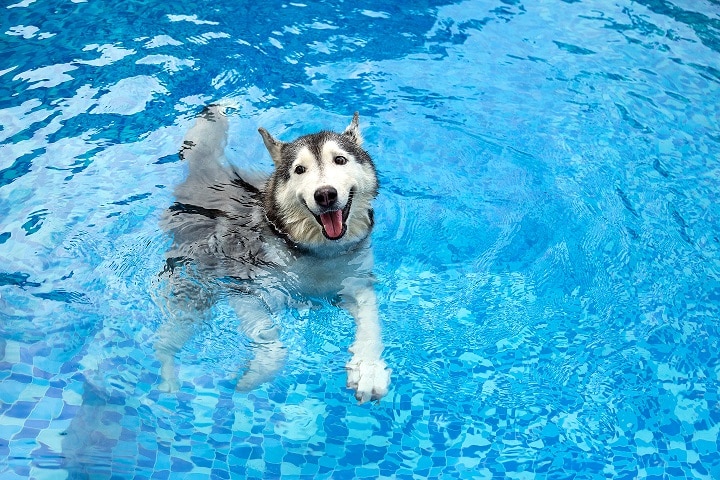
Tip #2: Playing in the water can help cool off your pet.
A dog’s hydration is especially important. Although dogs don’t sweat as humans do, they still use up extra water in the summertime. Responsible owners need to keep track of the water bowl constantly. Offering water to your dog periodically is highly recommended, especially after they’ve been outside. There are many collapsible bowls on the market that are portable and can be used when playing outside or on walks.
The number one rule with hydrating in the summer is to not give your pet freezing water. If a pet is experiencing exhaustion or heat stroke, it’s possible for them to go into shock with freezing water. That said, frozen objects are a different story. Icepacks, frozen water bottles, or frozen Ziploc baggies are relaxing items that dogs can enjoy outside. Certain treats like popsicles and frozen bananas (as long as they’re vet-approved) can be a tasty snack, too.
Tip #3: Plan for Shade
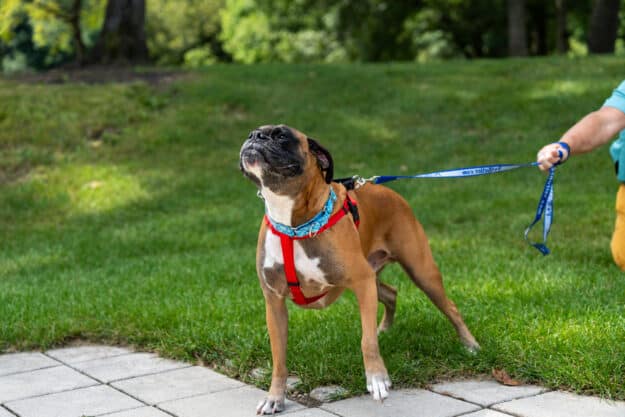
Make sure that there’s enough shade for your pet to relax under when enjoying the day. Find a grassy area under a tree or spot of cool concrete for your dog to cool down. Not only is the air temperature more comfortable, but light-coated dogs or those with exposed skin are less likely to get sunburn.
If there are no trees or other shadowy objects in your backyard, think about buying tools like umbrellas to provide sufficient coverage. Cooling pads, such as The Green Pet Shop Self-Cooling Pet Pad contain a gel that absorbs body heat and stays cool when pressure is applied.
Buying a fan can help, but it may only provide limited relief. Dogs do not respond to fans the same way as humans, because dogs mainly sweat through the paws, so it is not as effective. Try and keep them in an air-conditioned room if possible.
Tip #4: Let Your Dog Play in Water
Playing in the water can help cool off your pet, and there are many ways to creatively douse your pups. More energetic dogs love the chance to hop in a kiddie pool or sprinkler, and inexpensive plastic pools can be filled in the yard so your dog can immerse themself and keep body temperature regulated.
Many pooches have been known to enjoy snacking on hose water or getting misted by spray bottles. Ensure that your hose water is safe for drinking or use filters to make the water potable beforehand.
Another water-related activity is going to the local dog beach. Growing in popularity, these areas offer a very entertaining way to let your pet swim around and make new friends. Dog floaties and swimming toys are especially helpful in these spaces.
Tip #5: Take Care of Your Dog’s Coat and Skin
In the summer, it might be helpful to groom your dog’s coat a little more frequently. Brushing out extra fluff can be very relieving and making sure there are no irritable mats. Also, talk to your veterinarian and groomer about a summer trim. Some dogs benefit from having smaller and shorter coats in hot weather.
Be careful not to trim a dog’s undercoat and never shave your pet: it can be very damaging to their skin and health long-term. Because dogs don’t have sweat glands in their skin like humans, shaving their coats doesn’t provide relief. In fact, the first downy layer of a dog’s coat acts like insulation, keeping them cooler in the summer and warmer in the winter. Shaving a dog also exposes their skin to the sun which can lead to burns and melanoma.
Additional relief can come in the form of dog clothing products. Cooling collars help chill the neck and chest of hot doggies, and other specialized clothes are available too.
Hot Cars Are Dangerous to Dogs
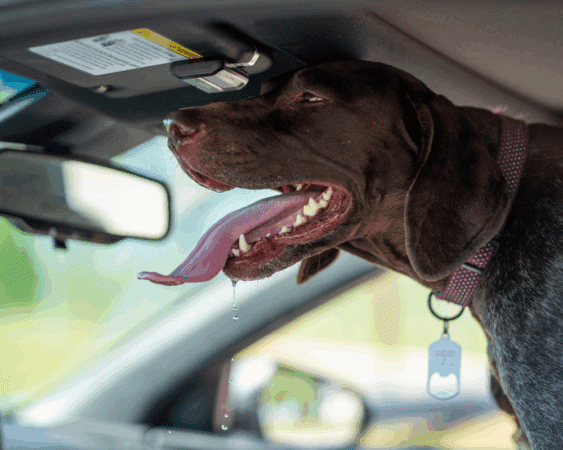
When your pets love to take car rides, it can be hard to resist their excitement when they know their owner is going for a ride. However, when it’s summertime and the sun is scorching, it’s best to leave your furry friends at home if possible. It is generally unsafe to leave your pet in the car when temperatures exceed 70 degrees Fahrenheit.
Even with the windows cracked, a car is essentially a heat conductor and will rise to temperatures above 115 degrees Fahrenheit within 30 minutes on an 85° day. Dogs can experience signs of heat exhaustion when their internal temperature rises to 103 degrees; panting, drooling, muscle tremors, abnormally colored gums, weakness or vomiting can all be signs of heat exhaustion or heatstroke.
What Do I Do if I See a Dog in a Locked Car?
If you witness an unsupervised pet in a vehicle, write down the make, model and license plate information. You can attempt to locate the owner by stopping inside the nearest business and asking for help. If the owner isn’t promptly located, the next step is to call the authorities. Many states issue fines or have other legal consequences for leaving pets in locked, unattended cars.
Beware of Signs of Heatstroke
Signs of heatstroke can be observed when a dog’s body temperature rises to 104 degrees and above. These include heavy panting, glazed eyes, a fast heartbeat, difficulty breathing, excessive thirst, lethargy, fever, dizziness, lack of coordination, excessive salivation, vomiting, a deep red or purple tongue, seizure, and finally, unconsciousness.
Especially susceptible are the old and very young puppies, obese pets, dogs breeds with short muzzles (Bulldogs, Pugs, Boston Terrier and other brachycephalic breeds) and Arctic breeds like the Siberian Husky.
If heat stroke happens, move your pet into the shade or an air-conditioned area and take the pet to a veterinarian as soon as possible.
Learn more about how to deal with heatstroke in dogs.
When the summer heat is upon us, we must make sure that we are prepared to help our pets beat the heat.
At Pet Butler, we want you and your pet to live your best and healthiest lives, which is why we offer pet waste removal and other services year-round. Find a local Pet Butler near you or call 1-800-PET-BUTLER to learn how we can make your pet’s life happier, healthier and cleaner.