
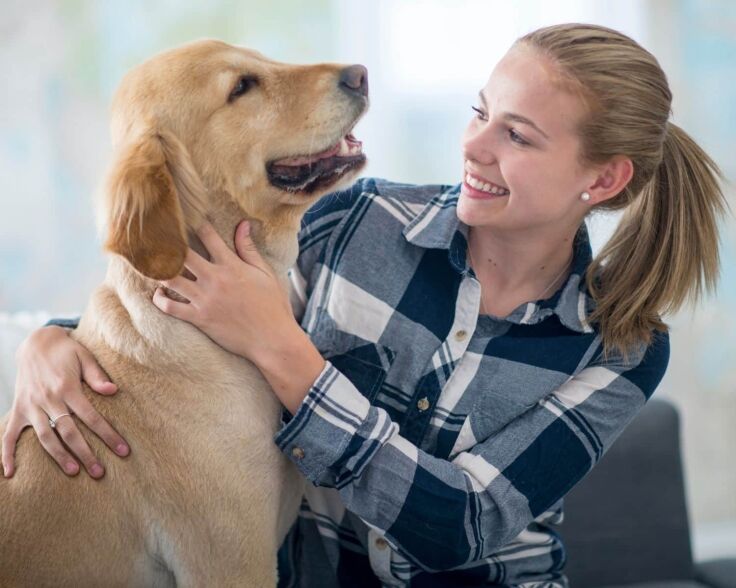
Bringing a new dog into your home is an exciting milestone, but pet ownership is a big commitment and should be carefully considered. If you are thinking about getting a dog, it’s important to research, plan for the responsibilities that come with pet ownership and reflect before making a decision.
The Cost of Pet Ownership
Having a dog is an ongoing fiscal responsibility, which can span 15 years or more. Pet ownership is a significant expense and should be considered in your decision-making. According to the ASPCA, the first year of owning a dog can cost over $1,000, with annual expenses continuing as your pet grows.
Make a list of possible expenses and see if it fits with your budget to become a pet parent. Food, veterinary care, pet insurance, pet sitting, boarding, grooming, training, toys, and supplies can add up.
Routine expenses can include:
- Food and treats: Providing a healthy diet is crucial for your pet’s well-being.
- Veterinary care and vaccinations: Preventive visits help avoid serious health issues.
- Grooming and hygiene supplies: Regular grooming is especially important for breeds with long or high-maintenance coats.
- Training and enrichment: Classes, toys, and activities help your pet stay happy and well-behaved.
- Toys and accessories: Items like beds, collars, leashes, and chew toys enhance comfort and stimulation.
Pet Sitting Costs

Pet sitting can be a valuable part of your pet care routine whenever life takes you away from home. Professional pet sitting can support your pet’s routine and well-being in a variety of situations:
- Travel or vacations: Business trips, family vacations, or weekend getaways.
- Work obligations: Long workdays, conferences, business travel or all-company meetings that require onsite presence.
- Evening events: Social outings, sporting events, dinners with friends, kids’ extra-curricular events
- Life changes or emergencies: Medical emergencies, moving, birth of a child, home projects, taking care of loved ones, or unexpected obligations.
Many pet parents wonder about the costs associated with dog sitting services. While exact pricing varies, it’s helpful to understand what factors typically influence services:
- Length of care: From short check-ins to full-day or overnight visits.
- Number of pets: More pets require additional attention.
- Special needs: Puppies, senior dogs, or pets requiring medications may need extra care.
- Frequency of visits: Daily support during trips or occasional visits on busy days.
Every household is unique. At Pet Butler, we don’t charge additional fees for the services above. The best approach is to request a customized plan from Pet Butler, which tailors dog sitting services to your dog’s personality, routine, and needs. This ensures your pup receives the right level of care without unnecessary extras.
Additional Considerations Before Getting a Dog
Lifestyle
Most dogs are happiest when their daily routine is predictable and includes companionship. Are you a busy, on-the-go individual who likes having the flexibility to jet off at a moment’s notice? Who will watch your dog when you’re gone? What about your home life, work, and school schedules? Long days at the office, busy evenings, and kids’ activities may leave you little time to care for your dog.
As a pet parent, you will spend considerable time training, grooming, feeding, exercising, and bonding with your dog. Puppies need extra attention and require frequent potty breaks. Certain high-energy breeds need consistent daily exercise, even late into adulthood.
Environment
Just like humans, dogs want to be comfortable in their surroundings. Certain dog breeds are impacted more by their environment than others. For example, short nose breeds, such as pugs and bulldogs, may not acclimate well in warm climates. You’ll need to add a dog coat and shovel to your shopping list if you want a chihuahua that will tolerate cold and snowy winters. Arctic breeds like huskies might fare better in colder temperatures.
Smaller pets often need less physical space than larger breeds of dogs and may adapt well to apartment living. Older dogs are generally more sedentary and may require less outdoor space for exercise. A fenced yard can provide a safe and easy-to-access space for puppy playtime or for your older dog to explore on their own.
Caregivers
Adding a pet to your family will impact the entire household. Every family member should be on board to help acclimate and keep a new dog safe in the home. It will be important to discuss how pet care responsibilities will affect the family.
Ideally, everyone in the home will share in the caregiving for your pet, but at a minimum, one person should be committed to providing the ongoing attention and care your dog will need to thrive. Children grow up, can lose interest, or get busy with extracurricular activities. Spouses decide they don’t like dog kisses or develop allergies.
Support from Pet Professionals
Finding a veterinarian, trainer, and pet sitter before welcoming a dog into your home can get you off on the right foot by learning about nutrition, preventative care, and training. Additionally, these professionals may be able to recommend a breeder or rescue organization with a pet that suits your lifestyle.
Pet professionals will provide varying levels of support through the stages of your pet’s life. Certain dog breeds are prone to health risks such as cancer, diabetes, or glaucoma that require more intensive veterinarian care. Pets with health challenges and senior pets may also need more frequent visits from a pet sitter when you are away from home.

What Breed of Dog Should You Get?
Choosing the right dog breed for you starts with understanding your lifestyle and living situation. Consider factors such as your available time and space, exercise you can provide, grooming needs and how well a breed interacts with children or other pets. Appearance can be a factor, but taking the time to learn about a breed’s characteristics and needs is the most important factor in finding the right dog for you.
For more information, read our article on how to choose the right dog breed for your family.
Is Your Home Prepared for a Dog?
If after careful consideration you decide to add a pup to your family, you’ll want to make sure your home is ready to welcome your new fur-ever friend. Pup-proofing your home can include:
• Setting up a crate – a relaxing and safe space for your pup and essential for potty training.
• Placing gates across doorways.
• Ensuring all small objects and toys are out of each.
• Storing food out of reach.
• Securing electrical cords.
• Removing toxic plants.
Considering all these variables will help you decide if a new pet is right for you. Education and preparation help build a bond with your new dog.
