
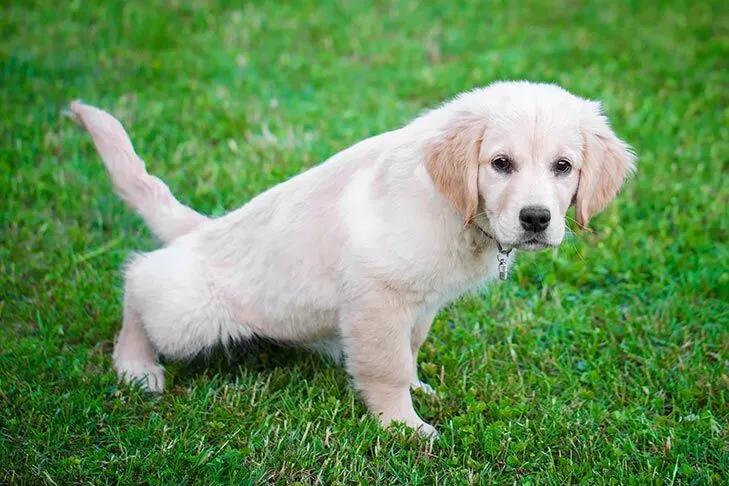
If you’ve noticed yellow, brown, or dead patches appearing across your lawn, your dog’s bathroom habits may be the culprit. While training your dog to go outside is a major milestone, dog pee can kill grass and frequent urination in the same areas can leave your yard looking damaged and uneven.
Many dog owners are surprised to learn that dog urine can cause what’s commonly known as “grass burn.” These discolored spots are especially common in areas where dogs pee repeatedly. Fortunately, understanding why dog urine affects grass can help you protect your lawn without compromising your dog’s health.
Let’s take a closer look at why dog pee damages grass, whether some dogs are more likely to cause lawn problems, and what you can do to prevent it.

Why Does Dog Pee Damage Grass?
The primary reason dog urine damages grass is its nitrogen content.
Nitrogen is a natural byproduct of your dog’s diet. When dogs digest protein, their bodies break it down and produce excess nitrogen. Since the body only uses what it needs, the remaining nitrogen is expelled through urine.
When your dog urinates on the lawn, the water portion of the urine eventually evaporates. What remains behind is a concentrated amount of nitrogen in a small area. While grass needs nitrogen to grow, too much of it can overwhelm the root system and cause the grass to become damaged or die.
A Common Misconception About Dog Urine and Grass Damage
Many people believe that the pH level of a dog’s urine is responsible for lawn damage. In reality, that’s not the case.
A dog’s urine can range from acidic to alkaline depending on factors such as diet and health. However, urine pH and nitrogen concentration are unrelated to grass damage. Whether a dog’s urine is acidic or alkaline has little effect on whether the grass burns.
The true cause of grass damage is the high concentration of nitrogen.
Because of this misconception, some pet owners attempt to alter their dog’s urine pH through supplements, medications, or dietary adjustments. Unfortunately, changing urine pH unnecessarily can create health risks for your dog, including the development of urinary crystals or bladder stones.
Before making any changes to your dog’s diet or health routine, always consult your veterinarian.
Isn’t Nitrogen Good for Grass?
Yes, nitrogen is actually one of the most important nutrients for healthy grass growth.
It’s responsible for the rich green color of your lawn and plays a critical role in overall plant health. In fact, nitrogen is one of the primary ingredients found in lawn fertilizers.
The problem is concentration.
Fertilizers are formulated to provide grass with controlled amounts of nitrogen spread evenly across the lawn. Dog urine, on the other hand, delivers a highly concentrated dose in a very small area.
Think of it like watering a plant. A regular amount of water helps it thrive, but flooding it can cause damage. The same principle applies to nitrogen.
Interestingly, you may notice dark green, healthy grass growing around a yellow lawn patch. That’s because the grass surrounding the burn area often receives a beneficial amount of nitrogen, while the center receives far too much.
Are Some Dogs More Likely to Cause Grass Damage?
Male vs. Female Dogs
Many pet owners assume female dogs have stronger urine than male dogs. However, there is no meaningful difference in the nitrogen content of male and female dog urine.
The real difference comes down to bathroom habits.
Male dogs are more likely to lift their legs and distribute urine over multiple areas. Female dogs generally squat in one place, concentrating the urine in a smaller section of the lawn.
Because female dogs often deposit more urine in a single spot, they may appear more likely to cause grass damage. However, any dog that squats and urinates in one concentrated area can cause grass burn.
Dog Breed Differences
No specific breed produces urine that is more damaging to grass than another.
However, larger dogs typically produce larger volumes of urine. More urine means more nitrogen being deposited on the lawn, which can increase the size or severity of damaged patches.
For this reason, lawns with larger dogs may experience more noticeable grass burn compared to lawns with smaller dogs.

Can I Reduce the Amount of Nitrogen in My Dog’s Urine?
Nitrogen in dog urine is completely normal and plays an important role in your dog’s health. Since protein consumption naturally leads to nitrogen production, it’s generally not recommended to significantly reduce your dog’s protein intake simply to protect your lawn.
Your veterinarian should always determine the appropriate protein level for your dog’s diet.
That said, there are ways to help reduce the concentration of nitrogen reaching your grass.
Encourage More Water Intake
The easiest and safest approach is increasing your dog’s water consumption. More water helps dilute the urine, which lowers the concentration of nitrogen deposited on your lawn.
Some ways to encourage better hydration include:
- Providing multiple water bowls throughout your home
- Keeping water available outside
- Using a pet water fountain
- Switching to wet food
- Adding water to dry kibble
Because every dog has different hydration needs, discuss any significant dietary changes with your veterinarian.
Discuss Supplements with Your Veterinarian
Certain supplements are designed to bind with nitrogen compounds and may help reduce their impact on grass. However, not every supplement is appropriate for every dog.
Always consult your veterinarian before introducing supplements or making major dietary adjustments.
Will My Grass Recover from Dog Urine Damage?
This answer depends on how severe the damage is.
If the grass is simply discolored or mildly burned, recovery is often possible. Healthy grass surrounding the damaged area can gradually spread and fill in the affected spot over time.
However, if the grass has completely died, it will not grow back on its own. In those cases, reseeding or repairing the affected area will likely be necessary.
The sooner you address grass burn, the better your chances of restoring a healthy lawn.

How Can I Prevent Lawn Damage from Dog Urine?
While it’s nearly impossible to eliminate the risk entirely, there are several effective ways to reduce dog urine damage.
Water the Area After Your Dog Pees
One of the simplest solutions is to water the grass immediately after your dog urinates.
Even a quick spray from a garden hose can help dilute the nitrogen before it becomes concentrated enough to burn the grass.
Create a Designated Potty Area
Many homeowners train their dogs to use a specific bathroom area.
Surfaces such as mulch, gravel, decorative stone, and artificial turf are less vulnerable to urine damage than natural grass.
Make sure the area is comfortable for your dog’s paws and reward them for using it consistently. Additionally, be sure to use positive encouragement. Negative reinforcement can lead to your dog not wanting to pee outside at all.
For male dogs, products commonly known as “pet posts” can encourage urination in a designated location.
Train Your Dog to Use Different Areas
An alternative approach is teaching your dog to use multiple spots throughout the yard.
Grass damage often occurs when a dog repeatedly urinates in the exact same location. Rotating bathroom spots gives the grass time to recover from excess amounts of nitrogen.
Adjust Lawn Fertilizer Use
If your dog frequently urinates in certain parts of the yard, consider reducing fertilizer applications in those areas.
Since fertilizer already contains nitrogen, heavily fertilized grass may be more vulnerable to nitrogen overload when combined with dog urine.
Keep Your Lawn Well-Watered
Healthy, hydrated grass is typically more resilient than dry, stressed grass.
Regular watering helps strengthen root systems and can make your lawn better able to withstand occasional dog urine exposure.
Walk Your Dog Earlier in the Day
Taking your dog for a walk before allowing bathroom breaks in the backyard can help reduce the amount of urine deposited on your lawn.
Many dogs will naturally relieve themselves during the walk, reducing the impact on your yard.
What Types of Grass Resist Dog Urine Damage?
Some grass varieties handle urine exposure better than others.
In general, grasses with deeper root systems tend to be more resistant to dog urine damage because they can better tolerate stress and recover more quickly.
Grass types that are often considered more resistant include:
- Bermuda Grass
- Fescue
- Perennial Ryegrass
- Zoysia Grass
- Centipede Grass
While no grass is completely immune to dog urine damage, choosing a more resilient variety can help reduce noticeable lawn burns.
Conclusion
Dog pee can damage grass, but the culprit isn’t the pH level of the urine. The real cause is the high concentration of nitrogen that remains behind after the water evaporates.
Understanding how nitrogen affects your lawn can help you make informed decisions that protect both your grass and your dog’s health. Rather than making risky dietary changes, focus on practical solutions such as increasing water intake, diluting urine with water, creating designated potty areas, and choosing a more resilient variety of grass for your lawn.
With the right approach, you can enjoy a greener yard while still giving your dog a safe and comfortable place to do their business without the damage.
