

Dogs are complex animals with social, mental, and physical needs much like our own. They thrive in safe, nurturing, and consistent environments that provide companionship and routine. So, what happens when those environments are disrupted by a change in work schedule, a new location, or a life alter event?
We know that canines are sensitive and intuitive animals, and they pick up on their owners’ emotional states, changes in routines, and their environment. It’s no wonder that they can experience a wide range of emotions and moods, including depression. Of course, we can’t ask them how they are feeling, but we can be aware of how these changes in routine can lead to sadness and depression. The real question is, what can we do about it?
What are signs that my pet might have pet depression?
Many dogs exhibit symptoms consistent with their human counterparts including those of pet depression. If your pet is normally excitable and friendly but has been spending more time hiding behind the couch, they could have pet depression. Some signs include:
- Not wanting to go on their normal walk
- Not interested in their favorite activities
- Sleep excessively, or other changes in normal sleeping behavior
- Changes in appetite or no appetite
- Shaking & whining
- Not wanting to play with their favorite things
- General restlessness, including excessive sniffing, circling, and/or licking
- Aggression or increased irritability
- Changes in bathroom behavior, such as going more frequently or going indoors
- Changes in demeanor, such as pulled-back ears or sad eyes
- Hiding from owner
What is Causing My Dog’s Depression?
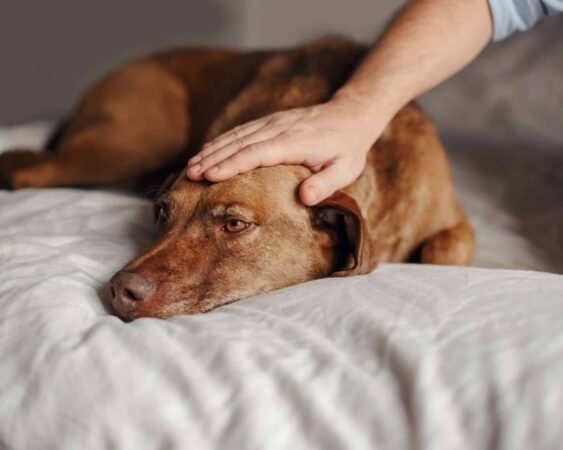
To treat pet depression, we need to look at what changes may have triggered the condition.
Underlying Medical Issues
First, have your dog examined by a veterinarian. Dogs can’t tell us when they are physically ill or in pain, but some dogs that aren’t feeling well physically may show signs of pet depression. The vet may recommend blood tests or other diagnostics to determine if a physical ailment such as arthritis pain or endocrine disease is present. Certain medical problems can lead to behavior changes that mimic or lead to depression. Endocrine disorders like hypothyroidism cause dogs to become sluggish and mopey. Neurological diseases such as seizure disorders or tumors affecting the central nervous system may cause mood changes.
Anytime your pet exhibits a shift in their behavior that isn’t easily explicable, always rule out a medical problem by visiting the veterinarian.
Environmental Changes
Changes to a dog’s environment are one of the most common causes of pet depression. If your dog is otherwise healthy, be aware of shifts in the environment that may have led to changes in your dog’s behavior.
Dogs are dependent on us and their familiar home base for comfort and stability. Something as simple as an environment change can cause a chain reaction. Changes like moving, going through a divorce, or returning to work can be unsettling to your pet.
Routine Changes
Pet depression can be exhibited because of a simple shift of schedule causing their owner to not be home as often. Changes in routine brought upon by increased work demands can cause anxiety, stress, and boredom which lead to signs of pet depression.
Dogs are creatures of habit and a change in their daily activities can be unnerving. They gain confidence and reap the physical and mental benefits of having a “job” and regular exercise. When those neurons and muscle fibers aren’t firing, hormones such as oxytocin, dopamine, and endorphins aren’t released, and signs of pet depression may be observed.
Loss of Another Animal or Family Member
One of the more common situations is the loss of another animal or family member. The absence of another companion can lead to signs of depression. Animals experience feelings of grief and loss, though we don’t know exactly how they process the concept of death.
Your pet can often sense a companion’s illness/death and respond by exhibiting behavioral changes consistent with pet depression. For pack animals such as dogs, it’s no surprise the loss of a bonded companion leads to sadness. Because dogs are so attuned to our moods, they may also respond to the physical manifestations of human grief such as crying, detachment, and lethargy.
How can I treat my pet’s depression?

Quality Time
Spend additional time with your pet if you think they are lonely. Make sure you have a consistent routine that includes plenty of exercise. Dogs are creatures of habit that come to anticipate positive interactions, grooming, and feeding times. Mentally stimulating games and classes such as obedience or nose work can provide a depressed pet with a social outlet and a confidence booster. Some dogs love car rides, vigorous brushing, or fetch. It sounds simple but do more of what your pet loves!
Train Them
While you may want to comfort a depressed pet with treats and positive affirmations, save the food rewards for when they exhibit desired behaviors. Pets with depression should be taught to relax in stressful situations. Use recorded sounds played for a short duration, at low volume while petting or feeding to get them. This will help get them acclimated to the stressful triggers.
Provide a secure, quiet space and reward them when they can respond to commands such as “settle”, or they resume eating in the presence of the trigger. You can use sounds like the jangling of your keys, the hairdryer in the morning, or starting your car. Any sound that signals a change in the environment is coming.
Manage Their Medical Condition
If a health issue is identified by a vet as the likely cause for your dog’s depression symptoms, treating the condition should improve their behavior and mood. Some conditions result in chronic pain – such as joint conditions – and managing that pain is necessary for the dog’s overall quality of life.
The good news is most dogs that have depression are sad for a short duration of time. Once the inciting cause has been addressed, their mood improves. For dogs without any other physical ailment that continue to behave unusually, a visit to the vet for a prescription of canine anti-anxiety drugs or medication for depression may be in order. Pets usually show a positive response to the pharmaceuticals within 6-8 weeks. They can often be weaned off after less than a year.
Stay plugged into your pets’ changing moods and habits. The sooner we identify and treat pet depression, the more quickly we can get those tails wagging!