Why Picking Up Dog Poop Is Important for Your Lawn, Health, and the Environment

Pet Health Articles

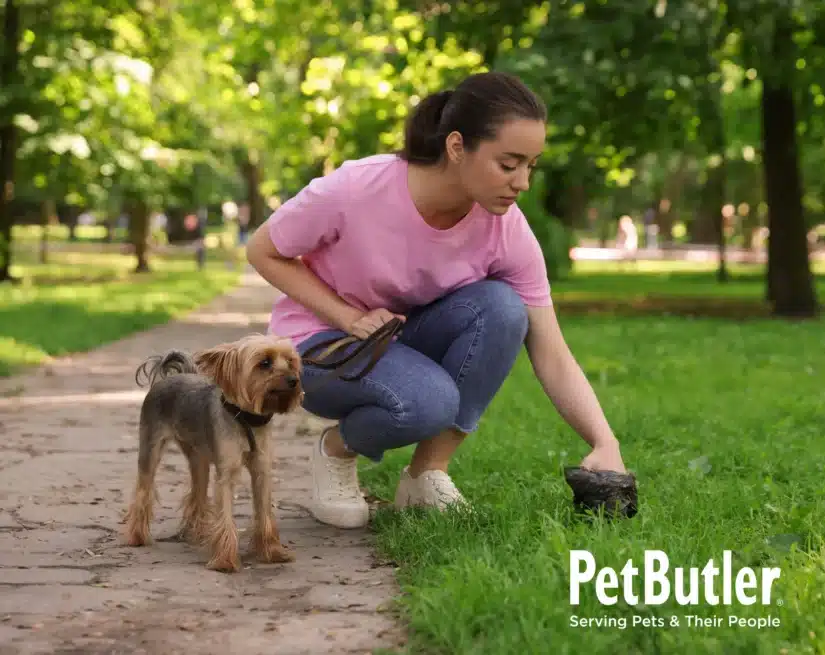
Pet owner picking up dog poop from grass with a bag while her Yorkie stands nearby on a leash.

Dogs bring love, laughter, and loyalty into our lives — but unfortunately, they can’t clean up their own poop. One of the most overlooked chores is picking up dog poop. Leaving it behind can damage your lawn, harm the environment, spread disease, and even put your pet at risk. So, although it’s not our favorite thing to do, here’s why cleaning up after your dog matters and how to do it correctly.

Is dog poop bad for the environment?

Yes, dog poop is bad for the environment. While it may seem harmless compared to other types of waste, it carries several risks. When left on the ground, rainwater can wash it into storm drains, which often flow directly into rivers, lakes, and oceans without being treated. This introduces harmful bacteria, parasites, and excess nutrients into waterways, which can throw natural ecosystems off balance. This pollution can lead to:

  • Water pollution and algae blooms
  • Harm to fish, plants, and other wildlife
  • Soil contamination that lingers for months

The Environmental Protection Agency (EPA) classifies pet waste as a pathogen source, putting it in the same category of concern as oil spills, toxic chemicals, and other major pollutants. This means that something as common as uncollected dog poop can have consequences far beyond an unsightly lawn or unpleasant smell.

Does dog poop fertilize or kill grass?

No, dog poop does not fertilize grass — it actually kills it. Not that we like the smell of it either, but cow manure contains essential plant nutrients, making it vital for healthy plant growth, while dog feces are acidic and high in nitrogen due to a protein-rich diet. When left on your lawn, it can:

  • Burn and discolor grass within days
  • Cause brown patches and dead spots
  • Spread harmful bacteria into the soil
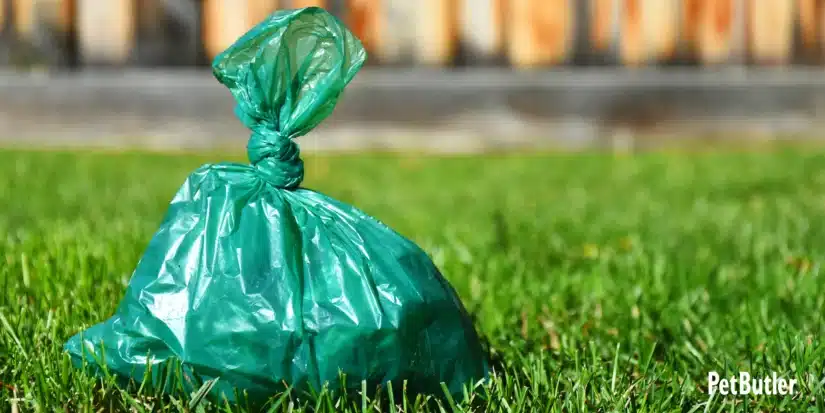
Green bag containing dog waste placed on the grass.

Can dog poop make you sick?

Yes, dog poop can make both humans and animals sick. We might never understand a dog’s fascination with other dogs’ poop, but when dogs sniff, lick, or ingest contaminated feces, they can contract dangerous illnesses. Also, children and people with weakened immune systems are at higher risk of infection if they come in contact with contaminated poop.

Common diseases from dog feces and urine:

  • Parasites: Roundworms, hookworms, Giardia, coccidia
  • Bacteria: Salmonella, E. coli, Campylobacter
  • Viruses: Parvovirus in dogs, which spreads through feces

There aren’t many ways to tell if a pile of poop is contaminated — even healthy-looking dogs can carry and spread pathogens in their waste. This is why it’s important to clean up after your dog to keep other animals and humans risk-free.

How to dispose of dog poop the right way:

Can you put dog poop in the trash?

Yes, putting dog poop in the trash is completely fine. The key is to make sure it’s bagged properly. Using a secure, sealed bag prevents odors, keeps pests away, and stops bacteria or parasites from spreading once it’s in the garbage. After bagging, you can place it directly into your outdoor trash bin or, if you’re at a park or public space, into an approved pet waste station.

Best way to clean up dog poop in your yard:

  • Use biodegradable bags or a pooper scooper – The right tools make clean-up quick and sanitary. Biodegradable bags are a great eco-friendly option since they break down more easily in landfills, while a sturdy pooper scooper helps you keep your hands (and nose) at a safe distance.
  • Dispose of waste promptly – Don’t let it sit. The longer pet waste remains in your yard, the more time bacteria and parasites have to spread, and the stronger the odor becomes. Regular clean-up also prevents waste from being tracked into the house by shoes or paws.
  • Avoid leaving poop to “break down” naturally – While it may seem like a convenient solution, dog waste doesn’t decompose the same way as leaves or grass clippings. Harmful bacteria, viruses, and parasites can remain in the soil long after the poop has vanished, putting kids, pets, and even your lawn at risk.
  • Wash your hands afterward – Even with tools and bags, it’s smart to wash your hands thoroughly after handling pet waste. This simple step helps protect you and your family from potential germs.
Pet Butler learn more about our services banner. We offer the following pet services: pet waste removal, pet care, and commercial services. Image is of a Pet Butler employee smiling and laughing hugging a white Labrador retriever dog.

How often should you pick up dog poop?

Pick up dog poop as soon as possible. Yes, this also applies to small dogs — contamination doesn’t have a size guide! For a single dog, aim for at least once a week; for multiple dogs, clean up more frequently to avoid buildup. Don’t worry, if you’re struggling with finding time to pick up the dog waste, you can hire a professional like Pet Butler.

Why choose Pet Butler for pet waste removal?

Pet Butler has been keeping yards clean, healthy, and safe for decades, giving pet owners peace of mind while saving them time and effort. Picking up after pets is one of those chores that nobody enjoys, yet it’s a responsibility that can’t be ignored. Left undone, it doesn’t just affect the look and smell of your yard; it can also pose real health and environmental risks.

So why suffer through a chose you hate when we offer:

  • Flexible scheduling to fit your needs
  • Affordable, transparent rates
  • Eco-friendly disposal methods
  • A satisfaction guarantee with every visit

Call 1-800-PET-BUTLER today to schedule your first cleanup and enjoy a cleaner, healthier yard without the hassle!

How much does dog waste removal service cost?

The cost depends on your location, yard size, and visit frequency. Pet Butler offers competitive scooper service prices, flexible scheduling (from twice a week to once a month), and a satisfaction guarantee — so you only pay for work you’re happy with.

FAQ: Quick Answers About Dog Waste

Does dog poop decompose naturally?

Yes, but harmful bacteria can linger in the soil for months.

Can dog poop harm gardens?

Yes, it can damage plants and contaminate soil.

How do you dispose of large amounts of dog poop?

Bag it in smaller amounts and place it in the trash or use a professional removal service.

Is dog poop toxic to humans?

Yes, it can transmit bacteria, parasites, and viruses that cause illness.
How Do I Decorate For The Holidays With A Dog? 

Pet Safety Articles

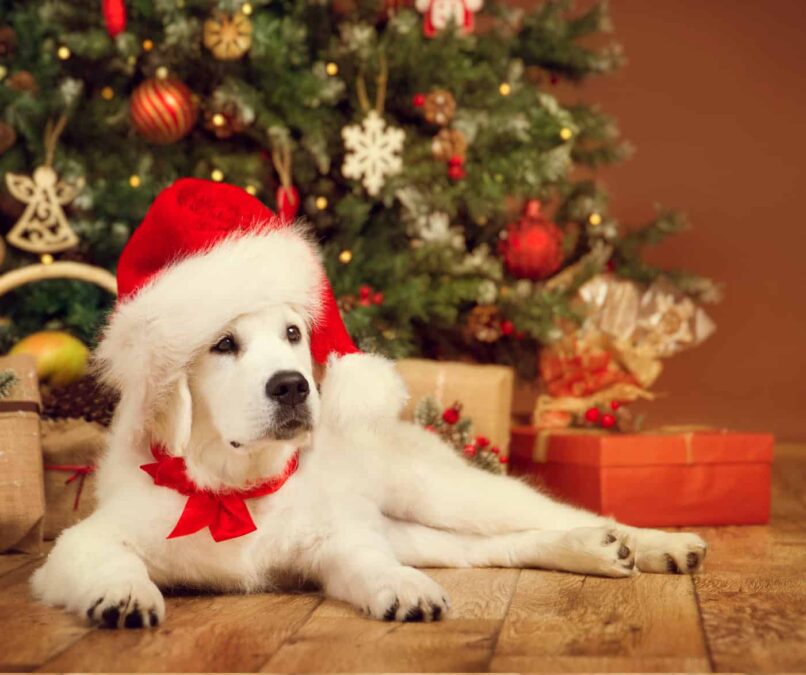
Santa Dog

One of the best ways to get into the holiday spirit, is to decorate for the occasionAs beautiful as thfestive atmosphere may be, it’s also important to remember that dogs might not get along with these changes. Our treasured holiday décor many are not the safest for our pups. Before we decide to dig up that old bin of holiday decorations, there are a few things you need to keep in mind. 


What should I look out for? 

Does your dog like to eat things found on the floor? Do they chew on things like extension cords or cables? How many times have they ripped up items that are not toys? For our dogs, bright new things are the holy grail of a fun time. With so many shiny lights, moving objects, and fuzzy new décor everywhere, can you blame them? Understand that have a dog is just like having a kid. Be smart and prepare for their wellbeing 


What holiday items should I pay extra attention to? 

Holiday Trees 

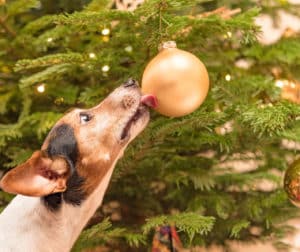
 Your holiday tree is the center piece of all your home. Unfortunately, they’re also not entirely dog friendlyIf you think your holiday tree smells great, just imagine how they smell to your pups. Your dogs nose smells 40x greater than ours. Making that holiday tree the biggest temptation your dog must face all year. If you haven’t already, consider buying an artificial tree instead of using the real thing. This will help in several ways.  

  • They Won’t Mark Their Territory – It should help prevent your dog from marking their territory on all your precious, hanging memories. Dogs love to make their scent the strongest in the room.  
  • They Won’t Knock It Over – Artificial trees tend to come with sturdier stands than your typical screwin tree stand. This makes it harder for your pups to get rowdy and knock it over.  
  • They Can’t Eat The Pine Needles – Ingesting a large amount of pine needles is not good for your dog’s healthBy opting into an artificial tree, you eliminate that danger entirely 

Holiday Ornaments 

Although artificial trees are much safer, all formof holiday trees come with risk. Fragile ornaments can be easily knocked loose and break or be seen as a shiny new chew toy. Shattered plastic or glass can get into your dog’s paw pads causing a very painful emergency trip to the vet. On a much worse scale, they can burst in your pups jaws resulting in much more fatal problemsPlace more delicate ornaments higher on the tree and avoid any ornaments with metal hooks. Avoid using tinsel or placing any kind of food such as popcorn, cranberries, or candy canes in sight of your pup.   


Holiday Lights  

Beautifully colored lights are festive and fun ways to brighten up your home each winter. Howeverit is because of this beauty that they can be very dangerous for your dogs. Pets have a tendency to chew on wires and burn themselves on hot bulbs. During the holiday season, many pet stores sell pet-proof extension cords or chewing deterrent sprays on exposed cables. If too hot, holiday bulbs can burn your pet’s mouth or burst into tiny shards of glassGenerally, try to organize the lights in a manner that won’t have much contact with the ground.  


Holiday Plants 

There are many kinds of plants and flowers that people use to spruce up the home with during the holidays. Festive botanical decor like mistletoe and holly, and extremely toxic for dogs. The traditional holiday Poinsettias are a bit less dangerous but are more likely to be eaten based on smell. These flowers cause serious upset stomachs and in large amounts, could prove much worse. As a replacement, consider buying fake plants or deciding on silk plants for decoration. 


Other Holiday Décor 

Many of us like to create our own winter wonderland indoors. As tempting as that may be, using items like angel hair or artificial snow to decorate can be fatal to your dogs. This type of fluffy décor can be very appealing to a pup. If consumed, it can cause intestinal blockage and become toxic if consumed. Ribbons, bows, and yarn should be placed thoughtfully around the house. If eaten, like other items, they can cause irritation and digestive issues.  


Being thoughtful when decorating your home is easy when you have a guide to get you there. At Pet Butlerwe want you and your pups to enjoy the holiday season for years to come. Don’t waste your time together picking your pets poop, let Pet Butler do it for you. We scoop poop so you don’t have to. Schedule your scooping service now!  

Should You Get Another Dog?  

Pet Adoption Articles

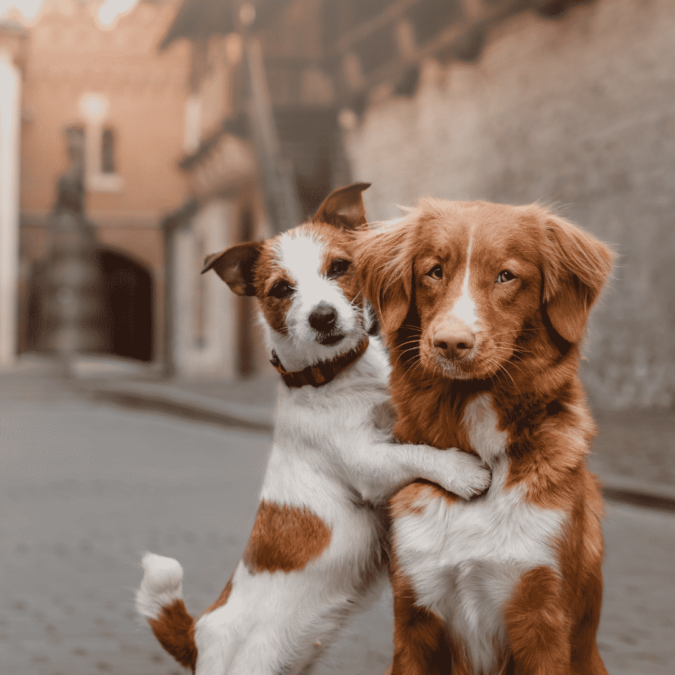
Dog hugging dog two dogs

You may not realize it, but your dog benefits from your companionship, both emotionally and physically, just as much as you do. With this thought, you may find yourself wondering: Would my dog be happier with another furry companion? Is my attention enough? Is my pet lonely without me during the day?  With many questions to consider, it may be time to start thinking about adding a few more legs to the family.   


When should you consider getting another dog?   

If your dog is anxiously awaiting your arrival home and exhibits excessive energy, it may be time to consider another canine companion. By giving them a playmate, you may find your dog less needy at the end of each day. Other considerations: Is your dog interested in other dogs or is territorial? Have you recently lost a second dog? If so, you may want to hesitate before getting a new companion. Note that dogs grieve the loss of companionship just like humans.   


Q&A’s To Consider When Contemplating On Getting Another Dog   

Questions – How old should your pet be before adopting a new friend?   

Answer – It’s best for your current dog to be at least a few years old before introducing a new dog into your family.   


Question – Will it infringe on your current dog’s space?   

Answer – Consider the size of your home. Decide on whether you have enough room to add another animal into your home. Think about your lifestyle and what you’re willing to possibly give up. Adding another pet to the home may alter your current home function.  


Question – Do I have time for more than one dog?   

Answer – You also want to make sure that you have the time to devote to training your new pet. It’s best not to add another dog when you have upcoming distractions such as travel, renovations, or visitors. Not only will the new dog need attention, but you’ll need to pay extra attention to your current pet.   


Question – Is everyone in my house onboard?   

Answer – All family members should be on board with bringing a new dog into the family. There will be additional responsibilities with training, cleaning, and expenses if you expand your family. Everyone needs to be willing to commit to the level of love, attention, and care that your current and the new dog will require and deserve. You also don’t want the family to be strapped financially. Think double vet, food, and grooming bills. If these costs aren’t in the budget, it’s not the time for a new dog.   


Question – What type of breed is right for your home?    

Answer – Think about what kind of dog will be the best companion for your current pet. Do you want a playful pup bouncing around your home? Dogs of the same breed typically do well together. When looking at a different breed, think about your current dog’s temperament and energy level. A calm laid back dog may not particularly jive with an energetic, hyperactive dog. If your dog is older, it may be good to add a puppy to the family as they don’t come into the relationship with established behaviors. Do you have the time, patience, and energy to train a puppy? If not, consider adopting an adult dog  


Question – Are you open to rescuing?  

Answer – Think about what kind of dog will be the best companion for your current pet. Do you want a playful pup bouncing around your home? Do you have the time, patience, and energy to train a puppy? If not, consider adopting an adult dog  

As you search for another canine companion, include your current dog in the process! Bring your pet to adoption days and see which playmate he naturally warms up to. Observe your dog at the dog park and see if he tends to play with or avoid a certain breed. Likewise, he may be drawn to or avoid dogs of certain sizes. Your dog will tell you best through his behavior and actions what he needs, including whether it’s time for you to add another dog to the family.   


Expert Vet Advice

At Pet Butler, we encourage our readers to take the time to research your local rescue shelters. Many pets are waiting for their forever homes you just have to find them.  Pet Butler believes in donating our time and leveraging our business platform to bring local awareness to the needs of animal rescues, shelters, and pets in need of adoption. According to the American Humane Society, annually 2.7 million adoptable dogs and cats are euthanized in the United States, simply because there are too many pets in shelters and too few people consider adoption when looking for a pet 

To find local rescue shelters near you, click here.  


What To Do When My Dog Eats Chocolate

Pet Safety Articles

PBC Blogs 1500 × 1200 px) (3)


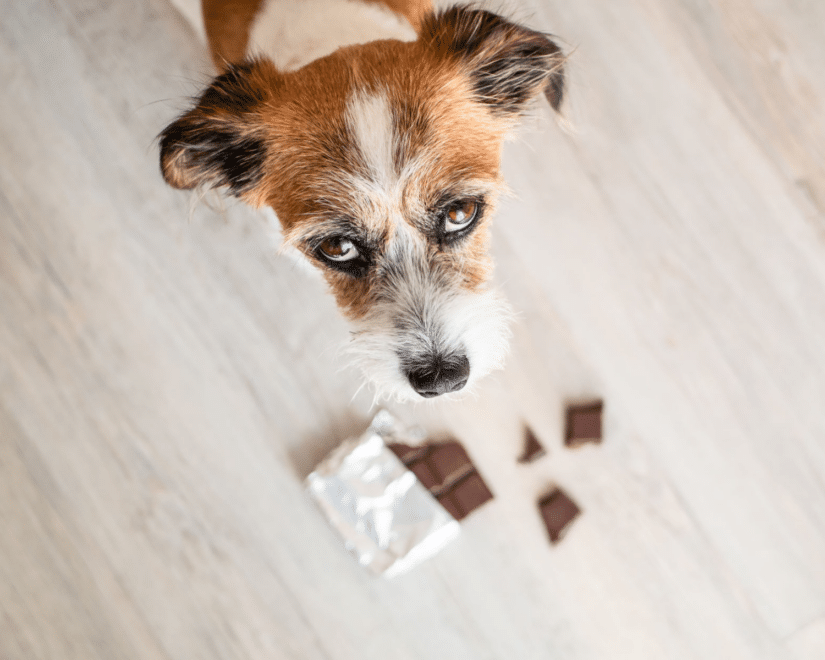
An inevitable truth: with the holidays comes chocolate. Lots and lots of chocolate. And this means that we must keep an eye on our sweets to keep our pets safe. 

Another truth is that chocolate is toxic to dogs and may hurt our canine friends; however, the toxicity level depends on many factors, including how much chocolate a dog has consumed, the type of chocolate and the size of the dog. As dog parents, it’s important to understand the potentially harmful situationn that can arise when our pets indulge in our holiday treats. 

So, what do we do if our pet consumes chocolate, and how do we recognize the signs of possible chocolate poisoning in dogs? 


How do I prevent my dog from indulging in chocolate?

First, chocolate candy and baking items should be handled like toxic cleaning supplies. Keep them sealed and out of reach.

When storing chocolate items, think about the dog’s size, behaviors and ability to jump and climb. If the dog can access the counter, this isn’t a good hiding place. When throwing chocolate goods in the kitchen garbage or outdoor trash cans, be sure that the lids are tightly shut. If you have an extra curious pup, you might consider using child-proofing hinges or bungee chords to ensure your furry friend keeps their nose out of the trash.

Around holidays such as Halloween and Valentine’s Day, pay a little extra attention to the food items being brought into the home. Easily forgotten items such as hot chocolate, baking chocolate and cocoa powder are a risk and must be stored just as safely as pre-packaged, holiday-themed candy. Visiting family members and guests should be reminded of this safety precaution.

What do I do if my dog eats chocolate? 

DO NOT PANIC! Chocolate contains theobromine and caffeine which can raise the dog’s heart rate and excite the nervous system. Unlike humans, dogs metabolize theobromine slowly. If consumed, there may be changes in the dog’s behavior. If your dog exhibits physical or behavioral changes, it’s important to call the veterinarian. If you don’t notice changes right away, pay careful attention to your dog as symptoms may not arise for up to 6 to 12 hours.

Common symptoms of chocolate poisoning in dogs:

  • Vomiting
  • Diarrhea
  • Hyperactivity
  • Rapid breathing
  • Increased heart rate
  • Rigid muscles
  • Increased urination
  • Excessive thirst

Extreme symptoms include seizures and cardiac failure. However, there is no need to hit the panic button and fear the worst if the dog has only consumed a small amount of chocolate. As a dog parent, calling the vet is still the smartest option.


What should I know moving forward?

Being aware that certain chocolates are more harmful than others is an important tool in a dog parent’s arsenal. A general rule of thumb is the darker the chocolate, the more toxic it is. The toxicity level depends upon the pet’s weight and the amount ingested. For every 10 pounds of weight on the dog, approximately 1.5 ounces of dark chocolate is toxic. For more diluted chocolates like milk chocolate, every 10 pounds of weight on the dog, 3.5 ounces of milk chocolate is toxic.

Before dialing the vet, it would be helpful to know the weight of the dog, what type of chocolate was consumed and how much was consumed. Typically, dogs vomit the ingested chocolate on their own; however, your vet may want to see your dog to err on the side of caution. In this case, they may induce vomiting to expel any undigested chocolate and toxins, flush the dog’s stomach or give it a dose of activated charcoal to absorb any remaining toxins before they reach the bloodstream. Keep in mind that early treatment will help the dog recover more quickly.


As you purchase candy this season, be wary of the chocolate brought into your home. In some cases, eating chocolate can cause mild to fatal symptoms for our pets. Be sure to keep the chocolate out of sight so that you can enjoy it without worry!

Disaster Preparedness: Preparing Your Pet For an Emergency

Pet Safety Articles

pet emergency disaster preparedness

June is National Pet Preparedness Month, which gives us pet owners a reminder of what to do in case of an emergency or natural disaster. Natural disasters such as tornadoes, earthquakes, and floods are certainly one category of catastrophe, but what if you were left unable to care for your pet due to sudden illness or injury?

Dogs and cats are among our most vulnerable populations and preparing for any type of emergency or natural disaster is wise. Let’s talk about disaster preparedness with the intention of keeping your pet safe and healthy, and the goal being reunited should you become separated in an emergency.

Pet Emergency Safety Tips

Create an action plan: The first step to prepare for an emergency is to generate a family action/evacuation plan, which includes identifying escape routes from your home, interior spaces with no windows, areas with access to fresh water, as well as boarding facilities, pet-friendly hotels, or family residences where you can stay should you need to evacuate your home.

Helpful tools and resources: If your home isn’t safe for you, it isn’t safe for your pet; make sure to include a labeled carrier and extra leash as part of your supply kit. Mobile apps like the NOAA and ASPCA apps allow you access up-to-date information on weather, pet support and recovery networks, and contain record-keeping features.

Download these apps before you need them. Should you have to leave your pet or if you become separated, make sure to have a sticker visible from outside your house that includes the number and type of animals in the home as well as an emergency number where you can be reached.

Microchip your pet: Permanent microchip identification is recommended for all pets in addition to a collar with ID and can be quickly implanted by your veterinarian. Make sure to keep your contact information as well as your pet’s information current in the online registry.

Emergency contacts: For personal emergencies where your pet may be left alone in your home, designate a neighbor or friend familiar with your pet to assume responsibilities for care. Leave the “foster parent” a set of keys, supply of food and medications as well as feeding instructions and the phone number to your veterinary clinic.

pet kit

Pet Supplies in Your Emergency Kit

Every family should have a smaller emergency kit suitable for traveling as well as emergency supplies that can keep you nourished and safe in a disaster. In some cases, emergency services may not be able to reach you or provide shelter for your pet for several days.

Keep an additional emergency kit for your dog or cat to ensure their safety. Be mindful that food and medications can expire, so refresh supplies often.

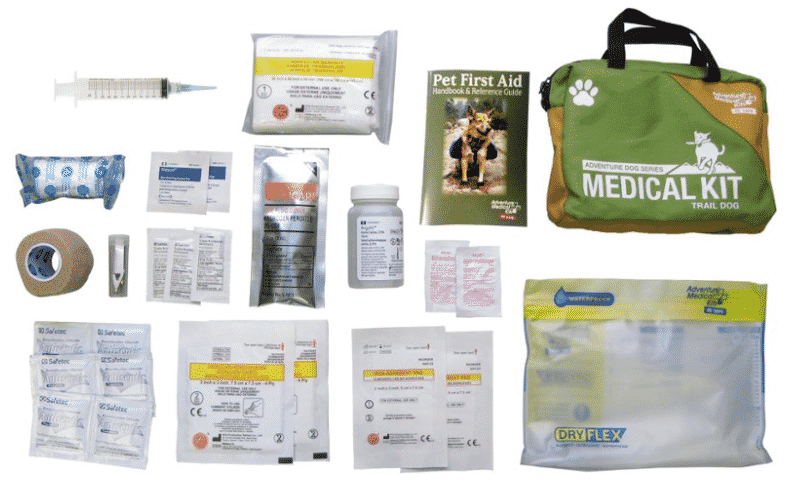
A week supply of canned food and bottled water as well as a two-week stash of medication is ideal. A first aid kit, photo of you and your pet to generate LOST posters, important phone numbers of family members, your vet clinic, and an emergency clinic are critical.

Keep items in waterproof bags and include medical records, a muzzle if needed to transport a scared or aggressive pet, soap, alcohol-based hand sanitizer, self-stick gauze, and plastic bags for pet waste clean-up.

Feeding bowls, a blanket, and a familiar chew toy are good to keep with your pet and may provide some comfort during an emergency. For cats, a pillowcase, hard-sided carrier, and a litter pan and litter are essential.

May you never need to use your emergency kit. But when you’re pets are prepared for an emergency or disaster, the likelihood of safely weathering any storm is high.

Sources
ASPCA Disaster Preparedness

Find a Pet Butler 800-Pet-Butler