Puppy Shots: Important Vaccines Your Dog Needs

Pet Health Articles

Puppy Vaccines


What an exciting and exhausting time! You have brought your new puppy home and are handed papers detailing vaccination and deworming dates, feeding instructions, and maybe even your dog’s pedigree. The first call you should make is to your veterinarian. The veterinarian will be able to provide you with a puppy vaccination schedule and information to best protect your new friend from common diseases, viruses and infections.

Few issues in veterinary medicine are as controversial as the debate about administration of vaccines to our dogs and cats. Long considered part of the puppy as well as annual visits and credited with conquering some of the fiercest infectious diseases, vaccines are also suspected of creating vulnerability to certain illnesses and chronic conditions such as anemia, seizures, allergies, thyroid disorders, and cancer.

What Vaccines Should My Puppy Get?

To determine which vaccines are necessary and an appropriate vaccination schedule for your dog, you and your veterinarian must start with an individual risk-assessment. Questions you may be asked include: Will my puppy meet other companion animals in training classes, dog parks, grooming facilities, or in the neighborhood? Do we have wildlife in our area? How much time does my dog spend outdoors? Will I travel with my pet?

Vaccines, or “shots”, are traditionally divided into core, or essential, groups, and non-core vaccines. These determinations are based on the likelihood of exposure to the infectious agent, the severity of the disease contracted by infected animals (contracting Rabies is always fatal, kennel cough is not), and zoonotic potential (a disease that can infect humans as well as animals). It is recommended that most puppies receive core vaccines every 3-4 weeks though the first 16-18 weeks of life, with the need for non-core vaccines being determined on an individual basis.

Core vaccines, based on the American Animal Hospital Association’s recommendations are as follows: Distemper, Adenovirus/Hepatitis, canine Parvovirus, and Rabies.

Non-core vaccines include: Bordetella, Parainfluenza, Coronavirus, Lyme, Giardia, Leptospirosis, and Influenza.

How Often Should My Puppy Get Vaccinated?

Frequency with which to vaccinate is perhaps the most confounding decision we must make as part of the veterinarian-owner pet care team. This is where a basic understanding of the immune system and how it operates becomes critical. When exposed to natural disease or a vaccine, memory cells are primed to recognize the infectious agent should the animal become re-exposed and antibodies should be produced against the disease. If maternal antibodies are still present, the animal is ill, doesn’t respond to the vaccine given due to immaturity, or there is a problem with the vaccine itself, it is possible to have an animal that was vaccinated, but not adequately protected. This is the reasoning behind the 3-4 week puppy vaccination protocol; we want to catch that puppy’s immune system when maternal antibodies have disappeared, but before the puppy can get sick!

There has been much discussion on the value of checking antibody titers to certain viral diseases such as Canine Parvovirus and Distemper. A titer is a measurement of how much antibody to an infectious agent is circulating in the blood at that time. Titers are expressed as a ratio and indicate how dilute the blood was made before detectable levels of antibody disappeared. A titer test does not measure immunity, because, as we know, true immune status of an animal is dependent on multiple variables. A high titer is strongly correlated with recent infection or good immunity, but a low titer does not necessarily mean the body won’t produce an effective immune response if challenged.

Dog Vaccination Schedule

What to do? Our practice has determined that considering all the information presented by the AAHA and after evaluating the duration of immunity studies conducted by the vaccine manufacturers, we recommend the following important vaccination schedule:

  • Healthy puppies will receive regular boosters every 3-4 weeks of core and select non-core vaccines beginning at 6-8 weeks.
  • After one year of age, dogs will receive a one-year booster for Distemper, Adenovirus, Parainfluenza, and Parvovirus (4 in 1 or if including coronavirus 5 in 1 DAPPC) and a three-year Rabies vaccine; other non-core vaccines will be administered based on risk assessment.
  • At two years of age, dogs will continue to receive non-core vaccines and three-year DAP vaccine. In future years, they will receive non-core vaccines annually and DAP and Rabies as they come due on a three-year rotating basis.

Talk with your veterinarian and don’t miss those important vaccines!
Mushroom Dog Poisoning: Toxic Mushrooms to Avoid

Pet Safety Articles

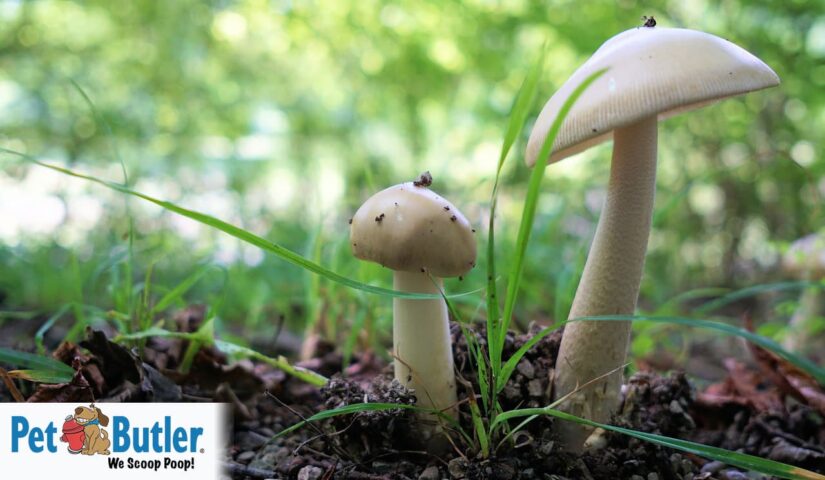
toxic mushrooms

As we know, summer and fall bring a unique set of seasonal scares for pet owning families. In addition to an increase in parasite exposure such as fleas and ticks, wild animal encounters, and dog park injuries, exposure to certain environmental toxins also peaks.

Toxic mushrooms are one such hazard and they multiply in the warm, wet weather season. Although they don’t do much to harm your lawn, be alert for signs of poisonous mushrooms and toxic plant growth as symptoms of toxicity can mimic other types of poisons and diagnosis can be challenging!

Watch Out For Toxic Mushrooms

There are four classes of poisonous mushrooms; the classes are based on the type and severity of symptoms they cause.

Additionally, mushrooms can be classified into groups, separated by the type of toxin they contain. Poisonous varieties include:

  • False Morels
  • Hallucinogenic Mushrooms
  • Toadstool Mushrooms
  • Liver Toxic Mushrooms and those that cause gastrointestinal signs or are muscarinic containing species.

Identification of the type your dog has consumed can be difficult once they pass your pet’s lips; treat any mushroom ingestion as a poisonous species and call your veterinarian immediately.

Another after-hours alternative is to call the National Animal Poison Control Center hotline at (888) 426-4435. They are open 24/7 and 365 days a year and charge a nominal fee to advise you on how to manage your pet’s ingestion.

If a sample of the mushroom is available, consider contacting the North American Mycological Association to aid in identification.

Hepatoxic Mushrooms

The deadliest class of mushrooms are those that cause liver failure (hepatotoxic) with signs precipitating in 6-12 hours. At this point, inducing vomiting with hydrogen peroxide or slowing toxin absorption with activated charcoal given orally is fruitless.

Once an animal has started to show signs of poisoning, it is no longer safe or advisable to try to expel the offending agent. With names like “death cap” and “death angel”, liver cell death and eventual mortality can occur within a day or two, after being preempted by gastrointestinal upset.

These mushrooms are found throughout North America including the Pacific Northwest, parts of California and the northeastern part of the United States.

Neurotoxic Mushrooms

These affect the nervous system due to the compounds they contain and include psilocybin (“magic”), hydrazine and isoxazole mushrooms.

Magic or psychedelic mushrooms are often found indoors as part of a pet owner’s “pharmacy”. Others grow throughout the United States, but favor the West and Northeast. Symptoms of ingestion are typically seen within 30-90 minutes, but effects can last hours longer.

Varying from initial gastrointestinal upset to weakness, stupor, tremors, disorientation, vocalization and seizures, these mushrooms are typically less toxic but severity of illness depends on the amount ingested and the dog’s size and health status.

Gastrointestinal signs such as vomiting and diarrhea are seen early on after the ingestion of most mushrooms (15 minutes to less than 6 hours).

Muscarinic containing mushrooms not only cause mild to severe vomiting and diarrhea, but ingestion can lead to dehydration, excessive salivation, tearing, urination, slow heart rate and difficulty breathing depending on the type and amount consumed.

Nephrotoxic Mushrooms

Our last class of mushrooms, the nephrotoxic (kidney) varieties, are thankfully rare with poisoning reported in Europe. Signs of toxicity are delayed by up to 8 days as the kidney cells are destroyed.

Symptoms of poisoning are typical of a dog in kidney failure and include vomiting, increased thirst, and urination; dogs can succumb if not treated aggressively with fluid therapy and hospitalization.

If caught within the first hours of ingestion, decontamination by inducing vomiting and delaying intestinal absorption, managing symptoms, and blood and urine sample monitoring are often successful at managing mushroom poisoning in dogs.

As always, be on the lookout in your yard for anything unusual underfoot!

Sources
Health Poison Control
Psilocybin Mushroom

Dog Food: What to Buy and Ingredients to Look For

Pet Health Articles

dog food

Over the weekend, I peered into our dog food bin and saw just a lone kibble sitting at the bottom. No doubt, my teenagers forgot to mention we were low on food. As I stood in the pet food aisle at the grocery store, I quickly understood the paralysis my clients feel when it comes to choosing a diet and best dog food for their pets; the variety of choices on the grocery shelves and refrigerated cases was dizzying. Let’s address a few common misconceptions and give you some general tips to choose healthy dog food for your own pup. As always, consult your veterinarian for advice as variations in breed, life stage, body condition, activity level, and health status should affect your purchase.

The Association of American Feed Control Officials (AAFCO) is a regulatory agency that checks to ensure dog foods meet the minimum standard of nutritional adequacy; the AAFCO label should be present on any food you are buying and includes key information such as identification of product, net quantity statement, manufacturer’s name and address, proper listing of ingredients by weight (including water), the guaranteed analysis, nutritional adequacy statement, feeding directions, additional label claims, and calorie statements. If the AAFCO label does not exist, the company may not have verified nutrient claims with laboratory testing. Call the business to find out. All pet food companies should be transparent and want to educate the consumer about their product.

Dog Food Ingredients & Nutritional Value

What is the minimum standard for an adult dog to maintain weight and good health? A food must contain at least 18% protein, 5% fat, and maximum percentages of crude fiber and moisture. Some dog foods guarantee minimum levels of other nutrients such as calcium, phosphorous, sodium, and linoleic acid which are especially important for bone growth in puppies. Changes to minimum accepted levels of taurine will likely be included on future labels as a link between low levels of dietary taurine and heart disease in dogs was recently discovered in dogs eating certain pet foods containing peas, lentils, other legume seeds, or potatoes as main ingredients.

Let’s talk about pet food manufacturers. Mars, Purina, and Big Heart make 93% of all pet foods sold today. They invest billions of dollars, employ untold numbers of nutritionists, scientists, quality control experts, and veterinarians, as well as conduct feeding trials and test products for nutritional components to ensure your dog receives complete and balanced nutrition for every age and stage of life. Don’t rule their foods out and assume smaller companies make safer and more wholesome diets. According to Dog Food Advisor, 83% of food recalls over the last 5 years came from small manufacturers. Plan on doing more of your own research should you choose food produced by a mom and pop pet food company. Smaller pet companies are also more likely to outsource manufacturing and production. It is key to know where your dog’s food is made in order to monitor for food recalls and determine product safety.

What ingredients make up a quality food and from where should they be sourced? Ideally, companies obtain the raw materials for protein, carbohydrate and fat from local or regional sources with whom they have an established relationship and have strict quality control. Contamination from bacteria such as salmonella and listeria, mold, or toxins such as cadmium, lead and arsenic should be monitored by the supplier and and rechecked by the pet food company after manufacturing. Surprisingly, diets labelled grain-free were found to contain more toxins that those that contained grain.

Brokers on the open market and countries with inferior food quality standards may offer cheap ingredients that can be harmful to your dog but cost considerably less. Interestingly, many of these same countries make superior quality supplemental vitamins and minerals such as Vitamin C that are found in most commercial pet foods. Pet foods with ingredients such as a clean meat source (turkey, beef, bison, duck…) instead of a meat meal which may contain horns and hair, fewer artificial preservatives, like BHT and ethoxyquin, and colors are preferred. Foods with labelled as “natural” and “super-premium” are not held to any different standards as those without such label claims. While natural may imply the diet was preserved with tocopherols (a Vitamin E source) vs. artificial chemicals, that isn’t necessarily the case; don’t be fooled into paying a higher price for these “superior” products.

Dry vs Wet (Canned) Dog Food

What’s the difference between wet and dry dog food? Which is better for your dog? Increased water content may make wet diets easier to chew for puppies and senior pets, more palatable, more filling, and can contain fewer artificial preservatives and flavors as they are sealed in air-tight containers. Often, wet foods contain a higher protein content and fewer carbohydrates compared to their dry counterparts which may be beneficial for animals needing to maintain lean muscle or that have medical conditions such as diabetes mellitus.

When comparing the nutritional analysis of wet vs. a dry diet, be sure you are comparing them both on a dry matter basis. The FDA has a guide on how to perform this calculation. Dry foods can assist in the mechanical removal of plaque, improving dental hygiene. They also are easier to store and are usually less expensive. Ultimately, the decision to feed wet or dry food is between you and your veterinarian.

Get started on your search for the best and healthy dog food for your pet to ensure a proper dog diet and avoid overfeeding. Best of luck out there and may you never be stuck utterly perplexed at a grocery store on a lovely night!

Other sources:
FDA Pet Food Labels
Animal Food Recalls & Alerts
Clean Label Project Pet Food

Recommended Types of Dog Toys to Buy for your Furry Friend

Dog Activities Articles

dog toys

The warm weather and summer vacations make it easier to work on dog training and dedicate time to establishing a strong bond with your pet. One of the most common questions new pet owners ask are what are the best dog toys to buy or recommended chew toys that are safe and indestructible for dogs? Here’s the scoop on some kinds of dog toys to check out!

Interactive & Chew Dog Toys to Buy

There are a ton of exciting new and old-stand by toys guaranteed to keep your dog busy for hours. Interactive dog toys can stimulate your dogs senses and the best interactive dog toys include unique features that peak your dogs interest like unusual sounds from dog squeeker toys, movements and contents. Finding the best chew toy is a little bit like the story of the three bears. You want one that is not too hard to avoid teeth damage, nor too soft that the toy gets destroyed within minutes. Not only can dog chew toys provide stimulation to keep your dog’s mind and body busy, but some promote good dental hygiene too!

Interactive dog toys are a fabulous routine buster and a great diversion on hot weather or rainy days. Made of cotton canvas, non-toxic dye, and industrial grade polypropylene rope, Mr. Dog Toy New York makes a trophy collection interactive dog toys suitable for fetching, tugging, and chewing that can be purchased online. We’re fascinated that a stuffed toy like this is durable for your dog to put to the test! There’s also several other interactive dog toys you can find such as puzzles, treat dispensing chew toys, and tugging. The positive reinforcement and mental stimulation are sure to have them coming back for more!

Elk Antlers, bully sticks, and synthetic rubber toys made by Kong are all found side by side on the pet store shelves and are great chews to offer your dog. Important considerations include the durability of these dog toys, as they are meant to be long-lasting. Another recommendation is to identify where the chew is sourced. Salmonella and E.coli have been found on rawhide’s not made in America, so its recommended to buy local.

Dental Dog Chews & Treats

Some dental dog chews are specifically designed and approved by the Veterinary Oral Health Council (VOHC) to facilitate the removal of plaque by mechanical forces and impede bacterial growth. Do consider that any edible treat adds calories to your pet’s diet. Check labels and know that treats should only contribute 10% to overall intake.

Oravet daily dental hygiene chews, sold through your veterinarian, loosen and scrub away existing plaque and a special ingredient works to create a barrier preventing new bacteria from attaching. No more bad breath! Best yet, they smell like vanilla and dogs love them. Greenies and Virbac CET chews are other products approved by the VOHC to improve oral hygiene and reduce plaque and tartar. These can be found at your local big box pet retailer.

It’s always best to closely monitor your dog when they consume dental treats & play with chew toys. Pieces can break off and become lodged in the gastrointestinal tract or swallowed whole and quickly cause an obstruction. Here’s to safe play time and less chewing on the couch, walls and shoes!

Dog Days of Summer: Keeping Your Dog Cool in the Summer Heat

Pet Safety Articles

Dsc06226

Summer heat is in full swing, and those mild spring days feel long gone. If the temperature feels unbearable to us, it’s even harder on our pets. Dogs can’t cool down the way humans do — they only sweat through their paw pads, and up to 80% of their body heat is released through panting. When high heat combines with humidity, poor ventilation, limited shade, or lack of water, the risk of overheating climbs fast. Here are a few ways to spot signs of heatstroke and keep your dog cool and safe during the hottest stretch of the year.

Tips to Keep Your Dog Cool in the Summer

If you are planning on traveling with your dog or spending some time outdoors with your dog, here are some helpful tips to keep your dog cool in the summer heat.

Shade. Find a grassy area under a tree or spot of cool concrete for your dog to cool down. Not only is the air temperature more comfortable, but light-coated dogs or those with exposed skin are less likely to get a sunburn. Cooling pads, such as The Green Pet Shop Self-Cooling Pet Pad contain a gel that absorbs body heat and stays cool when pressure is applied.

Water. Keep plenty of clean, cold water available to keep your dog cool in the summer. Staying hydrated and cool from the inside out is extremely important on hot summer days. There are many collapsible bowls on the market that are portable and can be used when playing outside. Inexpensive plastic pools can be filled in the yard, so your dog can immerse himself and keep body temperature regulated. Swimming in a pool or clean lake is a great way to for us and dogs to cool off in the summer heat.

Limit exercise. Walk in the early morning or evening and avoid hot asphalt. If possible, limit walks to grassy areas and remember to bring water. Dog booties can be worn if asphalt is unavoidable.

Ventilation. A fan provides a limited amount of relief from hot weather and airflow is important. A doghouse can act like a hot car, and enclosed spaces (without A/C) should be avoided. Remember, a dog must pant to cool off and evaporative cooling is difficult above 90 degrees; even less when there is high humidity and poor circulation. Try blowing a fan over ice cubes to beat the heat.

Keep the coat. Because dogs don’t have sweat glands in their skin like humans, shaving their coats doesn’t provide relief. In fact, the first downy layer of a dog’s coat acts like insulation, keeping them cooler in the summer and warmer in the winter. In addition, shaving a dog exposes their skin to the sun which can lead to burns and melanoma.

Get in the kitchen. Mix up a batch of homemade dog treats to cool them off in the hot weather days. See a Peanut Butter Popsicle recipe below!

Dog Overheated? Signs of Heatstroke

Signs of heatstroke can be observed when a dog’s body temperature rises to 104 degrees and above. Inside a car on an 85-degree day, even with the windows cracked, temperatures reach 120 degrees in 20 minutes! Don’t leave your dog unattended in a vehicle as there is no way to keep a dog cool in the car and no air is really passing through. Signs of heatstroke can include: heavy panting, glazed eyes, a fast heartbeat, difficulty breathing, excessive thirst, lethargy, fever, dizziness, lack of coordination, excessive salivation, vomiting, a deep red or purple tongue, seizure, and finally, unconsciousness.

Especially susceptible are the old and very young puppies, obese pets, dogs breeds with short muzzles (Bulldogs, Pugs, Boston Terrier and other brachycephalic breeds) and Arctic breeds like the Siberian Husky. A handy reference chart was developed by veterinarians at Tufts University that gives an idea what outdoor temperatures might be considered safe for your dog based on their body weight and physical condition. Take your pet’s individual physiology into consideration when deciding what is safe; staying inside is sometimes best for pets!

Homemade Frozen Dog Treats For Summer

DIY Peanut Butter Popsicles For Dogs

Ingredients

  • 1 cup peanut butter, preferably unsalted and unsweetened (Check your peanut butter’s label to make sure it doesn’t contain any kind of xylitol, which is toxic to dogs.)
  • Half a ripe banana, mashed
  • Water as needed

Directions

In a small mixing bowl, combine peanut butter with a little water or half a mashed banana. (The water and banana aren’t essential, but they help with freezing consistency.)

Line a cookie sheet with wax paper, or use Kong-style rubber toys that have a cavity you can fill.

Spoon the mixture onto the tray just like you would cookie dough, or stuff it into the toys. Freeze the tray or toys for several hours or overnight. If you need to reuse the tray right away, pop out the cubes and store them in a bag or container in the freezer.

Enjoy on those days when nothing else will do!

How Lyme Disease Affects Dogs: Symptoms and Causes

Pet Health Articles

lyme disease tick

We’ve previously talked about the presence of fleas and ticks in the environment, and both local and national news have drawn attention to the fact that this year we are seeing an even greater abundance of these pesky parasites. Fleas and ticks cause topical irritation at the site of the bite, there is the huge “ick” factor of knowing these parasites are out and about, but the primary concern is the diseases they transmit to unknowing hosts. Lyme disease, in particular, has drawn broad attention from organizations such as the Centers for Disease Control and American Veterinary Medical Association. The CDC reports that there are over 30,000 new cases of Lyme disease reported every year. In dogs, we are seeing upwards of high number of cases of reported Lyme disease. The term “reported” is important here, as many cases of Lyme disease are not identified in both humans and canines. A great pretender, signs and symptoms can be subtle, shift, and diagnosis and treatment can be confounding.

Symptoms and Causes of Lyme Disease

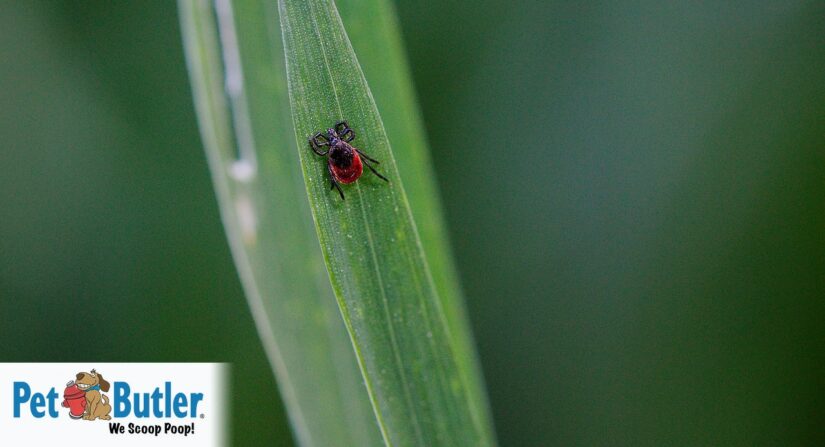
Lyme is caused by the transmission of the bacterium Borrelia burgdorferi from the deer tick or black-legged tick species. The tick requires two years and a blood meal at each stage to complete their life cycle from egg to larvae to nymph to adult. The source of the first blood meal can be a mouse, bird, or other small mammal and if infected with the bacteria, will pass the disease on through the blood to the host tick. If the affected tick then bites a human or dog and attaches for over 48 hours, the unsuspecting animal may become infected with the Borrelia organism.

In dogs, only 10% of dogs infected with the bacteria show signs and symptoms of Lyme disease illness; owners may be surprised by the results of their pet’s annual screening test. Often incorporated as part of a yearly preventative protocol that may include fecal and other blood testing as well as an examination and any recommended vaccinations, testing for the presence of antibodies to the lyme bacteria is recommended. In New England, 50-75% of dogs may test positive for lyme antibodies (independent of lyme vaccination) according to MSPCA.

Signs of Lyme disease typically occur 2-5 months after infection. They may include enlarged lymph nodes, lameness in one or multiple limbs, lethargy, anorexia, and fever. Lyme can also affect the kidneys, heart, and nervous system. These complications seem to be over represented in dog breeds such as Retrievers, Shelties, and Bernese Mountain dogs. Treatment is usually successful requires the administration of amoxicillin or doxycycline antibiotics.

Lyme Disease Rise in the US

The surge in Lyme disease in the US can be attributed to several factors. Habitat range expansion is the movement of the ticks’ hosts to areas not previously inhabited. Because mice and deer are the primary hosts, their shift into previously unoccupied territories leads to transport of the tick population, as well. Climate change and movement of the human population are the two major factors contributing to the relocation of deer and small mammal population. An abundance of resources such as food (acorns) for mice leads to an increase in their population numbers and expansion to new areas; ticks numbers increase and expand as a result.

Adult deer ticks are on the move when temperatures exceed freezing. With an extension of seasonal activity due above normal temperatures, female adult ticks have an extended season to gorge on a deer, dog, or human and drop off to lay up to 2000 eggs in late spring. Eggs hatch in the summer, and larvae will feed on a small animal or bird and re-emerge the next spring (or late winter as ambient temperatures are on the rise) as a nymph.

With movement of people and dogs to areas that ticks favor such as campsites and wooded trails, as well as human population growth and expansion into previously unpopulated areas, there is an increase in opportunity for ticks to feast. The nymphal stage of the tick, no bigger than a poppyseed, is especially active in May through August and unknowingly attaches to out of the way locations such as the scalp, groin, or armpit. This increase in human and canine exposure is also responsible for the surge in Lyme transmission.

Sometimes the bacteria cannot be completely eliminated and symptoms will return at a later time; this makes the lyme organism especially terrifying and tick prevention and an integrated pest management program essential to ensuring the health of your dog. As previously mentioned, clearing brush in your yard, applying a topical preventative such as Advantix, Vectra, or Frontline Gold, or administering a oral pill like Simparica, Nexgard, or Bravecto all aid in eliminating potential tick vectors. Thoroughly examining yourself and your dog after spending time outdoors can identify ticks hitching a ride before they have a chance to attach to your pet!

Sources: PetMD, Vector Disease Control International

What You Should Include In Your Pet’s First Aid Kit

Pet Safety Articles

Vet holding first aid items

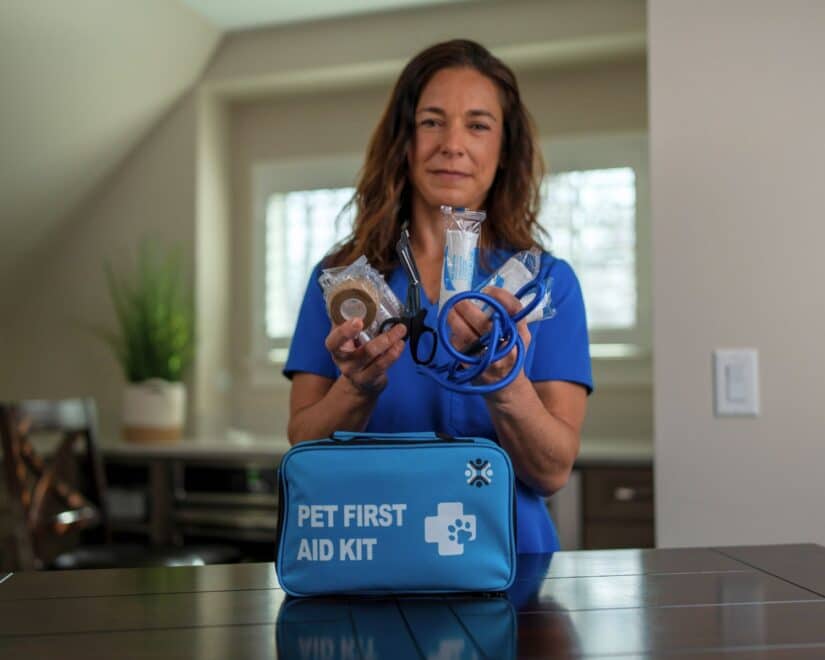
It’s 7 pm on a Sunday evening and you walked into the kitchen just as your retriever polished off a bag of chocolate chips snatched from the counter. You think, “Isn’t chocolate supposed to be poisonous for four-legged critters?”. What do you do? Who do you call? In your haste to help your dog, you are unable to summon a rational thought. If only you had taken the time to put together the pet first aid kit your veterinarian had recommended, you could have had all the supplies and information you needed at your fingertips!

So you don’t have to experience the angst that accompanies the above scenario, I recommend assembling a basic first aid kit filled with the supplies and information you need to deal with any dog emergency. Most of these tools are available online or at your local pharmacy. For dosing recommendations, check in with your veterinarian as breed, size, and pre-existing conditions may determine a safe amount to administer.

What Should Be In My Dog’s First Aid Kit?

Most canine medical emergency kits should include a list of important phone numbers. You’ll always want to be in contact with an animal health professional before taking matters into your own hands; a knowledgeable voice can be a great reassurance. The phone numbers at the top of your list should include: your regular veterinarian, a local 24/7 emergency clinic, and the ASPCA’s Poison Control Center (1-800-426-4435) or the National Animal Poison Control Center at 888-4ANI-HELP (888-426-4435), the Emergency Disaster Information Line (1-800-227-4645), and the Pet Travel Hotline 1-800-545-USDA before traveling across state lines.

You should have your dog’s medical records readily available, so you can answer questions about previous reactions, currently administered medications, and vaccination status. I also like to add the addresses of a few online sites where you can reference emergency dosages, toxicity calculators, and other information needed to perform basic first aid on your dog. VetCalculators will allow you to determine an appropriate action to take should your dog ingest various types of chocolate, PetMD alerts updates pet owners on current food recalls, and AVMA has a wealth of information on CPR basics, traveling with a pet, basic first aid procedures, and handling injured pets.

Basic Supplies For Pets First Aid Kit

A few necessary items in your pets’ first aid kit should include:

  • Flexible digital thermometer
  • Gauze for wrapping open wounds or to use as a muzzle for painful pets
  • Non-stick bandages and adhesive white tape for covering wounds (or a self-adhesive bandage material)
  • Blanket or large towel as well as a rigid board or stretcher for transporting an injured pet
  • Leash
  • Eye dropper or needless syringe for administering medication
  • 3% hydrogen peroxide to induce vomiting
  • Baby aspirin
  • Adult or children’s Benadryl for allergies (diphenhydramine)
  • Saline eye wash
  • Activated charcoal for absorbing toxins.

Tweezers as well as good old soap and water can be used to remove a tick or foreign object from a paw and to flush wounds. I like to keep a gallon of nursery water on hand for that purpose, as well as to help rehydrate an animal or cool a pet suffering from heatstroke. Pedialyte or another electrolyte solution will replace salts and minerals that are important for proper hydration, blood pH and nerve conduction. Simple sugars such as honey or maple syrup can be rubbed on the gums of dogs given too much insulin, having a seizure due to low sugar, or to puppies that may have a difficult time maintaining blood sugar due to illness or stress and are lethargic.

Sterile lubricant helps to cover a break in the skin barrier or ease passage of the rectal thermometer. Cornstarch or quik-stop can stop an actively bleeding nail and a nail clipper (Miller’s Forge, orange handle) to trim a torn nail back to healthy tissue is needed. Most creams and ointments as well as Band-Aids or other small adhesives are easily consumed by dogs. It’s better to keep an E-collar handy to prevent self-mutilation. Clippers aid in the removal of hair around a cut or laceration. Be sure to apply lubricant to the area to prevent the introduction of additional debris and clipped hair into the area.

As gentle and loving as your dog may normally be, an injured pet will often react out of fear and pain towards a caregiver. Using a muzzle when handling pets (except for those that are vomiting) is always prudent. An improvised muzzle can be created using gauze, a necktie, or strips of fabric and should be considered when assembling your dog’s emergency kit. Towels or blankets can help to restrain a pet comfortably. You can only help your pet by staying healthy, calm, and safe.

Always remember that any first aid administered to your pet should be followed by immediate veterinary care. A portable carrier for smaller dogs will aid in safe transportation. First aid care is not a substitute for veterinary care, but it may save your pet’s life until it receives veterinary treatment.

Poisonous Plants to Dogs – Avoid Toxic Flowers in the Garden

Pet Safety Articles

poisonous plants for dogs

With spring weather finally cooperating and hitting warmer temperatures throughout the United States, it’s time to get annual plants in the ground. Like most of you, part of the season I enjoy most is throwing the ball to my dogs in the yard and watching them get taunted by the squirrels. We are fortunate to have areas dedicated to annual flowers, perennial shrubs, and an edible garden. Unfortunately, some of the plants I enjoy watching bloom can be toxic to dogs and it pays to consider which flowers and plants you have in the garden this spring season.

Treatment if Toxic Plants Are Ingested

Below follows a list of the most common dangerous plants and flowers that dogs shouldn’t eat and what signs and symptoms may be present if consumed. We will cover a dog first aid kit in a future article, but it always makes sense to have a bottle of dawn dish soap, Hydrogen Peroxide, as well as a bottle of saline to rinse the eyes and the mouth if an irritant is introduced. After administering hydrogen peroxide, vomiting typically ensues within 10 minutes. This may mitigate some of the more harmful effects of the poisonous plant. That being said, always consult your veterinarian or the ASPCA Animal Poison Control Center at their 24-hour emergency number, (888) 426-4435. Sometimes the damage of an irritating substance coming up can do as much or more damage than the item going down.

Currently, a $65 charge per case is applied to a credit card, but their expert advice may just save your dog’s life. It should also be noted that consuming any vegetation can cause gastrointestinal signs such as vomiting and diarrhea and may be dose related. This seems counter-productive as many dogs will eat grass to soothe an upset tummy but tell that to your pup! Some of the spring flowers you should avoid planting can cause almost immediate effects. Others take hours for their toxic chemicals to produce symptoms.

Plants & Flowers Poisonous to Dogs

Edible Garden

Onion or Allium family: This includes garlic bulbs, chives, leeks, and flowering alliums. They contain a chemical called N-propyl disulfide which is concentrated in the plant bulbs.
Clinical Signs: Vomiting, breakdown of red blood cells, blood in the urine, weakness, high heart rate, panting

Citrus Fruits like Lime: Contain Essential oils and psoralens
Clinical Signs: Vomiting, diarrhea, depression; potential dermatitis or skin irritation. Fruit is edible, skins and plant material can cause problems

Tomato Plant (leaves, unripe fruit) and Nightshade: Contains Solanine
Clinical Signs: Hypersalivation, inappetence, severe gastrointestinal upset, depression/drowsiness

Macadamia Nuts: toxin unknown
Clinical signs: depression, weakness (especially of rear limbs), vomiting, tremors.

Marjoram, Thyme, and Mint: Contains Essential oils
Clinical Signs: depression, weakness (especially of rear limbs), vomiting, tremors.

Apples, plums, cherry trees: Stems, leaves, seeds contain cyanide, particularly toxic in the process of wilting
Clinical signs: brick red mucous membranes, dilated pupils, difficulty breathing, panting, shock.

Non-Edible Garden

Foxglove or digitalis: Among the most toxic of plants in the flower garden containing Cardiac glycosides
Clinical Signs: Heart arrhythmias, vomiting, diarrhea, weakness, cardiac failure, death.

Daisies and anything in the chrysanthemum family: Contain Sesquiterpene, lactones, pyrethrins and other potential irritants
Clinical Signs: Vomiting, diarrhea, hypersalivation, incoordination, dermatitis

Ivy, any variety: Contain Triterpenoid saponins (hederagenin)
Clinical Signs: Vomiting, abdominal pain, hypersalivation, diarrhea. The leaves are more toxic than berries

Geraniums: Geraniol, linalool are the toxins present
Clinical Signs: Vomiting, anorexia, depression, dermatitis

Hellebore or Christmas Rose: Bufadienolides, glycosides, veratrin and prtoanemonin are some of the toxins
Clinical Signs: Drooling, abdominal pain and diarrhea, and depression

Hostas: Part of the Lily family. Saponins cause symptoms.
Clinical Signs: Vomiting, diarrhea, depression.

Lily of the Valley: Cardenolides (convallarin, and others)
Clinical Signs: Vomiting, irregular heartbeat, low blood pressure, disorientation, coma, seizures

Coleus: Essential Oils
Clinical Signs: Vomiting, diarrhea, depression, anorexia, occasionally bloody diarrhea, or vomiting

Irises: Pentacylic terpenoids (zeorin, missourin and missouriensin) are highly concentrated in the rhizomes.
Clinical Signs: Salivation, vomiting, drooling, lethargy, diarrhea.

Rhododendrons: Ingestion of a few leaves can cause serious problems due to Grayantoxin.
Clinical Signs: Vomiting, diarrhea, hypersalivation, weakness, coma, hypotension, nervous system depression, cardiovascular collapse, and death.

Burning bush: Contain alkaloids
Clinical Signs: Vomiting, diarrhea, abdominal pain, weakness. Heart rhythm abnormalities with large doses.

Black Walnut found most often in mulch:
Clinical Signs: moldy nuts/hulls can cause tremors and seizures, ingestion of shavings can cause incoordination

Yew: Contains Taxine A and B, and volatile oils
Clinical Signs: Tremors, difficulty breathing, vomiting, seizures (dogs), sudden death from heart failure.

Yarrow: Achilleine and alkaloids.
Clinical Signs: Increased urination, vomiting, diarrhea, dermatitis.

Tulips and daffodils: While we are seeing the beautiful spring flowers, their planting season is actually in the fall. The bulbs deep in the ground contain the most harmful part of the plant. So, while the flower itself is not dangerous, use caution when planting throughout the year.
Clinical Signs: vomiting, depression, diarrhea, and hypersalivation; large amounts cause convulsions, low blood pressure, tremors, and cardiac arrhythmias.

Don’t let the laundry list of scary flora deter you from enjoying the garden with your dog. The following is a list of vet-approved plants. See you outside!

Alyssum, Squash, Impatiens, Baby’s Breath, Basil, Blue Eyed Daisy, Chickens and Hens, Cinquefoil, Cilantro, Snapdragons, Coreopsis, Cornflower, Day Lilies (toxic to cats), Ferns, Marigolds, Asters, Red Maple, and Zinnias.

Allergy Season: Symptoms and Treatment for Allergies in Dogs!

Pet Health Articles

Dog in grass

Just as airborne allergies are common in people, manifesting as itchy eyes, sneezing, and congestion, allergies are also common in dogs (and cats!). As the weather warms up and our furry friends spend more time in the spring sunshine, their exposure to outdoor allergens increases. Some inhalant allergies are prevalent year-round, such as those activated by house dust mites or food storage mites, but many airborne allergies are seen during particular times of the year. Atopy, another name for airborne allergies, is typically triggered by grasses, pollen, weeds, trees, dander, mold spores, insect proteins, and even fabric. Dogs living in different parts of the country may experience allergy symptoms during different months, all depending on the weather and what is blooming!

Signs & Symptoms of Allergies in Dogs

Pets with atopy usually experience a seasonal spring or fall itchiness that begins in the first or second year of life; often the duration of the itchy period becomes longer and longer. Other dogs start the itch-scratch cycle like clockwork on the same day every year and symptoms predictably last just a few weeks. Itch and skin redness, bacterial infection, scabbing, hair loss, licking or swelling is associated with certain parts of the body in atopic dogs. Hair loss around the eyes and mouth, in the dog’s “armpits” or axillary and inguinal regions, the lower abdomen, around the rear end, and feet are the first clues your dog may have airborne allergies. Ear infections are common secondary problems; the heat from inflamed skin make the dark canal a perfect environment for bacteria or yeast to overgrow.

I get countless calls where an owner has self-diagnosed ear mites because of a black, smelly ear discharge that causes intense itching. Yeast overgrowth, caused by underlying allergies, is a more common culprit. Without treating both the infection and the allergy, ear disease is likely to become chronic. While some dogs also experience red, itchy eyes and have more mucous production, we rarely see the nasal and sinus congestion that people suffer, though a few pets do develop an allergy-triggered bronchitis or a throat-clearing rumble.

What causes allergies in dogs and why do some react while others don’t?

An allergy is a state of over-reactivity or hypersensitivity of the immune system to a substance called an allergen. Chronic exposure to the offending protein allergen, sensitizes or prepares the immune system to react, in this case over-react, on subsequent exposures. Normally the immune response protects the dog against infection and disease by making protective antibodies, but with allergies, the immune response can be harmful to the body accumulating in a cascade of events leading to histamine release and itch. It is thought that there is a genetic component in dogs with atopy. Terriers, such as the West Highland White Terrier, Retrievers, Pugs, and Bulldogs are over-represented.

Treatment For Dogs With Allergies

As any veterinarian will tell you, atopy is a disease that we manage, not cure. As the immune system is the “problem”, most treatments are aimed at decreasing the body’s over-reaction and modifying the dog’s environment to reduce exposure to the offending allergen(s). As such, it is important to identify which proteins triggers your pet’s itch. The gold standard in allergy testing remains intradermal skin testing. This test is performed by a veterinary dermatologist and involves injecting small amounts of different allergens under your pet’s skin to evaluate the immune system response. Some veterinarians offer blood testing, which identifies allergens via antibody levels.

Once the allergens are identified, we attempt to limit environmental exposure as much as possible. HEPA filters, vacuuming, washing bedding, cutting back weeds and limiting time outdoors during allergy season can help. Frequent bathing and wiping your dog’s fur and feet with a medicated shampoo or wipe can minimize absorption of allergens, promote a healthy skin barrier, and soothe the itch. Fatty acids in liquid or capsule form act as anti-inflammatories and can reduce signs of dog allergies. Too much can be a bad thing and can cause problems with blood clotting and wound healing; a dose between 20-55mg combined EPA and DHA per pound of body weight is safe for dogs and cats.

Dog Allergy Medicine

Anti-histamines such as Benadryl and Atarax are effective for dog allergy medicine – only about 25% of our patients. Newer dog allergy medications such as Apoquel tablets and injectable Cytopoint have been life-savers for many dogs and their frustrated owners. Apoquel works by affecting messengers of the itch, called cytokines, and can stop symptoms in 4 hours. It is a daily pill and good for short-term itch flares-ups. Apoquel causes minimal interference with healthy immune system function and is preferred over corticosteroids or cyclosporine, the administration which can lead to endocrine disorders, immune-suppression, and increased urination. Cytopoint is a convenient injection that acts as an antibody to block the itch signal; it also begins working within hours and lasts 4-5 weeks.

Ultimately, to affect long term change, the goal is to desensitize the dog to the same allergens they currently react to. Dog Allergy “shots” or oral drops are formulated with increasing amounts of allergen and administered regularly to permit the immune system to recognize the allergen without going into a tailspin. About 2/3 of dogs get relief from desensitization therapy, but it is a financial and time commitment to follow-through with treatment on the part of the owner.

With so many options available to manage your dog’s environmental allergies, there is no excuse not to get outside and enjoy the beautiful weather. Just remember to wipe down dirty paws and claws before coming back inside!

Sources:

PetMD The Dangers of Too Much

The Asac Battle of the Dermatology Titans

Dog vs Yard: Digging Holes, Plant Eating, and Lawn Burn!

Dog Behavior Articles

dog in the lawn

Many pet owners are frustrated when, despite countless hours of fertilizing, weeding, and seeding, their lawn is riddled with brown spots, holes, and severely “pruned” plants. Unfortunately, many dogs cause destruction just by doing what comes naturally.

Dogs Digging Holes On Lawn

The word terrier comes from Latin and means “earth dog”.  A common behavior of this group of dogs is burrowing underground to energetically hunt vermin and rodents.  They are tenacious and excellent diggers, and were bred to eliminate mice, rats and other furry pests from farms.  Hounds, such as the beagle and dachshund, use their exceptional sense of smell to root for groundhogs, voles, and rodents.  When they can’t reach their prey underground, they can track a rabbit above ground, sometimes digging under the fence to catch a rascally critter. While we see their destructive behavior as naughty, digging holes was once a dog’s job; it’s hard to fight the genetic code! Other dog breeds will dig holes to find a cool spot.

Malamutes and huskys are known to dig under the shade of a bush or tree to find the chilled soil underneath.  Border collies and other herding dogs are active pups who need alternate “jobs” if they are not out corralling sheep.  Without an occupation, they may take it upon themselves to become landscapers.  Beware the bored border collie.

Break Bad Yard Dog Behavior and Habits

How can you deter this canine bad habit and inbred behavior? Stop them from digging holes in undesirable locations by burying bricks or chicken wire with the edges well-protected and re-cover the area with soil.  After a few unfruitful attempts and scraping of the nails, they will move on to another activity.  Mulch beds with pinecones which is an unfavorable substrate for dogs to walk upon. Better yet, reinforce their natural tendency to dig by designating a sand pile or corner of the yard as an appropriate excavation site.  Place hidden toys or treats in these locations; training your dog to head to these locations isn’t hard if they are rewarded!

Plant Chewing and Grass Eating

Some dogs chew leaves and grass to relieve nausea, so it’s always best to rule out a medical problem with the vet.  Planting thorny bushes such as barberry, holly, or roses will discourage chewing, as will showcasing fast-growing shrubs like viburnum and euonymus   Unless you have a water-loving retriever, Havahart Spray Away or Contech ScareCrow are two motion activated sprinklers that may keep pets away from vegetation.  By placing them near tender new plants, a dog that attempts to nibble will get a squirt in face. A product sprayed on plants that imparts a bitter flavor such as Liquid Fence or Lambert Kay’s Boundary spray may also eliminate chewing.

Repeated applications may be necessary to “remind” pets that the plant still tastes bad.  These same products can be used on rabbit feces to deter dogs eating rabbit poop.  You may have more success installing rabbit fencing buried a foot deep near your yard’s perimeter to discourage them from taking up residence.

Dog Urine Lawn Burn

Brown spots of dead grass can be the bane of a dog owner’s existence.  Both volume and concentration of pet urine contribute to lawn burn-out. Urine contains high levels of nitrogen, a by-product of protein metabolism.  In small amounts, nitrogen can be a great fertilizer, hence the lush green ring of grass that can be found surrounding the brown spot.

Though not exclusively a female dog issue, males do tend to urinate on shrubs or vertically growing plants in smaller bursts, especially if they are marking. So, the problem may be more noticeable if you have a female dog. What does not work to protect your grass? Adding pH modifiers to your dog’s diet such as tomato juice or baking soda has no proven benefit and may even harm your pet’s kidneys or digestive system. Modifying your dog’s body chemistry can have other unintended consequences such as encouraging the production of bladder stones.  What does work to eliminate or reduce the dog urine spots? The solution to pollution is dilution! I can’t remember if I learned this gem in chemistry class or when treating contaminated wounds… but it holds true.

Watering your lawn within 8 hours of elimination dilutes the nitrogen in waste products.  The market is flooded with sprinklers that can be set on a timer if you don’t have an in-ground programmable sprinkler system.  Promote the consumption of clean, fresh water (tap is fine) by refilling your dog’s bowl often and offering ice cubes or watering down kibble.  Your dog’s urine won’t be as concentrated, and your lawn will thank you!

Training your dog to eliminate on mulch or pea-gravel will also stop lawn burn.  This can be accomplished by repetition using a leash and an immediate reward.  Fescue and rye grass are turf types that are more resistant to dog urine lawn burn than Bermuda or bluegrass, and can be used when reseeding bare patches or as part of your overseeding lawn maintenance protocol.

By following these tips, man’s best friend won’t become your yard’s worst enemy!

Find a Pet Butler 800-Pet-Butler