Dog Parks: What to Know Before You Go

Dog Behavior Articles

PBC Blog Dog Parks 1000x800

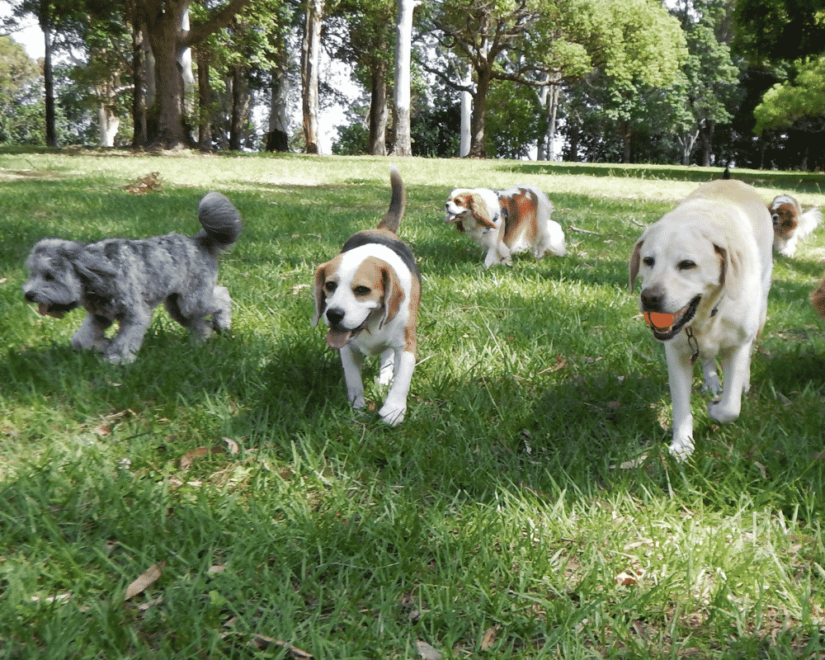
There are few places where dogs are free to roam outside of their backyards, and the local dog park happens to be one of those places. Dog parks provide a place where your furry family members can run, play and socialize in a large, fenced area.

While the dog park may tire out your pup in the best possible way, there are things to consider before going. As a pet owner, it’s important to adhere to basic guidelines and dog park etiquette to make sure the outing is enjoyable and safe for you, your pooch and others delighting in the local hot spot.

What you need to bring to the dog park

First, it’s important to come prepared to the dog park. We recommend packing a bag that’s filled with all the essentials. Common dog park-goers will have a backpack on hand, ready to go whenever the opportunity arises. Here’s what you’ll need when going to a dog park:

  1. Leash

A leash is essential to safely escort your dog in and out of the dog park, as well as to restrict your dog should there be any canine misbehavior.

  1. Poop bags

It’s best practice to pick up after your pet as soon as they defecate to not spread germs and to ensure that other guests don’t step in it. With that being said, it’s crucial to keep an eye on your pet at all times.

  1. Water and water bowl

With friends to play with and a lot of romping room, your dog will likely become tired and thirsty quicker than usual. Bring water and a bowl so that your pet stays hydrated.

Some dog parks will have a bowl onsite, but it’s best to use your own so you know that the bowl is clean and the water is fresh.

  1. Dog wipes and shampoo

Since dog parks often have lots of pups running around, the turf tends to get torn up. Because of this, it’s easy for furry guests to get dirty. The weather can also be a factor. If it has recently rained or the ground is soft due to weather conditions, muddy paws and fur are likely to happen.

Because of this, we suggest carrying dog wipes and/ or shampoo to clean your pup before getting back into the car.

  1. Treats

If your pet is highly incentivized by treats, feel free to bring some to have on hand. It’s best to carry them in an airtight container or resealable bag so that other dogs will not smell them and flock to you. While giving your dog a treat, do so discreetly so as to not flaunt treats in front of others.

Due to allergies and preferences, it’s important to note that you should not give treats to other people’s pets without asking.

  1. Pet Sunscreen

This one may seem like an outlier, but pet sunscreen is recommended for pets whose ears and noses are light-colored and have minimal pigment. If it’s sunny, make sure to apply the sunscreen before leaving your home and have some on hand to reapply if needed.

Dog park etiquette

When at the dog park, there are unspoken rules that pets and their owners need to follow. Here are the basics:

Never leave your dog unattended

The local dog park is not synonymous with doggie daycare. You must stay with your pet the entire time and watch over them to ensure they’re on good behavior.

Be aware of other pets and their owners

It’s best to keep a watchful eye on all guests (both human and canine) who are sharing the dog park with you. Not all owners discipline their pets the same way, so it’s important to watch how other dogs interact with yours in case an unfavorable situation arises and you need to step in.

Watch for body language

It’s unfortunate, but not all dogs brought to the park are friendly to both pets and people. Because of this, look for body language cues.

Happy, playful dogs will have a relaxed or curved body, soft ears and flattened coat. They may wiggle, wag their tails and have their mouths open with their tongue out.

Aggressive dogs may growl, have raised hair and erect or flattened ears. They may also showcase a body posture that’s lower to the ground with a tucked tail and drawn lips.

Stressed or anxious dogs have difficulty making eye contact. They may flatten their body, tuck their head and ears, yawn, whine or lick their lips.

Signs of aggression and stress mean your dog and/or others around them are not having fun and could be inclined to fight. In this case, take your dog home and consult your veterinarian or behaviorist before attempting another dog park visit.

Toys are community property

If you or another guest brings a toy into the dog park, know that it’s community property, meaning that any dog has the right to play with it. It’s also good to keep in mind that your toy may not come home with you, so don’t bring one of your pup’s favorites.

While retrieving toys can add an element of fun to your dog park experience, remember that competition can lead to skirmishes. If a dog sees a toy being thrown, they don’t know who that toy belongs to and a battle over resources could ensue. Be ready to stop a game if it leads to inter-dog conflict.

How to know if you shouldn’t bring your dog to the dog park

Although unfortunate, some dogs just aren’t cut out for the dog park due to their personality and/or lack of obedience. In other cases, it might be a matter of not having all the needed vaccinations.

Before going to your local dog park, your dog should be…

  • Well-mannered around other humans and pets
  • Obedient and know common commands like sit, stay, leave it and come when called
  • Vaccinated based on local requirements
  • Over four months of age
  • Healthy and not showing signs of sickness, such as coughing, eye or nasal discharge, diarrhea and vomiting

As with any outing, it’s best to make sure you and your pet are prepared. When it comes to dog parks, familiarize yourself with what you need to bring, common dog park etiquette and how to know if you should steer clear from the park.

At Pet Butler, we’re here to help you and your furry friend live your best lives. We’ll free up your schedule by doing common chores like poop scooping so you have more time to do the things you love. Learn about our weekly, bi-weekly, monthly and one-time cleanup poop scooping services, as well as our other offers.
 

How to Calm Your Dog During a Storm

Dog Behavior Articles

PBC How To Calm Your Dog During a Storm 1000x800

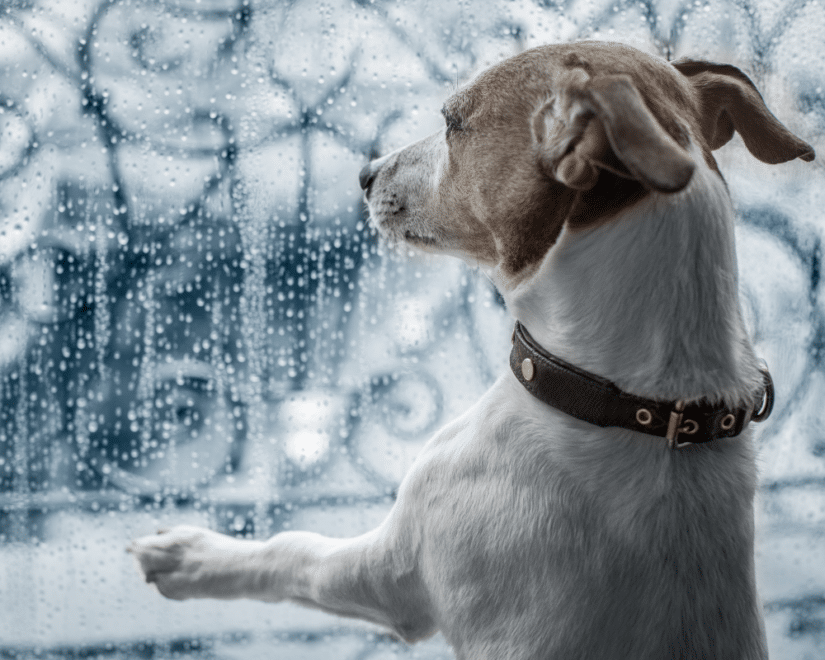
With warmer weather comes thunderstorms. And while many people sleep soundly during these weather events, even enjoying the thrum of raindrops on rooftops, our furry companions might not feel the same way.

About one-third of dogs experience stress and anxiety with thunderstorms being at the top of the list of anxiety-inducing situations. Their anxiety can stem from loud noises, changes in barometric pressure, static electricity or a past distressing experience with rainstorms. Thunderstorm anxiety can manifest as excessive salivation, shaking, pacing, licking of lips, destruction to self or property, inappropriate urination, defection and hiding.

If your pet gets thunderstorm anxiety, there are ways that you can help soothe them and make their experience as comfortable as possible.

Tips for Calming Your Dog During a Thunderstorm

  1. Provide a safe place

During a storm, have a calm place available in your home that your pet can retreat to such as a blanket-lined crate, dog bed or interior room. Bathrooms tend to be relatively sound-proof and well-suited for waiting out the rain.

Doggles (eyewear for dogs) and earmuffs are also available to minimize the visual and aural stimulation of a storm.

  1. Turn on background noise

Muffling the sound of thunder and the crash of lightning can be accomplished by playing music, using a white noise machine or turning on the television.

  1. Engage them in other activities

Engaging in indoor activities such as hide and seek or tug-of-war can help distract your pet and take their minds off of the rumbling weather conditions. Brushing your pet or giving them treat-dispensing puzzles or chew toys can keep them distracted, too.

  1. Dress for the occasion

Thundershirts or compression wear work by applying gentle, full-body pressure. It’s like a hug for your pet that is persistent and calming. Static-diminishing capes can also be worn if that is the source of your pet’s anxiety.

  1. Seek your vet’s recommendations

Natural calming aids are available over the counter and through your veterinarian’s office. L-theanine, lavender, pheromone spray diffusers or collars, CBD/hemp supplements or melatonin can offer relief.

Pets with escalating anxiety and those that are destructive or engage in self-harming behaviors might need prescription drugs to ride out the storm. Some of these medications are used on an as-needed basis and can be administered a few hours before an anxiety-inducing event.

Always consult your veterinarian before giving your pet natural, over-the-counter and/or prescription medication.

  1. Schedule playtime before the storm

During the rainy season, keep a close watch on the weather. Prior to an incoming storm, get your pup outside for some physical activity! Going on a run, playing fetch or taking them on an off-leash excursion to a dog park will tire them out and maximize the chances they will sleep through the storm. As always, a tired pet results in a happy dog and a happy owner.

  1. Do not reinforce unwanted behavior

Contrary to our natural instincts, it is counter-productive to soothe a fearful pet. Do not inadvertently reward unwanted behavior such as crying or shaking by reassuring your pet things will be ok. Such positive reinforcement can cause the behavior to persist or escalate.

At Pet Butler, we want your pet to live a happy, healthy and fulfilling life. And we want you to be able to spend as much time with your furry companion as possible. So let us take care of the dirty work while you do the things you love. We’ll scoop your pet’s poop on a weekly, bi-weekly or monthly basis.

How Much Exercise Does a Dog Need?

Pet Health Articles

PBC How Much Exercise Does a Dog Need 1000x800

Humans need regular exercise to maintain optimal health. By moving our bodies, we strengthen bones and joints, manage weight and chronic conditions such as diabetes and heart disease, and improve immune system and cognitive function. Regular exercise also releases hormones that decrease stress.

Surprise! Our dogs are no different. And just like humans, they come in a variety of shapes and sizes. Because of age, breed and environmental variations, exercise requirements differ from dog to dog.

How Much Exercise Does My Dog Need Each Day?

A good baseline for most canines is one hour of activity per day.

For middle-aged, brachycephalic breeds such as Pugs and Bulldogs, several walks a day for 45-60 minutes cumulatively can be plenty. These dogs have restricted airflow due to their shortened snouts, and more vigorous activity can be harmful to their health, leading to respiratory distress. It’s also best to exercise in cool temperatures as their body heat can rise quickly.

Breeds such as Border Collies are built to sustain high-intensity and a longer duration of activity. These breeds can be active for two or more hours per day, which may include chasing a frisbee, going for a run with their human, practicing flyball and similar activities.

Sighthounds like Whippets and Greyhounds need relatively little exercise to meet their physical and mental needs. Built for speed, they are content with three walks a day, and they thrive when provided a few, safe off-leash opportunities to reach their maximum velocity. They tire easily and aren’t endurance athletes. Many retired sighthounds become excellent apartment-dwelling companions.

How Much Exercise Does a Puppy Need?

Not surprisingly, puppies need more physical activity than most adult or senior pets.

If you have a puppy, you’ve likely experienced the “Zoomies”—that quick sprint around a room or throughout your home. This is evidence of pent-up energy that needs to be expended.

Because of their developing limbs, puppies over four months should be exercised multiple times a day for one to two hours cumulatively. At a very young age, a leashed walk is not needed and is unlikely to be very productive since puppies are so distractable. Although, practicing leash-walking skills and recall exercises, such as “come when called”, constitute physical activity.

Playing with a ball, hide and seek with a toy or treat or playtime with other healthy dogs can be productive. Hiking is also a safe activity you and your pup can enjoy together. New sights, smells and terrain provide lots of opportunities for stimulation. Various muscle groups are utilized which is optimal for injury prevention and building strength. In inclement weather, running the stairs, playing tug-of-war and leveraging puzzle games are activities to enjoy.

How Much Exercise Does My Senior Dog Need?

Older dogs need exercise to maintain muscle mass, control weight and provide enrichment. A good rule of thumb to follow for senior dogs is that they need roughly 30 minutes of exercise per day.

Shorter, slower walks that incorporate hills are very beneficial. Swimming is an ideal exercise for older pets, too. They aren’t as likely to overheat, and the non-weight-bearing exercise is easy on arthritic limbs. It’s important to monitor your pet in the water as exhaustion can occur rapidly; life vests can help maintain buoyancy while allowing your pet to reap the benefits of swimming.

If your senior dog slows down, starts limping or seems otherwise physically stressed, stop exercising and consult your veterinarian.

How Do I Know If My Dog Isn’t Getting Enough Exercise?

Dogs that aren’t receiving enough exercise are relatively easy to identify.

Weight gain, in a general sense, reflects too many calories being consumed and not enough expended. A pet’s ideal weight can be determined by assessing their muscle and body condition. A pet with an abdominal tuck, palpable ribs and an hourglass shape, when seen from above, is at their ideal weight.

AKC breed standards can also be a rough guide as to where your purebred pup should fall on the scale. If your pet is 10% above their ideal weight, they are considered overweight. It’s time to get moving!

Under-exercised dogs can also exhibit a multitude of behavioral problems. Dogs that excessively bark, chew household items or pace around the house may not be receiving enough exercise. Lesions attributed to chronic licking such as lick granulomas on the limbs may be caused by boredom and stress. These lesions can look like red, raised, hairless spots on any or all the legs, especially near the wrists.

Muscle atrophy, or muscle wasting, can be a sign that your pet is too sedentary. Since other metabolic, autoimmune and inflammatory diseases can lead to muscle loss, it’s best to consult your veterinarian if you notice any changes in body condition. It’s also best to check in with the doctor before starting any new exercise routine.

At Pet Butler, we want your pet to feel and be their healthiest and happiest. Free up your time spent doing chores so you can have more quality time with your furry companion. We’ll take care of your dog’s waste removal on a weekly, every other week or monthly basis.

How to Combat Cabin Fever: 6 Ways to Entertain Your Dog Indoors

Dog Activities Articles

PBC 6 Ways to Entertain Your Dog Indoors 1000x600

On cold or rainy days, it’s easy to lean into lethargy by curling up near the fire and binging the latest show while munching on your favorite snack.

While we don’t have a problem entertaining ourselves when the weather doesn’t cooperate, pet owners struggle to say the same about our furry friends. To help combat your pup’s cabin fever, here are six ways to keep your dog entertained and active when the weather forces you to stay inside.

1. Toys

Rope toys – A passionate game of tug-of-war is the perfect go-to indoor game. Just make sure you keep it playful—aggressive dogs can become possessive during tug-of-war.

Ball toys – Fetch is likely the most efficient way to burn calories and energy with your dog aside from going on a run. Although fetch is mostly played outside, you can play it indoors, too. Keep the balls away from fragile parts of the house, or use stuffed toys. If you have a long hallway or carpeted stairs, you can use these areas of the home to easily play.

Chew toys – The beauty of chew toys is two-fold. First, it allows your dog to exert physical effort while quenching chewing behaviors. Second, it can capture the attention of your pet for an extended amount of time if you choose the right product. USA-produced bully sticks and Nylabones can keep your pet busy for a while. You can even try treat-dispensing toys and stuff them with food like soft-cooked rice, then freeze them for an added bonus. CET chews and other similar treats can also occupy your pet while aiding their dental hygiene.


2. Games

Muffin tin game – Try hiding bits of kibble or small treats inside a muffin tin, then top the cups with tennis balls. Your pup will have to work to remove the tennis ball to receive the treats. This will expend their mental energy while they’re learning to play the game.

Obstacle course – Create different obstacle courses in your home. Use things like laundry baskets and larger pillows for your dog to jump over. String blankets from furniture so your pet can walk under the makeshift tunnel. You can even hide treats along the obstacle course as incentives to get through the game.

Hide and seek – There are two ways you can play hide and seek indoors with your pet. First, you can hide while your dog stays in another room, waiting for you to call them to come search for you. Second, you can hide treats throughout the house for your pet to find.

No matter which game you play indoors, make sure to reward your pet with proper treats and praise!


3. Play Date

Do you have neighbors or family members with dogs of their own? Just like with kids, an easy way to keep your pet preoccupied is by introducing peers into their life. Play dates are great ways to keep your furry friend socially active.


4. Make Feeding Fun

When housebound, change up feeding methods to make it more of an active process. Whether using food-dispensing toys or even scattering food around the house, you can turn mealtime into an opportunity to get up and moving.

If you’re really in need of getting your pup some extra steps, play fetch with kibble. Ask your dog to “sit” and “stay” before tossing the food, then have them go after the food. You can repeat this process until their meal is gone.

5. Training

One way to expend your pet’s mental and physical energy is to teach them a new trick. This is a great way to spend a lot of time with your dog, and it’s extremely rewarding for both of you. Tricks like “play dead” and “roll over” are a few more complicated moves that can be fun to teach your dog. Along the same lines, consider obedience training, agility training and scent work.

6. General Time Together

At the end of the day, keeping your dog entertained is all about making sure they’re well-attended. If you’re going to be inside for an extended period, make the most of it! While physical and mental exercises might be priority, spending quality time together will help add to your pup’s sense of fulfillment. Cuddling up by the T.V., grooming, petting or massaging, listening to music or taking cozy naps can elevate both of your moods during the cold or rainy days.


At Pet Butler, we want you and your canine friend to spend as much time together as possible. That’s why we’re here to take on dreaded chores like poop scooping so you can get more time back in your day to do the things you love. Learn about the services we offer in your area.

What You Need to Know: The Difference Between Raw Food, Freeze-Dried Food and Kibble

Pet Health Articles

PBC Types of Dog Food 1000x800

These days, eating options for our canine friends are about as diverse as they are for their human counterparts.

With options including raw, freeze-dried and kibble, it can be challenging as a pet owner to understand the differences between the different food products.

We’ll break it down for you.

Raw Dog Food

How does raw dog food work?

Raw dog food is just as it sounds—uncooked meats, bones, organs, vegetables, etc. At its core, raw dog food is a natural feeding style, one that represents what canines would face in the wild.

When feeding your dog a raw diet, you have two options of where you can get the food from. You can purchase pre-packaged raw dog food from a commercial retailer, or you can make it yourself.

Raw diets boast a handful of benefits to your dog’s health, including increased energy levels, improved dental hygiene because of bone consumption and healthier skin and coats. Raw dog food also contains a much higher water content than dry food, which can help achieve a feeling of fullness.

With that in mind, there are a variety of substantiated issues raw diets can present to pets and even pet-owners.

Feeding your dog a raw diet can run the risk of introducing bacteria, like Escherichia coli, salmonella and staphylococcus, into your household without proper feeding and cleaning methods. The immuno-compromised or children who have less than meticulous hygiene can be especially vulnerable.

Additionally, the bacteria in raw meat can be dangerous to our furry friends by causing gastrointestinal or systemic disease. Parasites such as Neospora caninum and trichinella spiralis found in raw meat can cause inflammation and infection. Finally, if bones are not consumed properly, it can result in chipped teeth and choking.

Freeze-Dried Dog Food

What is freeze-dried dog food?

At your local pet store or online retailer, you can likely find raw dog food that’s freeze-dried.

Freeze-drying is the process by which water is removed from formulated food. This is accomplished by freezing the wet product, then vacuum sealing the product while raising the temperature. This causes the frozen water to turn into vapor and disperse from the food while many of its nutrients remain.

The benefits of freeze-dried foods are similar to those of the raw dog food diet. Freeze-dried foods are a fast and simple alternative to raw food since you don’t have to handle or prepare wet, raw material.

It is important to note that bacteria-related problems are not isolated to fresh raw diets. While the freeze-drying process limits the ability for new bacteria to grow and causes pathogens to enter dormancy, it does not inherently kill the bacteria.

Kibble Dog Food

Doggie kibble is at the other end of the feeding spectrum. Kibble food includes formulas that are processed together and cooked. Added preservatives are included to increase product longevity.

Brands of dry food that meet the Association of American Feed Control Officials (AAFCO) standards are required to meet the nutritional needs of your canine, and per USDA regulation, are to be produced under sanitary conditions without harmful substances.

The major benefit of a kibble-based diet is the reduced risk of infection since the products are fully cooked. Additional benefits include portability, healthier gums, reduced levels of plaque and cost-effectiveness.

No matter what diet you choose for your pet, it’s crucial that you consult your veterinarian prior to making a decision. Discuss the options with your vet to ensure you’re feeding your furry friend a balanced diet that supports their breed, age, physical condition, lifestyle and more.


At Pet Butler, we strive to create a healthy outdoor environment for you and your pet. Learn about our poop scooping services.

How to Help Your Pet Lose Weight

Pet Health Articles

PBC How to Help Your Pet Lose Weight 1000x800

First, you identified that your pet has a weight problem. Now, you need to find out how you can help your pet lose weight.

Although intimidating, reversing your pet’s weight gain isn’t the most challenging process out there. In many cases, weight loss can be achieved by changing up your pet’s daily routine and by monitoring the calories they consume versus the calories they burn.

Before taking any action, keep in mind that you’ll want to bring your pet in for a visit with your local veterinarian to rule out other underlying health issues that may mimic weight gain. Once health issues have been ruled out, you and your vet can move forward with developing a weight loss plan.

Develop a Weight Loss Program for Your Dog

Put your dog on a diet

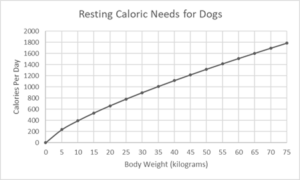
Dieting is naturally going to be the strongest component of weight loss, keeping gradual loss and safety top of mind. Typically, feeding your pet according to their RER (resting energy requirements) should be sufficient in achieving ideal weight. RER is a benchmark of the caloric intake needed by your pet to maintain essential body functions. It is calculated as follows:

RER = 70 * (Pets weight, in kilograms)3/4

For example, if a dog needs to be 25 kilograms (55 pounds) to be their ideal, healthy weight, they should eat approximately 780 calories per day. When calculating this, be sure to go off their ideal weight, not their current/overweight number on the scale.

Resting Caloric Needs for Dogs

Of course, this measurement is very generalized. Determining how much you need to feed your pet will be unique to their size and starting weight relative to that of their ideal weight. Your veterinarian will incorporate these factors when providing recommendations on what type of food and how much to feed your companion.

Once you start your pet on a diet, it’s important to benchmark their weight over time to ensure that the diet is working effectively and in a safe manner. For dogs, aiming for 3-5% body weight loss per month is healthy. Under ideal circumstances, your pet should be able to reach a healthy weight in about 6-8 months. You’ll want to continue monthly check-ins with your veterinarian to monitor this progress and your pet’s health.

Develop an exercise routine

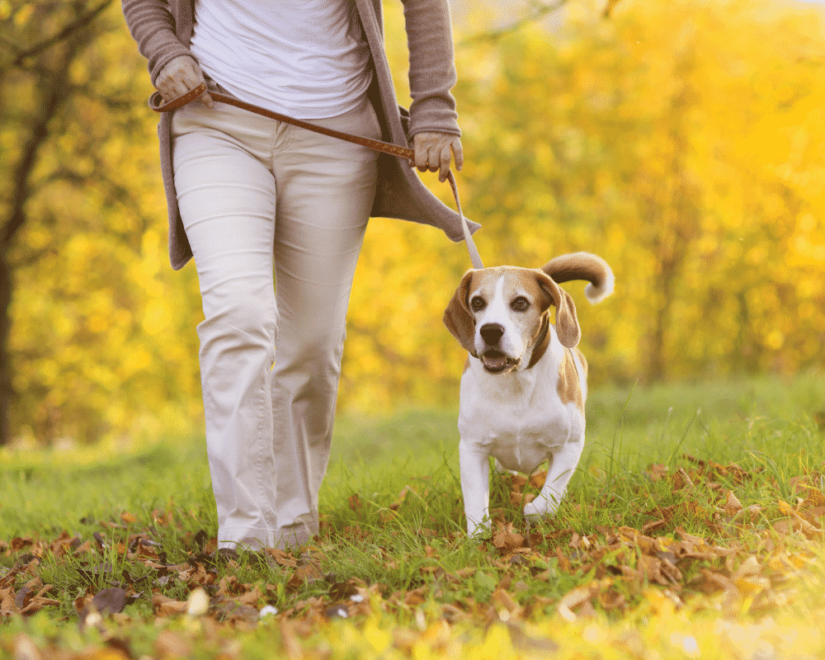
The second major component of any weight loss program is exercise. In general, dogs should be going on a 30-minute walk twice per day with ample time for fetch and other activities in between.

It’s important to note that if you are looking to specifically increase weight loss for your dog through walking, you will have to move at a quicker pace than your average leisurely walk with the goal to elevate your pet’s heart rate. You’ll know you’re walking fast enough for your dog when you’re breaking a small sweat and their breathing increases.

If your pet can’t quite muster the energy for that amount of fitness, you can work your way up to it. The key is to encourage activity as much as possible.

Change up treats

While reducing the amount of treats you should give your pet is a no-brainer, consider altering what those treats are. If you haven’t tried it already, you’ll find that most dogs love fruits and veggies, like apples, bananas, blueberries, carrots, celery and broccoli. The crunchier the better!

Move the bowl

Along the lines of encouraging movement, change the location of your pet’s food bowl. Placing it in different rooms and moving it around will keep your companion active. Even better, incorporate a puzzle feeder so your pet must work to get their food.

Alter meal size

Instead of feeding your pet twice or three times per day in larger quantities, give smaller meals frequently. This will allow you and your pet to better pace their eating and keep them more satiated throughout the day.

Don’t give in!

Unfortunately, reducing food intake will likely magnify any begging behaviors that your pet currently employs to get you to feed them more. Stay strong! And try your best to not feed your dog the table scraps at the end of the night.


At Pet Butler, we want your pet to feel and be their healthiest and happiest. Free up your time spent doing chores so you can have more quality time with your furry companion. We’ll take care of your dog’s waste removal on a weekly, every other week or monthly basis.


Obesity in Senior Pets

Pet Health Articles

PBC Obesity in Senior Dogs 1000x800

Much like people, our beloved furry friends experience physical decline as they age. Because of this, they are more likely to gain weight as they get older.

Perhaps you’ve seen the pounds adding on as your pet ages despite maintaining the same feeding, walking and general health routines you’ve followed for years. It can be frustrating and confusing seeing your pet travel down this road. You might question why it’s happening and what you can do about it.

Why Senior Pets Gain Weight

It’s valuable to understand the variety of health complications that can arise as your pets grow older and their role in this challenging subject. Many times, weight gain in senior pets is caused by a purely medical reason. Among a few medical ailments, two of the most common illnesses we see in older pets surrounding weight gain are hypothyroidism and hyperadrenocorticism (Cushing’s disease).

Hypothyroidism

Hypothyroidism is a condition wherein your pet’s thyroid gland, a gland that produces metabolism-controlling hormones, is underactive. When the thyroid produces too little of these metabolic hormones, weight gain and other symptoms can develop. It’s especially prevalent in larger dogs.

Cushing’s disease

Cushing’s disease impacts the body in a similar manner. With this endocrine disorder, often caused by overmedication, too much cortisol is being produced or administered to your pet. This steroid also controls metabolic rates and other bodily functions and can result in systemic weight gain.

Arthritis

Arthritis is also prevalent in older pets. Carrying extra weight compounds the stress on joints making movement more painful, decreasing the ability to exercise and causing more weight gain. Ouch!

Heart or respiratory disease

Heart or respiratory disease can cause your senior pet to gain weight. It can decrease your dog’s exercise tolerance making weight loss an even greater uphill battle.

Weight Loss Tips for Senior Dogs

The bottom line is that these weight-related issues often arise secondary to other factors, and it’s best to seek assistance from your trusted pet professionals to understand exactly what changes are happening to your pet. Fortunately, there is a myriad of ways you can support your pet in their later years, like changing feeding and exercise behaviors and treating any underlying health concerns.

Assess your pet’s food

In addition to determining appropriate caloric intake, look at the nutritional breakdown of the food you’re providing your companion. You’ll want to purchase premium adult formulas, watching out for artificial additives, preservatives and other chemicals that might be thrown into the mix.

For older dogs, look for products that are high in protein, medium in fat and low in carbohydrate composition. Protein strengthens the immune system and supports the central nervous system, benefits of which are highly valuable to our aging pets.

Monitor water intake

On a similar note, it’s important to monitor the amount of water your pet is drinking. If you’ve noticed an excessive intake of water by your aging pet, this could be indicative of liver, kidney or endocrine disease. As with anything, moderation is key. Too much or too little intake of fluids should raise concern and should be discussed with your veterinarian.

Maintain an exercise routine

In an ideal world, your pet’s exercise behaviors and general activity shouldn’t decline as they age. For dogs, two 30-minute walks a day should be a part of your daily routine. If that’s not the case, incorporate walks or find other ways to exercise your dog’s body and mind. Not only will this combat aging-induced weight gain, but it will also enhance their metabolism and provide mental stimulation.

If your pet is struggling to keep up while exercising, start with shorter, slower walks with plenty of breaks so they can catch their breath. Make sure the ambient temperature is comfortable for your dog, too. Incorporate some hills and bursts of speed as they build strength and duration.

A great alternative to walking for older dogs is swimming. Not only is swimming a full-body workout but it’s also easier on their body, specifically their joints. As a low impact, non-weight bearing form of exercise, swimming is a fantastic way of elevating metabolism, decreasing inflammation and enhancing circulation in your pup. There’s no shame in putting your dog in a life vest for safety, as doggy paddling isn’t an inborn ability!

Feeding your senior pet the proper food for their age, breed and lifestyle and maintaining an exercise routine can be the answers to helping your fur-ever friend lose necessary weight; however, it’s important to remember that weight gain in older pets can be caused by underlying health issues.

Obesity in senior pets can be linked to hypothyroidism, hyperadrenocorticism (Cushing’s disease), arthritis, respiratory challenges, heart disease and a slew of other issues. If you’re concerned about behavioral and physical changes in your older pet, don’t hesitate to reach out to your veterinarian. Put your worries to rest and find the best ways to support your pet.


At Pet Butler, we want you to be able to focus on your pet’s health and livelihood. Let us take care of the dirty work. We offer poop scooping services that can occur weekly, every other week or monthly. We even offer cleanup for a special occasion, party or holiday weekend.


Picking Safe Holiday Dog Toys and Treats

Pet Safety Articles

PBC Blogs 1500 × 1200 px) (5)

In most animal-loving households, holiday gift shopping includes purchasing presents for our four-legged friends. With so many great dog toys, treats and accessories out there, it can be difficult to know where to spend your hard-earned dollars.

Here are some criteria to consider when purchasing anything that your pet may ingest, carry, gnaw or retrieve, as well as some recommendations to keep your pet mentally and physically stimulated this holiday season:

1. Durability and Texture

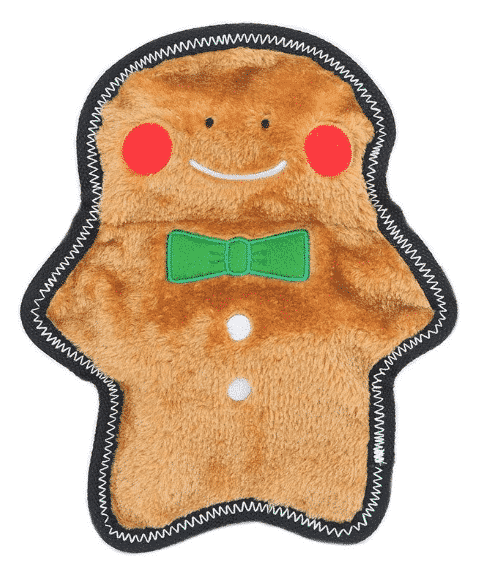
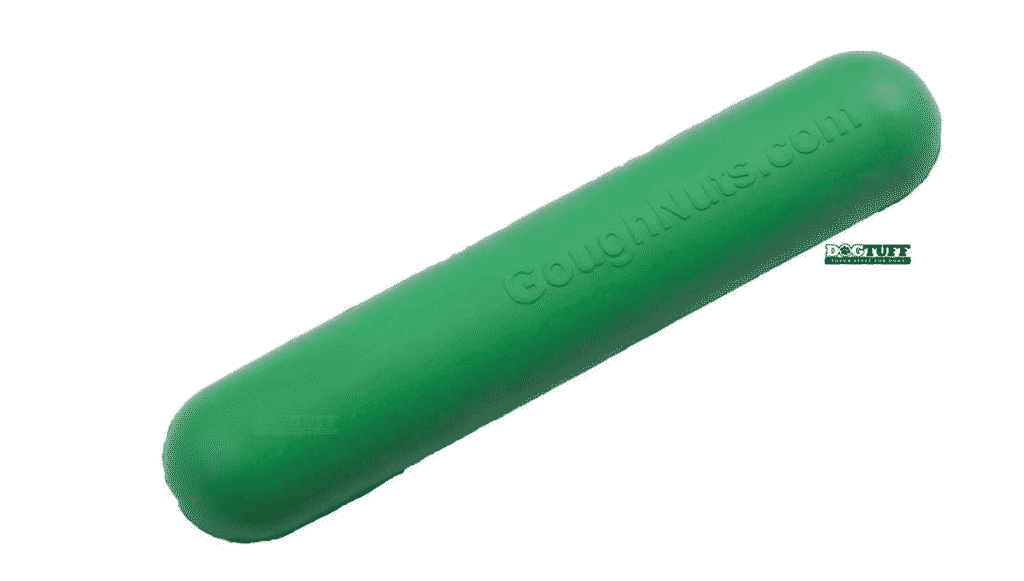
Not many toys will stand up to the bite of a pittie or shepherd. Look for toys with reinforced seams and no small pieces like plastic eyes or stuffing that can be swallowed. Bonus points for anything that squeaks, makes a fun crunching sound or can be carried in your pet’s mouth. A few toys that have good durability and texture are the ZippyPaws – Holiday Z-Stitch Extra Tough No Stuffing Plush Dog Toy with Squeaker and the Goughnut Stick. The stick floats, is made of natural rubber and comes with a replacement guarantee if your dog penetrates the outer layer.

dog toygoughnut stick

2. Hardness

Even though some breeds may still resemble their wolf ancestors, it’s important to avoid dog toys that don’t pass the thumbnail test (pressing into the object with your thumb should leave an impression from your thumbnail). This means avoiding bones, antlers or even hooves, which can lead to tooth fractures, pain, infection and splintering in the gastrointestinal system causing rupture, blockage or even death. Likewise, rawhides can be unsafe as they may deteriorate into chunks that are too big to digest and harbor bacterial pathogens.

A safe dog toy idea that meets quality standards is the Nylabone Dura Chew Plus. It has a pleasing ribbed texture, is chicken flavored, comes in multiple sizes and dogs can shave off satisfying, rice-grain-sized bits that are safe to ingest.

3. Coating

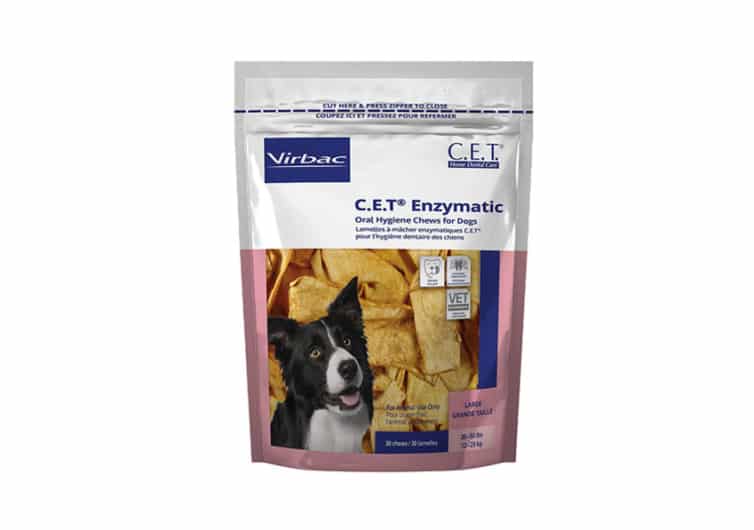
Beware of the treated pig ear or coated bully stick. Not only do the coatings stain fabric and carpeting, but they can also cause digestive upset in your dog and promote bacterial growth on the surface of the chew. Many are not sourced in the United States and may be a by-product of the inhumane international fur trade. It’s important to consider the impact your purchase has on other species and the environment; a great dog toy shouldn’t harm any other critters during production. One veterinarian-recommended chew that is coated with a dual-enzyme system to prevent tartar formation is the Virbac C.E.T. Enzymatic Oral Hygiene Chews for Dogs. Not only is it flavorful but it also provides the benefit of good oral health too!

dog treats

Blog Cta Graphic (1)

4. Size & Shape

It’s important to consider the “anatomy” of the dog toys you purchase and always supervise your pet when they’re playing or chewing on their new holiday gift. Toys and treats should not be small enough to become a choking hazard, nor should they be too large that jaw strain is a result of chewing. Avoid toys that have a ring or bend that can become stuck over the dog’s jaw causing injury. Try a fun treat ball or puzzle. A safe toy idea that comes in multiple sizes is the PetSafe Busy Buddy Calming Toys.

5. Washability

Myth: a dog’s mouth is cleaner than a human’s. Make sure your gift is machine or dishwasher safe! Kong brand products are not only sturdy but come in multiple sizes, can be stuffed with treats and are top-rack dishwasher friendly. Kong brand soft toys can also be thrown in the washing machine. Be on the lookout for anything that is easily washable to avoid bacteria growth!

6. Engaging

The best dog toys are mentally engaging, provide an outlet for chewing, help reinforce positive behavior, relieve stress and provide physical exercise and entertainment. Most food-motivated dogs love a treat that’s bacon, chicken, beef or cheese flavored. Kong Stuff’N Easy Treat is made to be used in toys with a dispensing hole, and dogs find it irresistible! Pet owners use this treat-filled toy to relieve separation anxiety and allow safe, long-lasting chewing.

View our Pet Wellness Videos for more expert pet advice.

At Pet Butler, we want you and your pet to live your best and healthiest lives, which is why we offer Pet Waste Removal and Pet Care services year-round. We offer weekly, bi-weekly, monthly, and one-time clean-up services to meet your schedule and needs.

Happy Howlidays!

Diseases that Mimic Obesity in Pets

Pet Health Articles

PBC Diseases the Mimic Obesity in Pets 1000x800

You have upped your pup’s workout routine to include 30-minute walks, twice a day. You’ve added a few hills and varied pace, counted calories and changed up treats to include apple slices and baby carrots. A download from WSAVA provided you with intel on body condition scoring and the importance of monitoring body weight to get an accurate picture of your pet’s nutritional health and general wellness.

But what happens when your pet is still gaining weight despite your efforts, or their weight is stable, but they are losing muscle mass? Maybe their “waist” is still present when viewing their profile from above, indicating a body condition score of 5, but a side view shows a generous potbelly and leads you to believe they may be more like an unhealthy 9?

First of all, great job on monitoring these important health indices! Second, it’s time to call in the health care professionals, your veterinary team members, for an assessment. When there are inconsistencies, inexplicable changes in weight, or your pet experiences shifts in appetite, energy or hydration needs, call your vet.

There are several diseases that can mimic obesity in pets, so it’s best to assess your pet’s condition as soon as possible.

Common Diseases in Dogs

Hypothyroidism

One of the most common diseases among middle-aged to senior dogs is hypothyroidism. The thyroid glands control metabolism, and when hormone levels are low, your pet may experience lethargy, hair loss, weight gain or recurrent skin and ear infections.

Breeds predisposed to hypothyroidism include our retriever friends, doberman pinschers, Irish setters, boxers, poodles and cocker spaniels. A simple blood test followed by thyroid supplementation can set your pet on the road to wellness.

Cushing’s Disease (Hyperadrenocorticism)

Cushing’s disease, or hyperadrenocorticism, is another endocrine disorder that disproportionately affects boxers, terriers, poodles, dachshunds, and maltese breeds. The disease is caused by an over-production of steroid hormones, namely cortisol.

Overmedication of pets or chronic use of a steroid called “Prednisone” can also lead to Cushing’s disease. Cortisol in healthy pets regulates the body’s response to stress and helps modulate the immune system. In excessive amounts, too much cortisol can lead to weight gain, a decreased ability to fight infection, increased water consumption and appetite, a swollen appearance to the abdomen and deposition of fat stores in the shoulder and neck areas. It can also lead to hair loss, thinning or darkening of the skin and lack of energy.

While often manageable, Cushing’s disease is a serious problem in middle-aged to older pets that may require surgery or lifelong medication and blood testing.

Pancreatic Tumors

The pancreas is made up of cells responsible for producing and secreting insulin, a hormone that regulates blood sugar levels. Dogs that have tumors of the pancreas secrete excessive amounts of insulin, causing glucose levels to drop, weakness, dull mentation and weight gain.

Blood testing paired with a biopsy at the time of surgery to remove the tumor can be diagnostic and curative if the cancer has not spread.

Fluid in Belly and/or Chest

Free fluid, water or blood in the abdomen can lead to changes on the scale or a bloated belly despite consistent calorie intake and exercise. Diseases that lead to water retention or leakage of fluid out of the bloodstream and into the abdomen are many and can affect young and old animals alike. Liver disease, gastrointestinal diseases that cause low blood protein and heart disease can all lead to fluid build-up in the belly and/or chest.

Certain cancers or trauma can cause free abdominal fluid or blood loss into the abdomen, resulting in a pot-bellied appearance.

Intestinal Parasites

Puppies are adorable, no doubt; however many pups harbor intestinal parasites, giving them that rotund appearance. Most puppies are exposed to roundworms, hookworms, tapeworms and whipworms in utero via the maternal milk supply or in the environment. Intestinal parasites rob the puppies of necessary nutrients, so deworming and regular fecal testing are necessary.


No matter the cause, a sudden change in your pet’s body shape or size should be considered an emergency and prompt a visit to the veterinarian immediately. At Pet Butler, we want your pup to be their happiest and healthiest, which is why we’re here to take care of their waste. Call 1-800-PET-BUTLER to learn more about our waste removal services and how we can keep your yard clean.


How to Determine if Your Pet is Obese

Pet Health Articles

PBC How to Determine if Your Pet is Obese 1000x800

Did you know that obesity isn’t unique to humans? Studies show that 1/2 – 2/3 of dogs are overweight. While we are very well versed on our own signs and symptoms of obesity, it can be much more of a challenge to understand our pets’ health in regard to their weight.

So, how can you tell if your pet is overweight, and when is it time to call your vet?

Body Condition Score and Weight

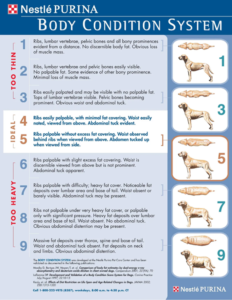
Let’s start with one of the fundamental tools veterinarians use to evaluate the health of canines: a Body Condition Score (BCS). The BCS is a rating of your dog’s current weight compared to its ideal weight. This is determined through visual and manual assessment. You can think of a BCS as the dog equivalent of a Body Mass Index (BMI) or a similar health indicator.

BCS scales can range from 1-5 or 1-9 and typically follow the same structuring. An example is shown below, with the “ideal” range at approximately 4 to 5.

Dog body condition system infographic detailing ideal dog weight and fitness level

Image Source: Purina’s Body Condition System

However, just like any analytical index, a BCS isn’t without its flaws. For one, the system is subjective, outlining generalized terms of what to look for in your pet. Second, body condition scoring isn’t going to be applied the same for all dogs and can be dependent on breed, gender and age.

As a species that ranges vastly in shapes and sizes, there is no one “ideal” weight for a dog. While there are standardized ranges for each breed, a healthy size is going to be unique to your pet alone. For example, healthy greyhounds typically have visible ribs due to their conformation and haircoat, but this same statement is not true for a golden retriever.

Ask your veterinarian to help identify a healthy weight range for your pet, which is likely to correspond to a range of 4-5 on the body condition score chart. Your pet will be overweight if they are 10-20% above that number on the scale and clinically obese if that number reaches more than 20%.

Not to fear, though. Just because you can’t rely on a BCS alone doesn’t mean you can’t determine if your pet is overweight. Here are some other signs you can look out for.

Physical Appearance

As with the visual examination involved in body condition scoring, the easiest way of understanding where your dog’s weight is at is simply by looking at them. Does your dog’s waist sag? Are there fat pads at the base of its tail and top of its hips? Do its legs stick out awkwardly to the sides instead of being directly under them? These could be signs of a weight problem.

In general, your dog should have its abdomen tucked up in relation to its chest. From an overhead view, a healthy dog is one that is wider at the chest and slimmer toward the waist. If your pet has an ovular body shape from the side or over the top, you’ll know something’s up.

One of the biggest visual indicators is the ribcage. In a healthy dog, the ribs shouldn’t be very prominent, depending on the breed, but they should be very easy to feel upon touch. A telltale sign of an overweight dog is one whose ribs take excessive palpation to find.

Respiratory Issues

Another common presentation of obesity in dogs comes in the form of breathing. If you’ve noticed that your pet struggles with breathing, namely wheezing or heavy breathing, this could be a result of being overweight.

Respiratory problems can even manifest when your dog isn’t exerting effort. Checking if and how intensely your dog snores can also provide insight into its weight situation. When it comes to snoring, more is not merrier.

Difficulty with Movement

As with humans, extra weight is going to place additional pressure on joints, making movement more challenging. If your pet isn’t moving around as well as it used to, weight can be the culprit. Better indicators come in the form of more difficult movements, like running, jumping and climbing stairs.

General Behavior

As a less specific rule-of-thumb, your pet’s overall behaviors can be indicative of needing to shed some pounds. If you find that your dog has become particularly sedentary, opting for laying around as opposed to going on walks, something likely isn’t right. An absence of energy and general lethargy is never going to be reflective of positive health.

If you find your dog following any of these patterns or displaying symptoms of obesity, it’s time to schedule a visit with your vet. At the end of the day, your veterinarian will be able to give you the most thorough and definitive answer regarding your pet’s health.


At Pet Butler, we want your pet to feel their best and be their healthiest. That’s why we specialize in caring for your pet by scooping up their waste. Find out more about our services or call 1-800-PET-BUTLER to learn how we can make your pet’s life happier, healthier and cleaner.

To continue learning about obesity in pets, be on the lookout for our upcoming articles on diseases mimicking obesity, how to help your pet lose weight and obesity in senior pets.


Find a Pet Butler 800-Pet-Butler