How To Adjust Your Shelter Pet To Home Life

Pet Adoption Articles

Adopting A Pet - Shelter Dog - Image

Are you planning to adopt a furry friend in the near future? Perhaps you’ve recently adopted and welcomed your new companion into your family. Either way, bringing your best friend home can pose a few lifestyle changes for both you and your pet that you should be aware of. Help your shelter dog comfortably adjust to their new home with these tips.   

What are tips to help my shelter pet adjust?

Something to be aware of is that adult shelter dogs, as opposed to puppies, can be much easier to train. Although puppies can come with less baggage, shelter dogs may have histories before they come to you, and some of their stories may not be positive. They may have been isolated, neglected or, in some cases, physically abused. Common obstacles dog owners experience are: 

  • Lack of socialization with other animals and/or people
  • Health problems that may have developed from malnutrition or life as a stray 
  • Behavioral issues like barking, growling, biting, potty training regression, separation anxiety and eating problems

What things should I do before I bring my shelter dog home?

What to buy for a new dog.

If you’re adopting a shelter dog, you, of course, already have a love for dogs and a big heart, but you’ll need some equipment if you want to help your pet successfully transition from shelter to home. Some dogs will have their own unique set of needs, but here’s a basic checklist of items to have on hand before welcoming your pet into their new home. 

  • Collar
  • I.D. tags
  • Leash
  • Harness
  • Dog beds
  • Crate
  • Baby gate(s)
  • Blankets
  • Old towels
  • Food and water bowls
  • Toys
  • Treats
  • Toothbrush and toothpaste
  • Veterinarian-recommended food
  • A reliable veterinarian 

Always be sure to check with the shelter you’re adopting from to find out if your dog will require additional equipment.

How should I introduce my shelter dog into my home?

Bringing your shelter dog home can be one of the happiest days of your life. You will likely be excited and want to kick off your lives together with full speed ahead. To avoid overwhelm, take the necessary steps to help your pet settle in comfortably. 

  • Don’t bring your shelter dog around the other pets too soon. Your shelter dog is surely happy to be headed home with you, but your new best friend has a lot of changes to deal with. Introducing them to other pets too fast can be overwhelming. Take one step at a time, and let them get used to their surroundings first. If you have another pet at home already, most shelters will require a meet-and-greet with both pets to ensure they have positive chemistry before the adoption. If this is your case, introduce your new dog to your other pet slowly when you bring them home, and always watch them when they interact over the first few weeks to months.
  • Properly train your dog. Many shelter dogs have had little training or have forgotten what they used to know during their time in the shelter environment. Starting the training process right away will help them start off on a good paw, especially when it comes to obedience and potty training. 
  • Respect your shelter dog’s limitations. As you learn to understand your shelter dog’s past and possible emotional baggage, it’s important to respect their boundaries and help others (both in your family and strangers) do the same. If your pet is not friendly with strangers, you may invest in a shirt that says, “Don’t pet me” to wear on walks or outings where you’ll come into contact with new people.   
  • Don’t expect perfection from day one. Like most things in life, your shelter pet will take time to adjust to their new environment. They may have sleepless nights or potty training-related accidents. You may have to take extra time to socialize your pet or get them used to walking well on a leash. Knowing that these challenges will inevitably arise, you can learn to anticipate them and overcome common obstacles. 

Whether your pet has been around a while or is a new addition to your household, we want to make sure that you and your pet are living your best lives. Since 1988, we have been the poop scooping professionals. We will do the dirty work for you, so you can focus on welcoming your shelter dog into their new home. 
 

Is Your Pet Depressed?

Dog Behavior Articles

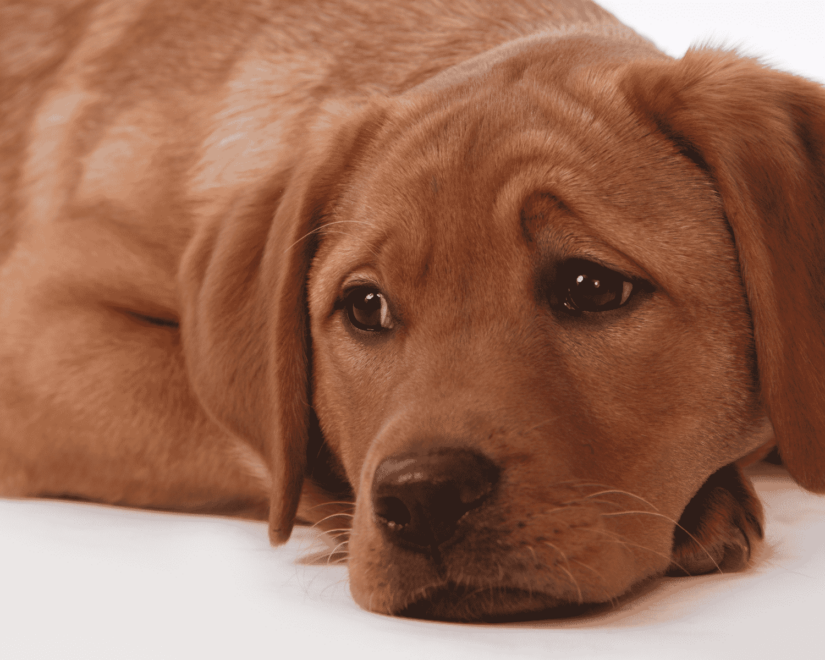
Pet Depression Image

Dogs are complex animals with social, mental, and physical needs much like our own. They thrive in safe, nurturing, and consistent environments that provide companionship and routine. So, what happens when those environments are disrupted by a change in work schedule, a new location, or a life alter event? For many of us, returning to work has been an adjustment, but not just for humans. Some dogs exhibit clinical signs that can only be attributed to pet depression. Of course, we can’t ask them how they are feeling, but we can be aware of how these changes in routine can lead to sadness and depression. The real question is, what we can do about it?  


What are signs that my pet might have pet depression?

Many dogs exhibit symptoms consistent with their human counterparts including those of pet depression. If your pet is normally excitable and friendly but has been spending more time hiding behind the couch, they could have pet depression. Some signs include:  

  • Not wanting to go on their normal walk  
  • Sleep excessively  
  • Changes in appetite or no appetite  
  • Shaking & whining   
  • Not wanting to play with their favorite things  
  • Excessive sniffing, circling, and/or licking  
  • Aggression  
  • Relieving themselves in naughty places  

What is causing my pet’s depression? 

To treat pet depression, we need to look at what changes may have triggered the condition. First, have your dog examined by a veterinarian. The vet may recommend blood tests or other diagnostics to determine if a physical ailment such as arthritis pain or endocrine disease is present. Certain medical problems can lead to behavior changes that mimic or lead to depression.  

If your dog is otherwise healthy, be aware of shifts in the environment that may have led to pet depression. Is your pet not receiving enough exercise or attention due to a job change? Have you recently moved? For many of us that have returned to work, our pets are not receiving the companionship they have come to rely on.   


How can I treat my pet’s depression? 

  • Quality Time – Spend additional time with your pet if you think they are lonely. Make sure you have a consistent routine that includes plenty of exercise. Dogs are creatures of habit that come to anticipate positive interactions, grooming, and feeding times. Mentally stimulating games and classes such as obedience or nose work can provide a depressed pet with a social outlet and a confidence booster. Some dogs love car rides, vigorous brushing, or fetch. It sounds simple but do more of what your pet loves!  
  • Train Them – While you may want to comfort a depressed pet with treats and positive affirmations, save the food rewards for when they exhibit desired behaviors. Pets with depression should be taught to relax in stressful situations. Use recorded sounds played for a short duration, at low volume while petting or feeding to get them. This will help get them acclimated to the stressful triggers. Provide a secure, quiet space and reward them when they can respond to commands such as “settle”, or they resume eating in the presence of the trigger. You can use sounds like the jangling of your keys, the hairdryer in the morning, or starting your car. Any sound that signals a change in the environment is coming.   


The good news is most dogs that have pet depression are sad for a short duration of time. Once the inciting cause has been addressed, their mood improves. For dogs without any other physical ailment that continue to behave unusually, a visit to the vet for a prescription of canine anti-anxiety drugs or medication for depression may be in order. Pets usually show a positive response to the pharmaceuticals within 6-8 weeks. They can often be weaned off after less than a year.   

Stay plugged into your pets’ changing moods and habits. The sooner we identify and treat pet depression, the more quickly we can get those tails wagging! For pet wellness tips, you can go to Petbutler.com/wellness-guide. At Pet Butler, we understand that your pet is family. We know you want quality care and advice when you need it. That’s why Pet Butler is in the business of helping care for your pet’s needs. We provide waste removal services to keep your yard poop-free for you and your pet. Go to Petbutler.com to sign up for our poop scooping services today! 

A Guide To Pet-Friendly Flower Gardens

Pet Safety Articles

Pet Friendly Flowers Image

Now that spring is in full bloom, you’ll want to plant flowers and shrubs to spruce things up in your gardenHowever, don’t overlook the dangers that some plants can cause to your dog or pet. As a pet owner, keeping your pet safe is your priority, but as a homeowner, you want to keep your garden looking beautiful too. Pet Butler has compiled a guide to help you choose the right pet friendly plants that will also look in your garden.
 

What Are Pet Friendly Garden Flowers?

While you want to make sure that you choose the right flowers your geographical region, you also need to choose the right ones that are safe for you pets. Below are some pet safe flowers that you can plant in your garden this spring. 

Pineapple Sage – The Pineapple Sage offers colorful red booms that smell divine and attract hummingbirds but are safe for your dogs. 

Snapdragons – Snapdragons are classic and popular flowers that are safe and non-toxic for dogs. Snapdragons can be found in a variety of colors and are easy to master, even for beginning gardeners. 

Daylilies – A Daylily might become your dog’s favorite outdoor spot because they provide cool leaves to chill out under on a warm day. Although Daylilies are fine for dogs, it is worth noting that they are toxic for cats. 

Marigolds – Marigolds are attractive flowers that come in a myriad of colors but offer more benefits than just their beauty. The Marigold is not only pet-friendly and attractive, but its also a deterrent to insects. 

Roses – Roses are beautiful, elegant, and safe for pets. Color your garden with roses in many shapes, colors, and sizes. 

Asters – With over 200 varieties of Aster, your choice of color and size can bring an ambiance like no other flower can. All while being very pet friendly 

Gerber Daisies – No matter what gardening zone you are in, you’ll likely be able to succeed in growing non-toxic Gerber Daisies. These annuals offer a classic look and fit in with any landscaping style. 

 Flowers That Are Safe For Your Pets image

How Can I Protect My Garden From My Pets?

Fence off part of your garden to protect your pet from certain plants or vice versaIt’s a good option to keep certain delicate plants, shrubs, or flowers from being trampled or disturbed by your dogs. Be sure to include a spacious area that is your pet’s special place to enjoy. Here are some ideas to make your dog’s special place amazing. 

Make a Sunflower Pyramid Doghouse – Sunflowers are easy to grow and mold into a pyramid that can serve as a tent that offers comfort and shade to your pup. Your dog might find a nice napping spot or a natural doghouse that can house their food and water bowl. 

Provide Dog-friendly Herbs – Certain herbs are calming and healthy for dogs. You might add chamomile and lavender to provide health benefits to your curious pet. Be sure to check with your dog’s vet first to make sure your choice of herbs are pet-friendly. 

Include Outdoor Fun – If your garden has space, you can add a sprinkler feature or climbing element to allow your dog to take outdoor enjoyment to the next level. 

The temperatures are starting to rise and summer will be in full effect soon. It’s the perfect time to have the best of both worlds – a colorful garden full of flowers and an oasis for your dog to enjoy all year-round. One part of keeping your garden beautiful is clearing away your pet’s waste. It can be a full-time job to keep up with, but Pet Butler offers a solution that makes life easier for the pet owner. 

At Pet Butler, we work hard to help bring you quality information so you can make the right choices for you and your pet. That is why Pet Butler makes it an easy decision on who should help keep your yard poop-free. If you want to learn more about the services we provide, follow the link here!   

What Will Happen To Our Pets When We Return To Work?

Dog Behavior Articles

Dog laying on a hardwood floor looking a little lonely

With vaccines becoming more and more available, it’s only a matter of time before things return to normal. Restaurants will open back up, movie theater screens will roll, and our favorite metropolitan areas will bustle once again. Perhaps most significantly, jobs will return to their usual workplaces. Although these changes are generally positive, they might not affect us all in a healthy manner. Dogs, who’ve become accustomed to their owner’s constant companionship, will have a difficult time readjusting to our traditional schedules. Fortunately, it’s possible to predict how our pets will react to these changes and comfort them throughout the transition.  


How has life been for my pet this past year?

To understand how to help our pups, it’s important to first understand how they’ve adapted over the past year. Because we’ve had an increased presence in our pet’s lives, dogs have become used to a boost in attention. Extra cuddles, walks, and playtime have been established as the new norm. Since we’ve been around the house more frequently, our dogs have reconditioned to keep a far less regimented schedule. In most homes, their sleeping, eating, and eliminating routines have become much more relaxed. They’ve acclimated to our full emotional state. Instead of only seeing us before and after work, they’ve also experienced us at the most stressful times in the day. As many owners noticed, these changes initially resulted in some strange behavior.   

Towards the beginning of the Coronavirus pandemic, veterinarians recorded an overall rise in dog aggression and disobedience. For families who previously spent a lot of time away from home, this behavior was increasingly apparent. Over time, our dogs were able to readjust to their new environments, and these tendencies subsided. Of course, as the covid-19 world comes to an end, their adaptations will have to be unlearned.   


What behaviors should I watch for? 

Going back to work will inevitably trigger another round of damaging behavior. Coping to a lack of attention will manifest in several forms – all of which can be associated with separation anxiety. Most commonly, separation anxiety is represented in an aura of panic and fear. When you leave the house, your dog might seem upset, resulting in behaviors:    

  • Whining  
  • Whimpering  
  • Panting  
  • Pacing  
  • Shaking  
  • Barking   

Their anxiety could lead to excessive chewing, scratching the doors and windows, or eliminating indoors. Every dog owner should expect to see some variation of this behavior and prepare to handle these situations with patience and love. Your pet will recover and eventually act like themselves; it might just take a bit of time.   

Woman playing with a red Irish setter dog


What are habits I can start to prepare my pet for?   

To smooth out this transition as much as possible, there are a couple of things you can do to prepare your dog.   

  • Make sure you practice going back to your regular schedule. Do this by leaving your home throughout the day, just as you would for work. Slowly build up their tolerance for your absence with longer and longer stays away from home. When you leave, try to help them form mental connections with your departure – this can be through wearing a similar coat and shoes, work clothes, or maybe carrying a backpack. Mimic times you’d travel for work and create a schedule for feeding and eliminating that will translate to when the change happens. Mentally, these actions will familiarize your dog with a work routine and allow them to get comfortable in your leave.  
  • Build positive associations with travel. Give them treats and toys every time you leave and return – and do so with a smile. If you’re happy, calm, and collected when you travel, there’s a good chance they’ll reflect that behavior.   
  • Practice crate training. Oftentimes, and especially now, our furry friends will feel lonely and vulnerable when we’re not beside them. A crate serves as a place where dogs feel safe: a dark, enclosed space with their favorite blankets and pillows is somewhere they can make their own. Crates can be very therapeutic for anxious pets.  


If these are no options for your lifestyle, try calling on others for help. Family, friends, and neighbors can visit your pup throughout the day when you’re busy or hire a dog walker/daycare to spend time with them and support their exercise. Once again, establishing a consistent, healthy routine is a huge part of this process.   

In any transitional situation, your pet’s expectations are the best place to start. At Pet Butler, we know the expectations of you and your pet. That’s why Pet Butler has a service guarantee ensuring your yard is poop-free every time. Call Pet Butler today for the consistency and quality your pet need’s in their life.   


What Are Ways to Ease Pet Anxiety? 

Dog Behavior Articles

Untitled design (100)

Anxiety is not just a condition reserved for humans. Pets can suffer from anxiety too. In fact, as more and more pet owners have been staying home to work, the dependency of pet to owner has become much more significant. For pets that come from shelters or rescues, this dependency and anxiety can be much more intense. This could be due to past neglect and abuse resulting in pet anxiety. The good news is that there are many tools to help pet owners reduce their pets’ anxiety. 


What are signs my pet has anxiety? 

Every pet deals with anxiety in different ways, but some common signs that can indicate that your pet is stressed out can be: 

  • Pacing 
  • Trembling 
  • Shaking 
  • Hypervigilance 
  • Lip licking 
  • Frequent yawning 
  • Decreased appetite 
  • Destructive behavior 
  • Potty accidents 

Once you learn how to detect when your dog is anxious, you can begin to identify the triggers that are causing the anxiety and then try to minimize them. By keeping records of the issues your pet is facing and working closely with your veterinarian, you can help diffuse problems before they occur. 

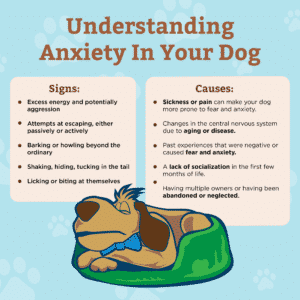
Understanding Pet Anxiety in your Dog with signs and causes lists infographic


What can cause my pet to have anxiety?  

 Anxiety can be caused by a lot of external and internal factors. Here are some of the common causes: 

  • Dog breed – Certain dog breeds are prone to separation anxiety. A first step is to make sure you research any breed of dog that you consider – making sure it fits into your lifestyle. If you are bringing one of those breeds into your home, be sure that you have the time to commit to reassuring, training and setting your anxious dog up for success. 


  • Pet history – If your pet has a history of abuse, abandonment, or life as a stray can all lead to anxiety that does not automatically go away when he or she enters your loving, stable home.  


  • Age and health – Your pet may be fine until certain factors such as health issues or old age set in that contribute to their anxiety. Understanding, compassion and schedule changes may be required to help your pet cope. 
Beagle laying its mouth on the ground and looking with puppy dog eyes


What are ways to ease my pet’s anxiety? 


  • Exercise Your Dog – Exercise is a keyway to help your pet deal with separation anxiety. Routine exercise creates a time for bonding with your pet as well as an opportunity to tire out your pet. Playing ball or taking long walks can help burn off excess energy that builds up to cause anxiety.   


  • Physical Contact – Petting your pet or cuddling with your pet regularly can help reduce his or her anxiety. Especially when your pet is experiencing an anxiety episode, physical contact can help reduce it. Simply picking the pet up, cuddling it on the couch, or giving them a good long petting session can be a great solution.  


  • Massage – Anxiety causes tensing of the muscles, making massage therapy a perfect way to reduce tension. Keep one hand on the pet for comfort while using the other to massage long strokes along the pet’s body.  


  • Music Therapy – Both dogs and cats have been shown to respond positively to music therapy as a calming and relaxing effect. Classical music has been extremely impactful for dogs in stressful states.   


  • Time Outs – When anxiety leads to bad behavior, it may be time for a little time-out session for your pet. Pet crates can allow pets to feel safe and secure and provide a place for them to calm their nerves. Reduced light, lowered motion, and less background activity reduces stress.   


  • Calming Clothing – Calming clothing items such as coats and t-shirts can offer comfort for your anxious pet. These heavy clothing items offer mild, constant pressure to a pet’s body like the swaddling of a newborn baby.  


  • Alternative Therapies – Many pet owners have explored natural supplements and alternative products to help pets suffering from anxiety. With the guidance of your veterinarian, you may explore things like CBD, melatonin, thiamin, chamomile, L-Theanine or L-tryptophan to help your pet deal with his or her stress and anxiety. 


 At Pet Butler, we understand that pet anxiety can have a crippling effect on you and your pet’s relationship.  We know you want to give them the best care you can. That is why we specialize in caring for your pet’s special area by scooping up their waste. So, call 1-800-PET-BUTLER to learn how we can make your pet’s life happier, healthier, and cleaner.

The Healing Power of Pets 

Dog Behavior Articles

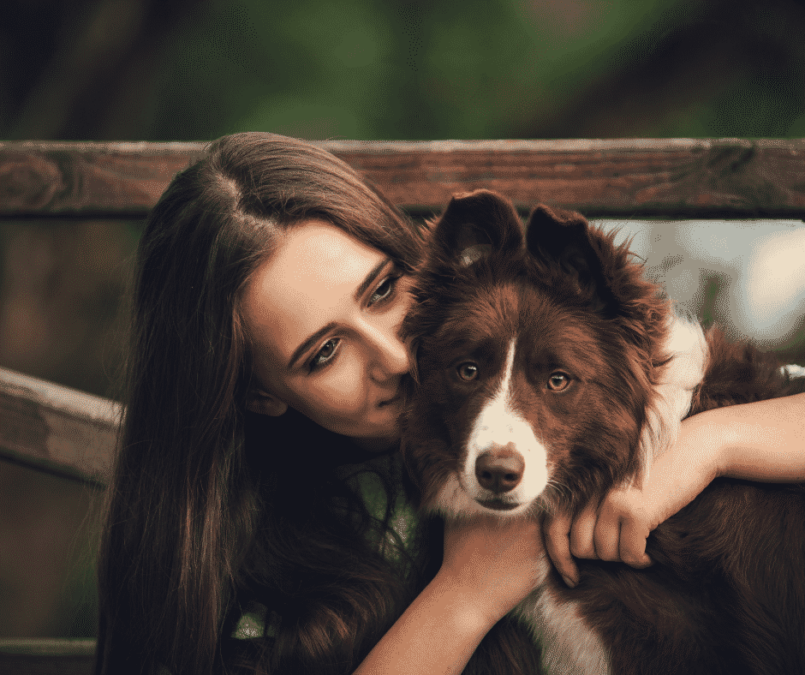
woman hugging a brown and white Border Collie dog

It’s no secret that dogs are amazing creatures. Whether they are snuggling up on the couch or giving us plenty of slobbery kisses, they always find a way to make our lives better. What some people may not realize though, is that their presence has direct, measurable benefits to our health and quality of life. 


What does the science say?

Over the past couple decades, veterinarians and scientists have studied the impact of having a dog in the home. It turns out, they have much more to offer than being man’s best friend. Research shows that dog owners suffer from fewer illnesses and recover faster from sickness than their counterparts. Owners make fewer trips to the doctor’s office, they have reduced pulse rates and blood pressures, and they handle stress far better than most people. On average, dog owners have lower cholesterol, they deal with blood sugar levels and diabetes more effectively, and they are less likely to suffer from mental health issues. Lastly, their survival rates from surgeries, cancer treatments, and heart attacks are notably higher than other patients. 


What is the physical healing power of pets? 

These benefits happen for several reasons. First, exercise from walks and trips to the dog park elevates our metabolism and contributes to our daily activity. As science has shown time and time again, routine exercise – even in small amounts – is hugely beneficial to our wellness. The second way dogs affect our bodily health is through mealtime. Behavior experts have concluded that sharing meals with a friend or loved one, including pets, impacts the amount we eat. Overall, it results in a more leisurely meal which improves digestion and decreases caloric intake. Combined with the exercise, these lifestyle changes encourage a much healthier weekly schedule. Third, dogs regularly improve our brain’s chemical makeup. When interacting with dog in a positive way, our brain releases the hormones serotonin and oxytocin –those releases lead to increased feelings optimism, trust, and confidence. When massaging, petting, or cuddling a dog, our brain decreases the cortisol (stress hormone) and increases the dopamine (pleasure hormone) levels in our system. Ultimately, these chemical changes affect our attitude, energy levels, and state of being.  

man hugging large fluffy dog


What is the social healing power of pets? 

Dogs provide several social and behavioral advantages to their owners. They help train humans to have stronger and more respectful relationships, they provide social outlets for their owners – which makes us more confident, outgoing people – and they further development of characteristics like patience, self-control, and compassion. According to sociologist Leslie Irvine, an expert and lead researcher at the University of Colorado-Boulder, dogs can affect our behavior to an even greater degree. Her study on the intersection of homelessness and pet ownership have given insight to the power of a dog’s influence: she’s gathered testimonials from people who credit animals with saving them from criminal danger, abusive relationships, drug abuse, and suicide.  


What is the behavior healing power of pets? 

Once again, this happens because of how dogs affect human behavior. Pets don’t judge us or act aggressively towards us, and our brain learns from and mimics that temperament. Their demeanor encourages humans to more appropriately connect with each other and build healthier friendships. The dog park is a particularly good place to practice social skills, as there are usually so many different people and pups nearby. For more introverted or lonely people, this can be very important for mental health. Lastly, they give humans a purpose. Taking care of another being is a unique experience and having an obligation to support and protect someone makes us stronger. Training a dog provides humans a chance to learn about other creatures, themselves, and how to be a better person. In a lot of ways, a puppy is like a child – and the benefits from raising one are similar in nature. 


Truthfully, there has never been a better time to own a dog. Since 2020, rates of loneliness and depression are higher than they’ve ever been. While dogs can’t fix all the pain we feel, they are a place to look to for support. Pets are therapeutic in a number of ways and they fulfill emotional needs of love, security, and comfort. Don’t forget to look to pooches as a shoulder to lean on as we head out of this winter together – they are here for us, just as we are here for them. At Pet Butler, we want you and your pups to help each other live happy and prosperous lives. Don’t waste your time together picking your pets poop, let Pet Butler do it for you. We scoop poop so you don’t have to. Schedule your scooping service now!   


How Do I Keep My Pets Calm While I am Away? 

Dog Behavior Articles

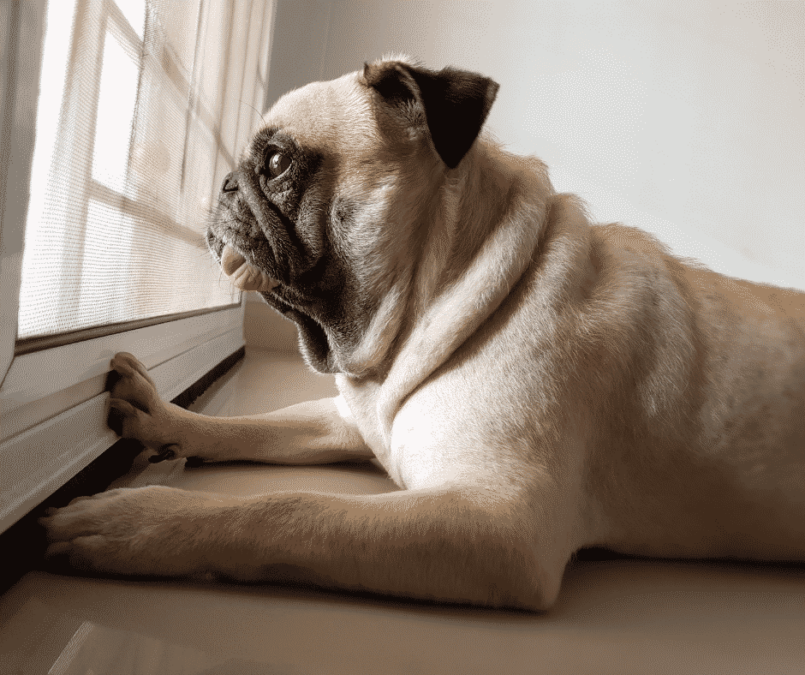
Dog Waiting

When traveling for the holidays, it can get complicated when you have limited space and furry pets. While some accommodations and adventures are suitable for bringing a pet, it is not always recommended. A sense of displacement and disruption can be hard on a dog. Not to mentions the new sounds, smells, and sights that can be stressful for both an owner and pup. Sometimes leaving your pet at home with a sitter or in a boarding facility is the best solution to ensuring they are comfortable and content However, this option takes proper training and preparation for your pets. Pet Butler has what you need to keep your pets happy while you’re away.  


How do I prepare my pup for my absence? 

Mix Up Your Return Time 

Before you decide to book flights, understand how your pet reacts to your absence. Some dogs and especially puppies require more attention. Dogs that suffer from separation anxiety can be especially sensitive to time alone If this is the case, practice leaving your dog for varying periods of time and don’t encourage excitability upon your return. Mix up your departure routine so dogs don’t hop on the crazy train each time the car keys start to jangle. For those of us who have are home-bound, it is beneficial for a pet owner to give pets time alone. It ensures their confidence and comfort when you finally take that much needed break. 


Give Them A Comfort Token 

Certain objects with special significance to your pet can help them cope with your absence – giving them a sense of familiarity is both calming and reassuring. Toys, treats, blankets, and other items can all serve this purpose. Your scent on clothes or blankets can similarly provide a sense of normalcy. Tools like Thundershirts, music playlists, and Adaptil diffusers can be utilized to manage stress. Test out what works best for your pet and don’t be afraid to experiment with different options. 


Leave Them With Someone They Trust 

Once you trust your dog will behave, it’s time to introduce them to the dog sitter. When choosing someone to watch over your pet, opt for people who you know well. Ideal that would be family, friends, or a neighbor that is likely familiar with your dog and home already. If that isn’t an option, make sure to set up a meeting prior to leaving. Let the sitter introduce themselves to your pet and offer a treat; both dog and sitter will feel more relaxed and a positive association will develop between the two. Then, explain all your dog’s needs to the sitter and write them down on a list. This should include a schedule for feeding, bathroom breaks, walks/playtimes, any medication given, and a list of emergency contacts. It’s important for dogs to get adequate playtime. The more often they’re kept in the kennel or just stuck inside, the more likely they are to misbehave, become anxious, and potentially destructive.  


Take Them To The Dog Hotel 

If you’re going to be away from home for weeks at a time, consider using a boarding facility. These kennels are built to take care of pets for an extended stay. Your dog will receive plenty of attention, interaction with other pooches, and top-notch dog care. Research what the best care centers are near you and get in touch with them personally before you make any decisions. 


Dog laying on the hardwood floor trying to stay calm

How do I say goodbye to my pet without making us both sad?

Before you leave, there are a few things you need to doublecheck. Check your pup’s collar to make sure the information is current. Leave plenty of food, treats, and a supply of medications and medical records. Check again with the sitter to make sure they’re prepared and understand what your dog needs.  After you’ve set up care for your dog, the only thing you have left to do is say goodbye – but do it the right way. A nice hug and maybe a small treat is fine, but don’t overdo it. Dogs understand human emotions to degree and often reflect our state of mind. If you make a scene out of leaving, they might become upset or worried. If you act anxious or stressed, they will too. It’s better to slip out relatively quietly and let them go on with their day. Pretending everything is normal is sometimes the best way to go. 


At Pet Butler, we understand that leaving your pet behind is hard. We know you want to give them the best care you can. That is why we specialize in caring for your pet’s special area by scooping up their waste. So, call 1-800-PET-BUTLER to learn how we can make your pet’s life happier, healthier, and cleaner. 


How Do I Decorate For The Holidays With A Dog? 

Pet Safety Articles

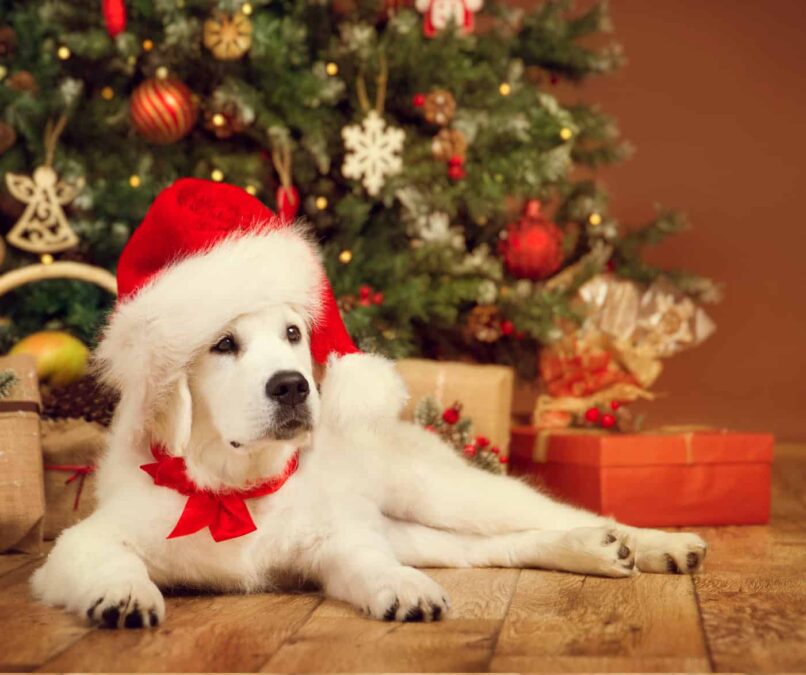
Santa Dog

One of the best ways to get into the holiday spirit, is to decorate for the occasionAs beautiful as thfestive atmosphere may be, it’s also important to remember that dogs might not get along with these changes. Our treasured holiday décor many are not the safest for our pups. Before we decide to dig up that old bin of holiday decorations, there are a few things you need to keep in mind. 


What should I look out for? 

Does your dog like to eat things found on the floor? Do they chew on things like extension cords or cables? How many times have they ripped up items that are not toys? For our dogs, bright new things are the holy grail of a fun time. With so many shiny lights, moving objects, and fuzzy new décor everywhere, can you blame them? Understand that have a dog is just like having a kid. Be smart and prepare for their wellbeing 


What holiday items should I pay extra attention to? 

Holiday Trees 

 Your holiday tree is the center piece of all your home. Unfortunately, they’re also not entirely dog friendlyIf you think your holiday tree smells great, just imagine how they smell to your pups. Your dogs nose smells 40x greater than ours. Making that holiday tree the biggest temptation your dog must face all year. If you haven’t already, consider buying an artificial tree instead of using the real thing. This will help in several ways.  

  • They Won’t Mark Their Territory – It should help prevent your dog from marking their territory on all your precious, hanging memories. Dogs love to make their scent the strongest in the room.  
  • They Won’t Knock It Over – Artificial trees tend to come with sturdier stands than your typical screwin tree stand. This makes it harder for your pups to get rowdy and knock it over.  
  • They Can’t Eat The Pine Needles – Ingesting a large amount of pine needles is not good for your dog’s healthBy opting into an artificial tree, you eliminate that danger entirely 

Holiday Ornaments 

Although artificial trees are much safer, all formof holiday trees come with risk. Fragile ornaments can be easily knocked loose and break or be seen as a shiny new chew toy. Shattered plastic or glass can get into your dog’s paw pads causing a very painful emergency trip to the vet. On a much worse scale, they can burst in your pups jaws resulting in much more fatal problemsPlace more delicate ornaments higher on the tree and avoid any ornaments with metal hooks. Avoid using tinsel or placing any kind of food such as popcorn, cranberries, or candy canes in sight of your pup.   

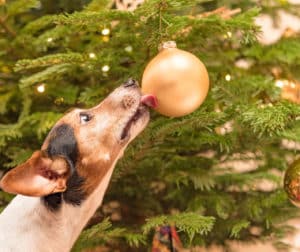
Dog licking a Christmas ornament next to a holiday tree


Holiday Lights  

Beautifully colored lights are festive and fun ways to brighten up your home each winter. Howeverit is because of this beauty that they can be very dangerous for your dogs. Pets have a tendency to chew on wires and burn themselves on hot bulbs. During the holiday season, many pet stores sell pet-proof extension cords or chewing deterrent sprays on exposed cables. If too hot, holiday bulbs can burn your pet’s mouth or burst into tiny shards of glassGenerally, try to organize the lights in a manner that won’t have much contact with the ground.  


Holiday Plants 

There are many kinds of plants and flowers that people use to spruce up the home with during the holidays. Festive botanical decor like mistletoe and holly, and extremely toxic for dogs. The traditional holiday Poinsettias are a bit less dangerous but are more likely to be eaten based on smell. These flowers cause serious upset stomachs and in large amounts, could prove much worse. As a replacement, consider buying fake plants or deciding on silk plants for decoration. 


Other Holiday Décor 

Many of us like to create our own winter wonderland indoors. As tempting as that may be, using items like angel hair or artificial snow to decorate can be fatal to your dogs. This type of fluffy décor can be very appealing to a pup. If consumed, it can cause intestinal blockage and become toxic if consumed. Ribbons, bows, and yarn should be placed thoughtfully around the house. If eaten, like other items, they can cause irritation and digestive issues.  


Being thoughtful when decorating your home is easy when you have a guide to get you there. At Pet Butlerwe want you and your pups to enjoy the holiday season for years to come. Don’t waste your time together picking your pets poop, let Pet Butler do it for you. We scoop poop so you don’t have to. Schedule your scooping service now!  

How Do I Give My Pet Medicine?

Pet Health Articles

Givng dogs meds

Giving your pup medication isn’t always the easiest task; humans aren’t the only ones who don’t like taking pills or swallowing a bitter liquid. Just one lick of medication can make some dogs suspicious of anything that’s not beef jerky.  Luckily, there are alternatives to the traditional offensive tasting medicine and ways to get your dog to takthemJust make sure to follow your veterinarian’s instructions as some medicine must be taken on an empty stomach. 


What foods are best for hiding pills and powders?   

Pill Pockets – Soft dog treats like pill pockets, easily disguise meds that come in the form of a pill. Keep in mind, the smaller the treat, the less time your dog has to chew and discover the pill. The less your furry friend tastes of the medicine, the easier it will be for you to give him meds in the future.   

Creamy Textures – Dogs typically like peanut butter and cream cheese, so they are great choices to mask the taste and smell of medication. Check with your vet if you think you may need to open the capsule or crush the pill first as some medications can’t be altered.   

Use Cheese –  Baby Bell Cheeses or American cheese are great hiding sources. Make sure to use a small amount as some dogs have a dietary sensitivity to dairy. Avoid any foods with garlic, onions, or xylitol.   

Get Smelly – In general, dogs like food that are stinky. Liverwurst, meat sticksbaby food, wet cat food, and rotisserie chicken are all great options that have potent flavors that are appealing to canines.  

Trick-Or-Treat – This method is consisting of treat, pill, treat. The first piece of cheese is fed unadulterated. The second one is quickly offered and hides the pill. The third is a plain piece of cheese. By ending on a positive note, the dog associates eating the cheese with a happy experience and is more likely to take the bait the next time!  


How do I mask a liquid medication? 

Medicine doesn’t always come in pills. Liquid medication is commonly prescribed for smaller breeds. Canned goods are perfect for mixing liquid medication. Ice cream or whipped cream can hide these medications if your dog isn’t sensitive to those specific foods.  You don’t need to add much, just a couple of tablespoons to mask the unpalatable flavor. You want to make sure that you give a small amount in hopes that your pup will consume it entirely before tasting the unfavored flavor. Best to have a few extra teaspoons in case your dog rejects the first attempt.  

A veterinarian in purple scrubs prepares to give medicine to a white fluffy dog being held by its owner


How do I administer liquid medication without a food aid?   

If you must administer the liquid medicine by hand, it’s easier to have a second person to help. It’s best to bring medicine to room temperature first, but make sure not to microwave it. Tilt your dog’s head back and insert the syringe tip just behind your dog’s canine teeth. You should angle the syringe so that the medicine dispenses onto your pet’s tongue. Slowly release the medicine so your pup has time to swallow. If your dog spits out some of the medication, consult your vet prior to re-administering medication. 


 Do I have any other options?

Other options for making the medicine go down include having your pet’s prescription custom compounded. Flavored tabs, liquids, or even a gel that can be applied inside the ear flap can be created at a compounding pharmacy familiar with pet medication. While a salmon flavored syrup might not sound tasty to a human, dogs love it! Transdermal (through the skin) medication may also work best if your dog has medical conditions such as pancreatitis, inflammatory disease, or food allergies.  


What happens if I miss? 

 If you suspect your dog consumed even a partial dose, don’t re-dose without talking to your veterinarian first. Empty gelatin capsules can also be filled with small amounts of liquid medication. You can ask your vet if this method of dosing might be an option. You can also request a few extra pills from your vet until you master your technique. 

After administering your pet’s medication, always spend a little extra cuddle or play time with him. It will calm his nerves and reinforce a positive next experience with medicine! 


Here at Pet Butler, we understand how important it is to provide the best care for your pets. That’s why, at Pet Butler we provide pet waste removal services to keep your yard clean so your pets can play all year long. So, call 1-800-PET-BUTLER to learn how we can make your pet’s life happier, healthier, and cleaner. 


What Are Some Holiday Crafts You Can Make With Your Pet?

Dog Activities Articles

Girl with ept doing holiday stuff

The holidays are here! Now is the time to spread cheer, give back, and make as many memories as possible. For your pets, the holidays are exciting and limited. It’s no secret your pets won’t live forever. These moments are special and should be spent commemorating your time as much as possible. That means it’s time to pull out the construction paper, glitter glue, and non-toxic paint and start making memories. Here are a few ideas to help freeze time and keep your pets a part of the celebration for years to come.    


Holiday Pet Craft Ideas 

Make A Holiday Ornament 

Ornaments are a great addition to any holiday tree that provides memories every year that you use them. There are many crafty ways to create this memory to hang on your tree. However, we will cover our top two.   

The Paw Print Ornament – This is a safe and easy way to freeze your pet’s paw in time. All it takes is flour, water, and a pinch of salt. No exact measurements needed. Mix it all together into a dough and flatten to about ¼ inch thick. Press your pet’s paw into the mixture. Poke a small how at the top and string a ribbon through the hole. Let the dough dry for up to an hour. Then, Voila!  Your ornament is ready for any further decorating you deem necessary.   

The Collar Ornament – Your pets grow out of sweaters, toys, beds, and especially their collars. So, what do you do with them after? Why not repurpose old gear into holiday memories. You can take an old collar and create a holiday tree memory. This even works with old sweaters or toys. If you take a clear plastic ornament and place strips of these items inside, with a photo of your pet to top it off, you have the perfect holiday decoration.   


Holiday pet photo with a little girl smiling with her dog in front of presents


Make a Holiday Photo Frame  

The Season Wall Photo – Somethings you decorate with all year and some only seasonally. Why shouldn’t that go with the photos you hang on your wall? Create a holiday photo frame with your pet’s paw in the shape of a holiday tree! This one is messy, but worth every memory. Use a non-toxic paint to dip your pet’s paw into and stamp their paw in the form that you like. To top it off, take a photo of you and your pet while doing it.   

Make A Seasonal Pet Blanket 

The Holiday Pet Blanket – This one might sound out there, but it is the perfect way to get your pets excited about their seasonal items. You can use a mix of store-bought fabric, old blankets, old pet clothing, or all the above! Using the tying up the corners method, you can create a happy memory for your pet to use every holiday and to keep every holiday after!   


At Pet Butler, we understand what it means to want to give your pet the best and most meaningful memories. That is why Pet Butler is dedicated to providing clean yards for you and your pet to make as many memories as possible. If you want to learn more about the services we provide, follow the link here!   


Find a Pet Butler 800-Pet-Butler