Parasites: What You Need to Know for Your Pet’s Health

Pet Health Articles

Blog Parasites What You Need to Know for Your Pet’s Health Banner

By definition, a parasite is an organism that lives in or on another host and gets its nutrients or at the expense of the host. There are three types of parasites that affect dogs, cats, and humans: ectoparasites, helminths, and protozoa.

What does this mean to you, a compassionate and responsible pet owner?

There are creepy crawlies, some visible to the naked eye and many invisible, that can live on or in your furry friend and cause them harm. Some parasites can even be passed back and forth between humans and their pets. But no need to fret—we have effective ways to diagnose, treat and prevent parasites from hurting you and your four-legged friends.

Types of parasites in dogs:

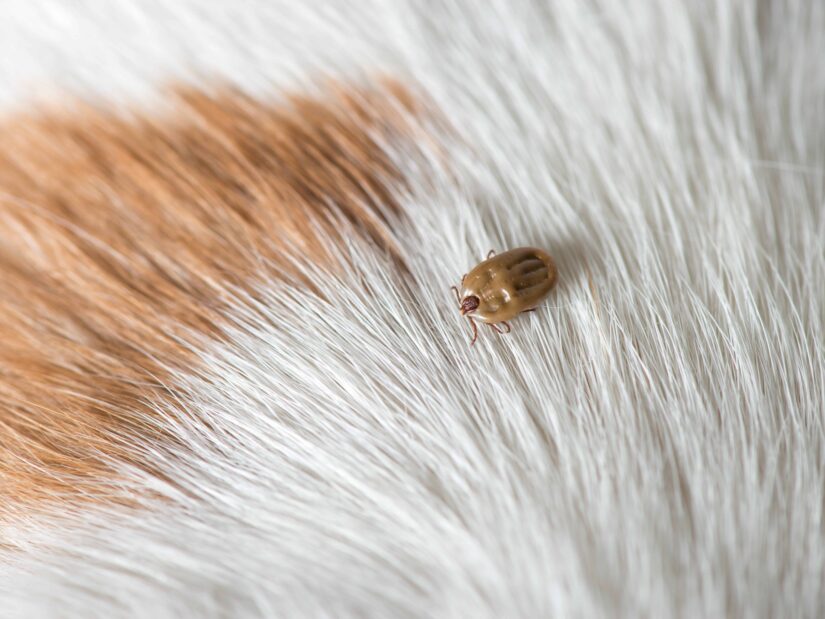
Ectoparasites, like fleas and ticks, are the easiest to diagnose. Though the egg and larval stages are tiny, barely the size of the period at the end of this sentence, engorged ticks and adult fleas can be seen with the naked eye. Ticks like to feed in places they aren’t likely to be found, like on ears, between toes, under the tail and near the groin or elbows. Fleas are fast-moving pests that tend to congregate where they can’t be reached by a chewing dog’s chompers, namely near the base of the tail; however, they can be caught crawling just about anywhere. It’s more likely you will find the tell-tale evidence of flea “dirt”, flea fecal material, that looks like ground pepper and turns a red-brown color when placed on a damp paper towel. A fine-toothed flea comb can be used to grasp hairs and trap flea dirt to test.

Internal parasites such as heartworms, whipworms and giardia are more difficult to detect. Blood tests will indicate the presence of heartworms. Microscopic inspection of a fresh stool sample is necessary to diagnose parasites that infect the gastrointestinal system. To compound the matter, not all life stages of parasites are detectable on laboratory tests. For this reason, your veterinarian may request multiple blood or fecal samples given over several weeks to months.

How do dogs act when they have parasites?

What are the symptoms your pet may have a parasite problem, and how alarmed should you be? Puppies and kittens are often infected with intestinal worms through nursing and during pregnancy. It’s not uncommon to see a new pup present with diarrhea and a distended-looking belly.

Vomiting is another common symptom of intestinal parasite infection. Transmission and re-infection occur in pets when fecal material containing parasites eggs or cysts are ingested. Sometimes direct contact with a parasite, such as hookworms, occurs through broken skin.

Heartworm larvae are transmitted by the bite of a mosquito, and tapeworms can be acquired through ingesting an infected flea. Symptoms of both infections can cause weight loss and lethargy. In the case of heartworm disease, difficulty breathing, exercise intolerance, and in severe cases, ultimately death.

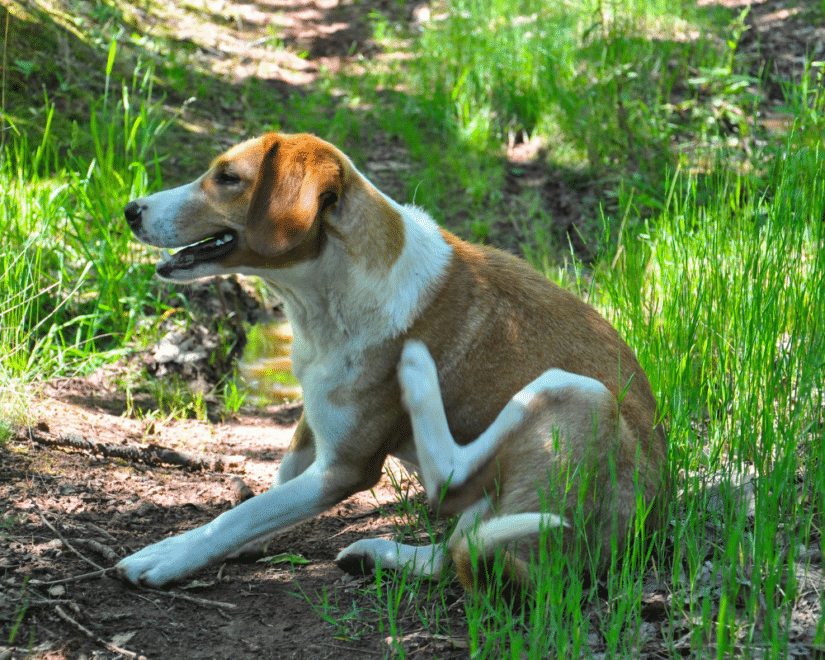
Fleas can lead to intense itching and hair loss while ticks often go unnoticed until the diseases they carry, such as Lyme disease or rocky mountain spotted fever, cause signs of illness. Tick-borne diseases can be great pretenders, often mimicking the symptoms of other illnesses. They can cause low platelet count and bleeding, lameness, lethargy, coughing, vomiting, diarrhea and general malaise.

How are parasites treated in dogs?

The good news is that most parasite infestations are very treatable.

Deworming medications such as ivermectin are effective at killing many internal parasites. Heartworms can be treated with a series of injections, though side effects of the treatment can be severe and the treatment costly. Protozoal parasites such as coccidia and giardia can be treated with oral medications such as fenbendazole or sulfadimethoxine, an antibiotic.

There are several topical treatments that can be used to kill fleas and ticks. Many of the same medications used for treatment can be used topically as prevention. Advantix, Revolution, Frontline and Bravecto are veterinary-prescribed products with a high degree of efficacy. Newer oral medications such as Simparica Trio kill fleas and ticks, as well as internal parasites such as roundworms, hookworms and heartworm larvae before they mature in the respiratory tract.

How to protect your pet from parasites:

  • Topical and oral preventatives should be given to your dog year-round to minimize the opportunities for parasites to reproduce.
  • Attend your pet’s yearly vet visits to update vaccines and receive regular check-ups.
  • Keep up with the housekeeping. Wash bedding regularly and vacuum couch cushions and along baseboards.
  • Maintain your yard. Eliminate brush and yard debris, and pick up pet poop daily. If eggs can’t hatch and pets can’t consume fecal matter, the likelihood of infection decreases.
  • Do not feed wildlife or encourage stray animals to visit your yard by setting out shelters or food.
  • Eliminate free-standing water so heartworm-carrying mosquitoes can’t breed. Empty your outdoor water bowl and only refill when needed. Also, check for various puddles of water in your yard and ensure your pet cannot reach them.
  • Check your dog’s fur for hitchhiking ticks when you return from an outdoor adventure.
  • Be a good human; pick up your own pet’s waste if you are out on a walk or at a dog park!

At Pet Butler, we want your pet to feel their best and be their healthiest. That’s why we offer affordable pet waste removal services for your yard.

What Is The Right Shampoo For Your Pet?

Pet Safety Articles

Shampoo Dog

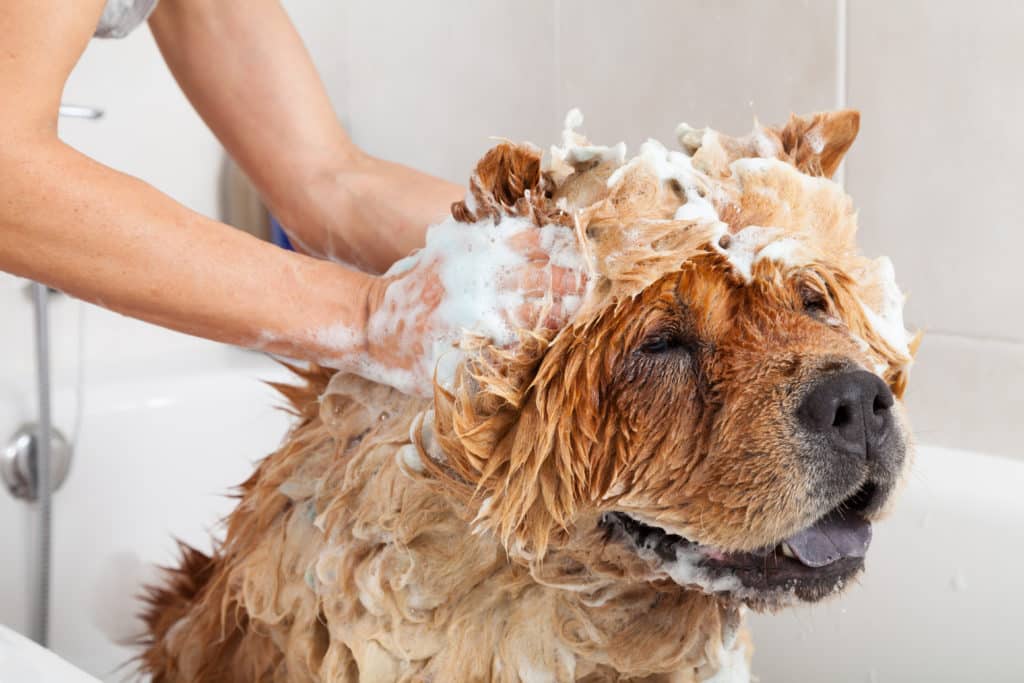
Oftentimes, it’s difficult for dog owners to know which products are best for their furry friends. This problem is particularly true when it comes to grooming and maintenance essentials. Ads for new shampoos, conditioners, and suggestions about how to take care of our pets are found with every click of the mouse. Luckily, by highlighting current cleaning options and reviewing common grooming pitfalls, we can make better, healthier decisions on behalf of our pooches.

To start, we are asking frequent pet parent questions. “What are the best dog shampoos on the market, and what makes them so beneficial?” These questions are a little tricky because there are a lot of great dog shampoos. So, it comes down to each dog and owners’ preferences as well as consideration of your pet’s skin health. Some owners might want to spend big bucks on luxury options with custom scents, whereas other owners are only looking for a simple but effective cleaning option. Regardless, there are a few basic rules to follow when choosing a dog shampoo.

  1. Choose a product that works best with your pet’s skin condition. There are plenty of categories to pick from. Shampoos can be oatmeal-based, degreasing, dandruff reducing, hypoallergenic, organically produced, and age-specific (i.e. for puppies). Expensive shampoos can even have enhanced aromatics or odorless smells. If you don’t know how to assess your pet’s skin, have a talk with a professional groomer and your veterinarian. Certain pets may benefit from prescription-only shampoos to treat conditions such as bacterial infection (pyoderma), flea allergy dermatitis, or an overgrowth of yeast.
  2. Beware of paraben and dye. Any shampoos with these contents are unsafe for your pet – they frequently cause skin inflammation and hair loss. Not only should you avoid these ingredients but stick with a pet-specific shampoo. Though this is your fur “baby” you are shopping for, you don’t share the same skin pH; human shampoos can be drying and cause irritation.
  3. Match the shampoo to the appropriate conditioner. It’s very important to use not only the right product but the right amount of product during bath time. If a shampoo is a 2-in-1, for example, using additional substances can result in a greasy and uncomfortable coat. In general, if your pet has a greasy coat, use little or no conditioner. Conversely, for dogs with dry coats, pair shampoo with a crème rinse conditioner.

Over-the-counter products commonly recommended by

Veterinarians and groomers

  • Earthbath’s Natural Pet Shampoo: For dogs with normal coats and no dermatologic issues – no knots, not greasy or dry, no fleas/ticks- consider choosing Earthbath’s Natural Pet Shampoo. Gentle on canine skin, packed with vitamins, and made with moisturizing oatmeal and aloe vera, this shampoo helps counter common issues such as dryness, flaky skin, and removes environmental allergens from the haircoat. Fresh ‘n Clean Scented Dog Shampoo is a great choice for dogs that have problems with mats and tangles.
  • Fresh ‘n Clean Scented Dog Shampoo: Mats are a very common and frustrating grooming problem. When bathing, water causes the mats to tighten and brings them closer to a dog’s skin. The result is a very uncomfortable, potentially dangerous coat. Fresh ‘n Clean Scented Dog Shampoo contains anti-static agents that stop matting and it also has a long-lasting, popular scent – a scent that can be refreshed by the wipe of a damp towel. As a bonus, it is also the cheapest of all these shampoos!
  • Furminator deShedding Ultra Premium Shampoo: Works well for owners who struggle with heavy shedding. Infused with omega-3 and -6 fatty acids, calendula extract, and papaya leaf, this shampoo promotes a healthy coat, which prevents excess shedding.
  • Burt’s Bees Dog Shampoo for Puppies: Effectively cleans and protects the smallest of fur babies. A 4 in 1 calming shampoo, this pH-balanced buttermilk, and linseed oil formula is extra gentle on dog skin; the result is reduced irritation and itch relief. Puppies are notorious for the trouble they find; knocking over houseplants, digging in the yard, and having potty accidents leading to frequent baths. A gentle shampoo is essential since you’ll be reaching for it often!

While fleas and ticks are best treated with medications prescribed by your veterinarian, some over-the-counter shampoos contain ingredients that help kill hitchhiking pests on contact. Because these products aren’t safe for all pets and fleas and ticks require a multi-pronged approach to eliminate them from the household, check with your vet before application.

No matter which shampoo you try, the most important takeaway is to monitor your pet’s skin after bathing. Redness, hair loss, bumps, and scale are all signs of a potentially bad reaction to a product. If any of these symptoms occur, do not panic and do not bathe your dog – it can dry out the skin and cause further complications. Check with your veterinarian for appropriate pharmaceutical shampoos or remedies; luckily, there are many ways to address skin-related issues.


At Pet Butler, we understand what it means to want to provide the best possible care to your clients. That is why when you hire Pet Butler, we remove all your pet’s waste from your yard everything – guaranteed. Learn more about the services we offer here!

The Evolution Of Dogs

Dog Behavior Articles

Pet Butler - Evolution of Dogs

Man’s best friend, the dog, has been our greatest companion for generations. Our mutualistic relationship is unrivaled in the natural world, and it’s something that humans should continue to cherish for as long as we can. But where did they come from, and how did we domesticate them? How are there so many breeds and how did history complicate our relationship? These are just a few questions about the evolution of dogs.

What Is the Origin of Man’s Best Friend?

Based on various discovered fossils, most researchers believe that the evolution of dogs began as puppies diverged from the gray wolf’s genetic makeup. Over the process of several thousand years, one species of wolf grew more splotchy coats, curly tails, and floppy ears to become a generic, wild version of the pooches we recognize today. Because of their less threatening demeanor and attitude, we instinctively started domesticating them – or, in a way, they started domesticating themselves. Instead of competing against humans for similar prey, the kindest, softest, and cutest wolfdogs survived by roaming alongside us. In a transformation that has been described as the “survival of the friendliest,” humans unwittingly began caring for and feeding them. By around 8,000 B.C.E., it became common for canines to travel among packs of hunter-gatherers and nomadic tribes.

Pet Butler - Evolution 

When Did Dogs Start Becoming Pets?

The next big step in the dog evolution was taken far closer to the present. In the early 1800s, once civilization progressed beyond the industrial revolution, high society in Victorian Britain introduced household pets to the mainstream. While dogs had been enjoyed by royalty in the past, pets had never been so available to the masses. Normalizing ownership of puppies had a large impact around the globe, but this practice was most strongly felt in Europe, where it immediately evolved into a competition. A prize-winning mutt symbolized both wealth and power, so pride-driven aristocrats created breeding techniques to standardize dog attributes. Yes, humans are the ones responsible for the modern breeds we see today. Some features for molding dogs was based on color, size, and physical conditions.

Why Where Specific Dog Breeds Made?

Dogs were bred for certain activities inducing:

  • High-class owners preferred fashionable and luxurious breeds.
  • Lower class opted for cheaper dogs like bulldogs, whippets, and terriers.
  • Fighting dogs were bred for hunting or for being “Gun dogs”.
  • Sprinter dogs were created for hunting, herding, and racing.

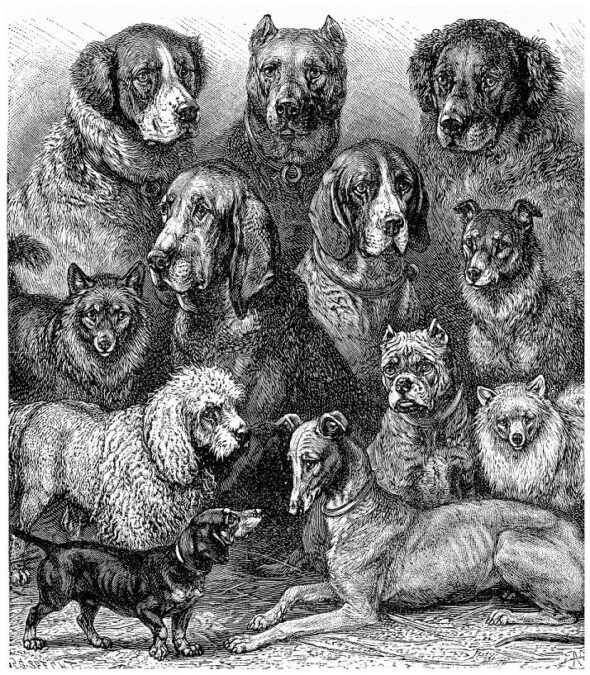
This idealistic standardization was taken so seriously that countries would even argue over a breed’s origin/evolution – claiming the Newfoundlands, Great Danes, and basset hounds, among its various other dogs, was a source of national pride for Great Britain. However, they didn’t exist there naturally – that’s just where their breeds were created. At the end of the day, over the last couple of centuries, 23 clades have been developed into over 400 breeds of dog.

Pet Butler Dog Breeds

What Are Some Fun Facts About Dog Evolution & Development?

  • Since joining human tribes’ dogs have lost some of their more primitive tendencies. Unlike wolves, dogs fare far worse in the pack lifestyle, as opposed to before in nature. To these ends, they usually look for their owner’s assistance to guide the way.
  • George Augustus Graham brought the legendary Irish wolfhound, a formally extinct dog breed, back to life in the 1800s. By crossing the Scottish deerhound with the greyhound, he made the Irish wolfhound as we know it today.
  • Our interspecies connection has grown so strong that, when our gaze meets eye to eye, both humans and dogs’ brains secrete oxytocin – a hormone indicating maternal bonding and trust. This is the only interspecies example of this kind of bonding that we know of!

Guide for Pet Grooming at Home

Pet Health Articles

dog nail trim

Many dog owners opt to be their pet’s hairstylist. While getting the perfect poof for your pooch might be ambitious, there are some necessary aspects of grooming you need to know to ensure you’re doing it properly and in order to keep your pets healthy.

Grooming Tools

Combs & Brushes: Have the right tools for the job including brushes and combs appropriate for your dog’s breed: some require a slicker brush with pin-type bristles; Labs may benefit from a de-shedding blade to eliminate loose hairs; and a Furminator rake grabs dead undercoat hairs in dogs like the German Shepard.

Nail Clippers: I love my Miller’s Forge trusty orange handled nail clippers and have cornstarch or Kwik-stop styptic powder on hand should I accidentally trim nails too close to the blood vessel.

For Eyes and Ears:

  • Sterile eye lubricant, like Genteal, and cotton balls are great for protecting eyes and ears during bathing and grooming procedures.

Shampoos:

  • A mild pet shampoo is a must; ask your veterinarian for their recommendation as the pH of pet skin makes it unsuitable to use a human shampoo. Some pets have skin conditions that require a medicated shampoo and a bathing routine that is more frequent than once a month.

Shampoo Dog

Hair Clippers:

  • Professional pet hair clippers like the Wahl Bravura or Andis Excel Pro-Animal along with a blade lubricant and disinfectant are an investment worth making if you will be trimming your pet’s coat regularly. A number 10 blade can be used close to the skin on areas such as the tail or chest. Cordless dog clippers varieties are great for smaller areas between the toes or closer to the face. They have a narrow blade and are easy to maneuver in tight spaces. Use extreme caution on think skinned areas near the underarms, hock, and groin. I’ve accidentally clipped skin in that area and I do not use scissors for the same reason! If you can secure your pet on a non-skid table or yoga mat with good visualization and lighting, you will have a better grooming experience.

Provide plenty of high value treats like rotisserie chicken bits and your pet will have a better experience too! Above all, have plenty of patience and a sense of humor!

Brushing Your Dog’s Hair

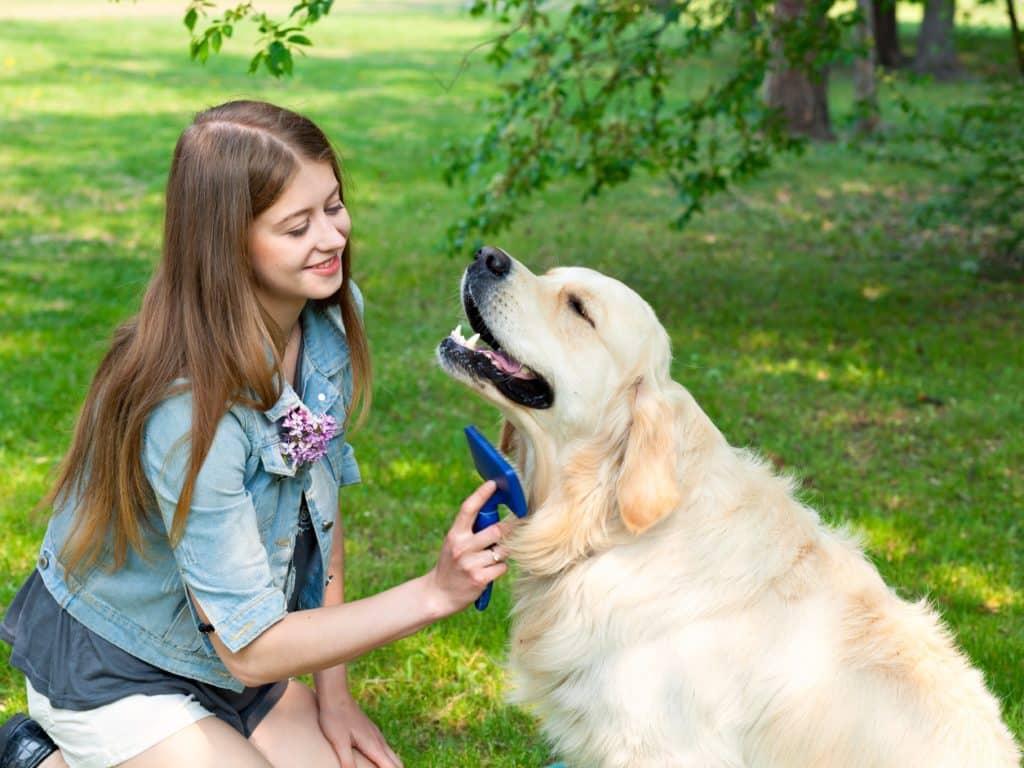
Depending on your dog’s breed, daily brushing of the coat and teeth are necessary for maintaining optimum skin and oral health. Some dogs with double coats, such as the German Shepard Dog, shed dead hair on a continual basis and need daily brushing. Other breeds such as terriers need less aggressive coat maintenance. Regardless, a daily brushing, coat inspection, or massage allows you to check your pet head to tail for mats, ticks, and any new lumps or bumps. It also helps distribute the oils in your pet’s skin and remove dead hair which can lead to infection if left to mat and obstruct airflow to the skin’s surface.

brushing dog hair

Brushing Your Dog’s Teeth

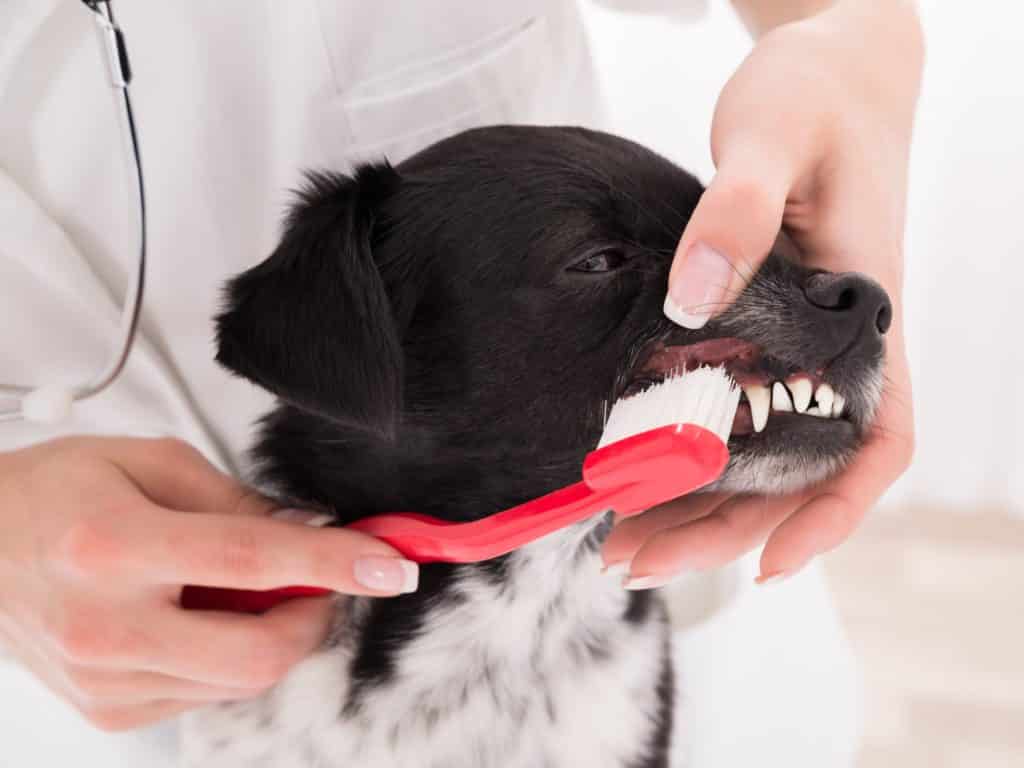
Use a pet toothpaste and a finger brush, a kid’s soft-bristle brush, or even a gauze square, to gently massage your pet’s gums. Daily oral care is just as important to maintain your pet’s health as it is for humans. Not only does the accumulation of bacteria and minerals in saliva lead to unsightly tartar, but gingivitis, halitosis, and even heart or kidney disease can develop if bacteria is left to colonize the surface of the tooth and gum line and enter the bloodstream.

brush dog teeth

Cleaning Your Dog’s Ears

Ears are an extension of the body’s skin and should also be examined daily.

  • Cotton balls can be placed in the ear canals to avoid introducing water inside the ear during bathing and grooming.
  • Use a drying solution recommended by your veterinarian to saturate the inside of the ear canal once a week.
  • Massage the ears to loosen debris and let your pet shake, shake, shake! Cotton balls can be used absorb the remaining moisture.
  • Lots of treats should be involved in ear cleaning.

There is nothing worse (except for nail trimming) than attempting to clean a dog’s ears that is unaccustomed to ear handling and maintenance. A foul ear odor, excessive debris, redness, or pain should be brought to your veterinarian’s attention immediately.

Trimming Your Dog’s Nails

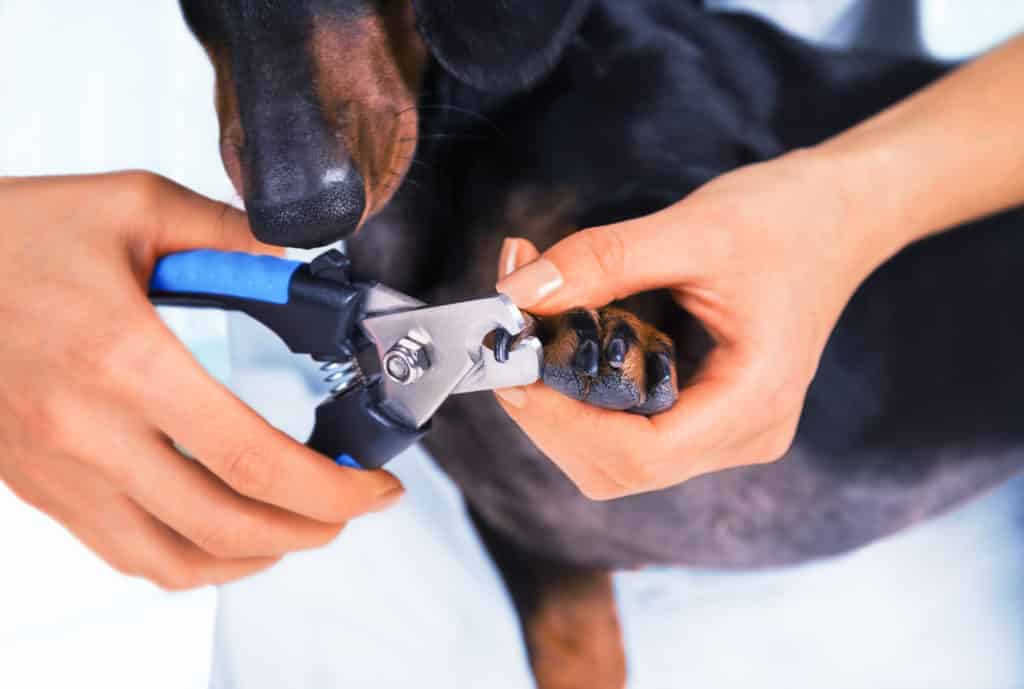
When you’re feeling confident and your pup is relaxed and comfortable, it’s time to tackle the nails! It’s extremely important to acclimate your dog to the sight and feel of the clippers as well as handling of the feet before attempting the trim. Rub the clippers over your pet’s feet while they’re eating, snuggling, or are otherwise happy and content. Give lots, and lots, and lots of food rewards and praise when they settle while having their feet touched! Then to trim your dog’s toenails…

  1. Have a hungry pup and a partner who can continuously distract and offer snacks.
  2. Use the scissor-type nail trimmer and don’t use the guard as it impairs visualization of the nail.
  3. Have your pup give his paw while sitting on a non-slip surface.
  4. Place the nail in between the blades and decisively snap the clippers together to shave just a few millimetres off the tip of the nail. Usually the tip of the nail, which is safe to trim, is brittle; as you get closer to the quick, which is the vessel in the center of the nail that looks like a small dot, the nail becomes softer.
  5. Shave bits off around the quick if your dog is still happy and eating treats.
  6. Should you injure the quick, use cornstarch, Qwik-stop, or even cold snow packed in the nail to staunch the bleeding.
  7. The goal is progress, not perfection. Aim for one or two nails a session.

dog nail trim

Cutting the quick isn’t fatal, but it is painful, and your dog will be less likely to willingly participate in nail trims in the future. Weekly trimming causes the quick to recede. You should be able to trim your pup’s nails shorter and shorter as recession occurs, which means there is less likelihood of torn or ingrown nails!

Positively associating grooming with food, attention, and verbal praise can make bathing, trimming, and keeping your pet clean and healthy a cinch. It should ultimately be a fun bonding experience for you both!

The Most Common Dog Diseases

Pet Health Articles

tick on dog

I remember when I had my children and a wise old soul told me, “The days are long, but the years are short.” This saying is also applicable to pet ownership. We bring home a squirming ball of fluff and begin the hourly dance of taking them out to potty and hoping they’ll sleep at least four hours.  Puppies DO grow up and countless walks, snuggles, games of fetch, and visits to the dog park later, you’ve got a 7-year-old dog; giant breeds such as the Great Dane may have just a few short months left based on their average life expectancy, while smaller toy breeds like chihuahuas or Yorkies can live happily until their mid-teens.

For any breed, reaching their golden years seems to happen overnight when they’re beloved companions. The key to helping our pets age well, lie in good preventative care and disease detection, grooming, dental care, proper nutrition, and TLC, which includes physical exercise, mental stimulation, and affection.

Dental Disease in Dogs

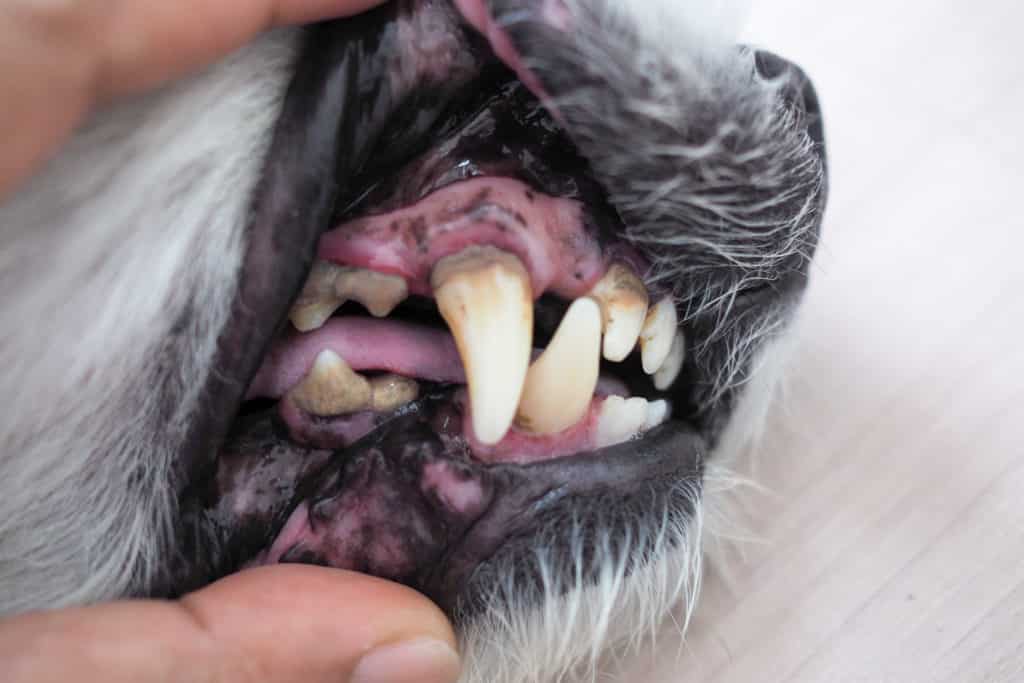
Many ailments that affect senior pets are consistent across all breeds. Over 80% of dogs older than 3 have some form of dental disease. Without preventative care such as daily brushing, plaque, tartar, and inflammation can lead to damage of the supporting structures of the tooth.  Tooth loss, bone destruction, pain, and bacteria that enter the bloodstream causes infection and infiltration of organs such as the heart, liver, and kidneys. End-organ damage can dramatically affect the quality and duration of a pet’s life.

dog diseases

Dog Joint Pain & Arthritis

Large and giant breeds are prone to developing degenerative joint disease, commonly known as arthritis. Some combination of genetic predisposition and conformation, nutrition, weight, activity level, and previous injury lead to deteriorating cartilage that can eventually culminate in bone changes and even bone-on-bone rubbing. Many dogs will offset the pain of joint disease by shifting their weight to less affected limbs; this leads to muscle loss (atrophy) and inappropriate weight distribution compounding the problem. Inactivity in older pets can lead to obesity; excessive weight also contributes to degeneration and discomfort.

Vision & Hearing Loss in Dogs

Diminished vision and hearing are two common afflictions of senior animals. Lens thickening, cataracts, glaucoma, and retinal detachment are common causes of vision loss. While some conditions are correctable, most are a result of normal aging processes.

Hearing loss is typically caused by nerve degeneration and is not reversible. By keeping furniture arrangements constant, using hand cues for deaf pets, and keeping senior pets on a leash so they can enjoy the outdoors safely, vision and hearing changes need not disable your pet.

Canine Cancer

All pet owners fear the “C” word, and rightly so. Cancer affects many senior dogs; golden retrievers are disproportionately represented among lymphoma patients, boxers develop mast cell tumors, and bladder tumors are commonly found in shelties, Scotties, and west highland white terriers. While some tumors are malignant, many are benign. Fatty lipomas and wart-like adenomas are common. It’s important to let your veterinarian know if you find any new lumps or bumps on your pet so an aspiration, biopsy, or mass removal can be performed.

Heart & Kidney Disease in Dogs

Heart disease and kidney disease are two additional concerns in older pets. Mitral heart valve leakage is typical in smaller breeds. Kidney disease affects breeds indiscriminately and affects 10% of senior dogs. Physical examinations every 6 months and routine blood and urine testing often pick up changes before your pet exhibits symptoms. Though not reversible, management with medications, prescription diets, weight control, and supplements may help slow the progression of chronic diseases.

Dog Dementia

Like humans, dementia is common among geriatric pets. Cognitive dysfunction is a diagnosis of exclusion; symptoms such as whining, pacing, urine accidents, and disorientation can mimic symptoms of other illnesses such as arthritis, urinary tract infections, and seizure disorders. Imaging and laboratory testing can help differentiate dementia from other illnesses. While there is no treatment for cognitive dysfunction syndrome, keeping your pet mentally stimulated with food puzzles and training courses as well as supplemental antioxidants may help slow mental deterioration.

dog diseases

Pet Health is Important

Bottom-line, keep your pets healthy and active so they can best enjoy their senior years. Provide regular exercise, twice annual veterinary visits, and alert your vet to any changes in habits such as increased water intake, accidents, reluctance to climb stairs, decreased appetite or vomiting, coughing or exercise intolerance so disease can be detected early enough to slow progression. Enjoy these golden times!

What Does My Dog’s Urine Mean?

Pet Health Articles

dog urine

Naturally, a follow-up to our ever-popular poop blog would be about the wonders of the urinary system.  Specifically, what do all the smells, colors, volume, method, and frequency of your pet’s urine excretion mean about their overall health and behavior? There is a wide variation in “normal” pet urination, from amount of water consumed (and thus presumably urinated), to the color of urine and everything in between. Let’s cover a bit about what is typical and how to know if your pet’s urinary system has gone haywire.

FAQs About Dog Urine

Urine is constantly being formed by the kidneys when the body’s blood is filtered. The urine then and travels through tiny tubes called ureters from each kidney to the bladder. When the muscular bladder contracts or becomes overly full, urine is forced down the urethra (which courses through the male’s prostate gland), and out a small opening in the male or female sex organs. Blood volume, hydration, and thus urine volume has a lot to do with how much water your pet has consumed; normal dogs drink about an ounce per pound of body weight a day.

How Much?

This translates into 10-20 ml urine produced per pound per day. Smaller and younger dogs tend to be on the higher end of this number.  For example, a 10-pound dog may urinate a cup of pee a day! Dogs that urinate frequently but are straining to do so with minimal urine output and discomfort undoubtedly have inflammation and/or obstruction in the urinary tract. Contact your veterinarian immediately if your pet is experiencing these symptoms.

How Often?

For a puppy, it’s not unusual to have to urinate every 3-4 hours when they are very young. Healthy adult dogs need to urinate at 6-10 hour intervals, though some rock stars can hold their urine for a longer duration if you are stuck in traffic.

How?

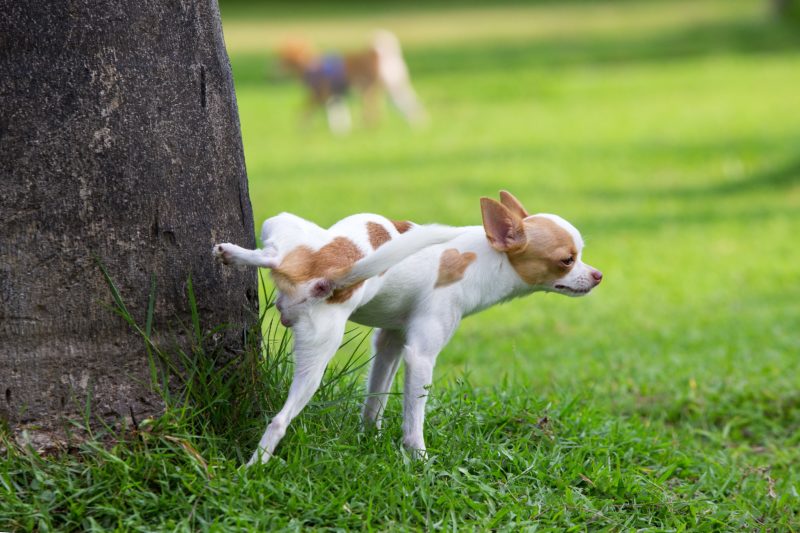
Most pups, some neutered males, and most adult females squat to relieve themselves. Lifting the leg to pee is normal for adult males in order to eliminate and to mark territory in males and some females. Marking behavior can occur normally, though disruptively, at every tree during a walk. Marking is intentional and lasts just a few seconds while your dog is seemingly alert and happy.

What Does Healthy Dog Pee Look Like?

A well-hydrated dog should be producing light yellow colored urine that has just a slight ammonia smell and be asking to potty at regular, but not too frequent, intervals throughout the day.

Because we’re all special snowflakes, there exists a spectrum of normal when it comes to pup pee and poop. It’s best to monitor your pet and consider anything outside of their typical behavior and urine odor, color, volume, or frequency a sign to call the vet. Many times, your veterinarian will request you present them with a first morning urine sample. This entails chasing your pet outside before coffee with a ladle or small dish to catch a teaspoon of pee.  What fun! Other methods of urine collection include allowing your veterinarian to pass a urinary catheter or to use a fine needle to extract urine through the bladder wall for a sterile sample.

What Does My Dog’s Pee Color Mean?

What should you be watching for in your pet’s pee that may indicate a health problem? Urine that is especially:

  • Dark
  • Orange
  • Red, with a visible blood clots
  • Greenish tint

These can all indicate troubles such as liver disease, muscle breakdown, infection anywhere in the urinary tract or just outside the urethral opening, tumors, or stones.

Clear Urine

Especially clear urine can be an indication that your pet is over-consuming water, has an endocrine disorder such as Diabetes or Cushing’s Disease, or the kidneys aren’t functioning at their full capacity and unable to normally concentrate urine.

Why is My Dog Peeing in the House Again?

Should you be concerned if your previously housebroken puppy or dog starts peeing in the house? Can I get a “yes, ma’am!”?

  • In some cases, especially with juvenile or senior pets, they may have been incompletely housebroken or are having symptoms of cognitive dysfunction syndrome or senility changes. Behavior problems and canine dementia cannot be diagnosed without working up other medical disorders first.
  • It’s possible your puppy has an infection, a congenital defect in the urinary system, or stones.
  • Senior pets may have a medical condition associated with the urinary tract or even arthritis which makes going down the deck stairs to get to the yard or lifting their leg painful. You might “hold” it a bit longer if you were hurting too!

It’s important to differentiate having an intentional pee accident from unintentional urine leakage or incontinence. Many times, the volume of urine released by an incontinent dog is smaller, happens at rest and in a reclined position, and your dog may be completely unaware the accident is happening. In older pets, relaxation of the sphincters or urine overflow caused by a neurological disease may be to blame.

A urine test, bloodwork, and imaging by your veterinarian may be needed to determine and treat the cause and get you and your dog back on the right track!

Find a Pet Butler 800-Pet-Butler