Preparing Your Pup For Day Light Savings Time  

Dog Behavior Articles

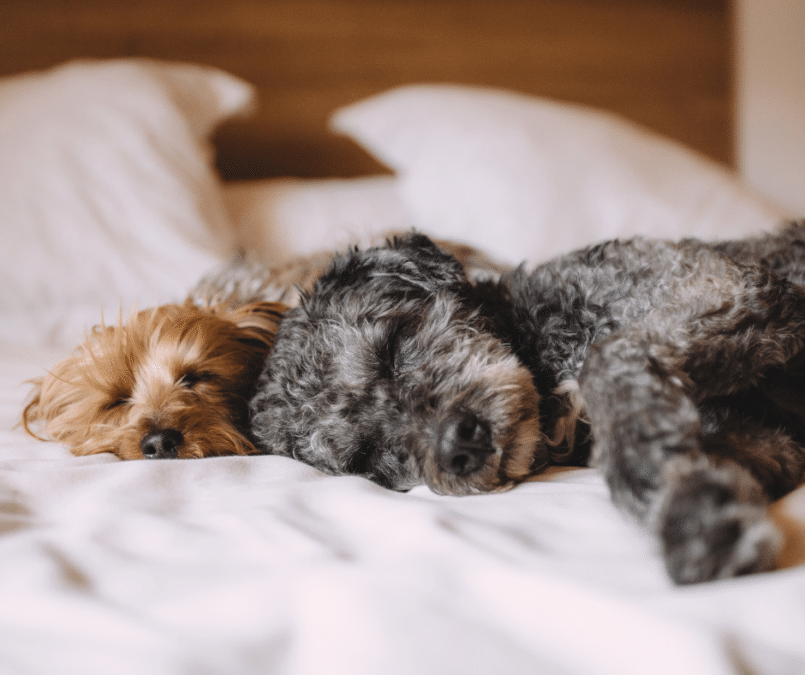
Sleeping dogs

For some people, Daylight Savings Time can throw their sleep cycle slightly out of sync. For our canine friends, it affects them much more. Dogs don’t live life by the digits on the clock. Time is driven by their human companions. Dogs use their internal circadian rhythms to tell them when to sleep, eat, use the bathroom, and other activities throughout their day. You would think that dogs can adjust to Daylight Savings Time just as well as humans, but in reality, they don’t. That is why it is important to understand why and how you can help your dog.  


How does iaffect your dog? 

Their Bathroom Habits  

Dogs typically need to use the bathroom first thing in the morning, or if they’re accustomed to a schedule, they expect to relieve themselves then. With Daylight Savings, your dog may be confused why you aren’t waking up to take them out, or why you’re waking them up early for their morning bathroom time. We all know that “when you’ve got to go, you’ve got to go.” So, pay attention to your dog who may be whimpering or creating unwanted surprises on your rug.   

Their Eating Habits  

Just like you, your pooch typically eats around the same times throughout the day, especially since you’re the one providing them the food. If you’re off an hour on feeding, you very well could find your sweet dog behaving differently like chewing your favorite shoe or knocking over the kitchen trash.   

Their Behavioral Habits  

Your dog’s behaviors may change if they are conditioned to you coming home from work at a specific time. Your dog is just like any other family member that misses you during the day. Some dogs even await their parents at the door or watch for him/her in the windowsill. Just an hour off from their normal schedule, can induce anxiety and lead to destructive behaviors such as chewing objects or potty accidents.   


Is there a way to prepare your dog for Daylight Savings Time?  

Yes, and it’s important that you think ahead to prevent unnecessary stress for your furry friend! Some of the best practices require you to be proactive.  

  1. To adjust your dog’s sleep patterns, you can start training him a couple of days ahead of Day Light Savings Time by waking them up a couple of minutes early each day. This will allow your dog’s circadian rhythm to gradually change and adjust to the new wake up time.   
  1. You can do the same to prepare your canine friend for different eating times. Their circadian rhythm tells their stomachs when it is time to eat. Start a few days earlier than Daylight Savings and adjust your pup’s eating times by a couple of minutes each day. By doing this, your dog won’t feel confused and aggravated and feel like he needs to beg for food.   
  1. To adjust your expected welcome home time, come home a few minutes later for a few days. Gradually transitioning the time will lessen your pet’s anxiety of wondering where you are.   


In any transitional situation, your pet’s expectations are the most important place to start. When you notice Daylight Savings coming up on your calendar, think ahead and give your pet a little extra attention. Absorb the extra cuddle time and enjoy your extra hour of sleep. At Pet Butler, we understand how important your pet’s expectations and schedules are. That includes the expectations of a clean yard to play in. Call the pet waste experts for a quote. We understand that consistency is key for your pets.   


Should You Get Another Dog?  

Pet Adoption Articles

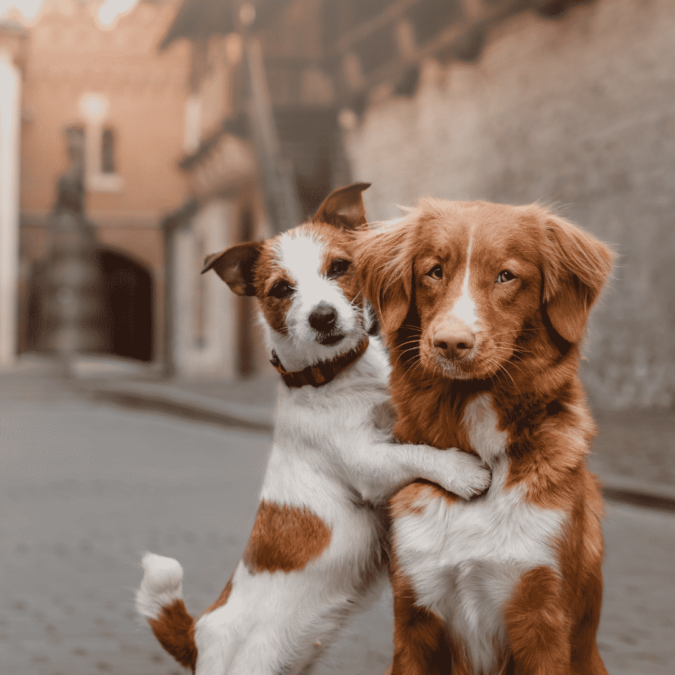
Dog hugging dog two dogs

You may not realize it, but your dog benefits from your companionship, both emotionally and physically, just as much as you do. With this thought, you may find yourself wondering: Would my dog be happier with another furry companion? Is my attention enough? Is my pet lonely without me during the day?  With many questions to consider, it may be time to start thinking about adding a few more legs to the family.   


When should you consider getting another dog?   

If your dog is anxiously awaiting your arrival home and exhibits excessive energy, it may be time to consider another canine companion. By giving them a playmate, you may find your dog less needy at the end of each day. Other considerations: Is your dog interested in other dogs or is territorial? Have you recently lost a second dog? If so, you may want to hesitate before getting a new companion. Note that dogs grieve the loss of companionship just like humans.   


Q&A’s To Consider When Contemplating On Getting Another Dog   

Questions – How old should your pet be before adopting a new friend?   

Answer – It’s best for your current dog to be at least a few years old before introducing a new dog into your family.   


Question – Will it infringe on your current dog’s space?   

Answer – Consider the size of your home. Decide on whether you have enough room to add another animal into your home. Think about your lifestyle and what you’re willing to possibly give up. Adding another pet to the home may alter your current home function.  


Question – Do I have time for more than one dog?   

Answer – You also want to make sure that you have the time to devote to training your new pet. It’s best not to add another dog when you have upcoming distractions such as travel, renovations, or visitors. Not only will the new dog need attention, but you’ll need to pay extra attention to your current pet.   


Question – Is everyone in my house onboard?   

Answer – All family members should be on board with bringing a new dog into the family. There will be additional responsibilities with training, cleaning, and expenses if you expand your family. Everyone needs to be willing to commit to the level of love, attention, and care that your current and the new dog will require and deserve. You also don’t want the family to be strapped financially. Think double vet, food, and grooming bills. If these costs aren’t in the budget, it’s not the time for a new dog.   


Question – What type of breed is right for your home?    

Answer – Think about what kind of dog will be the best companion for your current pet. Do you want a playful pup bouncing around your home? Dogs of the same breed typically do well together. When looking at a different breed, think about your current dog’s temperament and energy level. A calm laid back dog may not particularly jive with an energetic, hyperactive dog. If your dog is older, it may be good to add a puppy to the family as they don’t come into the relationship with established behaviors. Do you have the time, patience, and energy to train a puppy? If not, consider adopting an adult dog  


Question – Are you open to rescuing?  

Answer – Think about what kind of dog will be the best companion for your current pet. Do you want a playful pup bouncing around your home? Do you have the time, patience, and energy to train a puppy? If not, consider adopting an adult dog  

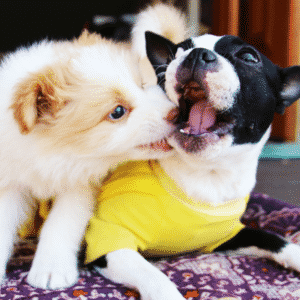
Two playful dogs - a fluffy cream-colored dog and a black and white dog wearing a yellow shirt

As you search for another canine companion, include your current dog in the process! Bring your pet to adoption days and see which playmate he naturally warms up to. Observe your dog at the dog park and see if he tends to play with or avoid a certain breed. Likewise, he may be drawn to or avoid dogs of certain sizes. Your dog will tell you best through his behavior and actions what he needs, including whether it’s time for you to add another dog to the family.   


Expert Vet Advice

At Pet Butler, we encourage our readers to take the time to research your local rescue shelters. Many pets are waiting for their forever homes you just have to find them.  Pet Butler believes in donating our time and leveraging our business platform to bring local awareness to the needs of animal rescues, shelters, and pets in need of adoption. According to the American Humane Society, annually 2.7 million adoptable dogs and cats are euthanized in the United States, simply because there are too many pets in shelters and too few people consider adoption when looking for a pet 

To find local rescue shelters near you, click here.  


What To Do When My Dog Eats Chocolate

Pet Safety Articles

PBC Blogs 1500 × 1200 px) (3)


An inevitable truth: with the holidays comes chocolate. Lots and lots of chocolate. And this means that we must keep an eye on our sweets to keep our pets safe. 

Another truth is that chocolate is toxic to dogs and may hurt our canine friends; however, the toxicity level depends on many factors, including how much chocolate a dog has consumed, the type of chocolate and the size of the dog. As dog parents, it’s important to understand the potentially harmful situationn that can arise when our pets indulge in our holiday treats. 

So, what do we do if our pet consumes chocolate, and how do we recognize the signs of possible chocolate poisoning in dogs? 


How do I prevent my dog from indulging in chocolate?

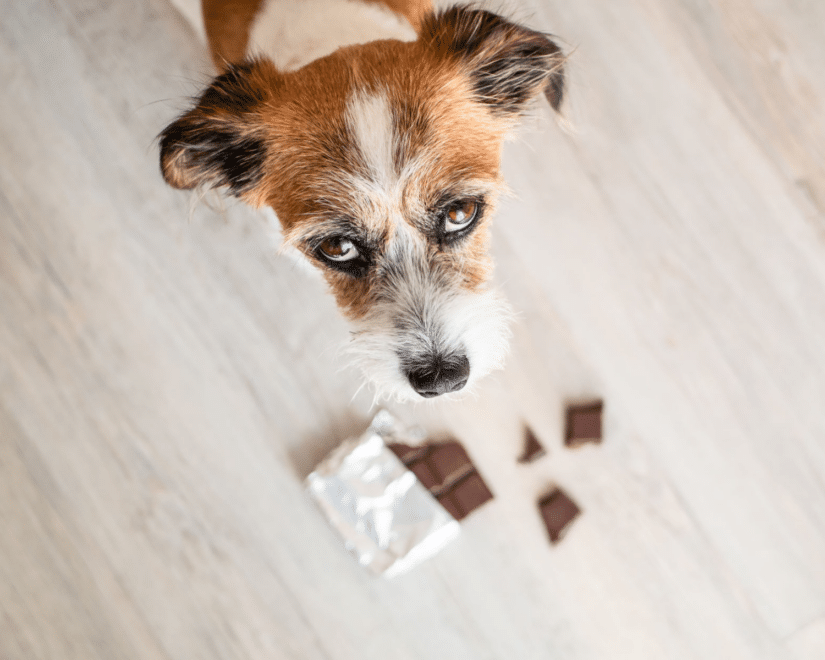
First, chocolate candy and baking items should be handled like toxic cleaning supplies. Keep them sealed and out of reach.

When storing chocolate items, think about the dog’s size, behaviors and ability to jump and climb. If the dog can access the counter, this isn’t a good hiding place. When throwing chocolate goods in the kitchen garbage or outdoor trash cans, be sure that the lids are tightly shut. If you have an extra curious pup, you might consider using child-proofing hinges or bungee chords to ensure your furry friend keeps their nose out of the trash.

Around holidays such as Halloween and Valentine’s Day, pay a little extra attention to the food items being brought into the home. Easily forgotten items such as hot chocolate, baking chocolate and cocoa powder are a risk and must be stored just as safely as pre-packaged, holiday-themed candy. Visiting family members and guests should be reminded of this safety precaution.

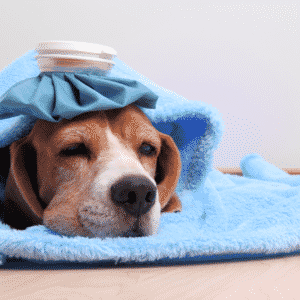
A beagle with an ice pack on its head lying wrapped in a light blue blanket, winking one eye at the camera

What do I do if my dog eats chocolate? 

DO NOT PANIC! Chocolate contains theobromine and caffeine which can raise the dog’s heart rate and excite the nervous system. Unlike humans, dogs metabolize theobromine slowly. If consumed, there may be changes in the dog’s behavior. If your dog exhibits physical or behavioral changes, it’s important to call the veterinarian. If you don’t notice changes right away, pay careful attention to your dog as symptoms may not arise for up to 6 to 12 hours.

Common symptoms of chocolate poisoning in dogs:

  • Vomiting
  • Diarrhea
  • Hyperactivity
  • Rapid breathing
  • Increased heart rate
  • Rigid muscles
  • Increased urination
  • Excessive thirst

Extreme symptoms include seizures and cardiac failure. However, there is no need to hit the panic button and fear the worst if the dog has only consumed a small amount of chocolate. As a dog parent, calling the vet is still the smartest option.


What should I know moving forward?

Being aware that certain chocolates are more harmful than others is an important tool in a dog parent’s arsenal. A general rule of thumb is the darker the chocolate, the more toxic it is. The toxicity level depends upon the pet’s weight and the amount ingested. For every 10 pounds of weight on the dog, approximately 1.5 ounces of dark chocolate is toxic. For more diluted chocolates like milk chocolate, every 10 pounds of weight on the dog, 3.5 ounces of milk chocolate is toxic.

Before dialing the vet, it would be helpful to know the weight of the dog, what type of chocolate was consumed and how much was consumed. Typically, dogs vomit the ingested chocolate on their own; however, your vet may want to see your dog to err on the side of caution. In this case, they may induce vomiting to expel any undigested chocolate and toxins, flush the dog’s stomach or give it a dose of activated charcoal to absorb any remaining toxins before they reach the bloodstream. Keep in mind that early treatment will help the dog recover more quickly.


As you purchase candy this season, be wary of the chocolate brought into your home. In some cases, eating chocolate can cause mild to fatal symptoms for our pets. Be sure to keep the chocolate out of sight so that you can enjoy it without worry!

Why Is My Dog Eating Grass?

Pet Safety Articles

Copy of Untitled (17)

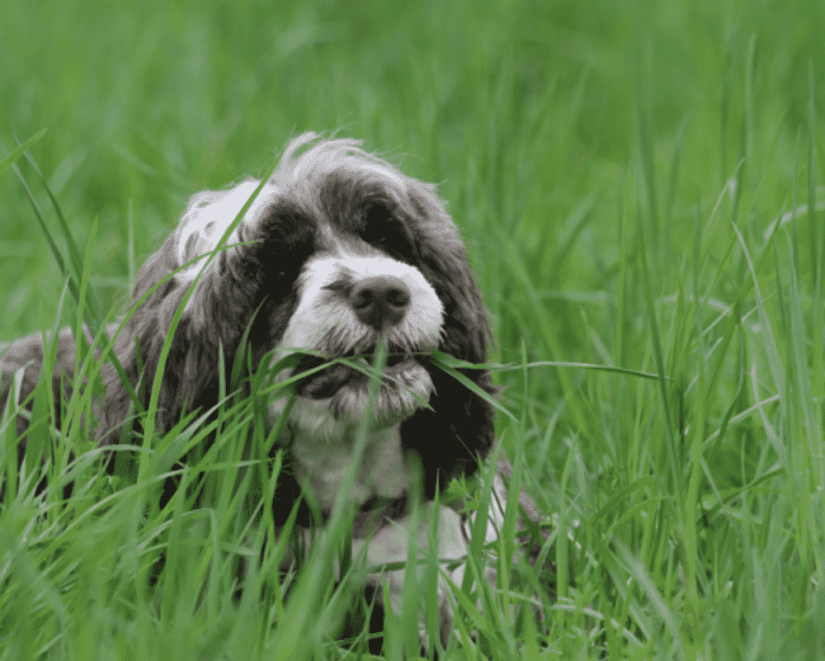
One of the more peculiar behaviors some dogs exhibit is called pica – a psychological disorder characterized by the desire to consume largely non-nutritive substances. For dogs, while they may also target leaves and sticks, pica is most commonly represented in the tendency to eat grass. Dogs that eat grass do so for a variety of reasons, ranging from sickness relief to boredom, and it usually manifests either in regular cycles or as spontaneous bursts.

How Will This Impact My Dog?

Physical Implications

The majority of pica cases have either negative physical or psychological implications. Common physical causes of pica include: gastric reflux, inflammatory bowel disease, and pancreatitis; pica can result in symptoms of lethargy, diarrhea, constipation, or weight loss in these instances. If your dog is exhibiting these symptoms, see a veterinarian as soon as possible.

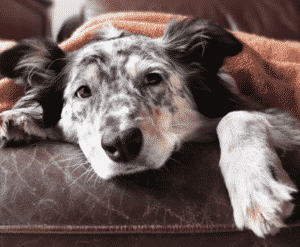
Australian shepherd with a mottled gray and white coat lying on a brown couch under a blanket, looking directly at camera with a tired expression

Psychological Implications

Psychological implications of of pica can be harmful in a home environment. The negative behaviors associated with pica include:

  • Boredom – Owners aren’t giving their dogs enough attention.
  • Separation Anxiety – Dogs are having a hard time coping with loneliness
  • Obsession – Your dog has a more serious mental disorder.

Way To Alleviate Negative Behaviors

  • Boredom – Simply give your dog more attention! Give them more playtime and toys to chew on during quiet hours.
  • Separation Anxiety – Try and surround your dogs with personal clothes or blankets to keep your scent around when you leave or try using a doggie daycare system so they feel more at ease.
  • Obsessions – Talk to your veterinarian about what options are best to help your dog.

How Can I Treat Pica At Home?

If your dog exhibits pica, but it seems to be under control, consider working in natural herbs or roasted vegetables into their diets. These substitutions may provide a sense of hunger fulfillment for the do. Even in monitored environments, pica can lead to some unhealthy complications. Teething puppies, specifically, tend to gnaw on and consume as many objects as possible, and they usually love munching on nature’s chew toys. Sticks, leaves, grass, and rocks can end up in their digestive system, which can cause blockages and backups. Give them plenty of attention and toys designed to keep their attention during these phases.

Find a Pet Butler 800-Pet-Butler