Separation Anxiety in Dogs: How to Keep Your Pets Calm When You’re Away

Dog Behavior Articles

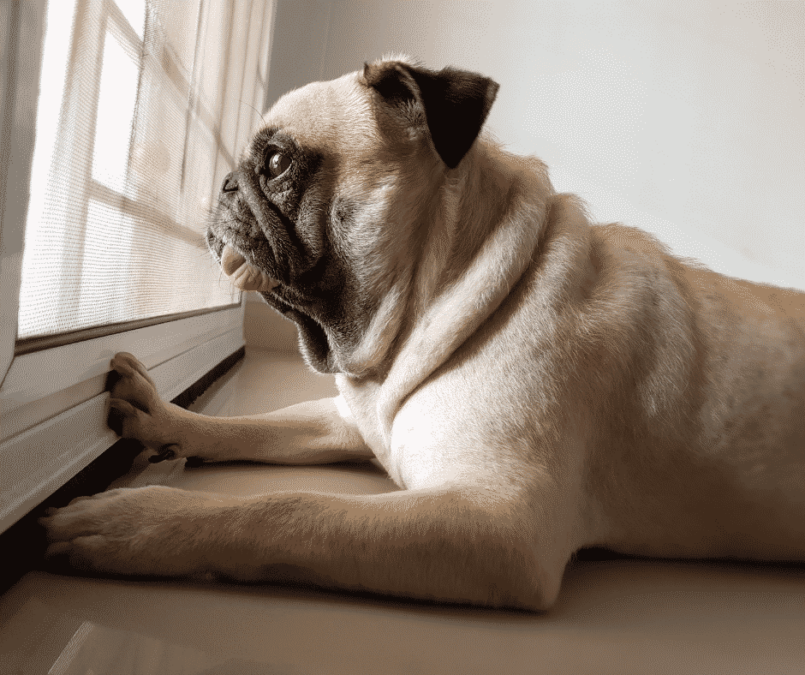
Dog Waiting

What is Separation Anxiety in Dogs?

Many dogs form deep bonds with their families, but for some, being left alone can cause significant emotional distress. Separation anxiety is a behavioral condition that occurs when a dog becomes excessively anxious before or after being separated from their owner or primary caregiver.

Separation anxiety can develop for several reasons, including the loss of a primary caregiver, a major change in daily routine, or a move to a new home. While the condition is common, it can be challenging to overcome once established. Recovery typically requires weeks or even months of consistent training that focuses on positive reinforcement and gradual desensitization to being alone.

What are Signs of Separation Anxiety?

Understanding the signs of separation anxiety is the first step toward helping your dog feel more secure, confident, and comfortable when left on their own.

Dogs experiencing separation anxiety may display symptoms such as drooling, panting, barking, pacing, whining or shaking. These behaviors often begin in anticipation of an owner’s departure or shortly after they leave.

Their anxiety could lead to excessive chewing, scratching the doors and windows, urinating or defecating indoors, and other destructive behavior. Every dog owner should expect to see some variation of this behavior and prepare to handle these situations with patience and love. Your pet will recover and eventually act like themselves; it might just take a bit of time.

How to Prevent Separation Anxiety in Dogs

dog anxiety

Safe Space Set Up

Establish a safe place for your pet to stay in your absence. This should be your pet’s version of Disney World or the “Happiest Place on Earth”. Special toys or a treat puzzle should be offered in your dog’s crate or when secure behind a baby gate.

Practice crate training. Oftentimes, dogs will feel lonely and vulnerable when we’re not beside them. A crate serves as a place where dogs feel safe: a dark, enclosed space with their favorite blankets and pillows is somewhere they can make their own. Crates can be very therapeutic for anxious pets.

Practicing Alone Time

Practice leaving your pet alone in their happy place for variable amounts of time, but never long enough that they start to exhibit anxious behaviors. Remember, we want the activity that the dog fears (packing a suitcase, jangling of car keys, back door closing, you leaving) to become associated with something positive or at least neutral.

You can also practice leaving and returning at various times throughout the day, and for various lengths of time. Do this by leaving your home throughout the day, just as you would for work. Slowly build up their tolerance for your absence with longer and longer stays away from home.

When you leave, try to help them form mental connections with your departure – this can be through wearing a similar coat and shoes, work clothes, or maybe carrying a backpack. Mentally, these actions will familiarize your dog with a work routine and allow them to get comfortable in your leave.

Mix Up Your Routine

If every time you leave it’s for an 8-hour work day, it’s no wonder your dog becomes anxious every time the car starts! The key is to mix up your routines and departure cues.

  • Make leaving and arriving home boring and unpredictable.
  • Put on your coat and shoes, then sit on the couch.
  • Pick up your keys, go out the back door instead of the front door, and just stand outside for five seconds before coming inside.
  • Once returning, ignore your pet or ask for a sit-stay until they are calm; don’t reinforce overly excitable, exuberant behavior with attention.
  • Work from a different room in the house without your pet present for variable stretches of time.
  • Don’t rush through the desensitization phase of training.
  • Be alert for signs of anxiety in your pet, either before you leave or on a video monitor.
  • Wait until your pet is relaxed and not excitable before running another practice drill.

Training: Give Your Dog Treats When Leaving & Returning

Giving your dog treats helps to build positive association with you leaving and returning from home. A dog with separation anxiety may learn to change their reaction to your departure over time.

Upon your return, be sure not to give a treat until your dog is calm. Rewarding them while they are excitable will reinforce that negative behavior.

Exercise

Exercise is an important part of every dog’s routine. It can also play a role in reducing separation anxiety symptoms in your pets.

Make sure your dog has enough physical and mental energy expended before you leave. A tired dog is usually a happy dog, and they will be less likely to exhibit behavior associated with separation anxiety

Leaving Your Dog With Others While You’re Away
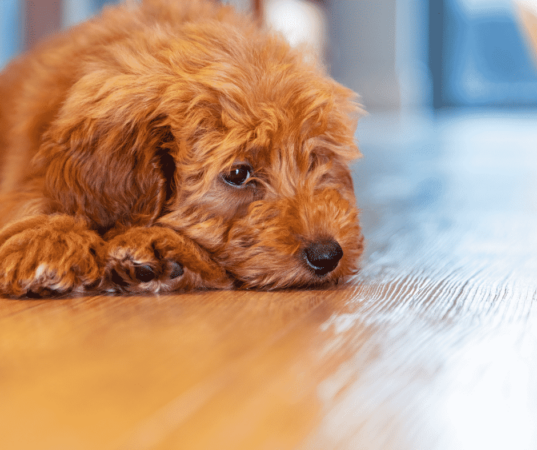
Dog laying on a hardwood floor looking a little lonely

Though it’s not always possible, you can call on others for help with your dog’s separation anxiety.

Friends and Family

When choosing someone to watch over your pet, opt for people who you know well. Ideally this would be family, friends, or a neighbor that is familiar with your dog and home already. They can visit your dog throughout the day, providing food, exercise and companionship.

Having friends and family participate in exercise, training and grooming sessions allow for bonds to form between them and your dog. Being around a person they trust will help to minimize their reaction to your absence.

Hire a Dog Sitter

Your friends and family might not always be available to look after your dog while you’re away. In this case, it might be time to introduce them to a professional dog sitter. Upon arriving, let the sitter introduce themselves to your pet and offer a treat; both dog and sitter will feel more relaxed and a positive association will develop between the two.

Explain all your dog’s needs to the sitter and write them down on a list. This should include a schedule for feeding, bathroom breaks, walks/playtimes, any medication given, and a list of emergency contacts. It’s important for dogs to get adequate play time.

Take Them to the Dog Hotel

If you’re going to be away from home for weeks at a time, whether for work or vacation, consider using a boarding facility. These kennels are built to take care of pets for an extended stay. Your dog will receive plenty of attention, interaction with other pooches, and top-notch dog care. Research what the best care centers are near you and get in touch with them personally before you make any decisions.

At Pet Butler, we understand that leaving your pet behind is hard. We know you want to give them the best care you can. That is why we specialize in caring for your pet’s special area by scooping up their waste. Find a local Pet Butler near you or call 1-800-PET-BUTLER to learn how we can make your pet’s life happier, healthier and cleaner.
Tips for Socializing My Dog

Dog Behavior Articles

dogs socializing

Why Socialization is Critical for Pets

Canines need to be good citizens of the world in which we live.

Dogs that aren’t socialized are often relinquished to shelters for preventable behavior problems such as resource guarding and territorial or fear-based aggression. Pet “problems” account for approximately 47% of surrendered dogs; many are re-homed multiple times, and some are euthanized. (1)

New owners must realize that once released from the confines of home, our pets need to function confidently and thrive in an environment populated with small children, other animals, cars and bicyclists, and all varieties of noise and distractions.

dog socialization

What a Socialized Dog Looks Like

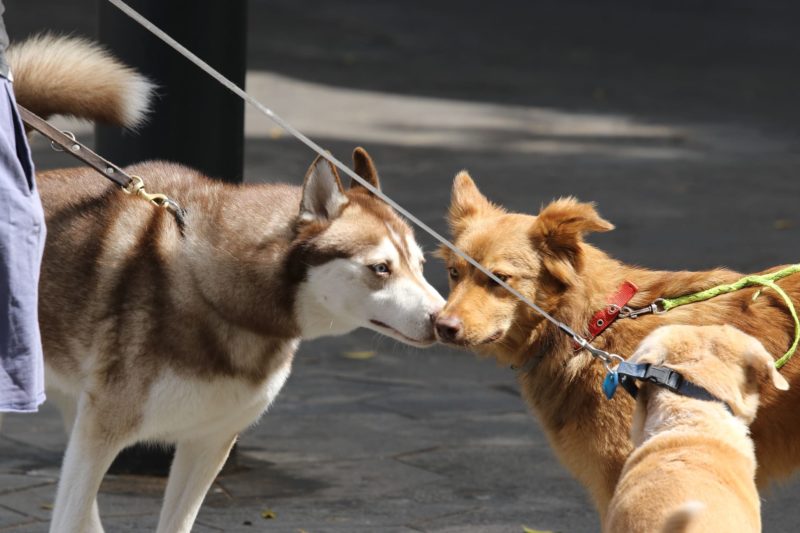
Socialized pets can happily accompany their owners on vacation, exercise amongst other animals at dog parks and daycares, experience the physical contact of other people, and mental stimulation of group agility classes or pet assisted therapy work. They experience less anxiety, stress, and loneliness. And they are more physically fit.

What Exactly is Pet Socialization?

How can we accomplish the integration and socialization of our furry friends when hampered by current conditions? According to the AVMA:

“Socialization is the process of preparing a dog or cat to enjoy interactions and be comfortable with other animals, people, places and activities. Ideally, socialization should begin during the sensitive period between 3 and 14 weeks of age for puppies, and 3 and 9 weeks of age for kittens”. (2)

While this window of time is optimal, progress can be made acclimating a previously unsocialized pet if the process is adjusted at a pace suitable to the pet’s temperament.

When Should I Start Socializing My Dog?

Younger pups are typically more inquisitive and relaxed than an adolescent or adult dog who already associates certain experiences with negative outcomes such as a nail trim that resulted in cutting the quick.

Ideally, your new puppy has spent the first 8 weeks of life surrounded by littermates and has already been practicing play and learning bite inhibition. The breeder, foster family, or shelter worker has been extensively handling the animal since birth. Touching ears, toes, and exploring the mouth and muzzle in a gentle way is important to learn that contact is safe and enjoyable. If not, these tasks fall to the new owner.

Develop a Plan for Socializing My Dog

To prepare to socialize a pet, it’s best to develop a plan. Ask yourself…

How Old is Your Dog?

  • 3-14 weeks old – the malleable window
  • 4-12 months old – may more cautiously test the waters
  • 1 year old and over – inherently confident, assertive, or shy.

The speed with which you can introduce new experiences may be slower with an older, more behaviorally mature or timid pet.

Understand Your Dog’s Personality Traits

Dogs, like humans, have a natural tendency toward certain personality traits and selecting a breed or certain temperament of dog to match your lifestyle and expectations is critical. A naturally timid puppy will not do well in a home with young, unpredictable preschoolers, nor will a dominant dog thrive in an environment where other dogs are vying for the same spot on the social ladder.

What Environment Do I Want My Dog In?

Decide what items or scenarios you’d like to introduce, depending on your living environment and what future experiences in which your pet may engage.

Preparing your home for the introduction of a pup involves talking to your veterinarian to ensure proper puppy/breed selection prior to adoption, removing hazards, setting up a quiet retreat such as a covered crate, preventing unsupervised access to other pets and children

Are There Other Pets in The House or Will a Pet Sitter Be Needed at Some Point?

Engage them with a FaceTime introduction and regular virtual visits with your pet.

What Will Be a Part of Your Dog’s Daily Life?

  • Treats and positive reinforcement
  • A crate or safe space for your pet to retreat to when they need alone time and minimize separation anxiety
  • Nail trimmers or clippers you’ll want to desensitize your pet to
  • Noises like chirping birds, fireworks, fast-moving children, babies crying, or other pets in the house

socializing dogs

How to Socialize My Dog

Walks – Frequent walks outside in a variety of environments and on a multitude of surfaces such as the sidewalk, wooded path, grassy park, near water, or on a deck ensure your pet is comfortable in different settings.

Meeting Nearby Pets/People – Encourage your neighbors and their dogs to greet and engage your pet from a safe distance while you ply your pooch with delectable treats.

Play Dress Up – Animals should be exposed to humans in hoods, hats, wearing sunglasses, carrying umbrellas or pushing a vacuum cleaner or stroller.

Leash – Have your puppy on a leash, happily distracted by kibble when you ride your bicycle or skateboard nearby.

Car Rides – They introduce new experiences. Drive by a noisy airport or construction site.

Noise Familiarity – YouTube videos or phone apps, mechanical noisemakers, and remote-controlled, interactive toys featuring daily noises such as baby cries, birds chirping, and fireworks can be used to introduce the idea of other animals and sounds to your dog.

Doorbells – Ringing the doorbell while your dog practices being calm in their crate.

Eating – Handling your pet while they’re eating to discourage food guarding.

Therapy Work – If you want to do therapy work with your pet, borrow a walker, wheelchair, and a beeping timer, and practice walking through a gate or down a stairwell.

If you have healthy adults and children in the house, allow them all to engage in socialization activities with the new pet.

Plan for 1-5 new experiences a day for varying periods of time, but no longer than the period in which your pet is relaxed and happy. Realize your pet may have some limitations and adjust your socialization periods and expectations accordingly.

Never punish a pet who is fearful, but gently remove them from the situation and expose them again to the stimulus when they are calm; do so for a decreased duration and intensity or from an increased distance. If your pet remains happy and content during socialization exercises, continue positively reinforcing them with food, praise, or petting as you extend the duration of training sessions.


  1. https://www.aspca.org/animal-homelessness/shelter-intake-and-surrender/pet-statistics

  2. https://www.avma.org/resources-tools/animal-health-and-welfare/socialization-dogs-and-cats

Find a Pet Butler 800-Pet-Butler