
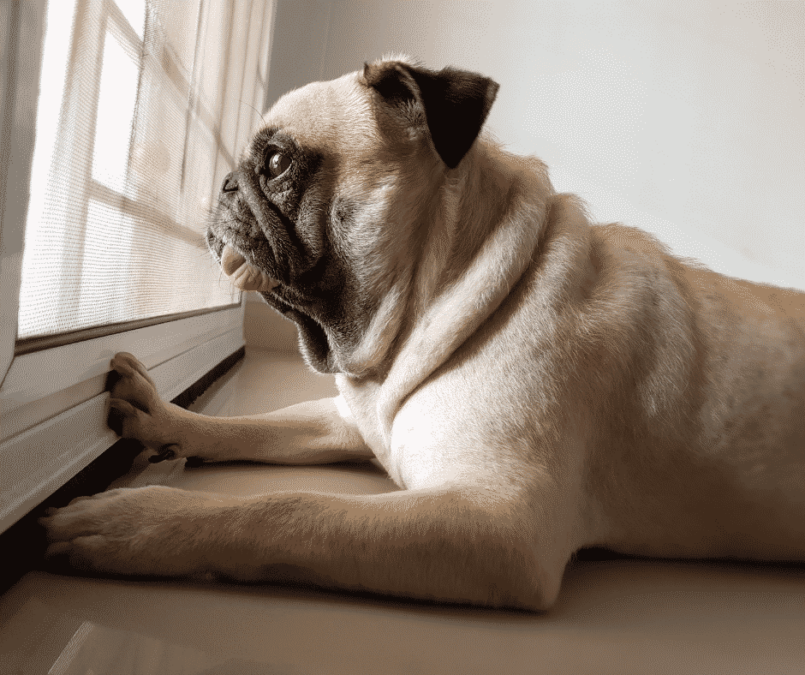
What is Separation Anxiety in Dogs?
Many dogs form deep bonds with their families, but for some, being left alone can cause significant emotional distress. Separation anxiety is a behavioral condition that occurs when a dog becomes excessively anxious before or after being separated from their owner or primary caregiver.
Separation anxiety can develop for several reasons, including the loss of a primary caregiver, a major change in daily routine, or a move to a new home. While the condition is common, it can be challenging to overcome once established. Recovery typically requires weeks or even months of consistent training that focuses on positive reinforcement and gradual desensitization to being alone.
What are Signs of Separation Anxiety?
Understanding the signs of separation anxiety is the first step toward helping your dog feel more secure, confident, and comfortable when left on their own.
Dogs experiencing separation anxiety may display symptoms such as drooling, panting, barking, pacing, whining or shaking. These behaviors often begin in anticipation of an owner’s departure or shortly after they leave.
Their anxiety could lead to excessive chewing, scratching the doors and windows, urinating or defecating indoors, and other destructive behavior. Every dog owner should expect to see some variation of this behavior and prepare to handle these situations with patience and love. Your pet will recover and eventually act like themselves; it might just take a bit of time.
How to Prevent Separation Anxiety in Dogs

Safe Space Set Up
Establish a safe place for your pet to stay in your absence. This should be your pet’s version of Disney World or the “Happiest Place on Earth”. Special toys or a treat puzzle should be offered in your dog’s crate or when secure behind a baby gate.
Practice crate training. Oftentimes, dogs will feel lonely and vulnerable when we’re not beside them. A crate serves as a place where dogs feel safe: a dark, enclosed space with their favorite blankets and pillows is somewhere they can make their own. Crates can be very therapeutic for anxious pets.
Practicing Alone Time
Practice leaving your pet alone in their happy place for variable amounts of time, but never long enough that they start to exhibit anxious behaviors. Remember, we want the activity that the dog fears (packing a suitcase, jangling of car keys, back door closing, you leaving) to become associated with something positive or at least neutral.
You can also practice leaving and returning at various times throughout the day, and for various lengths of time. Do this by leaving your home throughout the day, just as you would for work. Slowly build up their tolerance for your absence with longer and longer stays away from home.
When you leave, try to help them form mental connections with your departure – this can be through wearing a similar coat and shoes, work clothes, or maybe carrying a backpack. Mentally, these actions will familiarize your dog with a work routine and allow them to get comfortable in your leave.
Mix Up Your Routine
If every time you leave it’s for an 8-hour work day, it’s no wonder your dog becomes anxious every time the car starts! The key is to mix up your routines and departure cues.
- Make leaving and arriving home boring and unpredictable.
- Put on your coat and shoes, then sit on the couch.
- Pick up your keys, go out the back door instead of the front door, and just stand outside for five seconds before coming inside.
- Once returning, ignore your pet or ask for a sit-stay until they are calm; don’t reinforce overly excitable, exuberant behavior with attention.
- Work from a different room in the house without your pet present for variable stretches of time.
- Don’t rush through the desensitization phase of training.
- Be alert for signs of anxiety in your pet, either before you leave or on a video monitor.
- Wait until your pet is relaxed and not excitable before running another practice drill.
Training: Give Your Dog Treats When Leaving & Returning
Giving your dog treats helps to build positive association with you leaving and returning from home. A dog with separation anxiety may learn to change their reaction to your departure over time.
Upon your return, be sure not to give a treat until your dog is calm. Rewarding them while they are excitable will reinforce that negative behavior.
Exercise
Exercise is an important part of every dog’s routine. It can also play a role in reducing separation anxiety symptoms in your pets.
Make sure your dog has enough physical and mental energy expended before you leave. A tired dog is usually a happy dog, and they will be less likely to exhibit behavior associated with separation anxiety
Leaving Your Dog With Others While You’re Away
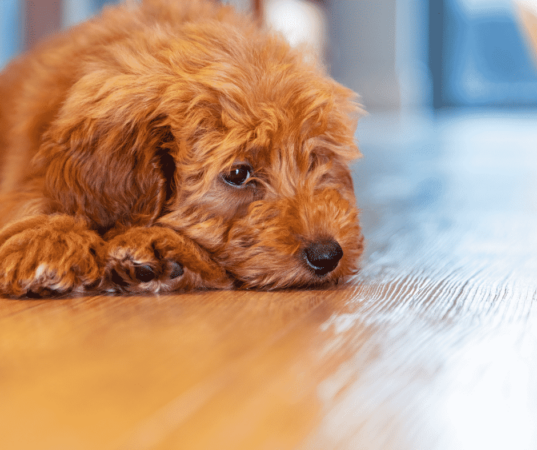
Though it’s not always possible, you can call on others for help with your dog’s separation anxiety.
Friends and Family
When choosing someone to watch over your pet, opt for people who you know well. Ideally this would be family, friends, or a neighbor that is familiar with your dog and home already. They can visit your dog throughout the day, providing food, exercise and companionship.
Having friends and family participate in exercise, training and grooming sessions allow for bonds to form between them and your dog. Being around a person they trust will help to minimize their reaction to your absence.
Hire a Dog Sitter
Your friends and family might not always be available to look after your dog while you’re away. In this case, it might be time to introduce them to a professional dog sitter. Upon arriving, let the sitter introduce themselves to your pet and offer a treat; both dog and sitter will feel more relaxed and a positive association will develop between the two.
Explain all your dog’s needs to the sitter and write them down on a list. This should include a schedule for feeding, bathroom breaks, walks/playtimes, any medication given, and a list of emergency contacts. It’s important for dogs to get adequate play time.
Take Them to the Dog Hotel
If you’re going to be away from home for weeks at a time, whether for work or vacation, consider using a boarding facility. These kennels are built to take care of pets for an extended stay. Your dog will receive plenty of attention, interaction with other pooches, and top-notch dog care. Research what the best care centers are near you and get in touch with them personally before you make any decisions.
At Pet Butler, we understand that leaving your pet behind is hard. We know you want to give them the best care you can. That is why we specialize in caring for your pet’s special area by scooping up their waste. Find a local Pet Butler near you or call 1-800-PET-BUTLER to learn how we can make your pet’s life happier, healthier and cleaner.