Poisonous Plants to Dogs – Avoid Toxic Flowers in the Garden

Pet Safety Articles

poisonous plants for dogs

With spring weather finally cooperating and hitting warmer temperatures throughout the United States, it’s time to get annual plants in the ground. Like most of you, part of the season I enjoy most is throwing the ball to my dogs in the yard and watching them get taunted by the squirrels. We are fortunate to have areas dedicated to annual flowers, perennial shrubs, and an edible garden. Unfortunately, some of the plants I enjoy watching bloom can be toxic to dogs and it pays to consider which flowers and plants you have in the garden this spring season.

Treatment if Toxic Plants Are Ingested

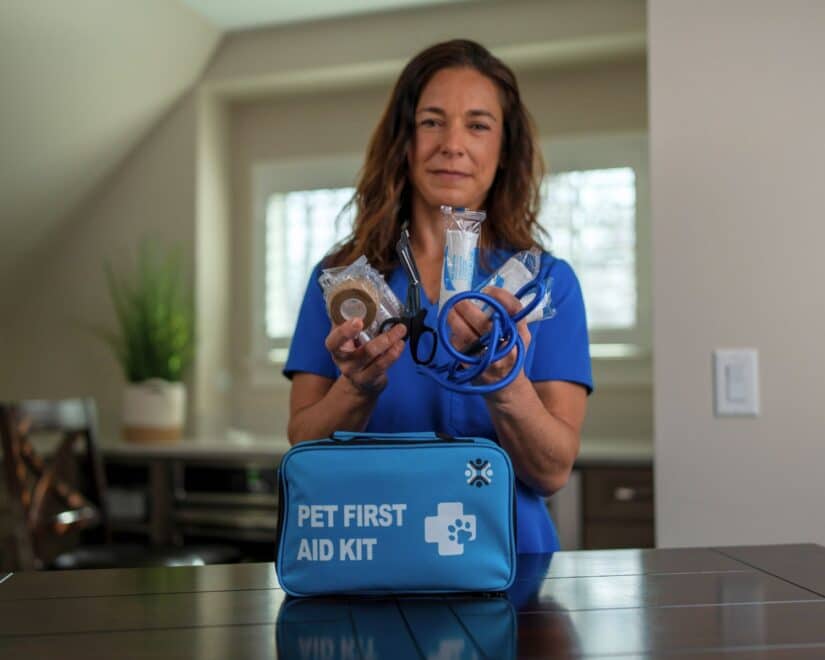
Below follows a list of the most common dangerous plants and flowers that dogs shouldn’t eat and what signs and symptoms may be present if consumed. We will cover a dog first aid kit in a future article, but it always makes sense to have a bottle of dawn dish soap, Hydrogen Peroxide, as well as a bottle of saline to rinse the eyes and the mouth if an irritant is introduced. After administering hydrogen peroxide, vomiting typically ensues within 10 minutes. This may mitigate some of the more harmful effects of the poisonous plant. That being said, always consult your veterinarian or the ASPCA Animal Poison Control Center at their 24-hour emergency number, (888) 426-4435. Sometimes the damage of an irritating substance coming up can do as much or more damage than the item going down.

Currently, a $65 charge per case is applied to a credit card, but their expert advice may just save your dog’s life. It should also be noted that consuming any vegetation can cause gastrointestinal signs such as vomiting and diarrhea and may be dose related. This seems counter-productive as many dogs will eat grass to soothe an upset tummy but tell that to your pup! Some of the spring flowers you should avoid planting can cause almost immediate effects. Others take hours for their toxic chemicals to produce symptoms.

Plants & Flowers Poisonous to Dogs

Edible Garden

Onion or Allium family: This includes garlic bulbs, chives, leeks, and flowering alliums. They contain a chemical called N-propyl disulfide which is concentrated in the plant bulbs.
Clinical Signs: Vomiting, breakdown of red blood cells, blood in the urine, weakness, high heart rate, panting

Citrus Fruits like Lime: Contain Essential oils and psoralens
Clinical Signs: Vomiting, diarrhea, depression; potential dermatitis or skin irritation. Fruit is edible, skins and plant material can cause problems

Tomato Plant (leaves, unripe fruit) and Nightshade: Contains Solanine
Clinical Signs: Hypersalivation, inappetence, severe gastrointestinal upset, depression/drowsiness

Macadamia Nuts: toxin unknown
Clinical signs: depression, weakness (especially of rear limbs), vomiting, tremors.

Marjoram, Thyme, and Mint: Contains Essential oils
Clinical Signs: depression, weakness (especially of rear limbs), vomiting, tremors.

Apples, plums, cherry trees: Stems, leaves, seeds contain cyanide, particularly toxic in the process of wilting
Clinical signs: brick red mucous membranes, dilated pupils, difficulty breathing, panting, shock.

Non-Edible Garden

Foxglove or digitalis: Among the most toxic of plants in the flower garden containing Cardiac glycosides
Clinical Signs: Heart arrhythmias, vomiting, diarrhea, weakness, cardiac failure, death.

Daisies and anything in the chrysanthemum family: Contain Sesquiterpene, lactones, pyrethrins and other potential irritants
Clinical Signs: Vomiting, diarrhea, hypersalivation, incoordination, dermatitis

Ivy, any variety: Contain Triterpenoid saponins (hederagenin)
Clinical Signs: Vomiting, abdominal pain, hypersalivation, diarrhea. The leaves are more toxic than berries

Geraniums: Geraniol, linalool are the toxins present
Clinical Signs: Vomiting, anorexia, depression, dermatitis

Hellebore or Christmas Rose: Bufadienolides, glycosides, veratrin and prtoanemonin are some of the toxins
Clinical Signs: Drooling, abdominal pain and diarrhea, and depression

Hostas: Part of the Lily family. Saponins cause symptoms.
Clinical Signs: Vomiting, diarrhea, depression.

Lily of the Valley: Cardenolides (convallarin, and others)
Clinical Signs: Vomiting, irregular heartbeat, low blood pressure, disorientation, coma, seizures

Coleus: Essential Oils
Clinical Signs: Vomiting, diarrhea, depression, anorexia, occasionally bloody diarrhea, or vomiting

Irises: Pentacylic terpenoids (zeorin, missourin and missouriensin) are highly concentrated in the rhizomes.
Clinical Signs: Salivation, vomiting, drooling, lethargy, diarrhea.

Rhododendrons: Ingestion of a few leaves can cause serious problems due to Grayantoxin.
Clinical Signs: Vomiting, diarrhea, hypersalivation, weakness, coma, hypotension, nervous system depression, cardiovascular collapse, and death.

Burning bush: Contain alkaloids
Clinical Signs: Vomiting, diarrhea, abdominal pain, weakness. Heart rhythm abnormalities with large doses.

Black Walnut found most often in mulch:
Clinical Signs: moldy nuts/hulls can cause tremors and seizures, ingestion of shavings can cause incoordination

Yew: Contains Taxine A and B, and volatile oils
Clinical Signs: Tremors, difficulty breathing, vomiting, seizures (dogs), sudden death from heart failure.

Yarrow: Achilleine and alkaloids.
Clinical Signs: Increased urination, vomiting, diarrhea, dermatitis.

Tulips and daffodils: While we are seeing the beautiful spring flowers, their planting season is actually in the fall. The bulbs deep in the ground contain the most harmful part of the plant. So, while the flower itself is not dangerous, use caution when planting throughout the year.
Clinical Signs: vomiting, depression, diarrhea, and hypersalivation; large amounts cause convulsions, low blood pressure, tremors, and cardiac arrhythmias.

Don’t let the laundry list of scary flora deter you from enjoying the garden with your dog. The following is a list of vet-approved plants. See you outside!

Alyssum, Squash, Impatiens, Baby’s Breath, Basil, Blue Eyed Daisy, Chickens and Hens, Cinquefoil, Cilantro, Snapdragons, Coreopsis, Cornflower, Day Lilies (toxic to cats), Ferns, Marigolds, Asters, Red Maple, and Zinnias.

Protect Your Dog From Fleas & Ticks This Season

Pet Safety Articles

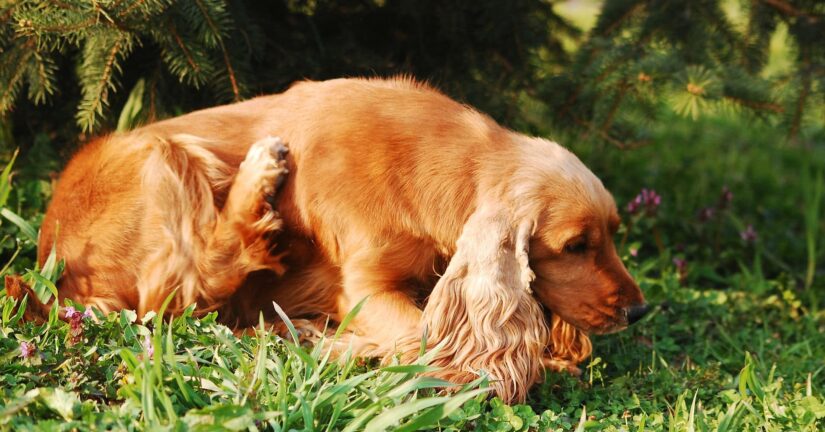
itchy scratching dog

Fleas and ticks can, unfortunately, find their forever homes on dogs. Preventing fleas and ticks has come a long way with topical products that can be applied as often as monthly, or oral pills that are both tasty and effective at eliminating many life stages of the flea and tick.

Here are some important facts on fleas and ticks and how to keep your pets safe from them.

What are Fleas?

Fleas are tiny parasites that require the blood meal of a mammal or bird to survive and reproduce. While they need warm, humid temperatures to thrive (our friends in the south have particularly bad flea problems), the larvae and pupa can overwinter in the house or on animals like coyotes and rabbits and their dens, extending their life cycle from several weeks to many months.

Fleas tend to hang out in the same areas that are popular with your dog and other wildlife: shady areas out of direct sunlight and direct foot traffic. The flea life cycle is complex, consisting of four stages: egg, larvae, pupa, and adult. Because some of these life stages occur off the host (your dog or cat), prevention and treatment for fleas and ticks targeted at several of these stages works best.

Flea Prevention & Treatment

First off, we want to treat the environment and make it an inhospitable place for fleas to live. Clearing brush, keeping grass cut short, and raking leaf piles are great at eliminating flea hide-outs. Inside, frequent vacuuming to stimulate egg hatching and laundering bedding daily is important if you suspect a flea infestation. Next, you’ll want to utilize one of the many products available from your veterinarian to kill adults, larvae, and eggs.

Some popular preventatives include:

Over the counter products can not only be ineffective (think flea collars), but dangerous to pets. Flea preventatives work by sterilizing the adult flea (flea birth control, if you will), others work via overstimulating the flea central nervous system. Treated hairs can also work to kill larva and eggs in the environment. Because new eggs shed into the house or yard are constantly hatching, it is important to treat consecutively every month to kill emergent fleas. An adult flea can produce 500 eggs in just a few weeks!

A flea comb can be utilized to find live fleas on your dog, though most pet owners aren’t fast enough to catch a hopping flea. Tell-tale signs of a flea problem are itching or biting near the tail base and evidence of a black pepper-like granule (flea poop) in the fur that turns reddish on a damp paper towel. That red coloration is digested blood. Fleas can cause an allergic response to their saliva in some dogs; one bite can cause severe hair loss and scratching. A heavy infestation can lead to low red blood cell count, transmission of tapeworms, or diseases such as the plague or typhus.

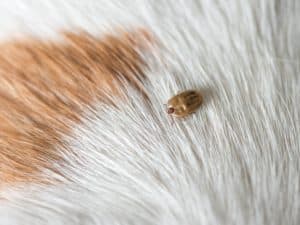
tick on dog

How Are Ticks & Fleas Different?

Similarly, ticks love to live in outdoor areas such as wood piles, yard clippings, or attached to hosts such as mice and deer. True opportunists, they wait to attach to an unsuspecting mammal as they brush past. Ticks become most active as the temperatures rise above freezing. This fools many dog owners into thinking they can forgo preventatives from December to March. Ticks don’t typically leave tiny poop calling cards like fleas. Many times, they are not discovered on your dog until they have been attached for days to weeks and are engorged with blood.

Ticks also have a four-part life cycle, and other than the egg, each stage including the larva, nymph and adult needs a blood meal to survive. The complete life cycle can take two years to complete and an adult tick can produce up to 3,000 eggs. Frighteningly, the larva stage of the tick which will attach to a host animal is no bigger that the size of the period at the end of this sentence. Imagine finding that in your dog’s fur!

Ticks are tremendously dangerous to dogs and humans because they transmit devastating and sometimes hard to treat diseases. The deer tick is most commonly known for its ability to spread Lyme Disease.

Tick Prevention & Treatment

Because it takes 24 hours of tick attachment to infect a host with disease, prompt identification and removal is critical. If you spend time outdoors with your pet, do a tick check of the skin and hair coat after returning home. Ticks especially love to set up shop on a dog’s ear flaps. If you see an embedded tick…

  1. Grasp its head as close to the skin as possible with a pair of tweezers.
  2. Pull the entire tick out in one swift movement.
  3. It’s okay if you get a bit of dog with your tick – just clean the area with soap and water and apply a triple antibiotic ointment to the bite.

Many of the same preventatives we use for flea control are also effective at repelling and/or killing ticks during that 24-hour window of attachment. Consistent use is important and recognize if your dog is boarded or groomed, it can pick up parasites from other dogs. Yard treatments are also available to kill ticks and fleas. It’s best to consult a company that specializes in such treatment as some chemicals can be harmful to humans on pets.

Dog Overweight? Ways to Help Maintain and Control Your Dog’s Weight!

Pet Health Articles

PBC Types of Dog Food 1000x800

Now that it’s 2018, we wearily rub the sleep out of eyes and take a tentative step back into reality. Our pants are a little more snug from the holidays and it’s time to get moving and regroup! After we purge the last bit of fruitcake and eggnog from the fridge, we owe it to our pets to take charge of their health and well-being. That starts with weight assessment and management, and it doesn’t have to be difficult.  The trick is knowing where to start and being consistent. And the payoff is huge; a landmark study published in 2002 by Nestlé Purina’s showed that maintaining a dog’s lean body condition extended their median life span by 15 percent. For the Labrador Retrievers in the study, the statistic translates into two years.

What To Do If Your Dog Is Overweight

Placing a call to your veterinarian is the first thing you should do if you’re wondering if your dog is overweight. At the appointment, it helps to bring your pet’s food, treats, and measuring cup; taking it one step further, an accurate log of your pet’s food intake over a week or two is ideal. By having all family members write down what is fed, your vet gets an accurate picture of nutritional intake. Don’t stop there! Record any activity your dog has engaged in during that same time period. We aren’t necessarily counting calories expended, but gauging a rough level of activity. A pug on a couch doesn’t use the same amount of energy (calories) as a border collie who chases a frisbee 2 hours a day.

Your veterinarian is going to weigh your dog. You can monitor weight at home by weighing yourself, then weighing yourself holding your dog, and subtract your weight to get your pet’s LBS/pounds.  Make a note of it on your food and activity log. If you have a large breed dog, many vet clinics and pet stores will happily let you walk in and get a weight on their oversized scale.  Because of variability in breeds and body types within the breed, charts will list a healthy weight range for each breed. Taking a look at the AKC guide to breed weights, we see that a Boston Terrier may weigh anywhere from 12-25 pounds. That’s a HUGE degree of variability and isn’t particularly helpful, especially if you have  a mixed breed dog. Veterinarians and knowledgeable pet owners are more likely to rely on a body condition scoring chart to assess weight.

Determine Your Dog’s Ideal Weight

One of the most popular is the Purina Dog Condition Scoring Chart. This chart allows pet owners and medical professionals to  evaluate a dog based on three criteria and assign them a value from 1 (emaciated) to grossly obese (9): feeling the fat pad over the ribs and determining if the ribs are able to be easily visualized, evaluating a dog’s waist profile and thickness from above, and assessing their abdominal tuck. A dog at its ideal weight should be about a 4-5/9.  Anything above or below, and you’ve got a problem! Each point on the scale correlates 10% over or under their ideal weight.  For example, a golden retriever that is an 8/9, is roughly 30% overweight. Instead of weighing 100 pounds, he should weigh 70. (100 pounds x 0.30 = 30 pounds overweight). 4

Armed with your dog’s body condition score, food intake, activity level, diet fed, his rough weight in pounds vs. ideal weight, you can start to make some adjustments in how you feed and exercise your pet. It’s estimated that roughly 45% of dogs in the U.S. are overweight or obese. 2 These staggering numbers contribute to their overall quality of life in a number of ways: overweight pets are more likely to develop diabetes, arthritis, respiratory illnesses, skin infections, and cancer in addition to the relative immobility obesity fosters.

How Much Food To Feed Your Dog

Dogs are physiologically built to thrive on 2-4 small meals a day. Free choice feeding can lead to overeating when bored. The choice of what to feed can be a complex one.  Again, enlist the help of your veterinarian who will likely recommend a food or foods based on your dog’s size, breed, health status (pre-screening for diseases like hypothyroidism, heart disease, Cushing’s disease, arthritis, and others to make sure there are no other medical issues contributing to your pet’s weight gain), activity level, and age. Just reducing your dog’s caloric intake of his regular diet and treats could also deprive him of essential nutrients. In general, a diet higher in protein and lower in fat and calories per 8 ounce cup can help your pet achieve 1-2% loss in pounds per week. Canned foods, though more expensive, tend to be more filling and also contain a higher percentage of protein as fed.

Dog Food Advisor has a handy calculator that can aid you in determining the amount of calories to feed. Be careful; the labels on the back of dog food bags and cans are the estimated amounts to feed a dog at their healthy weight. We are looking to lose! Also, recall that treats count. Ice cubes, carrots, apple slices and green beans can be an appealing substitute to high calorie bones and chews. BalanceIT is a company that will develop a home cooked recipe and supplements exclusively for your dog to meet their individual needs. Started by a board-certified veterinary nutritionist, professional recommendations can aid even a finicky dog or one with food allergies to lose weight.

Exercises and Activities For Dogs

If your dog is cleared to resume exercising, start with a 5-10 minute walk several times a day.  If you are able, incorporate some hills and swimming which help to build muscle and increase your dog’s metabolism. When the weather is chilly, play “find the kibble” in the house after hiding individual pieces under rugs, on chair rungs, and in plastic water bottles or boxes. The mental stimulation is a good replacement for physical exercise on cold days, and the dogs don’t realize they are expending as many calories as they are eating! Keeping a weight loss and activity log can assist in tracking the weekly weigh-in and fine tuning your dog’s program to achieve optimal results. Measure, measure, measure (even keep a baggie of food for your dog’s daily ration if needed). Who knows, you may find that by increasing your awareness of calories in, calories out, you may reach your own weight loss goals!

Pet Safety: Safe Foods Dogs Can Eat On Thanksgiving

Pet Safety Articles

PBC Blogs 1500 × 1200 px) (4)

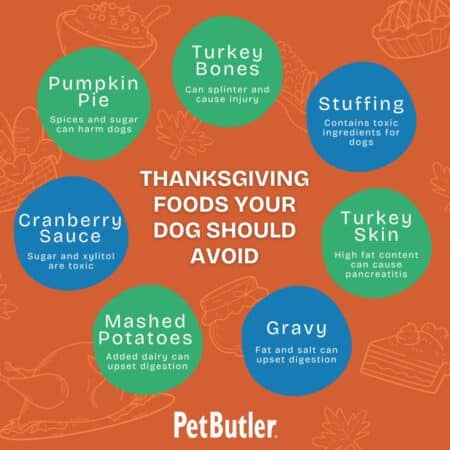
Next time you are the pet store picking up a bag of kibble, check out the ingredients in some popular brands of dog food.  The lists read like a veritable Thanksgiving Day menu: sweet potatoes, turkey, peas, white potatoes, carrots, pumpkin and cranberries.  As the lines blur between pet food diets and what we feed our human holiday guests, it is a good idea to clear up some common misconceptions about safe and dangerous Thanksgiving meals for dogs, so they can join the party!

Thanksgiving Table Decorations To Watch Out For

During the holiday preparations, we may overlook the dog in the corner munching on a mum or an amaryllis.  Both plants, as well as macadamia nuts, holly, English ivy, cyclamen, and Christmas rose are all found on the ASPCA Animal Poison Control Center’s list of toxic plants.  Ingesting modest quantities will generally cause vomiting, diarrhea, depression, and excessive salivation so it’s best to keep any plants high out of reach of a rogue canine.

The kitchen! Home to all varieties of delicious smells, tastes, and frenzied activity.  Dough rising in the corner for dinner rolls? Should your dog eat raw dough, be prepared for a host of potential problems including bowel obstruction and bloat as the dough continues to rise and release gases INSIDE your dog’s belly.  As the yeast ferments, ethanol is produced.

Think an over-served relative is bad news? A drunk dog is no laughing matter; watch for signs of drooling, difficulty walking, weakness, low blood pressure, body temperature, vomiting, and seizures in an intoxicated pet. Raw or under-cooked meat waiting for the deep fryer can also be dangerous to your dog.  In addition to bones which can puncture the esophagus, stomach, intestines, or become lodged in the mouth, Salmonella and E.coli love to live on raw turkey.  Ingesting these bacteria may cause vomiting and diarrhea in your dog which may lead to secondary exposure by unsuspecting guests.

Safe Thanksgiving Foods For Dogs

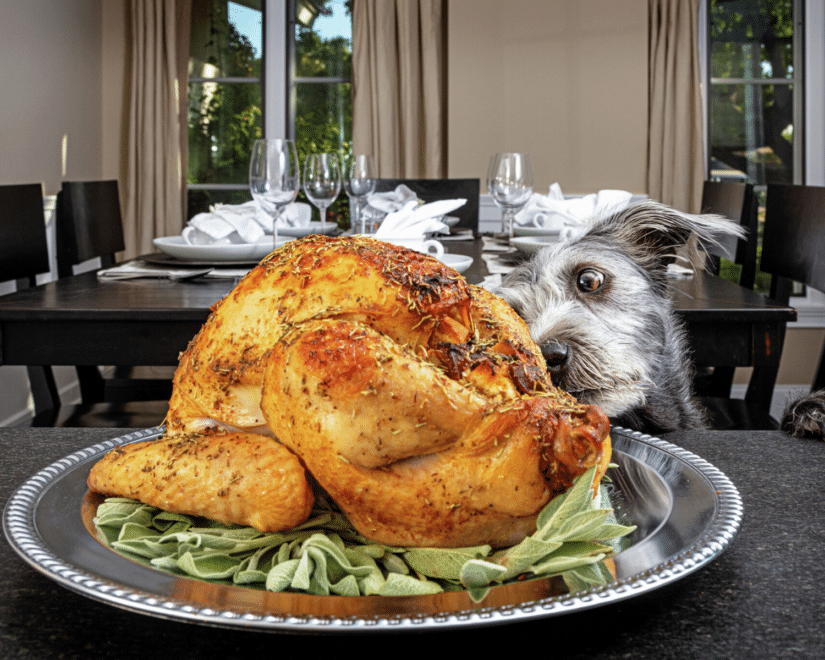
Can your dog eat cooked turkey? For most otherwise healthy dogs with no food allergies or intolerances, the answer is yes! A good rule of thumb is to feed your dog no more than 10% of his daily calories in treat form or suffer the consequences (read: diarrhea).

Skinless, boneless white meat is low in fat and calories and is easy to digest for most dogs.  Likewise, canned or cooked pumpkin (NOT pumpkin pie filling with sugar and spices) is a great source of fiber and Vitamin A; 1-2 Tablespoons can be added to your dog’s dish without leading to excessive gas or loose stools.

Mashed or cooked white potatoes or sweet potatoes are also a delicious treat; set aside some safe starches before you add butter, salt, milk, cheese, gravy, and especially garlic or onions (both on the naughty list and can cause red blood cell damage!).  And please, no gravy!

Traditional Thanksgiving foods like cranberries can be eaten in very small amounts before being doctored with sugar and other goodness.  And while they may look similar, grapes and raisins are known to cause kidney disease in dogs and are to be avoided.  Plain green beans and peas are tasty and healthy! Add a few to your dog’s Thanksgiving plate.

Blog Cta Graphic (1)

Sweet Treats Dogs Can and Cannot Eat 

No meal is complete without dessert. Chocolate is a definite no-no; the caffeine and theobromine cause nervous system stimulation, gastrointestinal upset, and even death in high enough doses.  All chocolate is not created equal; dark chocolate and baking chocolate, i.e. the “good stuff”, contains more of the “bad stuff” and will cause toxicity in smaller quantities.  Size does matter.  A smaller dog will become ill eating the same amount of chocolate as a larger pet.

Those of you trying to minimize the calorie load in your Thanksgiving meal need to be sure sweeteners containing xylitol aren’t accessible to dogs. The no-calorie sweetener can be found in some peanut butters, gum, mints, pudding snacks, and some baked goods.  Unlike humans, dogs consuming xylitol experience a massive release of insulin which can cause low blood sugar, weakness, seizures, and liver failure.  If you like to spoil your pet, apples, carob chips, and frozen banana bites are safe Thanksgiving indulgences for your dog.

Most of all, make sure your guests are on the same page when it comes to sharing their Thanksgiving food.  If everyone gives your dog a “tiny” bit of turkey, tummy troubles or even a serious case of pancreatitis could send you to the vet. It’s also important to remember to feed your dog his Thanksgiving dish IN his dish and not from your hand or the table.  Bad behavior can begin or be reinforced during the frenetic holidays.

Be mindful of these tips and you can be thankful you avoided a Thanksgiving trip to the Animal ER!

Pet Butler November 2024 Smm

Keeping Your Pets Safe in the Summer Heat

Pet Safety Articles

keep dog cool in the summer

Summer time can be dangerous and uncomfortable for your pets. With humidity,  high temperatures and summer storms, your pets can be stressed and become sick. Or even die!

Here are some helpful tools and tips to help your fur babies safe and cool during the hot summer months.

Practice basic summer safety:

NEVER leave your pet in a parked car, EVER.

Even with the windows cracked, temperatures can reach as high as 120°, in 30 minutes, on an 85° day. Your pet may suffer irreversible organ damage, or die. Not even for a minute should you leave your pets in the car. The pet will suffer terribly if left in a hot car unattended, no one wants that.

Humidity

Humidity is as dangerous for your pet as it is for you. Your pet “pants” to help evaporate moisture from their lungs, which takes heat away from their body. With high humidity levels, they will be unable to cool themselves and their body temperature will soar to dangerous levels, very quickly.

Signs of heatstroke

Signs of heatstroke include are heavy panting, glazed eyes, rapid heart beat, difficulty breathing, lethargy, vomiting, deep red or purple tongue, and becoming unconscious. Young or older animals are more susceptible to heatstroke, and some breeds with short muzzles will have a harder time breathing in hot weather.

If heat stroke happens, move your pet into the shade or an air conditioned area. Run cool, not cold, water over her/him, and apply ice packs to the neck, head and chest area. Let the pet drink small amounts of water, or lick ice cubes. Take the pet to a veterinarian as soon as possible.

Prevention is the best medicine

Always provide ample cold, fresh water and shade for your pets, and the ability for them to get out of the sun if you can’t be home with them. Try and keep them in an air conditioned room if at all possible. Dogs do not respond to fans the same way as humans, because dogs mainly sweat through the paws, so it is not as effective.

Limit exercise on hot days, to early morning or late evening when it is cooler. Try to have a leisurely walk instead of a strenuous work out. Always carry water with you to keep your dog from getting dehydrated.

Just a few commons sense items will keep your fur babies happy, healthy, and cool!

Enjoy the summer!

**The Humane Society of the United States newsletter,

https://www.humanesociety.org/animals/

Dog waste and your health

Pet Health Articles

Pet heartworm chart

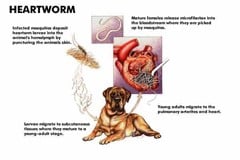
Dog feces is more than just a nuisance – it can pose a serious health hazard. Why? A number of common parasites, including round worm, are transmitted via dog feces. When infected dog droppings are left on the ground, the eggs of the roundworms and other parasites can linger in the soil for years. As a result, anyone who comes in contact with the soil also comes in contact with the infected eggs.

Children run the greatest risk of infection because they’re prone to play in the dirt at the park or playground and then put their hands in their mouths or rub their eyes with their hands. But even a group of teens or adults playing Frisbee or touch football in an open area could be in danger. Parasitic infections can make humans extremely sick, and for pregnant women, can pose a serious harm to their unborn child.

Why Pet Waste should be cleaned from your yard
Dog Waste is not the predominant or most toxic pollutant in urban streams, but it is one of many small sources of pollution that can cumulatively have a big impact if left unmanaged. The New Jersey Department of Health has estimated that there are over 500,000 dogs in the state. Add to this figure cats and other smaller pets, and a significant volume of waste is being generated daily.

Dog Waste contains bacteria and parasites, as well as organic matter and nutrients, notably nitrogen and phosphorous.

In addition to these diseases, the organic matter and nutrients contained in Dog Waste can degrade water quality. When Dog Waste is washed into a surface water body, the waste decays. This process of breaking down the organic matter in the waste uses up dissolved oxygen and releases ammonia. Low oxygen levels, increased ammonia and warm summer water temperatures can kill fish.

Excess phosphorous and nitrogen added to surface waters can lead to cloudy, green water from accelerated algae and weed growth. Decay of this extra organic matter can depress oxygen levels, killing organisms. Objectionable odors can also occur.

Flies and other pest insects can also increase when Dog Waste is disposed of improperly, becoming a nuisance and adding another vector for disease transmission.

Managing Dog Waste properly is something that everyone can do to make a difference in their respective watersheds. Truly, proper individual actions result in significant water quality improvement when carried out by the majority. Unlike some forms of storm water pollutants, Dog Waste can be easily and economically managed by the individual.

Sometimes, the ‘out of sight, out of mind’ attitude exists regarding Dog Waste. Employing this flawed thinking, waste is often disposed of in the street storm water catch basin. Aside from dumping directly into a water body, this is the single worst place to dispose of waste. In the next rainstorm, the accumulated waste is transported quickly and efficiently to the nearby receiving water course, polluting it. Water quality monitoring studies in New Jersey have emphasized this specific problem. That said, then, specifically what can be done?

Ordinances, signage and education
Many communities have “pooper-scooper” laws that govern Dog Waste cleanup. Some of these laws specifically require anyone who walks an animal off of their property to carry a bag, shovel, or scooper. Any waste left by the animal must be cleaned up immediately. Call your local health officer to find out more about Dog Waste regulations. In recreation areas, trails, and public parks, ‘scooper signage’ along with plastic bag dispensers and disposal cans should be provided. This idea is especially critical at streamside or lake shore walking trails.

Public education is critical when addressing the Dog Waste problem. Interestingly, much of the public thinks of problems associated with Dog Waste as being only nuisance related-odors or aesthetics. An actual example of this is the woman walking her dog in the park who had brought along a brown paper bag to collect the 150 pound mastiff’s waste. This she indeed dutifully did, and then proceeded to dispose of the bag by..tossing it into the lake!

Brochures, newsletters, signage, local public service announcements, and evening seminars are all ways to get the word out to the public. One very effective way to reach people is to have a flyer enclosed in tax bills or other municipally-generated mailings that go to all property owners.

Conclusion
The problem of Dog Waste disposal in suburbia and urban areas is a real one. Research has indicated strongly that water quality is negatively impacted by this pollutant in New Jersey. However, unlike many other sources of water degradation in the state, improper Dog Waste management is a dilemma that can be easily corrected through education by organizations and common sense actions by individuals.

Find a Pet Butler 800-Pet-Butler