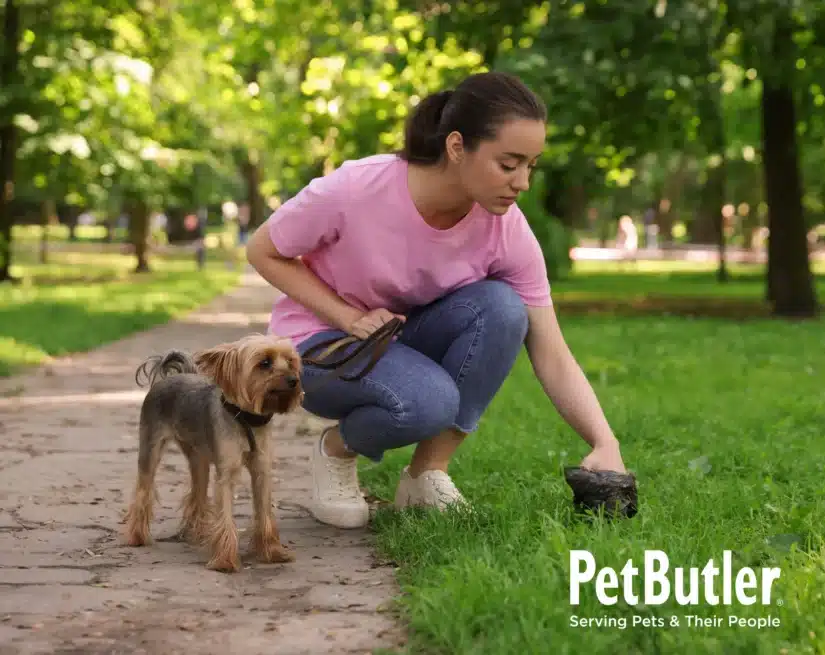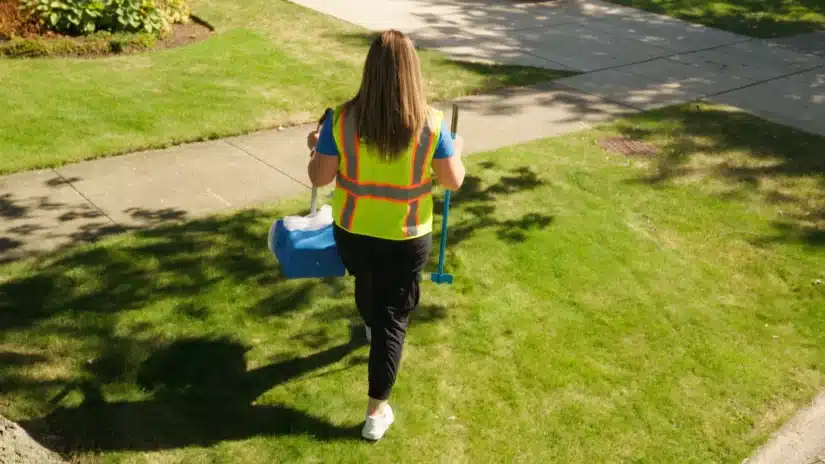
Preparing Your Yard for Spring Dog Poop Cleanup

Blog

Still 2024 10 15 133433 1.5.1

Spring brings warmer temperatures, greener grass, and more time spent outdoors with your dog. But before your yard is ready for play, gatherings, or relaxation, there’s one important task to address: cleaning up the dog waste that accumulated over winter. Proper preparation ensures spring cleanup is effective, safe, and sets the stage for a healthier outdoor space all season long.

This guide walks you through why spring cleanup matters, how to prepare your yard, what to expect from a Pet Butler service, and how to keep waste from building up again.

Why Is Spring Dog Poop Cleanup Important?

Spring dog poop cleanup is especially important because winter does not eliminate dog waste—it hides it. Snow and ice can conceal poop for weeks or months, allowing bacteria and parasites to remain in the soil until thawing occurs.

Without proper preparation and cleanup, winter waste can lead to:

  • Strong odors that intensify as temperatures rise.
  • Exposure to bacteria such as E. coli and Salmonella.
  • Parasites like roundworms and Giardia lingering in the soil.
  • Increased pests including flies and rodents.
  • Runoff that may carry contaminants into storm drains and waterways.

Preparing your yard ahead of time helps ensure cleanup is thorough, minimizes health risks, and restores a usable outdoor space faster.

How Long Do Dog Poop Bacteria and Parasites Survive in Your Yard?

One common misconception is that winter “takes care” of dog waste. In reality, cold temperatures don’t eliminate bacteria or parasites—they often preserve them.

Many harmful organisms found in dog poop can survive in soil for months or even years, especially when insulated by snow. As spring moisture arrives, bacteria can spread more easily across grass and into areas where people and pets walk, play, or garden.

Early spring cleanup is important. Removing waste promptly reduces prolonged exposure, limits contamination, and helps prevent health issues before outdoor activity increases.

How Do You Prepare Your Yard for Spring Dog Poop Cleanup?

Preparing your yard before cleanup is all about setting the stage for a thorough and efficient process. After winter, waste can be hidden by debris, snow piles, and overgrown areas, making it easy to miss. Taking a few simple preparation steps—like clearing obstacles, identifying problem areas, and planning ahead—helps ensure nothing is overlooked and makes the entire cleanup faster and more effective.

Step 1: Clear Debris and Remaining Snow

Remove leftover snow piles, fallen branches, leaves, and any trash that accumulated over winter so technicians can provide the best cleanup possible. These items can hide waste and slow down cleanup. In muddy areas, temporary boards or stepping stones can create safer walking paths.

Step 2: Ensure Clear Access

Please ensure clear and unobstructed access to your yard prior to service. Unlock all gates, secure or check latches, and remove any obstacles from pathways. All areas of the yard should be accessible, including spaces behind sheds, along fences, and near landscaping, to allow for a thorough and efficient service.

Step 3: Identify High-Traffic Areas

Most dogs have preferred bathroom spots. Walking through your yard and noting these areas helps ensure nothing is overlooked. Sharing this information with your technician can speed up the process.

Step 4: Consider Odor Control

As temperatures rise, odors trapped over winter can intensify. Enzyme-based odor treatments help neutralize smells at the source and refresh your lawn during spring cleanup.

Step 5: Schedule Early

Spring cleanup demand increases quickly. Scheduling your service early helps you avoid delays and ensures your yard is ready before outdoor gatherings or lawn care begins.

Step 6: Prevent Future Build-Up

Once your yard is clean, simple habits can keep it that way:

  • Regular scooping based on your dog’s routine.
  • Designating a potty area for easier maintenance.
  • Keeping waste bags and a scooper easily accessible.

What Happens During a Professional Spring Dog Poop Cleanup?

A professional spring cleanup removes months of accumulated waste safely and efficiently. Here’s what you can expect:

  • Easy Signup: Sign up online or by phone in minutes. Select service frequency, optional add-ons like odor control, and specify the number of dogs.
  • Pre-Service Communication: Choose if you’d like a technician notification beforehand via text, call, or knock.
  • Spring Refresh Visit: Technicians arrive in uniform with all equipment, ensuring the entire yard, lawn, patios, and pathways are cleared of waste.
  • Odor Treatment: If selected, natural enzyme sprays are applied to eliminate odors at the source. This service is offered seasonally and is only available during warmer months.
  • Waste Removal: All collected waste is taken off-site and disposed of properly.
  • Post-Clean Inspection: Technicians verify the job is complete and leave the yard clean and ready for use.
Pet Butler learn more about our services banner. We offer the following pet services: pet waste removal, pet care, pet shuttle, commercial services and more. Image is of a Pet Butler employees smiling and walking a golden retriever across the grass on a sunny summer day.

Tips for a Smooth Spring Cleanup

  • Start Early: Schedule cleanup as soon as the snow melts to prevent bacteria buildup.
  • Combine with Yard Prep: Plan cleanup before lawn care or patio setup.
  • Communicate Special Instructions: Let your technician know about any areas that need extra attention.
  • Add Odor Control: Especially helpful during warm days when smells intensify.

The Benefits of Preparation + Professional Cleanup

  • Healthier environment for pets and people.
  • Reduced pests and lingering odors.
  • Protection for grass and soil.
  • Time-saving and peace of mind.

Final Touches: Enjoying Your Spring Yard

Once the cleanup is complete, simple finishing touches help your yard feel fully refreshed:

    • Plant spring bulbs or seeds in waste-free soil.
    • Set up outdoor furniture.

Wash pet toys and water bowls, as these can harbor bacteria if left outside during winter.

  • Keep your yard guest-ready for spring gatherings and outdoor events.

With professional cleanup and smart prep, your space becomes a healthy, vibrant area for relaxation, play, and connection all season long.

Do You Need a Spring Dog Poop Cleanup Service?

You may need a spring dog poop cleanup service if winter has left your yard with hidden waste, lingering odors, or a buildup that feels overwhelming to handle on your own.

Spring cleanup is especially helpful if you’re noticing:

  • A backlog of dog waste from winter walks.
  • Lingering odors as temperatures rise.
  • Increased outdoor activity in your yard.

Scheduling a spring cleanup with Pet Butler is a simple way to start the season with a cleaner, healthier yard.

Enjoy Your Fresh Yard

With a little preparation, your yard can go from a winter mess to a spring oasis. A clean outdoor space means more time playing fetch, relaxing in the sun, and enjoying the season without unpleasant surprises.

Call 1-800-PET-BUTLER today to schedule your first cleanup and get your yard fresh and ready for spring.

Winter Tips: How to Care for and Protect Dogs this Winter Season

Pet Safety Articles

Winter Tips Blog Cover Image (625x625)

Baby, it’s cold outside! If we are feeling the early chill of winter, you can bet our pets are too.  While we can turn up the heat, throw on some extra layers, and break out our waterproof boots, our dogs don’t have that same luxury.

Certain northern breeds such as the Akita, Husky, Alaskan Malamute, and Keeshond have dense coats and furry feet that help to insulate them from the cold as well as allow them to navigate icy terrain.  A tiny chihuahua or dacshund with their short coats and reduced muscle mass may suffer from exposure much more quickly.

How should we care for our dogs, great and small, in cold weather? Here a few tips to protect your dog for the winter season.

Protect Your Dog in the Winter 

Bundle Your Dog Up

Some dogs can use an extra layer of fluff, just like people in the winter. Thin-skinned, delicate breeds such as the Italian Greyhound and Chihuhuas can use a coat or sweater that protects the belly and torso.  Excessive hair between a dog’s toes can be trimmed to avoid slipping on surfaces and to limit the snowballs that form on the feet.

A well-groomed pooch can also be outfitted with booties for insulation and to provide traction on slippery surfaces. Most dog booties are elastic or have Velcro fasteners and can be laundered.

Protect Your Dog’s Paws

If your dog can’t bear to wear boots in the winter, consider a paw wax or petroleum jelly massaged into the pads to provide protection from the elements and to prevent cracking.  Here is a favorite DIY paw balm recipe to help moisturize and condition your dog’s pads in the winter time.

Pets are more likely to sustain injury walking on ice or salt; to protect your pet in cold weather, always rinse, dry, and carefully examine their feet after returning from the great outdoors. And a good belly rub to remove ice and debris is always appreciated!

Limit Play Time

Acclimating our dogs to the colder temperatures is best done by limiting outdoor playtime to 5-10 minutes and extending that period gradually.  Caring for senior or young pets when the weather is cold may mean keeping them indoors or providing a warm, padded shelter.  Just like humans, these dogs are less able to regulate body temperature and may suffer from frostbite more easily.

Dogs are more likely to develop frostbite on delicate skin such as the ear tips and tail.  The most noticeable change in affected areas is a color change from pink to white or blue-grey. A good rule of thumb when it comes to dog winter safety is if you are uncomfortable outdoors, so is your pet!

Additional Winter Safety Tips For Dogs 

Be Cautious of Antifreeze

Additional winter care tips include being aware of some toxins that may be particularly accessible during the season. Antifreeze ingestion can be lethal and cause a drunken appearance, kidney damage, vomiting, and seizures.  Clean up any spills immediately as it has a sweet taste that is appealing to dogs.

Ethylene glycol is the ingredient that will lead to poisoning; it is possible to buy antifreeze that has propylene glycol as the active ingredient and is less toxic. Poinsettias, holly, and mistletoe are common plants we may use for winter decorations and will lead to oral irritation, drooling, vomiting or abdominal pain if ingested.

Heating Things Up

Leaving a pet in a car that is running increases the likelihood of carbon monoxide poisoning; while it may seem tempting to run one last errand with your companion, drop them at home first! Likewise, space heaters and electrical cords can cause fire or electrical burns if your dog decides to make them chew toys or knocks them over while playing.

Holiday Decorations

Unlike their cat counterparts, most dogs stay away from the Christmas tree.  BUT, the tree water or edible ornaments can be a great temptation and lead to injury.  Keep the tree, needles, glass decorations, and edibles inaccessible to all your pets. Here’s additional holiday tips to keep your pet safe.

Diet and Hydration

Nutrition and hydration should be carefully considered when the weather is cold.  If your dog is active in the snow or spends time outdoors, they utilize more calories to maintain their body temperature.  To care for your dog in the winter, you might find additional kibble is necessary to maintain body weight and optimal health.

Dehydration is a concern in winter time just as it is in the summer.  Some dogs may drink more water to offset the lack of humidity in the air. Provide ample fresh water, ice cubes to snack on, and heated water bowls if necessary.

Remember these tips this winter season and stay warm. We’re already counting down the days till spring!


Tips to Keep Community Spaces Pet-Friendly: Avoid Toxic Plants and Install Pet Waste Stations

Pet Safety Articles

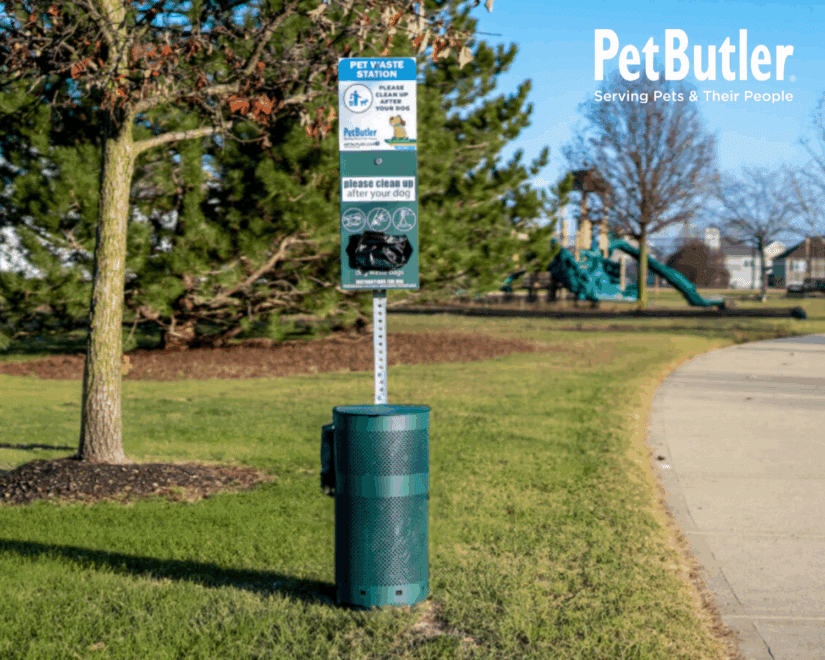
Pet waste station in a community.

As a property manager or local municipality, you may be looking for tips on how to attract new tenants or enhance shared spaces for residents with dogs. Keeping these communal outdoor areas beautiful and safe is essential. Here are a few tips on how to update your property’s shared outdoor spaces with consideration for pet owners. 

Which plants are safe for dogs in community spaces? 

Safe, dog-friendly plants include sunflowers, marigolds, roses (without thorns), barley grass, orchids, ferns, and herbs like basil and rosemary. These not only enhance landscaping but also reduce the risk of toxic exposure for pets. 

For municipalities and HOAs, creating designated dog-friendly zones with non-toxic plants and fenced-off high-risk garden areas helps keep both families and their pets safe, while also encouraging responsible pet ownership and providing residents with spaces where pets can explore and play freely without risk. 

Which garden plants are poisonous to dogs?

Several garden plants are toxic to dogs. Flowers such as tulips, daffodils, crocuses, lilies, rhododendrons, azaleas, and foxglove can cause gastrointestinal upset, cardiac issues, or worse if ingested by pets. Shrubs like hydrangea and indoor favorites like sago palm also contain toxins that may lead to severe illness. 

According to the ASPCA and the American Kennel Club (AKC), pet owners and community landscapers should avoid planting these species in public dog-friendly spaces, especially parks, apartment courtyards, and walking trails.

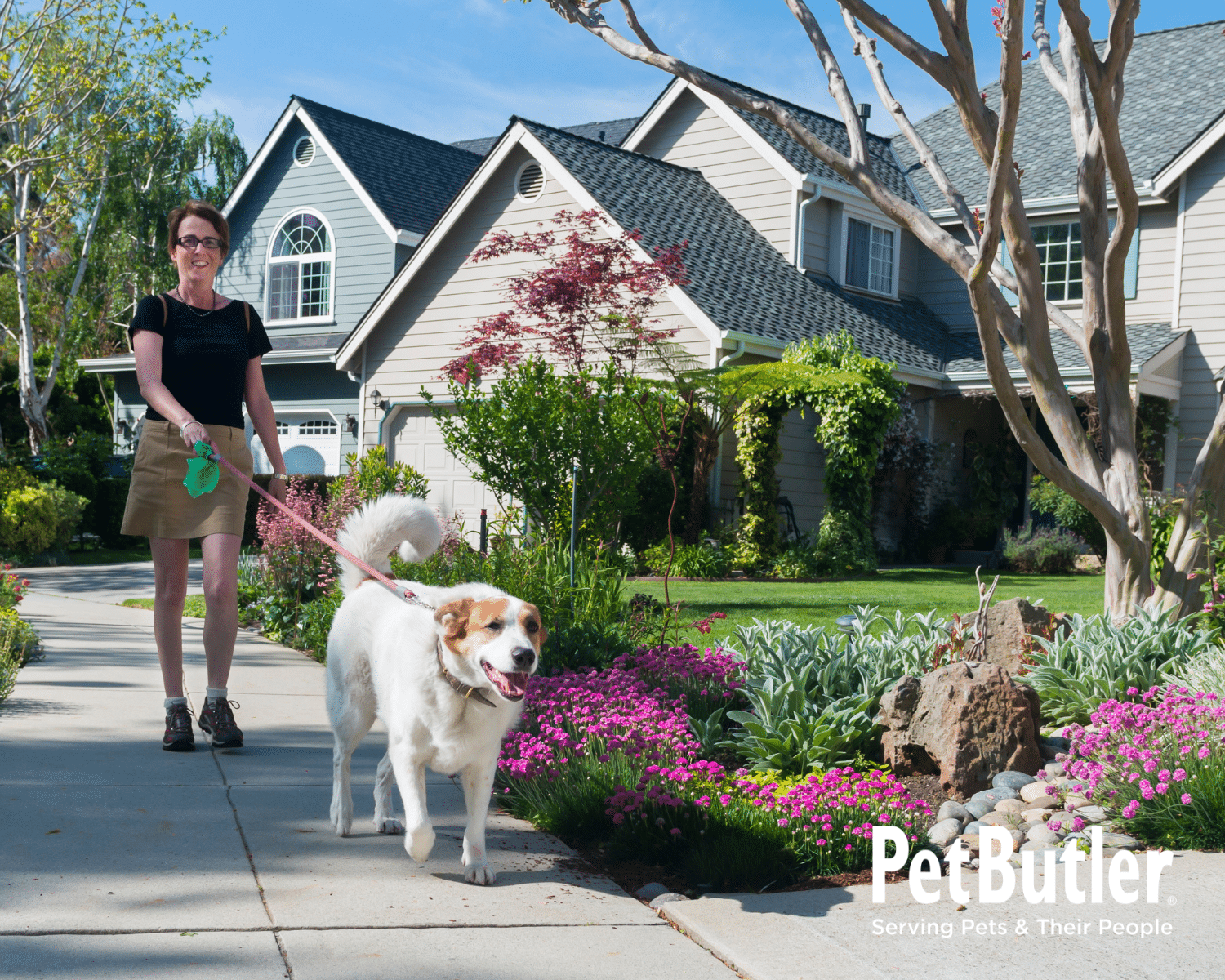
Woman leaving her home while walking her dog in a neighborhood.

Install dog waste stations in public and multi-family residential areas

Dog waste is more than a nuisance—it is an environmental and health hazard. It can impact the overall cleanliness, appearance, and enjoyment of community spaces. Proper management is essential for creating outdoor areas that feel safe, welcoming, and well-maintained for everyone, including both residents and their pets. If dog poop is left behind, it can: 

  • Damage grass and plants 
  • Pollute soil and waterways with harmful bacteria 
  • Discourage residents from enjoying outdoor amenities 

Dog waste stations provide a convenient and sanitary solution. By placing dog poop trash cans, bag dispensers, and receptacles throughout a community, property managers can significantly increase clean-up compliance and keep shared spaces enjoyable for all.

Where should municipalities and HOAs install pet waste stations?

Strategic placement is key when it comes to dog waste stations. Thoughtful planning ensures that these stations are convenient, easy to find, and actually used by pet owners, which is essential for keeping community spaces clean and enjoyable. If you’re unsure, Pet Butler provides recommendations on proper placement, helping create a sense of order and accessibility, encouraging residents to consistently clean up after their pets without disrupting their daily routines.  

We can install pet waste stations: 

  • Near entrances and exits of parks or dog runs 
  • Along walking and hiking trails 
  • In high-traffic areas of multi-family housing complexes 
  • At intervals close enough to encourage frequent use (every few hundred feet is recommended) 

Accessibility matters—dog waste stations should be clearly visible and easy to locate and maintained on a regular schedule to ensure bags are stocked and trash does not overflow, keeping the area clean and inviting for everyone.

Pet Butler learn more about our services banner. We offer the following pet services: pet waste removal, pet care, pet shuttle, commercial services and more. Image is of a Pet Butler employees smiling and walking a golden retriever across the grass on a sunny summer day.

How do professional waste removal services support pet-friendly communities?

Pet Butler is the trusted choice for commercial pet waste cleanup. Our services help property managers, HOAs, parks, and businesses maintain clean, welcoming spaces with ease. From regular dog poop removal to installing and maintaining dog waste stations, our trained technicians follow consistent routes to ensure nothing is missed—no gaps, no mess, just reliable results. 

Our commercial services include: 

  • Regular dog waste removal to keep lawns and shared spaces clean 
  • Installation and maintenance of dog waste stations for convenient access 
  • Customizable service plans to meet the needs of any property size 

Whether it’s a small complex or a large multisite property, Pet Butler makes maintaining a poop-free, safe, and attractive space effortless. Explore our commercial services today! 

FAQs About Pet Waste Stations

How often should dog waste stations be serviced?

At least once a week, though high-traffic areas may require more frequent servicing. Regular maintenance keeps stations clean, ensures bags are always available, and prevents any overflow that could create unsanitary conditions for residents and pets. 

Are dog waste stations only for parks? 

No, they are ideal for apartments, condos, office complexes, pet-friendly businesses and residential developments. Anywhere pets and people gather—like walking paths, dog runs, and communal green spaces—can benefit from strategically placed stations to encourage responsible cleanup. 

Where should pet waste stations be placed? 

The most effective placements are high-traffic areas where pet owners naturally walk, such as trail entrances, sidewalks, and near community green spaces. Stations should be visible, accessible, and evenly distributed to maximize convenience and encourage proper cleanup. 

Do pet waste stations really increase dog poop pickup compliance? 

Yes—when cleanup tools are readily available, most pet owners are more likely to pick up after their pets. Convenient, well-maintained stations also foster a culture of responsibility and consideration throughout the community.

Final Takeaway 

Creating pet-friendly communities goes beyond planting safe flowers and greenery. By combining thoughtful landscaping with accessible dog waste stations, municipalities and property managers can build clean, welcoming spaces for families and their pets. 

Pet Butler is here to help with installation, maintenance, and guaranteed service—keeping your community healthy, safe, and thriving. 

What To Do If Your Dog Gets Sprayed by a Skunk

Pet Health Articles

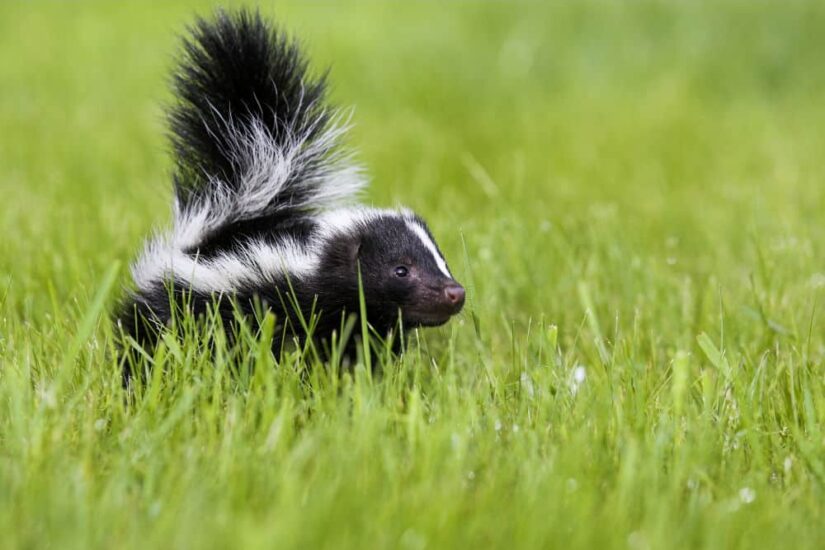
skunk in lawn

What’s black and white and strikes fear into the hearts’ of dog owners? Skunks! If your dog spends time outdoors there is a good chance it will get sprayed by a skunk, or come close to one at least once during their lifetime. Keep on reading to learn why skunks spray and what you can do if your dog gets sprayed by a skunk!

Skunk Odor and Getting Rid of It

If you have taken steps to avoid getting skunked but still end up in the unenviable position of cleaning up the aftermath, there are a few things to know about bathing your dog after getting sprayed by a skunk. Skunk secretions are made up of oils that become fouler smelling when your dog is wet. It’s not just your imagination; it’s actually the chemical compounds that make up the oils converting into more noxious products.

The thiols and thioacetates readily bind with skin proteins and can cause tearing, temporary blindness, nausea and vomiting if swallowed or sprayed into your pet’s eyes. Call your veterinarian if your dog is especially distressed or in pain as they can permanently damage their delicate corneas if not properly treated. Rinsing eyes with copious amounts of cool water may be enough to prevent serious injury.

Understanding the make-up of skunk spray has helped develop effective remedies. Oils on the fur and skin can only be broken down and washed away using a detergent and the chemicals must be converted into less stinky compounds. Tomato juice and vinegar, sadly, are not helpful.

Over-the-counter products such as Nature’s Miracle Skunk Odor Remover and Thornell’s Skunk-Off shampoo are wonderful to keep on your shelf if you have an inquisitive hound. Unfortunately, many skunk encounters happen during early morning or late evening excursions when pet stores are likely closed.

Why do Skunks Spray?

Their tell-tale smell is emitted from scent glands under the tail and secreted when they are startled or defending themselves. Though getting “skunked” can happen to you or your dog in the blink of an eye, skunks often hiss, stamp their feet, or growl as a warning before spraying their scent. Some experts believe they are able to hit a target within 15 feet!

Not only is the odor pungent and long-lasting, but skunks can carry diseases such as rabies and leptospirosis. It’s important to discourage their presence around your family and pets by eliminating any food sources, blocking access to underground hideaways, and ironically, using sweet-smelling citrus peels, ammonia soaked rags, or predator urine (or commercially available equivalent) as a deterrent. Skunks usually emit their scent directly in the face or your curious or protective dog.

Skunks tend become relatively inactive during the coldest months, preferring to commune underground to keep warm. In February and March, skunks typically mate, and spend more time looking for food such as berries, grubs, grains, seeds, and other insects at dusk, dawn and during the nighttime.

They aren’t opposed to snacking on garbage, compost heaps, or other food sources humans may have intended to feed birds or other wildlife. Skunks make their den and rear their young in burrows underground but are opportunistic and will happily reside underneath a front stoop or window well if left undisturbed.

Deskunking Your Dog

Here’s a DIY dog shampoo if your dog gets sprayed by a skunk. Head to your medicine cabinet or the local convenience store for:

  • 1 quart of 3 % hydrogen peroxide.
  • 1 tsp of dishwashing detergent and
  • ¼ cup of baking soda.

Mix the ingredients in a bowl and use rubber gloves to saturate and scrub your pet’s fur. Don’t leave this solution on your dog for too long, as the peroxide may discolor fur.  Though much of the scent may be concentrated near your pet’s head, avoid the delicate eye area. Rinse thoroughly, and then wash your dog again, but with their regular pet shampoo.

Keep an eye on your furry friends as their outdoors this season!

Ways to Protect Your Dogs Paws from Hot Pavement

Pet Safety Articles

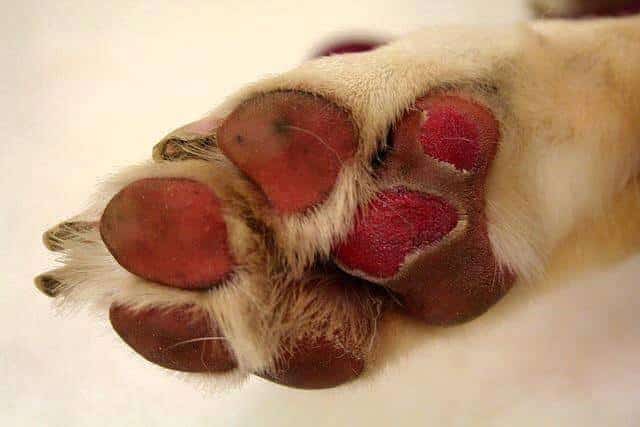
dog paws

Photo Credit: Dogtime and Hobart and Channel Highway Animal Hospitals

While we bask in the sun’s warm rays, knowing that summertime weather may only last until September and not return until May, our pets don’t typically seek the heat. Not only do their all-season coats and limited ability to regulate body temperature by panting and sweating keep them toasty, but unprotected body parts like ear tips, noses, upturned bellies, and especially tender paws take the brunt of the sun’s damage. And while humans think to bundle themselves and their pets up against the cold winter temperatures, we often forget to protect dogs in the summer.

How to Protect Dogs Paws

One of the best ways to protect your pet in the summer is to avoid the sun during the peak temperatures of 10 a.m. and 6 p.m. If you’re going to play ball, frisbee, or even swim, try to do it during the cooler mornings and evenings when the heat is less intense. Even if you are enjoying your stroll at dusk and not in the sun’s direct light, don’t forget about the asphalt, which may retain most of the day’s heat and damage dogs paws.

If the outside temperature is a comfortable 77 degrees, driveways and roads can still reach 125 degrees Fahrenheit. At 87 degrees air temperature, a blazing 143 degree can be reached on the asphalt’s surface.

Beware the Hot Pavement

Keep in mind an egg can fry at 131 degrees in just 5 minutes! A good rule of thumb to follow is the 7-second rule: if you can press the back of your hand against the ground for 7 seconds, it’s safe for your dog to walk upon. Artificial turf, running tracks, sand, and even brick and concrete may be dangerous to your dogs paws during the hot summer months.

We recommend walking  your dog early in the morning or late in the evening when temperatures and grounds are cooler.

Besides staying on natural grass, what else can you do to protect your dog’s paws? Invest in some fitted dog booties to help provide a barrier from hot surfaces, especially when pets have to go outside to potty. Many times, these same booties can be used in the winter to eliminate the risk of irritation from salt and ice. It can be a trial and error process to find the set your dog likes best.

Dog Paw Balms

Some are made of a stretchy latex material like PAWZ, and others of fabric with velcro straps and even reflective material. Have your dog practice wearing their gear inside and with plenty of treats. It can take some time to get used to wearing shoes when you’ve always been footloose and fancy-free!

Another option to provide a temporary barrier between the sensitive paw pads and the elements is a paw balm or wax. Paw waxes are especially effective in the winter months but can be used on dry, cracked pads ravaged by the rough pavement. Some dogs don’t know when to call it quits; my golden retriever will fetch a ball to the detriment of her own feet. I apply a paw balm both before and after vigorous outside play, especially if we are on a rough surface.

Musher’s Secret is an especially popular non-toxic wax. Other DIY dog paw balm recipes can be found online and often involve a combination of beeswax, shea butter or coconut oil. Above all else, perform a visual inspection of your dog’s feet and pads after any outside activity when temperatures may be either very warm or very cold.

Sunburn looks like erosion or ulceration of the skin and must be treated by your vet immediately. Foreign bodies like burs or pests like fleas and ticks may be detected before they cause further damage. Keep furry toes neatly trimmed and nails clipped weekly to avoid splitting or cracking and accumulation of dirt and debris. Keep enjoying the dog days of summer!


Love Pets, Hate Allergies? Managing and Treating Pet Allergies

Pet Health Articles

pet allergies

Love pets, but hate allergies? For some unlucky folks, cats, dogs, horses, and bunnies all cause the same pet allergy symptoms: itchy, watery eyes, a runny nose or congestion, a rash, hives, and even difficulty breathing. Even allergies are common in dogs and cats, but what is it about some pets that cause allergies to people? Learn more about what causes pet allergies and what you can do to help manage and treat them.

What Causes Pet Allergies?

Pet allergies are caused by proteins called allergens are found in the saliva, urine, and skin flakes or dander of animals and can trigger an allergic reaction or exacerbation of asthma. In some pets, the proteins are concentrated on the fur due to grooming and normal shedding of cells. Hair is then shed into the environment and the number of offending allergens increases in even the most immaculate home. What’s more, pollen and dust tend to “stick” to pets’ fur; allergic reactions may be related to those pesky hitchhikers rather than the pet itself.

Does an allergy to dogs and cats mean a future that holds fish as your only friends? Not necessarily. Skin tests done by your physician may help in diagnosing the true source of the allergy, potentially ruling out the pet as the source of the problem. Owners of cats that are light colored as opposed to black find they suffer from less feline-induced congestion.

Certain breeds such as poodles, bichon frises, and some terrier breeds don’t shed much at all; as such, their home base contains fewer allergens in the air and on surfaces. Smaller dogs tend to produce fewer allergens due to their smaller physical size vs larger breeds. When selecting a dog, consider size and breed if you are allergy-prone. If possible, it’s best to minimize exposure to allergens by keeping pets out of the bedroom. Because we spend so much time sleeping, creating an allergy-free zone reduces the stimulation of our immune system.

Managing & Treating Pet Allergies

Filter the air in your home – Adding a high-efficiency particulate air (HEPA) filter to the bedroom and living areas can reduce most air impurities including pet allergens. Use a vacuum with HEPA filtration bags and consider filters on air ducts. Some pet owners find their allergic symptoms worsen during the cold months when the furnace is running; that could be a sign a deep clean of the HVAC system and filters are in order.

Wash bedding and fabrics – The greatest source of indoor allergens tends to be found in drapes and carpets. If finances permit, remove these particle traps and wash bedding and fabrics regularly. Some owners regularly use a saline nasal rinse to rid air passages of allergens and reduce absorption. Washing your hands after cuddling your pet and before you touch your face is key to reducing instant red-eye and hives.

Brush pet fur regularly – It’s impossible to decrease the amount of dander and saliva our pets produce, but we can take them outside for daily brushing to decrease the hairs shed indoors. Keeping skin healthy and parasite free is important in reducing allergens and general flaking. A parasite preventative, high quality diet, and fatty acid supplements can all help to promote healthy skin.

Bathe your pet weekly – Bathing pets weekly with a mild pet shampoo can also lessen both pollen and mold spores and the salivary proteins and skin cells that accumulate on the fur. Daily, we wipe our pets’ paws and coat down with a damp washcloth to eliminate the particles they track in from outdoors. It’s a hard habit to break, but I also remind my three boys (four including my husband) to remove their shoes before coming inside for the same reason.

Visit the Allergist for treatment – If all else fails, returning to your allergist or immunologist for anti-histamines, medicated nasal sprays, or allergen specific therapy can help reduce your body’s rejection to animal proteins. Over months to years, low doses of allergen can be administered via drop or injection to help desensitize your body to the allergy source.

Sometimes maintenance immunotherapy treatment (allergy shots) is indicated for those with chronic allergies or asthma. Unfortunately, a predisposition to airborne allergies is hereditary. Parents with allergies often have children who manifest allergic disease. For some lucky individuals, tincture of time may be all that is needed to reduce reactivity to their pets as tolerance develops.

Heartworm Disease in Dogs and What You Should Know

Pet Health Articles

heartworm disease in dogs

Did you know April is National Heartworm Awareness Month? This is a serious and potentially life-threatening disease among pets that is caused by a parasite known as Dirofilaria immitis. Heartworms are foot-long worms that impact our furry friends heart, lungs, and blood. You might not recognize heartworms in pets initially until the adult worms have matured. As this disease advances, your dog may lose appetite, have difficulty breathing, and/or cough.

Sadly, a 2016 American Heartworm Society survey among 5000 veterinary clinics showed the number of heartworm positive pets rose 21% since 2013. What are some reasons we are seeing an increase in heartworm disease across the U.S. and what can we do to combat this life-threatening disease?

How to Prevent Heartworm in Dogs

The number one way we can minimize the incidence of heartworm disease is to increase compliance in administering preventatives. Monthly chewables like Heartgard, Interceptor, and Trifexis as well as monthly topical products like Revolution are extremely effective in preventing heartworm disease. With smart phone apps and email reminders from product manufacturers, there is no longer an excuse to forget to protect your pet. These products also control intestinal parasites that can be transmitted to humans like roundworm and hookworm, some whipworm species, and in the case of Revolution, fleas and ticks.

In addition, an injectable preventative called Proheart can be administered every 6 months by your veterinarian, making compliance a non-issue. These medications work in the dog’s system to kill circulating Stage 3 heartworm larvae, which are transmitted by a mosquito bite, before the parasite can mature into its adult form in the heart and pulmonary vessels.

Thus, a pill administered on May 1st works to kill larvae that may have entered your pet’s bloodstream via a bite up to 30 days prior. This is important to know, as many people stop giving heartworm preventative once the weather turns cool, not understanding they are treating for any infection acquired in the preceding month when mosquitoes may have been more active. Even “indoor” pets can be bitten by a mosquito entering the home from an open door or window and should receive a monthly, life-saving preventative.

Why do Dogs get Heartworm Disease?

A significant reason we are seeing an increase in heartworm infection is because of the changing temperatures that have extended mosquito breeding and feeding seasons. Standing water in pools, birdbaths, and ponds provide ample opportunity for mosquitoes to breed. Eliminating standing water or disrupting the water’s surface with fountains or aerators can limit mosquito populations. Keeping pets indoors during peak mosquito activity times can also reduce mosquito bites and disease transmission.

A surge in heartworm disease is also seen after natural disasters such as Hurricane Katrina; dogs are displaced, preventative care for pets is at a low due to expense and household disruption, and dogs carrying heartworm from the highly endemic South bring disease to areas where it was previously unheard of. Mosquitoes being the vector for transmission of the heartworm larvae, they bite the infected transplanted dogs and spread the blood-borne parasite via bites to previously uninfected dogs, cats, ferrets, coyotes, foxes, raccoons, and opossums.

Treatment Options For Heartworm

Cost to protect your pet from heartworm infection is about the same as your monthly Frappuccino and pastry. While dogs who test positive at their veterinarian’s office can often be successfully treated, the treatment can easily run in the thousands of dollars. Dogs are treated by administration of painful injectable medications, antibiotics, and preventative pills as well as subjected to diagnostic testing such as radiographs (X-rays), bloodwork, and urinalyses.

Treatment also involves strict exercise limitation for a period of several months which can be unbearable to an otherwise active young dog and owner. The “slow-kill” method to eliminate heartworm larvae and adults is not recommended.

The protracted method in which higher doses of preventative is given to eradicate heartworm adults and circulating microfilaria is variable in efficacy and can lead to heartworm parasite resistance. In cats, there is no way treatment to eliminate the parasite and they suffer from cough, lethargy, and sudden death.

In all species, with or without treatment and management, long term, irreversible damage is done to the heart, lungs, and sometimes organs such as the kidneys. Clearly, prevention is key to controlling heartworm disease in dogs.

Are Candles, Essential Oils, and Air Fresheners Safe For Pets?

Pet Safety Articles

candle pet safety

Evoking memories of pumpkin patch visits, jumping in falling leaves, and eating apple cider donuts, the smells of fall are powerful triggers of times long past. It is about this time of year when we pull the blankets a little tighter and light the maple sugar or cinnamon apple scented candle.

Estimates are that our dogs have up to 100,000 times more ability to detect scent vs. their human counterparts, so what do they make of all the appetizing and botanical scents we surround ourselves with every day?

For some dogs, our scented candles, air fresheners, and essential oils, while masking noxious odors, may pose a health risk. Let’s sort out which products can be harmful, as well as determine how we can safely incorporate the heavenly scents of the season into our home environments.

Dangers of Candles and Essential Oils

Both scented candles and some aerosol or plug-in fresheners can release volatile organic compounds as well as toxins like lead, naphthalene, formaldehyde, and phthalates. Synthetic fragrances and carcinogenic soot from paraffin candles, a petroleum product, can exacerbate respiratory conditions such as asthma in humans and pets.

Phthalates, another airborne product released from burning candles, have been implicated in causing endocrine system disruption leading to diabetes, birth defects, and cancer.

In addition to the harm caused by the burning of candles and the release of artificial chemicals into the air, the delicious smells can entice dogs to nibble on candles, wax, or ingest oils. Ingestion of most candles will generally lead to nothing more than an upset stomach and diarrhea. Consuming or absorbing essential oils through the skin and mucous membranes can be a whole different matter.

Essential oils are the volatile organic compounds extracted from plants that contribute to their fragrance and taste. Pets are especially sensitive to these products and depending on the concentration and formulation, just a few drops of tea tree or eucalyptus oil can cause severe illness; clinical signs can range from weakness, to depression, seizures, low body temperature, salivation, vomiting, diarrhea, and even death.

It’s best not to apply any oils directly to the skin of your pet for this reason, and even diffusing some oils can trigger a cough or symptoms of allergy. Which oils should never be used around pets? Some suggest pine, wintergreen, cinnamon, citrus based oils, peppermint, camphor, clove, bitter almond, garlic, horseradish, mustard, and pennyroyal essential oils are dangerous to dogs and cats.

Safe Candles and Plugins

There are safe ways to coexist with the smells we associate with cleanliness and holiday cheer. When purchasing candles, look for those that are made from natural ingredients such as soy, beeswax, and bluecorn and are free from artificial fragrances. A wick made from cotton is cleaner to burn than those that have metal wires in the center which may emit heavy metals into the environment.

Sprays such as Febreze are perfectly safe to use in your home, though you want to avoid direct contact with your pet as they may be a stomach or skin irritant. If you choose to diffuse, monitor your pets for any respiratory symptoms. As no long-term studies have been conducted to verify safety of inhaling oils, let the buyer beware. Most importantly, keep all diffusers, candles, and sprays out of reach. Pets are susceptible to burns when lit candles and hot wax meet skin.

Purchasing wide based-candles and placing burning candles in a dish of water can decrease the potential risk of fire. When in doubt about any products you introduce into your home, keep the ASPCA Animal Poison Control Center phone number (888) 426-4435 on hand to get safety data and toxicity information.

What Colors Do Dogs See?

Pet Health Articles

dog vision

As we head into Fall, it’s a great time to go outside with your dog and enjoy the comfortable temperatures and beautiful colors this season brings. Vibrant reds, yellows and oranges decorate the trees; colorful mums and pumpkins are on display.

We know our furry friends appreciate the cooler weather and we like the changing fall colors, but what colors can dogs see? Learn more about our dogs vision and how they see!

Can Dogs See In Color?

To better understand our dogs vision, we need to know a little about the dog’s eye. The retina is a structure covering the back of the eye containing the light-sensitive cells called rods and cones.

Cones help both dogs and people detect color and small visual details while rods are necessary to see motion and objects in dim light. Dogs have only about one-tenth the number of cones as humans.

Their rod-dominated retinas are better at seeing in the dark and detecting movement but dogs are essentially red-green color blind. This means they can differentiate yellows, blue-violets, and variations in shades of grey but cannot distinguish red, orange, yellow, and green.

How Dogs Vision Help With Navigating

How then does dogs vision help with navigating across a busy intersection when the light turns green? They use other visual cues and senses such as position and brightness of the light, noise, and traffic movement. Their increased peripheral vision is an asset; dogs’ visual field is 200-240 degrees vs. humans’ 180 degrees. Visual acuity is not as strong.

Dogs typically have 20/75 vision though working retrievers bred for better eyesight may have closer to 20/20 vision. So, even if your dog had the mental ability to read, he wouldn’t be able to resolve the individual letters.

A better understanding of dog vision is necessary when considering training and behavior. A change in posture or movement is significant to a dog as are sounds and smells. Sweeping arm motions, clicker noises, and food rewards are often used in successful training programs.

Although dogs vision may not see the changing colors of the fall season, they undoubtedly love the crisp weather, the sights and sounds of geese heading south, and the crunch of leaves underfoot. Most of all, they like spending time with you. Happy Fall!

Allergy Season: Symptoms and Treatment for Allergies in Dogs!

Pet Health Articles

Dog in grass

Just as airborne allergies are common in people, manifesting as itchy eyes, sneezing, and congestion, allergies are also common in dogs (and cats!). As the weather warms up and our furry friends spend more time in the spring sunshine, their exposure to outdoor allergens increases. Some inhalant allergies are prevalent year-round, such as those activated by house dust mites or food storage mites, but many airborne allergies are seen during particular times of the year. Atopy, another name for airborne allergies, is typically triggered by grasses, pollen, weeds, trees, dander, mold spores, insect proteins, and even fabric. Dogs living in different parts of the country may experience allergy symptoms during different months, all depending on the weather and what is blooming!

Signs & Symptoms of Allergies in Dogs

Pets with atopy usually experience a seasonal spring or fall itchiness that begins in the first or second year of life; often the duration of the itchy period becomes longer and longer. Other dogs start the itch-scratch cycle like clockwork on the same day every year and symptoms predictably last just a few weeks. Itch and skin redness, bacterial infection, scabbing, hair loss, licking or swelling is associated with certain parts of the body in atopic dogs. Hair loss around the eyes and mouth, in the dog’s “armpits” or axillary and inguinal regions, the lower abdomen, around the rear end, and feet are the first clues your dog may have airborne allergies. Ear infections are common secondary problems; the heat from inflamed skin make the dark canal a perfect environment for bacteria or yeast to overgrow.

I get countless calls where an owner has self-diagnosed ear mites because of a black, smelly ear discharge that causes intense itching. Yeast overgrowth, caused by underlying allergies, is a more common culprit. Without treating both the infection and the allergy, ear disease is likely to become chronic. While some dogs also experience red, itchy eyes and have more mucous production, we rarely see the nasal and sinus congestion that people suffer, though a few pets do develop an allergy-triggered bronchitis or a throat-clearing rumble.

What causes allergies in dogs and why do some react while others don’t?

An allergy is a state of over-reactivity or hypersensitivity of the immune system to a substance called an allergen. Chronic exposure to the offending protein allergen, sensitizes or prepares the immune system to react, in this case over-react, on subsequent exposures. Normally the immune response protects the dog against infection and disease by making protective antibodies, but with allergies, the immune response can be harmful to the body accumulating in a cascade of events leading to histamine release and itch. It is thought that there is a genetic component in dogs with atopy. Terriers, such as the West Highland White Terrier, Retrievers, Pugs, and Bulldogs are over-represented.

Treatment For Dogs With Allergies

As any veterinarian will tell you, atopy is a disease that we manage, not cure. As the immune system is the “problem”, most treatments are aimed at decreasing the body’s over-reaction and modifying the dog’s environment to reduce exposure to the offending allergen(s). As such, it is important to identify which proteins triggers your pet’s itch. The gold standard in allergy testing remains intradermal skin testing. This test is performed by a veterinary dermatologist and involves injecting small amounts of different allergens under your pet’s skin to evaluate the immune system response. Some veterinarians offer blood testing, which identifies allergens via antibody levels.

Once the allergens are identified, we attempt to limit environmental exposure as much as possible. HEPA filters, vacuuming, washing bedding, cutting back weeds and limiting time outdoors during allergy season can help. Frequent bathing and wiping your dog’s fur and feet with a medicated shampoo or wipe can minimize absorption of allergens, promote a healthy skin barrier, and soothe the itch. Fatty acids in liquid or capsule form act as anti-inflammatories and can reduce signs of dog allergies. Too much can be a bad thing and can cause problems with blood clotting and wound healing; a dose between 20-55mg combined EPA and DHA per pound of body weight is safe for dogs and cats.

Dog Allergy Medicine

Anti-histamines such as Benadryl and Atarax are effective for dog allergy medicine – only about 25% of our patients. Newer dog allergy medications such as Apoquel tablets and injectable Cytopoint have been life-savers for many dogs and their frustrated owners. Apoquel works by affecting messengers of the itch, called cytokines, and can stop symptoms in 4 hours. It is a daily pill and good for short-term itch flares-ups. Apoquel causes minimal interference with healthy immune system function and is preferred over corticosteroids or cyclosporine, the administration which can lead to endocrine disorders, immune-suppression, and increased urination. Cytopoint is a convenient injection that acts as an antibody to block the itch signal; it also begins working within hours and lasts 4-5 weeks.

Ultimately, to affect long term change, the goal is to desensitize the dog to the same allergens they currently react to. Dog Allergy “shots” or oral drops are formulated with increasing amounts of allergen and administered regularly to permit the immune system to recognize the allergen without going into a tailspin. About 2/3 of dogs get relief from desensitization therapy, but it is a financial and time commitment to follow-through with treatment on the part of the owner.

With so many options available to manage your dog’s environmental allergies, there is no excuse not to get outside and enjoy the beautiful weather. Just remember to wipe down dirty paws and claws before coming back inside!

Sources:

PetMD The Dangers of Too Much

The Asac Battle of the Dermatology Titans

Find a Pet Butler 800-Pet-Butler