4 Dog Behavioral Issues and How to Correct Them

Dog Behavior Articles

PBC March Blog 1500 ×

We are so attached to our beloved canine companions, sharing everything from ice cream cones to our pillows it can be hard to remember that they aren’t just tiny humans. However, watch them welcome each other nose to rear at the dog park or keep busy digging a 4-foot hole in your flower bed. You’ll soon be reminded that some behaviors are specific to the canine species.

Many actions, such as greeting owners at the door carrying a soft toy, are endearing. Others, like digging, barking, counter-surfing or destructive chewing can be a nuisance. We need to understand the origin of these behaviors and how to channel all that furry cuteness into good!

Barking

Understanding Why Your Dog Barks

Dogs vocalize in many ways, from incessant barking to a soft whine. How they “speak” communicate everything from “I’m hurt and scared” to “don’t come in my house.” Hounds are particularly vocal; they were bred to hunt, chase, and keep prey in one place or “at bay” until the hunter arrived. When normal vocalizing behavior becomes an incessant habit, it can wake a sleeping baby, trigger a migraine, or even evict apartment dwellers. It’s important to unearth the cause and motivation for continued barking.

Remedies for Nuisance Barking

Boredom can trigger nuisance barking; exercise and enrichment are critical to keeping dogs from developing this unwanted behavior.
• Don’t unintentionally reward barking by drawing attention to the undesirable vocalization. Even negative attention (yelling by you) is SOME attention, and dogs seeking human interaction hit the jackpot!
• Dogs triggered by the Amazon delivery person may also have their loud yapping reinforced. As the driver approaches the home, the dog barks, telling the human to “back off my property.” Guess what? The driver gets back in their truck and drives away! The barking worked! A better option is to close the blinds or crate your dog, so barking is never provoked.

Chewing

Understanding Normal vs. Destructive Chewing

Remember the pup who greeted us at the door with a squeaky plush toy? Cute, right? Some breeds, such as the Flat-Coated Retriever, were bred to carry downed game in their mouths. It also makes them desirable service dogs since they can carry a bag of groceries or retrieve a set of fallen keys.

Dogs have a normal and healthy desire to chew and explore things with their mouths, especially during teething. Crossing into the destructive chewing zone is a definite no-no.

Remedies for Destructive Chewing

• The line between encouraged behavior and undesirable behavior is pretty blurry for your pet! As in other unwanted behaviors, don’t set your dog up to fail by leaving precious items within reach.
• Offer many safe chew toys like Nylabones or Kongs stuffed with treats.
• Durable puzzle-type toys can be mentally stimulating if dogs can uncover hidden snacks or other plush toys inside; your dog must use all his senses to extract the treats or concealed squeakers.
Blog Cta Graphic (1)

Digging

Understanding Why Your Dog Digs

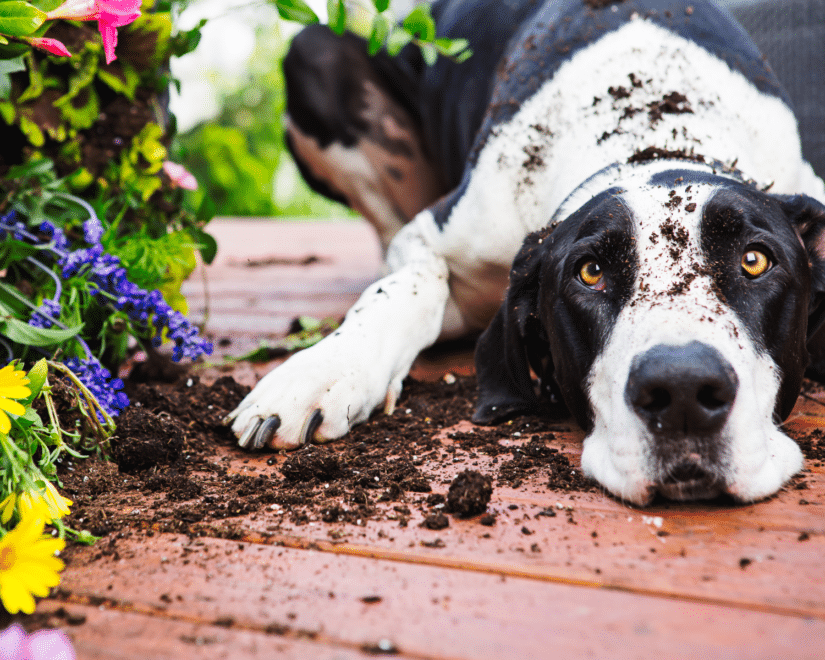
Some dog behaviors, such as digging, may have been bred into a species. For example, Rat Terriers have been genetically selected over the years to eradicate vermin with tenacity. Left to their own devices, they dig holes under fences, deep into fresh, perennial plantings, and just about anywhere else they can put their paws.

Remedies for Digging

• If your dog has a propensity for digging, provide opportunities to dig in appropriate zones and offer positive reinforcement when your pet complies.
• Some owners have plastic sandboxes full of dirt or sand with hidden bones, treats, or soft toy treasures that can be “found” when their pets dig in the right spot.
• Make sure they have plenty of mental and physical stimulation through hide and seek games, walks, and “sniffaris,” and digging options that won’t ruin your yard.

Counter Surfing

Understanding Why Your Dog Counter Surfs

Counter-surfing is one troublesome and unsafe behavior that can be difficult to reverse. Dogs of a certain height, or those with a high vertical jump, learn that yummy things live on kitchen counters and dining tables. How many of us have come home to a torn-up pizza box or cupcake wrappers strewn about the house? A dog’s keen sense of smell can lead them to trouble. In some cases, an upset stomach or even toxic ingestion of items not meant for canine consumption can result.

Remedies for Counter Surfing

• Keep all unattended food off the counter or inaccessible to your pet, and always feed them from their bowl.
Train your dog to go to their place (a bed or crate) during mealtimes. This alternate behavior is incompatible with counter-surfing.
• Given enough positive reinforcement and eliminating temptation, your dog will eventually stop scouring the kitchen for food.

To remedy unwanted behavior, supervise your pet, offer training on alternate, acceptable behaviors, and reward them for doing the right thing. If the behaviors persist, ask your veterinarian for advice and consider the help of a professional trainer.

At Pet Butler, we want you and your pet to live your best and healthiest lives, which is why we offer pet waste removal and other services year-round. We offer weekly, bi-weekly, monthly and one-time clean-up services to work with your schedule and needs.
Are You Ready for a Dog?

Pet Adoption Articles

PBC Blogs 1600x900 (1500 × 1200 px)

A dog can be a wonderful addition to a home, but pet ownership is a big commitment and should be carefully considered. If you are thinking about getting a dog it is important to research, plan, and reflect before making a decision.

5 Things to Consider Beforehand

Lifestyle

Most dogs are happiest when their daily routine is predictable and includes companionship. Are you a busy, on-the-go individual who likes having the flexibility to jet off at a moment’s notice? Who will watch your dog when you’re gone? What about your home life, work, and school schedules? Long days at the office, busy evenings, and kids’ activities may leave you little time to care for your dog.

As a pet parent, you will spend considerable time training, grooming, feeding, exercising, and bonding with your dog. Puppies need extra attention and require frequent potty breaks. Certain high-energy breeds need consistent daily exercise, even late into adulthood.

Environment

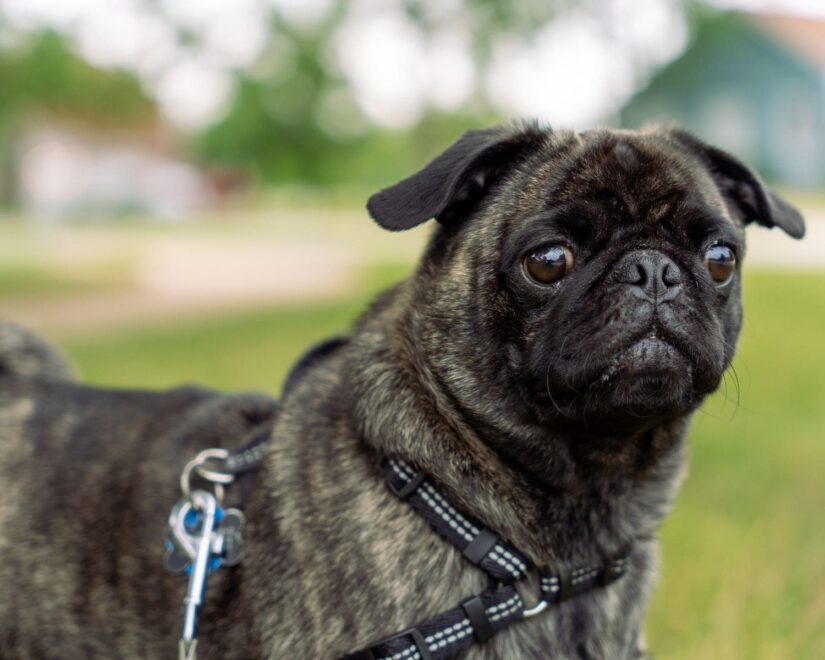
Just like humans, dogs want to be comfortable in their surroundings. Certain dog breeds are impacted more by their environment than others. For example, short nose breeds, such as pugs and bulldogs, may not acclimate well in warm climates. You’ll need to add a dog coat and shovel to your shopping list if you want a chihuahua that will tolerate cold and snowy winters. Arctic breeds like huskies might fare better in colder temperatures.

Smaller pets often need less physical space than larger breeds of dogs and may adapt well to apartment living. Older dogs are generally more sedentary and may require less outdoor space for exercise. A fenced yard can provide a safe and easy-to-access space for puppy playtime or for your older dog to explore on their own.

Budget

Having a dog is an ongoing fiscal responsibility, which can span 15 years or more. Pet ownership is a significant expense and should be considered in your decision-making. Make a list of possible expenses and see if it fits with your budget to become a pet parent.

Food, veterinary care, pet insurance, pet sitting, boarding, grooming, training, toys, and supplies can add up. Also, consider that a purebred dog from a reputable breeder may cost thousands of dollars, and veterinary expenses may mount as your pet ages.

Caregivers

Adding a pet to your family will impact the entire household. Every family member should be on board to help acclimate and keep a new dog safe in the home. It will be important to discuss how pet care responsibilities will affect the family.

Ideally, everyone in the home will share in the caregiving for your pet, but at a minimum, one person should be committed to providing the ongoing attention and care your dog will need to thrive. Children grow up, can lose interest, or get busy with extracurricular activities. Spouses decide they don’t like dog kisses or develop allergies.

Support from Pet Professionals

Finding a veterinarian, trainer, and pet sitter before welcoming a dog into your home can get you off on the right foot by learning about nutrition, preventative care, and training. Additionally, these professionals may be able to recommend a breeder or rescue organization with a pet that suits your lifestyle.

Pet professionals will provide varying levels of support through the stages of your pet’s life. Certain dog breeds are prone to health risks such as cancer, diabetes, or glaucoma that require more intensive veterinarian care. Pets with health challenges and senior pets may also need more frequent visits from a pet sitter when you are away from home.

Blog Cta Graphic (1)

Is your home prepped for a pup?

If after careful consideration you decide to add a pup to your family, you’ll want to make sure your home is ready to welcome your new fur-ever friend. Pup-proofing your home can include:

• Setting up a crate – a relaxing and safe space for your pup and essential for potty training.
• Placing gates across doorways.
• Ensuring all small objects and toys are out of each.
• Storing food out of reach.
• Securing electrical cords.
• Removing toxic plants.

Considering all these variables will help you decide if a new pet is right for you. Education and preparation help build a bond with your new dog.

Vet Advice from Dr. Lisa

At Pet Butler, we want you and your pet to live your best and healthiest lives, which is why we offer pet waste removal and other services year-round. We offer weekly, bi-weekly, monthly and one-time clean-up services to work with your schedule and needs.
Training Options for Your Dog

Dog Behavior Articles

PBC Dog Training Options Blog 1500x1200 min

Dogs are intelligent, social creatures and training provides them the tools to lead safe, happy, and enriched lives and deepen bonds with their humans and other animals. No two dogs are identical, so their training instruction should be tailored based on health, age, personality, breed, lifestyle, and specific tasks.

Training Methods

We are constantly learning more about how dogs perceive rewards and punishment, their psychology, and their relationship with their owner and other animals. Consequently, through the years training methods and tools have evolved. Here are some of the most common training methods:

Positive Reinforcement:

This type of training relies on positive reinforcement to increase the probability the desired behavior will occur. Did your dog sit on command? Give a tasty treat! Come when called? Load on the praise!

Some trainers will use a clicker in addition to a reward when a dog performs the behavior. The dog will learn to associate the “click” with the behavior and reward with consistency and practice. Over time, they get the same dopamine release from the click as a food reward, conveniently shaping behaviors for zero calories.

Operant Conditioning:

Operant conditioning utilizes the principles of differential reinforcement of alternative behaviors, negative reinforcement, negative punishment, and positive punishment.

· An example of reinforcing an alternate behavior may be rewarding your dog who stays put on its bed when the doorbell rings. By encouraging that behavior with a treat, you are making the alternate, less desirable behavior of rushing the door less likely to occur.

· A counter-surfing dog who steals food from the table could be negatively reinforced by removing all food, so there is no more motivation to surf.

· One common form of positive punishment is the electronic collar. For example, the dog receives a shock or stimulation when barking. With the hands of a professional trainer and the right dog, e-collars can eliminate unwanted behaviors and train desired ones. They also can tremendously cause psychological and physical harm to a pet if misused and should only be considered if guided by a professional.

Dominance Training:

Dominance-based training has declined in popularity in recent years. This method is based on studies of captive wolf packs, which may not resemble the social structures of domesticated dogs at home. Owners must be the “alpha” of the household – going first through doorways, denying pets access to furniture, and never meeting them at eye level. The philosophy behind this method works to curb bad behavior in some dogs but does little to identify the root cause of the behavior, which can lead to stress and fear in the pet.

The Most Popular Training Method:

The most popular and effective training method combines positive reinforcement with operant conditioning. The Certification Council for Professional Dog Trainers relies predominantly on this training method. The council determined that dogs respond best to the “most positive, least intrusive” strategy to achieve training goals or alter behaviors. Professional trainers often start with the question, “What do you want the dog to do?” and employ humane tactics in a hierarchy to achieve that goal.

Blog Cta Graphic (1)

Keys to Successful Training

Age-Appropriate Activities

Puppies have shorter attention spans than older dogs, so the key to their training is to keep it fun and engaging. They typically stay engaged for up to 5-minute periods, interspersed with naps and physical exercise.

Tips for training puppies:

· Use kibble or tiny treats to reward actions.

· Work with your pet 3-4 times daily.

· Use walks to practice skills and commands.

Older pets are just as teachable as young puppies. However, motivation, agility, and endurance may differ due to joint, vision, and hearing changes. Also, remember that an older pet who is new to your home may have had past experiences that impact their behavior and openness to some training methods. For example, a dog that a previous owner loudly scolded might be frightened of loud noises, even if in the form of praise. When working to change the behaviors of an older pet, such as destructive chewing, biting, resource guarding, or jumping, it may be best to work with a professional one-on-one.

Choose the Right Environment

The environment for training should be conducive to successfully teaching a skill by adding or eliminating distractions or cues. In some cases, this may mean bringing your pet to a group class if the skill you’d like to teach is recalled in the presence of other pets.

In other cases, it may mean individualized training to teach tracking and beginning training with a high-value, pungently scented object. Are you trying to stop your dog from barking at the mailman? By closing the blinds, you’ve altered the setting, eliminated the stimulus, and changed behavior in a minimally intrusive way!

Be Consistent

Whether you hire a certified dog trainer, do it yourself, or attend a group class, consistency and follow-through are essential. Have every member of your family involved in training, so your pet receives reliable cues, responses, and outcomes each time they perform a behavior.

Dog Training Advice from Dr. Lisa

At Pet Butler, we want you and your pet to live your best and healthiest lives, which is why we offer pet waste removal and other services year-round. With 1 gram of dog poop containing 23 million fecal bacteria, scooping your pet’s poop regularly is crucial to your family’s health. We offer weekly, bi-weekly, monthly and one-time clean-up services to work with your schedule and needs.

Doggie Date Ideas – Fun Activities for You and Your Pet

Dog Activities Articles

PBC Blog Doggie Dates 1500x1200

Pet-friendly establishments and facilities are on the rise, from new restaurants that have their own pup menus to indoor dog parks nestled in high-rise condo towers, right alongside putting greens and pickleball courts! These days, you’ll find four-legged friends walking beside their human counterparts just about everywhere!

Things to Consider Before Your Doggie Date

Before you begin exploring new venues with your dog, there are considerations to keep in mind.

  • Make sure your pet is current on vaccinations, has a negative fecal test for intestinal parasites, and is on flea/tick/heartworm preventative.
  • Your pet must be registered with the appropriate jurisdiction. City tags and rabies tags should be visible or at least readily accessible.
  • Clear identification on a name tag or collar with a phone number and a first and last name is essential; a microchip provides permanent identification should your pet bolt or a name tag becomes lost.
  • Out at night? Reflective collars, leashes and light-up accessories will keep you and your pet out of harm’s way.
  • Consider your pet’s temperament. Not all dogs are truly “dog-friendly” and would not be at their best in crowded environments where nose-to-nose contact with other dogs is likely.
  • Bring treats to reward your dog for good behavior and to distract them if necessary.
  • Don’t assume clean water will be on-site; carry a collapsible bowl, leash, and a jug of water for your pet.

Outdoor Activities with Your Pup

Water Play -If it’s a warm day, what better place to stay cool than a dog beach or pool. Saltwater can be toxic for dogs if consumed in large quantities and not all fresh water sources are safe for swimming. Check your park district or county websites for safe swimming notifications and bring along a safety vest.

Hit the Trails – While the weather is temperate, going on a leashed hike or run can also provide mental and physical stimulation for your pet. Watch the thermometer and stay in the shade when possible. AllTrails lists pet-friendly spots along with park maps, water stations, photos, and difficulty ratings.

Rain or Snow – When inclement weather threatens, no need to worry! For dogs who love the rain, light rain showers can provide the perfect conditions for you and your pet to have dog park to yourself for some off-leash shenanigans and ball tossing. Some breeds, such as the Akita, Husky, and German Shepard love the cold. Snowy days don’t deter many pets from outdoor fun. Keep paws protected with Velcro booties and avoid salted roads.

Blog Cta Graphic (1)

Indoor Activities with Your Pup

Refreshments and Relaxation – If you’d rather take the fun indoors, try searching for a pet-friendly brew pub or indoor dog park. Venues feature a full bar, air conditioning, and paw-ty packages with refreshments for adult owners are a growing trend.

Work the Mind and Body – Classes such as agility and obedience provide stimulation and promote bonding with your pet. Or get inventive and set up an obstacle course in your own home. PVC pipe, wood, play tunnels and even a foam roller can be used to create an endless variety of play structures and hurdles.

Get Artsy – If your creative juices are flowing, you can get out the non-toxic paints, clay and brushes for some pet-friendly art projects. Put your dog in a sit-stay or distract them with a peanut butter filled chew toy. You can paint your pet or get them in on the action by pressing clean, trimmed paws into the paint and stamping them on the canvas.

Treats for You and Your Pup – The kitchen is another space where you and your dog can spend quality, creative time mixing up tasty treats. Recipes are available for everything from frozen pup cups to and healthy snacks, suitable for human and pet consumption!

Never too busy washing their hair or committed to a work project, pick your pup to share your next date night!

At Pet Butler, we want you and your pet to live your best and healthiest lives, which is why we offer pet waste removal and other services year-round. We offer weekly, bi-weekly, monthly and one-time clean-up services to work with your schedule and needs.
Preparing to Leave Your Pet With a Sitter

Dog Behavior Articles

Small dog sitting on a welcome mat.

Spending time away from home is meant to be exciting and enjoyable, but the preparation leading up to a getaway can be overwhelming, especially for pet owners. Even if you have a professional, vetted pet-sitter, planning is key.
Here is a planning guide designed to keep your pet comfortable and safe and give you peace of mind while you are away.

Leave the right supplies

Everyday Items
Leave appropriate supplies such as collars and leashes, cat litter or waste bags, and crates and carriers. Make sure you provide extra food and water, medications, cleaning equipment, and a first aid kit in case of accidents or emergencies.

Comfort Items
Set out your pet’s favorite toys, treats, blankets, and other treasured gear. They will help your pet feel more comfortable while you are away; a warm environment promotes regular behavior and safer experiences.

If your pet has a particularly difficult time when you are away, you can place a previously worn article of clothing in your pet’s sleeping space. The familiar aroma is said to generate calming effects and decrease separation anxiety.

Create an instruction sheet

The more intensive the routine or the more animals you have, the more information your sitter will need. Be sure to include these details in the instructions for your pet’s care:

  • Food – portion sizes, feeding times, allergies
  • Exercise – how much and how often they should walk or play
  • Bathroom habits – where your pet likes to go, how often they eliminate, and what to do with their waste
  • Sleeping behaviors – where they should be resting and for how long
  • Off limit areas – indoor and outdoor areas that are off limits for your pet
  • Medical instructions – if your pet requires healthcare treatments
  • Personality profile – identifying both “good” and “bad” personality traits to help your sitter connect to your pet more quickly and give them an idea of what habits to monitor. It’s important to be honest when developing these personality profiles.
  • Contact information for the veterinarian. You may also consider signing an emergency veterinary release form with your pet sitter which outlines what type of veterinary care your pet can receive if you can’t be reached and denotes a spending cap for such situations.
  • Blog Cta Graphic (1)

Prepare your home for your sitter

Not only will your sitter be taking care of your pet, but they’ll also likely be keeping an eye on your home. To prepare for a sitter to visit your home, you will want to consider:

Access to Your Home
Make sure to supply the sitter with multiple forms of entry to the house, namely a spare key and the garage code. If you have a security system, ensure the sitter has the code and understands how to use the system.

Overnight Stays
If your sitter is staying nights, more preparation is needed. Show them where to sleep and provide supplies. Leave instructions that explain how to work the WiFi, HVAC systems, and other relevant technologies. Be sure to share the location of your home’s circuit-breaker and water turn-off in case of an emergency.

Additional Tasks
Explain any additional activities you might ask of them. Sitters can help with anything from handling the mail, taking out the trash, or poop-scooping the yard. Keep in mind that more tasks usually entail more payment.

Local Contacts
List any people the sitter might encounter during the stay: neighbors, landlords, or visitors like pool cleaners and gardeners. Their contact information should be available as well.

Communication Expectations
Make sure to provide details about your trip and where you can be contacted, and how often you wish to receive communication. Most owners appreciate receiving texts or photos about their pet – talk about those expectations ahead of time.

Food
Consider buying meals or snacks for the sitter as an extra thank you, or at the very least discuss which food is fair game in the pantry or fridge.

With these suggestions, and consistent communication with your sitter before you leave, you should be all set! Safe travels!

At Pet Butler, we want you and your pet to live your best and healthiest lives, which is why we offer pet waste removal and other services year-round. With 1 gram of dog poop containing 23 million fecal bacteria, scooping your pet’s poop regularly is crucial to your family’s health. We offer weekly, bi-weekly, monthly and one-time clean-up services to work with your schedule and needs.
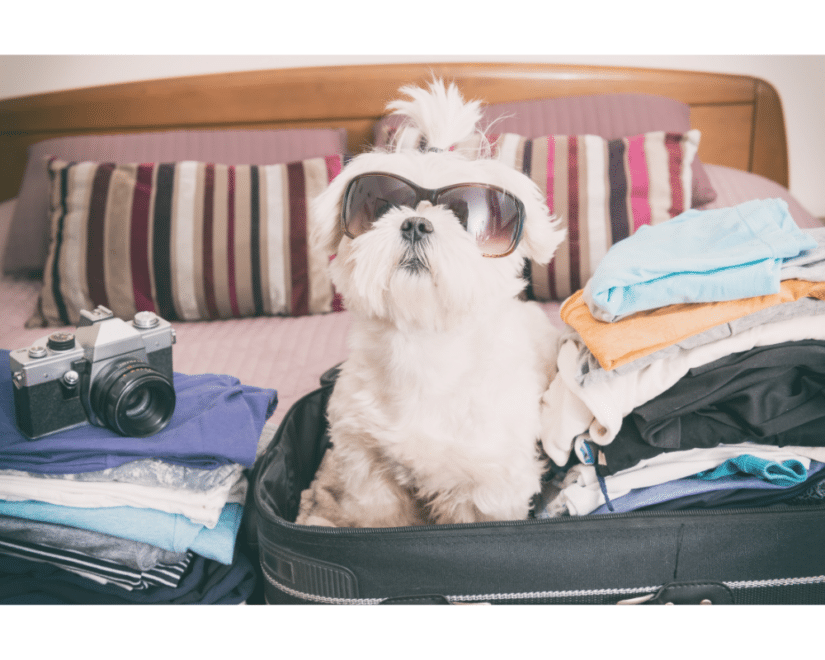
What Are Some Pet Tips to Beat the Summer Heat?

Pet Safety Articles

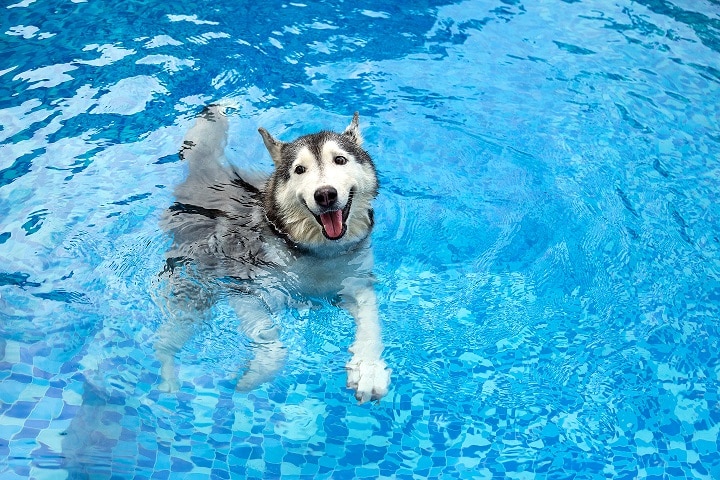
Husky swimming

Summer is the time of year when people may choose to spend time outside, soaking up the sun, and enjoying the hottest part of the year. As much as some of us love the summer months, our pets might not feel the same way. Carrying around that big fluffy coat and playing for hours on end can be exhausting, even dangerous. Luckily, Pet Butler has the tips you need to help your pet stay safe and beat the summer heat.  

Tip # 1: Don’t exercise your dog during the hottest parts of the day! If your daily routine includes taking walks around lunchtime, you should consider shifting your schedule to more temperate hours. The best time for your dog to be outside is around sunrise and sunset. Make sure that there’s enough shade for your pet to relax under when enjoying the day. If there are no trees or other shadowy objects in your backyard, think about buying tools like umbrellas to provide sufficient coverage. Another simple way to keep your pet cool, inside or outside, is to buy a fan. Having a nice chilly breeze is always relaxing, and it can help your pet stay comfortable even on the hottest days. 

Tip #2: Playing in the water can help cool off your pet. There are many ways to creatively douse your pups. More energetic dogs love the chance to hop in a kiddie pool or sprinkler, and many pooches have been known to enjoy snacking on hose water or getting misted by spray bottles. But ensure that your hose water is safe for drinking or use filters to make the water potable beforehand. Another water-related activity is going to the local dog beach. Growing in popularity, these areas offer a very entertaining way to let your pet swim around and make new friends. Dog floaties and swim toys are especially helpful in these spaces. 

Blog Cta Graphic (1)

Tip #3: A dog’s hydration is especially important. Although dogs don’t sweat as humans do, they still use up extra water in the summertime. Responsible owners need to keep track of the water bowl constantly. Offering water to your dog periodically is highly recommended, especially after they’ve been outside. The number one rule with hydrating in the summer is to not give your pet freezing water. If a pet is experiencing exhaustion or heat stroke, it’s possible for them to go into shock with freezing water. That said, frozen objects are a different story. Icepacks, frozen water bottles, or frozen Ziploc baggies are relaxing items that dogs can enjoy outside. Certain treats like popsicles and frozen bananas (as long as they’re vet-approved) can be a tasty snack, too. 

Tip #4: Take care of your dog’s coat and skin. In the summer, it might be helpful to groom your dog’s coat a little more frequently. Brushing out extra fluff can be very relieving and making sure there are no irritable mats. Also, talk to your veterinarian and groomer about a summer trim. Some dogs benefit from having smaller and shorter coats in hot weather. Just be careful not to trim a dog’s undercoat, and never ever shave your pet: it can be very damaging to their skin and health long-term. There are also dog clothing products that provide similar relief. Cooling collars help chill the neck and chest of hot doggies, and other specialized clothes are available too. The other summertime grooming challenge is taking care of a dog’s skin. Short-haired or bald dogs can sunburn easily, but even dogs with a ton of fur can burn on their ears, nose, and belly can. Try using dog-specific sunscreens or light, breezy clothes to help hide their skin. 

When the summer heat is upon us, we must make sure that we are prepared to help our pets beat the heat. 

At Pet Butler, we want you and your pet to live your best and healthiest lives, which is why we offer pet waste removal and other services year-round. We offer weekly, bi-weekly, monthly and one-time clean-up services to work with your schedule.

Tips for Vacationing with a Dog

Dog Behavior Articles

Dog ready for vacation

When planning for a vacation, it’s typical to create an itinerary and make a packing checklist for ourselves ahead of time. And when traveling with our furry friends, we need to do the same for them.
We’ve put together this guide to help make sure your pet’s needs are met while on vacation. We cover what questions to ask yourself before bringing your dog on vacation and what to pack if your dog joins you on your adventure.

Should I Bring My Dog On Vacation?

Before jumping into the car or plane with your pet, it’s important to ask yourself a few questions to determine if your dog is vacation-ready.

Questions to Answer Before Bringing Your Dog on Vacation

1. How well trained is your dog?
They need to be able to follow basic commands and be socialized around people and other animals. If not, they will likely have a hard time adapting to a new, strange environment. Moreover, they’ll quickly become a nuisance in crowded areas like airports and hotel lobbies.

2. What is the size of your dog?
While dogs of any size can usually be accommodated during car rides, larger dogs are often less manageable on planes. Most airlines only allow dogs to fly in the cabin if they can fit in a small carrier under the seat in front of you or in your lap. Otherwise, they will have to fly in the cargo hold with luggage, which most pet owners do not find desirable. If planning to fly with your pet, be sure to check with your airline to learn about their rules and regulations. There may even be paperwork you need to complete before flying.

3. How old is your dog?
Puppies are notoriously bad travelers as they aren’t housebroken and require much more active attention. Elderly dogs with decreased mobility, sight or hearing may have a hard time adjusting to a new location. On the other hand, some elderly dogs simply enjoy being with their humans, no matter the place.

4. Is your vacation destination dog-friendly?
Not only should your lodging accommodate pets, but your daily excursions should also account for and be welcoming to your dog. Keeping them pent up in an unfamiliar hotel room for multiple days is a recipe for disaster.

If you’re on vacation, that means your dog is too, which means they’ll want to have fun with you! If your furry friend does accompany you on your trip, be sure to research pet-friendly places like restaurants, dog parks and hiking trails beforehand so that you have a few places you can venture together.

5. Is your dog medically prepared for travel?
Always consult with your veterinarian before pet-related decisions. They know your dog’s health and history best and will let you know if your dog is ready for travel.

Blog Cta Graphic (1)

What to Pack for Traveling with Your Dog

If you’re bringing your furry friend on your trip, you need to pack for them too! Make sure to prepare for a variety of situations; it’s better to overpack for your pet than to leave something behind.

Here’s an all-encompassing pet travel checklist:

– Contact information for your pet’s veterinarian
– Contact information for local vets within the area that you’re traveling
– An up-to-date copy of your pet’s vaccine record
– Pet’s medications (if applicable)
– First-aid kit with gauze, non-stick bandages and adhesive medical tape
– Updated I.D. tags on your dog’s collar
– Location-tracking GPS technology (collar, tag, etc.)
– Doggie seatbelt and harness
– Food
– Treats
– Water
– Washable, collapsible bowls
– Leash
– Collar
– Walking harness
– Poop bags
– Bedding
– Blankets
– Towels
– Dog shampoo
– Brush
– Nail trimmers
– Toys
– Paw booties

Always remember to pack for your specific destination. For example, if you’re traveling to a colder climate, be sure to pack sweaters or jackets for your dog if they need the extra layers. If you’ll be swimming on vacation, pack a doggie life vest and water toys. And always pack items that’ll make your pet feel at home.

At Pet Butler, we want your dog to live their best life and enjoy the time they spend with their humans. Use your free time to do things like travel and adventure with your pup, and leave the dirty work to us. We’ll scoop your pet’s poop on a regular basis, so you don’t have to. Learn about our pet waste removal services and more.

Fourth of July Pet Safety Tips

Pet Safety Articles

fourth of july dog

With all the excitement and preparation that occurs as we celebrate our nation’s independence on the Fourth of July, our dogs are often not a part of the planning. While we’re busy enjoying food, drinks, summertime sun and fireworks, our unattended pets may be hiding under the bed or in the bathtub and could be more fearful than festive. What is it about Independence Day and other holidays that frighten our pets?

Loud Noises and Pets

By the time their hearing develops at 21 days old, puppies can hear 4 times the distance as humans and perceive a broader range of high-pitched frequencies from 67-45,000 Hz, compared to a human range of 64-23,000 Hz. Imagine the high-pitched squeal of a firework launching into the air followed by a blast 4 times as powerful as the sound we hear. Now imagine you have no idea what caused that noise. Painful? Scary? You bet!

To help ease your pup as much as possible and keep them safe during Independence Day festivities, here are some tips:

Pet Safety Tips for Independence Day

Leave Your Pet at Home

Resist the urge to bring your pet with you to the party. Take a cue from your dog if they like to hide when they hear loud noises or experience unfamiliar things. An enclosed interior place can provide a quiet escape for your pet. If they take comfort in their crate, you can use a heavy quilt to throw over the top for an added sound barrier.

Anxiety-Reducing Items for Pets

Thundershirts securely swaddle your dog, providing a calming sensation and some relief for about 50% of pets. Even playing classical music in the background can help alleviate stress and drown out other noises.

Anti-anxiety supplements such as valerian root, Bach Flower essence (Rescue Remedy), Adaptil pheromones, melatonin or the L-theanine found in the chewable Composure are all aids. For especially anxious dogs, salivating, pawing the ground, whining or destroying bedding and walls, taking prescription medication available through your veterinarian may be advisable.

Be sure to get your vet’s recommendation before pursuing supplements or medication for your pup. If you do choose to supplement or medicate, it’s best to do a test run a few weeks prior to the Fourth of July so that you can witness the medication’s effect on your dog and whether it works.

Keep Toxic Foods Away

With an abundance of grilling food and drinks readily accessible to humans at the party, dogs may take advantage and snatch a few bites for themselves. Chocolate, garlic, onions, grapes or raisins and high fatty foods should be kept away from your pets. Pancreatitis, intestinal blockages and diarrhea are common ailments treated at emergency clinics around the holidays.

Blog Cta Graphic (1)

Micro-chipping and Updated ID Tags

Because we are often distracted, our pets can take a backseat to party preparations, guests and the celebration. It’s common for dogs to try to sneak past an open door during a party. This can lead to them wandering past your property line and potentially getting hurt.

At a minimum, make sure your pet has a microchip and current ID tags in case they breach security. If your dog has a habit of slipping past you, make sure that doors and gates are always securely closed.

Beware of Hot Temperatures

Temperatures are often quite high during the month of July. Because your dog can only release heat via panting and the few glands on their footpads, they are prone to heatstroke. Help your pet stay cool by keeping them in an air-conditioned space with water and shade.

Check your Yard for Firework Debris

After the Fourth of July celebrations, explore the remains of your backyard party and search the space before you let your dog out. You may be surprised to find a still-warm grill, a cell phone, corn cob, fizzled sparklers and other debris littering the ground. All these things can be hazardous to your pet.

Keep these Fourth of July pet safety tips in mind, and have a happy and safe Independence Day!

For all your future celebration needs, we’re here to help! We’ll scoop your pet’s poop on a weekly, bi-weekly, monthly or one-time basis to ensure your yard is poop-free and ready for guests.

Dogs in Hot Cars and on Hot Pavement

Pet Safety Articles

Dog in hot car blog cover photo

Dogs in Hot Cars

Why Are Hot Cars Dangerous to Dogs?

When pets love to take car rides, it can be hard to resist their excitement when they know their owner is going for a ride. Their wagging tails and smiles that come after they hear their owners putting on shoes and grabbing the car keys are easy to give into. But when it’s summertime and the sun is scorching, it’s best to leave your furry friends at home if possible. Going from point A to point B with your pup is OK, but if you have to leave your pet in the car for even a few minutes, it can be hazardous. Leaving your pet inside a locked vehicle is an extremely dangerous practice. While a quick trip to the store is undoubtedly more fun with your furry co-pilot, it’s safest to leave them at home unless you’re headed to a pet-friendly facility.

In general, it is safe to leave your pet for 5 minutes or less when the temperature outside is between 32-70 degrees Fahrenheit. If you have to take your dog with you when running an errand, lock the car door, crack multiple windows, park your car in a shaded spot within your visual distance and make your trip fast, no more than a few minutes.

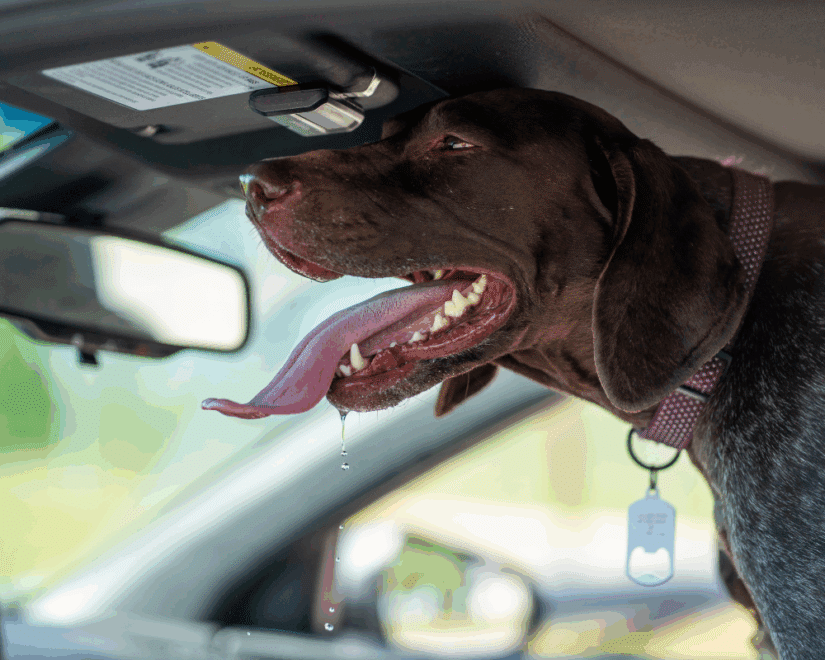
A car is essentially a heat conductor and will rise to temperatures above 115 degrees Fahrenheit within 30 minutes. Dogs can experience signs of heat exhaustion when their internal temperature rises to 103 degrees; panting, drooling, muscle tremors, abnormally colored gums, weakness or vomiting can all be signs of heat exhaustion or heatstroke.  

What Do I Do if I See a Dog in a Locked Car?

If you witness an unsupervised pet in a vehicle, write down the make, model and license plate information. You can attempt to locate the owner by stopping inside the nearest business and asking for help. If the owner isn’t promptly located, the next step is to call the authorities. Many states issue fines or have other legal consequences for leaving pets in locked, unattended cars. 

In our pet-centric world, it’s not difficult to find stores that welcome well-behaved, leashed pets as guests. Some even offer their visitors special treats and attention. Here is a list of most retailers to be pet-friendly and encourage their patronage: Petco, Home Depot, Lowes, Tractor Supply Co, Nordstrom, The Apple Store, Bass Pro Shops, Pottery Barn, LUSH, Orvis, Old Navy, The Gap, TJ Maxx, Petsmart, and Macy’s. Other stores and restaurants permit pets on outdoor patios. It’s a good habit to always call ahead, though, as even some pet-friendly chains have local restrictions. 

Pet Butler learn more about our services banner. We offer the following pet services: pet waste removal, pet care, and commercial services. Image is of a Pet Butler employee smiling and laughing hugging a white Labrador retriever dog.

Dogs on Hot Pavement

In general, the darker the road surface, the more sunshine and heat it will absorb. That makes black asphalt one of the more dangerous surfaces on which to stroll. Artificial turf also absorbs a considerable amount of heat. White concrete or grass, with the cool dirt underneath, are safer places to hike.

One good rule of paw: if it’s too hot for your hand, it’s too hot for your hound! You can test the safety of the surface by placing the backside of your hand against it. Wait 7 seconds. If your hand is uncomfortable and you need to move it away, it is too hot for your pet’s feet. For a frame of reference, an ambient temperature of 77 degrees Fahrenheit will heat the pavement to 125 degrees. At 87 degrees, it reaches a scalding 143 degrees! Ouch!  

Skin destruction and burns occur at 125 degrees Fahrenheit in just 60 seconds. First-degree burns of the paw pad epidermal layer result in redness and pain but tend to resolve in a few days. Pain control and cool compresses can help soothe the affected area. Second- and third-degree burns damage more layers of the skin and subcutaneous tissue. These burns result in blistering, peeling, infection, pain and sometimes permanent loss of sensation in the affected area. They are best treated by a veterinarian and can take weeks to months to heal. 

How Do I Protect My Pet’s Paws From Hot Pavement?

You can protect your dog’s feet by steering clear of midday walks, choosing safer surfaces, looking for shaded areas or providing mechanical protection for their paws like dog booties or socks.

Paw balms such as Musher’s Secret can provide a bit of a barrier from the elements while soothing dry, cracked paws. They are best to nourish feet but won’t provide complete protection your pet’s skin needs on a hot day. Rubber booties or those with a latex bottom are best outdoors. Not only do they provide traction, but the rubber soles protect delicate feet. Find a pair that fits well without causing constriction or chafing. Ideally, find booties or socks that are machine washable.  

At Pet Butler, we strive to keep pets healthy whether it’s by providing guidance on how to stay safe during the summer heat or by cleaning up their waste. Learn about our poop scooping services and more

Types of Flea and Tick Prevention for Dogs

Pet Safety Articles

PBC Blog Flea and Tick Prevention for Dogs 1000x800

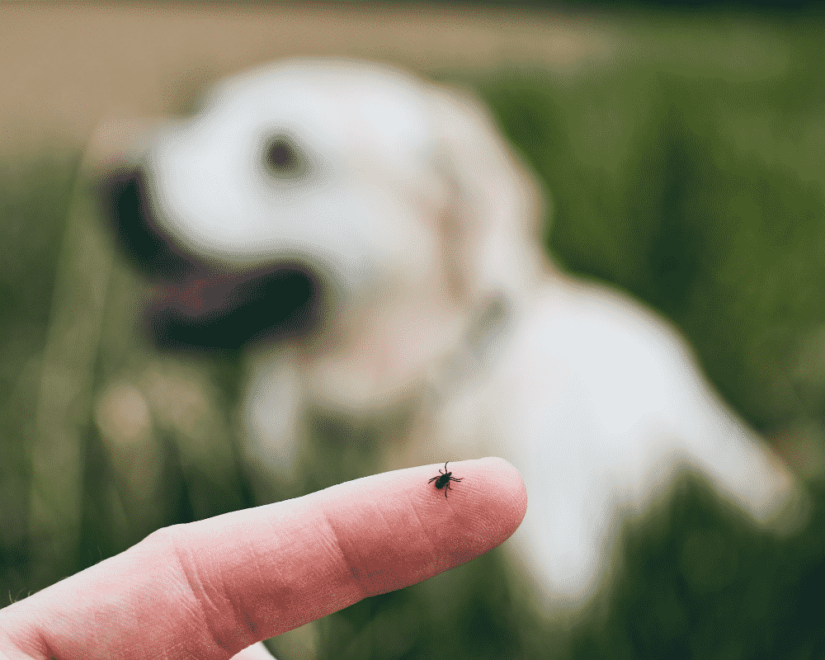
Taking care of a loved one, whether it be human or animal, involves many of the same components: providing nutritious food, exercise, sleep, mental enrichment and maintaining proper hygiene. But flea and tick prevention? That requires extra attention for our pets! These parasites are an ever-present threat and prefer damp woodpiles, tall grasses, dark cracks and crevices and hitching rides on furry critters.

Ticks are notoriously hardy; their life cycle can take years to complete, and they wait to invade yards and homes until the conditions are just right. When the warmer temperatures begin to set in, ticks become active, looking for their next meal.

If brought into your home, fleas can be a year-round threat. And if wildlife lives in your area, they can jump species any time throughout all seasons. A flea that falls off your pet can live in the environment for weeks to months, no matter its current life cycle (egg, larvae, pupa, adult).

Blood meals are required for both types of parasites to mature. Once they feed on their prey, they can spread potentially fatal or life-long diseases like Lyme, anemia, ehrlichiosis, cat-scratch disease and bubonic plague. The bites themselves can be very uncomfortable, and their saliva can sometimes cause a severe allergic reaction.

To prevent your dog from contracting fleas and ticks, there are pre-emptive measures you can take.

Flea and tick prevention for dogs

It’s always best to prevent a flea or tick infestation than to try to mitigate an existing problem. Tiny parasites are incredibly difficult to detect until they have had a large blood meal or the flea load is significant. Fleas and ticks reproduce incredibly quickly; one adult flea can lay up to 500 eggs. Fortunately, there’s a multitude of safe, preventative products.

Topical treatments

Topical flea and tick treatments were developed back in the 1980s, and while other products have been added to the market since then, spot-on treatments are still one of the most effective tools at killing all life stages of these pests. Most topicals are applied monthly, such as Frontline Plus. As a bonus, many topical treatments are safe for our youngest puppies and kittens, who have especially vulnerable immune systems.

Oral medication

Other flea and tick medications are administered in pill or chewable, like Simparica, Simparica Trio and Nexgard. These products are also given monthly. Simparica Trio has the added benefit of also protecting your pet against heartworm disease, roundworms and hookworms. Comfortis is a chewable medication that is known for its quick-kill abilities for fleas only, eliminating adults before they can lay eggs.

Flea and tick collars

Flea and tick collars have come a long way in the last few decades. Seresto is a collar that is placed on your pet once every 8 months. Preventic is a tick-only collar that can be worn for up to three months. Owners like the convenience of the collar products and the fact that they are a non-greasy application.

Because every dog, its environment, parasite load, sensitivities and risk of re-exposure is different, a veterinary opinion is critical when selecting safe and effective flea and tick prevention for dogs. It’s a creepy-crawly world out there, so be sure to do your part in cleaning and maintaining both your indoor and outdoor spaces too. And remember—prevention is the best form of medicine!

How to keep fleas and ticks out of your home and yard

What are the best measures to take to prevent flea and tick parasitism and environmental infestation? A key point to note is that without maintaining a clean inside and outside environment, you will not be able to control flea and tick populations once they’ve appeared, even if you’ve treated your pet.

Indoor environmental control should involve frequent cleaning, including vacuuming and washing all bedding, rugs and soft goods at a high temperature; high dryer heat will kill parasites.

When it comes to your yard, eliminate hiding places for fleas and ticks by cutting back grass and weeds, removing yard waste like leaves and stick and avoiding housing large piles of wood. Maintain a tidy landscape and try to keep large ornamental plants away from the foundation of your home. It’s also important that you don’t feed wildlife. Attracting raccoons, deer, opossums, mice, skunks and squirrels can lead to additional hitchhiking parasites.

Through the years, home remedies like herbal sprays, diatomaceous earth and citrus peels have been used to lessen pest problems. There are also outdoor products that can be used to treat your yard, and it’s best that they are applied by a licensed and trained professional.


At Pet Butler, we want you and your pet to live your best and healthiest lives, which is why we offer pet waste removal and other services year-round. With 1 gram of dog poop containing 23 million fecal bacteria, scooping your pet’s poop regularly is crucial to your family’s health. We offer weekly, bi-weekly, monthly and one-time clean-up services to work with your schedule and needs.
Find a Pet Butler 800-Pet-Butler