How to Avoid Obesity in Dogs

Pet Health Articles

Blog How to Avoid Obesity in Dogs Banner 1000x800 (1)

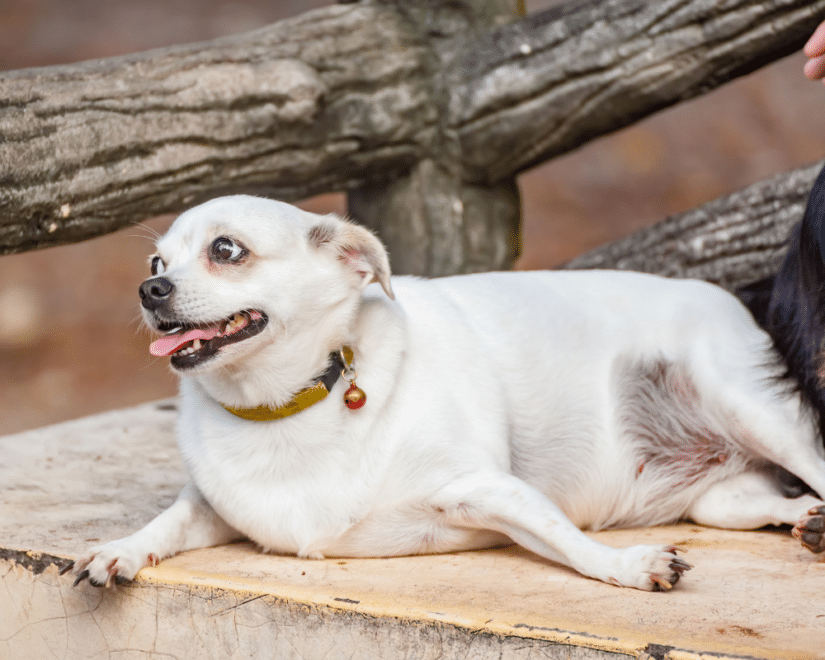
Did you know that 55.8% of dogs were classified as clinically overweight in 2018? That means an estimated 50 million dogs are unhealthily heavy, based on 2018-2019 pet population projections from the American Pet Products Association (APPA). And these numbers are likely an underestimation considering the surge in pet ownership during the COVID-19 pandemic; many have been guilty of hibernating with our pets, packing on the additional pounds along with our furry friends.

To further shed light on National Pet Obesity Awareness Day, here are 4 tips on how you can prevent your dog from gaining unhealthy weight.

4 Tips to Avoid Obesity in Dogs

1. Talk to your veterinarian

The best way to prevent your pet from becoming overweight is to start with gaining an awareness of their body condition. To do this, speak to your veterinary professional about your dog’s current health, find out about exercise and activity requirements and ask how many kilocalories (kcal) they should intake daily based on breed, age and lifestyle.

2. Find the right food for your pet

Not all breeds require the same type and amount of food. Be sure to consult your vet for various food suggestions for your dog.

The “right” foods to maintain a healthy weight also depend on your pet’s particular circumstances. Age, breed, pre-existing conditions, activity level and even environmental temperature can all affect your pet’s nutritional and caloric needs. Controlling portions is key for all pets, regardless of how “low-calorie” a food may be. In general, younger pets tend to be more active and require food higher in caloric density vs. older, more sedentary pets. A good quality protein source is important for all life stages.

Most veterinarian-approved foods meet the Association of American Feed Control Officials (AAFCO) standards for testing, nutritional content, labeling, guaranteed analysis and ingredients. It’s no small or inexpensive undertaking to create a safe, effective, palatable and nutritionally complete pet food. Some mom-and-pop shops that use colorful logos, promise “real” or “fresh” food and sell terms that are merely descriptive that can mean any number of things should be avoided unless approved by your veterinary health care professional.

For pets with specific dietary needs such as a low-fat diet for pancreatitis-prone patients, your vet may advise a calorie-controlled, prescription food to prevent obesity and manage pre-existing disease.

3. Treat them wisely

Who doesn’t love giving their pet a tasty treat in between meals? They’re always excited for treats, and you’re always delighted to offer them. However, remember that treats are not nutritionally complete and balanced. As such, they should contribute to no more than 10% of overall kcal intake.

If you’re unsure what store-bought treats your pet should have, consult your vet for recommendations. You can also serve your pet fun, human-friendly options too! Healthy snacks for your dog can be apple slices, frozen yogurt “pup cups”, bananas, carrot sticks or frozen blueberries. Some owners even reserve a small portion of their daily kibble ration to be dispensed as treats. Your pet won’t know the difference, and you can effectively control intake while offering more treats throughout the day.

4. Develop healthy habits

Just as humans can develop unhealthy habits, our pets can, too. It’s imperative to your pet’s health that you help them create beneficial daily habits. Develop good routines such as a long morning walk, or for senior pets, several short daily walks.

Other dogs may enjoy playing fetch, a run at the dog part or a game of hide and seek, which involves hiding a toy in the yard or house to be sought after. To mix things up, you can even try hiding so your pet can find you! For elderly pets, swimming is a particularly healthy activity that aids sore joints.

So, why should we be evaluating our pet’s weight throughout their life and ensuring they maintain an ideal weight? We witness the same physiological changes in our heavy pets that we do in overweight humans. Obesity leads to an increase in joint pain, generalized inflammation, diabetes and other metabolic issues and respiratory disease, as well as heart and kidney functional changes. It reduces life expectancy and is a financial drain on pet owners to treat obesity-related conditions. And most obviously, it compromises our pets’ ability to participate in exercise or activities with their owners, which decreases their quality of life.

At Pet Butler, we want your pet to feel their best and be their healthiest. That’s why we specialize in caring for your pet by scooping up their waste. Learn more about our services or call 1-800-PET-BUTLER to learn how we can make your pet’s life happier, healthier and cleaner.

To continue learning about obesity in pets, check out our articles on how to determine if your pet is obese, how to help your pet lose weight, obesity in senior pets and more!
Parasites: What You Need to Know for Your Pet’s Health

Pet Health Articles

Blog Parasites What You Need to Know for Your Pet’s Health Banner

By definition, a parasite is an organism that lives in or on another host and gets its nutrients or at the expense of the host. There are three types of parasites that affect dogs, cats, and humans: ectoparasites, helminths, and protozoa.

What does this mean to you, a compassionate and responsible pet owner?

There are creepy crawlies, some visible to the naked eye and many invisible, that can live on or in your furry friend and cause them harm. Some parasites can even be passed back and forth between humans and their pets. But no need to fret—we have effective ways to diagnose, treat and prevent parasites from hurting you and your four-legged friends.

Types of parasites in dogs:

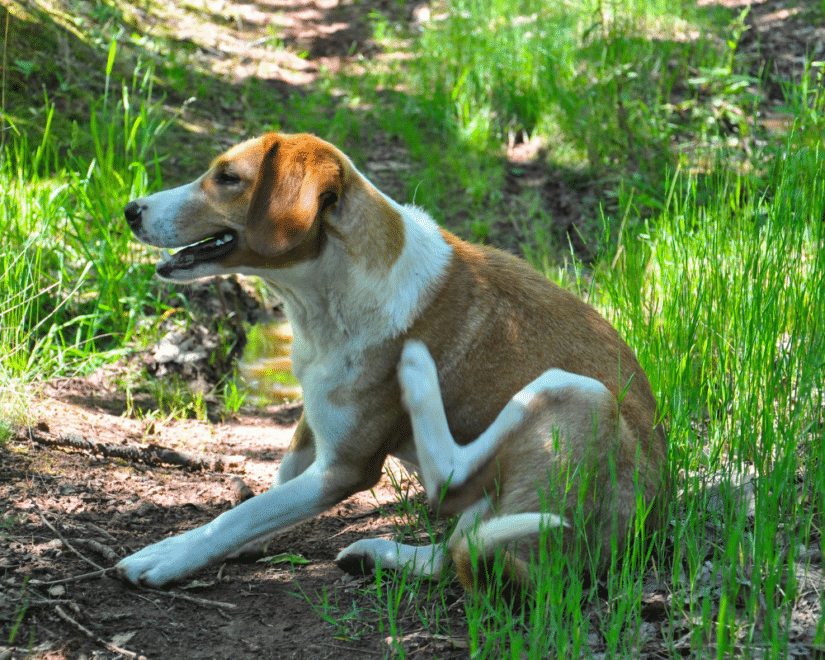
Ectoparasites, like fleas and ticks, are the easiest to diagnose. Though the egg and larval stages are tiny, barely the size of the period at the end of this sentence, engorged ticks and adult fleas can be seen with the naked eye. Ticks like to feed in places they aren’t likely to be found, like on ears, between toes, under the tail and near the groin or elbows. Fleas are fast-moving pests that tend to congregate where they can’t be reached by a chewing dog’s chompers, namely near the base of the tail; however, they can be caught crawling just about anywhere. It’s more likely you will find the tell-tale evidence of flea “dirt”, flea fecal material, that looks like ground pepper and turns a red-brown color when placed on a damp paper towel. A fine-toothed flea comb can be used to grasp hairs and trap flea dirt to test.

Internal parasites such as heartworms, whipworms and giardia are more difficult to detect. Blood tests will indicate the presence of heartworms. Microscopic inspection of a fresh stool sample is necessary to diagnose parasites that infect the gastrointestinal system. To compound the matter, not all life stages of parasites are detectable on laboratory tests. For this reason, your veterinarian may request multiple blood or fecal samples given over several weeks to months.

How do dogs act when they have parasites?

What are the symptoms your pet may have a parasite problem, and how alarmed should you be? Puppies and kittens are often infected with intestinal worms through nursing and during pregnancy. It’s not uncommon to see a new pup present with diarrhea and a distended-looking belly.

Vomiting is another common symptom of intestinal parasite infection. Transmission and re-infection occur in pets when fecal material containing parasites eggs or cysts are ingested. Sometimes direct contact with a parasite, such as hookworms, occurs through broken skin.

Heartworm larvae are transmitted by the bite of a mosquito, and tapeworms can be acquired through ingesting an infected flea. Symptoms of both infections can cause weight loss and lethargy. In the case of heartworm disease, difficulty breathing, exercise intolerance, and in severe cases, ultimately death.

Fleas can lead to intense itching and hair loss while ticks often go unnoticed until the diseases they carry, such as Lyme disease or rocky mountain spotted fever, cause signs of illness. Tick-borne diseases can be great pretenders, often mimicking the symptoms of other illnesses. They can cause low platelet count and bleeding, lameness, lethargy, coughing, vomiting, diarrhea and general malaise.

How are parasites treated in dogs?

The good news is that most parasite infestations are very treatable.

Deworming medications such as ivermectin are effective at killing many internal parasites. Heartworms can be treated with a series of injections, though side effects of the treatment can be severe and the treatment costly. Protozoal parasites such as coccidia and giardia can be treated with oral medications such as fenbendazole or sulfadimethoxine, an antibiotic.

There are several topical treatments that can be used to kill fleas and ticks. Many of the same medications used for treatment can be used topically as prevention. Advantix, Revolution, Frontline and Bravecto are veterinary-prescribed products with a high degree of efficacy. Newer oral medications such as Simparica Trio kill fleas and ticks, as well as internal parasites such as roundworms, hookworms and heartworm larvae before they mature in the respiratory tract.

How to protect your pet from parasites:

  • Topical and oral preventatives should be given to your dog year-round to minimize the opportunities for parasites to reproduce.
  • Attend your pet’s yearly vet visits to update vaccines and receive regular check-ups.
  • Keep up with the housekeeping. Wash bedding regularly and vacuum couch cushions and along baseboards.
  • Maintain your yard. Eliminate brush and yard debris, and pick up pet poop daily. If eggs can’t hatch and pets can’t consume fecal matter, the likelihood of infection decreases.
  • Do not feed wildlife or encourage stray animals to visit your yard by setting out shelters or food.
  • Eliminate free-standing water so heartworm-carrying mosquitoes can’t breed. Empty your outdoor water bowl and only refill when needed. Also, check for various puddles of water in your yard and ensure your pet cannot reach them.
  • Check your dog’s fur for hitchhiking ticks when you return from an outdoor adventure.
  • Be a good human; pick up your own pet’s waste if you are out on a walk or at a dog park!

At Pet Butler, we want your pet to feel their best and be their healthiest. That’s why we offer affordable pet waste removal services for your yard.

Back to School: 5 Ways to Relieve Your Dog’s Boredom

Dog Activities Articles

Blog Back to School 5 Ways to Relieve Your Dog’s Boredom Banner

The worst day of the year for kids is often the very best day for parents—the first day back to school. Adults veritably kick up their heels with glee at the prospect of having a quiet, clean house and time to themselves. Until they discover Fido has chewed a hole in the rug while they attended a yoga class.

So, why aren’t our pets as enthusiastic as we are to see their sweet little companions board the school bus?

They are bored.

After a summer filled with constant stimulation from trips to the lake, endless games of fetch or just watching the neighborhood children buzz around the block, they miss the companionship and activity.

High-energy dogs benefit from creative enrichment; it improves their quality of life, strengthens the human-animal bond and prevents unwanted behaviors. To avoid any mishaps from your family’s best friend, try these 5 tricks to keep the stimulation going throughout the school year.


1. Ignore unwanted behaviors and reward good ones

Be very careful not to reinforce bad manners. While your enthusiastic dog may want to jump, nudge, bark and whine for extra attention, ignore those behaviors and cultivate good ones. Give them the attention they want only when they are behaving properly. Offering a calm pet or a treat when they are on their bed or relaxed in a crate reinforces desirable behavior.

For dogs that need to learn basic skills such as sitting, staying, “down” and “settle”, enroll in an obedience class to acquire a solid foundation of commands that you can build on. A group social setting can be enriching for dogs and is an investment in quality time spent together. Practicing commands several times a day in short bursts is perfect for younger pets or those with short attention spans. If an in-person class isn’t for you, there’s an abundance of online training courses you can reference.


2. Turn meals into play

Feeding time is another opportunity to turn on your pet’s brain and use that extra energy! Treat or kibble-dispensing toys require your dog to work on how to get the trapped food out of the device and into their mouths. Rolling toys, such as Kongs or Busy Buddies, those with flaps or snuffle mats are options to hide kibble out of sight to test your dog’s mental and olfactory skills. Expending mental energy, whether it be using a food puzzle or in a scent work class where dogs must sniff out a certain scent cue and alert their owner, is the good kind of exhausting!

For home-based training, Amazon sells a starter scent work kit (Leerburg Nosework Training Scent Kit) containing United Kennel Club-approved target odors and containers. You can also find The Nose Work Handler: Foundation to Finesse online.

Remember—a tired pet means a happy pet and happy owner.


3. Enlist in recreational activities

Other activities that are breed- or dog-class-specific can be found. These include dock diving for retrievers and other water-loving dogs, agility and flyball for the highly intelligent and nimble border collie and field trials which require dogs to compete in four components based on hunting breed characteristics. The components are pointing, flushing, retrieving, and scent trailing.

Through these elite activities, the dogs are not only harnessing instinct and brainpower but also performing physical exercise, which releases calming chemicals and promotes better rest.


4. Opt for simple outings for older dogs

For older pets, a simple nature walk or a car ride to the local coffee shop (for a pup cup, of course!) can be all the stimulation they need. By varying the route or activity, you are providing them with enrichment and preventing boredom.

Keep in mind that not all dogs enjoy the car and some may get anxious in loud, unfamiliar settings. Watch for signs like avoiding eye contact, tucking the tail, shaking, yawning or lip licking to indicate they are uncomfortable with an activity.

For social pets, arranging a doggie playdate with a friend or visiting a dog park can be a fun way to interact with others and get the zoomies out. A game of fetch, hide and seek for kibble (or hide the human so the dog needs to find you) can be fun at any age.


5. Leverage a helping hand

If your dog’s energy level knows no limits, you may consider hiring a dog walker or researching local doggie daycares. Having a mid-day pet sitter or one who can come intermittently throughout the week, can prevent your pet from getting stir crazy. Reputable doggie daycares will check vaccination history and temperament of their charges to ensure compatible pets play together. Hiring a helping hand can provide the missing companionship your pet requires.

The extra effort you put in to meet your pet’s mental and physical needs means more downtime for both you and your furry friend.


At Pet Butler, we strive to help you create a schedule that allows you to spend quality time with your pet. While you’re out for a walk, playing a game of fetch or snuggling on the couch, let us take care of the dirty work, like cleaning up your pet’s waste. In the meantime, learn more about the services we provide, like pet sitting and dog walking!


What Are Places That Serve Dog-Friendly Food?

Pet Safety Articles

Untitled design

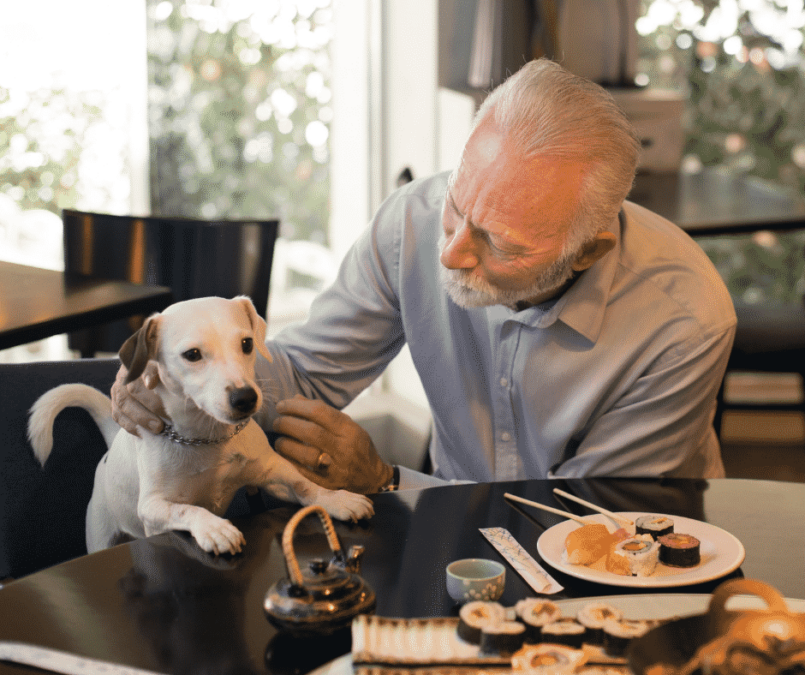
Pet owners hate leaving their pets at home. It’s a thing. Our dogs are lonely without us and love to get social in new places. (And, pet owners have less guilt about heading out for fun adventures when their furry best friend is tagging along.) Eating out with your dog can be fun. Fun, if you go to the right place, that is! Pet Butler, the company that takes care of your dirty work for you, has a list of tips to help you find dog-friendly places to dine with your pet. When you’re in need of a helpful and trustworthy pet waste removal service, look no further than Pet Butler – we’ll clean up your dog’s mess so you have more time for petting. 

Your Guide to Eating Out With Your Dog 

Check the menu ahead of time. If you plan to order food off the restaurant’s menu for your dog, be sure to check ahead to make sure that the establishment has items that your pet can eat. This will save time and avoid confusion as well as keep you and your pet happy! 

Bring your own food. The best way to eat out with your pet is to bring his or her favorite food with you. Usually, a pet-friendly restaurant will be happy to provide a bowl of water for your furry best friend. Bringing the food your pet is used to is the best way to make the dining out experience best for you, your pet, and the restaurant. 

Choose a good time for your pet. Like most things in like, timing is everything. Bringing your pet out at times when he or she hasn’t had a walk or active playtime could lead to a negative dining experience. Take your dog for a long walk and let her or him burn off that excess energy right before you leave. And, depending on your pet’s nature, you might want to time it so that your pet arrives at the restaurant hungry and eats at the same time as you – that way he or she is occupied while you eat. 

Share the responsibility. You might call this bringing in reinforcements. Whatever you call it, it’s a great idea to prep your dinner partner that you might need some help with the pet during your dining out experience. The other diner can take the pet for a walk if he or she can’t sit still so you can finish eating and vice versa.  

Bring a treat. Most dogs have a thing that motivates them – a favorite toy, a rawhide, or a dog biscuit. Whatever they love, bring that along to keep your dog busy while you enjoy your meal. 

Be patient. Dogs have a mind of their own. Sometimes your dining out experience may seem amazing and perfect. Other times they may be antsy, anxious or boisterous. All of this is normal, but it can leave the pet owner frazzled and discouraged. With a patient mindset, dining out with your pet can be a great opportunity to bond with your pet even more deeply. The key is to be patient and keep exposing your pet to new situations so he or she gets more comfortable in those settings. 

Pet Butler is here to make your pet ownership easier. We take care of the dirty work for you so you can focus on the love and care of your pet. Here’s how Pet Butler services work: 

  • Our professional and reliable team comes on a regular schedule to clean up your pets’ waste in the yard.  
  • You, well you can just kick back and cuddle with your pet with fewer things on your to-do list. 
  • It’s that simple! So much so that you might find yourself asking, “Why didn’t I do this sooner?” 

Be sure to ask about our additional services like pet sitting, dog walking, commercial scooping services, pet shuttle services, yard odor eliminator services, deck and patio spray, flea and tick treatments and much more! 

Contact Pet Butler today to get started. 

Water Safety Tips: Keep Your Pet Healthy

Pet Safety Articles

Blog Water Safety Tips Keep Your Pet Healthy Featured Image


The humid, sultry days of summer are upon us, and what better way to cool off than to head for the nearest body of water. Whether it’s swimming, boating, fishing, or floating, it’s undoubtedly the best time of year to enjoy aquatic-based activities. But just like cats don’t always land on their feet, not all dogs are natural-born swimmers. We need to be mindful of all the ways to keep them safe when wet!  

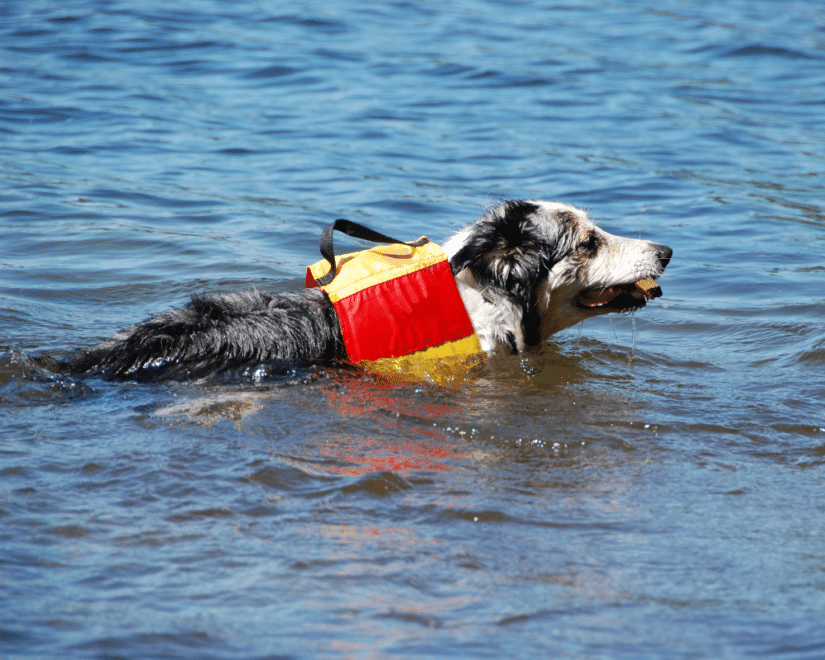
  1. Is your dog a natural swimmer? While Mother Nature made retrievers with webbing in between their toes and rudder-like tails that help them to swim, not all dogs are the canine equivalent of Michael Phelps. Flat-faced breeds like pugs have trouble keeping their snout above water and maintaining airflow.  Only arctic breeds are suited for cold temperatures so if the water doesn’t feel comfortable to your skin, your pet shouldn’t be swimming in it either. Start them off young if you want them to learn to doggie paddle and invest in a life vest to provide buoyancy. 
  2. Teach them how to swim and know when they are tired. If you have a shallow pool, access to a lake, or beachfront, make sure you enter the water with your pet leashed and vested to provide support and encouragement. Swimming is physically demanding; let them tell you when they’ve had enough and never force them in the water if they hesitate. For timid pets, a treat or toy may entice them to take those first few steps in. Once they start to paddle with their front legs, you can gently live their hind end to show them what it feels like to float. You can also throw a ball a few feet in front of them to encourage forward movement.   
  3. Bring fresh drinking water for your pet. If you are spending time in the ocean, remember to bring fresh, cool drinking water for them after a swimming session. If they swallow salt water, you can bet an upset stomach will soon follow. It’s also a good idea to identify a freshwater source to rinse them off after swimming. Pool chemicals and debris in natural bodies of water can cause skin irritation if not washed away.  
  4. Watch out for your curious pets. Walking the shoreline is a favorite human and canine activity. You can bet your curious pooch will stick his nose in every stinky pile of seaweed or roll in marine life that has washed ashore. It’s best to keep them on a leash to monitor them as they investigate; ingesting dead fish, sniffing a jellyfish, or stepping on sharp sticks or shells can be dangerous. Watch for red tide or algal bloom warnings as well as rough seas. Both can cause canine fatalities. Some beaches have areas restricted only to human use. Be mindful of any posted warnings and restrictions. 
  5. Keep pets on boats safe with life vests. If you are boating with your pup, you should always keep their life vest on in case of an accident. Even the most athletic dog is no match for strong currents and rip tides. If your dog is your co-captain, keep all boating and fishing paraphernalia out of reach. Ropes, lures, and lines can all be hazardous to pets should they become entangled or snared.  
  6. Back yard pool safety: While backyard swimming is more predictable, having a pool on your property can still pose safety concerns. Keep your pool covered or fenced to prohibit wandering pets and people from accidental drowning. Teach your pet how to use a ramp or the stairs should they need to exit the water. And never leave even the most practiced swimmer unattended.  
  7. Check your pet when you’re done. After that final rinse, use cotton balls to absorb any moisture in your dog’s ears. The combination of water and heat makes an optimal breeding ground for bacteria and yeast which can lead to a nasty ear infection. Check footpads and skin for any abrasions or debris that may have become embedded. And replace preventative tick collars which shouldn’t be worn in the water to maintain efficacy. It’s also a good idea to remove damp collars with ID once you are safely indoors. Let them dry out before putting them back on your pet to wear.  

At Pet Butler, we understand what it means to want to provide the best possible care to you and your pets. That is why when you hire Pet Butler, we remove all your pet’s waste from your yard – guaranteed. Learn more about the services we offer here!   

Myths On Vitamins and Supplements for Your Pets

Pet Health Articles

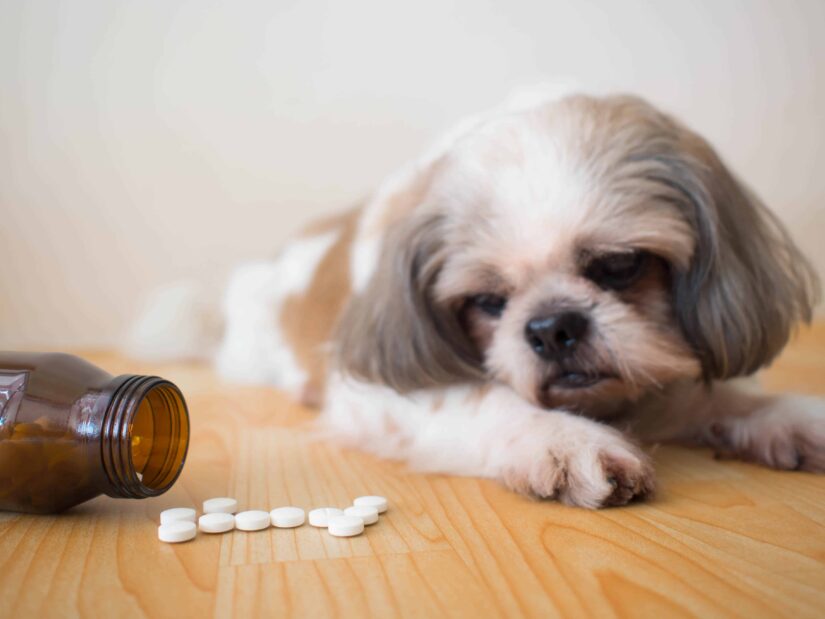
A white and tan Shih Tzu lying on a wooden floor next to a tipped-over medicine bottle with white pills scattered beside it

Health supplements and similar wellness products have greatly increased in both acceptance and usage. Preventative medicine has become so culturally pervasive that even our canine friends are affected. Many owners have begun using pet vitamins to boost their furball’s fitness. Among other trends, glucosamine and CBD chews have become household names for treating dog health problems (glucosamine for joint mobility, CBD for anxiety relief). But are these solutions safe and helpful for dogs? Unsurprisingly, it depends. 

  • The first thing to know before giving your dog any kind of booster is that these products aren’t FDA approved. Unlike most human supplements, there is no governmental agency that regulates pet-related vitamins. While the National Animal Supplement Council (NASC), ASPCA, and other organizations do conduct research on some of these products, uncertified supplements remain on the market. Like any misused drug, they can be very dangerous. Also, misconceptions relating to “organic” and “natural” solutions have caused problems in the past. Businesses have used these terms in a way to convince buyers about the safety of certain medicines, mainly that something “organic” means that it’s risk-free. Don’t fall for that trap. Be sure to use only the highest quality brands, and always double-check with your veterinarian before feeding them to your pet. 
  • Second, don’t give your dog vitamins unless it’s necessary! While businesses insist that supplements offer preventative benefits, there’s no strong scientific evidence behind these claims. There have also been instances where dogs react adversely to certain vitamins. If your dog is healthy and on a regular diet, especially one approved by your veterinarian, there is no reason to add more chemicals to the mix. If you’re concerned about your dog’s vitamin/mineral intake, consider moving to a premium pet food delivery service. They do a great job establishing a consistent routine with wholesome, nutritional diets. On the other hand, homemade and vegan diets can be detrimental to your pet’s health. Heavily consider switching from these diets and only use correctional supplements as a last resort. 
  • Third, choose the correct product and amount for your pet. Many owners don’t realize that their dog’s dietary needs change based on age. Puppies, adults, and senior dogs will all require different kinds of add-ons. For example, younger pups tend to need extra vitamin A, which relates to fetal development and organ function, while older dogs need extra vitamin B to improve brain function, energy levels, and cell metabolism. Also, obviously, only feed dog vitamins to dogs and cat vitamins to cats. In very specific cases, it’s possible that a supplement can help both species, but this is rare. This logic is also true for human supplements: don’t give your Flintstones Gummies (or any other multivitamin) to your pet; it can make them very sick. Once you have the correct supplement, be sure to use them according to your veterinarian’s prescriptions. More importantly, do not give your pet more than the prescribed amount. There’s a common misconception that increasing vitamin intake will yield healthier results that are not accurate. Instead, they’d have digestive problems or other negative symptoms. 
Various pet supplements and medications arranged on a light surface


What Are Some Suggested Vitamin Supplements? 

Stick to the following suggestions when choosing a vitamin supplement, or talk to your veterinarian about different booster options: 

  1. PetHonesty 10-For-1 Multivitamin is free of grain, corn, soy, artificial flavorings, and preservatives. It comes in a few different flavors and supports the skin, coat, joints, heart, digestion, and immune responses for dogs. 
  2. Nusentia Probiotic Miracle contains six probiotic strains and helps dogs suffering from diarrhea, upset stomach, constipation, yeast overgrowth, bad breath, and itching and scratching. 
  3. Revival Animal Health Oxy Mate Prenatal Vitamin has fortifying nutrients for both pregnant dogs and cat. The iron, folic acid, and zinc are particularly helpful for developing embryos. 
  4. NaturVet VitaPet Puppy Daily Vitamins has all the ingredients required for growing pups, including several amino and fatty acids. As a plus, it acts as a breath freshener! 
  5. VetriScience Laboratories Canine Plus Senior Multivitamin supports heart, liver, brain, and eye functions – all of which are particularly vulnerable for elderly pets. 
  6. PetNC Natural Care Hip and Joint Soft Chews eases aches and pains from the hip and joint complications with glucosamine, chondroitin, and methylsulfonylmethane (MSM). 
  7. Ocu-GLO Vision Supplement is for dogs that have age or illness-related eye problems. It is board certified and offers lutein for increased eye support. 


At Pet Butler, we understand what it means to want to provide the best possible care to your clients. That is why when you hire Pet Butler, we remove all your pet’s waste from your yard everything – guaranteed. Learn more about the services we offer here! 

What Is The Right Shampoo For Your Pet?

Pet Safety Articles

Shampoo Dog

Oftentimes, it’s difficult for dog owners to know which products are best for their furry friends. This problem is particularly true when it comes to grooming and maintenance essentials. Ads for new shampoos, conditioners, and suggestions about how to take care of our pets are found with every click of the mouse. Luckily, by highlighting current cleaning options and reviewing common grooming pitfalls, we can make better, healthier decisions on behalf of our pooches.

To start, we are asking frequent pet parent questions. “What are the best dog shampoos on the market, and what makes them so beneficial?” These questions are a little tricky because there are a lot of great dog shampoos. So, it comes down to each dog and owners’ preferences as well as consideration of your pet’s skin health. Some owners might want to spend big bucks on luxury options with custom scents, whereas other owners are only looking for a simple but effective cleaning option. Regardless, there are a few basic rules to follow when choosing a dog shampoo.

  1. Choose a product that works best with your pet’s skin condition. There are plenty of categories to pick from. Shampoos can be oatmeal-based, degreasing, dandruff reducing, hypoallergenic, organically produced, and age-specific (i.e. for puppies). Expensive shampoos can even have enhanced aromatics or odorless smells. If you don’t know how to assess your pet’s skin, have a talk with a professional groomer and your veterinarian. Certain pets may benefit from prescription-only shampoos to treat conditions such as bacterial infection (pyoderma), flea allergy dermatitis, or an overgrowth of yeast.
  2. Beware of paraben and dye. Any shampoos with these contents are unsafe for your pet – they frequently cause skin inflammation and hair loss. Not only should you avoid these ingredients but stick with a pet-specific shampoo. Though this is your fur “baby” you are shopping for, you don’t share the same skin pH; human shampoos can be drying and cause irritation.
  3. Match the shampoo to the appropriate conditioner. It’s very important to use not only the right product but the right amount of product during bath time. If a shampoo is a 2-in-1, for example, using additional substances can result in a greasy and uncomfortable coat. In general, if your pet has a greasy coat, use little or no conditioner. Conversely, for dogs with dry coats, pair shampoo with a crème rinse conditioner.

Over-the-counter products commonly recommended by

Veterinarians and groomers

  • Earthbath’s Natural Pet Shampoo: For dogs with normal coats and no dermatologic issues – no knots, not greasy or dry, no fleas/ticks- consider choosing Earthbath’s Natural Pet Shampoo. Gentle on canine skin, packed with vitamins, and made with moisturizing oatmeal and aloe vera, this shampoo helps counter common issues such as dryness, flaky skin, and removes environmental allergens from the haircoat. Fresh ‘n Clean Scented Dog Shampoo is a great choice for dogs that have problems with mats and tangles.
  • Fresh ‘n Clean Scented Dog Shampoo: Mats are a very common and frustrating grooming problem. When bathing, water causes the mats to tighten and brings them closer to a dog’s skin. The result is a very uncomfortable, potentially dangerous coat. Fresh ‘n Clean Scented Dog Shampoo contains anti-static agents that stop matting and it also has a long-lasting, popular scent – a scent that can be refreshed by the wipe of a damp towel. As a bonus, it is also the cheapest of all these shampoos!
  • Furminator deShedding Ultra Premium Shampoo: Works well for owners who struggle with heavy shedding. Infused with omega-3 and -6 fatty acids, calendula extract, and papaya leaf, this shampoo promotes a healthy coat, which prevents excess shedding.
  • Burt’s Bees Dog Shampoo for Puppies: Effectively cleans and protects the smallest of fur babies. A 4 in 1 calming shampoo, this pH-balanced buttermilk, and linseed oil formula is extra gentle on dog skin; the result is reduced irritation and itch relief. Puppies are notorious for the trouble they find; knocking over houseplants, digging in the yard, and having potty accidents leading to frequent baths. A gentle shampoo is essential since you’ll be reaching for it often!

While fleas and ticks are best treated with medications prescribed by your veterinarian, some over-the-counter shampoos contain ingredients that help kill hitchhiking pests on contact. Because these products aren’t safe for all pets and fleas and ticks require a multi-pronged approach to eliminate them from the household, check with your vet before application.

No matter which shampoo you try, the most important takeaway is to monitor your pet’s skin after bathing. Redness, hair loss, bumps, and scale are all signs of a potentially bad reaction to a product. If any of these symptoms occur, do not panic and do not bathe your dog – it can dry out the skin and cause further complications. Check with your veterinarian for appropriate pharmaceutical shampoos or remedies; luckily, there are many ways to address skin-related issues.


At Pet Butler, we understand what it means to want to provide the best possible care to your clients. That is why when you hire Pet Butler, we remove all your pet’s waste from your yard everything – guaranteed. Learn more about the services we offer here!

Chosen Dog Subscription Boxes By Dr. Lisa

Dog Activities Articles

Pet Dog Subscription Boxes By Dr Lisa

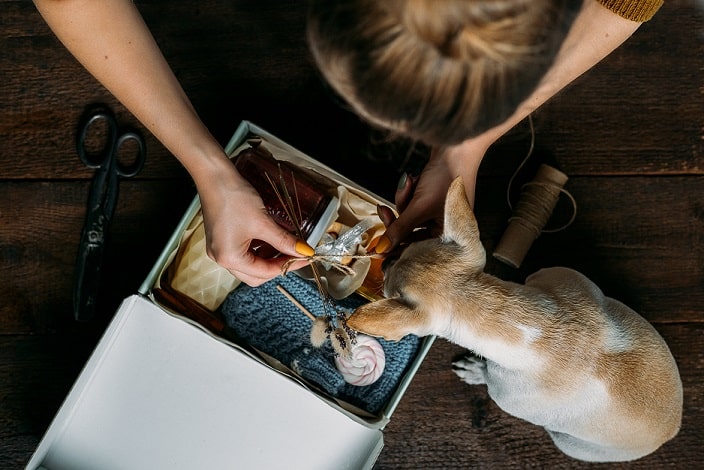
One of the more popular new trends among dog owners is purchasing “subscription boxes” for their pets. These subscription boxes have been seen in other industries like cosmetics, self-care, and fashion. Dog subscription boxes include items like toys, treats, chews, grooming supplies, and other pooch-related gear. While most of the popular subscription brands are high quality, it can be hard to know which services provide the best products for the best value. Dr. Lisa, our in-house clinical consultant, is helping you by taking a closer at leading subscription boxes to help you figure out which box is right for you and your dog. 

  1. BarkBox: The gold standard of pet subscription boxes comes from BarkBox. Its colorful themed bundles are each filled with 2 innovative toys, 2 all-natural bags of treats, and a chew. These packages are custom-made to fit your dogs’ size and dietary restrictions to ensure safe and happy playtime. Beyond its bright packaging and fun toy designs, BarkBox has also created the most cost-efficient subscription box. For a 12-month subscription, each gift box will cost just $23. Highly rated by places such as USA Today, Cosmopolitan, and Good Morning America, this should be your go-to option.
  2. Bark Super Chewer or Bullymake: If your pet is more sizeable or rougher on his/her toys, Dr. Lisa recommends looking at either Bark Super Chewer (a BarkBox spinoff) or Bullymake, a company devoted to making longer-lasting toys. Bark Super Chewer includes 2 tough toys, 2 bags of treats, and 2 chews at $45 for 1 month or as low as $30 for 12 months. Bullymake includes 2-3 tough toys and 3 bags of treats OR 4-5 tough toys only. It costs as much as $39 for 1 month and as low as $31 for 12 months.
  3. PupBox: This subscription is geared for puppies. Puppies are another type of dog that requires specially designed toys. As they grow, their behaviors and physicals will change – certain toys will be more appropriate at certain ages. With 5-7 items per box including training guides, treats, chews, and accessories, this subscription service tracks your pup’s age and size to constantly provide appropriate supplies. A 1-month subscription costs $39 and a 12-month subscription costs $29. It probably makes more sense to order around a 6-month subscription, as most puppies experience the largest development in that time period.
  4. Pupjoy: Yet another well-rated pet subscription box, Pupjoy has the best one-time price out of any of these products. At a flat rate of $30 per bundle, this choice is best for pet owners who are skeptical of subscription boxes or for people looking to give a cheaper pet-related gift. Additionally, shoppers who love their purchases can join the VIP (very important pup) club! With reduced prices, a rewards program, and a friend referral system, Pupjoy continues to sweeten the deal and lower fees. 


All of these pet subscription boxes follow a few trends: they offer toys, treats, and accessories, they are more cost-effective with longer subscriptions, they have high customer satisfaction, they have been vetted by established organizations, and they offer dietary and size customizations. These facts and features all point to the fact that subscription boxes are the best and most innovative method of shopping for your pets… by letting a professional do it for you! Most importantly, pet subscription boxes are a fun new way to stay in touch with your dog. At the end of the day, that’s what they are all about – to remind us that we have an obligation to be responsible owners and to make our pets happy. Giving them toys and treats are great starting points for building a strong, continuous, and loving bond. 


At Pet Butler, we understand what it means to want to provide the best possible care to your clients. That is why we have Dr. Lisa, our in-house clinical vet, to help us give you the best and right information for your pet. Also, when you hire Pet Butler, we remove all your pet’s waste from your yard everything – guaranteed. Learn more about the services we offer today!  

Tips For Pet Sitting A Dog With Depression

Dog Behavior Articles

Pet Depressions Image

As pet sitters, you’ve got the unique experience of caring for a multitude of pets. You get a snapshot view of their environment and habits when their parents aren’t around.  However, what happens when that behavior is depression? That is why Pet Butler has the tips you need to pet sitting animals with pet depression.   

What are the signs the pet could be depressed?   

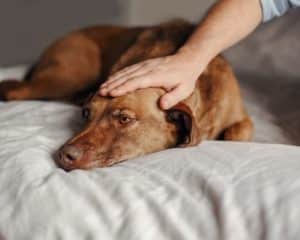
One of the more common issues pet sitters might encounter is a pet who is seemingly depressed. Any time a pet’s environment changes, whether it’s the loss of another canine companion or the departure of their loved ones for a weeklong vacation, a pet may become sad. Often, their distress begins to develop when departure cues are commenced such as the emergence of luggage or the sound of the garage door opening. By the time a pet sitter arrives, a pet may be pacing, hiding, disinterested in normal activities such as a walk or game of fetch. Changes in appetite may also indicate a pet is depressed. Many sad and anxious animals will refuse food or treats and lose weight or have signs of gastrointestinal distress such as vomiting or diarrhea. Other pets who are depressed compulsively lick a body part or seem to search for their family members in the house, exhibiting restlessness. Changes in sleep patterns may also indicate a pet is depressed; when they feel like a grey cloud has descended, they often stay bed-bound and want to sleep the day away like their human counterparts.  

How can I prepare for a pet with depression?   

Whenever you are taking on a new pet sitting client, try to get as much medical and behavioral history as possible. Are they on any medication? Who should you call if the pet hasn’t eaten in two days? Do you have permission to take the pet to their veterinarian if you are concerned about their health and well-being? If so, do you have the pet’s vaccination history, a credit card to pay for services, and written authorization from the owner? It is best to maintain their routine as much as possible. Do you know their regular schedule for walks, nap time, and playtime? Can you spend time with the pet on several occasions before you are tasked with their care? Get to know what is “normal” for that pet so you can better spot any unusual behaviors and develop trust.  

While it may seem like an enthusiastic greeting and drawn-out departure would invigorate a depressed pet, the opposite is true. When you enter any pet’s home, you can let them outside to eliminate but wait until they are calm to give them attention and affection. As pet sitters, we want to encourage “good dog” behavior. By turning our arrivals and departures into ho-hum, ordinary events, pets are less likely to feel depressed when we leave. When you leave the home, alter the sequence of your exit cues. At one visit, wash the dog bowls when you arrive, at another do it just before you leave. Try using a different door when you leave the home. If it is your habit to hang up leashes or harnesses, leave them on the counter until the next visit. Pets’ depression grows as each familiar sign of your imminent departure occurs.  

What can I do to help my pet client perk up?  

If you are sitting a pet you know is prone to depression or anxiety, carry along some tasty treats such as freeze-dried liver bits or rotisserie chicken. Sometimes mixing a little chicken broth into their normal kibble will get an appetite back on track. Physical activity is a great remedy for situational depression and loneliness. Can you add in an additional jog around the block or game of fetch? Do they have a canine buddy they can tumble with to keep them socially engaged? For senior pets, perhaps you can spend some time snuggling on the couch, watching a movie, or brushing their fur till it shines. A new toy such as a food puzzle may be a good distraction if you need to leave them for a longer stretch of time. Many animals are comforted by the familiar smell of their human’s tee-shirt or towel placed where they sleep. Ask owners to leave one for their pooch.Pet wellness

At Pet Butler, we understand what it means to want to provide the best possible care to your clients. That is why when you hire Pet Butler, we remove all your pet’s waste from your yard everything – guaranteed. Learn more about the services we offer here!   

What Causes Pet Depression?

Dog Behavior Articles

Pet Depression - Image

We know that our canine companions are sensitive, intuitive creatures. They pick up on their owners’ emotional states, changes in routines, and their environment. It’s no wonder they are capable of experiencing a wide range of emotions and moods including depression. That’s why Pet Butler wants to help you identify the situations that are causing your pet’s depression.  
 

What are common triggers of pet depression? 

Changes to a dog’s environment are one of the most common causes of pet depression. Dogs are dependent on us and their familiar home base for comfort and stability. Something as simple as an environment change can cause a chain reaction. Changes like moving, going through a divorce, or returning to work can be unsettling to your pet. 

One of the more common situations is the loss of another animal or family member. The absence of another companion can lead to signs of depression. Animals experience feelings of grief and loss though we don’t know exactly how they process the concept of death. Your pet can often sense a companion’s illness/death and respond by exhibiting behavioral changes consistent with pet depression. For pack animals such as dogs, it’s no surprise the loss of a bonded companion leads to sadness. Because dogs are so attuned to our moods, they may also respond to the physical manifestations of human grief such as crying, detachment, and lethargy.  

Pet depression can be exhibited because of a simple shift of schedule causing their owner to not be home as often. Changes in routine brought upon by increased work demands can cause anxiety, stress, and boredom which lead to signs of pet depression. Dogs are creatures of habit and a change in their daily activities can be unnerving. They gain confidence and reap the physical and mental benefits of having a “job” and regular exercise. When those neurons and muscle fibers aren’t firing, hormones such as oxytocin, dopamine, and endorphins aren’t released, and signs of pet depression may be observed.  

 Pet Depression - Image

What if it isn’t pet depression? 

Dogs can’t tell us when they are physically ill or in pain but changes in behavior offer clues. Some dogs that aren’t feeling well physically may show signs of pet depression. Endocrine disorders like hypothyroidism cause dogs to become sluggish and mopey. Neurological diseases such as seizure disorders or tumors affecting the central nervous system may cause mood changes. Anytime your pet exhibits a shift in their behavior that isn’t easily explicable, always rule out a medical problem by visiting the veterinarian. By determining the root cause of your dog’s depression, you can make changes to improve their mental health and well-being.     


At Pet Butler, we want to help you give your pet the best care possible. That’s why we offer pet waste removal services so you can care for them why we do the dirty work. Sign up with your local Pet Butler today at Petbutler.com.  

Find a Pet Butler 800-Pet-Butler