Preparing to Leave Your Pet With a Sitter

Dog Behavior Articles

Small dog sitting on a welcome mat.

Spending time away from home is meant to be exciting and enjoyable, but the preparation leading up to a getaway can be overwhelming, especially for pet owners. Even if you have a professional, vetted pet-sitter, planning is key.
Here is a planning guide designed to keep your pet comfortable and safe and give you peace of mind while you are away.

Leave the right supplies

Everyday Items
Leave appropriate supplies such as collars and leashes, cat litter or waste bags, and crates and carriers. Make sure you provide extra food and water, medications, cleaning equipment, and a first aid kit in case of accidents or emergencies.

Comfort Items
Set out your pet’s favorite toys, treats, blankets, and other treasured gear. They will help your pet feel more comfortable while you are away; a warm environment promotes regular behavior and safer experiences.

If your pet has a particularly difficult time when you are away, you can place a previously worn article of clothing in your pet’s sleeping space. The familiar aroma is said to generate calming effects and decrease separation anxiety.

Create an instruction sheet

The more intensive the routine or the more animals you have, the more information your sitter will need. Be sure to include these details in the instructions for your pet’s care:

  • Food – portion sizes, feeding times, allergies
  • Exercise – how much and how often they should walk or play
  • Bathroom habits – where your pet likes to go, how often they eliminate, and what to do with their waste
  • Sleeping behaviors – where they should be resting and for how long
  • Off limit areas – indoor and outdoor areas that are off limits for your pet
  • Medical instructions – if your pet requires healthcare treatments
  • Personality profile – identifying both “good” and “bad” personality traits to help your sitter connect to your pet more quickly and give them an idea of what habits to monitor. It’s important to be honest when developing these personality profiles.
  • Contact information for the veterinarian. You may also consider signing an emergency veterinary release form with your pet sitter which outlines what type of veterinary care your pet can receive if you can’t be reached and denotes a spending cap for such situations.
  • Blog Cta Graphic (1)

Prepare your home for your sitter

Not only will your sitter be taking care of your pet, but they’ll also likely be keeping an eye on your home. To prepare for a sitter to visit your home, you will want to consider:

Access to Your Home
Make sure to supply the sitter with multiple forms of entry to the house, namely a spare key and the garage code. If you have a security system, ensure the sitter has the code and understands how to use the system.

Overnight Stays
If your sitter is staying nights, more preparation is needed. Show them where to sleep and provide supplies. Leave instructions that explain how to work the WiFi, HVAC systems, and other relevant technologies. Be sure to share the location of your home’s circuit-breaker and water turn-off in case of an emergency.

Additional Tasks
Explain any additional activities you might ask of them. Sitters can help with anything from handling the mail, taking out the trash, or poop-scooping the yard. Keep in mind that more tasks usually entail more payment.

Local Contacts
List any people the sitter might encounter during the stay: neighbors, landlords, or visitors like pool cleaners and gardeners. Their contact information should be available as well.

Communication Expectations
Make sure to provide details about your trip and where you can be contacted, and how often you wish to receive communication. Most owners appreciate receiving texts or photos about their pet – talk about those expectations ahead of time.

Food
Consider buying meals or snacks for the sitter as an extra thank you, or at the very least discuss which food is fair game in the pantry or fridge.

With these suggestions, and consistent communication with your sitter before you leave, you should be all set! Safe travels!

At Pet Butler, we want you and your pet to live your best and healthiest lives, which is why we offer pet waste removal and other services year-round. With 1 gram of dog poop containing 23 million fecal bacteria, scooping your pet’s poop regularly is crucial to your family’s health. We offer weekly, bi-weekly, monthly and one-time clean-up services to work with your schedule and needs.

Understanding Dog Lymphoma and How To Look For Canine Lymphoma Signs

Pet Health Articles

Dog Lymphoma

At 5 years old we had to say goodbye to our beautiful Golden Retriever, Maddie.  Just short of one month of displaying signs of canine lymphoma, she passed at home with some degree of struggle and surrounded by much sadness.  At the time, I was 17 years old and didn’t possess the medical knowledge I do now.  I also wasn’t aware that a gentle passing assisted by a veterinarian would have made the process slightly easier to bear.

Though the veterinary community and pet owners are more educated about the disease process, symptoms, and treatment options available, lymphoma in dogs is still prevalent. According to Purdue University College Of Veterinary Medicine, lymphoma  accounts for 7-14% of all cancers found in dogs and resembles non-Hodgkin’s lymphoma in humans.

What Is Lymphoma?

Canine lymphoma is marked by enlarged lymph nodes or lymphatic tissue, often appearing as “golf balls” under a middle aged to senior dog’s neck. While multicentric lymphoma (which is confined to the lymph nodes) accounts for 84% of all lymphomas in canines, it can also have its primary source in the gastrointestinal tract or organs such as the eyes, skin, and chest.

Ultimately, many of the body’s systems are invaded as the cancer spreads to places like the spleen, liver, and bone marrow.   Cancer is caused by a mutation and aggressive replication of B or T lymphocytes which normally act as part of the body’s immune system brigade, destroying abnormal cells or recognizing foreign invaders such as bacteria. (3)

While environmental triggers such as exposure to secondhand cigarette smoke, viruses, or the sun’s rays account for some types of cell mutations, a genetic component has been found which predisposes some breeds to lymphoma. According to the National Canine Cancer Foundation and Broad Institute breeds over-represented with this disease include: Boxers, Bull Mastiffs, Basset Hounds, Saint Bernards, Scottish Terriers, Airedales, Bulldogs, Cocker Spaniels, Golden Retrievers and Irish Wolfhounds. Using genetic information to manipulate the progression and development of disease is at the forefront of much cancer research.

What Should You be Looking For Canine Lymphoma?

The symptoms of canine lymphoma, otherwise known as lymphosarcoma are:

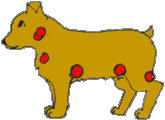
  • Visibly enlarged lymph nodes in the neck, chest, or back legs
  • Trouble swallowing, coughing, or sputtering when eating and drinking
  • Difficulty breathing and increased panting
  • Diarrhea with gastrointestinal lymphoma
  • Losing appetite and energy
  • Skin lesions that look like open sores or lumps

Many times, pets are still energetic and have a good appetite despite the enlarged lymph nodes or lesions.

Lymphoma signs in dogs

The spots indicate the location of peripheral lymph nodes in dogs. Illustration by Dr. Wendy Brooks.

How Is Lymphoma Diagnosed?

A trained veterinarian will take a biopsy of the affected area and examine it closely under a microscope. A special staining of the sample may be performed to determine which type of malignancy your pet has developed. Other tests of the blood, urine, bone marrow, as well as imaging and sampling the internal organs with an ultrasound will help to determine how widespread the disease is.  This is known as staging the cancer and gives veterinary oncologists an opportunity to better treat the disease and refine the prognosis.

How Can We Treat Lymphoma?

Dogs with multicentric lymphoma who do not undergo treatment typically survive only a few months.  Treatment options and response to treatment depend on the type of lymphoma (B cell, T cell, small cell, low grade), stage of cancer, whether your pet is currently acting ill, whether they have received previous treatment for the disease, other concurrent illnesses, calcium levels at the time of diagnosis, and financial limitations.  Most protocols involve giving a combination of chemotherapy drugs over several months. In general, dogs receiving treatment do not suffer the same effects as people such as nausea and hair loss.

The goal of treatment is to achieve remission, or at least regression. Remission is represented by a return of the lymph nodes to normal size and resolution of any signs related to the disease. 65-70% of dogs who receive some type of treatment protocol can expect to see a first remission.  How long the remission period lasts varies on the type of treatment the dog receives.

The median survival time for B cell lymphomas is one year when receiving the most standard combination of chemotherapeutics. 25% of patients can expect a good quality of life for two years! More recently, a vaccine used to target and kill malignant cells has received conditional FDA approval adding to the toolkit to treat lymphoma.

As new treatment options become readily available and clinical trials at veterinary teaching hospitals are completed, we can hope to see a day when dogs with lymphoma stand a better chance at a cure.

Symptoms of Dehydration in Dogs and Safe Ways to Re-Hydrate

Pet Safety Articles

dog dehydration

Pets are especially prone to dehydration and hyperthermia as they are not designed to efficiently regulate body temperature. They cool themselves by conduction, or transfer of heat, by lying on a cool floor. Sweat glands in the paws and panting help to carry away body heat and fur helps to provide insulation. On hot and cold days, they can become dehydrated quickly and need more than the requisite cup of water per 10 pounds of body weight, or ounce per pound.

Pets can also become dehydrated by losing fluid if they are experiencing gastrointestinal symptoms of vomiting and diarrhea or have a high fever. Excessive urination due to kidney disease or diabetes can also deplete the body’s water stores.

Vigorous exercise and lack of access to clean water will obviously lead to dehydration. For a healthy pet in comfortable environment, it’s safe to remove access to the water bowl an hour or two before bedtime to prevent nighttime accidents, but replenish the dish in the morning.

Symptoms of Dehydration

The symptoms of dehydration vary depending on the degree of water loss. You may first notice excessive panting or drooling in your pet with a 3-5% loss of fluid. They will attempt to find shade or an air conditioning vent. Lethargy and loss of appetite is common. As dehydration progresses, their noses and mouths become dry, eyes appear sunken, and skin loses its “spring”.

At 10-15% fluid loss:

  • signs of shock such as shivering
  • listlessness
  • rapid heart rate
  • weak pulse
  • bright red gums
  • appear unconsciousness. If not immediately treated by your veterinarian with gradual cooling and intravenous fluids, your dog can die.

Re-hydrating Your Dog

In the early stages on dehydration, it’s important to eliminate the cause, be it treating the diarrhea or getting your dog out of the sun. Provide access to fresh, cool water in small, frequent amounts or offer ice cubes.

Dogs that guzzle water are at risk for vomiting all they consumed and losing more fluid. Electrolytes are lost in body secretions, and with the permission of your veterinarian, a small amount of bone broth, Pedialyte or other electrolyte replacement solution can be added to water to slowly rehydrate your dog if they are not vomiting.

Perform a Dehydration Test

To perform a dehydration test on your pet, consider two options:

Test skin elasticity. The skin elasticity test measures the amount of spring in your dog’s skin. Pinch the skin to make a tent between the shoulder blades or along the ribcage, release your grip on the “skin tent”, and watch for the skin to return to the dog’s body wall. In a well-hydrated animal, the skin returns to its normal position almost immediately.

Test your dog when they are healthy as each dog’s skin elasticity varies. It can be especially difficult to judge how long skin stays tented in wrinkly breeds like the shar pei or bulldog, older pets, or those with long hair. In which case we move on to the second way to check for dehydration in pets.

Check gums. Normal, healthy dogs have moist mouths and no excessive panting. Their gums are pink (again, check on your healthy pet to determine their personal normal. Heavily pigmented dogs like chows or mastiffs may be more difficult to assess). When the pink gum tissue has pressure applied via a fingertip, the mucous membrane blanches to near white.

When the pressure is removed, a normal pink color should return in less than 3 seconds. This is known as the capillary refill time. If gums are red or white upon visual inspection without pressure, call your vet. Animals that have a delayed capillary refill time may be dehydrated and need prompt intervention too.


Kids and Pet Safety: Teaching Kids How To Interact With Pets

Pet Safety Articles

kids and pet safety

Did you know that 68% of U.S. households have a pet and 89.7 million dogs live in these pet-loving homes? You don’t have to be a mathematician to understand that is a LOT of dogs!

Children up to age 18 live alongside these pets in many homes and what’s better than watching a child beam holding a newly adopted puppy or kitten? Kids and pet safety is important including a child safely holding their new best friend and learning the basics of how to interact and train the pet so that all family members can reap the benefits of pet ownership.

It’s been shown that kids develop much needed social skills with pet ownership including empathy, responsibility and patience. Because pets are a source of unconditional love, the affection, physical contact, and non-verbal communication between a child and pet can contribute to increased self-esteem.

Kids and Pet Safety Tips

Anyone who has owned a puppy knows that they explore their world, just as children do, and a critical window of development exists between the ages of 4 and 14 weeks. Most puppies are weaned from their moms and introduced to their forever home around 8 weeks of age. You have just a few short months to show your puppy that humans including children are safe, loving, and lots of fun to be around!

Even older dogs can bond with children in the home if they are approached and interacted with carefully and positively. The best people to teach small people how to interact with pets are big people. It’s possible and even likely that your two and four legged beasts can live harmoniously with kids and pet safety practices.

Children Under Four Years Old

Young children under 4 years of age don’t have social maturity, impulse control, and can be erratic in movement and behavior. The best advice for living with pets and preschoolers is to supervise every interaction. Give your pet a safe zone in which to retreat if a child’s hurried movements become overwhelming.

Introductions can be in a controlled, quiet environment while the pet is leashed. Model kindness and gentle, slow movements around pets who appreciate being “asked”  if they can be stroked or picked up.

Like children, dogs appreciate predictability and structure. Even young puppies can be reliably taught to sit for a treat or other reward before being offered an outstretched hand to sniff; never reach over the head of the animal or hug a pet, both gestures can be perceived as threatening and lead to a bite.

Elementary School Age

Children can bear some of the responsibility of pet ownership once they have reached elementary school age. Teaching a child how to feed, groom and walk a dog helps establish the social hierarchy within the household.

We live by the adage “nothing in life is free” and children should give the pet a reward such as food, a toy, or attention if the dog sits and stays at their command. Pets can also be taught fun tricks like rolling over or playing dead.

Children should know that some items can be sacred to a pet. A dog may not take kindly to having their food dish taken or a favorite bone grabbed away. An adult should check to see if a dog has problems with food or territorial aggression before allowing the child to feed the pet. If a high-value item prompts an aggressive response in your dog when it is touched, get rid of it.

Startling a sleeping dog can also provoke a negative behavior; teach children to respect the pet’s space, don’t let your pet sleep on the bed, and let them be if they are asleep.

Best Dog Breeds For Kids

Is it possible to predict if a pet will be kid-friendly? In general, confident, not shy, dogs and puppies are best suited to homes with children. Loud noises startle some dogs more easily than others; those that are non-reactive to quick movements and the sound of a baby crying or a child’s high-pitched squeals adapt more easily to the hustle and bustle that accompanies large families.

Certain breeds are touted as being more family-friendly due to their physical sturdiness, patience, trainability, and love of attention. Retrievers, Boxers, lively Boston Terriers and Cavalier King Charles Spaniels are dog breeds that make excellent family pets.

Does the dog chase a fast-moving child? Growl when he’s approached while eating or lying on the bed? Pets can be desensitized to such actions but if given the choice, don’t set yourself up to fail. Older, arthritic pets may not be the best choice for families with young kids, nor dogs that did not grow up around children.

Puppies with few negative human experiences may be more amenable to positive training and reinforcement around behaviors typical of children. Give your puppy plenty of love, attention, or a food reward if they are calm and well-behaved around kids. Keep these kids and pet safety tips in mind. Pups soon learn to associate children with all the best things in life!

How to Transition Your Pet Food Gradually

Pet Health Articles

pet food

Back in 1999 when I graduated veterinary school, there was just one semester course that covered the basics of animal nutrition from chicken to goat to horse to dog. Over the last several decades, the way pet professionals and owners have come to think about nutrition has vastly changed.

Boutique pet foods are all the rage as we look into healthy pet food diets: grain-free, non-GMO containing, and organic. And, the question, “what food should I buy my dog?” can be confusing if you’re looking for the best and healthy dog food to feed your furry friend.

What we do know is that pets’ nutritional needs often vary throughout their lifetime based on age, stage, breed, activity level, and health conditions. New data on pet nutrition also includes macro and micro nutrient needs, composition, ingredient source and quality. It’s safe to assume that at some point during your pet’s life you will be changing dog food and perhaps multiple times over the course of years.

Switching Pet Food Gradually

When is the first time you will likely consider changing your pet’s food? Maybe it’s as soon as bringing them home from the breeder or rescue. It may be when your juvenile pet reaches physical maturity, for some small breeds closer to a year, for larger dogs around two years old. It’s important to evaluate your dog’s individual calorie and nutrient needs and choose a food based on their age, stage, and breed.

We know large breed puppies like the Great Pyrenees and Newfoundland require a specific balance of calcium and phosphorous in order to help prevent orthopedic diseases such as panosteitis and hip dysplasia. During the period of rapid growth from 3-6 months, switching to a proper food, if your pup had not previously been fed one specific to large breeds, is critical to minimizing the development of osteoarthritis and joint disease down the road.

Likewise, as pet’s age, their activity may decrease necessitating a transition to a less calorically dense diet or one that contains more high-quality protein to maintain muscle mass, and fatty acids such as EPA and DHA for their anti-inflammatory and dermatological effects.

Digestion in Dogs

Your dog may be growing appropriately and have firm, twice daily bowel movements. Until they don’t. Diagnostic tests performed by your veterinarian may uncover common diseases like intestinal parasitism, food allergy or intolerance, or exocrine pancreatic insufficiency, common among German Shepard Dogs that lead to poor digestion and absorption of nutrients. These dogs may be losing weight, have diarrhea, and appear to have poor coat quality.

Switching to a diet that has a new protein source such as venison or duck or changing to a diet low in fat that is highly digestible and adding in some digestive enzymes may be all that is needed to correct the problem. Any time a lifelong change in diet is expected, only do so after consulting your veterinarian.

Unless your pet is experiencing an adverse reaction to a pet food ingredient or gastrointestinal symptoms such as vomiting, diarrhea, or inappetence, switching dog food is best done gradually. Some dogs are particularly sensitive to any changes in their food composition, even within the same pet food brand.

Tips for Changing Dog Food

In general, I recommend exchanging a quarter of the dog’s original food with the new diet for 3-4 days, then increasing the new food: old food ratio to 50:50 for another 3-4 days and so on. Probiotics such as Fortiflora can help prevent any bacterial imbalance in the gut, perpetuating the diarrhea. Most successful dog food transition plans encompass a period of 10 days to 2 weeks.

Some pet owners prefer to alternate between 2-3 foods and rotate successfully between brands every few months. There are many delicious and nutritious diets to choose from and some dogs are able to switch between several pet food brands with no adverse effects.

Most pet owners have experienced the joy of waking to a rug soiled by a dog who ingested something in the yard, last night’s meatloaf from the garbage can, or whose new food didn’t sit quite right.

In that case, an abrupt switch to a low-fat, bland prescription or homemade diet made of chicken or boiled hamburger and rice or white pasta, scrambled eggs, or cottage cheese to get their stools back on track after a 24 hour fast is best. I recommend feeding a bland diet for 5-7 days, and then gradually mixing in their regular pet food over a period of two weeks.

Check in with your local veterinarian if you have any questions to ensure a healthy and successful pet food plan!

Making Friends: Socializing Your Dog With Humans and Other Dogs

Dog Behavior Articles

dog socialization

According to the ASPCA’s National Pet Rehoming survey conducted in 2015, 47% of the 3.3 million dogs surrendered to shelters are relinquished due to “pet problems”  including aggression, undesirable behaviors, and eventual adult size of the pet. So much is known about dog and puppy behavior, training, and optimizing adoption success of a new pet, there is much room for a decrease in these numbers.

Whether it’s a new puppy, an adult dog moving into a home with existing pets, or a senior dog with some behavioral “baggage” to unpack, some items to keep in mind to help socialize your dog with other dogs and humans include:

  • Preparation
  • Setting realistic expectations
  • Consistency
  • Obedience training
  • Confidence building in your pet
  • Seeking expert advice from a veterinarian
  • Getting a trainer to facilitate formation of the human-animal bond

It is imperative to start your relationship with your dog or puppy off on the right foot; that begins with proper socialization with humans and dogs from day one. While it is possible to correct previous socialization training “wrongs”  in an adult pet, the battle can be uphill, frustrating and often limited. Let’s talk about introducing a new puppy or dog into your home with the goal being a well-socialized, agreeable pet.

How to Socialize Your Dog

Understand personality traits. A new puppy is a veritable sponge, just waiting for you to impart knowledge and experiences which will shape future behavior. Dogs, like humans, have a natural tendency toward certain personality traits and selecting a breed or certain temperament of dog to match your lifestyle and expectations is critical. A naturally timid puppy will not do well in a home with young, unpredictable preschoolers, nor will a dominant dog thrive in an environment where other dogs are vying for the same spot on the social ladder.

Prepare the enviroment. Preparing your home for the introduction of a pup involves talking to your veterinarian to ensure proper puppy/breed selection prior to adoption, removing hazards, setting up a quiet retreat such as a covered crate, preventing unsupervised access to other pets and children, investigating puppy classes in your area that encourage socialization, and having a supply of delicious treats and toys on hand. It is ideal to bring any new puppy home around 8 weeks (after weaning) as the period for optimal socialization is about 3-12 weeks of age.

Classical conditioning method. Dogs deprived of human interaction during this time have reduced ability to adjust to new people, animals, and experiences. For psychology buffs, socialization is about classical conditioning: creating a positive association between two stimuli or events. Most puppies see play and food as a positive reward. Realistic interactions with not only the family members, but anyone the puppy may eventually encounter (crying babies, senior citizens with walkers) in a positive way should be immediately rewarded.

Generally, it’s too overwhelming for a new puppy to visit a pet superstore, teaming with too much of the wrong kind of stimulation. Just as important, educate young people interacting with the dog on how to gently play and pet and eliminate teasing or physical punishment.

Dog classes intended to promote socialization and positive interaction between other humans and pets are held in private training facilities, at veterinary clinics, and even at pet stores. Make sure all puppies are healthy and current on vaccinations and deworming prior to attending class.

Introducing Adult Dog in a new home. Introducing an adult dog to a new home, with or without existing pets, should be a gradual transition. By providing a separate, safe space for the new dog, he can become accustomed to routines, smells, and the social hierarchy which may exist among the original pets.

A neutral place, such as a mudroom or den as opposed to a desirable bedroom or kitchen location, is the preferred area to have dogs great each other while leashed and while feeding treats and giving praise. Dogs can also greet each other by sniffing under doorways or from across the room in individual crates if they show signs of agitation or body language indicates stress in closer proximity.

Allow the new dog supervised, gradual exploration of the home and yard. By reinforcing original pets’ social standing by feeding and attending to them first, less conflict arises. Petting dogs in each other’s company, when both are calm and “okay”, also reinforces the idea that good things happen when the other dog is present. Likewise, rewards should come when a new dog is introduced to other dogs on walks, children, or other social situations when behaving calmly.

Training. Training classes for adult dogs not only provide controlled exposure to new stimuli but can help teach you and your dog obedience commands which are necessary to control your dog and reassure them in confusing or scary situations. Though the critical window of socialization has closed for adult dogs, that doesn’t mean that they can’t learn to tolerate and even enjoy new interactions.

Dogs with known aggression issues can often live harmoniously with other dogs and humans. Vigilance and supervision, control, consistency, education, and awareness of body language and cues are keys to integrating a dog with behavioral problems into a home.

A veterinarian and trainer should be consulted when considering adopting or retaining such a dog in your home as they may pose a safety hazard to themselves and others. While some behavioral issues can be mitigated, a dog is still an animal and may respond in unpredictable or instinctual ways. Start smart and socialize responsibly!

Poisonous Plants to Dogs – Avoid Toxic Flowers in the Garden

Pet Safety Articles

poisonous plants for dogs

With spring weather finally cooperating and hitting warmer temperatures throughout the United States, it’s time to get annual plants in the ground. Like most of you, part of the season I enjoy most is throwing the ball to my dogs in the yard and watching them get taunted by the squirrels. We are fortunate to have areas dedicated to annual flowers, perennial shrubs, and an edible garden. Unfortunately, some of the plants I enjoy watching bloom can be toxic to dogs and it pays to consider which flowers and plants you have in the garden this spring season.

Treatment if Toxic Plants Are Ingested

Below follows a list of the most common dangerous plants and flowers that dogs shouldn’t eat and what signs and symptoms may be present if consumed. We will cover a dog first aid kit in a future article, but it always makes sense to have a bottle of dawn dish soap, Hydrogen Peroxide, as well as a bottle of saline to rinse the eyes and the mouth if an irritant is introduced. After administering hydrogen peroxide, vomiting typically ensues within 10 minutes. This may mitigate some of the more harmful effects of the poisonous plant. That being said, always consult your veterinarian or the ASPCA Animal Poison Control Center at their 24-hour emergency number, (888) 426-4435. Sometimes the damage of an irritating substance coming up can do as much or more damage than the item going down.

Currently, a $65 charge per case is applied to a credit card, but their expert advice may just save your dog’s life. It should also be noted that consuming any vegetation can cause gastrointestinal signs such as vomiting and diarrhea and may be dose related. This seems counter-productive as many dogs will eat grass to soothe an upset tummy but tell that to your pup! Some of the spring flowers you should avoid planting can cause almost immediate effects. Others take hours for their toxic chemicals to produce symptoms.

Plants & Flowers Poisonous to Dogs

Edible Garden

Onion or Allium family: This includes garlic bulbs, chives, leeks, and flowering alliums. They contain a chemical called N-propyl disulfide which is concentrated in the plant bulbs.
Clinical Signs: Vomiting, breakdown of red blood cells, blood in the urine, weakness, high heart rate, panting

Citrus Fruits like Lime: Contain Essential oils and psoralens
Clinical Signs: Vomiting, diarrhea, depression; potential dermatitis or skin irritation. Fruit is edible, skins and plant material can cause problems

Tomato Plant (leaves, unripe fruit) and Nightshade: Contains Solanine
Clinical Signs: Hypersalivation, inappetence, severe gastrointestinal upset, depression/drowsiness

Macadamia Nuts: toxin unknown
Clinical signs: depression, weakness (especially of rear limbs), vomiting, tremors.

Marjoram, Thyme, and Mint: Contains Essential oils
Clinical Signs: depression, weakness (especially of rear limbs), vomiting, tremors.

Apples, plums, cherry trees: Stems, leaves, seeds contain cyanide, particularly toxic in the process of wilting
Clinical signs: brick red mucous membranes, dilated pupils, difficulty breathing, panting, shock.

Non-Edible Garden

Foxglove or digitalis: Among the most toxic of plants in the flower garden containing Cardiac glycosides
Clinical Signs: Heart arrhythmias, vomiting, diarrhea, weakness, cardiac failure, death.

Daisies and anything in the chrysanthemum family: Contain Sesquiterpene, lactones, pyrethrins and other potential irritants
Clinical Signs: Vomiting, diarrhea, hypersalivation, incoordination, dermatitis

Ivy, any variety: Contain Triterpenoid saponins (hederagenin)
Clinical Signs: Vomiting, abdominal pain, hypersalivation, diarrhea. The leaves are more toxic than berries

Geraniums: Geraniol, linalool are the toxins present
Clinical Signs: Vomiting, anorexia, depression, dermatitis

Hellebore or Christmas Rose: Bufadienolides, glycosides, veratrin and prtoanemonin are some of the toxins
Clinical Signs: Drooling, abdominal pain and diarrhea, and depression

Hostas: Part of the Lily family. Saponins cause symptoms.
Clinical Signs: Vomiting, diarrhea, depression.

Lily of the Valley: Cardenolides (convallarin, and others)
Clinical Signs: Vomiting, irregular heartbeat, low blood pressure, disorientation, coma, seizures

Coleus: Essential Oils
Clinical Signs: Vomiting, diarrhea, depression, anorexia, occasionally bloody diarrhea, or vomiting

Irises: Pentacylic terpenoids (zeorin, missourin and missouriensin) are highly concentrated in the rhizomes.
Clinical Signs: Salivation, vomiting, drooling, lethargy, diarrhea.

Rhododendrons: Ingestion of a few leaves can cause serious problems due to Grayantoxin.
Clinical Signs: Vomiting, diarrhea, hypersalivation, weakness, coma, hypotension, nervous system depression, cardiovascular collapse, and death.

Burning bush: Contain alkaloids
Clinical Signs: Vomiting, diarrhea, abdominal pain, weakness. Heart rhythm abnormalities with large doses.

Black Walnut found most often in mulch:
Clinical Signs: moldy nuts/hulls can cause tremors and seizures, ingestion of shavings can cause incoordination

Yew: Contains Taxine A and B, and volatile oils
Clinical Signs: Tremors, difficulty breathing, vomiting, seizures (dogs), sudden death from heart failure.

Yarrow: Achilleine and alkaloids.
Clinical Signs: Increased urination, vomiting, diarrhea, dermatitis.

Tulips and daffodils: While we are seeing the beautiful spring flowers, their planting season is actually in the fall. The bulbs deep in the ground contain the most harmful part of the plant. So, while the flower itself is not dangerous, use caution when planting throughout the year.
Clinical Signs: vomiting, depression, diarrhea, and hypersalivation; large amounts cause convulsions, low blood pressure, tremors, and cardiac arrhythmias.

Don’t let the laundry list of scary flora deter you from enjoying the garden with your dog. The following is a list of vet-approved plants. See you outside!

Alyssum, Squash, Impatiens, Baby’s Breath, Basil, Blue Eyed Daisy, Chickens and Hens, Cinquefoil, Cilantro, Snapdragons, Coreopsis, Cornflower, Day Lilies (toxic to cats), Ferns, Marigolds, Asters, Red Maple, and Zinnias.

Protect Your Dog From Fleas & Ticks This Season

Pet Safety Articles

itchy scratching dog

Fleas and ticks can, unfortunately, find their forever homes on dogs. Preventing fleas and ticks has come a long way with topical products that can be applied as often as monthly, or oral pills that are both tasty and effective at eliminating many life stages of the flea and tick.

Here are some important facts on fleas and ticks and how to keep your pets safe from them.

What are Fleas?

Fleas are tiny parasites that require the blood meal of a mammal or bird to survive and reproduce. While they need warm, humid temperatures to thrive (our friends in the south have particularly bad flea problems), the larvae and pupa can overwinter in the house or on animals like coyotes and rabbits and their dens, extending their life cycle from several weeks to many months.

Fleas tend to hang out in the same areas that are popular with your dog and other wildlife: shady areas out of direct sunlight and direct foot traffic. The flea life cycle is complex, consisting of four stages: egg, larvae, pupa, and adult. Because some of these life stages occur off the host (your dog or cat), prevention and treatment for fleas and ticks targeted at several of these stages works best.

Flea Prevention & Treatment

First off, we want to treat the environment and make it an inhospitable place for fleas to live. Clearing brush, keeping grass cut short, and raking leaf piles are great at eliminating flea hide-outs. Inside, frequent vacuuming to stimulate egg hatching and laundering bedding daily is important if you suspect a flea infestation. Next, you’ll want to utilize one of the many products available from your veterinarian to kill adults, larvae, and eggs.

Some popular preventatives include:

Over the counter products can not only be ineffective (think flea collars), but dangerous to pets. Flea preventatives work by sterilizing the adult flea (flea birth control, if you will), others work via overstimulating the flea central nervous system. Treated hairs can also work to kill larva and eggs in the environment. Because new eggs shed into the house or yard are constantly hatching, it is important to treat consecutively every month to kill emergent fleas. An adult flea can produce 500 eggs in just a few weeks!

A flea comb can be utilized to find live fleas on your dog, though most pet owners aren’t fast enough to catch a hopping flea. Tell-tale signs of a flea problem are itching or biting near the tail base and evidence of a black pepper-like granule (flea poop) in the fur that turns reddish on a damp paper towel. That red coloration is digested blood. Fleas can cause an allergic response to their saliva in some dogs; one bite can cause severe hair loss and scratching. A heavy infestation can lead to low red blood cell count, transmission of tapeworms, or diseases such as the plague or typhus.

tick on dog

How Are Ticks & Fleas Different?

Similarly, ticks love to live in outdoor areas such as wood piles, yard clippings, or attached to hosts such as mice and deer. True opportunists, they wait to attach to an unsuspecting mammal as they brush past. Ticks become most active as the temperatures rise above freezing. This fools many dog owners into thinking they can forgo preventatives from December to March. Ticks don’t typically leave tiny poop calling cards like fleas. Many times, they are not discovered on your dog until they have been attached for days to weeks and are engorged with blood.

Ticks also have a four-part life cycle, and other than the egg, each stage including the larva, nymph and adult needs a blood meal to survive. The complete life cycle can take two years to complete and an adult tick can produce up to 3,000 eggs. Frighteningly, the larva stage of the tick which will attach to a host animal is no bigger that the size of the period at the end of this sentence. Imagine finding that in your dog’s fur!

Ticks are tremendously dangerous to dogs and humans because they transmit devastating and sometimes hard to treat diseases. The deer tick is most commonly known for its ability to spread Lyme Disease.

Tick Prevention & Treatment

Because it takes 24 hours of tick attachment to infect a host with disease, prompt identification and removal is critical. If you spend time outdoors with your pet, do a tick check of the skin and hair coat after returning home. Ticks especially love to set up shop on a dog’s ear flaps. If you see an embedded tick…

  1. Grasp its head as close to the skin as possible with a pair of tweezers.
  2. Pull the entire tick out in one swift movement.
  3. It’s okay if you get a bit of dog with your tick – just clean the area with soap and water and apply a triple antibiotic ointment to the bite.

Many of the same preventatives we use for flea control are also effective at repelling and/or killing ticks during that 24-hour window of attachment. Consistent use is important and recognize if your dog is boarded or groomed, it can pick up parasites from other dogs. Yard treatments are also available to kill ticks and fleas. It’s best to consult a company that specializes in such treatment as some chemicals can be harmful to humans on pets.

Pet Safety: Safe Foods Dogs Can Eat On Thanksgiving

Pet Safety Articles

PBC Blogs 1500 × 1200 px) (4)

Next time you are the pet store picking up a bag of kibble, check out the ingredients in some popular brands of dog food.  The lists read like a veritable Thanksgiving Day menu: sweet potatoes, turkey, peas, white potatoes, carrots, pumpkin and cranberries.  As the lines blur between pet food diets and what we feed our human holiday guests, it is a good idea to clear up some common misconceptions about safe and dangerous Thanksgiving meals for dogs, so they can join the party!

Thanksgiving Table Decorations To Watch Out For

During the holiday preparations, we may overlook the dog in the corner munching on a mum or an amaryllis.  Both plants, as well as macadamia nuts, holly, English ivy, cyclamen, and Christmas rose are all found on the ASPCA Animal Poison Control Center’s list of toxic plants.  Ingesting modest quantities will generally cause vomiting, diarrhea, depression, and excessive salivation so it’s best to keep any plants high out of reach of a rogue canine.

The kitchen! Home to all varieties of delicious smells, tastes, and frenzied activity.  Dough rising in the corner for dinner rolls? Should your dog eat raw dough, be prepared for a host of potential problems including bowel obstruction and bloat as the dough continues to rise and release gases INSIDE your dog’s belly.  As the yeast ferments, ethanol is produced.

Think an over-served relative is bad news? A drunk dog is no laughing matter; watch for signs of drooling, difficulty walking, weakness, low blood pressure, body temperature, vomiting, and seizures in an intoxicated pet. Raw or under-cooked meat waiting for the deep fryer can also be dangerous to your dog.  In addition to bones which can puncture the esophagus, stomach, intestines, or become lodged in the mouth, Salmonella and E.coli love to live on raw turkey.  Ingesting these bacteria may cause vomiting and diarrhea in your dog which may lead to secondary exposure by unsuspecting guests.

Safe Thanksgiving Foods For Dogs

Can your dog eat cooked turkey? For most otherwise healthy dogs with no food allergies or intolerances, the answer is yes! A good rule of thumb is to feed your dog no more than 10% of his daily calories in treat form or suffer the consequences (read: diarrhea).

Skinless, boneless white meat is low in fat and calories and is easy to digest for most dogs.  Likewise, canned or cooked pumpkin (NOT pumpkin pie filling with sugar and spices) is a great source of fiber and Vitamin A; 1-2 Tablespoons can be added to your dog’s dish without leading to excessive gas or loose stools.

Mashed or cooked white potatoes or sweet potatoes are also a delicious treat; set aside some safe starches before you add butter, salt, milk, cheese, gravy, and especially garlic or onions (both on the naughty list and can cause red blood cell damage!).  And please, no gravy!

Traditional Thanksgiving foods like cranberries can be eaten in very small amounts before being doctored with sugar and other goodness.  And while they may look similar, grapes and raisins are known to cause kidney disease in dogs and are to be avoided.  Plain green beans and peas are tasty and healthy! Add a few to your dog’s Thanksgiving plate.

Blog Cta Graphic (1)

Sweet Treats Dogs Can and Cannot Eat 

No meal is complete without dessert. Chocolate is a definite no-no; the caffeine and theobromine cause nervous system stimulation, gastrointestinal upset, and even death in high enough doses.  All chocolate is not created equal; dark chocolate and baking chocolate, i.e. the “good stuff”, contains more of the “bad stuff” and will cause toxicity in smaller quantities.  Size does matter.  A smaller dog will become ill eating the same amount of chocolate as a larger pet.

Those of you trying to minimize the calorie load in your Thanksgiving meal need to be sure sweeteners containing xylitol aren’t accessible to dogs. The no-calorie sweetener can be found in some peanut butters, gum, mints, pudding snacks, and some baked goods.  Unlike humans, dogs consuming xylitol experience a massive release of insulin which can cause low blood sugar, weakness, seizures, and liver failure.  If you like to spoil your pet, apples, carob chips, and frozen banana bites are safe Thanksgiving indulgences for your dog.

Most of all, make sure your guests are on the same page when it comes to sharing their Thanksgiving food.  If everyone gives your dog a “tiny” bit of turkey, tummy troubles or even a serious case of pancreatitis could send you to the vet. It’s also important to remember to feed your dog his Thanksgiving dish IN his dish and not from your hand or the table.  Bad behavior can begin or be reinforced during the frenetic holidays.

Be mindful of these tips and you can be thankful you avoided a Thanksgiving trip to the Animal ER!

Pet Butler November 2024 Smm

Find a Pet Butler 800-Pet-Butler