Nutritional Enrichment for a Happy Pup

Dog Behavior Articles

PBC Blogs 1500 × 1200 px) (1)

Nutritional Enrichment and Your Dog’s Instincts

Nutritional enrichment enhances your dog’s quality of life by incorporating food into their natural instincts to seek, forage, find, sniff, hunt, taste, lick, and chase. Similar to the way a piece of cake in the refrigerator excites and satisfies us, the same hit of neurotransmitters is experienced by your dog when they detect the presence of food. Even the least food-motivated dogs have their interest piqued knowing that a tasty treat is out there for the taking.

Importance of Your Dog’s Sense of Smell

Dogs rely heavily on their sense of smell, making it their most dominant sense. You can engage your dog’s sense of smell by introducing new food reward toys, puzzles, and games. Start slow – it’s important to remember that just like you wouldn’t expect a new puppy to immediately understand that outside is for potty, introducing toys that require some degree of brainpower should be done gradually, ensuring success rather than frustration.

Try leaving a soft toy overnight in a container of shredded cheese or dried beef jerky. The next day, the toy will smell delicious to your pup. Hide the toy under a dish towel and observe if they try to nudge the towel aside to get the reward, discovering the toy’s secret location. If not, lift the towel and reward their interest with praise and a treat.

Toys for Nutritional Enrichment

The most popular toys that provide nutritional enrichment dispense treats or food.

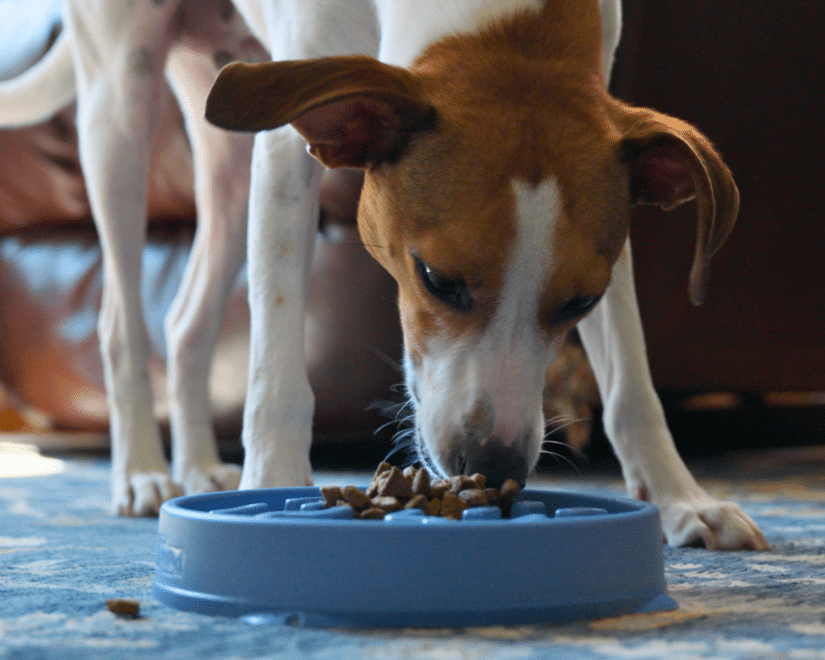
Rolling balls with small openings for kibble require your dog to smell the food, then push the toy with their paws or nose to allow a treat to come out. You can adjust the difficulty.

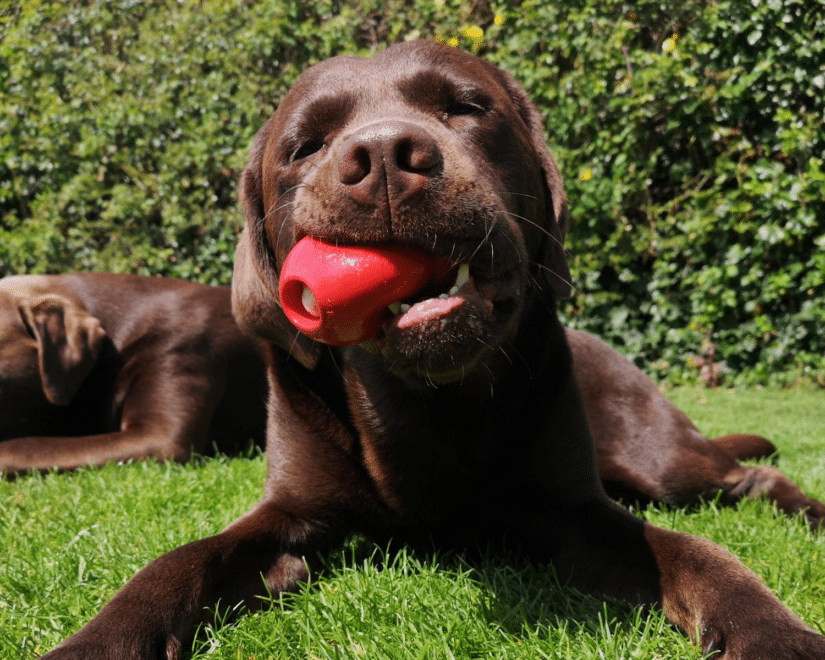
Rubber Kong toys can be filled with snacks like kibble, bananas, rice mixtures, or moistened kibble, then put in the freezer. Frozen treats delay the reward, and sniffing, licking, and manipulating the toy provides enrichment.

Lick mats and silicone pads with nubs or crevices can stimulate your pup. You can smear some peanut butter or plain yogurt or top them with low-sodium chicken broth and freeze them.

Puzzles that require sliding panels, flipping open doors, or checking fleece pockets for kibble are meant for highly intelligent dogs like Border collies, pointers, shepherds, and some terriers that might need this extra stimulation!

Blog Cta Graphic (1)

Easy DIY Dog Toys and Games

Some of the most creative and cost-effective enrichment ideas come from pet owners themselves.

Upcycle your Amazon boxes by hiding treats inside and letting your dog roll, chew, and toss the box for their reward. As they become more adept at the game, increase the challenge by placing boxes or cardboard towel rolls around the house filled with kibble for an interactive hide-and-seek hunt or nest boxes of decreasing size with the treat in the smallest box.

Make pupsicles using canned pumpkin, pureed veggies, or broth for a refreshing treat on hot days. For smaller pets, use an ice cube tray instead.

Hide kibble in muffin tins or empty egg cartons and cover each compartment with an unbreakable object like a tennis ball or cup. Your pet must use their mouth or paws to uncover the food.

Create a snuffle mat from an old felt blanket or towel by cutting it into strips and tying them to a rubber bathmat or dish drainer. Hide bacon-flavored treats or freeze-dried fish in the felt strip “lawn,” and watch your dog sniff, dig, and forage for their reward.

Use multiple food bowls to feed your dog their nightly meal. Vary sizes and shapes to keep mealtime fun and stimulating.

Bury food rewards in a basket filled with soft toys, pillowcases, or towels. Perfect for those days when your pup needs some mental stimulation but you need a break.

Keep Track of Calories

Every meal and snack presents a chance to improve your dog’s nutrition. Even though the experience of seeking and eating food is enjoyable, it’s essential to keep track of calories. Beginning your day with a pre-measured bag of kibble and treats to use with toys or games is good practice. Food enrichment toys are handy when the weather is unfavorable or you have a long workday. Don’t forget to balance your dog’s calorie intake with appropriate physical activity.

Nutritional enrichment helps support a healthy lifestyle for your dog by stimulating their innate tendencies, providing mental stimulation, and encouraging bonding. And remember, it’s all about having fun!

https://youtu.be/kL-2qazyVYA

View our Pet Wellness Videos for more expert pet advice.

At Pet Butler, we want you and your pet to live your best and healthiest lives, which is why we offer pet waste removal and other services year-round. We offer weekly, bi-weekly, monthly, and one-time clean-up services to meet your schedule and needs.
The Pet Parent’s Checklist: How to Assess Your Pet’s Health in Minutes

Pet Health Articles

PBC July Blog 1500 × 1200 px)

Why It’s Good to Keep Tabs on Your Furry Friend’s Health

Proper diet, exercise, grooming, vaccinations, and preventative care are essential to helping our pets live their best lives. It takes a village to raise a healthy pet; your veterinary team, groomer, trainer, dog walker, and pet sitter are all integral parts of managing and maintaining your best friend’s physical and mental well-being. But who keeps an eye on the front line? You do! And as the person who monitors your pet’s daily habits and appearance, the pet parent will be the first to spot signs they aren’t feeling well. Even a first-time pet owner can quickly assess these health parameters. By noticing any deviation in your pet’s “normal,” you can seek medical attention and resolve problems quickly.

First Things First: Checking Your Dog’s Mood and Body Condition

Initial assessment of your pet begins upon approach. A healthy pet is alert, shoulders relaxed, tail wagging, weight evenly distributed or even in a bow, and ready to engage in play or other activities. Though shape among breeds differs, pets of an ideal weight and body condition will have a slight tuck upwards of their abdomen and, from above, an hourglass shape. You should be able to feel, but not see, their ribs. Diet and exercise play a significant role in maintaining an ideal weight which is critical for managing the onset of problems such as respiratory and orthopedic disease. A change in weight that isn’t intentional should be cause for concern and discussed with your veterinarian.

From Head to Paws: Examining Their Body

Once you’ve evaluated their body condition and attitude, you can do a nose-to-tail check on other body systems. A wet nose doesn’t indicate hydration status or health, but discharge from the nose or eyes can indicate disease. The nose can be black, pigmented, light pink, or have spots. But any changes in appearance, color, crusting, or swelling are abnormal. Eyes should be clear, track movement, not be sunken or dull, and have no discoloration of the eye or surrounding tissues. That thin triangular piece of pink skin in the corner of your dog’s eye? Normal and healthy! The third eyelid provides additional protection and distributes tear film.

Dogs with healthy ears will have no odor, redness, swelling, discharge, or touch sensitivity. You may expect a small amount of yellow to tan wax, but your pet should exhibit no other symptoms of infection or illness. Head shaking, whining, or obvious growths in or on the ear canal should prompt a visit to the veterinarian. Allergies or unaddressed trauma usually cause ear infections. Handle your pet’s healthy ears often and introduce them to cleansing solutions and gentle inspection. They will be more agreeable to future examinations and treatment if and when that time should come.

Making Sure Those Chompers are in Good Shape

What’s not to love about puppy breath? For most dogs, that sweet smell disappears by 3-6 months when their adult teeth replace their baby teeth. But that doesn’t mean you should stop opening your pet’s mouth to evaluate teeth, gums, and odor! Gently rub your dog’s cheek, raise their lips, and open them wide. Gum color in dogs is variable; some are more highly pigmented than others. That’s why it’s best to do regular home checks to detect changes in your pet’s appearance. Moist, pink gums, tongue, and fresh breath are signs of good health. Foul odor, pale, dry gums, heavy tartar, missing teeth, bleeding, or oral masses are not. Maintain oral hygiene with daily brushing, rinses, and even treats or specially formulated kibble. Because oral health affects the heart, kidneys, and other body systems, staying on top of home care and performing regular checks is critical.

Blog Cta Graphic (1)

Checking Your Pet’s Tummy

As you slide your hands past your dog’s head and shoulders, there shouldn’t be resistance from a bit of pressure on the belly. A regular appetite and daily bowel movements are indicators of good health. The stool should be brown and firm but not hard, absent of blood or mucous, and easy to pick up. Regular eating habits amongst dogs can differ wildly; some prefer moist to dry food, some eat once daily, while others are grazers or need an audience. Tell your vet about unexpected changes in your pet’s appetite, food preference, stool consistency, color, and frequency. Stress, parasites, pancreatitis, and other mild to severe diseases can affect your pet’s gastrointestinal system.

Inspecting Under the Tail

Even healthy dogs don’t generally like to be inspected under the tail. But check, you must! Signs your pet is healthy include a lack of odor or discharge from around your pet’s genito-urinary tract, no signs of excessive licking such as hair loss or wetness, and the ability to urinate a good stream of light yellow, clear urine several times daily (preferably outside, on command) without obvious pain or strain. Healthy dogs with ample clean, fresh water should have no problems eliminating routinely 3-5x a day. Issues within the urinary tract can escalate quickly; if you notice your pet’s voiding routine has changed, call your vet immediately.

Feeling for Lumps, Bumps, and Parasites

Reward your pet’s cooperation during their at-home exam with lots of kisses and snuggles. Rub your hands through their fur and feel for any lumps or bumps. Notice the texture and thickness of their coat, and be aware of any sensitive or itchy spots, dandruff, or redness. Like the gums and nose, their skin may normally be darkly pigmented, spotted, or all pink. All coats should be free of mats, smells, scales, and oil. As a grand finale, check for parasites. Ticks lurk on the ears, under the armpits, and even between the toes. Fleas may only leave tell-tale “dirt” behind, or you may be able to spot the fast-moving buggers. While skin disease isn’t usually a medical emergency, checking in with the pros should your dog not pass a cursory exam with flying colors is always best.

Expert Vet Advice

At Pet Butler, we want you and your pet to live your best and healthiest lives, which is why we offer pet waste removal and other services year-round. We offer weekly, bi-weekly, monthly and one-time clean-up services to work with your schedule and needs.

Puppy Playtime: How to Keep Your Pet Active and Engaged

Dog Activities Articles

June Blog

The First 48 Hours

Welcoming a new puppy can be both exhilarating and chaotic. In the first 48 hours, you can expect to clean up many accidents, but there will also be plenty of opportunities for napping and snuggling with your new furry friend. You will want to contact your veterinarian to schedule a first check-up, where you can discuss your puppy’s nutrition, grooming, parasite prevention, and vaccination requirements. It’s crucial to choose activities that are best suited to your puppy’s needs. Training, exercise, and social stimulation are essential for your puppy’s development, especially since puppies are most receptive to new experiences such as sounds, smells, and other animals, and learning good behaviors before they reach three months old.

Unique Considerations for Puppy Training & Exercise

When creating a training and exercise plan for puppies, consider their unique needs and circumstances such as body condition, health status, breed, environment, and schedule. It’s not surprising that smaller dog breeds generally require less physical activity than larger ones. Indoor exercise can be enough for smaller breeds like poodles, pugs, and Maltese puppies. Still, owners should be careful not to neglect their exercise needs. Overweight issues are common in smaller breeds, so keeping them active is essential. On the other hand, larger dogs and working breeds like Australian Shepherds need more vigorous exercise to stimulate their bodies and brains. When puppies are bored or have excess energy, they may resort to destructive behavior, such as digging or barking incessantly for attention. Providing chew toys like a Nylabone or Kong stuffed with kibble can be a helpful outlet for teething puppies in addition to regular playtime and walks.

Keeping Puppies Engaged and Mentally Stimulated

Because puppies have shorter attention spans than their older counterparts, breaking up their playtime and training sessions into shorter blocks is essential. You can consider 10-15 minute sessions or stop when your puppy becomes distracted. Add variety to your activities to keep your puppy engaged and mentally stimulated. Rotating through their toys and finding new places to play is a good idea. For example, a wooded trail offers new smells and exploration. Likewise, beach play can expose your pup to the texture of sand, some seagulls to chase, and water for splashing.

Blog Cta Graphic (1)

Indoor Puppy Playtime

If the temperature outside is too hot or cold, consider indoor dog parks and daycares specifically for puppies. Before joining a group, ensure your puppy has a clean bill of health from a veterinarian since puppies are more likely to get transmissible intestinal parasites due to their immature immune systems. Vaccines are essential; dogs are typically fully vaccinated by 4-5 months. While some retail stores are pet-friendly, call ahead before taking your puppy with you. If you have a neighbor with a well-behaved and healthy pet, you can plan fun games like tug-of-war or zoomies with them in your living room.

Protecting Your Puppy’s Growing Bones

As young puppies, especially those of larger breeds, have bones like the femur and radius in a state of rapid growth and development, high-impact exercises performed over a long period can cause orthopedic issues. It would help if you conditioned your puppy to longer hikes and light jogging gradually. While playing ball or running after a friend is acceptable, it is important to let your puppy decide when to rest and respect that. While you may look forward to going for a run with your dog, saving endurance sports for when your pup has completed most of its growth is best. Puppies and young dogs who limp may have overexerted themselves at the dog park or have developmental issues such as hypertrophic osteodystrophy or cartilage defects. If this lasts more than a day after exercise and despite rest, it is time to contact your veterinarian.

Starting Off Right: Puppy Obedience Training

Starting obedience training as soon as you bring your puppy home is crucial. Use training treats sparingly and maintain consistency with commands and cues. Consistent practice is the key. A well-trained pet is safer and more enjoyable. The importance of early training cannot be overstated, as it will help build your puppy’s confidence and strengthen your bond. It also forms the foundation for future training. Once your puppy is old enough for obedience classes, word of mouth, breed clubs, and your veterinarian’s office are great resources for finding a trainer or a class. Group training classes offer an excellent opportunity for your puppy to socialize and learn crucial non-verbal communication skills, such as bite inhibition, in a safe, supervised environment. With these efforts, your furry friend will soon be delightful.

At Pet Butler, we want you and your pet to live your best and healthiest lives, which is why we offer pet waste removal and other services year-round. We offer weekly, bi-weekly, monthly and one-time clean-up services to work with your schedule and needs.

Are You Ready for a Dog?

Pet Adoption Articles

PBC Blogs 1600x900 (1500 × 1200 px)

A dog can be a wonderful addition to a home, but pet ownership is a big commitment and should be carefully considered. If you are thinking about getting a dog it is important to research, plan, and reflect before making a decision.

5 Things to Consider Beforehand

Lifestyle

Most dogs are happiest when their daily routine is predictable and includes companionship. Are you a busy, on-the-go individual who likes having the flexibility to jet off at a moment’s notice? Who will watch your dog when you’re gone? What about your home life, work, and school schedules? Long days at the office, busy evenings, and kids’ activities may leave you little time to care for your dog.

As a pet parent, you will spend considerable time training, grooming, feeding, exercising, and bonding with your dog. Puppies need extra attention and require frequent potty breaks. Certain high-energy breeds need consistent daily exercise, even late into adulthood.

Environment

Just like humans, dogs want to be comfortable in their surroundings. Certain dog breeds are impacted more by their environment than others. For example, short nose breeds, such as pugs and bulldogs, may not acclimate well in warm climates. You’ll need to add a dog coat and shovel to your shopping list if you want a chihuahua that will tolerate cold and snowy winters. Arctic breeds like huskies might fare better in colder temperatures.

Smaller pets often need less physical space than larger breeds of dogs and may adapt well to apartment living. Older dogs are generally more sedentary and may require less outdoor space for exercise. A fenced yard can provide a safe and easy-to-access space for puppy playtime or for your older dog to explore on their own.

Budget

Having a dog is an ongoing fiscal responsibility, which can span 15 years or more. Pet ownership is a significant expense and should be considered in your decision-making. Make a list of possible expenses and see if it fits with your budget to become a pet parent.

Food, veterinary care, pet insurance, pet sitting, boarding, grooming, training, toys, and supplies can add up. Also, consider that a purebred dog from a reputable breeder may cost thousands of dollars, and veterinary expenses may mount as your pet ages.

Caregivers

Adding a pet to your family will impact the entire household. Every family member should be on board to help acclimate and keep a new dog safe in the home. It will be important to discuss how pet care responsibilities will affect the family.

Ideally, everyone in the home will share in the caregiving for your pet, but at a minimum, one person should be committed to providing the ongoing attention and care your dog will need to thrive. Children grow up, can lose interest, or get busy with extracurricular activities. Spouses decide they don’t like dog kisses or develop allergies.

Support from Pet Professionals

Finding a veterinarian, trainer, and pet sitter before welcoming a dog into your home can get you off on the right foot by learning about nutrition, preventative care, and training. Additionally, these professionals may be able to recommend a breeder or rescue organization with a pet that suits your lifestyle.

Pet professionals will provide varying levels of support through the stages of your pet’s life. Certain dog breeds are prone to health risks such as cancer, diabetes, or glaucoma that require more intensive veterinarian care. Pets with health challenges and senior pets may also need more frequent visits from a pet sitter when you are away from home.

Blog Cta Graphic (1)

Is your home prepped for a pup?

If after careful consideration you decide to add a pup to your family, you’ll want to make sure your home is ready to welcome your new fur-ever friend. Pup-proofing your home can include:

• Setting up a crate – a relaxing and safe space for your pup and essential for potty training.
• Placing gates across doorways.
• Ensuring all small objects and toys are out of each.
• Storing food out of reach.
• Securing electrical cords.
• Removing toxic plants.

Considering all these variables will help you decide if a new pet is right for you. Education and preparation help build a bond with your new dog.

Vet Advice from Dr. Lisa

At Pet Butler, we want you and your pet to live your best and healthiest lives, which is why we offer pet waste removal and other services year-round. We offer weekly, bi-weekly, monthly and one-time clean-up services to work with your schedule and needs.

Diseases that Mimic Obesity in Pets

Pet Health Articles

PBC Diseases the Mimic Obesity in Pets 1000x800

You have upped your pup’s workout routine to include 30-minute walks, twice a day. You’ve added a few hills and varied pace, counted calories and changed up treats to include apple slices and baby carrots. A download from WSAVA provided you with intel on body condition scoring and the importance of monitoring body weight to get an accurate picture of your pet’s nutritional health and general wellness.

But what happens when your pet is still gaining weight despite your efforts, or their weight is stable, but they are losing muscle mass? Maybe their “waist” is still present when viewing their profile from above, indicating a body condition score of 5, but a side view shows a generous potbelly and leads you to believe they may be more like an unhealthy 9?

First of all, great job on monitoring these important health indices! Second, it’s time to call in the health care professionals, your veterinary team members, for an assessment. When there are inconsistencies, inexplicable changes in weight, or your pet experiences shifts in appetite, energy or hydration needs, call your vet.

There are several diseases that can mimic obesity in pets, so it’s best to assess your pet’s condition as soon as possible.

Common Diseases in Dogs

Hypothyroidism

One of the most common diseases among middle-aged to senior dogs is hypothyroidism. The thyroid glands control metabolism, and when hormone levels are low, your pet may experience lethargy, hair loss, weight gain or recurrent skin and ear infections.

Breeds predisposed to hypothyroidism include our retriever friends, doberman pinschers, Irish setters, boxers, poodles and cocker spaniels. A simple blood test followed by thyroid supplementation can set your pet on the road to wellness.

Cushing’s Disease (Hyperadrenocorticism)

Cushing’s disease, or hyperadrenocorticism, is another endocrine disorder that disproportionately affects boxers, terriers, poodles, dachshunds, and maltese breeds. The disease is caused by an over-production of steroid hormones, namely cortisol.

Overmedication of pets or chronic use of a steroid called “Prednisone” can also lead to Cushing’s disease. Cortisol in healthy pets regulates the body’s response to stress and helps modulate the immune system. In excessive amounts, too much cortisol can lead to weight gain, a decreased ability to fight infection, increased water consumption and appetite, a swollen appearance to the abdomen and deposition of fat stores in the shoulder and neck areas. It can also lead to hair loss, thinning or darkening of the skin and lack of energy.

While often manageable, Cushing’s disease is a serious problem in middle-aged to older pets that may require surgery or lifelong medication and blood testing.

Pancreatic Tumors

The pancreas is made up of cells responsible for producing and secreting insulin, a hormone that regulates blood sugar levels. Dogs that have tumors of the pancreas secrete excessive amounts of insulin, causing glucose levels to drop, weakness, dull mentation and weight gain.

Blood testing paired with a biopsy at the time of surgery to remove the tumor can be diagnostic and curative if the cancer has not spread.

Fluid in Belly and/or Chest

Free fluid, water or blood in the abdomen can lead to changes on the scale or a bloated belly despite consistent calorie intake and exercise. Diseases that lead to water retention or leakage of fluid out of the bloodstream and into the abdomen are many and can affect young and old animals alike. Liver disease, gastrointestinal diseases that cause low blood protein and heart disease can all lead to fluid build-up in the belly and/or chest.

Certain cancers or trauma can cause free abdominal fluid or blood loss into the abdomen, resulting in a pot-bellied appearance.

Intestinal Parasites

Puppies are adorable, no doubt; however many pups harbor intestinal parasites, giving them that rotund appearance. Most puppies are exposed to roundworms, hookworms, tapeworms and whipworms in utero via the maternal milk supply or in the environment. Intestinal parasites rob the puppies of necessary nutrients, so deworming and regular fecal testing are necessary.


No matter the cause, a sudden change in your pet’s body shape or size should be considered an emergency and prompt a visit to the veterinarian immediately. At Pet Butler, we want your pup to be their happiest and healthiest, which is why we’re here to take care of their waste. Call 1-800-PET-BUTLER to learn more about our waste removal services and how we can keep your yard clean.


Myths On Vitamins and Supplements for Your Pets

Pet Health Articles

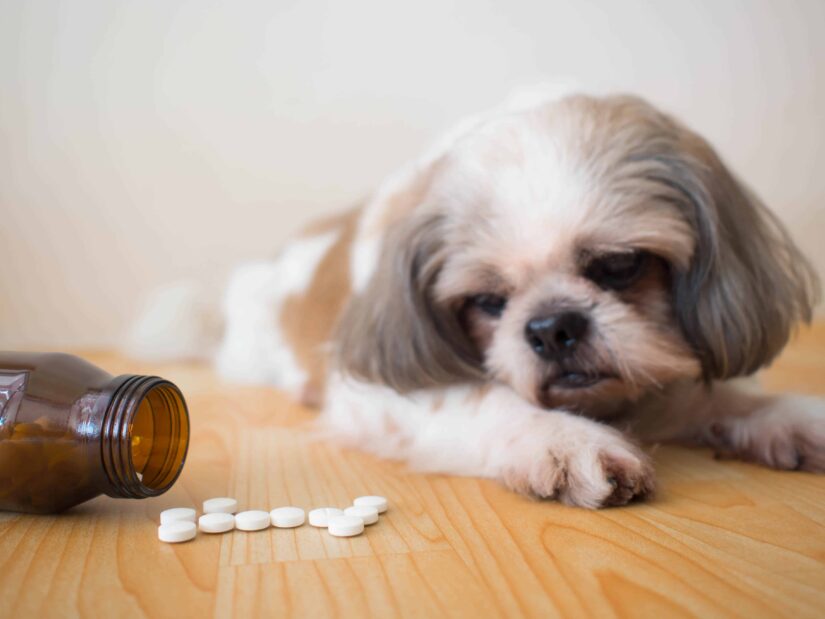
A white and tan Shih Tzu lying on a wooden floor next to a tipped-over medicine bottle with white pills scattered beside it

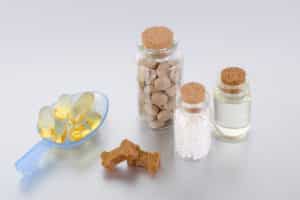
Health supplements and similar wellness products have greatly increased in both acceptance and usage. Preventative medicine has become so culturally pervasive that even our canine friends are affected. Many owners have begun using pet vitamins to boost their furball’s fitness. Among other trends, glucosamine and CBD chews have become household names for treating dog health problems (glucosamine for joint mobility, CBD for anxiety relief). But are these solutions safe and helpful for dogs? Unsurprisingly, it depends. 

  • The first thing to know before giving your dog any kind of booster is that these products aren’t FDA approved. Unlike most human supplements, there is no governmental agency that regulates pet-related vitamins. While the National Animal Supplement Council (NASC), ASPCA, and other organizations do conduct research on some of these products, uncertified supplements remain on the market. Like any misused drug, they can be very dangerous. Also, misconceptions relating to “organic” and “natural” solutions have caused problems in the past. Businesses have used these terms in a way to convince buyers about the safety of certain medicines, mainly that something “organic” means that it’s risk-free. Don’t fall for that trap. Be sure to use only the highest quality brands, and always double-check with your veterinarian before feeding them to your pet. 
  • Second, don’t give your dog vitamins unless it’s necessary! While businesses insist that supplements offer preventative benefits, there’s no strong scientific evidence behind these claims. There have also been instances where dogs react adversely to certain vitamins. If your dog is healthy and on a regular diet, especially one approved by your veterinarian, there is no reason to add more chemicals to the mix. If you’re concerned about your dog’s vitamin/mineral intake, consider moving to a premium pet food delivery service. They do a great job establishing a consistent routine with wholesome, nutritional diets. On the other hand, homemade and vegan diets can be detrimental to your pet’s health. Heavily consider switching from these diets and only use correctional supplements as a last resort. 
  • Third, choose the correct product and amount for your pet. Many owners don’t realize that their dog’s dietary needs change based on age. Puppies, adults, and senior dogs will all require different kinds of add-ons. For example, younger pups tend to need extra vitamin A, which relates to fetal development and organ function, while older dogs need extra vitamin B to improve brain function, energy levels, and cell metabolism. Also, obviously, only feed dog vitamins to dogs and cat vitamins to cats. In very specific cases, it’s possible that a supplement can help both species, but this is rare. This logic is also true for human supplements: don’t give your Flintstones Gummies (or any other multivitamin) to your pet; it can make them very sick. Once you have the correct supplement, be sure to use them according to your veterinarian’s prescriptions. More importantly, do not give your pet more than the prescribed amount. There’s a common misconception that increasing vitamin intake will yield healthier results that are not accurate. Instead, they’d have digestive problems or other negative symptoms. 
Various pet supplements and medications arranged on a light surface


What Are Some Suggested Vitamin Supplements? 

Stick to the following suggestions when choosing a vitamin supplement, or talk to your veterinarian about different booster options: 

  1. PetHonesty 10-For-1 Multivitamin is free of grain, corn, soy, artificial flavorings, and preservatives. It comes in a few different flavors and supports the skin, coat, joints, heart, digestion, and immune responses for dogs. 
  2. Nusentia Probiotic Miracle contains six probiotic strains and helps dogs suffering from diarrhea, upset stomach, constipation, yeast overgrowth, bad breath, and itching and scratching. 
  3. Revival Animal Health Oxy Mate Prenatal Vitamin has fortifying nutrients for both pregnant dogs and cat. The iron, folic acid, and zinc are particularly helpful for developing embryos. 
  4. NaturVet VitaPet Puppy Daily Vitamins has all the ingredients required for growing pups, including several amino and fatty acids. As a plus, it acts as a breath freshener! 
  5. VetriScience Laboratories Canine Plus Senior Multivitamin supports heart, liver, brain, and eye functions – all of which are particularly vulnerable for elderly pets. 
  6. PetNC Natural Care Hip and Joint Soft Chews eases aches and pains from the hip and joint complications with glucosamine, chondroitin, and methylsulfonylmethane (MSM). 
  7. Ocu-GLO Vision Supplement is for dogs that have age or illness-related eye problems. It is board certified and offers lutein for increased eye support. 


At Pet Butler, we understand what it means to want to provide the best possible care to your clients. That is why when you hire Pet Butler, we remove all your pet’s waste from your yard everything – guaranteed. Learn more about the services we offer here! 

Tips For Pet Sitting A Dog With Depression

Dog Behavior Articles

Pet Depressions Image

As pet sitters, you’ve got the unique experience of caring for a multitude of pets. You get a snapshot view of their environment and habits when their parents aren’t around.  However, what happens when that behavior is depression? That is why Pet Butler has the tips you need to pet sitting animals with pet depression.   

What are the signs the pet could be depressed?   

One of the more common issues pet sitters might encounter is a pet who is seemingly depressed. Any time a pet’s environment changes, whether it’s the loss of another canine companion or the departure of their loved ones for a weeklong vacation, a pet may become sad. Often, their distress begins to develop when departure cues are commenced such as the emergence of luggage or the sound of the garage door opening. By the time a pet sitter arrives, a pet may be pacing, hiding, disinterested in normal activities such as a walk or game of fetch. Changes in appetite may also indicate a pet is depressed. Many sad and anxious animals will refuse food or treats and lose weight or have signs of gastrointestinal distress such as vomiting or diarrhea. Other pets who are depressed compulsively lick a body part or seem to search for their family members in the house, exhibiting restlessness. Changes in sleep patterns may also indicate a pet is depressed; when they feel like a grey cloud has descended, they often stay bed-bound and want to sleep the day away like their human counterparts.  

How can I prepare for a pet with depression?   

Whenever you are taking on a new pet sitting client, try to get as much medical and behavioral history as possible. Are they on any medication? Who should you call if the pet hasn’t eaten in two days? Do you have permission to take the pet to their veterinarian if you are concerned about their health and well-being? If so, do you have the pet’s vaccination history, a credit card to pay for services, and written authorization from the owner? It is best to maintain their routine as much as possible. Do you know their regular schedule for walks, nap time, and playtime? Can you spend time with the pet on several occasions before you are tasked with their care? Get to know what is “normal” for that pet so you can better spot any unusual behaviors and develop trust.  

While it may seem like an enthusiastic greeting and drawn-out departure would invigorate a depressed pet, the opposite is true. When you enter any pet’s home, you can let them outside to eliminate but wait until they are calm to give them attention and affection. As pet sitters, we want to encourage “good dog” behavior. By turning our arrivals and departures into ho-hum, ordinary events, pets are less likely to feel depressed when we leave. When you leave the home, alter the sequence of your exit cues. At one visit, wash the dog bowls when you arrive, at another do it just before you leave. Try using a different door when you leave the home. If it is your habit to hang up leashes or harnesses, leave them on the counter until the next visit. Pets’ depression grows as each familiar sign of your imminent departure occurs.  

What can I do to help my pet client perk up?  

If you are sitting a pet you know is prone to depression or anxiety, carry along some tasty treats such as freeze-dried liver bits or rotisserie chicken. Sometimes mixing a little chicken broth into their normal kibble will get an appetite back on track. Physical activity is a great remedy for situational depression and loneliness. Can you add in an additional jog around the block or game of fetch? Do they have a canine buddy they can tumble with to keep them socially engaged? For senior pets, perhaps you can spend some time snuggling on the couch, watching a movie, or brushing their fur till it shines. A new toy such as a food puzzle may be a good distraction if you need to leave them for a longer stretch of time. Many animals are comforted by the familiar smell of their human’s tee-shirt or towel placed where they sleep. Ask owners to leave one for their pooch.Pet wellness

At Pet Butler, we understand what it means to want to provide the best possible care to your clients. That is why when you hire Pet Butler, we remove all your pet’s waste from your yard everything – guaranteed. Learn more about the services we offer here!   

What Causes Pet Depression?

Dog Behavior Articles

Pet Depression - Image

We know that our canine companions are sensitive, intuitive creatures. They pick up on their owners’ emotional states, changes in routines, and their environment. It’s no wonder they are capable of experiencing a wide range of emotions and moods including depression. That’s why Pet Butler wants to help you identify the situations that are causing your pet’s depression.  
 

What are common triggers of pet depression? 

Changes to a dog’s environment are one of the most common causes of pet depression. Dogs are dependent on us and their familiar home base for comfort and stability. Something as simple as an environment change can cause a chain reaction. Changes like moving, going through a divorce, or returning to work can be unsettling to your pet. 

One of the more common situations is the loss of another animal or family member. The absence of another companion can lead to signs of depression. Animals experience feelings of grief and loss though we don’t know exactly how they process the concept of death. Your pet can often sense a companion’s illness/death and respond by exhibiting behavioral changes consistent with pet depression. For pack animals such as dogs, it’s no surprise the loss of a bonded companion leads to sadness. Because dogs are so attuned to our moods, they may also respond to the physical manifestations of human grief such as crying, detachment, and lethargy.  

Pet depression can be exhibited because of a simple shift of schedule causing their owner to not be home as often. Changes in routine brought upon by increased work demands can cause anxiety, stress, and boredom which lead to signs of pet depression. Dogs are creatures of habit and a change in their daily activities can be unnerving. They gain confidence and reap the physical and mental benefits of having a “job” and regular exercise. When those neurons and muscle fibers aren’t firing, hormones such as oxytocin, dopamine, and endorphins aren’t released, and signs of pet depression may be observed.  

 Pet Depression - Image

What if it isn’t pet depression? 

Dogs can’t tell us when they are physically ill or in pain but changes in behavior offer clues. Some dogs that aren’t feeling well physically may show signs of pet depression. Endocrine disorders like hypothyroidism cause dogs to become sluggish and mopey. Neurological diseases such as seizure disorders or tumors affecting the central nervous system may cause mood changes. Anytime your pet exhibits a shift in their behavior that isn’t easily explicable, always rule out a medical problem by visiting the veterinarian. By determining the root cause of your dog’s depression, you can make changes to improve their mental health and well-being.     


At Pet Butler, we want to help you give your pet the best care possible. That’s why we offer pet waste removal services so you can care for them why we do the dirty work. Sign up with your local Pet Butler today at Petbutler.com.  

Is Your Pet Depressed?

Dog Behavior Articles

Pet Depression Image

Dogs are complex animals with social, mental, and physical needs much like our own. They thrive in safe, nurturing, and consistent environments that provide companionship and routine. So, what happens when those environments are disrupted by a change in work schedule, a new location, or a life alter event? For many of us, returning to work has been an adjustment, but not just for humans. Some dogs exhibit clinical signs that can only be attributed to pet depression. Of course, we can’t ask them how they are feeling, but we can be aware of how these changes in routine can lead to sadness and depression. The real question is, what we can do about it?  


What are signs that my pet might have pet depression?

Many dogs exhibit symptoms consistent with their human counterparts including those of pet depression. If your pet is normally excitable and friendly but has been spending more time hiding behind the couch, they could have pet depression. Some signs include:  

  • Not wanting to go on their normal walk  
  • Sleep excessively  
  • Changes in appetite or no appetite  
  • Shaking & whining   
  • Not wanting to play with their favorite things  
  • Excessive sniffing, circling, and/or licking  
  • Aggression  
  • Relieving themselves in naughty places  

What is causing my pet’s depression? 

To treat pet depression, we need to look at what changes may have triggered the condition. First, have your dog examined by a veterinarian. The vet may recommend blood tests or other diagnostics to determine if a physical ailment such as arthritis pain or endocrine disease is present. Certain medical problems can lead to behavior changes that mimic or lead to depression.  

If your dog is otherwise healthy, be aware of shifts in the environment that may have led to pet depression. Is your pet not receiving enough exercise or attention due to a job change? Have you recently moved? For many of us that have returned to work, our pets are not receiving the companionship they have come to rely on.   


How can I treat my pet’s depression? 

  • Quality Time – Spend additional time with your pet if you think they are lonely. Make sure you have a consistent routine that includes plenty of exercise. Dogs are creatures of habit that come to anticipate positive interactions, grooming, and feeding times. Mentally stimulating games and classes such as obedience or nose work can provide a depressed pet with a social outlet and a confidence booster. Some dogs love car rides, vigorous brushing, or fetch. It sounds simple but do more of what your pet loves!  
  • Train Them – While you may want to comfort a depressed pet with treats and positive affirmations, save the food rewards for when they exhibit desired behaviors. Pets with depression should be taught to relax in stressful situations. Use recorded sounds played for a short duration, at low volume while petting or feeding to get them. This will help get them acclimated to the stressful triggers. Provide a secure, quiet space and reward them when they can respond to commands such as “settle”, or they resume eating in the presence of the trigger. You can use sounds like the jangling of your keys, the hairdryer in the morning, or starting your car. Any sound that signals a change in the environment is coming.   


The good news is most dogs that have pet depression are sad for a short duration of time. Once the inciting cause has been addressed, their mood improves. For dogs without any other physical ailment that continue to behave unusually, a visit to the vet for a prescription of canine anti-anxiety drugs or medication for depression may be in order. Pets usually show a positive response to the pharmaceuticals within 6-8 weeks. They can often be weaned off after less than a year.   

Stay plugged into your pets’ changing moods and habits. The sooner we identify and treat pet depression, the more quickly we can get those tails wagging! For pet wellness tips, you can go to Petbutler.com/wellness-guide. At Pet Butler, we understand that your pet is family. We know you want quality care and advice when you need it. That’s why Pet Butler is in the business of helping care for your pet’s needs. We provide waste removal services to keep your yard poop-free for you and your pet. Go to Petbutler.com to sign up for our poop scooping services today! 

A Guide To Pet-Friendly Flower Gardens

Pet Safety Articles

Pet Friendly Flowers Image

Now that spring is in full bloom, you’ll want to plant flowers and shrubs to spruce things up in your gardenHowever, don’t overlook the dangers that some plants can cause to your dog or pet. As a pet owner, keeping your pet safe is your priority, but as a homeowner, you want to keep your garden looking beautiful too. Pet Butler has compiled a guide to help you choose the right pet friendly plants that will also look in your garden.
 

What Are Pet Friendly Garden Flowers?

While you want to make sure that you choose the right flowers your geographical region, you also need to choose the right ones that are safe for you pets. Below are some pet safe flowers that you can plant in your garden this spring. 

Pineapple Sage – The Pineapple Sage offers colorful red booms that smell divine and attract hummingbirds but are safe for your dogs. 

Snapdragons – Snapdragons are classic and popular flowers that are safe and non-toxic for dogs. Snapdragons can be found in a variety of colors and are easy to master, even for beginning gardeners. 

Daylilies – A Daylily might become your dog’s favorite outdoor spot because they provide cool leaves to chill out under on a warm day. Although Daylilies are fine for dogs, it is worth noting that they are toxic for cats. 

Marigolds – Marigolds are attractive flowers that come in a myriad of colors but offer more benefits than just their beauty. The Marigold is not only pet-friendly and attractive, but its also a deterrent to insects. 

Roses – Roses are beautiful, elegant, and safe for pets. Color your garden with roses in many shapes, colors, and sizes. 

Asters – With over 200 varieties of Aster, your choice of color and size can bring an ambiance like no other flower can. All while being very pet friendly 

Gerber Daisies – No matter what gardening zone you are in, you’ll likely be able to succeed in growing non-toxic Gerber Daisies. These annuals offer a classic look and fit in with any landscaping style. 

 Flowers That Are Safe For Your Pets image

How Can I Protect My Garden From My Pets?

Fence off part of your garden to protect your pet from certain plants or vice versaIt’s a good option to keep certain delicate plants, shrubs, or flowers from being trampled or disturbed by your dogs. Be sure to include a spacious area that is your pet’s special place to enjoy. Here are some ideas to make your dog’s special place amazing. 

Make a Sunflower Pyramid Doghouse – Sunflowers are easy to grow and mold into a pyramid that can serve as a tent that offers comfort and shade to your pup. Your dog might find a nice napping spot or a natural doghouse that can house their food and water bowl. 

Provide Dog-friendly Herbs – Certain herbs are calming and healthy for dogs. You might add chamomile and lavender to provide health benefits to your curious pet. Be sure to check with your dog’s vet first to make sure your choice of herbs are pet-friendly. 

Include Outdoor Fun – If your garden has space, you can add a sprinkler feature or climbing element to allow your dog to take outdoor enjoyment to the next level. 

The temperatures are starting to rise and summer will be in full effect soon. It’s the perfect time to have the best of both worlds – a colorful garden full of flowers and an oasis for your dog to enjoy all year-round. One part of keeping your garden beautiful is clearing away your pet’s waste. It can be a full-time job to keep up with, but Pet Butler offers a solution that makes life easier for the pet owner. 

At Pet Butler, we work hard to help bring you quality information so you can make the right choices for you and your pet. That is why Pet Butler makes it an easy decision on who should help keep your yard poop-free. If you want to learn more about the services we provide, follow the link here!   

Find a Pet Butler 800-Pet-Butler