The Pet Parent’s Checklist: How to Assess Your Pet’s Health in Minutes

Pet Health Articles

PBC July Blog 1500 × 1200 px)

Why It’s Good to Keep Tabs on Your Furry Friend’s Health

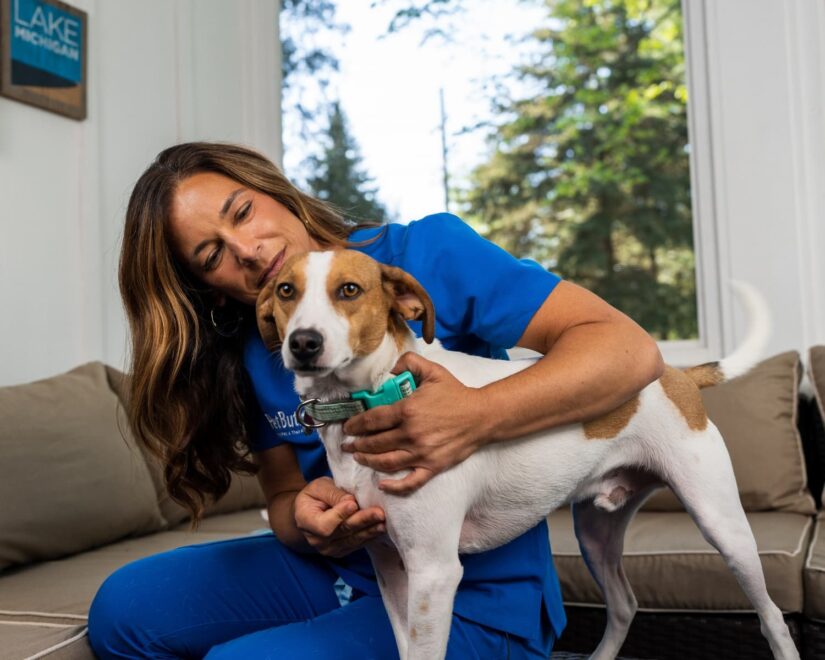
Proper diet, exercise, grooming, vaccinations, and preventative care are essential to helping our pets live their best lives. It takes a village to raise a healthy pet; your veterinary team, groomer, trainer, dog walker, and pet sitter are all integral parts of managing and maintaining your best friend’s physical and mental well-being. But who keeps an eye on the front line? You do! And as the person who monitors your pet’s daily habits and appearance, the pet parent will be the first to spot signs they aren’t feeling well. Even a first-time pet owner can quickly assess these health parameters. By noticing any deviation in your pet’s “normal,” you can seek medical attention and resolve problems quickly.

First Things First: Checking Your Dog’s Mood and Body Condition

Initial assessment of your pet begins upon approach. A healthy pet is alert, shoulders relaxed, tail wagging, weight evenly distributed or even in a bow, and ready to engage in play or other activities. Though shape among breeds differs, pets of an ideal weight and body condition will have a slight tuck upwards of their abdomen and, from above, an hourglass shape. You should be able to feel, but not see, their ribs. Diet and exercise play a significant role in maintaining an ideal weight which is critical for managing the onset of problems such as respiratory and orthopedic disease. A change in weight that isn’t intentional should be cause for concern and discussed with your veterinarian.

From Head to Paws: Examining Their Body

Once you’ve evaluated their body condition and attitude, you can do a nose-to-tail check on other body systems. A wet nose doesn’t indicate hydration status or health, but discharge from the nose or eyes can indicate disease. The nose can be black, pigmented, light pink, or have spots. But any changes in appearance, color, crusting, or swelling are abnormal. Eyes should be clear, track movement, not be sunken or dull, and have no discoloration of the eye or surrounding tissues. That thin triangular piece of pink skin in the corner of your dog’s eye? Normal and healthy! The third eyelid provides additional protection and distributes tear film.

Dogs with healthy ears will have no odor, redness, swelling, discharge, or touch sensitivity. You may expect a small amount of yellow to tan wax, but your pet should exhibit no other symptoms of infection or illness. Head shaking, whining, or obvious growths in or on the ear canal should prompt a visit to the veterinarian. Allergies or unaddressed trauma usually cause ear infections. Handle your pet’s healthy ears often and introduce them to cleansing solutions and gentle inspection. They will be more agreeable to future examinations and treatment if and when that time should come.

Making Sure Those Chompers are in Good Shape

What’s not to love about puppy breath? For most dogs, that sweet smell disappears by 3-6 months when their adult teeth replace their baby teeth. But that doesn’t mean you should stop opening your pet’s mouth to evaluate teeth, gums, and odor! Gently rub your dog’s cheek, raise their lips, and open them wide. Gum color in dogs is variable; some are more highly pigmented than others. That’s why it’s best to do regular home checks to detect changes in your pet’s appearance. Moist, pink gums, tongue, and fresh breath are signs of good health. Foul odor, pale, dry gums, heavy tartar, missing teeth, bleeding, or oral masses are not. Maintain oral hygiene with daily brushing, rinses, and even treats or specially formulated kibble. Because oral health affects the heart, kidneys, and other body systems, staying on top of home care and performing regular checks is critical.

Blog Cta Graphic (1)

Checking Your Pet’s Tummy

As you slide your hands past your dog’s head and shoulders, there shouldn’t be resistance from a bit of pressure on the belly. A regular appetite and daily bowel movements are indicators of good health. The stool should be brown and firm but not hard, absent of blood or mucous, and easy to pick up. Regular eating habits amongst dogs can differ wildly; some prefer moist to dry food, some eat once daily, while others are grazers or need an audience. Tell your vet about unexpected changes in your pet’s appetite, food preference, stool consistency, color, and frequency. Stress, parasites, pancreatitis, and other mild to severe diseases can affect your pet’s gastrointestinal system.

Inspecting Under the Tail

Even healthy dogs don’t generally like to be inspected under the tail. But check, you must! Signs your pet is healthy include a lack of odor or discharge from around your pet’s genito-urinary tract, no signs of excessive licking such as hair loss or wetness, and the ability to urinate a good stream of light yellow, clear urine several times daily (preferably outside, on command) without obvious pain or strain. Healthy dogs with ample clean, fresh water should have no problems eliminating routinely 3-5x a day. Issues within the urinary tract can escalate quickly; if you notice your pet’s voiding routine has changed, call your vet immediately.

Feeling for Lumps, Bumps, and Parasites

Reward your pet’s cooperation during their at-home exam with lots of kisses and snuggles. Rub your hands through their fur and feel for any lumps or bumps. Notice the texture and thickness of their coat, and be aware of any sensitive or itchy spots, dandruff, or redness. Like the gums and nose, their skin may normally be darkly pigmented, spotted, or all pink. All coats should be free of mats, smells, scales, and oil. As a grand finale, check for parasites. Ticks lurk on the ears, under the armpits, and even between the toes. Fleas may only leave tell-tale “dirt” behind, or you may be able to spot the fast-moving buggers. While skin disease isn’t usually a medical emergency, checking in with the pros should your dog not pass a cursory exam with flying colors is always best.

Expert Vet Advice

At Pet Butler, we want you and your pet to live your best and healthiest lives, which is why we offer pet waste removal and other services year-round. We offer weekly, bi-weekly, monthly and one-time clean-up services to work with your schedule and needs.
Unleash Your Dog’s Energy: Activities for Active Dogs

Dog Activities Articles

PBC April Blog (1500 × 1200 px)

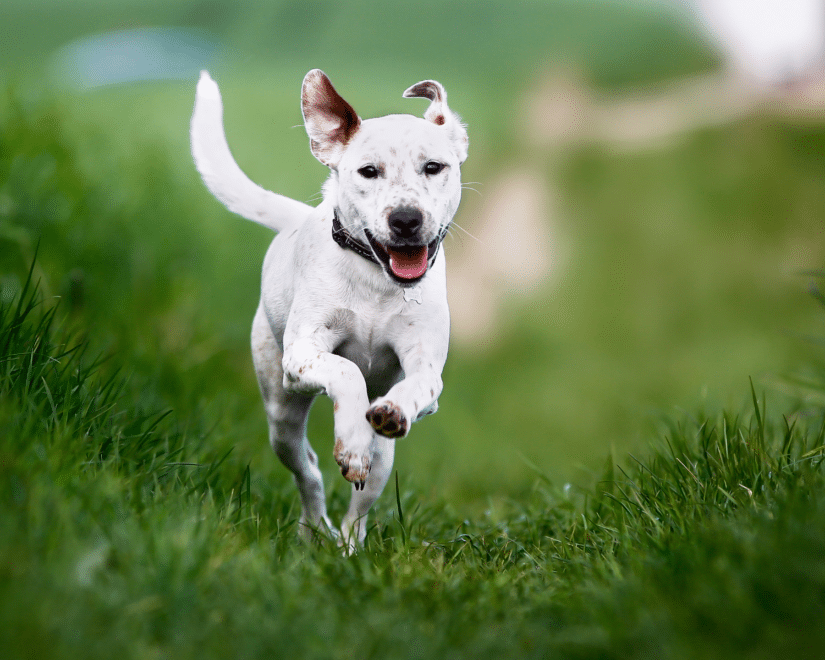
Like balanced nutrition, exercising your pet is critical for maintaining health and strengthening the human-animal bond. A few laps around your backyard or a 20-minute stroll is not enough exercise and stimulation for a healthy, active dog. There are many ways to increase aerobic activity with so many dog-friendly parks, beaches, doggie daycares, and indoor and outdoor training facilities.

Activities for Small Breeds

As smaller breeds have a greater tendency towards obesity, regular physical activity is vital to managing weight and overall health. Smaller breeds can find the room they need to stretch just about anywhere. Indoor activities such as playing fetch with a toy, chasing, hide and seek, going up and down a flight of stairs for treats, or a DIY agility course made up of broomsticks and nylon tunnels can be fun to challenge your dog. Short bursts or intervals of higher-intensity exercise can be what your dog needs to stay engaged and fit.

Considerations for small breeds:

• Toy breeds also have a propensity for tracheal collapse, so stop any activity that causes an increase in coughing or respiratory distress.

• Pugs, bulldogs, Pekingese, and Frenchies have cute button noses, but their narrow nostrils can make for restricted airflow and be dangerous if they overheat. It’s best to stay in cool, temperature-controlled areas.

• Not racetrack material, our brachycephalic dogs and couch potatoes like the basset hound can be sufficiently exercised with a few laps around the block and time to sniff several times a day. Low-impact exercises and obedience work where they practice sitting, staying, and recalling. Scent work can provide lots of physical and mental enrichment without overexertion.

Blog Cta Graphic (1)

Activities for Large Breeds

It’s best to choose activities that you will enjoy doing together. After all, an exercise program isn’t successful if it isn’t sustainable. Larger dogs generally enjoy more expansive spaces to roam. Choose activities that sound like fun to you.

Considerations for large breeds:

• Dog parks provide an excellent place to socialize your friendly pet and get in a few rounds of fetch.

• Short, high-speed runs are effective for sighthounds. A spacious park setting or fenced-in field can be a great opportunity to let them do what they were born to do!

• Energetic, enthusiastic dogs also thrive in canine sports such as flyball, lure coursing, or agility, and classes abound.

• In colder climates, winter activities like dog sledding, chasing snowballs, skijoring, or building a snow maze can be fun if your dog’s feet are protected and their body temperature is maintained.

• Hunting, herding, and working dogs such as the Australian shepherd, husky, or Belgian Malinois need mental stimulation and a “job” to avoid boredom; they can be active for as much or more than 2 hours a day and not be fatigued.

• Do you enjoy hiking? Your active dog may love to explore new trails and preserves.

• If you enjoy swimming and the weather is right, dock diving and backyard fetch in the pool are great ways to stay in shape.

• Jogging with your dog is another activity you can experience together. Ensure the pavement is cool and water stations are available for you and your dog. Building up the duration and intensity of your runs will keep exercising with your companion fun and safe.

• If you must stay indoors with your active pet, try puzzle games, have a doggie playdate, or look for an indoor doggie daycare to meet their daily exercise quota.

Ask an Expert

Before establishing a new exercise routine or shaking up some old activities, make an appointment with your dog’s veterinarian to assess their health and some parameters to help guide which activities might be best suited for your pet. Age, breed, and pre-existing conditions can affect their stamina, acceptable joint impact, ideal temperature and weather conditions for exercising, and the sport they might enjoy.

View our Pet Wellness Videos for more expert pet advice.

At Pet Butler, we want you and your pet to live your best and healthiest lives, which is why we offer pet waste removal and other services year-round. We offer weekly, bi-weekly, monthly and one-time clean-up services to work with your schedule and needs.
4 Dog Behavioral Issues and How to Correct Them

Dog Behavior Articles

PBC March Blog 1500 ×

We are so attached to our beloved canine companions, sharing everything from ice cream cones to our pillows it can be hard to remember that they aren’t just tiny humans. However, watch them welcome each other nose to rear at the dog park or keep busy digging a 4-foot hole in your flower bed. You’ll soon be reminded that some behaviors are specific to the canine species.

Many actions, such as greeting owners at the door carrying a soft toy, are endearing. Others, like digging, barking, counter-surfing or destructive chewing can be a nuisance. We need to understand the origin of these behaviors and how to channel all that furry cuteness into good!

Barking

Understanding Why Your Dog Barks

Dogs vocalize in many ways, from incessant barking to a soft whine. How they “speak” communicate everything from “I’m hurt and scared” to “don’t come in my house.” Hounds are particularly vocal; they were bred to hunt, chase, and keep prey in one place or “at bay” until the hunter arrived. When normal vocalizing behavior becomes an incessant habit, it can wake a sleeping baby, trigger a migraine, or even evict apartment dwellers. It’s important to unearth the cause and motivation for continued barking.

Remedies for Nuisance Barking

Boredom can trigger nuisance barking; exercise and enrichment are critical to keeping dogs from developing this unwanted behavior.
• Don’t unintentionally reward barking by drawing attention to the undesirable vocalization. Even negative attention (yelling by you) is SOME attention, and dogs seeking human interaction hit the jackpot!
• Dogs triggered by the Amazon delivery person may also have their loud yapping reinforced. As the driver approaches the home, the dog barks, telling the human to “back off my property.” Guess what? The driver gets back in their truck and drives away! The barking worked! A better option is to close the blinds or crate your dog, so barking is never provoked.

Chewing

Understanding Normal vs. Destructive Chewing

Remember the pup who greeted us at the door with a squeaky plush toy? Cute, right? Some breeds, such as the Flat-Coated Retriever, were bred to carry downed game in their mouths. It also makes them desirable service dogs since they can carry a bag of groceries or retrieve a set of fallen keys.

Dogs have a normal and healthy desire to chew and explore things with their mouths, especially during teething. Crossing into the destructive chewing zone is a definite no-no.

Remedies for Destructive Chewing

• The line between encouraged behavior and undesirable behavior is pretty blurry for your pet! As in other unwanted behaviors, don’t set your dog up to fail by leaving precious items within reach.
• Offer many safe chew toys like Nylabones or Kongs stuffed with treats.
• Durable puzzle-type toys can be mentally stimulating if dogs can uncover hidden snacks or other plush toys inside; your dog must use all his senses to extract the treats or concealed squeakers.

Blog Cta Graphic (1)

Digging

Understanding Why Your Dog Digs

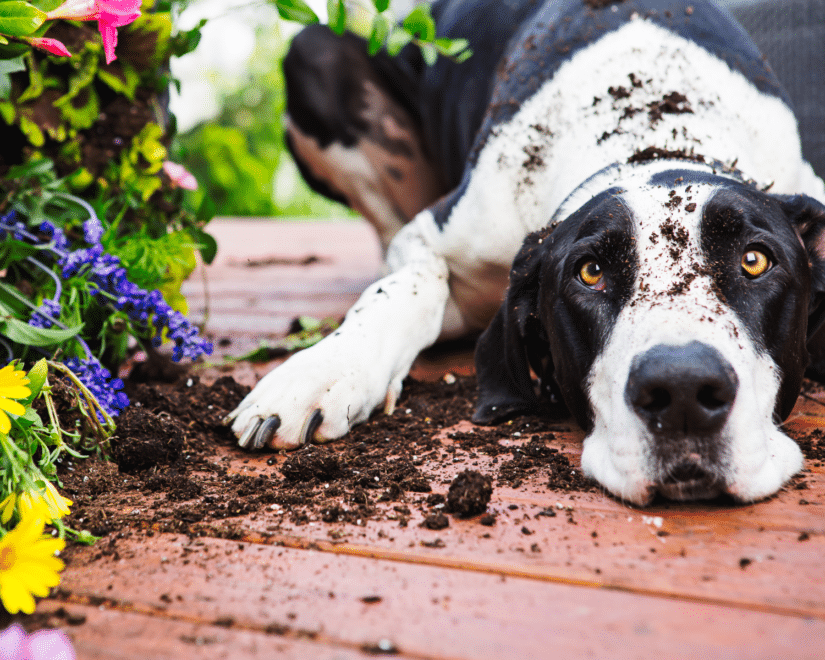
Some dog behaviors, such as digging, may have been bred into a species. For example, Rat Terriers have been genetically selected over the years to eradicate vermin with tenacity. Left to their own devices, they dig holes under fences, deep into fresh, perennial plantings, and just about anywhere else they can put their paws.

Remedies for Digging

• If your dog has a propensity for digging, provide opportunities to dig in appropriate zones and offer positive reinforcement when your pet complies.
• Some owners have plastic sandboxes full of dirt or sand with hidden bones, treats, or soft toy treasures that can be “found” when their pets dig in the right spot.
• Make sure they have plenty of mental and physical stimulation through hide and seek games, walks, and “sniffaris,” and digging options that won’t ruin your yard.

Counter Surfing

Understanding Why Your Dog Counter Surfs

Counter-surfing is one troublesome and unsafe behavior that can be difficult to reverse. Dogs of a certain height, or those with a high vertical jump, learn that yummy things live on kitchen counters and dining tables. How many of us have come home to a torn-up pizza box or cupcake wrappers strewn about the house? A dog’s keen sense of smell can lead them to trouble. In some cases, an upset stomach or even toxic ingestion of items not meant for canine consumption can result.

Remedies for Counter Surfing

• Keep all unattended food off the counter or inaccessible to your pet, and always feed them from their bowl.
Train your dog to go to their place (a bed or crate) during mealtimes. This alternate behavior is incompatible with counter-surfing.
• Given enough positive reinforcement and eliminating temptation, your dog will eventually stop scouring the kitchen for food.

To remedy unwanted behavior, supervise your pet, offer training on alternate, acceptable behaviors, and reward them for doing the right thing. If the behaviors persist, ask your veterinarian for advice and consider the help of a professional trainer.

At Pet Butler, we want you and your pet to live your best and healthiest lives, which is why we offer pet waste removal and other services year-round. We offer weekly, bi-weekly, monthly and one-time clean-up services to work with your schedule and needs.
Fourth of July Pet Safety Tips

Pet Safety Articles

fourth of july dog

With all the excitement and preparation that occurs as we celebrate our nation’s independence on the Fourth of July, our dogs are often not a part of the planning. While we’re busy enjoying food, drinks, summertime sun and fireworks, our unattended pets may be hiding under the bed or in the bathtub and could be more fearful than festive. What is it about Independence Day and other holidays that frighten our pets?

Loud Noises and Pets

By the time their hearing develops at 21 days old, puppies can hear 4 times the distance as humans and perceive a broader range of high-pitched frequencies from 67-45,000 Hz, compared to a human range of 64-23,000 Hz. Imagine the high-pitched squeal of a firework launching into the air followed by a blast 4 times as powerful as the sound we hear. Now imagine you have no idea what caused that noise. Painful? Scary? You bet!

To help ease your pup as much as possible and keep them safe during Independence Day festivities, here are some tips:

Pet Safety Tips for Independence Day

Leave Your Pet at Home

Resist the urge to bring your pet with you to the party. Take a cue from your dog if they like to hide when they hear loud noises or experience unfamiliar things. An enclosed interior place can provide a quiet escape for your pet. If they take comfort in their crate, you can use a heavy quilt to throw over the top for an added sound barrier.

Anxiety-Reducing Items for Pets

Thundershirts securely swaddle your dog, providing a calming sensation and some relief for about 50% of pets. Even playing classical music in the background can help alleviate stress and drown out other noises.

Anti-anxiety supplements such as valerian root, Bach Flower essence (Rescue Remedy), Adaptil pheromones, melatonin or the L-theanine found in the chewable Composure are all aids. For especially anxious dogs, salivating, pawing the ground, whining or destroying bedding and walls, taking prescription medication available through your veterinarian may be advisable.

Be sure to get your vet’s recommendation before pursuing supplements or medication for your pup. If you do choose to supplement or medicate, it’s best to do a test run a few weeks prior to the Fourth of July so that you can witness the medication’s effect on your dog and whether it works.

Keep Toxic Foods Away

With an abundance of grilling food and drinks readily accessible to humans at the party, dogs may take advantage and snatch a few bites for themselves. Chocolate, garlic, onions, grapes or raisins and high fatty foods should be kept away from your pets. Pancreatitis, intestinal blockages and diarrhea are common ailments treated at emergency clinics around the holidays.

Blog Cta Graphic (1)

Micro-chipping and Updated ID Tags

Because we are often distracted, our pets can take a backseat to party preparations, guests and the celebration. It’s common for dogs to try to sneak past an open door during a party. This can lead to them wandering past your property line and potentially getting hurt.

At a minimum, make sure your pet has a microchip and current ID tags in case they breach security. If your dog has a habit of slipping past you, make sure that doors and gates are always securely closed.

Beware of Hot Temperatures

Temperatures are often quite high during the month of July. Because your dog can only release heat via panting and the few glands on their footpads, they are prone to heatstroke. Help your pet stay cool by keeping them in an air-conditioned space with water and shade.

Check your Yard for Firework Debris

After the Fourth of July celebrations, explore the remains of your backyard party and search the space before you let your dog out. You may be surprised to find a still-warm grill, a cell phone, corn cob, fizzled sparklers and other debris littering the ground. All these things can be hazardous to your pet.

Keep these Fourth of July pet safety tips in mind, and have a happy and safe Independence Day!

For all your future celebration needs, we’re here to help! We’ll scoop your pet’s poop on a weekly, bi-weekly, monthly or one-time basis to ensure your yard is poop-free and ready for guests.

What To Do If Your Dog Gets Sprayed by a Skunk

Pet Health Articles

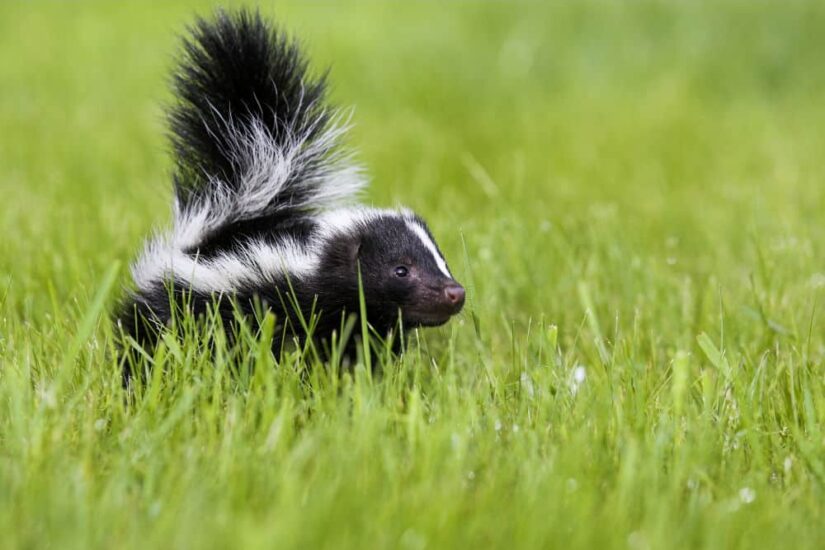
skunk in lawn

What’s black and white and strikes fear into the hearts’ of dog owners? Skunks! If your dog spends time outdoors there is a good chance it will get sprayed by a skunk, or come close to one at least once during their lifetime. Keep on reading to learn why skunks spray and what you can do if your dog gets sprayed by a skunk!

Skunk Odor and Getting Rid of It

If you have taken steps to avoid getting skunked but still end up in the unenviable position of cleaning up the aftermath, there are a few things to know about bathing your dog after getting sprayed by a skunk. Skunk secretions are made up of oils that become fouler smelling when your dog is wet. It’s not just your imagination; it’s actually the chemical compounds that make up the oils converting into more noxious products.

The thiols and thioacetates readily bind with skin proteins and can cause tearing, temporary blindness, nausea and vomiting if swallowed or sprayed into your pet’s eyes. Call your veterinarian if your dog is especially distressed or in pain as they can permanently damage their delicate corneas if not properly treated. Rinsing eyes with copious amounts of cool water may be enough to prevent serious injury.

Understanding the make-up of skunk spray has helped develop effective remedies. Oils on the fur and skin can only be broken down and washed away using a detergent and the chemicals must be converted into less stinky compounds. Tomato juice and vinegar, sadly, are not helpful.

Over-the-counter products such as Nature’s Miracle Skunk Odor Remover and Thornell’s Skunk-Off shampoo are wonderful to keep on your shelf if you have an inquisitive hound. Unfortunately, many skunk encounters happen during early morning or late evening excursions when pet stores are likely closed.

Why do Skunks Spray?

Their tell-tale smell is emitted from scent glands under the tail and secreted when they are startled or defending themselves. Though getting “skunked” can happen to you or your dog in the blink of an eye, skunks often hiss, stamp their feet, or growl as a warning before spraying their scent. Some experts believe they are able to hit a target within 15 feet!

Not only is the odor pungent and long-lasting, but skunks can carry diseases such as rabies and leptospirosis. It’s important to discourage their presence around your family and pets by eliminating any food sources, blocking access to underground hideaways, and ironically, using sweet-smelling citrus peels, ammonia soaked rags, or predator urine (or commercially available equivalent) as a deterrent. Skunks usually emit their scent directly in the face or your curious or protective dog.

Skunks tend become relatively inactive during the coldest months, preferring to commune underground to keep warm. In February and March, skunks typically mate, and spend more time looking for food such as berries, grubs, grains, seeds, and other insects at dusk, dawn and during the nighttime.

They aren’t opposed to snacking on garbage, compost heaps, or other food sources humans may have intended to feed birds or other wildlife. Skunks make their den and rear their young in burrows underground but are opportunistic and will happily reside underneath a front stoop or window well if left undisturbed.

Deskunking Your Dog

Here’s a DIY dog shampoo if your dog gets sprayed by a skunk. Head to your medicine cabinet or the local convenience store for:

  • 1 quart of 3 % hydrogen peroxide.
  • 1 tsp of dishwashing detergent and
  • ¼ cup of baking soda.

Mix the ingredients in a bowl and use rubber gloves to saturate and scrub your pet’s fur. Don’t leave this solution on your dog for too long, as the peroxide may discolor fur.  Though much of the scent may be concentrated near your pet’s head, avoid the delicate eye area. Rinse thoroughly, and then wash your dog again, but with their regular pet shampoo.

Keep an eye on your furry friends as their outdoors this season!

Ways to Protect Your Dogs Paws from Hot Pavement

Pet Safety Articles

dog paws

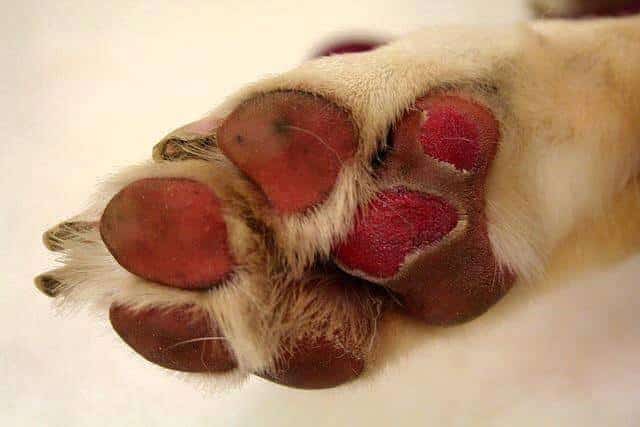
Photo Credit: Dogtime and Hobart and Channel Highway Animal Hospitals

While we bask in the sun’s warm rays, knowing that summertime weather may only last until September and not return until May, our pets don’t typically seek the heat. Not only do their all-season coats and limited ability to regulate body temperature by panting and sweating keep them toasty, but unprotected body parts like ear tips, noses, upturned bellies, and especially tender paws take the brunt of the sun’s damage. And while humans think to bundle themselves and their pets up against the cold winter temperatures, we often forget to protect dogs in the summer.

How to Protect Dogs Paws

One of the best ways to protect your pet in the summer is to avoid the sun during the peak temperatures of 10 a.m. and 6 p.m. If you’re going to play ball, frisbee, or even swim, try to do it during the cooler mornings and evenings when the heat is less intense. Even if you are enjoying your stroll at dusk and not in the sun’s direct light, don’t forget about the asphalt, which may retain most of the day’s heat and damage dogs paws.

If the outside temperature is a comfortable 77 degrees, driveways and roads can still reach 125 degrees Fahrenheit. At 87 degrees air temperature, a blazing 143 degree can be reached on the asphalt’s surface.

Beware the Hot Pavement

Keep in mind an egg can fry at 131 degrees in just 5 minutes! A good rule of thumb to follow is the 7-second rule: if you can press the back of your hand against the ground for 7 seconds, it’s safe for your dog to walk upon. Artificial turf, running tracks, sand, and even brick and concrete may be dangerous to your dogs paws during the hot summer months.

We recommend walking  your dog early in the morning or late in the evening when temperatures and grounds are cooler.

Besides staying on natural grass, what else can you do to protect your dog’s paws? Invest in some fitted dog booties to help provide a barrier from hot surfaces, especially when pets have to go outside to potty. Many times, these same booties can be used in the winter to eliminate the risk of irritation from salt and ice. It can be a trial and error process to find the set your dog likes best.

Dog Paw Balms

Some are made of a stretchy latex material like PAWZ, and others of fabric with velcro straps and even reflective material. Have your dog practice wearing their gear inside and with plenty of treats. It can take some time to get used to wearing shoes when you’ve always been footloose and fancy-free!

Another option to provide a temporary barrier between the sensitive paw pads and the elements is a paw balm or wax. Paw waxes are especially effective in the winter months but can be used on dry, cracked pads ravaged by the rough pavement. Some dogs don’t know when to call it quits; my golden retriever will fetch a ball to the detriment of her own feet. I apply a paw balm both before and after vigorous outside play, especially if we are on a rough surface.

Musher’s Secret is an especially popular non-toxic wax. Other DIY dog paw balm recipes can be found online and often involve a combination of beeswax, shea butter or coconut oil. Above all else, perform a visual inspection of your dog’s feet and pads after any outside activity when temperatures may be either very warm or very cold.

Sunburn looks like erosion or ulceration of the skin and must be treated by your vet immediately. Foreign bodies like burs or pests like fleas and ticks may be detected before they cause further damage. Keep furry toes neatly trimmed and nails clipped weekly to avoid splitting or cracking and accumulation of dirt and debris. Keep enjoying the dog days of summer!


Pet Fire Safety Tips & Disaster Planning

Pet Safety Articles

pet fire safety

Did you know that July 15 is Pet Fire Safety Day? One of the most common dangers to befall families is a house fire. According to the American Fire Administration, house fires affect approximately 500,000 pets each year. A portion of these fires are started by pets themselves.

Naturally curious, pets are attracted to the open flames of candles and fireplace fires. Some sweet-smelling oils warmed by a flame may prompt a pet to investigate. A client once returned home to a devastating kitchen fire; he left a cardboard pizza box atop a gas stove. Presumably, the dog jumped up to eat the pizza and inadvertently turned on the burner.

Halogen lamps and space heaters are easily nudged by a pet leading to excessive heat build-up and are a definite fire hazard. Finally, wires can be tempting to chew for both cats and dogs, especially puppies!

Tips to Keep Pets From Starting Fires

  • Keep an eye on open flames: Supervise your pet whenever lighting a candle or fire in the fireplace. A solid screen can prevent embers from escaping and pets from getting too close to the flame.
  • Avoid candles: Keep candles and other diffusible oils out of your dog’s reach and consider going battery-operated.
  • Use safety knobs: Pet and child fire prevention includes investing in safety knobs for your stove top found in any big box store near the infant section.
  • Watch the heating products: Eliminate halogen lamps and use space heaters only when you’re awake and in the same room.
  • Secure electrical wires: Pets can chew on cables or wires, it’s best to secure wires with tape or enclose them in a plastic cable organizer. Flexible tubing denies teething pups’ access.

Pet Disaster Preparedness Plan

When making a disaster plan for your family don’t forget to include your pets. Should your family need to evacuate a residence, practice makes perfect. Designate a member of the family to be responsible for the pet’s safety in a fire. It’s a great idea to have a “go bag” for your pet that includes a few days of food, water, leash or harness, ID tags, medication and a copy of their medical record.

  • A photo of your dog and copy of their microchip number can aid in their return should they escape or become loose during an emergency. Knowing pets’ hideouts or safety zones such as a bathtub or under a bed can be important to quickly locate your pet.
  • First Responders can use that information along with a window decal indicating what kind and how many pets they should be searching for.  A pet in a burning house may run for an open door, so leave one available as you exit.
  • Technology can be wonderful at detecting fire, power outages, or carbon monoxide leaks. It’s possible to link smoke detectors and carbon monoxide detectors to a security service or directly to emergency personnel. If a fire starts in your home while you’re out, a signal is sent to the monitoring center alerting the fire department of danger.
  • Lastly, smoke detectors that are battery operated only work if the batteries are operating! With every new year, it makes sense to practice fire safety and change them out.

Symptoms of Dehydration in Dogs and Safe Ways to Re-Hydrate

Pet Safety Articles

dog dehydration

Pets are especially prone to dehydration and hyperthermia as they are not designed to efficiently regulate body temperature. They cool themselves by conduction, or transfer of heat, by lying on a cool floor. Sweat glands in the paws and panting help to carry away body heat and fur helps to provide insulation. On hot and cold days, they can become dehydrated quickly and need more than the requisite cup of water per 10 pounds of body weight, or ounce per pound.

Pets can also become dehydrated by losing fluid if they are experiencing gastrointestinal symptoms of vomiting and diarrhea or have a high fever. Excessive urination due to kidney disease or diabetes can also deplete the body’s water stores.

Vigorous exercise and lack of access to clean water will obviously lead to dehydration. For a healthy pet in comfortable environment, it’s safe to remove access to the water bowl an hour or two before bedtime to prevent nighttime accidents, but replenish the dish in the morning.

Symptoms of Dehydration

The symptoms of dehydration vary depending on the degree of water loss. You may first notice excessive panting or drooling in your pet with a 3-5% loss of fluid. They will attempt to find shade or an air conditioning vent. Lethargy and loss of appetite is common. As dehydration progresses, their noses and mouths become dry, eyes appear sunken, and skin loses its “spring”.

At 10-15% fluid loss:

  • signs of shock such as shivering
  • listlessness
  • rapid heart rate
  • weak pulse
  • bright red gums
  • appear unconsciousness. If not immediately treated by your veterinarian with gradual cooling and intravenous fluids, your dog can die.

Re-hydrating Your Dog

In the early stages on dehydration, it’s important to eliminate the cause, be it treating the diarrhea or getting your dog out of the sun. Provide access to fresh, cool water in small, frequent amounts or offer ice cubes.

Dogs that guzzle water are at risk for vomiting all they consumed and losing more fluid. Electrolytes are lost in body secretions, and with the permission of your veterinarian, a small amount of bone broth, Pedialyte or other electrolyte replacement solution can be added to water to slowly rehydrate your dog if they are not vomiting.

Perform a Dehydration Test

To perform a dehydration test on your pet, consider two options:

Test skin elasticity. The skin elasticity test measures the amount of spring in your dog’s skin. Pinch the skin to make a tent between the shoulder blades or along the ribcage, release your grip on the “skin tent”, and watch for the skin to return to the dog’s body wall. In a well-hydrated animal, the skin returns to its normal position almost immediately.

Test your dog when they are healthy as each dog’s skin elasticity varies. It can be especially difficult to judge how long skin stays tented in wrinkly breeds like the shar pei or bulldog, older pets, or those with long hair. In which case we move on to the second way to check for dehydration in pets.

Check gums. Normal, healthy dogs have moist mouths and no excessive panting. Their gums are pink (again, check on your healthy pet to determine their personal normal. Heavily pigmented dogs like chows or mastiffs may be more difficult to assess). When the pink gum tissue has pressure applied via a fingertip, the mucous membrane blanches to near white.

When the pressure is removed, a normal pink color should return in less than 3 seconds. This is known as the capillary refill time. If gums are red or white upon visual inspection without pressure, call your vet. Animals that have a delayed capillary refill time may be dehydrated and need prompt intervention too.


How to Prevent Travel Anxiety and Motion Sickness in Dogs

Dog Behavior Articles

dog travel anxiety and car sickness

For many of us, not only do we treat our pets LIKE family, they ARE family; I’ll admit, sometimes the dogs are my favorite family members. They don’t whine, kick the seats, fight with their siblings, or complain of boredom. Especially on road trips. My human children can’t possibly imagine how we survived long car rides without iPads, smart phones, and videos.

While dogs can be the ideal travel companion, there is the occasional pooch that suffers from travel anxiety or motion sickness. Is it possible to manage dog car sickness and nervousness so that you and your furry friend can best enjoy the open road? Yes!

Dog Car Sickness and Travel Anxiety

Dogs can become excitable or nervous when they are in unfamiliar situations or when they associate an activity with a negative outcome. Did your dog’s previous car ride end in a trip to the vet for vaccinations or surgery?

Was their last car ride three years ago and they are no longer accustomed to the sound of the engine, the roar of passing trucks, or the confinement that road travel brings? Are they secured in a crate or harness with a familiar toy or blanket or are they bounced around in a hot vehicle during stop and go traffic?

Take Shorter Trips

If possible, introduce a puppy or even adult dog to short, frequent road trips that end at a dog park or give them treats during and after the ride. When a car ride equates to a favorite activity or snack, dogs are eager to hop in a vehicle. Mix up the duration of car rides and give them a little fresh air. Stop sporadically to exercise your pet and provide stimulation, playtime, and a drink.

What if you knew that EVERY time you got into your car you were going to be trapped inside for 9 hours with few breaks to eliminate or eat? I’d start to think my vehicle might be more like a prison cell on wheels. Happy to buckle up? No thank you! I might drool and pace at the sound of car keys jangling or hit the brakes hard if someone tried to plop me in a car seat.

Calming Dog Medications and Supplements

In addition to desensitization, travel anxiety in dogs can be alleviated with over-the counter supplements and/or prescription medications from your veterinarian. It’s best to manage the situation before it gets out of hand; the more a behavior becomes practiced by an animal, the harder it is to unlearn. This is especially important with large dogs who can be more difficult to contain and restrain in a car.

As a housecall vet, we see many patients at home because they simply refuse to get in the car. Whether it was a prior negative experience or just lack of exposure to car rides, it can be impossible to convince a 150-pound Mastiff to buckle up. What would happen to your pet if you had to transport them in an emergency?

Products containing L-theanine, Chamomile, L-tryptophan, and Vitamin B1 such as Composure Pro by Vetriscience may be all that is needed to take the edge off an anxious dog. Combining the tasty treat with an Adaptil dog collar, which releases a natural dog calming pheromone imperceptible to humans, can work wonders.

Other dog owners have found success using a Bach flower drop called Rescue Remedy. Ask your veterinarian if you think your dog might be more comfortable using one of these supplements or if a prescription medication such as Trazodone or Alprazolam might be necessary to ensure a successful trip.

Benadryl (diphenhydramine) can be tried to help ease the tension of car travel, but I find while it may cause sleepiness, it doesn’t help truly anxious dogs. In some cases, when dogs lose their coordination and stumble about due to sedation, they become more anxious.

Motion Sickness

I always recommend trying the medication you are planning to use in advance. You don’t want to find out 2 hours into a 10-hour trip that your dog may have needed a higher dose and is panting, shaking, and crying or that they have an adverse reaction to a new product.

Some dogs become anxious in the car because they have previously experienced motion sickness. Motion sickness can be alleviated by avoiding a large meal before travel and making sure dogs are secure in a crate. Other pets fare better given a medication like Cerenia tablets or Meclizine a few hours before a trip. A safe alternative to prescription medications may be a sprinkle of ginger powder on a bit of wet food to manage nausea. As always, check with your veterinarian. Safe travels!

Kids and Pet Safety: Teaching Kids How To Interact With Pets

Pet Safety Articles

kids and pet safety

Did you know that 68% of U.S. households have a pet and 89.7 million dogs live in these pet-loving homes? You don’t have to be a mathematician to understand that is a LOT of dogs!

Children up to age 18 live alongside these pets in many homes and what’s better than watching a child beam holding a newly adopted puppy or kitten? Kids and pet safety is important including a child safely holding their new best friend and learning the basics of how to interact and train the pet so that all family members can reap the benefits of pet ownership.

It’s been shown that kids develop much needed social skills with pet ownership including empathy, responsibility and patience. Because pets are a source of unconditional love, the affection, physical contact, and non-verbal communication between a child and pet can contribute to increased self-esteem.

Kids and Pet Safety Tips

Anyone who has owned a puppy knows that they explore their world, just as children do, and a critical window of development exists between the ages of 4 and 14 weeks. Most puppies are weaned from their moms and introduced to their forever home around 8 weeks of age. You have just a few short months to show your puppy that humans including children are safe, loving, and lots of fun to be around!

Even older dogs can bond with children in the home if they are approached and interacted with carefully and positively. The best people to teach small people how to interact with pets are big people. It’s possible and even likely that your two and four legged beasts can live harmoniously with kids and pet safety practices.

Children Under Four Years Old

Young children under 4 years of age don’t have social maturity, impulse control, and can be erratic in movement and behavior. The best advice for living with pets and preschoolers is to supervise every interaction. Give your pet a safe zone in which to retreat if a child’s hurried movements become overwhelming.

Introductions can be in a controlled, quiet environment while the pet is leashed. Model kindness and gentle, slow movements around pets who appreciate being “asked”  if they can be stroked or picked up.

Like children, dogs appreciate predictability and structure. Even young puppies can be reliably taught to sit for a treat or other reward before being offered an outstretched hand to sniff; never reach over the head of the animal or hug a pet, both gestures can be perceived as threatening and lead to a bite.

Elementary School Age

Children can bear some of the responsibility of pet ownership once they have reached elementary school age. Teaching a child how to feed, groom and walk a dog helps establish the social hierarchy within the household.

We live by the adage “nothing in life is free” and children should give the pet a reward such as food, a toy, or attention if the dog sits and stays at their command. Pets can also be taught fun tricks like rolling over or playing dead.

Children should know that some items can be sacred to a pet. A dog may not take kindly to having their food dish taken or a favorite bone grabbed away. An adult should check to see if a dog has problems with food or territorial aggression before allowing the child to feed the pet. If a high-value item prompts an aggressive response in your dog when it is touched, get rid of it.

Startling a sleeping dog can also provoke a negative behavior; teach children to respect the pet’s space, don’t let your pet sleep on the bed, and let them be if they are asleep.

Best Dog Breeds For Kids

Is it possible to predict if a pet will be kid-friendly? In general, confident, not shy, dogs and puppies are best suited to homes with children. Loud noises startle some dogs more easily than others; those that are non-reactive to quick movements and the sound of a baby crying or a child’s high-pitched squeals adapt more easily to the hustle and bustle that accompanies large families.

Certain breeds are touted as being more family-friendly due to their physical sturdiness, patience, trainability, and love of attention. Retrievers, Boxers, lively Boston Terriers and Cavalier King Charles Spaniels are dog breeds that make excellent family pets.

Does the dog chase a fast-moving child? Growl when he’s approached while eating or lying on the bed? Pets can be desensitized to such actions but if given the choice, don’t set yourself up to fail. Older, arthritic pets may not be the best choice for families with young kids, nor dogs that did not grow up around children.

Puppies with few negative human experiences may be more amenable to positive training and reinforcement around behaviors typical of children. Give your puppy plenty of love, attention, or a food reward if they are calm and well-behaved around kids. Keep these kids and pet safety tips in mind. Pups soon learn to associate children with all the best things in life!

Find a Pet Butler 800-Pet-Butler