
Pets and Separation Anxiety

Dog Behavior Articles

dog anxiety

Home-bound and with few distractions, demand for dogs has skyrocketed during the COVID-19 lock down, as families who once had obligations like school, sports, and full-time jobs, find themselves looking to adopt a furry friend. Among veterinarians, there is an overall sense of unease and concern that a wave of abandoned and maladjusted pooches will fill the shelters when restrictions are eased. “A dog is for life, not just for lock down,” is our new battle cry. Some rescues have instituted stricter screening measures for potential adopters, quizzing them on their ability to provide consistency, training, and cover the expense of raising a dog while emphasizing the huge and ongoing responsibility of pet ownership.

How the Stay-At-Home order effects a Pet’s Health

When consulted about adoption during the lock down, my main concerns are proper pet socialization, given restricted access to other people and dogs. Pets should still receive preventative care such as vaccinations, heartworm, flea, and tick medication. Some diseases pets can acquire such as rabies and leptospirosis are zoonotic, or transmissible to humans. We need to do everything in our power to maintain the good health of our animal and human family members. Finally, we need to prepare our pets for eventual return to normalcy and prevent separation anxiety, the fear and distress that occurs in dogs when their guardians leave.

What is Separation Anxiety?

  • Separation anxiety is manifested as drooling, panting, barking, urinating, defecating, pacing, and destructive behaviors such as chewing on furniture either in anticipation of their owners leaving or shortly after their departure.
  • The loss of their primary caregiver, a change in routine, or change in residence can trigger separation anxiety.
  • Once developed in a pet, separation anxiety can be difficult to resolve and involves weeks to months of dedicated re-training, positive reinforcement, desensitization, and sometimes anti-anxiety medication if all other medical problems have been ruled out.

Preventing Pet Separation Anxiety

The best thing to do is prevent separation anxiety in the first place. While we shelter in place, this can be difficult, but not impossible, to achieve.

Safe Space Set Up – First, establish a safe place for your pet to stay in your absence. This should be your pet’s version of Disney World or the “Happiest Place on Earth”. Special toys, a Kong filled and frozen with peanut butter or cottage cheese, or a treat puzzle should be offered in your dog’s crate or when secure behind a baby gate.

Practicing Alone Time – Practice leaving your pet alone in their happy place for variable amounts of time, but never long enough that they start to exhibit anxious behaviors. Remember, we want the activity that the dog fears (packing a suitcase, jangling of car keys, back door closing, you leaving) to become associated with something positive or at least neutral.

Mix Up The Routine – If every time you leave it’s for an 8-hour work day, it’s no wonder your dog becomes anxious every time the car starts! The key is to mix up your routines and departure cues.

  • Make leaving and arriving home boring and unpredictable.
  • Put on your coat and shoes, then sit on the couch.
  • Pick up your keys, go out the back door instead of the front door, and just stand outside for five seconds before coming inside.
  • Once returning, ignore your pet or ask for a sit-stay until they are calm; don’t reinforce overly excitable, exuberant behavior with attention.
  • Work from a different room in the house without your pet present for variable stretches of time.
  • Don’t rush through the desensitization phase of training.
  • Be alert for signs of anxiety in your pet, either before you leave or on a video monitor.
  • Pacing, whining, yawning, trembling, and licking the lips are often the first signs of distress and you must take a step back in your training.
  • Wait until your pet is relaxed and not excitable before running another practice drill.

Exercise – Make sure your dog has enough physical and mental energy expended before you leave. A tired dog is usually a happy dog and an empty stomach makes the Kong toy that much more enjoyable! Over time, you can work your way up to a walk around the block or a short car ride without your pet. Remember to mix in shorter absences with the longer ones. Teaching a dog to enjoy time alone and independence is a marathon, not a sprint.
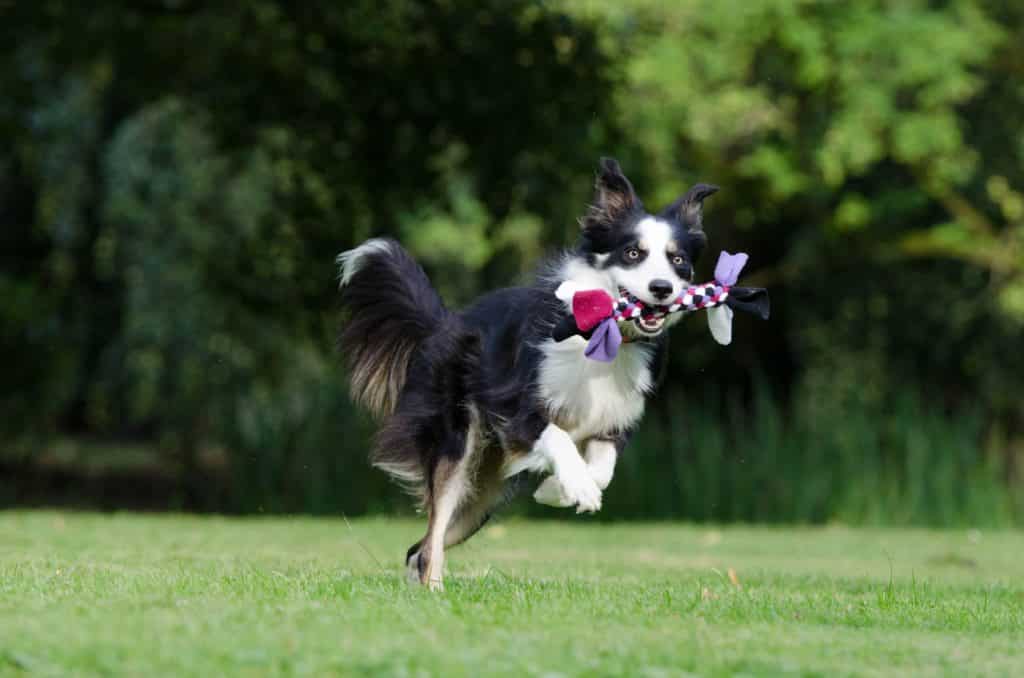
collie playing

Socialize With The Whole Family – It’s also important to have your dog spend time with other family members, friends, and get comfortable in a dog daycare situation should you need to board your pet. Have others in the home walk and feed the dog as well as participate in training and grooming sessions to establish other bonds. You can do video chats with friends and provide treats when they hear a new voice. If possible, visit a boarding facility several times with your dog for positive meet and greets.

You can also employ the services of a trusted pet sitter like Pet Butler to break up your absences. Your dog may look forward to his crate if he knows another happy, engaged dog-lover is just a few hours away!

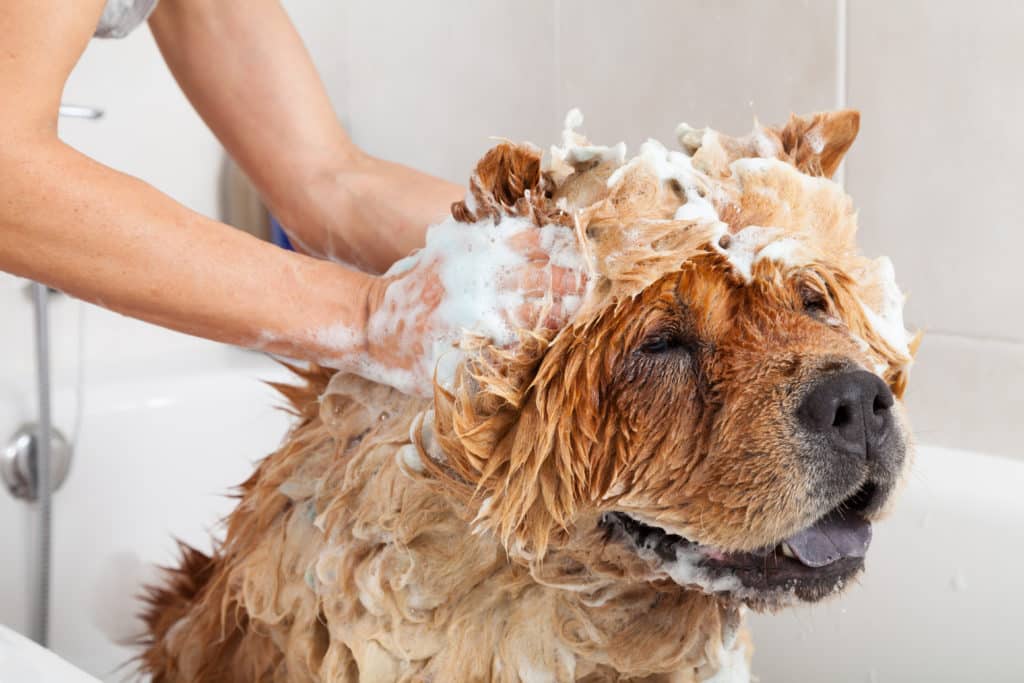
Guide for Pet Grooming at Home

Pet Health Articles

dog nail trim

Many dog owners opt to be their pet’s hairstylist. While getting the perfect poof for your pooch might be ambitious, there are some necessary aspects of grooming you need to know to ensure you’re doing it properly and in order to keep your pets healthy.

Grooming Tools

Combs & Brushes: Have the right tools for the job including brushes and combs appropriate for your dog’s breed: some require a slicker brush with pin-type bristles; Labs may benefit from a de-shedding blade to eliminate loose hairs; and a Furminator rake grabs dead undercoat hairs in dogs like the German Shepard.

Nail Clippers: I love my Miller’s Forge trusty orange handled nail clippers and have cornstarch or Kwik-stop styptic powder on hand should I accidentally trim nails too close to the blood vessel.

For Eyes and Ears:

  • Sterile eye lubricant, like Genteal, and cotton balls are great for protecting eyes and ears during bathing and grooming procedures.

Shampoos:

  • A mild pet shampoo is a must; ask your veterinarian for their recommendation as the pH of pet skin makes it unsuitable to use a human shampoo. Some pets have skin conditions that require a medicated shampoo and a bathing routine that is more frequent than once a month.

Shampoo Dog

Hair Clippers:

  • Professional pet hair clippers like the Wahl Bravura or Andis Excel Pro-Animal along with a blade lubricant and disinfectant are an investment worth making if you will be trimming your pet’s coat regularly. A number 10 blade can be used close to the skin on areas such as the tail or chest. Cordless dog clippers varieties are great for smaller areas between the toes or closer to the face. They have a narrow blade and are easy to maneuver in tight spaces. Use extreme caution on think skinned areas near the underarms, hock, and groin. I’ve accidentally clipped skin in that area and I do not use scissors for the same reason! If you can secure your pet on a non-skid table or yoga mat with good visualization and lighting, you will have a better grooming experience.

Provide plenty of high value treats like rotisserie chicken bits and your pet will have a better experience too! Above all, have plenty of patience and a sense of humor!

Brushing Your Dog’s Hair

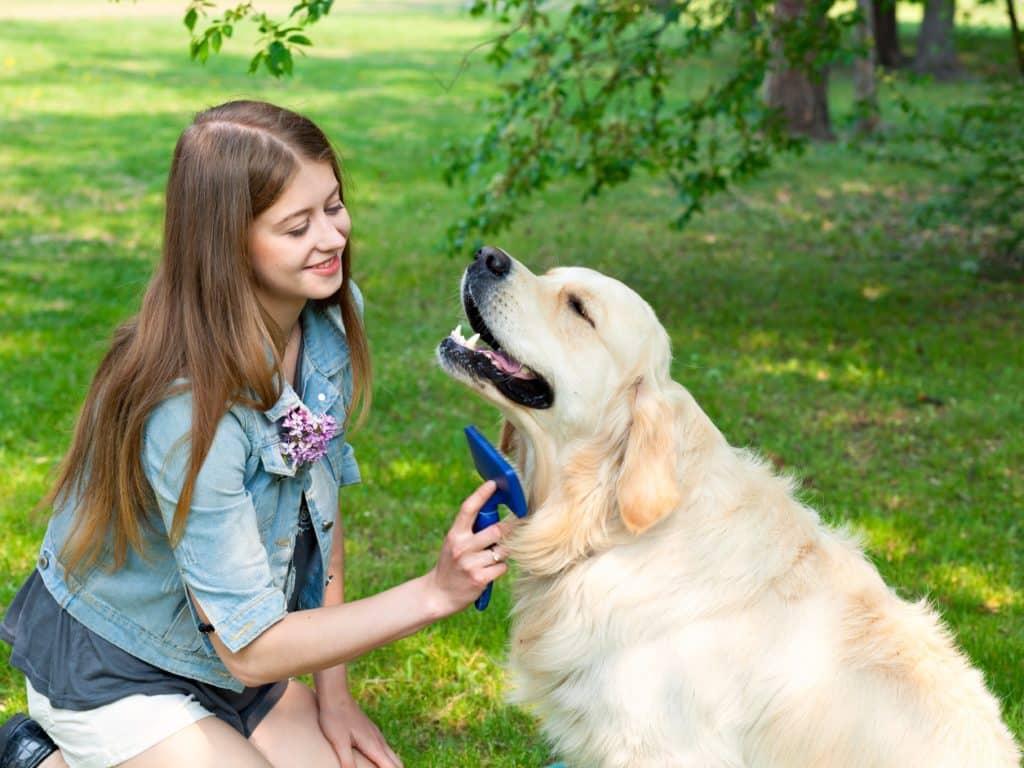
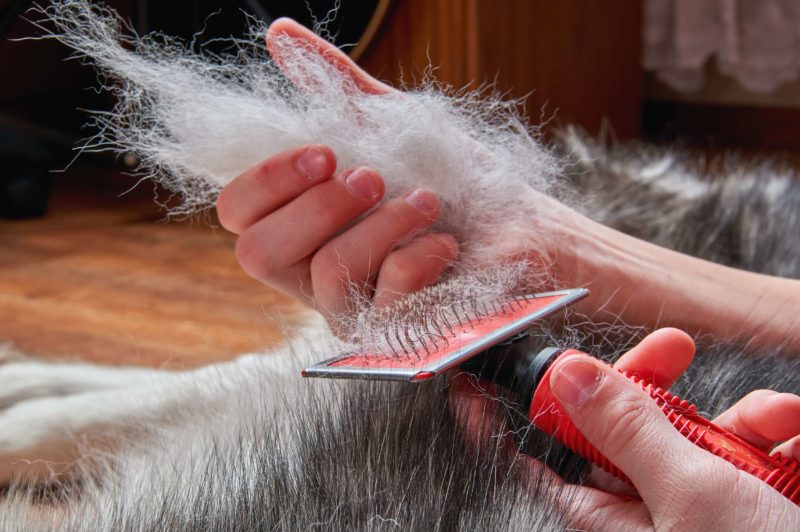
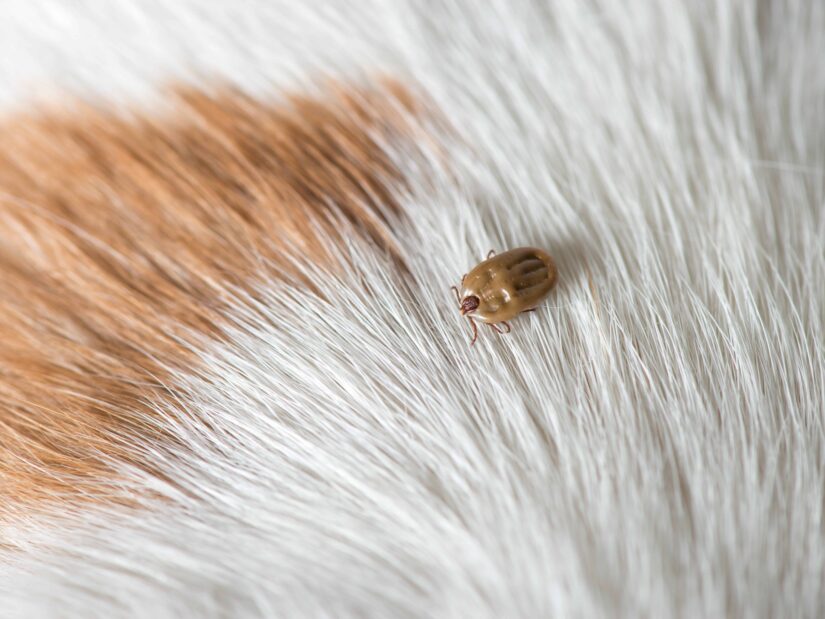
Depending on your dog’s breed, daily brushing of the coat and teeth are necessary for maintaining optimum skin and oral health. Some dogs with double coats, such as the German Shepard Dog, shed dead hair on a continual basis and need daily brushing. Other breeds such as terriers need less aggressive coat maintenance. Regardless, a daily brushing, coat inspection, or massage allows you to check your pet head to tail for mats, ticks, and any new lumps or bumps. It also helps distribute the oils in your pet’s skin and remove dead hair which can lead to infection if left to mat and obstruct airflow to the skin’s surface.

brushing dog hair

Brushing Your Dog’s Teeth

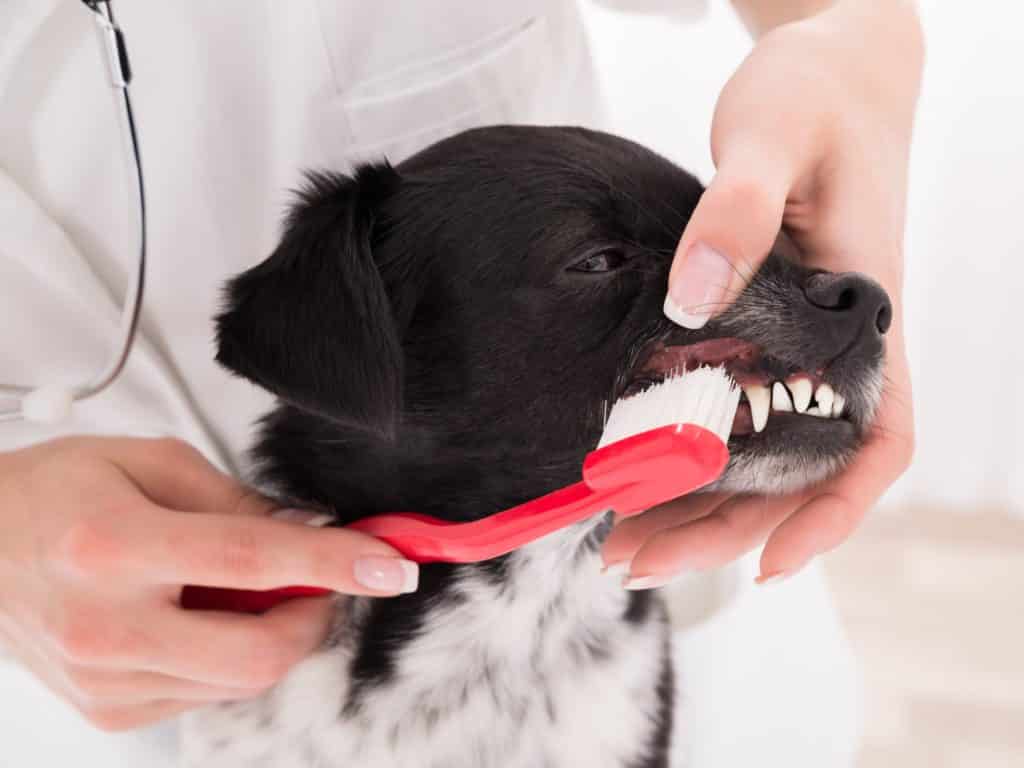
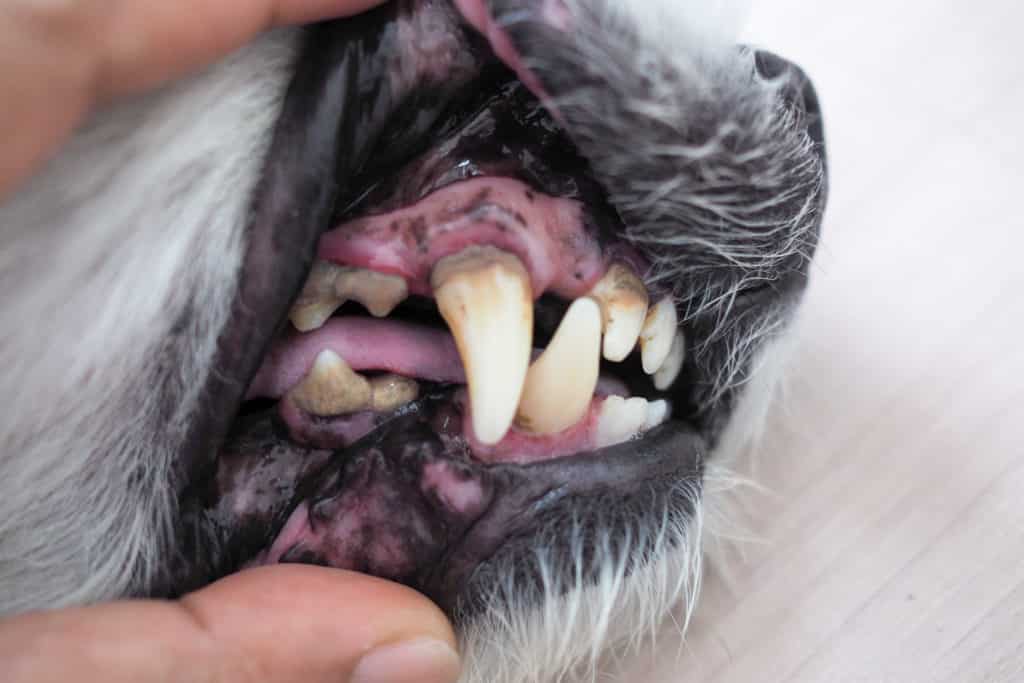
Use a pet toothpaste and a finger brush, a kid’s soft-bristle brush, or even a gauze square, to gently massage your pet’s gums. Daily oral care is just as important to maintain your pet’s health as it is for humans. Not only does the accumulation of bacteria and minerals in saliva lead to unsightly tartar, but gingivitis, halitosis, and even heart or kidney disease can develop if bacteria is left to colonize the surface of the tooth and gum line and enter the bloodstream.

brush dog teeth

Cleaning Your Dog’s Ears

Ears are an extension of the body’s skin and should also be examined daily.

  • Cotton balls can be placed in the ear canals to avoid introducing water inside the ear during bathing and grooming.
  • Use a drying solution recommended by your veterinarian to saturate the inside of the ear canal once a week.
  • Massage the ears to loosen debris and let your pet shake, shake, shake! Cotton balls can be used absorb the remaining moisture.
  • Lots of treats should be involved in ear cleaning.

There is nothing worse (except for nail trimming) than attempting to clean a dog’s ears that is unaccustomed to ear handling and maintenance. A foul ear odor, excessive debris, redness, or pain should be brought to your veterinarian’s attention immediately.

Trimming Your Dog’s Nails

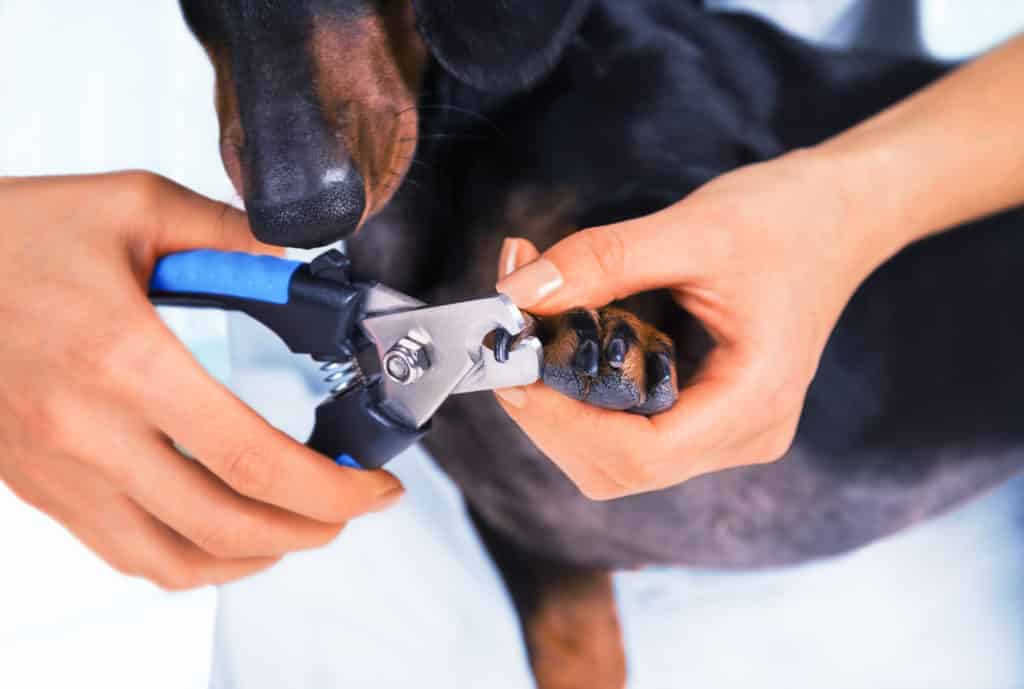
When you’re feeling confident and your pup is relaxed and comfortable, it’s time to tackle the nails! It’s extremely important to acclimate your dog to the sight and feel of the clippers as well as handling of the feet before attempting the trim. Rub the clippers over your pet’s feet while they’re eating, snuggling, or are otherwise happy and content. Give lots, and lots, and lots of food rewards and praise when they settle while having their feet touched! Then to trim your dog’s toenails…

  1. Have a hungry pup and a partner who can continuously distract and offer snacks.
  2. Use the scissor-type nail trimmer and don’t use the guard as it impairs visualization of the nail.
  3. Have your pup give his paw while sitting on a non-slip surface.
  4. Place the nail in between the blades and decisively snap the clippers together to shave just a few millimetres off the tip of the nail. Usually the tip of the nail, which is safe to trim, is brittle; as you get closer to the quick, which is the vessel in the center of the nail that looks like a small dot, the nail becomes softer.
  5. Shave bits off around the quick if your dog is still happy and eating treats.
  6. Should you injure the quick, use cornstarch, Qwik-stop, or even cold snow packed in the nail to staunch the bleeding.
  7. The goal is progress, not perfection. Aim for one or two nails a session.

dog nail trim

Cutting the quick isn’t fatal, but it is painful, and your dog will be less likely to willingly participate in nail trims in the future. Weekly trimming causes the quick to recede. You should be able to trim your pup’s nails shorter and shorter as recession occurs, which means there is less likelihood of torn or ingrown nails!

Positively associating grooming with food, attention, and verbal praise can make bathing, trimming, and keeping your pet clean and healthy a cinch. It should ultimately be a fun bonding experience for you both!

Dog Shedding: Why Our Dogs Shed and How to Manage It

Pet Health Articles

dog shedding

Future pet owners often ask me what types of dogs are “hypoallergenic”, especially if there are humans in the house with allergies to pet dander. While there are no truly hypoallergenic dogs, there are several breeds that tend to shed minimally, thus depositing fewer hairs and the offending dead skin cells that trigger allergies in the environment.

Dogs with double coats such as Huskies shed the most, but all shedding is based on the natural growth cycles of the hair in follicles, which can vary based on breed, age, health, hormones, and environment. These factors all determine whether your dog has long or short hair, coarse and wiry hair or curly fur, and whether they shed prolifically year-round or minimally during certain seasons.

A Dog’s Hair Growth Cycle

To fully understand the hair growth and shedding process, the type of coat your dog possesses, and finding the pup that best suits your family’s needs, it’s a good idea to review the hair growth cycle and its four stages.

  1. Anagen Stage – During the Anagen stage, hairs are actively growing. Long-haired breeds such as Afghan Hounds have hair that spend more time in the growth phase.
  2. Catagen Stage – During Catagen, new hairs reach the end of their growth phase and cease growth.
  3. Telagen Stage – Telagen is the stage where hairs are dormant but are still attached in the hair follicle. Terrier breeds, like the West Highland White and some toy breeds such as the Maltese and Shih Tzu, have fur that tends to rest in the Telagen phase of the hair cycle for longer periods of time.
  4. Exogen Stage – Exogen is the period where hair reaches the end of its lifespan and is shed. Year-round shedders have some hairs that alternate between Exogen, Telagen, Catagen, and Anagen stages. Their hair may always appear to be uniform in appearance. Dogs with a single coat, such as Yorkies, may shed less and do so year-round vs dogs with a double layer coat; double-layer coats consist of a layer of guard hairs covering a thicker, soft undercoat. This protective, insulating, undercoat is shed as the weather warms up seasonally and is replaced by a thinner undercoat. This spring shedding is known as “blowing the coat” and is the bane of many pet owners’ existences!

dog hair shedding

What Can Affect a Dog’s Shedding?

With a house full of Golden Retriever hair, I am all too familiar with the massive period of shedding in the spring. Some factors that can affect a dog’s shedding process include…

Indoor Temperature Shifts: When firing up the furnace in the winter or A/C in the summer, those gusts of wind heating or cooling your home can cause dog hair to blow around the house.

Hormone Changes: Hormone changes can occur with pregnancy or thyroid disease can also lead to a massive and sudden loss of the undercoat.

Nutrition: Maintaining optimal nutrition levels and reducing stress can play a part in a dog’s hair growth and shedding cycle. Hair growth, while essential for maintaining protection of the skin and regulating body temperature, is not essential for life. Resources such as vitamins, minerals, and nutrients, like fatty acids, will first be used for life-sustaining activities such as respiration and neuron function. By providing the correct balance of protein, fat, and carbohydrates based on your pet’s breed, age, size, health status and activity levels, nutrients needed for hair growth and retention can reach the follicles. Hair coat will cycle normally through the four stages of growth and loss, and the fur will look shiny and healthy.

How to Maintain My Dog’s Shedding Hair

For the Dog

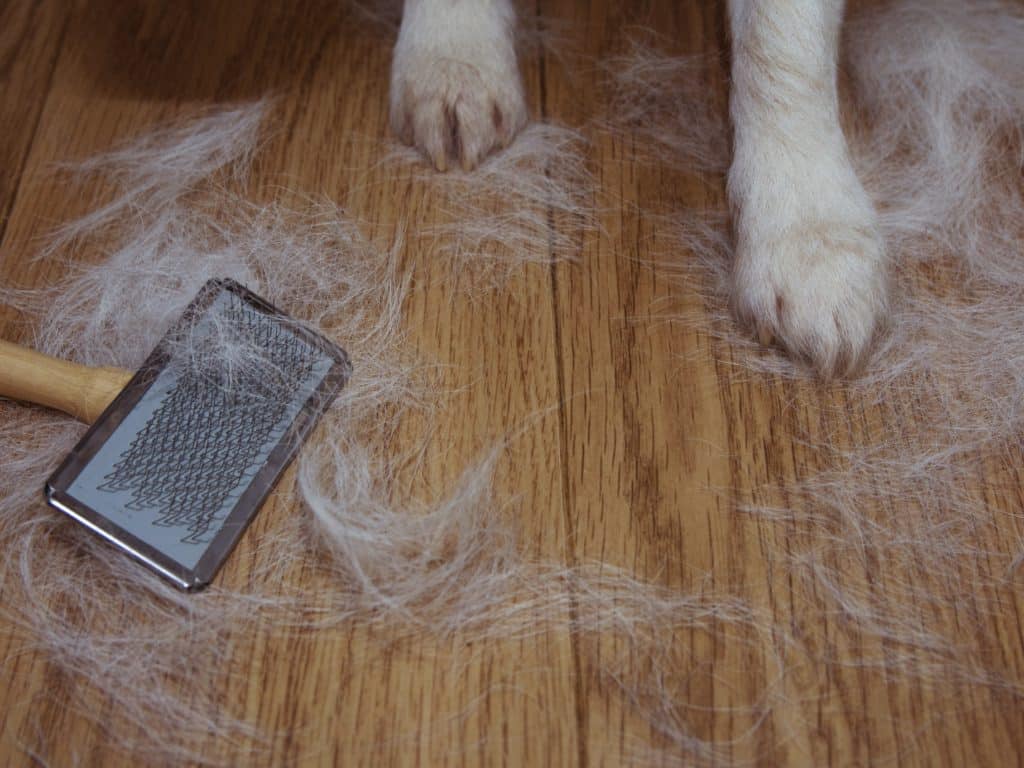
To facilitate a faster blow-out and clean-up of the tumbleweed disaster, purchase some good grooming supplies and plan on daily brushing and monthly bathing.

  • Nature’s Specialties EZ Out Deshedding Shampoo will help loosen the dead hair when massaged into the coat using warm water.
  • The powerful Metrovac Pet Vacuum cuts drying time by 75% and is perfect for dogs with thick double-coats.
  • Once the coat is dry, a FURminator de-shedding tool is great for brushing out the undercoat.
  • Daily brushing with a slicker brush or soft bristled brush will keep your pooch in top shape.

dog hair

For the Home

  • Maintaining humidity will lessen the fur that sticks to surfaces and static cling.
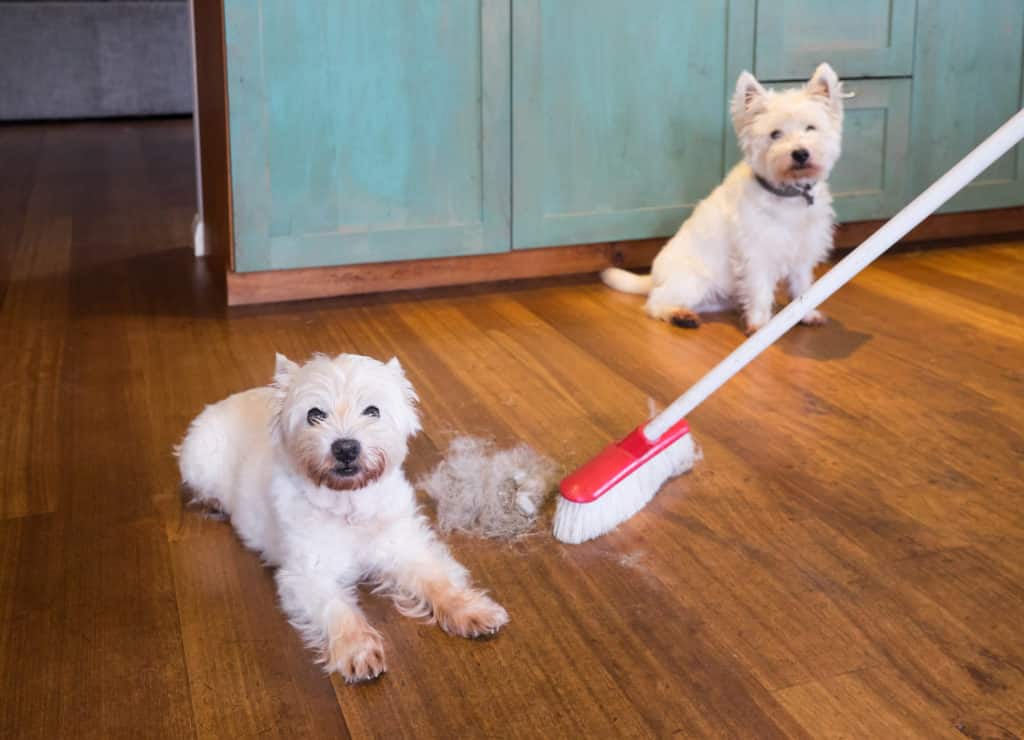
  • A rubber broom or squeegee will loosen hair from carpets and furniture; the Dyson pet vacuum or Shark have both helped keep the hair to a manageable level in our three-dog home.
  • Throw blankets cover our most often used furniture pieces and can be laundered when needed. We also keep our glove compartments and kitchen junk drawer loaded with sticky rollers. In a pinch, dryer sheets are fabulous at grabbing dog hair from clothing, upholstery, and floors. And they smell great too!

Keep these tips in mind to help maintain your furry friends’ hair growth cycle and shedding process this season.

Tips for Socializing My Dog

Dog Behavior Articles

dogs socializing

Why Socialization is Critical for Pets

Canines need to be good citizens of the world in which we live.

Dogs that aren’t socialized are often relinquished to shelters for preventable behavior problems such as resource guarding and territorial or fear-based aggression. Pet “problems” account for approximately 47% of surrendered dogs; many are re-homed multiple times, and some are euthanized. (1)

New owners must realize that once released from the confines of home, our pets need to function confidently and thrive in an environment populated with small children, other animals, cars and bicyclists, and all varieties of noises and distractions.

dog socialization

What a Socialized Dog Looks Like

Socialized pets can happily accompany their owners on vacation, exercise amongst other animals at dog parks and daycares, experience the physical contact of other people, and mental stimulation of group agility classes or pet assisted therapy work. They experience less anxiety, stress, and loneliness. And they are more physically fit.

What Exactly is Pet Socialization?

How can we accomplish the integration and socialization of our furry friends when hampered by current conditions? According to the AVMA:

“Socialization is the process of preparing a dog or cat to enjoy interactions and be comfortable with other animals, people, places and activities. Ideally, socialization should begin during the sensitive period between 3 and 14 weeks of age for puppies, and 3 and 9 weeks of age for kittens”. (2)

While this window of time is optimal, progress can be made acclimating a previously unsocialized pet if the process is adjusted at a pace suitable to the pet’s temperament.

When Should I Start Socializing My Dog?

Younger pups are typically more inquisitive and relaxed than an adolescent or adult dog who already associates certain experiences with negative outcomes such as a nail trim that resulted in cutting the quick.

Ideally, your new puppy has spent the first 8 weeks of life surrounded by littermates and has already been practicing play and learning bite inhibition. The breeder, foster family, or shelter worker has been extensively handling the animal since birth. Touching ears, toes, and exploring the mouth and muzzle in a gentle way is important to learn that contact is safe and enjoyable. If not, these tasks fall to the new owner.

Develop a Plan for Socializing My Dog

To prepare to socialize a pet, it’s best to develop a plan. Ask yourself…

  1. How Old is Your Dog?
  • 3-14 weeks old – the malleable window
  • 4-12 months old – may more cautiously test the waters
  • 1 year old and over – inherently confident, assertive, or shy.

The speed with which you can introduce new experiences may be slower with an older, more behaviorally mature or timid pet.

  1. What Environment Do I Want My Dog In?

Decide what items or scenarios you’d like to introduce, depending on your living environment and what future experiences in which your pet may engage.

  1. Are There Other Pets in The House or Will a Pet Sitter Be Needed at Some Point?

Engage them with a FaceTime introduction and regular virtual visits with your pet.

  1. What Will Be a Part of Your Dog’s Daily Life?
  • Treats and positive reinforcement
  • A crate or safe space for your pet to retreat to when they need alone time and minimize separation anxiety
  • Nail trimmers or clippers you’ll want to desensitize your pet to
  • Noises like chirping birds, fireworks, fast-moving children, babies crying, or other pets in the house

socializing dogs

How to Socialize My Dog

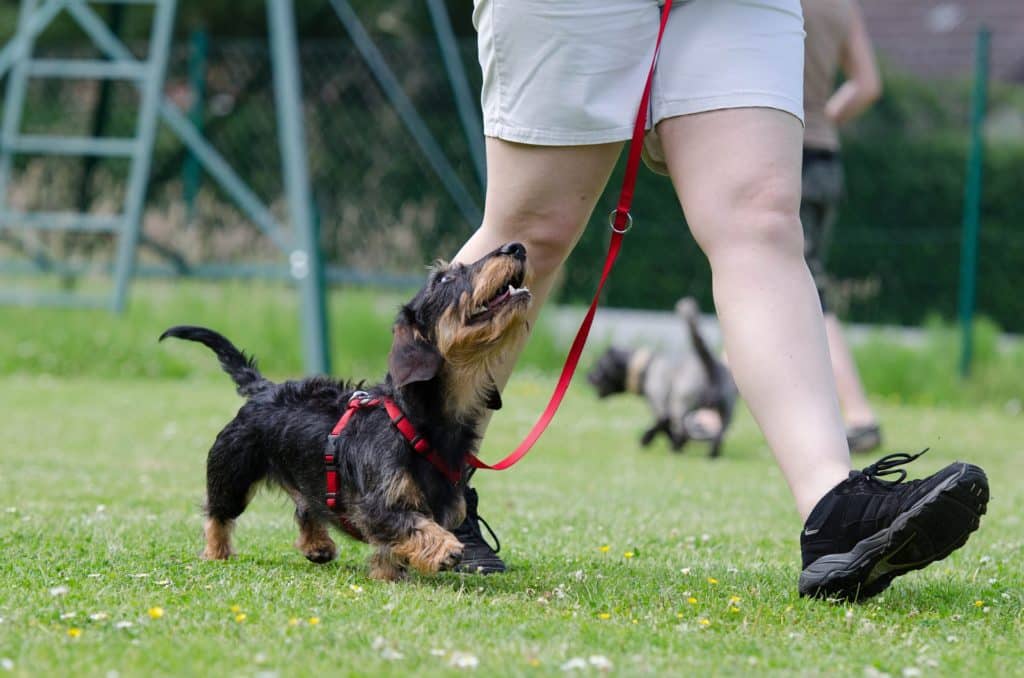
Walks – Frequent walks outside in a variety of environments and on a multitude of surfaces such as the sidewalk, wooded path, grassy park, near water, or on a deck ensure your pet is comfortable in different settings.

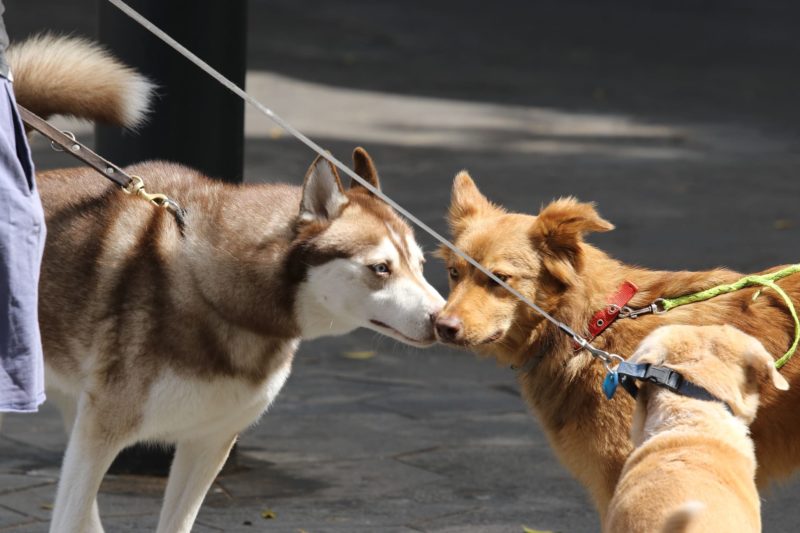
Meeting Nearby Pets/People – Encourage your neighbors and their dogs to greet and engage your pet from a safe distance while you ply your pooch with delectable treats.

Play Dress Up – Animals should be exposed to humans in hoods, hats, wearing sunglasses, carrying umbrellas or pushing a vacuum cleaner or stroller.

Leash – Have your puppy on a leash, happily distracted by kibble when you ride your bicycle or skateboard nearby.

Car Rides – They introduce new experiences. Drive by a noisy airport or construction site.

Noise Familiarity – YouTube videos or phone apps, mechanical noisemakers, and remote-controlled, interactive toys featuring daily noises such as baby cries, birds chirping, and fireworks can be used to introduce the idea of other animals and sounds to your dog.

Doorbells – Ringing the doorbell while your dog practices being calm in their crate.

Eating – Handling your pet while they’re eating to discourage food guarding.

Therapy Work – If you want to do therapy work with your pet, borrow a walker, wheelchair, and a beeping timer, and practice walking through a gate or down a stairwell.

If you have healthy adults and children in the house, allow them all to engage in socialization activities with the new pet.

Plan for 1-5 new experiences a day for varying periods of time, but no longer than the period in which your pet is relaxed and happy. Realize your pet may have some limitations and adjust your socialization periods and expectations accordingly.

Never punish a pet who is fearful, but gently remove them from the situation and expose them again to the stimulus when they are calm; do so for a decreased duration and intensity or from an increased distance. If your pet remains happy and content during socialization exercises, continue positively reinforcing them with food, praise, or petting as you extend the duration of training sessions.


  1. https://www.aspca.org/animal-homelessness/shelter-intake-and-surrender/pet-statistics

  2. https://www.avma.org/resources-tools/animal-health-and-welfare/socialization-dogs-and-cats

All About Military Service Dogs

Dog Behavior Articles

dog soldier

These are unprecedented times. Amid concerns over COVID-19 and the country’s preparation to address the medical needs of its residents, ability to flatten the curve, and the short and long term economic ramifications, I’m reminded of a famous quote by Fred “Mister” Rogers: “When I was a boy and I would see scary things in the news, my mother would say to me, ‘look for the helpers. You will always find people who are helping,’” he said to his television viewers. While this is true, there is a population of helpers often overlooked – military service dogs.

What Are Military Dogs & What Do They Do?

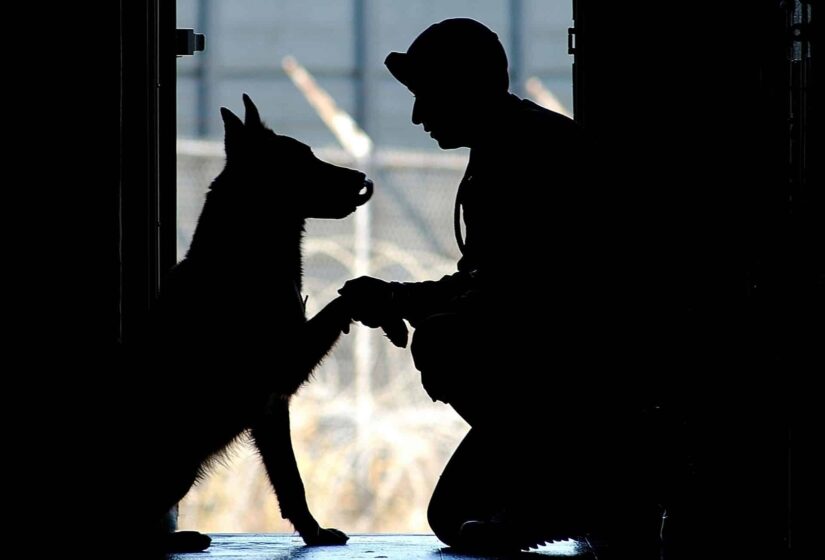
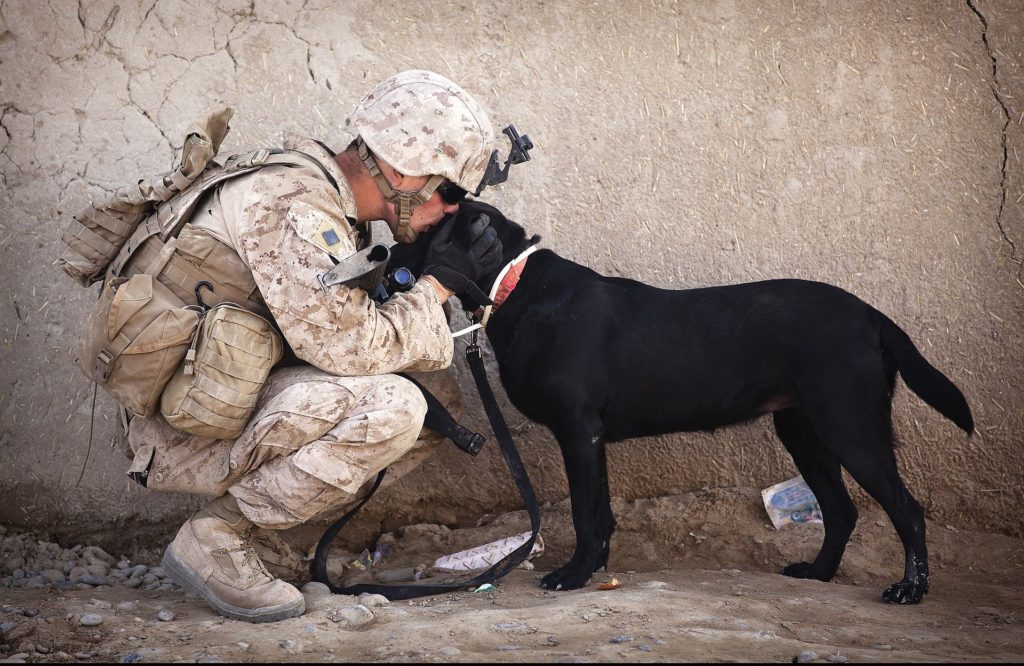
They’re trained to perform heroic duties such as explosive detection, patrolling, search and rescue, and subduing a foe. Military working dogs are found in each branch of the armed forces, including the Marines, Army, Air Force, Coast Guard, and Navy. Many times, these dogs can access areas humans cannot; their agility, superior sense of smell, and ability to detect movement are invaluable qualities to their handlers and our nation’s security.

military dog

A History of Canines in the Military

Military Dog Breeds – Military dogs, most typically German Shepherds, Dutch Shepherds, and Belgian Malinois breeds, are chosen because they can be aggressive, strong, smart, loyal and athletic, have worked alongside humans for centuries.

First Use of Dogs in the Military – Persian and Assyrian civilizations were among the first to utilize dogs in battle; the United States consistently began training dogs for military work in World War II though Americans documented canine companions in combat as early as the Revolutionary War.

Current Training of Dogs in the Military – Today, a centralized training facility for all military working dogs exists at Lackland Air Force Base in Texas with the 341st Training Battalion, where these dogs begin intense obedience and military training as well as socialization and team building with their handlers.

  • 85% of the dogs in training come from Germany or the Netherlands with 15% bred domestically.
  • Only about 50% of dogs that enter the program go on to service with approximately 2700 dogs currently in active duty.
  • Courses offered are the Specialized Dog Course (for dogs detecting explosives or narcotics), Dog Handler’s Course, Kennel Master Course, and Combat Dog Tracker Course.
  • Some dogs are trained for one specific task, such as IED or Mine Detection.
    • Retrievers and Pointers can be used for this type of work as they don’t need to exhibit traits of multi-purpose dogs such as aggression and ability to patrol, scout, and protect.

High-Ranking Military Dogs

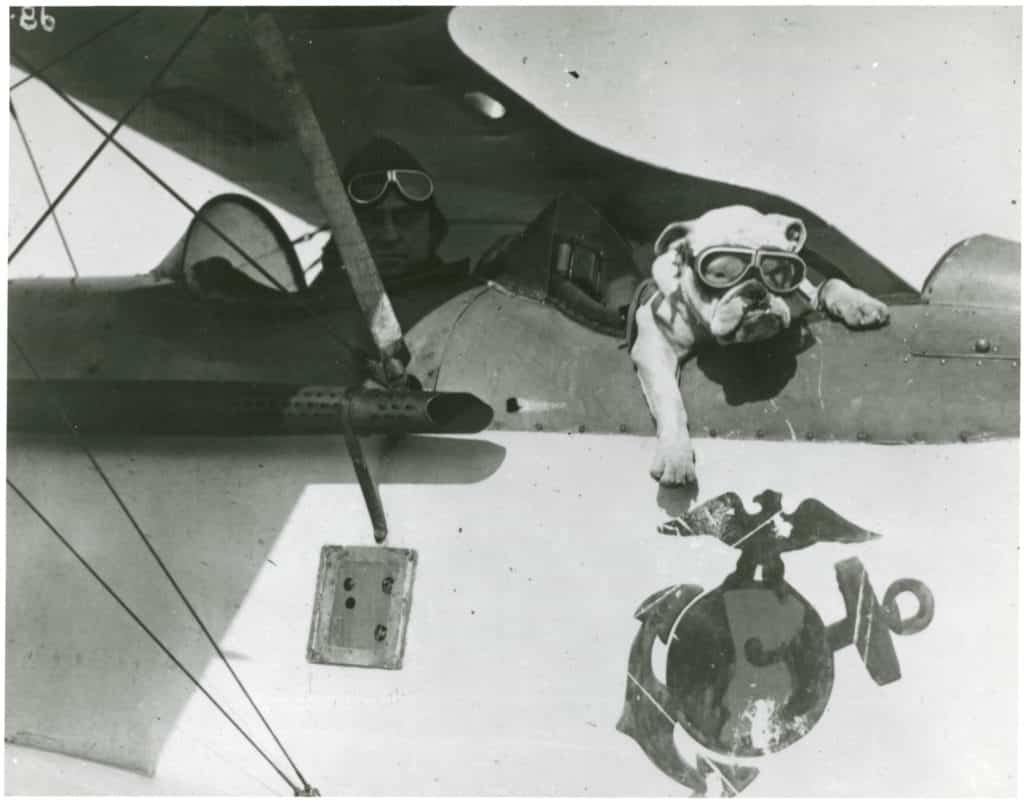
Experienced Department of Defense’s K-9 personnel are considered Non-commissioned Officers and are always one rank higher than their handler. The highest-ranking military dog is Marine Sergeant-Major Jiggs. (1) An English Bulldog employed as a mascot, he never saw active combat but served in the armed forces from 1922-1927.

jiggs

K9 Veterans & Their Handlers

Since 2000, a military working dog retired from duty can now be adopted by a civilian or law enforcement personnel though most find a permanent home with their handlers. The handler-dog bond is strong as soldiers put their lives in their canine’s paws every day. No dog is left behind.

Dogs After Duty

Once a dog’s active service has ended, all dogs in combat zones are returned to the United States. Because of their unique skill sets and potential for excitability, trained military dogs are not allowed to “work” once retired from duty. Dogs typically retire around 10-12 years of age, though some are honorably discharged for reasons such as physical injury or mental distress caused by the death of their human partner or development of noise aversions.

Assisting Vets Post Service

The last category of service dogs to aid military personnel are dogs specifically trained to assist soldiers post-service. K9s For Warriors utilizes dogs with gentle, responsive temperaments rescued from shelters across the country to aid those suffering from post-traumatic stress disorder, traumatic brain injury, or victims of sexual assault while in service. Veterans receive their specially trained dog for no charge; it is the least we can do to honor those who put their lives at risk to preserve our freedom.

https://dogsandtreats.com/highest-military-rank-dog

Dog Biting 101

Dog Behavior Articles

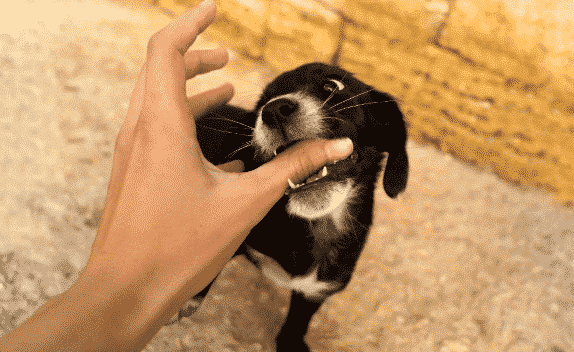
puppy nipping

One of the most unwelcome surprises of puppy ownership is the pain those tiny little chompers, all 28 of them, can inflict on a hand or foot.

Puppy Teething

  • Mouthing/teething is an integral part of growing up for pups; they investigate their world with their mouths and use those teeth for playing and chewing.
  • Teething occurs around 4-6 months of age, and it’s normal to see mouthing behavior increase.

teething

Training Puppies to Stop Nipping

Socialization – Most puppies learn the difference between a playful nip and a painful bite when they are exposed to littermates or other dogs. Puppy playdates and contact with healthy, vaccinated dogs are socialization musts and teach bite inhibition organically.

Yipping Back – A bite that’s too hard will elicit a high-pitched “yelp” from the other dog which usually stops biting behavior. Likewise, you can train your puppy to stop playful mouthing or nipping by letting out a “yip” and letting your hand go limp to stop the biting.

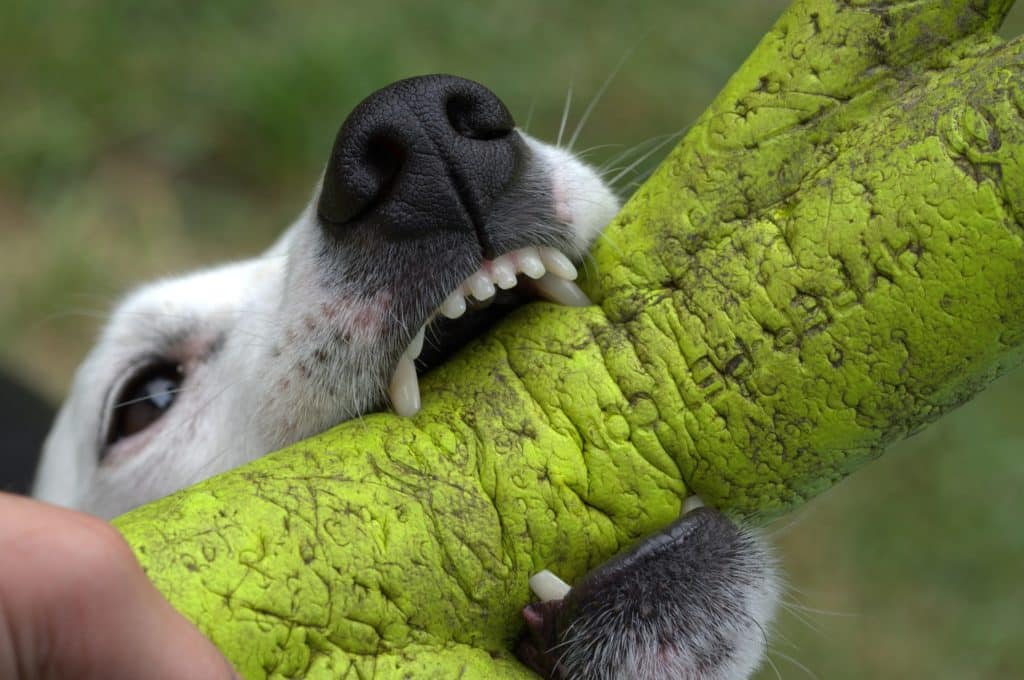
Toys – Redirect their attention to a more appropriate toy such as a nylabone or kong teether. Tug rope toys are another great object for dogs to mouth and tug of war that doesn’t involve direct contact with your hand.

Time Outs – Most puppies are looking for your attention, above all else. Removing yourself from the situation when your pup is nipping is punishment enough for our faithful companions! Give them a “time out” by tethering them with their leash to a piece of furniture for a minute or two and walking away. Always supervise your dog from a distance. You can also confine them to a puppy safe space. Return and interact quietly and lovingly after several minutes of calm and reward them for not biting with treats or a more appropriate play toy.

Deterrents – In some cases, a bitter spray deterrent or white stick deodorant can be applied to objects you want to be spared from mouthing.

If your dog is an “ankle-biter”, stop moving when your dog nips at your legs. Redirect them to a toy or let out a “yip”. Teach fast-moving children not to run or wave their fingers and toes in front of dogs. Dogs get the message that it’s time to play “chase” when kids run away or nibble on small moving digits if given the opportunity. Many times, we must train the humans as much as we must train our dogs!

Determining Why Your Puppy or Dog is Biting

Some puppies and dogs bite out of…

  • Frustration
  • Fear
  • Territorialism
  • Excitement
  • Aggression
  • When being startled.

It’s important to differentiate this conduct from normal play, as the actions taken to correct your dog will depend greatly on why they are biting. A dog that begins to bite that has not done so before may be…

  • Overly stimulated
  • Stressed
  • Scared
  • In pain

Analyze Their Behavior

A visit to a vet, along with a video and diary of when the behavior occurs, whether skin is broken, and whether any changes to the pet’s environment have occurred, are critical to obtaining a resolution.

Your veterinarian may refer you to an animal behaviorist, a vet who has received additional training and board certification in treating a multitude of disorders (ACVB), or a certified professional dog trainer (CPDT) once physical disease is ruled out.

The Difference Between Play & Aggressive Biting

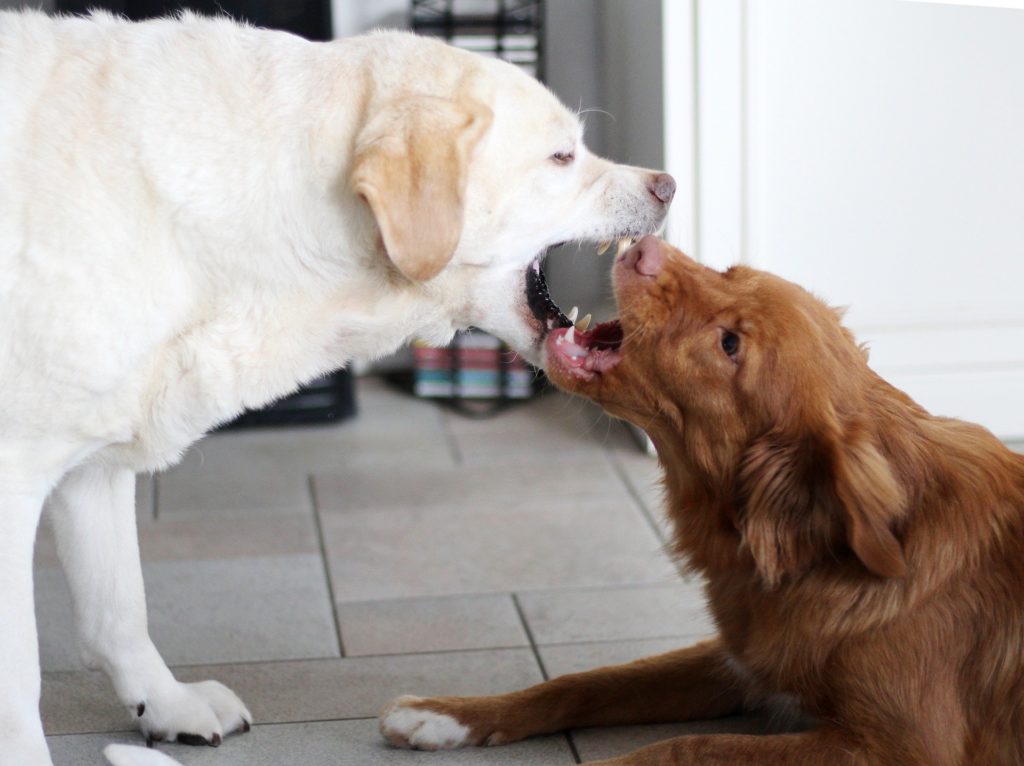
It can be difficult to differentiate normal, though overly enthusiastic, play biting from inappropriate behavior. Clues as to the reason the dog is biting include considering the context in which the dog is biting as well as the body language of the dog who initiates the bite.

play biting

Body Language Clues

Most dogs that are playing will have a relaxed body and face, sometimes a wagging tail, and may exhibit other playful behaviors such as bowing. A fearful dog may have a tucked tail, furrowed brow, ears pinned back, and avoid direct eye contact. An aggressive dog may curl its lip, engage with a direct stare, and have a stiff, raised tail, rigid body posture, and growl.

My Dog is Biting Hands, What Should I Do?

In some cases, teaching dogs to avoid biting human hands may be as simple as avoiding waving them in their faces, using hands only for affectionate petting. Teach a pet to receive treats out of one hand while gently handling feet, ears, and stroking their back with the other. In no case should your hands be used for punishment or excessive physical restraint. If needed, use a training tool such as a collar, harness, and leash to gain physical control of your pet.

Handling a Dog Bite Injury

Should you or another pet sustain a dog bite that breaks the skin, it’s important to receive immediate medical care after washing the wound with mild soap and water. Dogs’ mouths are NOT cleaner that human mouths; bites often create a pocket under the skin where bacteria can grow, causing an abscess or deep infection. Any bite to a human should be reported to the local animal control and ensure the pet is current on its rabies vaccine.

The Most Common Dog Diseases

Pet Health Articles

tick on dog

I remember when I had my children and a wise old soul told me, “The days are long, but the years are short.” This saying is also applicable to pet ownership. We bring home a squirming ball of fluff and begin the hourly dance of taking them out to potty and hoping they’ll sleep at least four hours.  Puppies DO grow up and countless walks, snuggles, games of fetch, and visits to the dog park later, you’ve got a 7-year-old dog; giant breeds such as the Great Dane may have just a few short months left based on their average life expectancy, while smaller toy breeds like chihuahuas or Yorkies can live happily until their mid-teens.

For any breed, reaching their golden years seems to happen overnight when they’re beloved companions. The key to helping our pets age well, lie in good preventative care and disease detection, grooming, dental care, proper nutrition, and TLC, which includes physical exercise, mental stimulation, and affection.

Dental Disease in Dogs

Many ailments that affect senior pets are consistent across all breeds. Over 80% of dogs older than 3 have some form of dental disease. Without preventative care such as daily brushing, plaque, tartar, and inflammation can lead to damage of the supporting structures of the tooth.  Tooth loss, bone destruction, pain, and bacteria that enter the bloodstream causes infection and infiltration of organs such as the heart, liver, and kidneys. End-organ damage can dramatically affect the quality and duration of a pet’s life.

dog diseases

Dog Joint Pain & Arthritis

Large and giant breeds are prone to developing degenerative joint disease, commonly known as arthritis. Some combination of genetic predisposition and conformation, nutrition, weight, activity level, and previous injury lead to deteriorating cartilage that can eventually culminate in bone changes and even bone-on-bone rubbing. Many dogs will offset the pain of joint disease by shifting their weight to less affected limbs; this leads to muscle loss (atrophy) and inappropriate weight distribution compounding the problem. Inactivity in older pets can lead to obesity; excessive weight also contributes to degeneration and discomfort.

Vision & Hearing Loss in Dogs

Diminished vision and hearing are two common afflictions of senior animals. Lens thickening, cataracts, glaucoma, and retinal detachment are common causes of vision loss. While some conditions are correctable, most are a result of normal aging processes.

Hearing loss is typically caused by nerve degeneration and is not reversible. By keeping furniture arrangements constant, using hand cues for deaf pets, and keeping senior pets on a leash so they can enjoy the outdoors safely, vision and hearing changes need not disable your pet.

Canine Cancer

All pet owners fear the “C” word, and rightly so. Cancer affects many senior dogs; golden retrievers are disproportionately represented among lymphoma patients, boxers develop mast cell tumors, and bladder tumors are commonly found in shelties, Scotties, and west highland white terriers. While some tumors are malignant, many are benign. Fatty lipomas and wart-like adenomas are common. It’s important to let your veterinarian know if you find any new lumps or bumps on your pet so an aspiration, biopsy, or mass removal can be performed.

Heart & Kidney Disease in Dogs

Heart disease and kidney disease are two additional concerns in older pets. Mitral heart valve leakage is typical in smaller breeds. Kidney disease affects breeds indiscriminately and affects 10% of senior dogs. Physical examinations every 6 months and routine blood and urine testing often pick up changes before your pet exhibits symptoms. Though not reversible, management with medications, prescription diets, weight control, and supplements may help slow the progression of chronic diseases.

Dog Dementia

Like humans, dementia is common among geriatric pets. Cognitive dysfunction is a diagnosis of exclusion; symptoms such as whining, pacing, urine accidents, and disorientation can mimic symptoms of other illnesses such as arthritis, urinary tract infections, and seizure disorders. Imaging and laboratory testing can help differentiate dementia from other illnesses. While there is no treatment for cognitive dysfunction syndrome, keeping your pet mentally stimulated with food puzzles and training courses as well as supplemental antioxidants may help slow mental deterioration.

dog diseases

Pet Health is Important

Bottom-line, keep your pets healthy and active so they can best enjoy their senior years. Provide regular exercise, twice annual veterinary visits, and alert your vet to any changes in habits such as increased water intake, accidents, reluctance to climb stairs, decreased appetite or vomiting, coughing or exercise intolerance so disease can be detected early enough to slow progression. Enjoy these golden times!

What to Know About Coronavirus & How it Affects Pets

Pet Health Articles

virus pets

Author – Dr. Lisa McIntyre

Veterinarians are often overlooked by the general public as a resource when it comes to health crises, however, we are a critical component in the One Health movement and work in close collaboration with other authorities, such as the World Health Organization and the Centers for Disease Control and Prevention. Case in point is the recent coronavirus outbreak.

What is Coronavirus?

Coronavirus is a type of RNA virus with a “crown” of protein spikes around its envelope, which acts as a shield, ensuring the stability of the virus and its ability to cause infection.

A lot of what we know about the recent outbreak of the strain, dubbed 2019-nCoV/COVID-19 (or SARS-CoV-2), is based on information we know about other coronaviruses, including the strains that cause Feline Infectious Peritonitis, as well as MERS-CoV and SARS-CoV in humans. (3)

How Does Coronavirus Spread?

Coughing, sneezing, and contact with aerosolized particles is the most likely way to acquire disease. (2)

Who is at Risk?

Humans and animals who have compromised immune systems due to age or existing disease are more susceptible to developing severe clinical signs resulting from infection with the COVID-19. Coronaviruses are most contagious when an individual is experiencing signs of the illness, such as coughing, fever, and difficulty breathing. (2)

Can Animals Get This Recent Strain of Coronavirus?

No – Currently, there is no evidence to suggest, nor do veterinarians have reason to believe, dogs and cats can become infected by 2019-nCOV or act as a reservoir for humans. (3)

Pet owners should maintain good hygiene, washing their hands well after contacting pets.

A Recent Case to Know About

A dog belonging to a coronavirus-infected individual in Hong Kong recently tested weakly positive for COVID-19. Oral, rectal, and nasal swabs were taken from this dog; the coronavirus was detected but actual infection was not confirmed. Environmental contamination could have been the cause of the weakly positive test. There is no evidence to suggest that cats and dogs can host 2019-nCoV or act as a reservoir for humans. (4)

Can Animals Spread Coronavirus to Humans?

No – It doesn’t appear that 2019-nCoV “jumps species” readily or is zoonotic, though handling of animals while ill is discouraged. (3)

pet dog

Individuals who have confirmed cases of 2019-nCOV should restrict contact with other mammals, including pets, until cleared of infection.

All pet owners should maintain good hygiene, washing their hands for 20 seconds or more after contacting pets or surfaces routinely handled by the public.

If You Have Pet Health Concerns

If there are any changes in the health condition of your pets, advice from veterinarians should be sought as soon as possible.

If you do suspect your pet has been in contact with an individual exposed to 2019-nCoV and has become ill, contact your veterinarian prior to bringing your pet to a public place such as a clinic. As with most novel diseases, new information is gathered daily and is subject to change. (3)

The History of Animals & Coronavirus

The Viruses

  • Coronaviruses belong to the family Coronaviridae. Alpha- and beta-coronaviruses usually infect mammals, while gamma and delta coronaviruses usually infect birds and fish. (3)
  • The genetic code of this recent strain resembles a coronavirus which infects the Horseshoe Bat, though currently the main route of new infections appears to close contact with other humans and their secretions. (3)

Veterinarians and Coronaviruses

  • Veterinarians have a long history of diagnosing and treating strains of coronavirus in domestic animals such as dogs, cats, and birds.
  • Our patients are often the literal “canaries in the coal mine”; our experience, in everything from sequencing to managing coronavirus outbreaks, is critical to minimizing the global impact of COVID-19.

Types of Canine Coronaviruses

CCoV (Gastrointestinal)

  • Canine enteric (gastrointestinal) coronavirus (CCoV) was first identified in 1971.
  • CCoV is found worldwide and generally causes a mild to severe, self-limiting diarrhea and anorexia in affected dogs.
  • It is rarely fatal and is spread via a fecal-oral route; some dogs shed the virus without exhibiting signs of illness.
  • Shedding of CCoV in the stool occurs most significantly 16 days post- infection and then intermittently thereafter.
  • Puppies 5-12 weeks are the most susceptible population, as maternal antibodies wane and prior to vaccination.
  • Dogs should be vaccinated for CCoV during their series of “puppy shots” and annually thereafter.
  • There is no treatment other than supporting the dog with fluids and good nursing care as well as treating any concurrent bacterial diseases such as Campylobacter or Clostridial infections.
  • CCoV vaccines are NOT protective against human respiratory variants of coronavirus, which will likely take 18 months or more to develop.

CRCoV (Respiratory)

  • CRCoV is an unrelated canine respiratory coronavirus discovered in 2003.
  • It is genetically most similar to a bovine (cow) coronavirus and the coronavirus that causes the common cold in humans.
  • It spreads via close contact among dogs exhibiting signs such as coughing, sneezing, and watery eyes.
  • Along with several other pathogens including Bordetella Bronchiseptica and parainfluenza, it has been implicated in causing “kennel cough”.
  • There is no vaccine for this strain of coronavirus and respiratory signs are usually mild and resolve in 14 days.

When & Where did the Recent Outbreak Begin?

The first cases of COVID-19 were reported in December 2019 in Wuhan City, Hubei province, China; reports suggest a seafood and animal market may have been ground-zero for the epidemic. (1)

How Do I Avoid Infection?

If possible, stay away from infected individuals or those with respiratory symptoms by a distance of at least 6 feet. (2)

Coronaviruses are not particularly hardy in the environment, meaning its particles do not survive on surfaces or in the air for long periods of time. This makes proper hygiene essential in controlling the spread of disease. (2)

How Can I Help Contain the Spread of Coronavirus?

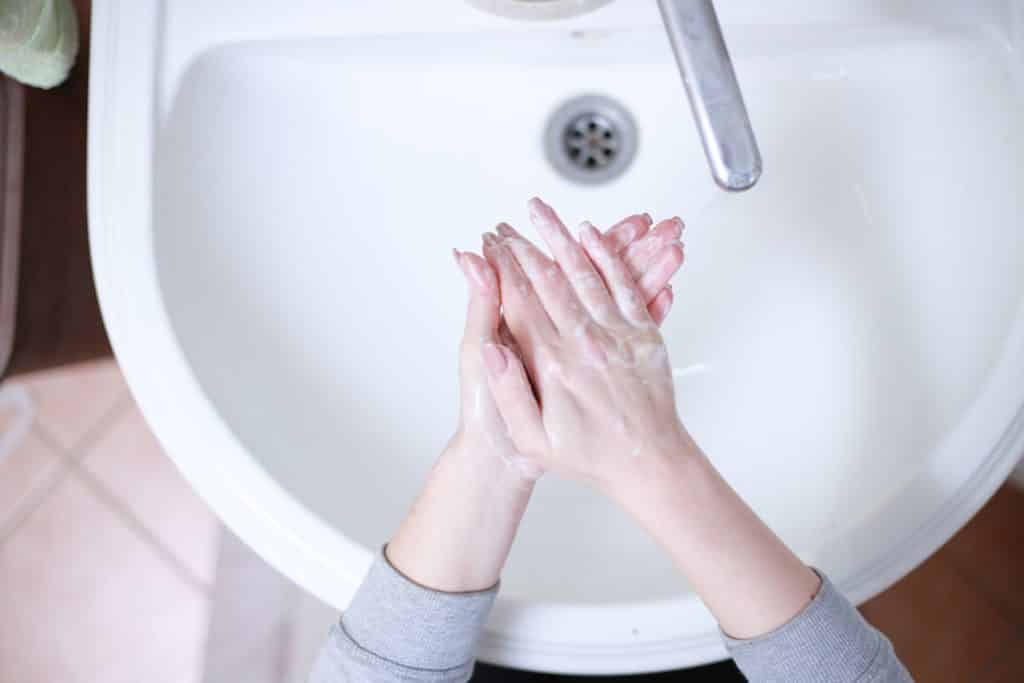
  • Hand-washing with soap and water
  • Staying inside if you are ill
  • Disinfecting surfaces
  • Staying clear of symptomatic humans and animals
  • Avoiding touching your eyes, nose and mouth
  • Cooking all animal products

hand washing

Unfortunately, anti-viral treatment and an effective human vaccine are not yet available.

Are Face Masks Helpful?

Face masks are helpful in containing the secretions expelled by infected individuals. However, the best face masks are a special respirator mask called a N95. It is not readily available and is not the same as a standard surgical mask which protects a sterile surgical field from fluids expelled by the surgeon. (3)

What is the Current Status of the Recent Coronavirus Outbreak?

Given the sensitivity of the changing data, the most up-to-date information and advice on human infection can be found on the WHO (https://www.who.int/emergencies/diseases/novel-coronavirus-2019) and the CDC websites.

The most up-to-date information related to animal health is available at https://www.oie.int/scientific-expertise/specific-information-andrecommendations/questions-and-answers-on-2019novel-coronavirus/.

  1. https://www.avma.org/blog/what-do-you-need-know-about-coronavirus
  2. https://www.oie.int/scientific-expertise/specific-information-and-recommendations/questions-and-answers-on-2019novel-coronavirus/
  3. https://www.usatoday.com/story/news/nation/2020/02/28/coronavirus-dogs-covid-test-positive-hong-kong-patient-pet/4903014002/
  4. https://www.sciencedirect.com/topics/veterinary-science-and-veterinary-medicine/canine-coronavirus

About the Author – Dr. Lisa McIntyre is a practicing veterinarian and business owner since 1999.

Things You Should Know About Pet Insurance

Pet Health Articles

Pet Insurance

With more available technologies to diagnose and treat diseases such as cancer and chronic pain, as well as the emergency veterinary specialty and critical care centers, pet owners have a multitude of choices for care when their pet becomes ill. Though cost should be the last thing on the mind of a concerned pet parent, owners often face a difficult decision when an animal companion becomes ill or injured – go into debt to pay for the care the pet needs or euthanize.

This painful scenario can be avoided by purchasing pet insurance, a practice that many veterinarians recommend as a way for owners to be able to consider treatment options for their pets that they otherwise couldn’t afford. In other words, owners can base health care decisions on their pets’ needs and the veterinarians’ recommendations, rather than on the cost of treatment.

What is Pet Insurance?

Unlike human health insurance, which involves a contractual relationship between the insurance company, the physician, and the patient, pet insurance is a contract between the pet owner and the insurance company only.

How Does Pet Insurance Work?

It operates in the same manner as car insurance, with the insurance companies compensating pet owners for the costs associated with the treatment of illness or injury and sometimes routine care.

Thus, if a pet requires veterinary care, the owner pays for the services out of pocket, completes the necessary paperwork, and submits it to his or her insurance company. The company then reimburses the owner based on the plan that the owner selected.

For some owners this is a pro, as care is not limited to in-network providers and they can pay the up-front expenses with the promise of full to partial reimbursement. Other pet owners don’t have the funds accessible to pay for immediate treatment and must discuss payment plans with their veterinarian.

Important Factors When Selecting Pet Insurance

The task of determining the pet insurance company and plan that works best for you and your pet may seem daunting. Factors to consider include:

  • Customer Service
  • Deductibles
  • Coverage of Congenital or Pre-Existing Conditions
  • Speed of Repayment
  • Monthly Expense

Deciding Against Pet Insurance

This may lead some owners to forgo insurance for their dog, and instead establish a monthly pet savings account. Though still responsible for any out-of-pocket medical expenses, having a cushion in the bank for a medical catastrophe can help ease the financial pain of treating your pet. No doubt about it, even routine care can run into the thousands of dollars annually as vaccinations, parasite preventatives, good nutrition, and dental care are all critical to maintaining your pet’s health.

Choosing the Best Pet Insurance for Your Furry Friends

When assessing insurance companies, it’s important to consider whether veterinarians are employed by the company in arbitrating claims, the company is approved by the state insurance regulatory agency where policies are sold, and there is transparency in communicating policy limits, pricing structures, co-pays, deductibles, limits, and optional coverage or exclusions specific to your pet (i.e. coverage for annual wellness visits).

Points to Consider

  • If your pet has a chronic condition such as seasonal allergies, will examinations be covered along with prescription medications?
  • Several breeds have higher deductibles; retrievers are notorious for ingesting socks and other foreign objects that require surgical removal and the insurance companies know it!
  • More recently, some employers have made it simple for pet-owning employees to choose their insurance company by including pet insurance as an employment benefit.
  • Veterans can opt for Embrace Pet Insurance through USAA and receive a discount, making that plan most appealing.

Comparing Plans

Here’s an example of two (Embrace and Nationwide) of the top 12 pet insurance companies and how they compare…

Embrace Nationwide
What types of pets may be covered? Dogs and cats only Dogs, cats, birds, and exotic pets
Does the pet have to be a certain age to be covered? An owner may enroll a pet at 6 weeks of age and older, with no upper age limit though pets over 14 are eligible for accident only policy Enrollment begins at 6 weeks and capped at 10 years unless an existing customer
What types of plans are available? One plan with flexible co-pay, reimbursement and deductible 3 types of plans for routine care, major medical, or whole pet coverage
Money Back Guarantee 30 days 10 days
Cruciate ligament waiting period 6 months with optional waiver process 12 months
Do the plans limit the amount of money an owner may be reimbursed? Variable annual maximum with no lifetime maximum Injury only plan: $14000 annually
Is there a schedule of benefits? No reimbursement is 80-90% of expenses depending on coverage you select. Yes, for the major medical plan
Prescription Medications Yes Yes
Waiting Period 14 days for illness, 2 days for accidents Whole Pet and Major Medical Plans 14 days. Wellness coverage 24 hours
Do pets have to visit a particular veterinarian to be covered? Pets may visit any licensed veterinarian. Pets may visit any licensed veterinarian.

*Pet Butler is not affiliated with Embrace or Nationwide Pet Insurance

Whichever company and plan you choose, pet insurance will allow you to reduce veterinary bills but still provide the best possible care for your ill or injured pets. It’s certainly something pet owners should think about.

https://www.petinsurance.com/pet-insurance.aspx

https://www.avma.org/KB/Policies/Pages/Pet-Health-Insurance.aspx

https://www.embracepetinsurance.com/coverage/pet-insurance-plan/not-covered

https://www.petinsuranceu.com/compare-pet-insurance/

Preparing Your Dog for Your Newborn Baby

Dog Behavior Articles

baby

Though your fur baby was once unquestionably the most important member of your household, human babies have a way of rolling in and shaking up even the most established family routine. That leisurely morning stroll, coffee in hand, with ample time to stop and chat up the neighbors or let your dog hunt for squirrels, is replaced by a quick slide into shoes, a rat’s nest of hair pulled high, and commanding bellows for your furry friend to, “hurry up!! Go potty!! Geez, how long do you have to SNIFF already?”

You can imagine how unsettling it would be to lose your throne and place on the bed to a smelly, screaming, unpredictable little one that wasn’t in the picture yesterday. Getting your dog prepared for the arrival of a new baby involves slowly acclimating them to all the changes that will take place in the home as well as teaching them some basic skills to keep every family member safe and serene.

How to Prepare Your Pup

Long before you come from the hospital, your pup may sense some impending shifts in their schedule. Morning sickness, sleeplessness, an ever-expanding belly, and new chemical smells alert them to changes in your body and routines.

Training

Now is the time to enroll in obedience classes if you haven’t already done so. Knowing how to sit, stay, greet guests without jumping, come when called, “leave it” when a toy is dropped, and go to their “place” or bed are all skills that will help them interact with the new baby and give you peace of mind.

A Safe Zone

Establish a safe zone for your pet, whether it be in a crate or behind a laundry room door, where they can retreat from the commotion and only good things (like that fancy chew bone) are offered. We all need a space to relax and decompress from time to time.

Familiarization

Since change can be stressful and losing their place as top dog may lead to jealousy, start familiarizing you pup to items related to the baby’s arrival and new schedules as early as the second trimester. Things to get your dog familiar with life with baby are:

  • Sounds – Play baby sounds from an iPhone app to simulate a baby’s cry and use lotions, shampoo, and baby wipes on your own skin for a few weeks.
  • Objects – Assemble large pieces of baby’s furniture and toys so they become familiar objects.
  • Walks – Practice walking with your dog and the stroller.
  • Attention – Begin to ignore your dog for the first few minutes after you arrive home. This may be a new and uncomfortable practice but will allow you to get the new baby settled inside safely before visiting with your pet.

Some pet owners go the extra mile and begin carrying a swaddled doll for a few months before the baby comes. Reward your dog when they ignore the doll or learn to sit if something (or someone) is in your arms.

Updating Their Routine

Waking at night for frequent bathroom breaks is unfortunately your new norm; your dog will come to expect activity at all hours long before the baby is born. If you plan on feeding your dog at the same time each day, invest in an automatic feeder and begin to use it now. A regular dog walker can help your dog expend some pent-up energy if you think you’ll be running on empty in the months to come. If your new routine will be no routine, mix up playtimes, feeding times, and exercise bursts. If your pet will no longer sleep in the bed with you, start to train them to go to their new safe zone and make sure you reinforce this behavior with lots of treats and attention!

Bringing Home Baby

Just before and as you’re coming home from the hospital…

  1. Bring an item of clothing from the baby back to your dog to smell. Dogs don’t instinctively know to be gentle around infants though many are curious; all initial interactions should be well-controlled and on-leash.
  2. Greet your dog without your baby in your arms or have other family members go inside first so initial enthusiastic greetings can be completed.
  3. Enter with a relaxed, but cheerful demeanor, and offer plenty of treats while your dog is in a sit-stay.
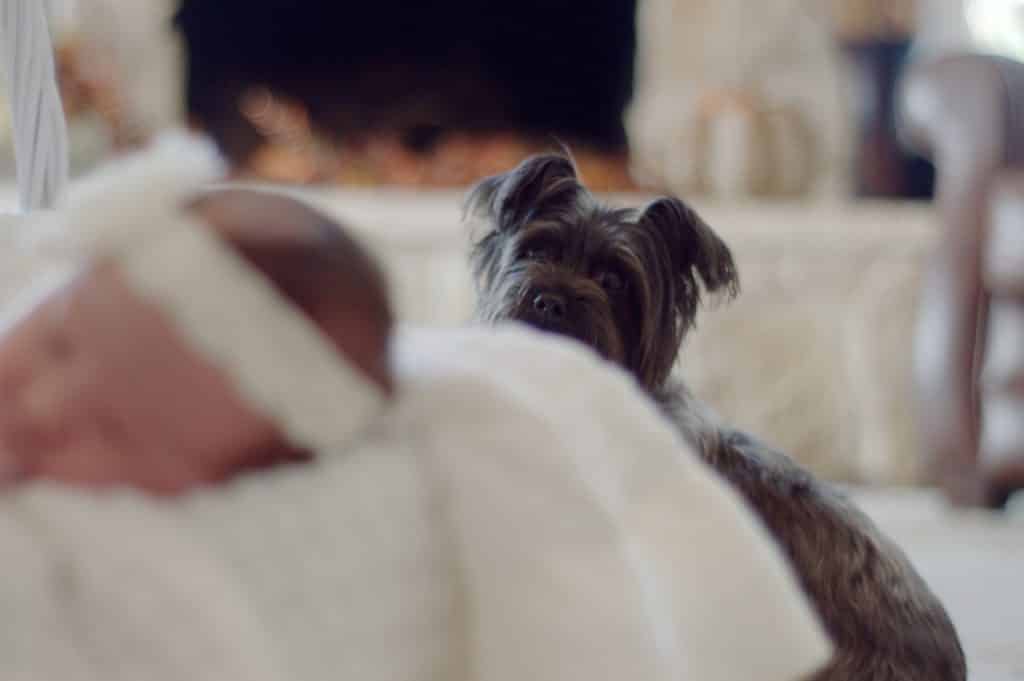
A small dark-colored Yorkshire terrier peering over white bedding, with only its head and ears visible

The dog should be rewarded for her calm interest in the new baby, and over several weeks add time and decrease proximity between the dog and baby. Even the best-behaved pooches can startle or become agitated, unintentionally scratching or harming a newborn. Always supervise these visits lovingly and you’ll soon have a bonded pair of lifelong friends.

Find a Pet Butler 800-Pet-Butler