Dog DNA Testing

Pet Health Articles

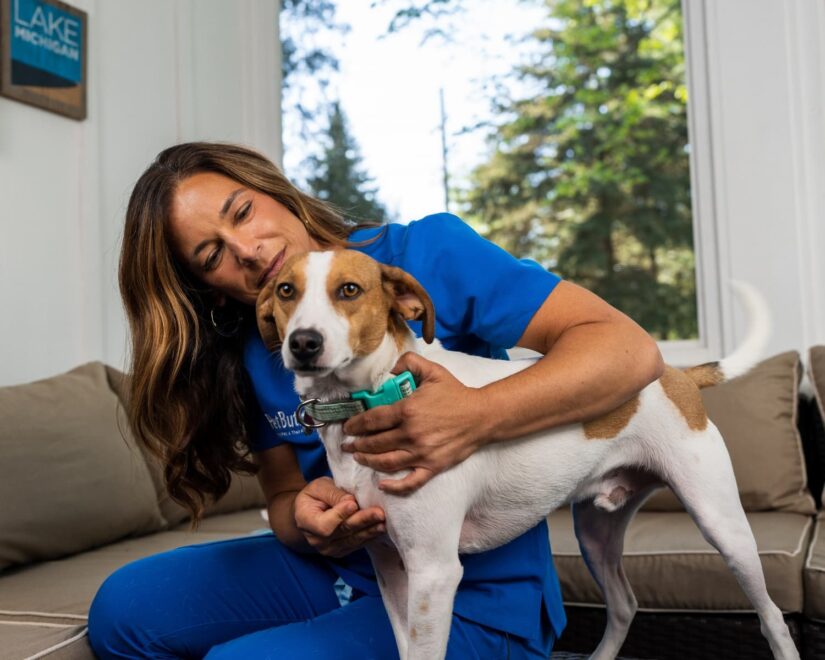
A smiling woman in a Pet Butler shirt holds a dog DNA test kit while sitting next to a white and brown dog wearing an orange collar on a cozy porch.

From Ancestry to Health Insights

Utilizing only a tiny fraction of your dog’s DNA, emerging technology can potentially aid pet owners, veterinarians, and breeders in multiple ways. These advancements enable the determination of ancestry, uncover genetic predispositions for various diseases and reveal traits like muzzle length and ball-retrieving ability. Additionally, this innovative approach can shed light on the balance of bacteria in your pet’s mouth and digestive system and their ability to metabolize specific drugs.

Understanding Genes and Their Impact

Think of your genes as DNA stretches that unfold the story of your pet’s health, heritage, behavior, and appearance. In the 1990s, lab testing of blood samples facilitated a breakthrough in detecting genetic markers related to several hereditary diseases, like copper toxicosis in Bedlington Terriers. In 2007, Wisdom, alongside Paw Print Genetics and Embark, tapped into the newly mapped complete canine genome, encompassing around 20,000 genes on 39 chromosomes! Leveraging this advancement, they began offering direct-to-consumer pet DNA testing using oral swabs, delivering results in just three weeks.

Initially, the value of over-the-counter DNA test kits was limited. They focused on identifying shared DNA sequences among purebred dog breeds, analyzing cheek swab samples to gauge how closely a pet’s DNA resembled known breeds. For those with mixed-breed dogs, these kits allowed them to trace their pets’ ancestral line back to their great-grandparents and determine their area of origin. Owners were informed about their dog’s likely breed makeup through a pie chart. This information proved helpful for understanding various traits, like a tendency to dig in terriers or a long, curly tail in Akitas.

Pet owners could tailor their training and care approaches according to their pet’s predominant breed. By understanding their dog’s genetic predispositions, they could proactively manage breed-specific conditions, such as obesity in retrievers. Additionally, behavioral assessments and modification plans could incorporate insights derived from experience in training specific breeds and historically successful treatment protocols.

Like the features offered by 23andMe for humans, those who submitted their pet’s DNA samples through biobanks could utilize the “find my pet’s relatives” feature. This allowed them to connect with other pet owners whose pets shared common DNA variants, fostering a sense of community among owners of genetically related animals.

In the past decade, significant advancements have occurred in DNA testing, enabling data collection from multiple generations of more than 350 genetically unique breeds. Extensive biobanks now exist, containing information from thousands of pets. This research establishes connections between specific gene variants and hundreds of diseases and traits, showcasing the practicality of DNA testing that extends well beyond mere breed identification, ancestry exploration, and entertainment purposes.

The Function of Genes

Let’s understand how genes function! Specific gene variants exhibit dominance or complete penetrance, meaning the presence of a specific version of a gene invariably results in the expression of a particular disease or characteristic. For instance, dogs with brown eyes; they possess a dominant brown eye allele that determines their eye color. However, they may also carry a version of the gene linked to blue eyes.

On the other hand, some gene variants necessitate additional DNA sequences to be fully expressed. Various factors like breed, age, sex, nutrition, and lifestyle can influence the likelihood of certain diseases appearing in a pet. For example, in German Shepherds, degenerative myelopathy is associated with a genetic mutation. However, only some dogs with copies of this mutation eventually develop the disease, and the reasons for this remain to be fully understood.

Interestingly, Yorkies with the same genetic variant rarely show signs of degenerative myelopathy. Genes and their expression are complex, and we are still learning how they affect health and behavior.

Blog Cta Graphic (1)

Genetic Markers and Disease Risk

As more genetic markers are identified, the veterinary community has increasingly embraced screening pets as part of their wellness approach. Embark offers a specialized panel that decodes your dog’s DNA, revealing essential information about its breed and ancestral origins. The test can also screen for over 250 heritable diseases, including conditions like progressive retinal atrophy. When present in one or two copies, specific genetic variants raise the likelihood of passing the mutation to future litters or symptoms in your pet.

For example, a specific mutation found on the MDR1 gene, common in herding breeds like the collie, pets carrying this mutation become more susceptible to drugs such as ivermectin, certain anesthetics, and Imodium. If your pet inherits two copies of this mutation, one from each parent, their sensitivity to these drugs becomes even more pronounced. Your veterinarian then will make necessary adjustments to treatments, avoiding any potential drug toxicity if your pet is identified as a carrier of the MDR1 variant or has mixed ancestry with breeds commonly affected by this mutation.

Vet Care Plans

Pet reports available to the owner and veterinarian include the presence or absence of genetic mutations, health risks associated with mutations, pet ancestry, 35+ traits related to your pet, including increased shedding or intolerance to altitude changes, level of inbreeding or genetic diversity, and even predicted adult weight. Trait analysis and weight predictions are 85-99% accurate, while the presence of genetic health markers found on DNA is 99.9% accurate. Embark also offers veterinary and owner consults to interpret data, identify symptoms, and suggest treatment for genetic diseases. With all this information at our fingertips, vets can create more personalized care programs and proactively manage pets’ health.

By providing a small sample of your dog’s fresh feces, scientists can assess the well-being of your pet’s gut microbiome. Any imbalances in the intestinal bacteria may lead to symptoms like vomiting, diarrhea, weight loss, and weakened immunity. Veterinarian recommendations are based on their specific requirements for supplements. They adjust their diet to address digestive issues, improve your pet’s health, and extend their lifespan. Basepaws, a new DNA testing company, offers oral biome DNA testing. Identifying the presence of certain oral bacteria increases the probability of tooth resorption, halitosis, and periodontal disease. After test completion, owners receive a personalized report and treatment suggestions, including products endorsed by the Veterinary Oral Health Council.

Dog Breeding

Breeders use DNA testing as part of their tool kit to breed dogs clear of specific genomic variants or mutations and increase genetic diversity, ensuring healthier puppies. Selection of compatible breeding pairs lowers health risks for future litters and is crucial to a good breeding program.

Canine DNA and Human Health

Sequencing, or decoding the canine genome, has applications beyond the species; genetic mutations for certain diseases like Duchenne’s muscular dystrophy are found on the same gene in dogs and humans. Studying the canine genome and finding commonalities with humans make dog DNA a perfect model for researching new treatments and testing in people. The more dogs tested, the more data scientists collect, and the more we learn about how diseases are inherited, identified, and progressed among all species.

View our Pet Wellness Videos for more expert pet advice.

At Pet Butler, we want you and your pet to live your best and healthiest lives, which is why we offer Pet Waste Removal and Pet Care services year-round. We offer weekly, bi-weekly, monthly, and one-time clean-up services to meet your schedule and needs.

The Importance of Spaying and Neutering Your Pet 

Pet Health Articles

PBC Blogs 1500 × 1200 px) (2)

Over the past few decades, veterinary medicine has witnessed remarkable advancements: injectable long-acting antibiotics, DNA testing for genetic diseases, digital X-rays, and telehealth platforms. However, amidst these changes, one message has remained constant: the importance of spaying or neutering your pet. The evidence supporting this practice is compelling, as it helps prevent pet overpopulation, shelter overcrowding, and unnecessary euthanasia while providing health and behavioral benefits to our beloved animal companions.

Early vs. Delayed Sterilization: Weighing the Benefits and Risks

The timing of pet sterilization plays a crucial role in assessing its benefits and risks. Early spaying and neutering involves sterilization after six weeks and before six months of age and is a widely practiced and generally preferred approach. This procedure is deemed very safe for young animals due to faster surgical and anesthetic recovery and the less developed blood supply to the reproductive tract, making it less technically challenging and time-consuming.

To prevent reproductive maturation, some owners may spay or neuter their pets before they reach six months of age. Several studies suggest that waiting until 12-18 months to spay or neuter your pet could offer health advantages. Delayed sterilization may help prevent certain orthopedic diseases and cancers, especially benefiting large male dogs. Additionally, intact females of large breeds, such as the Labrador Retriever, might experience reduced conditions like urinary incontinence.

Despite these findings, it’s essential to acknowledge that the existing studies are limited in scope and retrospective. Therefore, there is a pressing need for new, more robust research on the effects of delayed spaying and neutering.

A Longer, Healthier Pet Life

There are several important benefits to spaying and neutering your pets. One of the main advantages is the reduced risk of developing severe health issues such as malignant mammary tumors, pyometra, and testicular and prostatic diseases. These conditions can be life-threatening and may significantly impact your pet’s well-being. Spaying and neutering can also lead to a longer and healthier life for your beloved companion.

Studies have shown that spayed female dogs tend to live 23-26.3% longer than unspayed females, while neutered males experience an increase in life expectancy of 13.8-18% compared to intact males. This means you’ll have more quality time with your furry friend, which can also lead to lower medical expenses throughout their lifetime. Opting for spaying or neutering can greatly improve your pet’s overall health and lifespan, ensuring they remain happy and by your side for many years.

Behavior Benefits

In sterilized populations, certain behaviors tend to decrease, such as escaping confinement and roaming in search of a mate. However, these increased roaming behaviors can expose dogs to various dangers, including vehicular injuries, aggressive or ill wildlife encounters, and exposure to harsh elements.

Neutering can also play a role in reducing specific types of aggression in dogs and curtailing urine marking, as it helps to lower testosterone levels. Additionally, sterilized pets minimize behaviors like mounting, excessive vocalizing, and incessant barking.

Nevertheless, it’s crucial to remember that some behaviors might be learned and reinforced over time, making them more challenging to change. Therefore, if you plan to neuter your pet, it is advisable to do so earlier to have a better chance of positively influencing their behavioral patterns. Neutering pets later in life are less likely to change already established behaviors.

Blog Cta Graphic (1)

Addressing Misconceptions

While spaying and neutering receive overwhelming support from pet owners, veterinarians, and animal care professionals, certain misconceptions and challenges about animal sterilization persist. One point of contention is that these procedures increase the occurrence of joint problems, various cancers, and immune disorders, as suggested by several recent studies.

However, it’s essential to look at the bigger picture and assess the risks and benefits of these surgeries based on overall pet health and longevity rather than focusing on a handful of diseases. In fact, current scientific research indicates that sterilized pets tend to live longer, experience lower rates of more common diseases like mammary cancer or pyometra, and have a reduced likelihood of dying from infections and trauma.

One common concern among pet owners is the potential for their spayed or neutered pet to gain weight. Hormones do play a role in metabolism and muscle mass regulation. Additionally, their nutritional and caloric needs may change as pets reach physical maturity. To address this, it is essential to closely monitor your pet’s weight, caloric intake, diet, and exercise before and after the surgery. Your veterinarian can offer valuable nutritional guidance and exercise tips as your pet ages.

Another worry among pet owners is the fear that spaying or neutering might alter their pet’s personality. While neutering reduces circulating testosterone levels, it doesn’t eliminate it entirely. However, it’s crucial to note that female dogs with litters are not inherently more docile or gentle than those who have gone through a heat cycle or produced puppies. The temperament of your mature pet will not be affected by spaying or neutering.

Affordable Options

One potential barrier to sterilization is the upfront cost, which can be a challenge for pet owners facing economic hardships. However, there are various resources available to address this issue. Community rescue programs, veterinary colleges, and low-cost clinics offer affordable yet high-quality sterilization procedures and other preventive care options. Private donations and municipal funds often support these organizations.

It’s important to note that while low-cost providers can offer surgical services, they may not include follow-up care or post-operative medications. To ensure comprehensive care, establish a relationship with a primary care veterinarian.

If you’re looking for these services, consider contacting your local veterinary college, animal control, or rescue organizations. Additionally, websites like Adopt a Pet and Pet Help Finder can be valuable resources.

While shelters and rescues already sterilize many adopted pets, verifying and taking responsible ownership measures is still essential. Pet insurance can be a helpful option for those concerned about surgical expenses, and financing programs like Care Credit are available to most pet owners for their pet’s healthcare needs.

Investing in spaying, neutering, and preventive care for your pet is a wise decision that will contribute to their overall health and longevity.

View our Pet Wellness Videos for more expert pet advice.

At Pet Butler, we want you and your pet to live your best and healthiest lives, which is why we offer Pet Waste Removal and Pet Care services year-round. We offer weekly, bi-weekly, monthly, and one-time clean-up services to meet your schedule and needs.

The Pet Parent’s Checklist: How to Assess Your Pet’s Health in Minutes

Pet Health Articles

PBC July Blog 1500 × 1200 px)

Why It’s Good to Keep Tabs on Your Furry Friend’s Health

Proper diet, exercise, grooming, vaccinations, and preventative care are essential to helping our pets live their best lives. It takes a village to raise a healthy pet; your veterinary team, groomer, trainer, dog walker, and pet sitter are all integral parts of managing and maintaining your best friend’s physical and mental well-being. But who keeps an eye on the front line? You do! And as the person who monitors your pet’s daily habits and appearance, the pet parent will be the first to spot signs they aren’t feeling well. Even a first-time pet owner can quickly assess these health parameters. By noticing any deviation in your pet’s “normal,” you can seek medical attention and resolve problems quickly.

First Things First: Checking Your Dog’s Mood and Body Condition

Initial assessment of your pet begins upon approach. A healthy pet is alert, shoulders relaxed, tail wagging, weight evenly distributed or even in a bow, and ready to engage in play or other activities. Though shape among breeds differs, pets of an ideal weight and body condition will have a slight tuck upwards of their abdomen and, from above, an hourglass shape. You should be able to feel, but not see, their ribs. Diet and exercise play a significant role in maintaining an ideal weight which is critical for managing the onset of problems such as respiratory and orthopedic disease. A change in weight that isn’t intentional should be cause for concern and discussed with your veterinarian.

From Head to Paws: Examining Their Body

Once you’ve evaluated their body condition and attitude, you can do a nose-to-tail check on other body systems. A wet nose doesn’t indicate hydration status or health, but discharge from the nose or eyes can indicate disease. The nose can be black, pigmented, light pink, or have spots. But any changes in appearance, color, crusting, or swelling are abnormal. Eyes should be clear, track movement, not be sunken or dull, and have no discoloration of the eye or surrounding tissues. That thin triangular piece of pink skin in the corner of your dog’s eye? Normal and healthy! The third eyelid provides additional protection and distributes tear film.

Dogs with healthy ears will have no odor, redness, swelling, discharge, or touch sensitivity. You may expect a small amount of yellow to tan wax, but your pet should exhibit no other symptoms of infection or illness. Head shaking, whining, or obvious growths in or on the ear canal should prompt a visit to the veterinarian. Allergies or unaddressed trauma usually cause ear infections. Handle your pet’s healthy ears often and introduce them to cleansing solutions and gentle inspection. They will be more agreeable to future examinations and treatment if and when that time should come.

Making Sure Those Chompers are in Good Shape

What’s not to love about puppy breath? For most dogs, that sweet smell disappears by 3-6 months when their adult teeth replace their baby teeth. But that doesn’t mean you should stop opening your pet’s mouth to evaluate teeth, gums, and odor! Gently rub your dog’s cheek, raise their lips, and open them wide. Gum color in dogs is variable; some are more highly pigmented than others. That’s why it’s best to do regular home checks to detect changes in your pet’s appearance. Moist, pink gums, tongue, and fresh breath are signs of good health. Foul odor, pale, dry gums, heavy tartar, missing teeth, bleeding, or oral masses are not. Maintain oral hygiene with daily brushing, rinses, and even treats or specially formulated kibble. Because oral health affects the heart, kidneys, and other body systems, staying on top of home care and performing regular checks is critical.

Blog Cta Graphic (1)

Checking Your Pet’s Tummy

As you slide your hands past your dog’s head and shoulders, there shouldn’t be resistance from a bit of pressure on the belly. A regular appetite and daily bowel movements are indicators of good health. The stool should be brown and firm but not hard, absent of blood or mucous, and easy to pick up. Regular eating habits amongst dogs can differ wildly; some prefer moist to dry food, some eat once daily, while others are grazers or need an audience. Tell your vet about unexpected changes in your pet’s appetite, food preference, stool consistency, color, and frequency. Stress, parasites, pancreatitis, and other mild to severe diseases can affect your pet’s gastrointestinal system.

Inspecting Under the Tail

Even healthy dogs don’t generally like to be inspected under the tail. But check, you must! Signs your pet is healthy include a lack of odor or discharge from around your pet’s genito-urinary tract, no signs of excessive licking such as hair loss or wetness, and the ability to urinate a good stream of light yellow, clear urine several times daily (preferably outside, on command) without obvious pain or strain. Healthy dogs with ample clean, fresh water should have no problems eliminating routinely 3-5x a day. Issues within the urinary tract can escalate quickly; if you notice your pet’s voiding routine has changed, call your vet immediately.

Feeling for Lumps, Bumps, and Parasites

Reward your pet’s cooperation during their at-home exam with lots of kisses and snuggles. Rub your hands through their fur and feel for any lumps or bumps. Notice the texture and thickness of their coat, and be aware of any sensitive or itchy spots, dandruff, or redness. Like the gums and nose, their skin may normally be darkly pigmented, spotted, or all pink. All coats should be free of mats, smells, scales, and oil. As a grand finale, check for parasites. Ticks lurk on the ears, under the armpits, and even between the toes. Fleas may only leave tell-tale “dirt” behind, or you may be able to spot the fast-moving buggers. While skin disease isn’t usually a medical emergency, checking in with the pros should your dog not pass a cursory exam with flying colors is always best.

Expert Vet Advice

At Pet Butler, we want you and your pet to live your best and healthiest lives, which is why we offer pet waste removal and other services year-round. We offer weekly, bi-weekly, monthly and one-time clean-up services to work with your schedule and needs.

The Ultimate Guide to Keeping Your Senior Dog Active and Healthy

Dog Activities Articles

PBC May 23 Blog 1500 × 1200 px)

The Key to Aging Well

We often wonder what we can do to help our aging furry friends stay healthy and happy. The keys to aging well for senior pets are no secret: a good diet, exercise, and mental stimulation, including social interaction, all play a crucial role in their well-being. The age at which dogs enter their golden years is influenced by factors like breed, size, and environment. Although most pets are considered seniors at around seven years old, the age range can vary from 5-10 years. Smaller breeds and mixes tend to live longer than larger dogs. So, how can we improve the quality of life for our senior pets through exercise and enrichment?

Health Conditions Affecting Exercise

Before starting any new exercise program with your senior dog, it’s essential to have a veterinary assessment including bloodwork, thyroid screening, urinalysis, and fecal testing, to ensure they receive the best diet and exercise recommendations. Your vet can also suggest charts to monitor your dog’s body condition, muscle mass, and pain scale at home. Changes in these scores may indicate a need to adjust your dog’s exercise routine. Keep an eye out for weight gain, loss of muscle mass, limping, soreness, joint sensitivity, fatigue, licking of joints, or slow movement, as these can indicate pain and soreness. As pets age, they may develop health conditions that affect their ability to exercise. These conditions include anemia, collapsing trachea, laryngeal paralysis, and osteoarthritis. These conditions can make it difficult for your pet to get the oxygen needed for exercise, cause joint pain, and reduce stamina.

Tips for Safe and Effective Exercise

Once your veterinarian has given the green light to a new exercise routine, it’s important to gradually increase the intensity and duration and make sure to take plenty of water and rest breaks. To ensure your senior dog can safely participate in physical activities, consider using ramps instead of stairs, providing soft bedding, and walking or running on grassy surfaces. Since older pets are at a higher risk of injury and may be less adaptable, it’s best to avoid abrupt movements, tug-of-war games if they have oral pain, or exercising in extreme temperatures. Additionally, warming up with a light walk or jog and cooling down for 5-10 minutes can be helpful. Muscle massage and passive range of motion exercises can keep your senior dog limber and reduce lactic acid buildup, which can speed up recovery time.

Blog Cta Graphic (1)

Adapting Canine Sports

With proper conditioning, your senior dog can still participate in exercises and sports they’ve always enjoyed, including walking, running, hiking, and swimming. Swimming, in particular, is a great low-impact exercise option. However, seasonal activities may require extra pre-season training to re-establish muscle strength and stamina, so allow 6-8 weeks for conditioning. A sports and rehab vet can recommend specific exercises tailored to your pet’s needs, like balance board work or underwater treadmill therapy. Many canine sports have senior dog offerings modified for their abilities, such as shorter distances in lure coursing or lower jump heights and broader spacing in agility competitions. Your older dog’s other senses, such as smell and sight, maybe just as acute as a younger dog, making field and hunting trials, scent work, obedience, or trick classes great activities for you to enjoy together.

Maintaining Ideal Weight and Muscle Mass

It becomes harder for dogs to gain muscle mass as they age. If your senior dog is already healthy, your goal should be to maintain their muscle mass to reduce joint pain and improve their mobility and quality of life. To achieve this, you can adjust their diet by increasing their protein intake, reducing fat, and cutting down on calories. Dog food that contains omega-3 fatty acids can help reduce inflammation, and dog food with glucosamine and chondroitin can help prevent arthritis in large-breed dogs.

Mental Enrichment

In addition to physical exercise, mental stimulation is equally crucial in enhancing the quality of life of your senior dog. You can explore various activities to provide new and exciting experiences to your furry friend. For instance, you can visit pet-friendly establishments or join a therapy dog group after certification. Occasionally visiting assisted living communities can also be a great idea. You can also try food puzzles or introduce toys with different textures to keep your senior dog engaged. Taking your dog on a new walking path and allowing them to sniff and explore at their pace is also a great way to stimulate their mind. Additionally, getting a new pet can rejuvenate your older dog’s mental state and reignite their enthusiasm for life. As your dog grows older, keep finding creative ways to strengthen your bond and enrich their life.

At Pet Butler, we want you and your pet to live your best and healthiest lives, which is why we offer pet waste removal and other services year-round. We offer weekly, bi-weekly, monthly and one-time clean-up services to work with your schedule and needs.

Unleash Your Dog’s Energy: Activities for Active Dogs

Dog Activities Articles

PBC April Blog (1500 × 1200 px)

Like balanced nutrition, exercising your pet is critical for maintaining health and strengthening the human-animal bond. A few laps around your backyard or a 20-minute stroll is not enough exercise and stimulation for a healthy, active dog. There are many ways to increase aerobic activity with so many dog-friendly parks, beaches, doggie daycares, and indoor and outdoor training facilities.

Activities for Small Breeds

As smaller breeds have a greater tendency towards obesity, regular physical activity is vital to managing weight and overall health. Smaller breeds can find the room they need to stretch just about anywhere. Indoor activities such as playing fetch with a toy, chasing, hide and seek, going up and down a flight of stairs for treats, or a DIY agility course made up of broomsticks and nylon tunnels can be fun to challenge your dog. Short bursts or intervals of higher-intensity exercise can be what your dog needs to stay engaged and fit.

Considerations for small breeds:

• Toy breeds also have a propensity for tracheal collapse, so stop any activity that causes an increase in coughing or respiratory distress.

• Pugs, bulldogs, Pekingese, and Frenchies have cute button noses, but their narrow nostrils can make for restricted airflow and be dangerous if they overheat. It’s best to stay in cool, temperature-controlled areas.

• Not racetrack material, our brachycephalic dogs and couch potatoes like the basset hound can be sufficiently exercised with a few laps around the block and time to sniff several times a day. Low-impact exercises and obedience work where they practice sitting, staying, and recalling. Scent work can provide lots of physical and mental enrichment without overexertion.

Blog Cta Graphic (1)

Activities for Large Breeds

It’s best to choose activities that you will enjoy doing together. After all, an exercise program isn’t successful if it isn’t sustainable. Larger dogs generally enjoy more expansive spaces to roam. Choose activities that sound like fun to you.

Considerations for large breeds:

• Dog parks provide an excellent place to socialize your friendly pet and get in a few rounds of fetch.

• Short, high-speed runs are effective for sighthounds. A spacious park setting or fenced-in field can be a great opportunity to let them do what they were born to do!

• Energetic, enthusiastic dogs also thrive in canine sports such as flyball, lure coursing, or agility, and classes abound.

• In colder climates, winter activities like dog sledding, chasing snowballs, skijoring, or building a snow maze can be fun if your dog’s feet are protected and their body temperature is maintained.

• Hunting, herding, and working dogs such as the Australian shepherd, husky, or Belgian Malinois need mental stimulation and a “job” to avoid boredom; they can be active for as much or more than 2 hours a day and not be fatigued.

• Do you enjoy hiking? Your active dog may love to explore new trails and preserves.

• If you enjoy swimming and the weather is right, dock diving and backyard fetch in the pool are great ways to stay in shape.

• Jogging with your dog is another activity you can experience together. Ensure the pavement is cool and water stations are available for you and your dog. Building up the duration and intensity of your runs will keep exercising with your companion fun and safe.

• If you must stay indoors with your active pet, try puzzle games, have a doggie playdate, or look for an indoor doggie daycare to meet their daily exercise quota.

Ask an Expert

Before establishing a new exercise routine or shaking up some old activities, make an appointment with your dog’s veterinarian to assess their health and some parameters to help guide which activities might be best suited for your pet. Age, breed, and pre-existing conditions can affect their stamina, acceptable joint impact, ideal temperature and weather conditions for exercising, and the sport they might enjoy.

View our Pet Wellness Videos for more expert pet advice.

At Pet Butler, we want you and your pet to live your best and healthiest lives, which is why we offer pet waste removal and other services year-round. We offer weekly, bi-weekly, monthly and one-time clean-up services to work with your schedule and needs.

Maintaining Pet Oral Health and Benefits of Anesthesia-Free Dentistry

Pet Health Articles

PBC Blogs 1500 × 1200 px) (7)

Most of us know the importance of regular dental care for ourselves and our human family members. We are taught, at a young age, to brush at least twice daily, using circular strokes along the gumline to loosen debris and to floss in-between our pearly whites to clear the remnants of lunch from between the teeth.

Plaque, that disgusting film made up of bacteria and food particles, can turn into tartar when left undisturbed and exposed to the mineral components of saliva. Not only does the presence of tartar and plaque lead to terrible breath and unsightly stains, but serious health complications such as gum recession, inflammation, bone loss, and potentially tooth loss if left unmanaged. An angry, unclean oral cavity can act as a portal for bacteria invaders, traveling through the tiny blood vessels in a dog’s mouth causing disease in organs such as the heart, kidney, and liver.

Dog’s Mouths are Cleaner than Humans

Not true! Pets’ mouths are no different than ours, requiring daily brushing using products with antimicrobials, such as chlorhexidine, or the use of abrasive chews. Some dental treats, like Oravet, contain a product called delmopinol which provides a protective barrier on teeth to prevent bacteria from adhering. Oral rinses are also available to keep our pets’ mouths healthy.

But, just like humans, most pets will require professional cleaning, scaling, and radiographic examination of the tooth and surfaces below the gumline.  You can’t treat what you can’t see, and because over 80% of dogs older than 3 have active dental disease, a veterinary-supervised dental evaluation and treatment plan is essential.

Anesthesia vs. Non-Anesthesia

Because dental care under anesthesia for your best friend can be cost-prohibitive and just downright scary, anesthesia-free dental cleanings are becoming one popular option for eliminating calculus and plaque. While routine scaling above the gumline may help improve the appearance of your dog’s mouth, be sure you are aware of the risks and limitations of anesthesia-free dentistry. The American Veterinary Dental College, American Veterinary Medical Association, and the American Animal Hospital do not support this cosmetic procedure.

Here are a few reasons why:

  • It doesn’t address periodontal disease and gingivitis, or inflammation of the tissues around and under the gumline, where most oral health problems exist. Anesthesia-free dental cleanings give dog owners’ a false sense of security.
  • Scaling causes small defects in the tooth enamel from manual scraping, which are prime spots for adherence of future oral bacteria, accelerating plaque and tartar accumulation leading to more oral disease. In humans, we have those micro-fissures eliminated by a polishing step which isn’t possible in a wide-awake pet.
  • “Anesthesia-free” means your pet isn’t intubated and their airway is not protected. Pets can’t be told not to swallow or move during the procedure, which can lead to aspiration of the loosened oral bacteria and tartar and possibly pneumonia. An endotracheal tube protects the pet’s airway while supplying oxygen and gas anesthetic.
  • Intraoral X-rays can’t be completed while your pet is awake. Tooth root fractures, abscesses, and even certain cancers can all lurk below the gumline.
  • Pets can be subjected to fear and pain as large pieces of tartar are manually cracked from the surface of the tooth leading to aggression or fearful behavior next time the pet is approached to examine the mouth or touched around its head. It can be hard for animals to remain perfectly still during the procedure and it isn’t uncommon to accidentally scrape sensitive gum tissue with the scaling instruments.

Anesthesia is incredibly safe when performed by a competent veterinary team and your pet has proper monitoring. Most problems that occur under anesthesia are due to undiagnosed, pre-existing diseases such as cardiomyopathies or bleeding disorders.

A thorough pre-op exam and blood testing can help determine if your pet isn’t a candidate for anesthesia. I have countless stories of senior pets who had periodontal disease and extractions detected and performed under anesthesia; pet owners tell me by eliminating disease and painful teeth their pets were playing and eating like puppies again.

It’s our responsibility as pet parents to make sound medical decisions to keep our dogs healthy; with a toolbox including chews, pastes, rinses, and a veterinary-directed oral care plan, we can do our best to keep their mouths in tip-top shape!

Understanding Dog Lymphoma and How To Look For Canine Lymphoma Signs

Pet Health Articles

Dog Lymphoma

At 5 years old we had to say goodbye to our beautiful Golden Retriever, Maddie.  Just short of one month of displaying signs of canine lymphoma, she passed at home with some degree of struggle and surrounded by much sadness.  At the time, I was 17 years old and didn’t possess the medical knowledge I do now.  I also wasn’t aware that a gentle passing assisted by a veterinarian would have made the process slightly easier to bear.

Though the veterinary community and pet owners are more educated about the disease process, symptoms, and treatment options available, lymphoma in dogs is still prevalent. According to Purdue University College Of Veterinary Medicine, lymphoma  accounts for 7-14% of all cancers found in dogs and resembles non-Hodgkin’s lymphoma in humans.

What Is Lymphoma?

Canine lymphoma is marked by enlarged lymph nodes or lymphatic tissue, often appearing as “golf balls” under a middle aged to senior dog’s neck. While multicentric lymphoma (which is confined to the lymph nodes) accounts for 84% of all lymphomas in canines, it can also have its primary source in the gastrointestinal tract or organs such as the eyes, skin, and chest.

Ultimately, many of the body’s systems are invaded as the cancer spreads to places like the spleen, liver, and bone marrow.   Cancer is caused by a mutation and aggressive replication of B or T lymphocytes which normally act as part of the body’s immune system brigade, destroying abnormal cells or recognizing foreign invaders such as bacteria. (3)

While environmental triggers such as exposure to secondhand cigarette smoke, viruses, or the sun’s rays account for some types of cell mutations, a genetic component has been found which predisposes some breeds to lymphoma. According to the National Canine Cancer Foundation and Broad Institute breeds over-represented with this disease include: Boxers, Bull Mastiffs, Basset Hounds, Saint Bernards, Scottish Terriers, Airedales, Bulldogs, Cocker Spaniels, Golden Retrievers and Irish Wolfhounds. Using genetic information to manipulate the progression and development of disease is at the forefront of much cancer research.

What Should You be Looking For Canine Lymphoma?

The symptoms of canine lymphoma, otherwise known as lymphosarcoma are:

  • Visibly enlarged lymph nodes in the neck, chest, or back legs
  • Trouble swallowing, coughing, or sputtering when eating and drinking
  • Difficulty breathing and increased panting
  • Diarrhea with gastrointestinal lymphoma
  • Losing appetite and energy
  • Skin lesions that look like open sores or lumps

Many times, pets are still energetic and have a good appetite despite the enlarged lymph nodes or lesions.

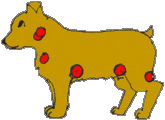
Lymphoma signs in dogs

The spots indicate the location of peripheral lymph nodes in dogs. Illustration by Dr. Wendy Brooks.

How Is Lymphoma Diagnosed?

A trained veterinarian will take a biopsy of the affected area and examine it closely under a microscope. A special staining of the sample may be performed to determine which type of malignancy your pet has developed. Other tests of the blood, urine, bone marrow, as well as imaging and sampling the internal organs with an ultrasound will help to determine how widespread the disease is.  This is known as staging the cancer and gives veterinary oncologists an opportunity to better treat the disease and refine the prognosis.

How Can We Treat Lymphoma?

Dogs with multicentric lymphoma who do not undergo treatment typically survive only a few months.  Treatment options and response to treatment depend on the type of lymphoma (B cell, T cell, small cell, low grade), stage of cancer, whether your pet is currently acting ill, whether they have received previous treatment for the disease, other concurrent illnesses, calcium levels at the time of diagnosis, and financial limitations.  Most protocols involve giving a combination of chemotherapy drugs over several months. In general, dogs receiving treatment do not suffer the same effects as people such as nausea and hair loss.

The goal of treatment is to achieve remission, or at least regression. Remission is represented by a return of the lymph nodes to normal size and resolution of any signs related to the disease. 65-70% of dogs who receive some type of treatment protocol can expect to see a first remission.  How long the remission period lasts varies on the type of treatment the dog receives.

The median survival time for B cell lymphomas is one year when receiving the most standard combination of chemotherapeutics. 25% of patients can expect a good quality of life for two years! More recently, a vaccine used to target and kill malignant cells has received conditional FDA approval adding to the toolkit to treat lymphoma.

As new treatment options become readily available and clinical trials at veterinary teaching hospitals are completed, we can hope to see a day when dogs with lymphoma stand a better chance at a cure.

Signs Your Dog Is Stressed and How To Relieve Anxiety in Your Pet

Dog Behavior Articles

Stressed Dog

Ommmmmm…… As I sit with my legs crossed, hands to the heavens, and eyes closed, I can almost feel myself becoming one with the universe.  It is no secret that regular exercise and breathing deeply helps the body release natural feel-good chemicals. Which, in turn, can promote a better night’s sleep and sharper thinking.  Physiologically, our pets’ bodies operate in much the same way we do.  We know they anticipate, perceive, and react to stress very similarly; anxiety leads to rapid heart rate and breathing, raised cortisol levels, and outward signs of stress like panting, whining, shifting of weight off the front limbs, yawning, or pacing.

Signs Your Dog Is Stressed and How To Relieve Anxiety In your Pet

How can we assist our pets during times of stress or change and enable them to cope with situations that may prove taxing?  First, recognize that some events are inherently hard on animals, taking into consideration your own pets’ personalities and environment. Animals are very perceptive. For example, if your human family is experiencing stress, your pets may become agitated as well.  Change, whether it be a move, an animal or human addition to the family, or the loss of a loved one can be upsetting.  Travel, storms, babies crying, separation from family (even for just a few minutes), pain, and illness are also common stressors.

Signs your pet may be experiencing stress include:

  • Hiding
  • Vocalizing
  • Panting
  • Salivating
  • Shaking
  • Needing physical closeness to their human
  • refusing food
  • Inappropriately urinating and defecating.

Tips to Manage Stress & Anxiety

  • Make sure your pet has a calm place in which to retreat such as a kennel for a dog. A quiet, interior room or bathtub may relieve anxiety during a thunderstorm or fireworks.
  • Thundershirts can provide relief by essentially wrapping your dog in a protective “hug”. By utilizing gentle, constant pressure symptoms of anxiety decrease.
  • Do not inadvertently reward unwanted behavior such as crying or shaking by “reassuring” your dog things will be ok. Because such positive reinforcement can cause the behavior to persist or escalate.
  • Make the kennel or safe space the best place to be by offering a high value treat such as a peanut butter filled kong every time they rest quietly in their “den”.
  • Exercise your pet by taking a walk, tossing a toy, attending an obedience or agility class, or incorporating some of those yoga moves while exercising with your pet. Giving your pet a “job” or place to succeed can work wonders for calming nerves and instilling confidence.

Separation Anxiety

If separation anxiety is a problem, try to ignore your pet for the first few minutes after you arrive home. Allowing them time to settle, and don’t forget to reward calm, quiet behavior with your attention. Also, try to vary your departure and arrival routine and schedule.  Your dog will come to associate the sound of the hair dryer or garage door opening with your departure may cause anticipatory stress.

Alternative Stress Relief Methods

  • Natural chemicals such as dog appeasing pheromone (DAP or ADAPTIL) can calm dogs under stress. Collars, plug-ins, and sprays are impregnated with the odorless product and are worn or placed strategically on bedding during travel or throughout the home.
  • Essential Oils. Lightly diffused essential oils such as lavender and chamomile may be relaxing though in concentrated doses they can also be toxic. Make sure your dog can’t taste test any oils you may use in your home. Rescue Remedy is a Bach Flower blend that can be given orally to your pet or in the water bowl. It can be found online at: VitaminShoppe.com or at Whole Foods. Other common supplements used in managing pet anxiety include: Melatonin, Valerian Root, and Passion Flower extracts.
  • Calming CD’s and Videos. These can help your animal relax while you are away or divert their attention from a major weather system. Relaxation Music for Dogs and Cats Vol. 1 and DVD’s such as Dog Sitter (multiple volumes) can be found on Amazon.  These videos show familiar and comforting scenes such as fish swimming in a bowl, layered with sounds appealing to dogs including the phrase “good dog” audible only to canine ears!

Senior Dogs & Stress

In older dogs, pain is a common cause of physiologic stress and can be treated via a multi-modal approach involving anti-inflammatory medications, massage, acupuncture and supplements. It is best to consult your veterinarian to see which therapy and dosage is best for your animal depending on their specific condition. Board certified veterinarians who specialize in rehabilitation and recovery, chiropractic, and physical therapy are available at most veterinary teaching hospitals and major metropolitan areas.

The bottom line is to get moving and have fun! You will often hear me say, “a mentally and physically tired dog is a happy dog and owner!”

Now, lace up your running shoes and grab a leash. You and your pet are on the road to relaxation!

Symptoms of Dehydration in Dogs and Safe Ways to Re-Hydrate

Pet Safety Articles

dog dehydration

Pets are especially prone to dehydration and hyperthermia as they are not designed to efficiently regulate body temperature. They cool themselves by conduction, or transfer of heat, by lying on a cool floor. Sweat glands in the paws and panting help to carry away body heat and fur helps to provide insulation. On hot and cold days, they can become dehydrated quickly and need more than the requisite cup of water per 10 pounds of body weight, or ounce per pound.

Pets can also become dehydrated by losing fluid if they are experiencing gastrointestinal symptoms of vomiting and diarrhea or have a high fever. Excessive urination due to kidney disease or diabetes can also deplete the body’s water stores.

Vigorous exercise and lack of access to clean water will obviously lead to dehydration. For a healthy pet in comfortable environment, it’s safe to remove access to the water bowl an hour or two before bedtime to prevent nighttime accidents, but replenish the dish in the morning.

Symptoms of Dehydration

The symptoms of dehydration vary depending on the degree of water loss. You may first notice excessive panting or drooling in your pet with a 3-5% loss of fluid. They will attempt to find shade or an air conditioning vent. Lethargy and loss of appetite is common. As dehydration progresses, their noses and mouths become dry, eyes appear sunken, and skin loses its “spring”.

At 10-15% fluid loss:

  • signs of shock such as shivering
  • listlessness
  • rapid heart rate
  • weak pulse
  • bright red gums
  • appear unconsciousness. If not immediately treated by your veterinarian with gradual cooling and intravenous fluids, your dog can die.

Re-hydrating Your Dog

In the early stages on dehydration, it’s important to eliminate the cause, be it treating the diarrhea or getting your dog out of the sun. Provide access to fresh, cool water in small, frequent amounts or offer ice cubes.

Dogs that guzzle water are at risk for vomiting all they consumed and losing more fluid. Electrolytes are lost in body secretions, and with the permission of your veterinarian, a small amount of bone broth, Pedialyte or other electrolyte replacement solution can be added to water to slowly rehydrate your dog if they are not vomiting.

Perform a Dehydration Test

To perform a dehydration test on your pet, consider two options:

Test skin elasticity. The skin elasticity test measures the amount of spring in your dog’s skin. Pinch the skin to make a tent between the shoulder blades or along the ribcage, release your grip on the “skin tent”, and watch for the skin to return to the dog’s body wall. In a well-hydrated animal, the skin returns to its normal position almost immediately.

Test your dog when they are healthy as each dog’s skin elasticity varies. It can be especially difficult to judge how long skin stays tented in wrinkly breeds like the shar pei or bulldog, older pets, or those with long hair. In which case we move on to the second way to check for dehydration in pets.

Check gums. Normal, healthy dogs have moist mouths and no excessive panting. Their gums are pink (again, check on your healthy pet to determine their personal normal. Heavily pigmented dogs like chows or mastiffs may be more difficult to assess). When the pink gum tissue has pressure applied via a fingertip, the mucous membrane blanches to near white.

When the pressure is removed, a normal pink color should return in less than 3 seconds. This is known as the capillary refill time. If gums are red or white upon visual inspection without pressure, call your vet. Animals that have a delayed capillary refill time may be dehydrated and need prompt intervention too.


How to Prevent Travel Anxiety and Motion Sickness in Dogs

Dog Behavior Articles

dog travel anxiety and car sickness

For many of us, not only do we treat our pets LIKE family, they ARE family; I’ll admit, sometimes the dogs are my favorite family members. They don’t whine, kick the seats, fight with their siblings, or complain of boredom. Especially on road trips. My human children can’t possibly imagine how we survived long car rides without iPads, smart phones, and videos.

While dogs can be the ideal travel companion, there is the occasional pooch that suffers from travel anxiety or motion sickness. Is it possible to manage dog car sickness and nervousness so that you and your furry friend can best enjoy the open road? Yes!

Dog Car Sickness and Travel Anxiety

Dogs can become excitable or nervous when they are in unfamiliar situations or when they associate an activity with a negative outcome. Did your dog’s previous car ride end in a trip to the vet for vaccinations or surgery?

Was their last car ride three years ago and they are no longer accustomed to the sound of the engine, the roar of passing trucks, or the confinement that road travel brings? Are they secured in a crate or harness with a familiar toy or blanket or are they bounced around in a hot vehicle during stop and go traffic?

Take Shorter Trips

If possible, introduce a puppy or even adult dog to short, frequent road trips that end at a dog park or give them treats during and after the ride. When a car ride equates to a favorite activity or snack, dogs are eager to hop in a vehicle. Mix up the duration of car rides and give them a little fresh air. Stop sporadically to exercise your pet and provide stimulation, playtime, and a drink.

What if you knew that EVERY time you got into your car you were going to be trapped inside for 9 hours with few breaks to eliminate or eat? I’d start to think my vehicle might be more like a prison cell on wheels. Happy to buckle up? No thank you! I might drool and pace at the sound of car keys jangling or hit the brakes hard if someone tried to plop me in a car seat.

Calming Dog Medications and Supplements

In addition to desensitization, travel anxiety in dogs can be alleviated with over-the counter supplements and/or prescription medications from your veterinarian. It’s best to manage the situation before it gets out of hand; the more a behavior becomes practiced by an animal, the harder it is to unlearn. This is especially important with large dogs who can be more difficult to contain and restrain in a car.

As a housecall vet, we see many patients at home because they simply refuse to get in the car. Whether it was a prior negative experience or just lack of exposure to car rides, it can be impossible to convince a 150-pound Mastiff to buckle up. What would happen to your pet if you had to transport them in an emergency?

Products containing L-theanine, Chamomile, L-tryptophan, and Vitamin B1 such as Composure Pro by Vetriscience may be all that is needed to take the edge off an anxious dog. Combining the tasty treat with an Adaptil dog collar, which releases a natural dog calming pheromone imperceptible to humans, can work wonders.

Other dog owners have found success using a Bach flower drop called Rescue Remedy. Ask your veterinarian if you think your dog might be more comfortable using one of these supplements or if a prescription medication such as Trazodone or Alprazolam might be necessary to ensure a successful trip.

Benadryl (diphenhydramine) can be tried to help ease the tension of car travel, but I find while it may cause sleepiness, it doesn’t help truly anxious dogs. In some cases, when dogs lose their coordination and stumble about due to sedation, they become more anxious.

Motion Sickness

I always recommend trying the medication you are planning to use in advance. You don’t want to find out 2 hours into a 10-hour trip that your dog may have needed a higher dose and is panting, shaking, and crying or that they have an adverse reaction to a new product.

Some dogs become anxious in the car because they have previously experienced motion sickness. Motion sickness can be alleviated by avoiding a large meal before travel and making sure dogs are secure in a crate. Other pets fare better given a medication like Cerenia tablets or Meclizine a few hours before a trip. A safe alternative to prescription medications may be a sprinkle of ginger powder on a bit of wet food to manage nausea. As always, check with your veterinarian. Safe travels!

Find a Pet Butler 800-Pet-Butler